Introduction
In the field of cardiac health, accurate ECG analysis is crucial for diagnosing and managing heart conditions. As advanced technologies emerge, health tech developers have a unique opportunity to deepen their understanding of key ECG 12-lead abnormalities that can significantly influence patient outcomes. Yet, a pressing question remains: how can developers create tools that not only pinpoint these abnormalities with precision but also adapt to the complexities of real-world clinical environments? This article explores ten vital ECG abnormalities that every health tech developer should master, showcasing the innovative solutions provided by platforms like Neural Cloud Solutions' MaxYield™ to revolutionize cardiac care.
Neural Cloud Solutions: MaxYield™ for Enhanced ECG Clarity
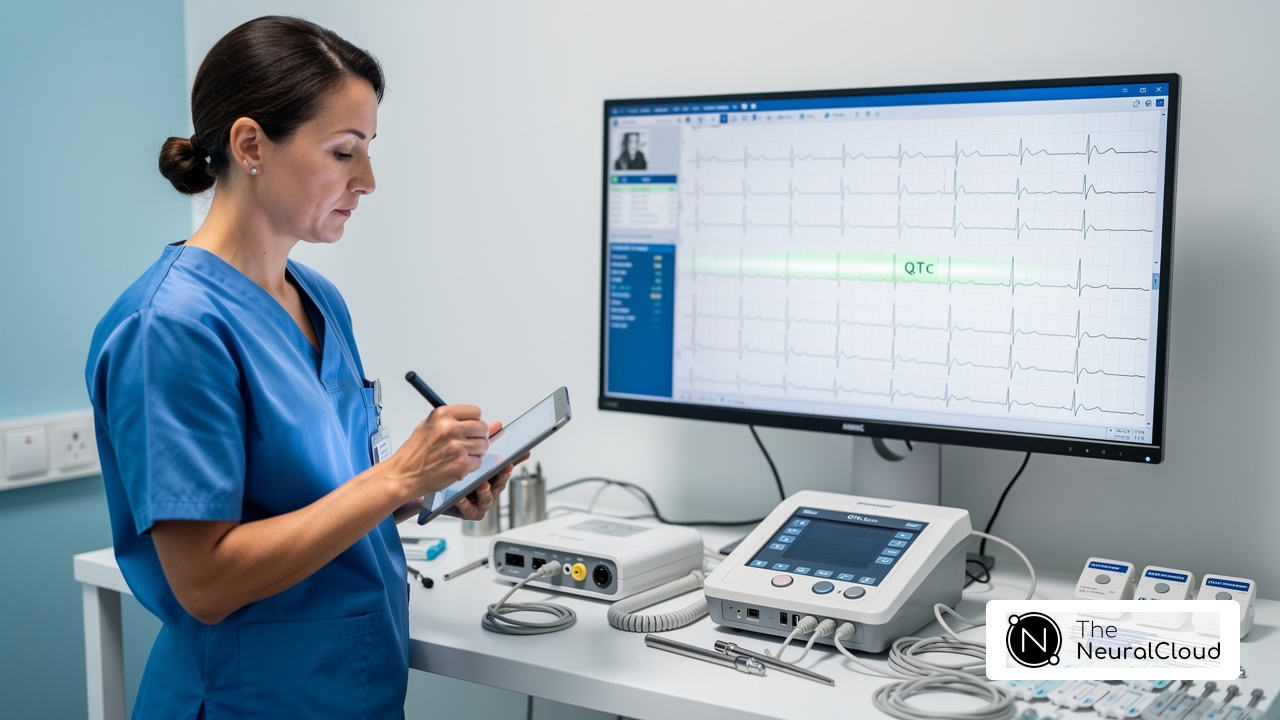
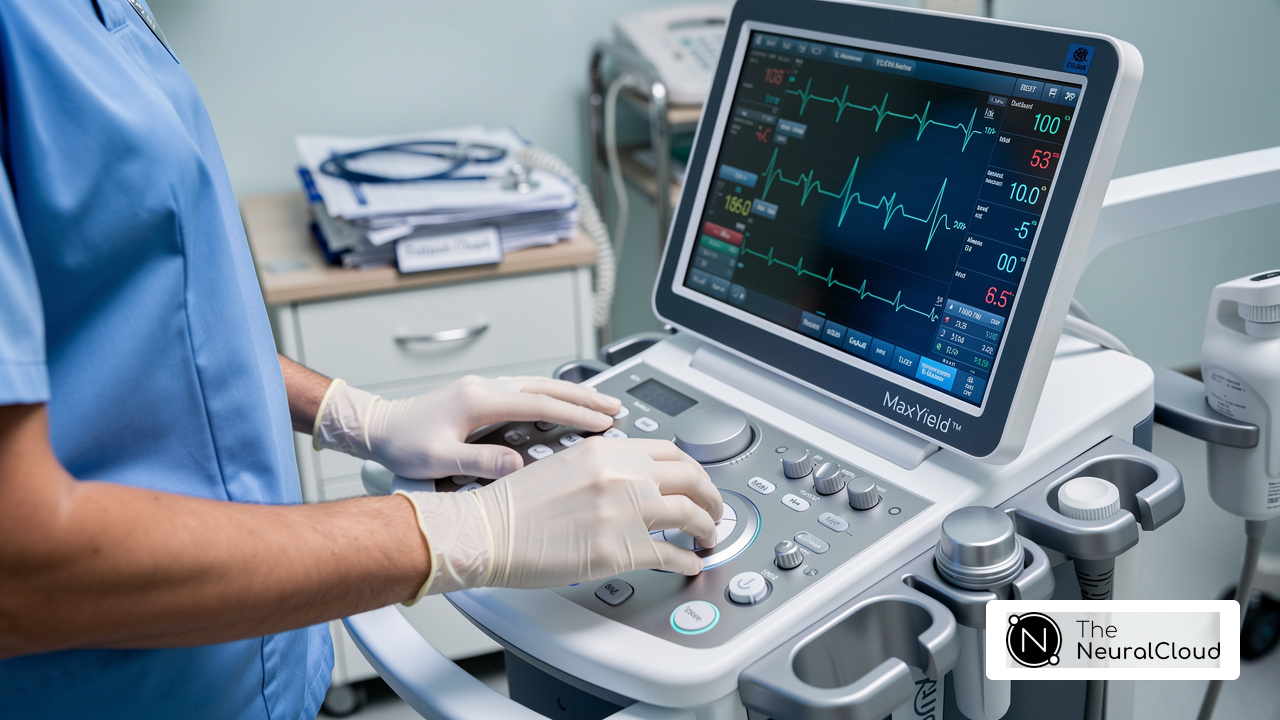
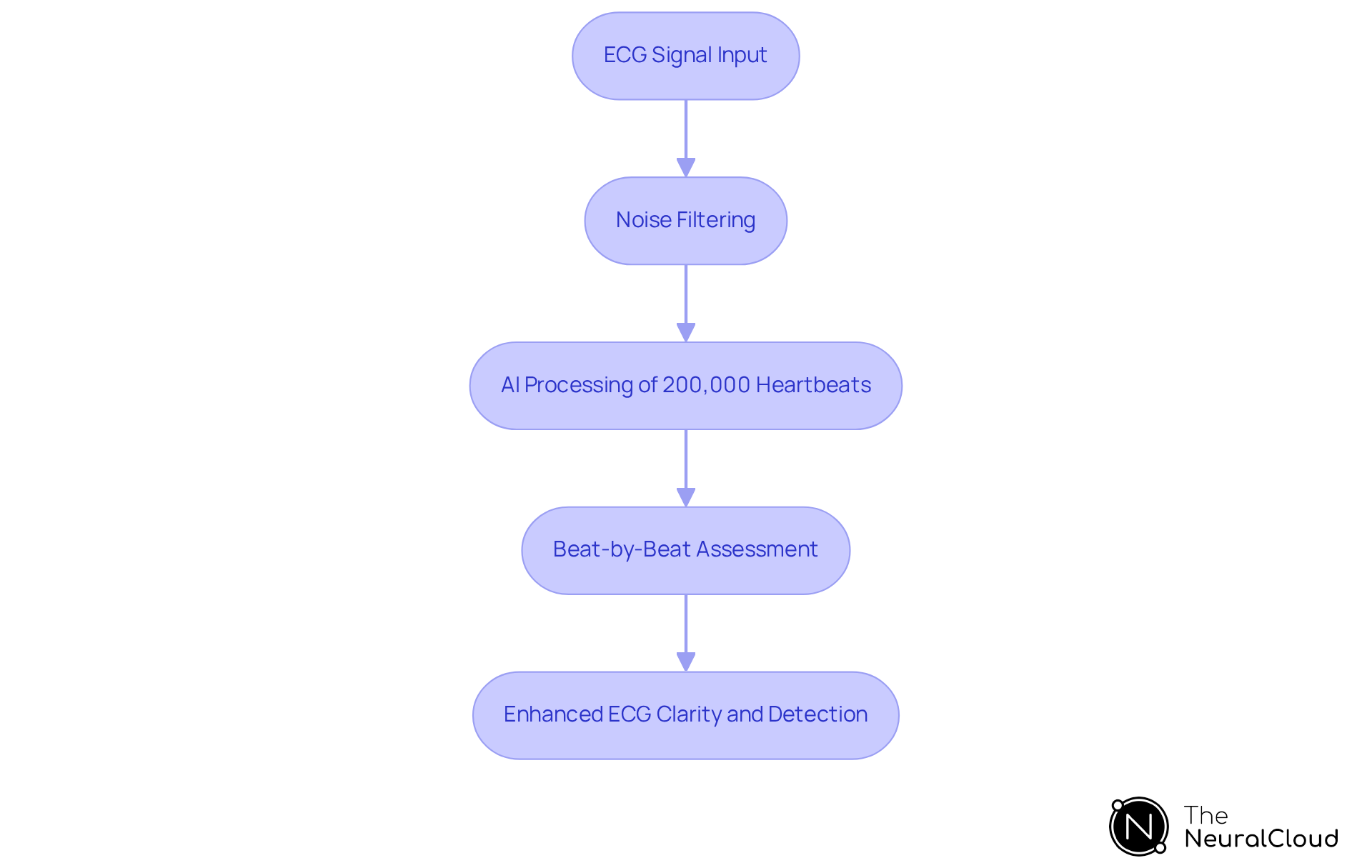
ECG analysis has long faced challenges, particularly in terms of clarity and speed. Neural Cloud Solutions addresses these issues with its innovative MaxYield™ platform, which automates the evaluation of ECG signals. This platform utilizes advanced AI algorithms to process over 200,000 heartbeats in under five minutes, delivering a beat-by-beat assessment that identifies crucial features like P-waves, QRS complexes, and T-wave intervals. By streamlining the analysis process, it significantly enhances the quality of ECG data, allowing healthcare professionals to detect cardiac events with greater confidence.
One of the standout features of the MaxYield™ platform is its ability to effectively filter out noise from ECG signals. This capability enables the system to isolate key characteristics, even in recordings that contain substantial artifacts. Unlike traditional ECG interpretation methods that depend on fixed algorithms, MaxYield™ employs an adaptive algorithm that learns and improves with each use, thereby increasing its diagnostic accuracy. Additionally, it can recover previously hidden segments from lengthy Holter, 1-Lead, and patch monitor recordings, making it an essential tool for cardiologists and healthcare technicians.
A recent study involving 1,032 patients suspected of having ST-segment elevation myocardial infarction (STEMI) from January 2020 to May 2024 highlighted the platform's effectiveness. The findings revealed that AI-driven ECG analysis significantly boosted STEMI detection rates while reducing false positive alerts, showcasing the platform's real-world impact. As healthcare providers increasingly depend on precise and reliable cardiac insights, the MaxYield™ platform stands out as a versatile solution that enhances clinical workflows and decision-making.
Furthermore, Neural Cloud Solutions has partnered with Commission Wolf to advance remote heart monitoring and preventive cardiology. This collaboration further solidifies the MaxYield™ platform's role in improving patient outcomes, ensuring that healthcare professionals have access to the best tools for effective cardiac care.
ST Segment Elevation: Identifying Myocardial Infarction Risks
ST Segment Elevation: Identifying Myocardial Infarction Risks
ST segment elevation is a crucial indicator of myocardial infarction (MI), characterized by an elevation of the ST segment above the baseline on the ECG. This abnormality typically appears in the leads of the ECG 12-lead corresponding to the affected area of the heart. Recognizing ST segment elevation promptly is vital, as it signifies that the heart muscle is not receiving enough blood supply. Current guidelines stress the importance of swift detection to enable timely medical intervention, which can significantly lower the risk of severe complications or death.
For health tech developers, creating tools for ECG 12-lead abnormal analysis that accurately identify ST segment elevation is essential for facilitating rapid diagnosis and treatment. The MaxYield™ platform exemplifies this need by incorporating advanced noise reduction and artifact handling capabilities. This technology allows for the isolation of critical ECG features, even in recordings with high noise levels. By addressing challenges posed by physiological variability and signal artifacts, MaxYield™ enhances detection capabilities, leading to improved clinical outcomes.
Research indicates that the median time from ECG to device activation is significantly longer for in-hospital STEMI patients (81 minutes) compared to those treated outside the hospital (69 minutes). This highlights the urgent need for effective detection tools. Additionally, the absence of standardized protocols for in-hospital STEMI management highlights the necessity for developers to create solutions that support timely interventions for cases involving ECG 12-lead abnormal results.
As Michelle Wolfe, Freeman STEMI Coordinator, notes, "The STEMI Level I designation is a testament to teamwork at Freeman," emphasizing the collaborative effort required to provide efficient care.
Features of MaxYield™
- Advanced Noise Reduction: Isolates critical ECG features in noisy recordings.
- Artifact Handling: Addresses physiological variability and signal artifacts.
Advantages for Healthcare Professionals
- Improved Detection Capabilities: Leads to better clinical outcomes.
- Timely Interventions: Supports rapid diagnosis and treatment, reducing the risk of complications.

QRS Complex Widening: Implications for Cardiac Function
A QRS complex, characterized by a duration exceeding 120 milliseconds, signals various underlying cardiac issues, such as bundle branch blocks, ventricular hypertrophy, or myocardial infarction. This abnormality indicates a delay in ventricular depolarization, which can lead to decreased cardiac output and an elevated risk of arrhythmias. Recent studies have shown that QRS width progression is associated with clinical deterioration in individuals with heart failure, with a significant increase in adverse outcomes linked to prolonged QRS duration. For instance, patients with a baseline heart rate over 83 bpm and NT-proBNP levels exceeding 837 pg/ml face a 14-fold increased risk of QRS width progression.
Given these challenges in ECG analysis, it is essential for health tech developers to integrate algorithms capable of accurately detecting QRS widening. MaxYield™ offers a robust solution by automating ECG analysis, providing beat-by-beat insights while effectively filtering noise to enhance the clarity of ECG signals.
Features of MaxYield™:
- Automated ECG analysis
- Beat-by-beat insights
- Noise filtering for clearer signals
Advantages for Healthcare Professionals:
- Continuous learning model enhances diagnostic accuracy over time
- Profoundly influences management and treatment strategies
- Ensures timely interventions and improved clinical outcomes
By utilizing MaxYield™, healthcare professionals can significantly improve their ECG analysis capabilities, leading to better patient outcomes and more effective management of cardiac conditions.

T Wave Inversion: Recognizing Ischemic Changes
T wave inversion is a notable ECG abnormality often associated with myocardial ischemia, serving as a key indicator of underlying cardiac conditions. This abnormality appears as a downward deflection of the T wave on the ECG, suggesting reduced blood flow to the heart muscle. Accurate identification of T wave inversions is crucial, as they can signal the need for timely medical interventions, ultimately improving patient outcomes.
To effectively recognize T wave inversions, developers should ensure their ECG analysis platforms, such as Neural Cloud Solutions' MaxYield™, are equipped with advanced algorithms capable of detecting these changes. The system excels in mapping ECG signals through noise, isolating and labeling key features in every heartbeat. This capability is vital for identifying T wave inversions amidst noise and artifacts. Unlike traditional ECG interpretation technology that relies on preset algorithms, MaxYield™ evolves with each use, enhancing its ability to detect T wave inversions accurately.
Current guidelines emphasize the importance of distinguishing between benign and pathological T wave inversions, as the latter can indicate serious cardiac issues. Research indicates that the occurrence of ECG alterations indicative of myocardial ischemia is around 15% among individuals experiencing acute ischemic stroke without a background of ischemic heart disease.
Real-world examples highlight the clinical significance of T wave inversions. For instance, a study found that elevated cardiac troponin T (cTnT) levels, often associated with T wave inversions, were present in 36.4% of individuals with acute ischemic stroke, correlating with poor outcomes. Furthermore, T wave inversions in leads beyond V are linked to increased cardiac mortality and hospitalization due to congestive heart failure or coronary artery disease.
These findings underscore the necessity for health tech developers to prioritize the accurate detection of T wave inversions in their ECG analysis solutions. Leveraging platforms like MaxYield™, which continuously improve their diagnostic yield through advanced noise filtering and wave recognition, can significantly enhance patient care.

Atrial Fibrillation: Detecting Irregular Heart Rhythms
Atrial fibrillation, characterized by an irregularly irregular rhythm and the absence of distinct P waves. This condition notably increases the risk of stroke and heart failure. Recent studies indicate that individuals with persistent AF face a higher risk of these serious health issues compared to those with occasional AF. Therefore, early detection is essential for effective management.
MaxYield™ offers advanced features that enhance ECG analysis, specifically designed to address the complexities of AF. This platform excels in managing noise and signal artifacts, allowing for rapid isolation and labeling of key features in each heartbeat. By leveraging these capabilities, healthcare providers can achieve more reliable data, which is crucial for timely decision-making.
The advantages of using MaxYield™ are significant. With its ability to accurately identify AF patterns, healthcare professionals can promptly initiate anticoagulation therapy and other necessary interventions. This not only improves patient outcomes but also streamlines the workflow in clinical settings. Statistics show that atrial fibrillation is projected to affect 16 million Americans by 2050, highlighting the urgent need for effective detection tools.
Incorporating advanced ECG analysis technologies, such as those provided by Neural Cloud Solutions' platform, transforms the management of atrial fibrillation. By ensuring that healthcare professionals can confidently address the challenges posed by AF, MaxYield™ ultimately enhances the quality of care for patients.

PR Interval Prolongation: Understanding Conduction Disturbances
PR Interval Prolongation: Understanding Conduction Disturbances
A prolonged PR interval, defined as exceeding 200 milliseconds, indicates delayed conduction through the atrioventricular (AV) node, commonly referred to as first-degree AV block. This condition is not just a benign finding; it carries increased risks of:
- Atrial fibrillation (AF)
- Pacemaker implantation
- All-cause mortality
Recent studies show that individuals with first-degree AV block face a two-fold increased risk of developing AF and a three-fold increased risk of needing a pacemaker. Symptoms may include fatigue and exertional intolerance, which can significantly impact the quality of life for those affected.
For health tech developers, ensuring that ECG analysis tools can accurately detect PR interval prolongation is crucial. This capability is vital for identifying individuals who may need further evaluation and management of potential conduction disturbances. Current guidelines emphasize the importance of regular monitoring for individuals with extended PR intervals, as early identification can lead to timely interventions and improved outcomes. The prevalence of first-degree AV block in clinical practice highlights the necessity for effective monitoring solutions, as it is commonly encountered in various patient populations, including those with underlying cardiovascular conditions.

QT Interval Prolongation: Risks of Arrhythmias
QT interval prolongation, defined as a corrected QT (QTc) interval exceeding 450 milliseconds in men and 460 milliseconds in women, significantly increases the risk of life-threatening arrhythmias, particularly Torsades de Pointes. This condition can result from various factors, including certain medications, electrolyte imbalances, and congenital long QT syndromes. In the United States, the annual incidence of sudden cardiac death is estimated to range from 180,000 to 250,000 cases, with QT prolongation implicated in a considerable number of these events.
Given these challenges, developers must prioritize the detection of QT prolongation in their ECG evaluation tools. Accurate identification is crucial for reducing the risk of serious cardiac events. The 'Neural Cloud Solutions' MaxYield™ platform enhances this process by effectively mapping ECG signals through noise, enabling beat-by-beat evaluation of 200,000 heartbeats in under 5 minutes. Its advanced noise reduction and adaptive algorithm significantly improve diagnostic yield, facilitating clearer identification of QT intervals.
Current guidelines recommend that clinicians closely monitor QT intervals, especially when prescribing QT-prolonging medications, to ensure individual safety and effective management of arrhythmia risks. Moreover, recent studies underscore the importance of exercise stress testing in revealing hidden QT prolongation, emphasizing the need for thorough ECG evaluations that integrate these findings into clinical practice. By leveraging the capabilities of the MaxYield™ platform, healthcare professionals can enhance their ECG analysis, ultimately improving patient outcomes.

Left Bundle Branch Block: Diagnostic Challenges in ECG
Left Bundle Branch Block: Diagnostic Challenges in ECG
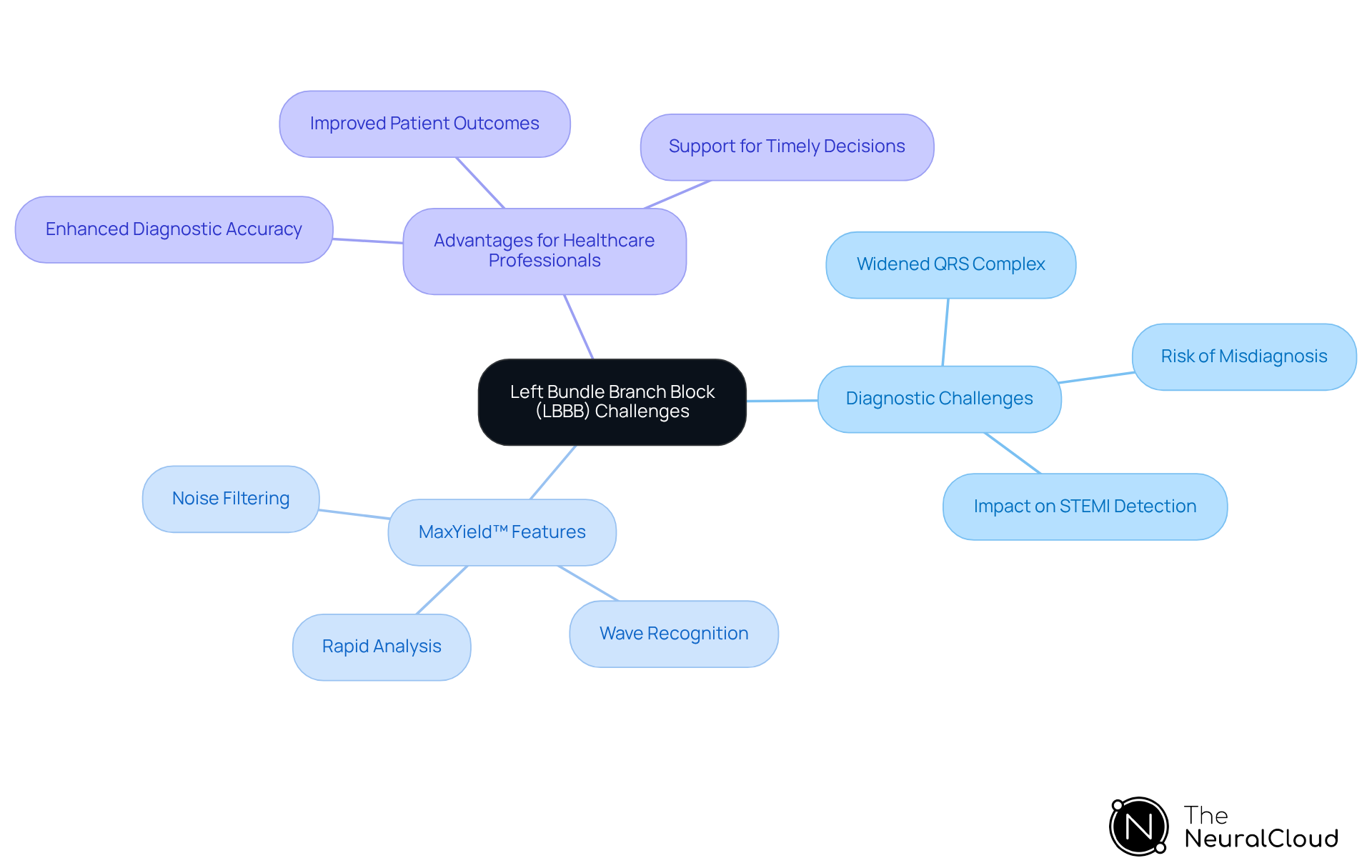
Left Bundle Branch Block (LBBB) poses significant challenges in ECG interpretation, primarily due to its characteristic widened QRS complex. This condition often indicates underlying heart disease and can obscure other critical abnormalities, complicating accurate diagnosis. Recent studies show that LBBB is linked to a higher risk of adverse cardiovascular events, including heart failure and mortality, highlighting the need for precise identification. Notably, the presence of LBBB can lead to misdiagnosis in acute settings, as it may mask signs of ST-elevation myocardial infarction (STEMI). For instance, only 1.2% of individuals admitted with acute myocardial infarction were found to have STEMI alongside newly diagnosed LBBB, underscoring the diagnostic challenges this condition presents.
To address these challenges, developers of ECG analysis platforms must prioritize the ability to accurately detect LBBB and differentiate it from other ECG abnormalities, such as benign early repolarization or left ventricular hypertrophy. This differentiation is crucial for enhancing diagnostic accuracy and ultimately improving patient outcomes. Timely and appropriate management of patients with LBBB can significantly influence long-term prognoses.
MaxYield™ excels in this area by utilizing advanced noise filtering and wave recognition capabilities. This technology allows for the isolation of critical ECG features, even in recordings with significant noise and artifacts. With the ability to analyze 200,000 heartbeats in under 5 minutes, MaxYield™ provides reliable insights that support confident clinical decision-making.
Key Features of MaxYield™:
- Advanced noise filtering
- Wave recognition capabilities
- Rapid analysis of heartbeats
Advantages for Healthcare Professionals:
- Enhanced diagnostic accuracy
- Improved patient outcomes
- Support for timely clinical decisions
In summary, MaxYield™ not only addresses the complexities of LBBB but also empowers healthcare professionals with the tools needed for effective ECG analysis.
Right Axis Deviation: Clinical Significance in ECG Analysis
Right axis deviation (RAD) is characterized by a QRS axis shift between +90° and +180°, often indicating underlying conditions such as right ventricular hypertrophy, pulmonary embolism, or lateral myocardial infarction. Recent studies have highlighted the prevalence of RAD in cardiac patients, with significant implications for clinical outcomes. For instance, individuals exhibiting RAD may face increased risks of adverse events, necessitating careful monitoring and assessment.
Detecting RAD in ECG readings is crucial for health tech developers. Precise identification can lead to timely interventions and improved management of patients. Algorithms designed to recognize RAD must be robust, taking into account the nuances of ECG signal interpretation. Current research underscores the importance of integrating advanced detection capabilities into ECG analysis platforms, ensuring healthcare professionals can make informed decisions based on reliable data.
The real-world implications of RAD extend beyond diagnosis; they significantly influence treatment strategies and outcomes for patients. As healthcare systems increasingly rely on technology for cardiac health evaluation, the ability to accurately assess RAD will be vital in enhancing diagnostic precision and optimizing care.
Utilizing Neural Cloud Solutions' MaxYield™ platform can significantly enhance this process:
- Automated ECG Analysis: MaxYield™ delivers beat-by-beat insights, effectively mapping ECG signals through noise.
- Continuous Learning Model: The algorithm evolves with each use, improving accuracy and efficiency over time.
- Streamlined Workflow: Advanced AI-driven features enhance diagnostic clarity and reduce workload for developers.
By leveraging MaxYield™, developers can ensure their systems are equipped to handle the complexities of ECG interpretation, ultimately leading to better outcomes for patients.

Hyperkalemia: ECG Changes and Clinical Implications
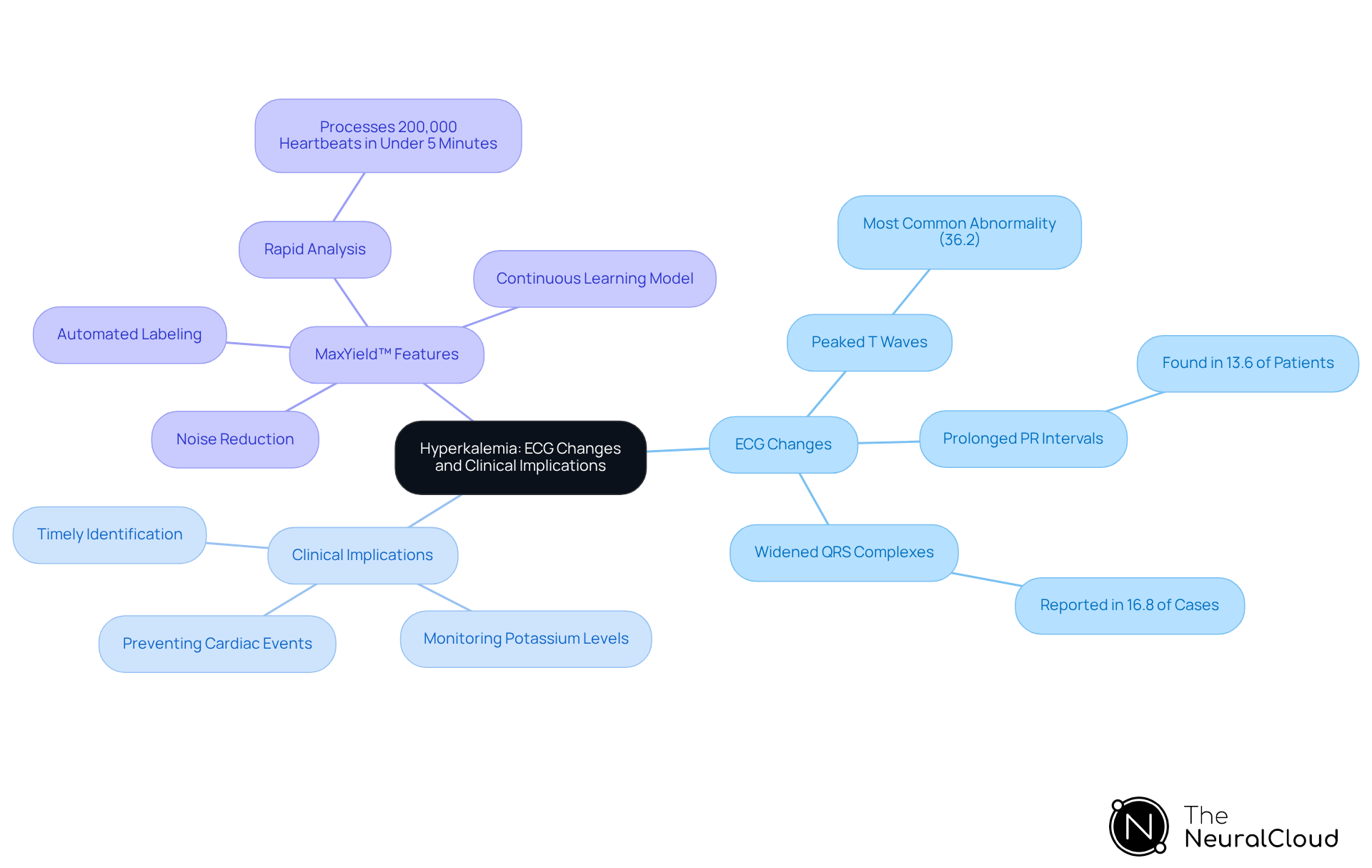
Hyperkalemia, characterized by elevated serum potassium levels exceeding 5.5 mEq/L, poses significant challenges in ECG analysis. It can lead to critical ECG changes, including peaked T waves, prolonged PR intervals, and widened QRS complexes. These alterations are not just theoretical; they can escalate into life-threatening arrhythmias if not promptly identified and managed. Studies show that around 40% to 80% of individuals with severe hyperkalemia (potassium levels ≥ 6.5 mEq/L) exhibit notable ECG 12-lead abnormal findings, with peaked T waves being the most common manifestation at 36.2%.
The clinical implications of these ECG changes are profound. Timely identification of hyperkalemia through an ECG 12-lead abnormal evaluation is essential to prevent serious cardiac incidents, including cardiac arrest. Current guidelines stress the importance for healthcare professionals to closely monitor both baseline and hyperkalemic potassium levels, as fluctuations can significantly impact patient outcomes.
MaxYield™ offers advanced ECG analysis tools that enhance the identification of these critical changes. The platform employs sophisticated AI algorithms for automated labeling and noise reduction, improving the precision of ECG evaluations. Key features include:
- Automated Labeling: Streamlines the identification of ECG abnormalities.
- Noise Reduction: Enhances signal clarity for accurate analysis.
- Rapid Analysis: Processes 200,000 heartbeats in under 5 minutes, crucial for timely decision-making.
- Continuous Learning Model: Evolves with each use, increasing accuracy and efficiency over time.
These features translate into significant advantages for healthcare professionals. By utilizing MaxYield™, clinicians can make informed decisions quickly, reducing the risk of adverse cardiac events. As conditions leading to hyperkalemia, such as chronic kidney disease, become more prevalent, the need for robust ECG analysis tools in clinical practice is increasingly critical. The integration of MaxYield™ into routine assessments can enhance patient care and outcomes.
Conclusion
The exploration of ECG 12-lead abnormalities is crucial for health tech developers, as these insights can greatly impact patient care and outcomes. Understanding various ECG abnormalities - like ST segment elevation, QRS complex widening, and T wave inversion - is essential, as these are critical indicators of underlying cardiac conditions. By utilizing advanced technologies such as Neural Cloud Solutions' MaxYield™ platform, developers can improve the clarity and accuracy of ECG interpretations, ultimately aiding healthcare professionals in making informed decisions.
Key arguments include:
- The need for precise detection of abnormalities to enable timely interventions
- The role of advanced algorithms in enhancing diagnostic accuracy
- The real-world applications demonstrated through studies
The MaxYield™ platform excels by automating ECG analysis, filtering out noise, and continuously learning from each use, which collectively boost its diagnostic capabilities. Integrating such technology into clinical practice not only streamlines workflows but also enhances the management of cardiac conditions.
In summary, mastering ECG 12-lead abnormalities is of utmost importance. As healthcare systems increasingly depend on technology for cardiac health evaluation, developers must prioritize creating tools that accurately identify these abnormalities. Embracing innovations like MaxYield™ will not only enhance diagnostic clarity but also empower healthcare professionals to deliver timely and effective care, ultimately leading to improved patient outcomes. The call to action is clear: invest in the development of advanced ECG analysis solutions to shape the future of cardiac healthcare.
Frequently Asked Questions
What is the MaxYield™ platform by Neural Cloud Solutions?
MaxYield™ is an innovative platform that automates the evaluation of ECG signals using advanced AI algorithms to process over 200,000 heartbeats in under five minutes, providing a beat-by-beat assessment of critical ECG features.
How does MaxYield™ improve ECG analysis?
The platform enhances ECG analysis by streamlining the process, effectively filtering out noise, and employing an adaptive algorithm that learns with each use, improving diagnostic accuracy and allowing for the recovery of hidden segments from various ECG recordings.
What are the key features of the MaxYield™ platform?
Key features include advanced noise reduction, artifact handling, automated ECG analysis, and the ability to provide beat-by-beat insights.
How effective is MaxYield™ in detecting ST-segment elevation myocardial infarction (STEMI)?
A study involving 1,032 patients indicated that AI-driven ECG analysis with MaxYield™ significantly increased STEMI detection rates while reducing false positive alerts, demonstrating its effectiveness in real-world applications.
Why is prompt recognition of ST segment elevation important?
Prompt recognition is crucial because ST segment elevation indicates that the heart muscle is not receiving enough blood supply, and timely medical intervention can significantly reduce the risk of severe complications or death.
What challenges do healthcare professionals face with ECG analysis?
Healthcare professionals face challenges such as noise in recordings, physiological variability, and the lack of standardized protocols for in-hospital STEMI management, which can delay diagnosis and treatment.
What implications does a widened QRS complex have for cardiac function?
A widened QRS complex indicates delays in ventricular depolarization, which can decrease cardiac output and increase the risk of arrhythmias, potentially leading to adverse outcomes in heart failure patients.
How does MaxYield™ address the issue of QRS widening?
MaxYield™ automates ECG analysis and provides insights while effectively filtering noise, allowing for accurate detection of QRS widening and enhancing overall ECG clarity.
What advantages does MaxYield™ offer to healthcare professionals?
Advantages include improved detection capabilities, timely interventions, enhanced diagnostic accuracy through continuous learning, and better management of cardiac conditions leading to improved clinical outcomes.
List of Sources
- Neural Cloud Solutions: MaxYield™ for Enhanced ECG Clarity
- AIML Subsidiary NeuralCloud Enters Research Services Agreement with Baker Heart and Diabetes Institute to Support AI-Driven ECG Analysis (https://nasdaq.com/press-release/aiml-subsidiary-neuralcloud-enters-research-services-agreement-baker-heart-and)
- AI/ML Innovations Inc. (CVE:AIML) | (https://webdisclosure.com/article/aiml-innovations-inc-cve-aiml-neural-cloud-partners-with-european-digital-cardiac-platform-zbaBa97okBk)
- sciencedirect.com (https://sciencedirect.com/science/article/pii/S1936879825026007)
- Neural Cloud Signs Reseller Agreement with European Digital Cardiac Monitoring Platform (https://morningstar.com/news/accesswire/1153125msn/neural-cloud-signs-reseller-agreement-with-european-digital-cardiac-monitoring-platform)
- money.tmx.com (https://money.tmx.com/quote/AIML:CHI/news/8195955220724952)
- ST Segment Elevation: Identifying Myocardial Infarction Risks
- abiomed.com (https://abiomed.com/en-us/about-us/news-and-media/press-releases/stemi-dtu-acc-2026)
- Heart attack deaths rose between 2011 and 2022 among adults younger than age 55 (https://newsroom.heart.org/news/releases-20260219)
- AI outperforms conventional diagnosis for certain types of heart attacks (https://escardio.org/news/press/press-releases/acvc-press)
- In-Hospital STEMI Patients Face Reperfusion Delays and Worse Outcomes (https://tctmd.com/news/hospital-stemi-patients-face-reperfusion-delays-and-worse-outcomes)
- freemanhealth.com (https://freemanhealth.com/news/freeman-earns-highest-stemi-designation-0)
- QRS Complex Widening: Implications for Cardiac Function
- American heart health worsening — Harvard Gazette (https://news.harvard.edu/gazette/story/2026/02/american-heart-health-worsening)
- Checking your browser - reCAPTCHA (https://pmc.ncbi.nlm.nih.gov/articles/PMC7011812)
- link.springer.com (https://link.springer.com/article/10.1007/s00392-022-02122-y)
- nyulangone.org (https://nyulangone.org/news/nyu-langone-heart-cardiologists-present-latest-clinical-findings-research-acc2026)
- T Wave Inversion: Recognizing Ischemic Changes
- businesswire.com (https://businesswire.com/news/home/20260330005489/en/CorVista-Health-Demonstrates-High-Sensitivity-for-Noninvasive-Detection-of-CAD-including-INOCA-Ischemia-with-No-Obstructed-Coronary-Arteries-at-ACC.26)
- sciencedirect.com (https://sciencedirect.com/science/article/abs/pii/S0167527307011813)
- sciencedirect.com (https://sciencedirect.com/topics/medicine-and-dentistry/t-wave-inversion)
- ahajournals.org (https://ahajournals.org/doi/10.1161/circulationaha.112.098681)
- Atrial Fibrillation: Detecting Irregular Heart Rhythms
- The biggest cardiac tech news out of the 2026 AF Symposium (https://massdevice.com/biggest-cardiac-news-2026-af-symposium)
- thecardiologyadvisor.com (https://thecardiologyadvisor.com/news/smartwatch-based-screening-improves-detection-of-new-onset-a-fib)
- Johnson & Johnson Presents Early Outcomes from the OMNY-AF Pilot Study at 2026 AF Symposium (https://investor.jnj.com/investor-news/news-details/2026/Johnson--Johnson-Presents-Early-Outcomes-from-the-OMNY-AF-Pilot-Study-at-2026-AF-Symposium/default.aspx)
- How Innovation and Technology Can Improve Atrial Fibrillation Patient Care - InventUM (https://news.med.miami.edu/how-innovation-and-technology-can-improve-atrial-fibrillation-patient-care)
- pmc.ncbi.nlm.nih.gov (https://pmc.ncbi.nlm.nih.gov/articles/PMC12673497)
- PR Interval Prolongation: Understanding Conduction Disturbances
- pmc.ncbi.nlm.nih.gov (https://pmc.ncbi.nlm.nih.gov/articles/PMC5571504)
- ahajournals.org (https://ahajournals.org/doi/10.1161/CIRCINTERVENTIONS.125.015579)
- pmc.ncbi.nlm.nih.gov (https://pmc.ncbi.nlm.nih.gov/articles/PMC2765917)
- jamanetwork.com (https://jamanetwork.com/journals/jama/fullarticle/184145)
- bmjopen.bmj.com (https://bmjopen.bmj.com/content/11/12/e054238)
- QT Interval Prolongation: Risks of Arrhythmias
- Prolonged QT Interval: Causes, Consequences-and Prevention | Patient Care Online (https://patientcareonline.com/view/prolonged-qt-interval-causes-consequencesand-prevention)
- onlinecjc.ca (https://onlinecjc.ca/article/S0828-282X(23)00520-2/fulltext)
- sciencedirect.com (https://sciencedirect.com/science/article/pii/S0735109705025659)
- pmc.ncbi.nlm.nih.gov (https://pmc.ncbi.nlm.nih.gov/articles/PMC6223357)
- Left Bundle Branch Block: Diagnostic Challenges in ECG
- Left Bundle Branch Block May Be Key Indicator of Progressive Heart Failure | AJMC (https://ajmc.com/view/left-bundle-branch-block-may-be-key-indicator-of-progressive-heart-failure)
- jacc.org (https://jacc.org/doi/10.1016/j.jcin.2025.10.018)
- mdpi.com (https://mdpi.com/2077-0383/13/18/5479)
- ahajournals.org (https://ahajournals.org/doi/10.1161/CIRCEP.119.008239)
- nature.com (https://nature.com/articles/s41598-025-34911-6)
- Right Axis Deviation: Clinical Significance in ECG Analysis
- Clinical impact of left and right axis deviations with narrow QRS complex on 3-year outcomes in a hospital-based population in Japan - PMC (https://pmc.ncbi.nlm.nih.gov/articles/PMC8076182)
- join.hcplive.com (https://join.hcplive.com/view/5-cardiology-headlines-you-missed-in-january-2026)
- TCTMD’s Top 10 Most Popular Stories for February 2026 (https://tctmd.com/news/tctmds-top-10-most-popular-stories-february-2026)
- nyulangone.org (https://nyulangone.org/news/nyu-langone-heart-cardiologists-present-latest-clinical-findings-research-acc2026)
- Researchers unlock hidden geometry of the heart to revolutionise ECG interpretation | King's College London (https://kcl.ac.uk/news/researchers-unlock-hidden-geometry-of-the-heart-to-revolutionise-ecg-interpretation)
- Hyperkalemia: ECG Changes and Clinical Implications
- Changes in ECG in Acute versus Chronic Hyperkalemia | Docwire News (https://docwirenews.com/post/changes-in-ecg-in-acute-versus-chronic-hyperkalemia)
- Client Challenge (https://nature.com/articles/s41467-025-66394-4)
- onlinelibrary.wiley.com (https://onlinelibrary.wiley.com/doi/10.1111/nep.70100)
- Hyperkalemia in Chronic Kidney Disease Increases Adverse Cardiovascular Events (https://thecardiologyadvisor.com/news/hyperkalemia-in-chronic-kidney-disease-increases-adverse-cardiovascular-events)
- Electrocardiographic Abnormalities in Patients with Hyperkalemia: A Retrospective Study in an Emergency Department in Colombia - PMC (https://pmc.ncbi.nlm.nih.gov/articles/PMC11215665)