Introduction
Interpreting ECG tracings presents significant challenges for health tech developers, impacting the quality of cardiac diagnostics. Neural Cloud Solutions' MaxYield platform simplifies the interpretation of complex ECG data, making it easier for developers to create effective diagnostic tools. In this article, we’ll dive into ten key ECG tracing examples that boost diagnostic accuracy and help developers craft better tools for clinicians. These insights not only promise to enhance diagnostic accuracy but also pave the way for innovations that can significantly improve patient care.
Neural Cloud Solutions: MaxYield for Advanced ECG Analysis
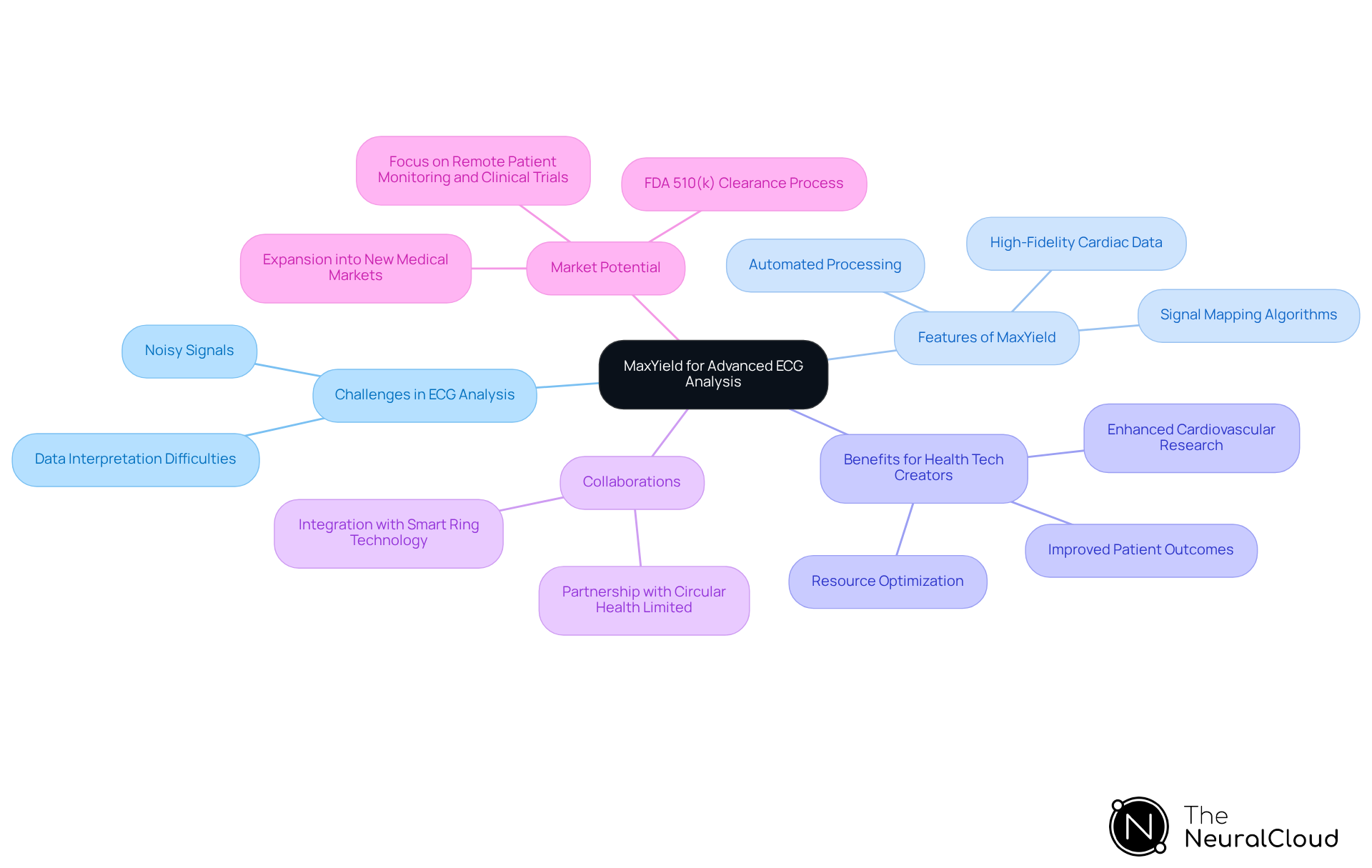
ECG analysis often faces challenges due to noisy signals that complicate data interpretation. Neural Cloud Solutions has launched MaxYield, an innovative layer that enhances ECG workflows by isolating and cleaning noisy signals. Utilizing patented signal mapping algorithms, MaxYield delivers high-fidelity cardiac data, making it a vital resource for medical professionals and researchers. This technology processes raw ECG recordings from various devices, converting them into organized, machine-readable formats that enable thorough examination.
For health tech creators, MaxYield provides significant benefits by incorporating advanced ECG analysis features into their applications. This helps deliver accurate insights that can significantly improve patient outcomes. The platform's capability to produce beat-level data and interval measurements enhances the quality of cardiovascular research, offering creators the tools essential to develop innovative solutions in the healthcare sector.
Recent collaborations, such as the partnership with Circular Health Limited, underscore the growing recognition of MaxYield's potential. This integration aims to enhance the ECG capabilities of Circular Health's smart ring, targeting a commercial launch by September 2025. As the technology progresses through the FDA 510(k) clearance process, it is poised to expand into new medical markets, particularly in Remote Patient Monitoring and Clinical Trials.
Statistics indicate that MaxYield is designed to improve ECG signal quality across 1- to 12-lead configurations for adult patients, addressing a critical need in the medical industry. The platform's automated processing capabilities enable creators to optimize resources, concentrating on higher-value analytics instead of manual signal cleanup. This shift not only streamlines workflows but also enhances the overall efficiency of ECG data analysis, making MaxYield a vital asset for health tech developers aiming to innovate in cardiac diagnostics. With MaxYield, healthcare professionals can focus on delivering better patient care through enhanced data clarity and actionable insights.
P Wave Patterns: Key Indicators in ECG Tracings
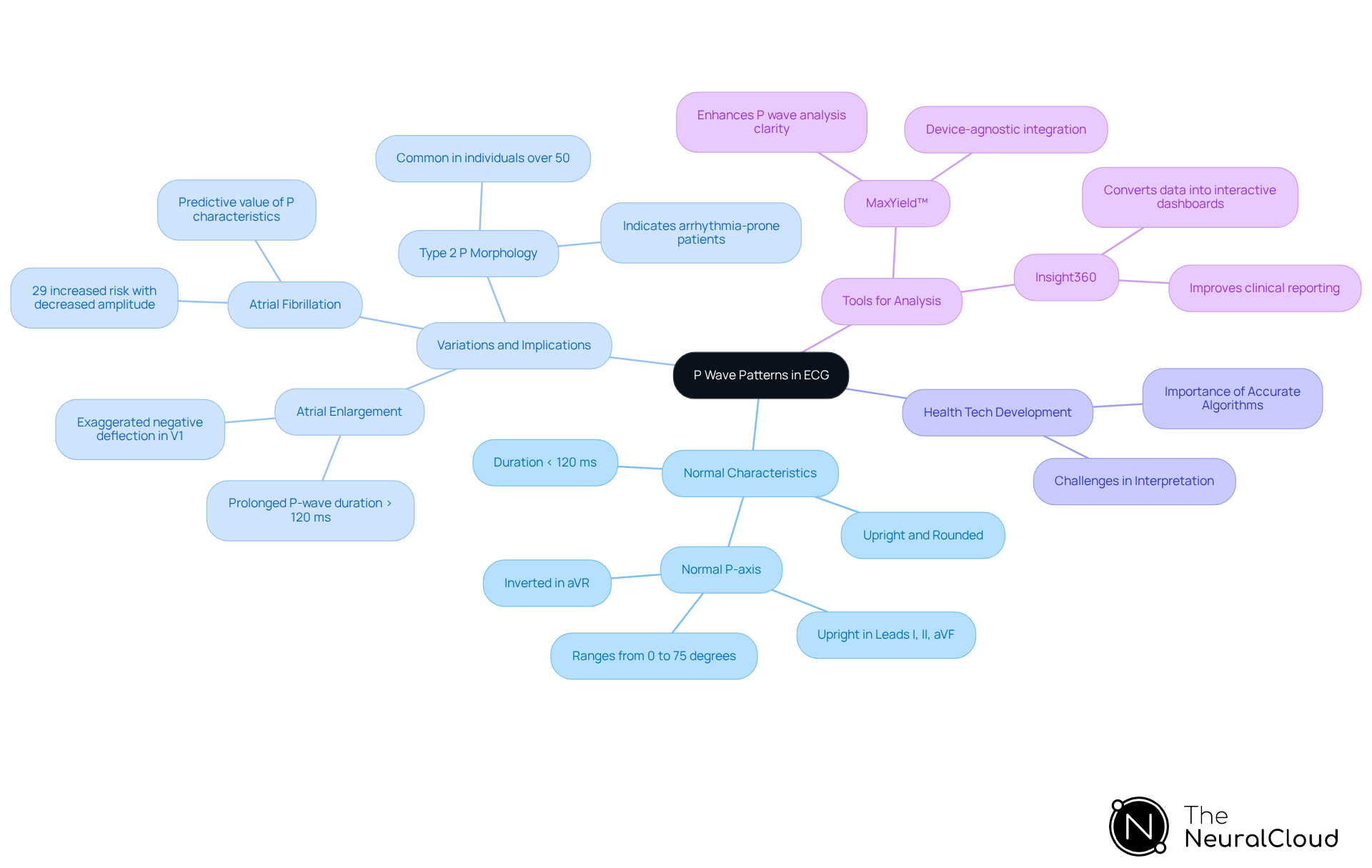
Understanding P wave patterns is crucial for accurate ECG analysis, yet many developers face challenges in interpreting these signals effectively. P waves indicate the initial positive deflections on an ECG, signifying atrial depolarization. Ideally, normal P deflections should be upright and rounded, with a duration of less than 120 milliseconds. Variations in P shape morphology can indicate different cardiac conditions, including atrial enlargement and atrial fibrillation. For health tech developers, understanding these patterns is essential for designing algorithms that accurately interpret ECG data and aid in diagnosing atrial-related conditions.
Recent studies have indicated that the normal P-axis ranges from 0 to 75 degrees, with upright P deflections in leads I, II, and aVF, and inverted in aVR. Prolonged P-wave duration, exceeding 120 milliseconds, is a strong predictor of left atrial dilation, with an odds ratio of 2.5 for this condition. Furthermore, the occurrence of biphasic P patterns, especially in inferior leads, can suggest left atrial irregularities, which are becoming more prevalent with age. Many developers struggle with the intricacies of ECG data interpretation, leading to potential misdiagnoses.
Case studies have highlighted the prevalence of Type 2 P morphology in healthy individuals, particularly those over 50, suggesting a potential connection between age and interatrial conduction changes. Recognizing this morphology is vital, as it often indicates patients who are prone to arrhythmias. Furthermore, the importance of P characteristics extends to their predictive value for atrial fibrillation (AF). Research indicates that a one standard deviation decrease in P-wave amplitude over three years correlates with a 29% increased risk of developing AF. These findings highlight the essential function of P signal evaluation in monitoring patients and improving diagnostic precision.
Incorporating Neural Cloud Solutions' MaxYield™, which enhances P wave analysis clarity through advanced noise filtering and wave recognition, can significantly simplify the workflow for health technology creators. By converting lengthy and noisy ECG recordings into clear, sharp signals, MaxYield™ streamlines processes and enhances diagnostic accuracy. This device-agnostic ECG intelligence layer integrates effortlessly through API, SDK, or CDK, enabling programmers to improve the accuracy of their algorithms and ultimately enhance patient outcomes in cardiovascular care. Furthermore, the adaptable visualization and reporting tool, Insight360, converts MaxYield’s clean ECG data into interactive dashboards and clinical-ready reports, further improving the usefulness of the evaluation.
In summary, interpreting P wave patterns is key for health tech creators developing effective ECG tools. By leveraging insights from recent studies and case analyses, along with the capabilities of MaxYield™ and Insight360, creators can enhance the precision of their algorithms, ultimately improving patient outcomes in cardiovascular care. By embracing the capabilities of MaxYield™ and Insight360, developers can transform their ECG analysis, ultimately leading to better patient care.
QRS Complex Analysis: Understanding Heart Rhythm
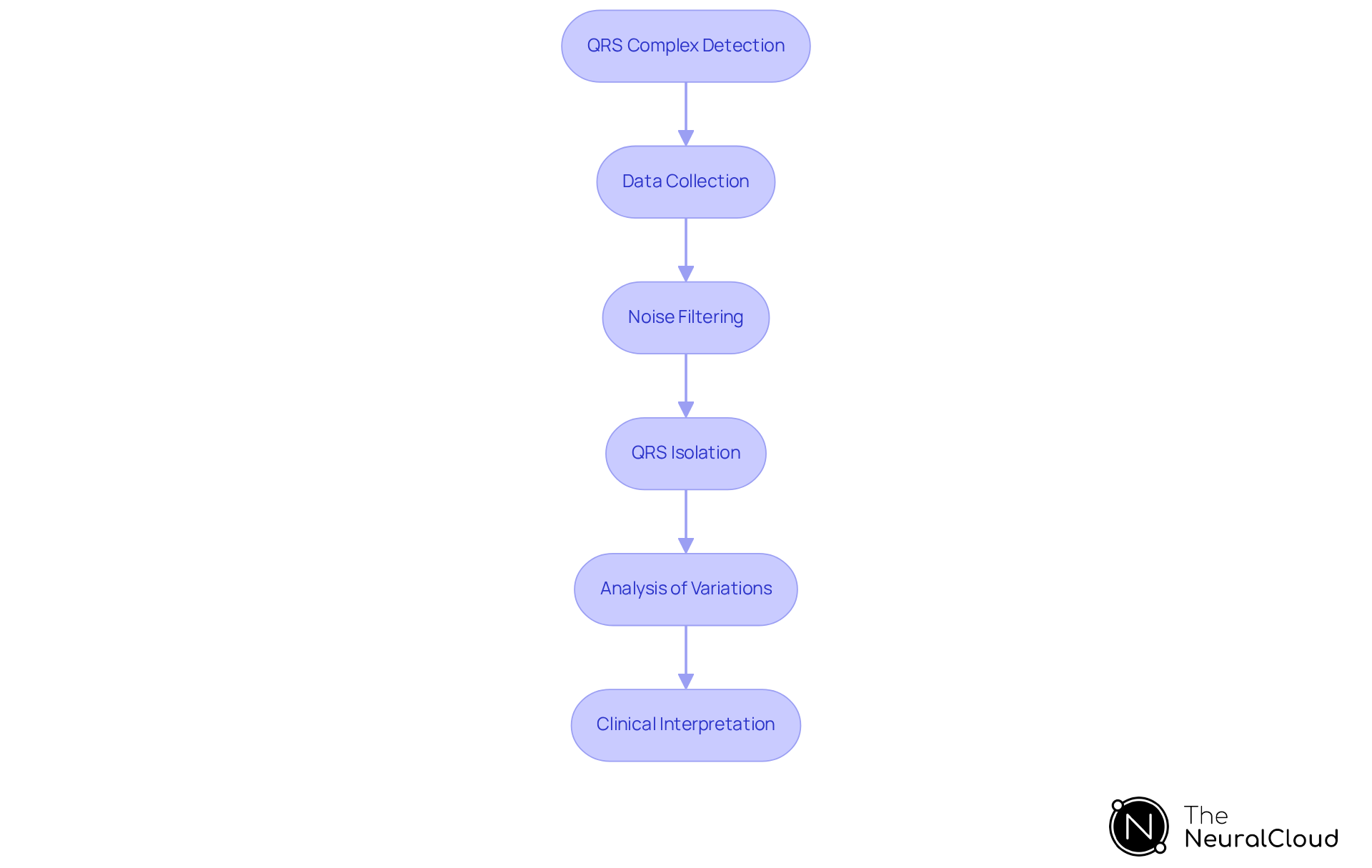
The QRS complex plays a critical role in ECG analysis, representing the electrical activity of the ventricles, and its variations can signal underlying health issues. A normal QRS duration generally spans from 0.06 to 0.10 seconds, with variations noted among different populations. For instance, the average QRS length at an RR interval of one second is approximately 97.4 milliseconds for African females and around 104.8 milliseconds for Caucasian males. Abnormalities in the QRS complex can indicate serious conditions. For example, widening greater than 120 milliseconds or changes in morphology may suggest bundle branch blocks, ventricular hypertrophy, or myocardial infarction. These changes are associated with increased morbidity and mortality, particularly in patients with heart failure.
For health tech developers, the precise detection and examination of the QRS complex are essential for creating dependable ECG interpretation tools. Advanced algorithms, such as those utilized in the MaxYield platform, enhance the ability to isolate and analyze QRS complexes, even in recordings affected by noise and artifacts. MaxYield's advanced noise filtering and automated signal processing capabilities enhance workflow efficiency. This allows healthcare professionals to process more data in less time while ensuring that ECG waves remain smooth and distinct.
Additionally, the customizable visualization and reporting tool, Insight360, transforms MaxYield’s clean ECG data into interactive dashboards and clinical-ready reports. This further improves diagnostic accuracy and ensures timely interventions in clinical settings. Case studies have demonstrated that patients with a broad QRS complex frequently display elevated levels of myocardial injury biomarkers, highlighting the significance of accurate QRS evaluation in forecasting clinical outcomes.
As AI technologies evolve, the potential to enhance ECG evaluation grows. This advancement is crucial for improving patient care and clinical outcomes.
ST Segment Evaluation: Detecting Cardiac Abnormalities
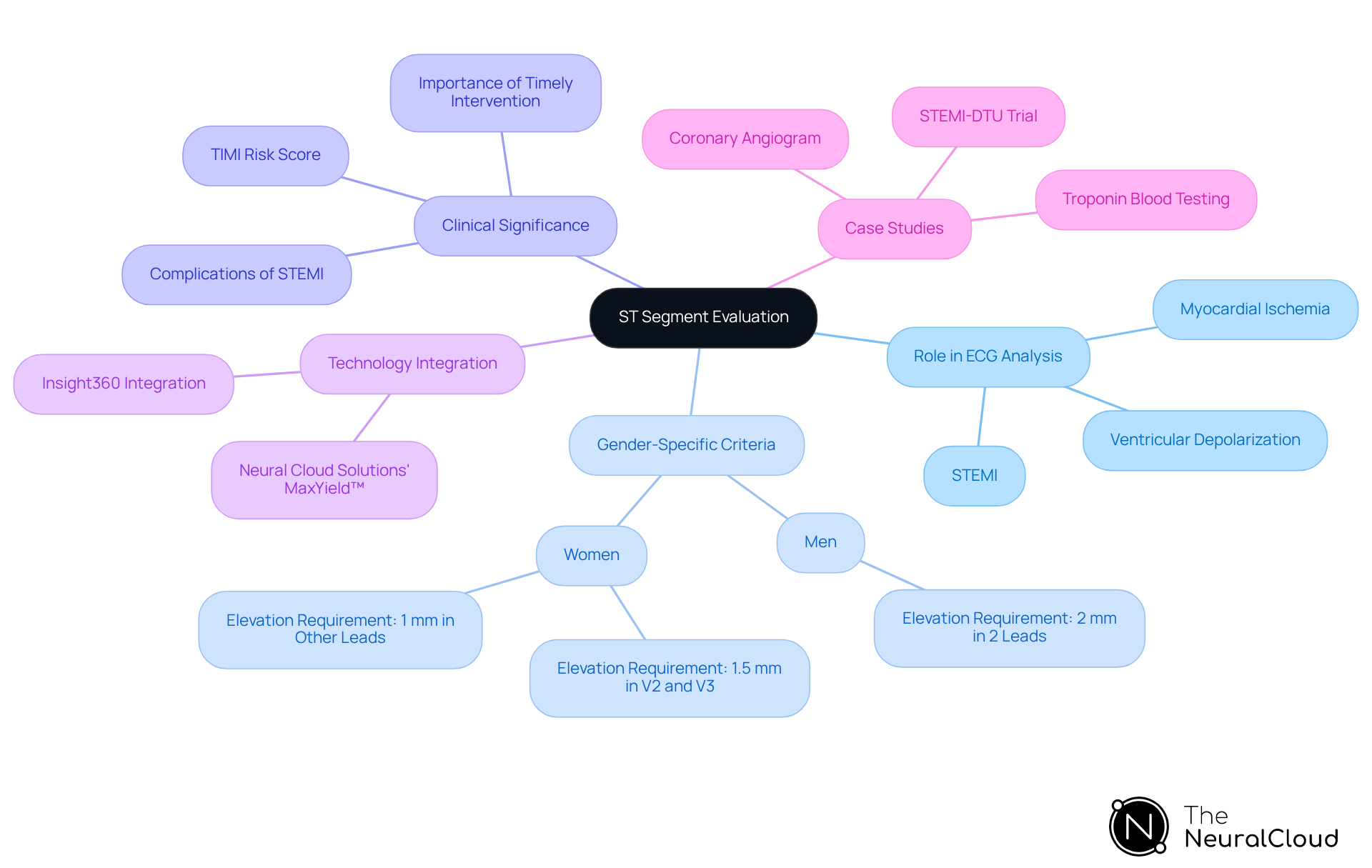
The ST segment plays a pivotal role in ECG analysis, marking the transition between ventricular depolarization and repolarization. Elevations or depressions in the ST segment are key indicators of myocardial ischemia or infarction. For instance, ST segment elevation is a defining characteristic of ST-Elevation Myocardial Infarction (STEMI), which necessitates immediate medical intervention. Accurately assessing ST segment changes is vital for timely diagnosis and treatment of acute cardiac events.
Recent insights highlight that men need an ST segment elevation of at least 2 mm in two contiguous leads for a STEMI diagnosis. In contrast, women require at least 1.5 mm in V2 and V3 leads or 1 mm in other chest leads. This gender-specific criterion underscores the importance of precise ST segment evaluation in clinical practice. Furthermore, the TIMI risk score, which incorporates factors such as heart rate and blood pressure, aids in predicting outcomes for patients presenting with STEMI symptoms.
Case studies illustrate the significance of ST segment evaluation in clinical settings. For instance, the STEMI-DTU trial demonstrated that timely intervention within 120 minutes of ischemic insult significantly reduces heart damage. Additionally, a 12-lead ECG is essential for differentiating STEMI from other myocardial infarctions, guiding appropriate treatment strategies. Therefore, health technology developers should focus on integrating strong ST segment evaluation features in their ECG analysis tools to improve patient outcomes and streamline workflows.
By leveraging Neural Cloud Solutions' MaxYield™ platform, developers can ensure accurate assessment of ST segment changes, utilizing advanced noise reduction and artifact handling capabilities. The integration of Insight360 further transforms MaxYield’s clean ECG data into interactive dashboards and clinical-ready reports, supporting confident clinical decisions.
T Wave Insights: Assessing Cardiac Repolarization
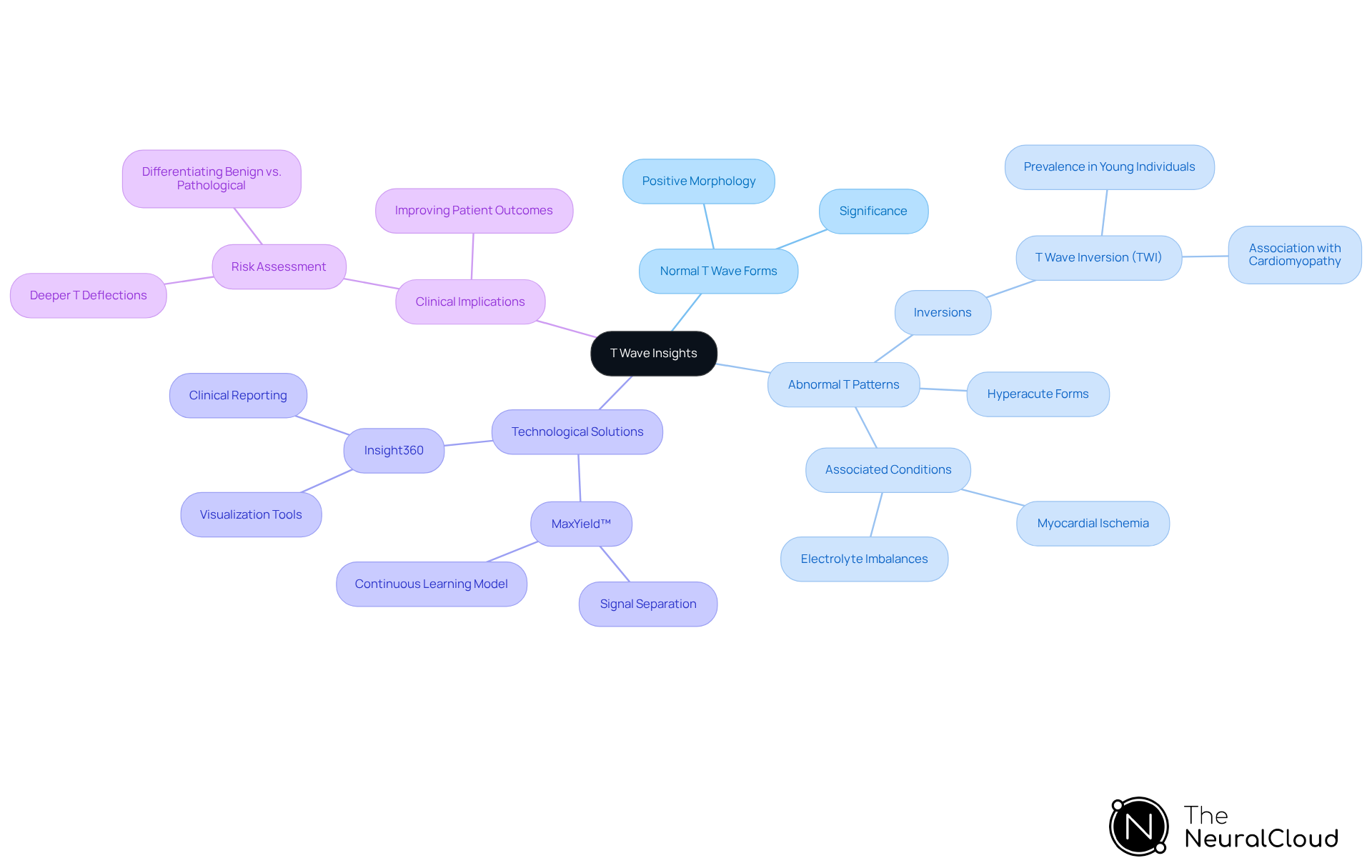
The T signal, following the QRS complex, is pivotal in assessing cardiac health, yet its complexities often challenge accurate interpretation. Typically, normal T forms are positive in most leads, but their morphology can reveal significant insights. Abnormal T patterns, such as inversions or hyperacute forms, can indicate underlying conditions like myocardial ischemia or electrolyte imbalances. For health tech developers, incorporating T signal analysis into ECG interpretation algorithms is crucial for improving diagnostic accuracy.
Neural Cloud Solutions' MaxYield™ platform excels in this area by identifying and labeling critical data. This capability allows for quick separation of ECG signals from recordings affected by baseline wander, movement, and muscle artifact. It recovers previously hidden sections from extensive Holter, 1-Lead, and patch monitor recordings. Recent studies emphasize the frequency of T inversion (TWI) as a typical observation in young, seemingly healthy individuals, with 2% of cases displaying abnormal TWI. Among these, 13% were diagnosed with cardiomyopathy, highlighting the significance of T shape morphology in recognizing concealed cardiac conditions. Notably, deeper T deflections exceeding 0.183 millivolts greatly enhance the probability of a cardiomyopathy diagnosis, making T deflection evaluation a crucial element in risk assessment.
Expert opinions highlight the necessity for a systematic method to distinguish between benign and pathological T abnormalities. This differentiation is vital, as TWI can occur in healthy individuals, complicating risk assessments for heart diseases. By utilizing sophisticated algorithms, such as artificial intelligence and machine learning, that include T wave evaluation, creators can enhance the identification of cardiac irregularities. Ultimately, this improves patient outcomes and optimizes healthcare provision. With MaxYield™, the accuracy and efficiency of ECG evaluation will continuously enhance over time, addressing the challenges posed by physiological variability and signal artifacts. Additionally, the continuous learning model of MaxYield™ ensures that its capabilities evolve with each use, further enhancing diagnostic precision. For a comprehensive analysis, developers are encouraged to utilize Insight360, the customizable visualization and reporting tool that transforms MaxYield’s clean ECG data into interactive dashboards and clinical-ready reports.
Heart Rate Calculation: Essential for ECG Interpretation
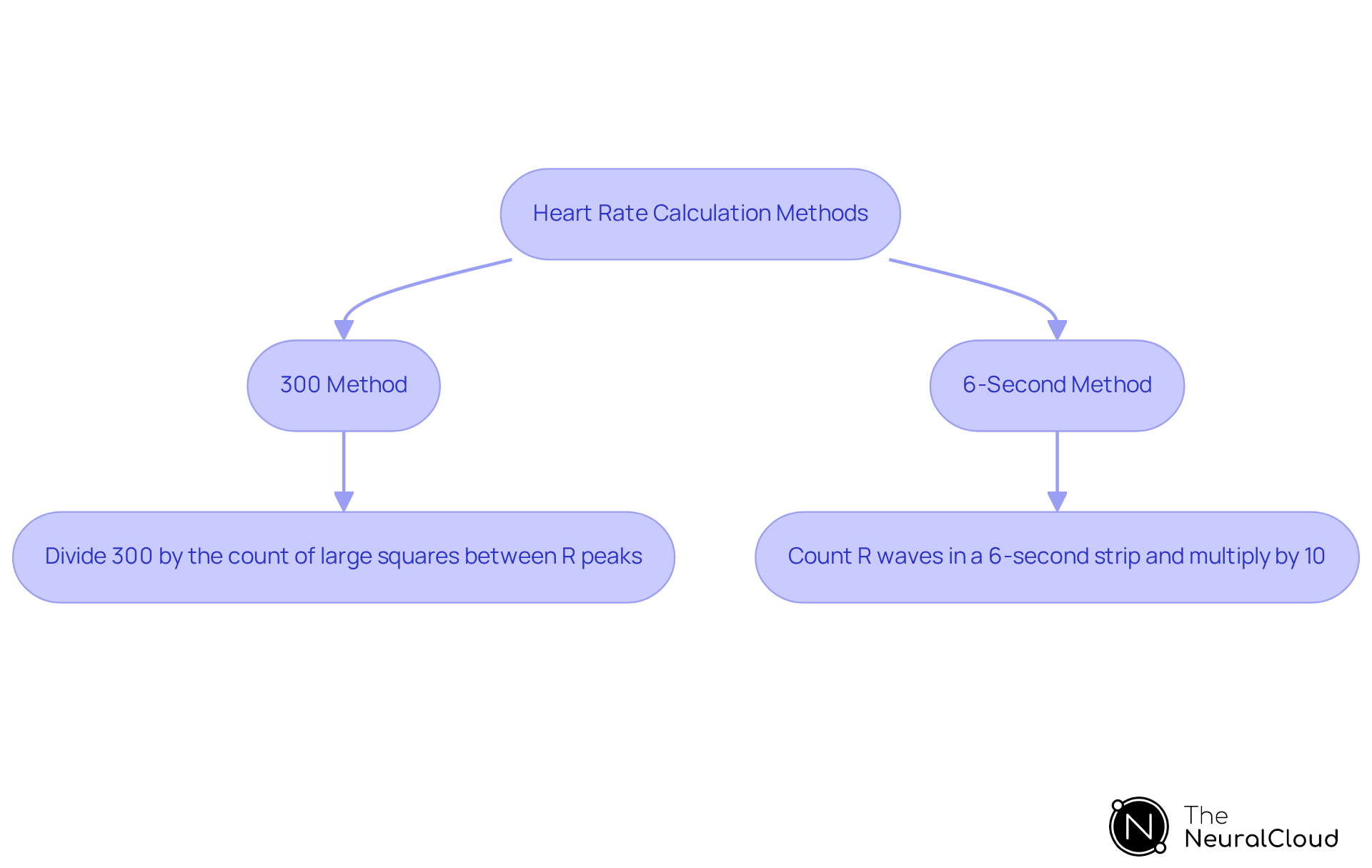
Accurate heart rate calculation is a cornerstone of effective cardiac assessment, yet many clinicians struggle with the complexities involved. The two primary methods employed are the 300 method and the 6-second method.
- The 300 method entails dividing 300 by the count of large squares between R peaks, offering a rapid estimate of heart rate.
- Conversely, the 6-second method counts the number of R waves in a 6-second strip and multiplies by 10, providing a more direct calculation over a shorter timeframe.
Accurate heart rate calculation is crucial for identifying conditions such as tachycardia, characterized by an unusually fast heart rate, and bradycardia, which indicates a slow heart rate. Recent studies have shown that wearable devices, like the Apple Watch, can effectively capture arrhythmia events, demonstrating the potential for enhanced heart rate monitoring in clinical settings. For instance, the Pediatric Apple Watch Study revealed that the device captured arrhythmia events in twice as many patients compared to traditional patch monitors, with 79% of the captured ECG tracing examples rated as good or excellent quality.
Using MaxYield™, healthcare professionals can streamline their ECG analysis, making heart rate calculations quicker and more accurate. MaxYield™ offers advanced noise filtering and automated signal processing, ensuring that clinicians receive precise heart rate data in real-time, which aids in timely decision-making. Additionally, MaxYield™ is a device-agnostic ECG intelligence layer that integrates seamlessly via API, SDK, or CDK, without requiring hardware changes. With Insight360, a customizable visualization tool, users can turn MaxYield’s clean ECG data into interactive dashboards and clinical-ready reports, enhancing their analysis. This integration allows health tech developers to overcome inefficiencies and improve the overall accuracy of ECG interpretations. For personalized walkthroughs or free trials of MaxYield™ and Insight360, readers are encouraged to contact Neural Cloud Solutions.
Rhythm Pattern Analysis: Identifying Cardiac Conditions
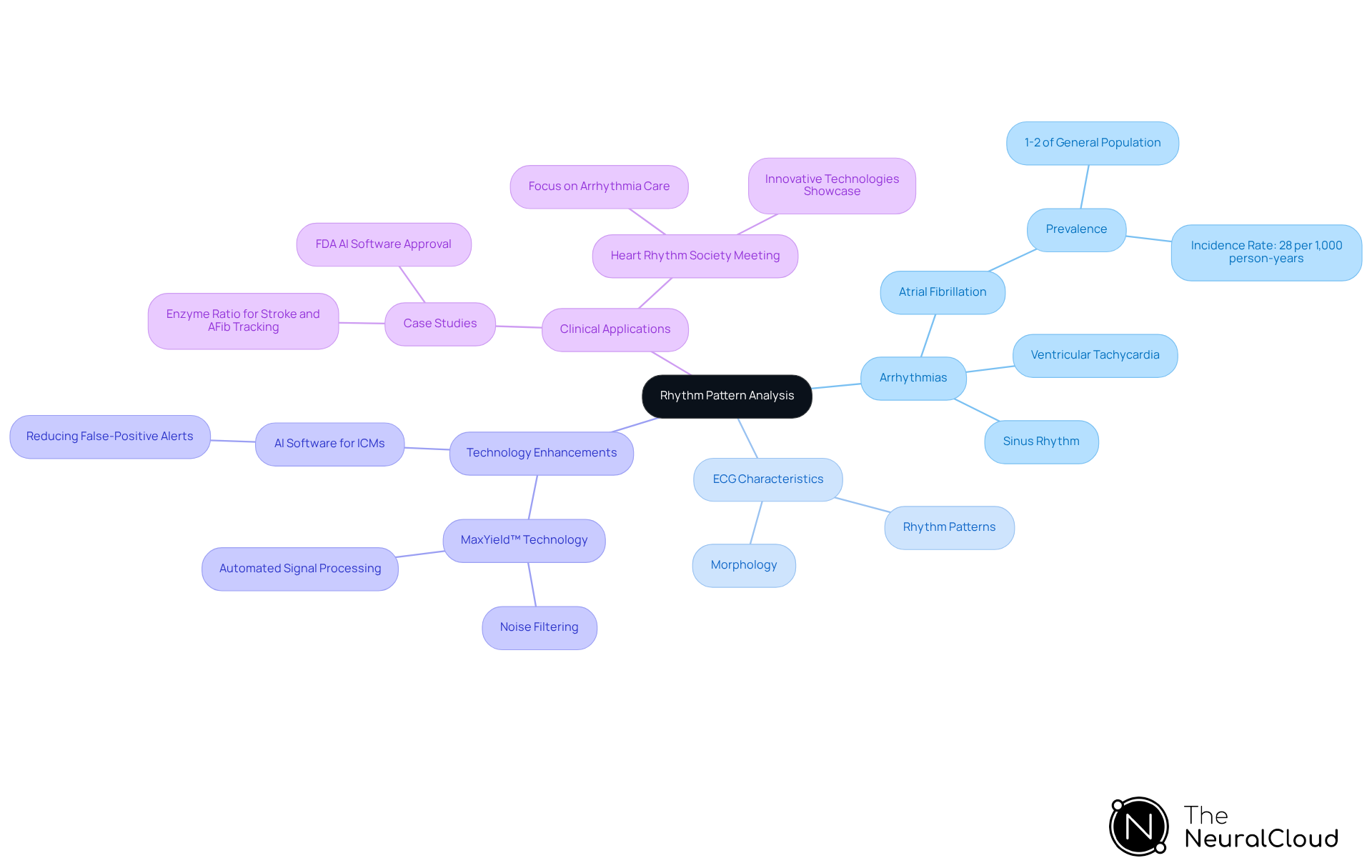
Identifying arrhythmias in ECGs can be challenging, often leading to misdiagnoses without precise detection methods. Rhythm patterns are essential for interpreting electrocardiograms (ECGs) and identifying arrhythmias, which can be illustrated through various ECG tracing examples based on heartbeat regularity and morphology. Common patterns, such as sinus rhythm, atrial fibrillation (AFib), and ventricular tachycardia, can be recognized in ECG tracing examples that exhibit unique characteristics identifiable by advanced algorithms. For instance, AFib affects 1% to 2% of the general population, with incidence rates around 28 per 1,000 person-years, underscoring the need for accurate detection methods.
Neural Cloud Solutions' MaxYield™ technology enhances this process by providing advanced noise filtering and automated signal processing, which streamlines workflow efficiency in ECG evaluation. By automating repetitive tasks and delivering a clear, 'neuralized' signal, MaxYield™ allows health tech creators to consolidate their workflows, ensuring consistently smooth and distinct ECG waves. Additionally, the integration of the data wall enables the processing of more data in less time, further optimizing workflow efficiency.
At the upcoming Heart Rhythm Society meeting from April 23-26, 2026, attendees will see exciting advancements in rhythm pattern evaluation, with nearly 2,000 sessions focused on breakthroughs in arrhythmia care. This event highlights the importance of integrating innovative technologies like MaxYield™ into clinical practice, especially for health tech developers looking to enhance ECG interpretation tools. The FDA's recent approval of AI software aimed at reducing false-positive alerts from Implantable Cardiac Monitors (ICMs) exemplifies ongoing efforts to improve diagnostic accuracy and patient outcomes.
Moreover, case studies have demonstrated the effectiveness of rhythm pattern examination using ECG tracing examples in identifying cardiac conditions. For example, specific enzyme ratios can assist cardiologists in tracking stroke and AFib risks after Transcatheter Aortic Valve Replacement (TAVR), illustrating how rhythm evaluation can inform clinical decisions and enhance patient care.
By incorporating robust rhythm evaluation features in ECG interpretation tools, such as the adaptable visualization and reporting tool Insight360 from Neural Cloud Solutions, health tech creators can significantly improve diagnostic precision. This ultimately leads to better patient outcomes and more efficient healthcare delivery.
Axis Determination: Understanding Electrical Activity
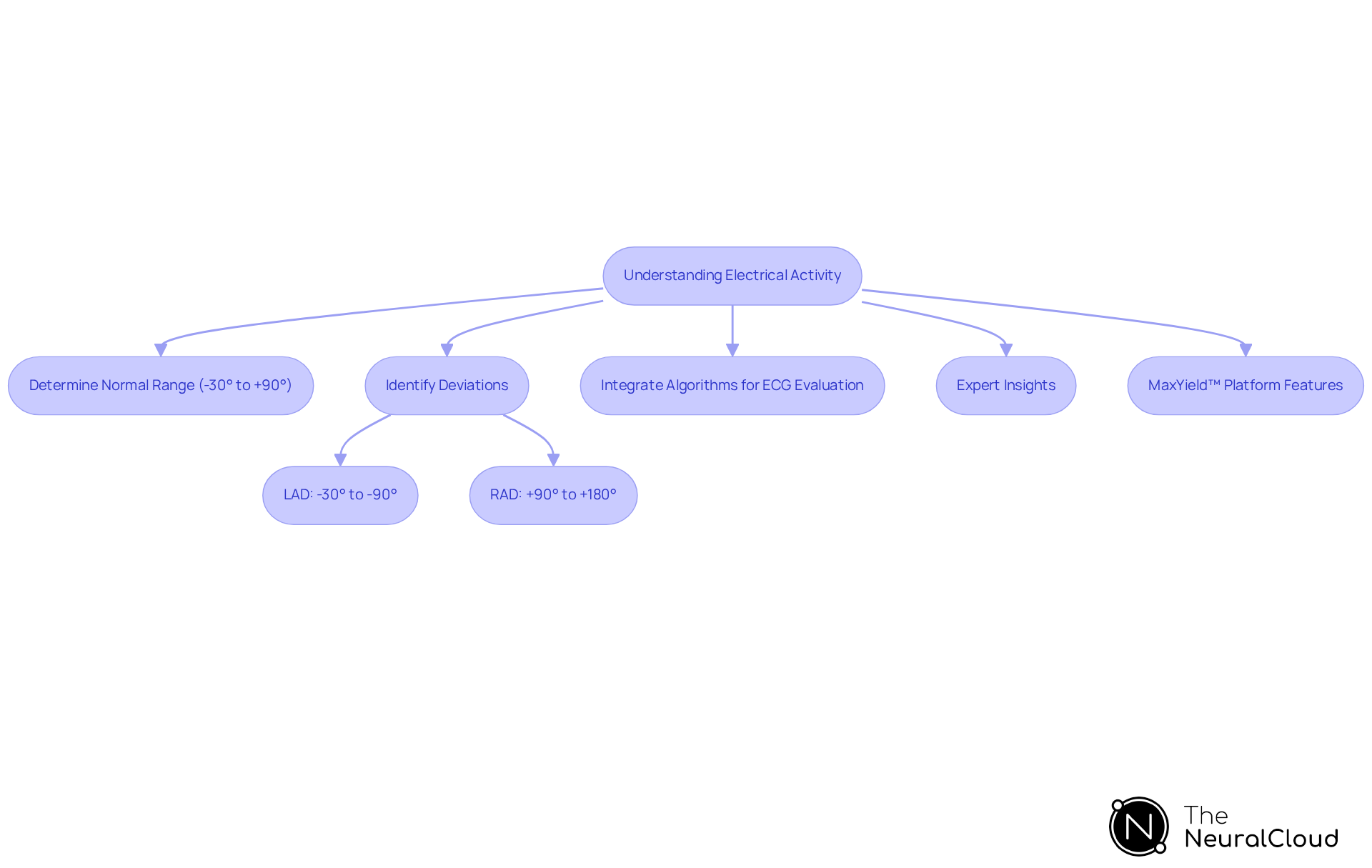
The electrical axis of the heart plays a critical role in diagnosing cardiac conditions, yet many healthcare professionals face challenges in accurately interpreting it. This axis indicates the average direction of electrical activity during depolarization, which is vital for diagnosing conditions such as left or right axis deviation. It can be determined using limb leads, with a normal range typically between -30° and +90°. Understanding the electrical axis is crucial, as deviations can signal underlying cardiac issues. For instance, left axis deviation (LAD) is classified between -30° and -90°, while right axis deviation (RAD) ranges from +90° to +180° or beyond. Integrating axis determination algorithms into ECG evaluation tools can significantly improve diagnostic capabilities, offering valuable insights into cardiac health through ECG tracing examples.
Recent studies have shown that left axis deviation is associated with a higher risk of adverse outcomes, including a cumulative 3-year incidence of 26.4% for all-cause death and major adverse cardiovascular events. In contrast, right axis deviation did not demonstrate a significant excess risk compared to the normal axis group. This really underscores why getting the axis determination right is so crucial in clinical practice.
Expert insights emphasize that an interprofessional team trained in ECG interpretation is vital for effective diagnosis and patient care. By utilizing advanced algorithms and visualization tools, health tech creators can enhance the precision and efficiency of ECG evaluation, ultimately improving patient results in cardiovascular care with the help of ECG tracing examples. Neural Cloud Solutions' MaxYield™ platform enhances this process by effectively mapping ECG signals through noise and isolating key features in each heartbeat. With its automated noise reduction and adaptive algorithms, MaxYield™ transforms noisy recordings into detailed insights, enabling developers to deliver precise axis determinations and support confident clinical decisions. Additionally, MaxYield™ offers beat-by-beat analysis, processing 200,000 heartbeats in under 5 minutes, and integrates seamlessly via API, SDK, or CDK, making it a device-agnostic ECG intelligence layer. The customizable visualization and reporting tool, Insight360, transforms MaxYield’s clean ECG data into interactive dashboards and clinical-ready reports, enhancing the overall diagnostic process. By embracing advanced ECG analysis tools, healthcare professionals can enhance diagnostic accuracy and ultimately improve patient care.
Common ECG Abnormalities: Practical Examples for Developers
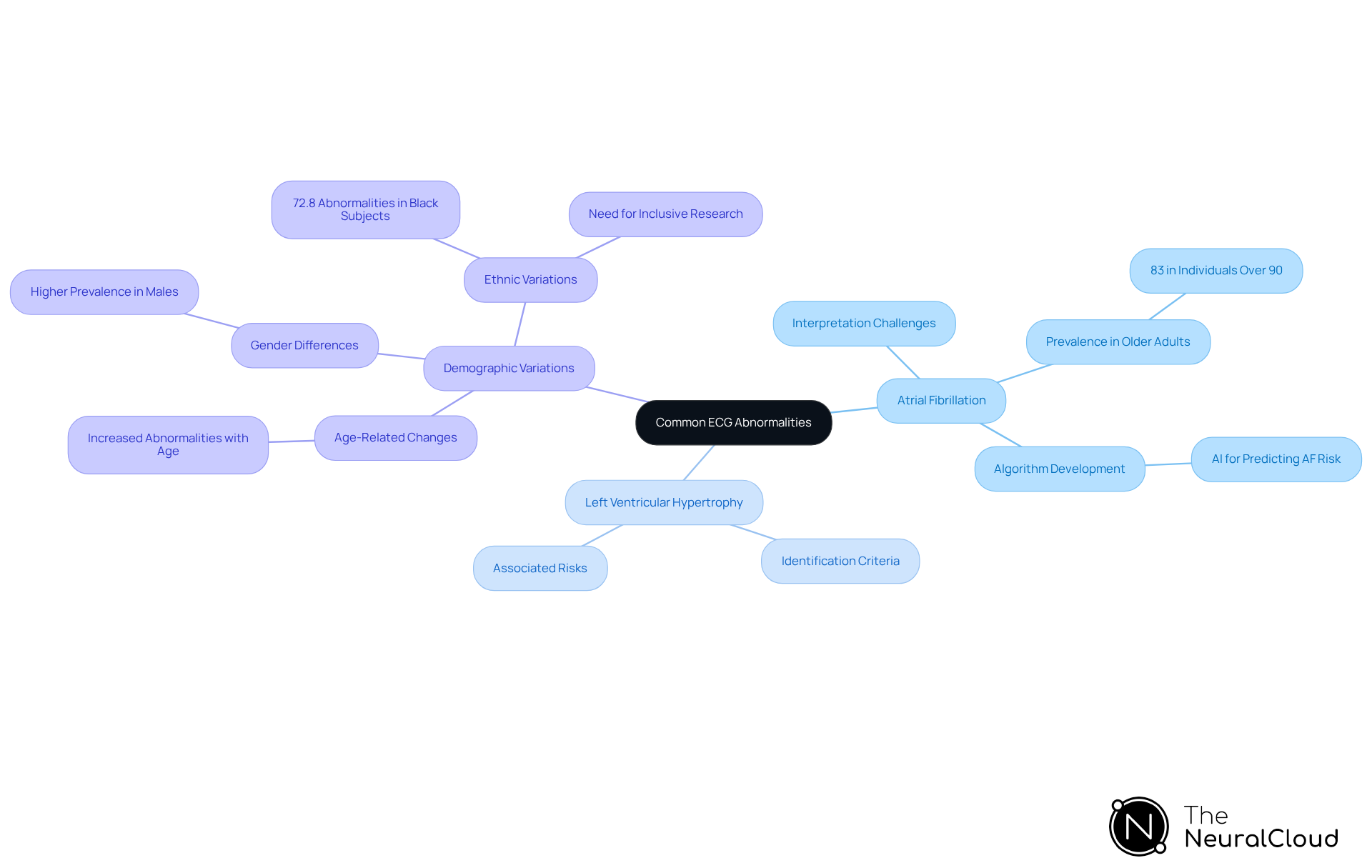
Common ECG abnormalities, such as atrial fibrillation and left ventricular hypertrophy, present significant challenges in clinical practice. Atrial fibrillation can be particularly challenging to interpret due to its irregular rhythm and lack of distinct P waves. Studies show that the prevalence of major ECG abnormalities increases notably in older populations, with up to 83% of individuals over 90 years presenting with abnormal ECGs.
It's crucial for developers to focus on creating algorithms that can accurately identify these conditions to assist clinicians in making timely and precise diagnoses. For instance, left ventricular hypertrophy can be identified through specific voltage criteria on the ECG, while left axis deviation may indicate underlying cardiac issues that require further investigation.
The interpretation of these abnormalities is often complicated by factors such as age, gender, and ethnicity. Research indicates significant differences in ECG parameters across diverse populations, underscoring the importance of developing algorithms that are sensitive to these demographic variations. By concentrating on these prevalent ECG irregularities, developers can significantly enhance diagnostic accuracy and improve patient care.
Automated ECG Analysis: Enhancing Diagnostic Accuracy
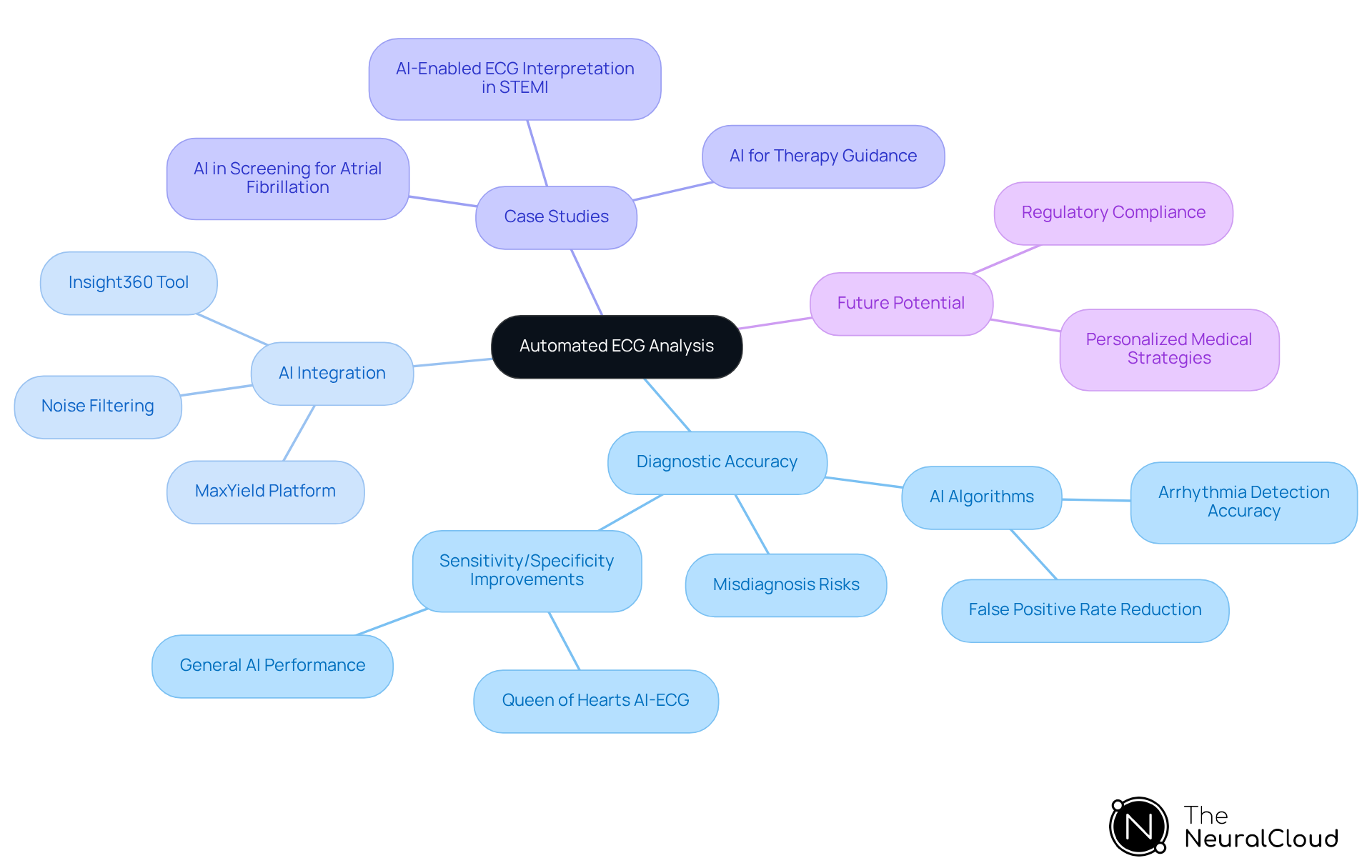
Misdiagnosis in ECG analysis can lead to severe consequences for patient care, highlighting the need for advanced solutions. Automated ECG evaluation harnesses the power of AI and machine learning to significantly enhance diagnostic accuracy and efficiency in cardiovascular care. Neural Cloud Solutions' MaxYield platform uses advanced noise filtering and automated signal processing. This allows systems to analyze large datasets, identifying patterns and anomalies that human interpretation might miss, thus reducing misdiagnosis risks. For health tech developers, integrating automated evaluation features into ECG tools streamlines the diagnostic process and reduces human error, ultimately resulting in enhanced patient outcomes.
Recent advancements in automated ECG evaluation have demonstrated remarkable effectiveness. For instance, AI algorithms have achieved arrhythmia detection accuracies exceeding 99% in controlled datasets, showcasing their reliability in clinical settings. Furthermore, studies indicate that AI-enhanced ECG models can reduce false positive activation rates from 42% to 8%, while improving sensitivity and specificity significantly compared to traditional methods.
The MaxYield platform also integrates Insight360, a customizable visualization and reporting tool that transforms clean ECG data into interactive dashboards and clinical-ready reports, enhancing data interpretation. Case studies illustrate the practical applications of these technologies. One notable example involves the Queen of Hearts AI-ECG platform, which demonstrated superior sensitivity (92%) and specificity (81%) in detecting ST-segment elevation myocardial infarction (STEMI) across multiple primary PCI networks. This capability not only enhances diagnostic accuracy but also expedites treatment, which is crucial in emergency scenarios.
Experts like Dr. Alan Rabinowitz, Dr. Brett Heilbron, and Dr. Marc W. Deyell highlight how MaxYield matches human interpretation in precision and reduces noise, reinforcing its effectiveness. As the landscape of cardiac diagnostics evolves, the potential for automated ECG analysis to revolutionize the field is immense. By integrating these advanced technologies, health tech developers can contribute to a future where cardiac diagnostics are not only more accurate but also more efficient, ultimately benefiting both healthcare providers and patients alike. Additionally, Neural Cloud Solutions Inc. is committed to regulatory compliance, ensuring that all products meet the necessary standards for safety and efficacy. As automated ECG analysis continues to evolve, it promises to redefine the standards of cardiac diagnostics, ultimately saving lives.
Conclusion
Navigating the complexities of ECG tracing is crucial for health tech developers looking to improve cardiac diagnostics. Advanced tools like Neural Cloud Solutions' MaxYield streamline ECG analysis by enhancing signal clarity and enabling precise interpretation of critical components such as P waves, QRS complexes, ST segments, and T waves. By leveraging these technologies, developers can create more effective algorithms that lead to better patient outcomes.
Key insights emphasize the importance of accurate ECG interpretation in identifying various cardiac conditions. From analyzing P wave patterns to evaluating rhythm patterns and determining axis, each aspect plays a crucial role in diagnosing heart-related issues. The integration of automated ECG analysis further boosts diagnostic accuracy, reducing the risk of misdiagnosis and improving clinical workflow efficiency.
As the landscape of cardiac diagnostics evolves, embracing advanced technologies like MaxYield and Insight360 is vital for health tech developers. By focusing on these innovations, developers can significantly contribute to the future of healthcare, ensuring that patients receive timely and accurate diagnoses. The integration of advanced ECG analysis tools is not just beneficial; it is essential for transforming cardiac care and ensuring better patient outcomes across Canada and beyond.
Frequently Asked Questions
What is MaxYield and how does it enhance ECG analysis?
MaxYield is an innovative layer developed by Neural Cloud Solutions that enhances ECG workflows by isolating and cleaning noisy signals. It utilizes patented signal mapping algorithms to deliver high-fidelity cardiac data, converting raw ECG recordings into organized, machine-readable formats for thorough examination.
What benefits does MaxYield provide for health tech creators?
MaxYield allows health tech creators to incorporate advanced ECG analysis features into their applications, delivering accurate insights that can significantly improve patient outcomes. It produces beat-level data and interval measurements, enhancing the quality of cardiovascular research and providing essential tools for developing innovative healthcare solutions.
What recent collaborations have highlighted MaxYield's potential?
A notable collaboration is with Circular Health Limited, aiming to enhance the ECG capabilities of their smart ring, with a commercial launch targeted for September 2025. This partnership underscores the growing recognition of MaxYield's potential in the medical market.
How does MaxYield improve ECG signal quality?
MaxYield is designed to improve ECG signal quality across 1- to 12-lead configurations for adult patients. Its automated processing capabilities allow creators to optimize resources by focusing on higher-value analytics instead of manual signal cleanup, streamlining workflows and enhancing overall efficiency.
Why are P wave patterns important in ECG analysis?
P wave patterns are crucial as they indicate atrial depolarization. Normal P deflections should be upright and rounded, with a duration of less than 120 milliseconds. Variations in P wave morphology can signal different cardiac conditions, making their accurate interpretation essential for diagnosing atrial-related issues.
What are the implications of prolonged P-wave duration?
A prolonged P-wave duration exceeding 120 milliseconds is a strong predictor of left atrial dilation, with an odds ratio of 2.5 for this condition. Recognizing these patterns is vital for monitoring patients and improving diagnostic precision.
How does MaxYield assist in P wave analysis?
MaxYield enhances P wave analysis clarity through advanced noise filtering and wave recognition, converting lengthy and noisy ECG recordings into clear signals. This simplifies workflows for health technology creators and improves diagnostic accuracy.
What role does the QRS complex play in ECG analysis?
The QRS complex represents the electrical activity of the ventricles, and its variations can indicate underlying health issues. Abnormalities in the QRS complex can signal serious conditions such as bundle branch blocks or myocardial infarction.
How does MaxYield improve the detection of QRS complexes?
MaxYield enhances the ability to isolate and analyze QRS complexes, even in recordings affected by noise and artifacts. Its advanced noise filtering and automated signal processing capabilities improve workflow efficiency, allowing healthcare professionals to process more data in less time.
What is the significance of accurate QRS evaluation?
Accurate QRS evaluation is crucial for forecasting clinical outcomes, as patients with a broad QRS complex often display elevated levels of myocardial injury biomarkers. This highlights the importance of precise detection in ECG interpretation tools.
List of Sources
- Neural Cloud Solutions: MaxYield for Advanced ECG Analysis
- Major AI Health Partnership: MaxYield ECG Tech Powers Next-Gen Smart Ring Through Multi-Year License Deal (https://stocktitan.net/news/AIMLF/aiml-subsidiary-neural-cloud-signs-loi-with-circular-health-to-2oh9lpuw71dy.html)
- AIML Subsidiary Neural Cloud Signs LOI with Circular Health to License MaxYield(TM) ECG Signal Processing (https://finance.yahoo.com/news/aiml-subsidiary-neural-cloud-signs-110000257.html)
- AIML Hits Key Regulatory Benchmark with 510(k) Filing for MaxYield(TM) Signal Enhancement Platform (https://biospace.com/press-releases/aiml-hits-key-regulatory-benchmark-with-510k-filing-for-maxyieldtm-signal-enhancement-platform)
- AIML Subsidiary NeuralCloud Enters Research Services Agreement with Baker Heart and Diabetes Institute to Support AI-Driven ECG Analysis (https://nasdaq.com/press-release/aiml-subsidiary-neuralcloud-enters-research-services-agreement-baker-heart-and)
- P Wave Patterns: Key Indicators in ECG Tracings
- Age-related changes in P wave morphology in healthy subjects - BMC Cardiovascular Disorders (https://link.springer.com/article/10.1186/1471-2261-7-22)
- P-wave abnormalities (https://emcrit.org/ibcc/p)
- Novel ECG Feature Analysis Reveals P-Wave Changes as Early Warning Sign for Atrial Fibrillation (https://trial.medpath.com/news/novel-ecg-feature-analysis-reveals-p-wave-changes-as-early-warning-sign-for-atrial-fibrillation)
- Heart Rhythm 2025 Features Advances in AI that Enhance Safety of Atrial Fibrillation Treatment - HRS (https://hrsonline.org/news/hr2025-features-advanced-ai-safety-afib-treatment)
- Atrial fibrillation: epidemiology, screening and digital health (https://thelancet.com/journals/lanepe/article/PIIS2666-7762(23)00205-3/fulltext)
- QRS Complex Analysis: Understanding Heart Rhythm
- Differential Diagnosis of Wide QRS Complex Tachycardias (https://cancertherapyadvisor.com/home/decision-support-in-medicine/cardiology/differential-diagnosis-of-wide-qrs-complex-tachycardias)
- Wide QRS Complex and Lateral ST-T Segment Abnormality Are Associated With Worse Clinical Outcomes in COVID-19 Patients - PMC (https://pmc.ncbi.nlm.nih.gov/articles/PMC7834457)
- theneuralcloud.com (https://theneuralcloud.com/post/understanding-the-qrs-interval-normal-duration-and-analysis-techniques)
- theneuralcloud.com (https://theneuralcloud.com/post/understanding-the-widening-qrs-complex-causes-diagnosis-and-management)
- Normal Electrocardiography (ECG) Intervals: Normal Electrocardiography Intervals (https://emedicine.medscape.com/article/2172196-overview)
- ST Segment Evaluation: Detecting Cardiac Abnormalities
- STEMI: ST-segment Elevation Myocardial Infarction - The Cardiology Advisor (https://thecardiologyadvisor.com/ddi/stemi-st-elevation-myocardial-infarction)
- Johnson & Johnson Release Data from STEMI DTU Randomized Control Trial (https://dicardiology.com/content/johnson-johnson-release-data-stemi-dtu-randomized-control-trial)
- New ST-elevation myocardial infarction protocol trial data provide deeper insight into patient outcomes (https://medicalxpress.com/news/2026-04-st-elevation-myocardial-infarction-protocol.html)
- Mortality in STEMI With Nonobstructive Coronary Arteries and Mimickers (https://jamanetwork.com/journals/jamanetworkopen/fullarticle/2811941)
- T Wave Insights: Assessing Cardiac Repolarization
- ECG T Wave Inversion Features Predict Cardiomyopathy | www.PhysiciansWeekly.com (https://physiciansweekly.com/post/ecg-t-wave-inversion-features-predict-cardiomyopathy)
- New clues from heart rhythm test could prevent sudden death in under 35s | City St George's, University of London (https://citystgeorges.ac.uk/news-and-events/news/2025/july/new-clues-from-heart-rhythm-test-could-prevent-sudden-death-in-under-35s)
- Study Shows Value of Heart Rate Recovery, T-Wave Alternans (https://dicardiology.com/content/study-shows-value-heart-rate-recovery-t-wave-alternans)
- TCTMD’s Top 10 Most Popular Stories for February 2026 (https://tctmd.com/news/tctmds-top-10-most-popular-stories-february-2026)
- Home - Rheumatology Advisor (https://rheumatologyadvisor.com/news/st-t-t-wave-changes-most-common-ecg-abnormalities-sle-lupus)
- Heart Rate Calculation: Essential for ECG Interpretation
- Apple Watch Captures More Pediatric Arrhythmia Events (https://hrsonline.org/news/apple-watch-captures-more-pediatric-arrhythmia-events)
- Electrocardiogram (ECG or EKG) - Mayo Clinic (https://mayoclinic.org/tests-procedures/ekg/about/pac-20384983)
- AI tool detects hard-to-identify heart dysfunction from standard ECGs (https://newsroom.wakehealth.edu/news-releases/2026/08/ai-tool-detects-hard-to-identify-heart-dysfunction-from-standard-ecgs)
- With AI, researchers discover new way to detect sudden cardiac death risk - Berkeley News (https://news.berkeley.edu/2026/06/24/with-ai-researchers-discover-new-way-to-detect-sudden-cardiac-death-risk)
- Rhythm Pattern Analysis: Identifying Cardiac Conditions
- Heart Rhythm 2026 to feature late-breaking EP data, hands-on training and more (https://cardiovascularbusiness.com/topics/clinical/heart-rhythm/heart-rhythm-2026-feature-late-breaking-ep-data-hands-training-and-more)
- Novel algorithm on wearable devices can detect irregular heartbeat, may prompt early care (https://newsroom.heart.org/news/novel-algorithm-on-wearable-devices-can-detect-irregular-heartbeat-may-prompt-early-care)
- Heart Rhythm 2026: The World's Leading EP Event Returns for its 47th Year (https://hrsonline.org/news/heartrhythm2026-pressrelease)
- HEART RHYTHM 2026: THE WORLD'S LEADING EP EVENT RETURNS FOR ITS 47TH YEAR, UNVEILING CUTTING-EDGE SCIENCE SHAPING THE FUTURE OF ARRHYTHMIA CARE (https://prnewswire.com/news-releases/heart-rhythm-2026-the-worlds-leading-ep-event-returns-for-its-47th-year-unveiling-cutting-edge-science-shaping-the-future-of-arrhythmia-care-302746267.html)
- One moment, please... (https://ccs.ca/guideline/2020-atrial-fibrillation/chapter-2-epidemiology)
- Axis Determination: Understanding Electrical Activity
- Cardiac Axis Deviation in Systemic Sclerosis-Related Pulmonary Hypertension (https://thecardiologyadvisor.com/news/cardiac-axis-deviation-in-systemic-sclerosis-related-pulmonary-hypertension)
- ECG Axis Interpretation (https://litfl.com/ecg-axis-interpretation)
- Electrical Right and Left Axis Deviation - StatPearls - NCBI Bookshelf (https://ncbi.nlm.nih.gov/books/NBK470532)
- Clinical impact of left and right axis deviations with narrow QRS complex on 3-year outcomes in a hospital-based population in Japan - Scientific Reports (https://nature.com/articles/s41598-021-88259-8)
- Common ECG Abnormalities: Practical Examples for Developers
- Electrocardiogram abnormalities in older individuals by race and ethnicity (https://sciencedirect.com/science/article/abs/pii/S0022073620305586)
- Researchers Find AI Can Predict New Atrial Fibrillation, Stroke Risk (https://tempus.com/news/pr/researchers-find-ai-can-predict-new-atrial-fibrillation-stroke-risk?srsltid=AfmBOorSEYPgzhldxbNf8JPC0uBbkU_iM3gPIClW36UeeRNyboQp1vp6)
- Automated ECG Analysis: Enhancing Diagnostic Accuracy
- pmc.ncbi.nlm.nih.gov (https://pmc.ncbi.nlm.nih.gov/articles/PMC10145690)
- ejinme.com (https://ejinme.com/article/S0953-6205(25)00178-5/fulltext)
- AI-ECG Finds STEMI Faster, Cuts False-Positive Cath Lab Activations (https://tctmd.com/news/ai-ecg-finds-stemi-faster-cuts-false-positive-cath-lab-activations)
- AI-Based ECG Analysis Significantly Improves STEMI Detection, Reduces False Activations - American College of Cardiology (https://acc.org/latest-in-cardiology/articles/2025/10/24/16/56/tues-554pm-ai-tct-2025)