Introduction
Diagnosing Long QT Syndrome presents significant challenges that can hinder effective patient care. Healthcare professionals face intricate clinical guidelines and ECG criteria, where a misdiagnosis can lead to serious consequences. This article outlines the essential criteria for identifying Long QT Syndrome. It also provides health tech developers with insights on how to leverage innovative solutions like MaxYield™ to improve diagnostic accuracy. Advancements in ECG analysis have the potential to significantly improve how clinicians diagnose and manage this critical condition, ultimately enhancing patient outcomes.
Neural Cloud Solutions: Pioneering ECG Analysis with MaxYield™
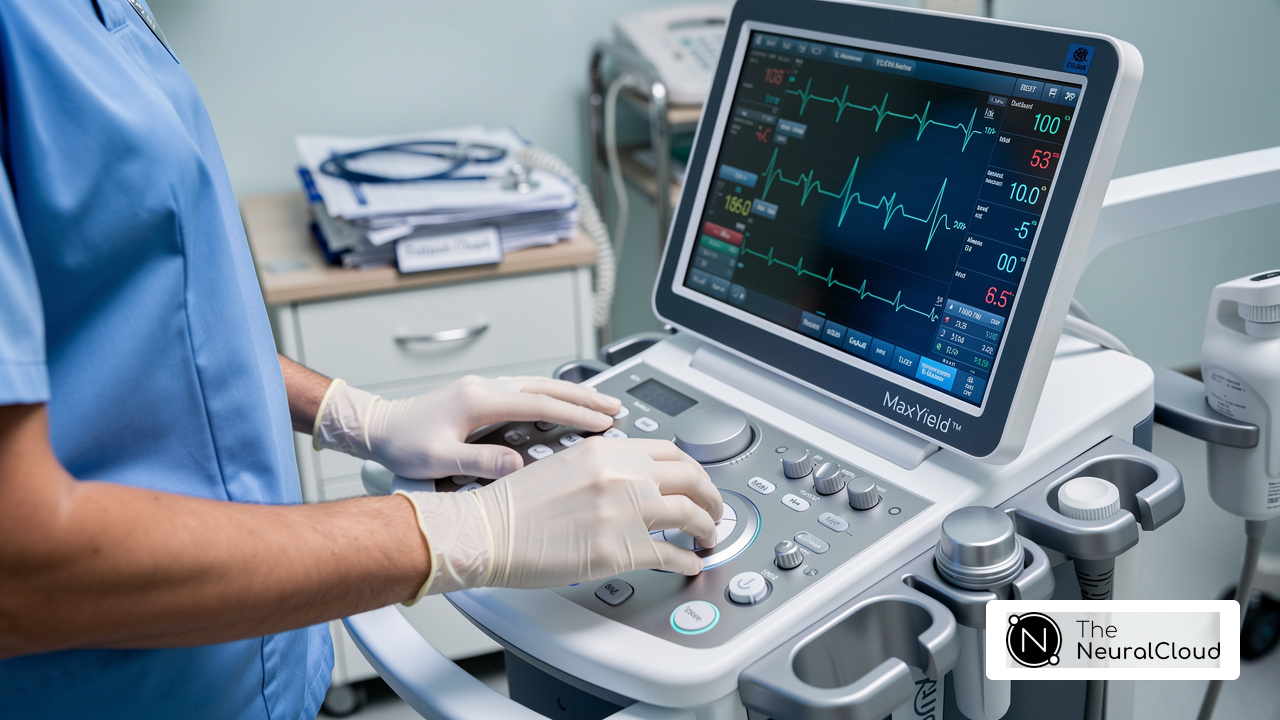
Healthcare professionals face significant challenges in ECG analysis, particularly with data accuracy and noise interference. Neural Cloud Solutions Inc. is leading the charge in transforming ECG analysis with its premier offering. This innovative platform uses advanced AI technologies to improve ECG workflows and analyze biometric data more effectively. By utilizing patented signal mapping algorithms, the system effectively isolates and cleans noisy signals, delivering high-fidelity cardiac data crucial for accurate diagnostics. This flexible solution works well with current ECG devices, converting raw recordings into structured data that medical professionals can analyze with ease. Complementing this is the Insight360 tool, which enhances functionality by providing customizable dashboards and reports, enabling users to visualize trends and generate clinical-ready outputs efficiently.
This solution addresses the primary pain points in ECG analysis. Healthcare professionals often struggle with unreliable data from consumer-grade ECG devices, leading to potential misdiagnoses. MaxYield™ addresses this issue by ensuring consistent, clean data across all connected devices, enabling hospital-grade ECG accuracy, even from wearable devices. This capability is crucial for enhancing remote individual monitoring and preventive cardiology, as evidenced by successful implementations across various healthcare settings. For instance, a recent partnership with a European digital health platform aims to improve patient outcomes through cleaner ECG data, facilitating better detection of cardiac abnormalities and promoting preventive healthcare via real-time tracking of cardiovascular metrics. As Esmat Naikyar, President of Neural Cloud Solutions Inc., stated, "Digital cardiology is rapidly moving toward continuous, remote monitoring models. By enabling platforms like this to leverage our signal-processing technology, we can ensure that the data powering those insights is as accurate and reliable as possible."
Furthermore, the product is currently pending FDA Class II SaMD clearance, ensuring compliance with regulatory standards and audit-ready documentation supporting GxP inspections. Expert endorsements from industry leaders such as Dr. Alan Rabinowitz, Dr. Brett Heilbron, and Dr. Marc W. Deyell emphasize MaxYield’s precision rivaling human interpretation and its significant noise reduction benefits. As the demand for reliable cardiac data grows, MaxYield™ stands out as a vital tool for enhancing patient care and outcomes. Neural Cloud Solutions Inc. continues to set the standard in cardiac diagnostics, empowering healthcare professionals with the tools needed to unlock actionable insights and streamline reporting processes.

Clinical Guidelines for Long QT Syndrome Diagnosis
Diagnosing Long QT Syndrome presents significant challenges, often leading to missed cases and inadequate patient care. The diagnosis of long QT syndrome primarily relies on established clinical guidelines, including the Schwartz score and specific ECG criteria. To definitively establish the long QT syndrome diagnosis criteria, a QTc interval of 480 milliseconds or longer is required on repeated 12-lead ECGs, even if symptoms are absent. The Schwartz score is a crucial tool for assessing the likelihood of long QT syndrome diagnosis criteria, as it assigns points based on clinical history and ECG results. According to the long QT syndrome diagnosis criteria:
- A score of 3.5 or above confirms a definitive diagnosis.
- Scores between 1.5 and 3.5 indicate an intermediate likelihood of the condition.
Additionally, patients with QTc values exceeding 460 milliseconds are evaluated using this scoring system, which helps identify those at risk based on long QT syndrome diagnosis criteria. Notably, 15 to 30% of high-probability patients may have unrecognized mutations, highlighting the limitations of the Schwartz score in detecting all instances of the long QT syndrome diagnosis criteria. Congenital LQTS accounts for about 15% of unexplained cardiac arrests after clinical evaluation, emphasizing the importance of the long QT syndrome diagnosis criteria.
Neural Cloud Solutions Inc.'s MaxYield™ platform addresses these diagnostic challenges by leveraging advanced noise filtering and distinct wave recognition. This feature boosts diagnostic yield and accuracy, proving to be a vital resource for health tech developers. Furthermore, the continuous learning model of MaxYield™ ensures that its accuracy and efficiency improve over time, adapting to new data and enhancing diagnostic capabilities. As Dr. Alan Rabinowitz notes, "MaxYield's precision rivals human interpretation, significantly reducing noise and improving clarity in ECG analysis."
Moreover, it is crucial for health technology creators to consider regulatory adherence, including FDA Class II SaMD clearance-pending status, to ensure their solutions meet recognized diagnostic standards and effectively tackle the complexities of long QT syndrome diagnosis criteria management. As healthcare continues to evolve, leveraging innovative solutions like MaxYield™ is essential for improving patient outcomes in long QT syndrome management.

Genetic Testing Criteria for Long QT Syndrome
Diagnosing Long QT Syndrome can be challenging, especially when the long QT syndrome diagnosis criteria are ambiguous. Genetic testing is crucial in these situations, particularly for individuals with a Schwartz score of 3.5 or above. Identifying pathogenic mutations in genes associated with the long QT syndrome diagnosis criteria can confirm the diagnosis and inform management strategies. As Michael Ackerman, M.D., Ph.D., emphasizes, genetic testing is just one piece of the puzzle for physicians.
Genetic testing aids in understanding the long QT syndrome diagnosis criteria and provides critical information for at-risk family members, facilitating early intervention and monitoring. Recent studies show that Long QT Syndrome affects about 1 in 2,500 individuals, highlighting the importance of genetic testing for identification. Furthermore, progress in genetic testing methods, highlighted in the case study 'Efficient Genotyping for Congenital Long QT Syndrome,' has improved diagnosis and management, leading to better outcomes and customized treatment.

ECG Findings Essential for Long QT Syndrome Diagnosis
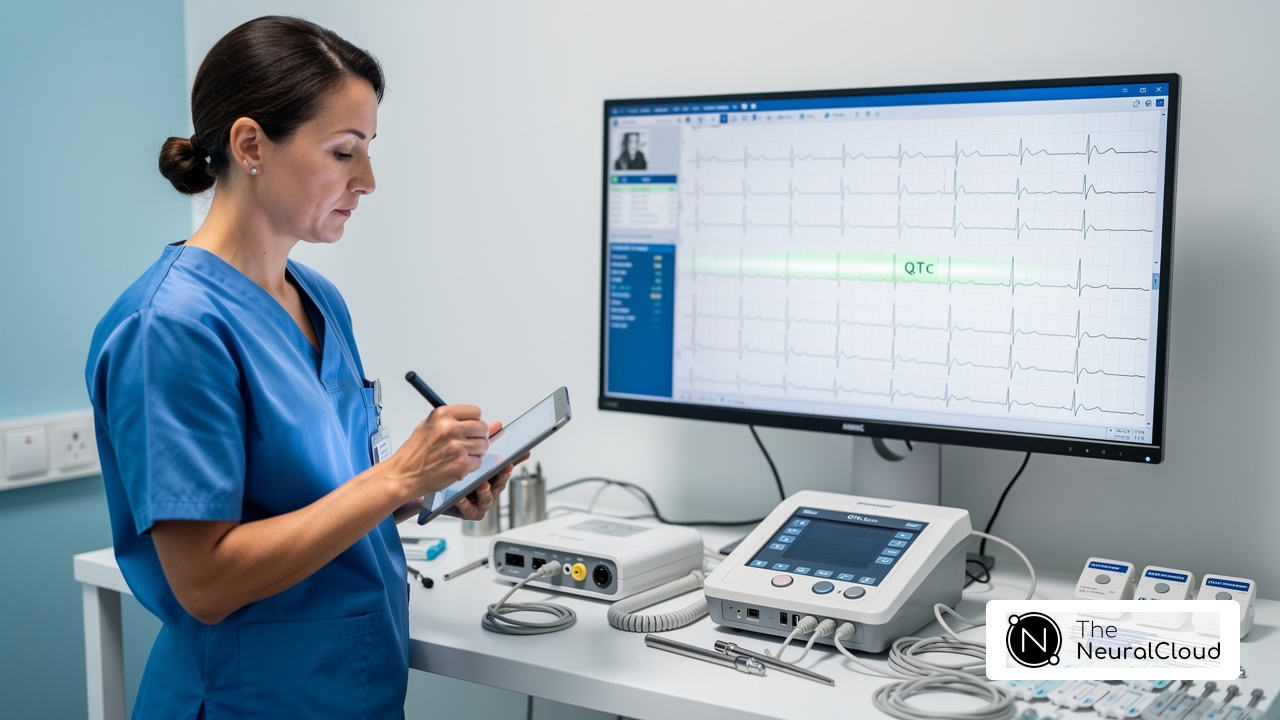
Diagnosing Long QT Syndrome presents unique challenges due to the intricate nature of the long QT syndrome diagnosis criteria in ECG findings. A corrected QT interval (QTc) of 480 ms or longer is a defining characteristic of this condition, with QTc being prolonged if it exceeds 440 ms in men or 460 ms in women. Additionally, T wave irregularities, such as notched or wide-based T waves, are commonly observed in individuals with Long QT Syndrome. The presence of these ECG features, along with clinical symptoms like syncope or seizures, significantly enhances the long QT syndrome diagnosis criteria. Notably, studies indicate that T wave abnormalities are prevalent in LQTS patients, highlighting the importance of accurate identification.
Health tech developers must ensure their ECG analysis tools can detect these critical findings, facilitating timely and precise diagnoses. Neural Cloud Solutions Inc. has developed a product that automates ECG analysis, making it easier to detect these critical features. It delivers beat-by-beat analysis of 200,000 heartbeats in less than 5 minutes and integrates advanced noise reduction capabilities for clearer insights into cardiac events. Recent insights from cardiologists, including Dr. Alan Rabinowitz, Dr. Brett Heilbron, and Dr. Marc W. Deyell, emphasize that this technology rivals human interpretation in precision, making it an essential tool for enhancing clinical decision-making.
It is also crucial to avoid medications that prolong the QT interval and recognize that congenital causes of QT interval prolongation may occur in 1 in 2,500 to 1 in 10,000 individuals. Furthermore, MaxYield™ is currently pending FDA Class II SaMD clearance, ensuring compliance with regulatory standards. Recent insights from cardiologists underscore the necessity of integrating these parameters into diagnostic algorithms to enhance outcomes and streamline clinical workflows.

Importance of Patient History in Long QT Syndrome Diagnosis
A detailed understanding of the long QT syndrome diagnosis criteria, as well as a patient's medical history and symptoms, is essential for diagnosing Long QT Syndrome. Clinicians should actively seek information about symptoms such as syncope, seizures, and palpitations, alongside any previous cardiac events. Additionally, understanding lifestyle factors - like exercise habits and medication use - can reveal potential triggers for Long QT Syndrome. For example, individuals with LQT1 often experience cardiac events during exercise, while those with LQT2 may be affected by emotional stress or auditory stimuli.
A risk score of ≥3.5 indicates a high likelihood of meeting the long QT syndrome diagnosis criteria, highlighting the importance of thorough evaluations. This comprehensive approach aids in accurate diagnosis and helps health technology developers create tools that evaluate ECG data in a broader clinical context. This ultimately leads to improved diagnostic accuracy and better outcomes for patients.
As Dr. Ali A. Sovari observes, "Comprehending the individual's history is vital in recognizing those at risk for cardiac events." Furthermore, genetic testing and ECG evaluations play critical roles in the long QT syndrome diagnosis criteria, ensuring that all aspects of a patient's health are considered.
Using advanced technologies from Neural Cloud Solutions Inc. can really improve this process. The system employs sophisticated noise filtering and automated labeling, allowing for more accurate ECG analysis even in challenging conditions. This integration of technology not only streamlines workflows but also supports clinicians in making informed decisions based on comprehensive patient data.
Additionally, with FDA Class II SaMD clearance-pending status, the product is positioned to meet regulatory standards, further ensuring its reliability in clinical settings. Expert endorsements from Dr. Alan Rabinowitz, Dr. Brett Heilbron, and Dr. Marc W. Deyell emphasize that MaxYield™ rivals human interpretation in precision and noise reduction benefits. Moreover, Insight360 serves as a customizable visualization and reporting tool that transforms MaxYield’s clean ECG data into interactive dashboards and clinical-ready reports, enhancing the overall diagnostic process.

Symptom Assessment Criteria for Long QT Syndrome
The long QT syndrome diagnosis criteria present unique challenges in diagnosing Long QT Syndrome, particularly in evaluating symptoms that can vary significantly among patients. The long QT syndrome diagnosis criteria highlight the importance of symptom evaluation, with key symptoms including:
- Syncope, which is often the most common presentation
- Seizures
- Palpitations
The context of symptom manifestation, such as during exercise or emotional stress, offers valuable diagnostic insights. For instance, adrenergic-triggered syncope in Long QT Syndrome type 1 raises the risk of subsequent life-threatening incidents by eight times, underscoring the need for thorough assessment. Additionally, considering family history is vital; a background of unexplained fainting, seizures, or sudden cardiac death in relatives can further support the long QT syndrome diagnosis criteria.
It's crucial for health tech developers to build diagnostic tools that include strong symptom assessment features, enabling a comprehensive evaluation of patients suspected of having Long QT Syndrome based on the long QT syndrome diagnosis criteria. This approach is essential, as less than 10 percent of asymptomatic individuals with genetic defects will experience fainting or sudden death from arrhythmia, underscoring the variability in symptom presentation and the importance of the long QT syndrome diagnosis criteria in determining risk.
Furthermore, incorporating the system from Neural Cloud Solutions can significantly enhance this process. The system automates ECG analysis, offering beat-by-beat insights and diminishing noise, which is essential for precise symptom evaluation. It is also important to note that the product is currently pending FDA Class II SaMD clearance, ensuring compliance with regulatory standards. As Dr. Alan Rabinowitz observes, MaxYield™ competes with human analysis in accuracy, making it an essential resource for health tech developers seeking to enhance the long QT syndrome diagnosis criteria. Integrating advanced diagnostic systems is essential for enhancing patient outcomes according to the long QT syndrome diagnosis criteria.

Family History Considerations in Long QT Syndrome Diagnosis
Diagnosing Long QT Syndrome can be challenging, especially when subtle symptoms are present, which is why the long QT syndrome diagnosis criteria make family history a crucial factor in accurate assessment. A positive family history of unexplained syncope, seizures, or sudden cardiac death significantly raises the suspicion for the long QT syndrome diagnosis criteria. The long QT syndrome diagnosis criteria typically indicate that the condition is inherited in an autosomal dominant pattern, emphasizing the need for clinicians to gather comprehensive family histories. Each child of an individual with Long QT Syndrome has a 50% chance of inheriting the condition, which emphasizes the importance of long QT syndrome diagnosis criteria in assessing family history and risk. Furthermore, the prevalence of Long QT Syndrome is estimated at 1 in 2,500 individuals, which underscores the urgency of adhering to long QT syndrome diagnosis criteria to identify at-risk individuals. Diagnostic tools should integrate family history evaluation features to enhance risk classification and improve outcomes according to the long QT syndrome diagnosis criteria.

Medication History's Role in Long QT Syndrome Diagnosis
The long QT syndrome diagnosis criteria involve careful consideration of medication history, as certain drugs can significantly impact cardiac health. Medications such as antiarrhythmics, antidepressants, and antibiotics are known to prolong the QT interval, potentially leading to life-threatening arrhythmias in susceptible individuals. Research indicates that QT-prolonging drugs were identified in 76% of study visits among 3,252 individuals. This highlights the prevalence of these medications in patients with Long QT Syndrome, particularly in relation to the long QT syndrome diagnosis criteria and their significant impact on cardiovascular health. Clinicians must carefully check a patient's medication list for any drugs that could impact the long QT syndrome diagnosis criteria by prolonging the QT interval. The concurrent use of multiple QT-prolonging agents can increase risks, as evidenced by findings showing an increase in the corrected QT (QTc) interval with each additional agent. The Medicines and Healthcare products Regulatory Agency (MHRA) emphasizes the need for careful monitoring of medications affecting the QT interval, which is essential for meeting the long QT syndrome diagnosis criteria during thorough medication history assessments.
Health tech developers should ensure that their diagnostic tools include features for comprehensive medication history evaluations. This enables healthcare professionals to conduct thorough assessments of potential drug-related risks in individuals by utilizing the long QT syndrome diagnosis criteria. Such a proactive approach is essential for improving patient outcomes and minimizing the risk of adverse cardiac events. Furthermore, integrating Neural Cloud Solutions' MaxYield™ platform can enhance ECG analysis efficiency by automating labeling and data extraction. This addresses challenges such as physiological variability and signal artifacts. Expert endorsements from Dr. Alan Rabinowitz, Dr. Brett Heilbron, and Dr. Marc W. Deyell emphasize that MaxYield’s precision rivals human interpretation, significantly improving the accuracy and reliability of ECG assessments. By leveraging MaxYield, developers can create tools that not only streamline the diagnostic process but also ensure that medication histories are evaluated in the context of clean, reliable ECG data. Additionally, it is important to note that the MaxYield platform is currently pending FDA Class II SaMD clearance, ensuring compliance with regulatory standards and supporting audit-ready documentation for GxP inspections.

Risk Factor Evaluation for Long QT Syndrome Diagnosis
The long QT syndrome diagnosis criteria present significant challenges in diagnosing Long QT Syndrome due to the various risk factors that must be carefully assessed. Key risk factors include:
- A family history of long QT syndrome
- Previous syncope episodes
- The presence of other cardiac conditions
Individuals with long QT syndrome often experience electrolyte imbalances, particularly low potassium levels, which can significantly impact the QT interval. Additionally, healthcare professionals must closely monitor the use of medications known to prolong the QT interval, as over 100 different drugs can lead to this condition in otherwise healthy individuals. Recent studies indicate that the prevalence of prolonged QTc intervals is notably higher in individuals with a history of cardiovascular disease, with rates reaching 40.7% compared to 30.0% in those without such a history.
It's essential for health technology creators to develop diagnostic tools that thoroughly evaluate risk factors. This enables healthcare professionals to classify patients efficiently based on the long QT syndrome diagnosis criteria and their likelihood of experiencing severe cardiac incidents. By prioritizing comprehensive risk evaluations, healthcare professionals can significantly improve patient outcomes related to Long QT Syndrome. Furthermore, incorporating regulatory compliance details, such as FDA Class II SaMD clearance-pending status, is crucial for ensuring the reliability of these tools. Expert endorsements from Dr. Alan Rabinowitz, Dr. Brett Heilbron, and Dr. Marc W. Deyell emphasize that MaxYield™ rivals human interpretation in precision and noise reduction, further validating its role in enhancing diagnostic capabilities.

Interdisciplinary Collaboration in Long QT Syndrome Diagnosis
Effective diagnosis and management of Long QT Syndrome is dependent on interdisciplinary collaboration among healthcare professionals, following the long QT syndrome diagnosis criteria. A comprehensive evaluation often requires the expertise of cardiologists, geneticists, and primary care providers, ensuring that clinical findings, genetic testing results, and family histories are integrated into a cohesive diagnostic strategy. This teamwork not only enhances the accuracy of diagnoses but also improves patient outcomes. Research indicates that nearly half of individuals with long QT syndrome may remain symptom-free, underscoring the importance of thorough evaluations that consider family history and genetic factors.
It's crucial for health tech developers to focus on features that make it easier for teams to communicate and share data, addressing challenges such as integration with existing healthcare systems and compliance with healthcare regulations, including FDA Class II SaMD clearance-pending status. By facilitating smooth cooperation among healthcare experts, developers can enhance the long QT syndrome diagnosis criteria in the diagnostic process. Real-world examples, such as the importance of family testing for the long QT syndrome diagnosis criteria, demonstrate that team-based approaches lead to better management of the condition, allowing for the recognition of subtle patterns that might be missed by individual practitioners.
Healthcare professionals in 2026 stress that using collaborative strategies can greatly enhance how we identify and treat long QT syndrome diagnosis criteria, ultimately reducing the risk of serious complications and improving patient care. With the incorporation of a device-agnostic ECG intelligence layer from Neural Cloud Solutions Inc., health tech developers can revolutionize ECG analysis. This system transforms lengthy and noisy ECG recordings into clean, crisp signals, utilizing advanced AI technology for clarity and speed in ambulatory ECG waveform analysis. Additionally, Insight360 serves as a customizable visualization tool that turns MaxYield’s clean ECG data into interactive dashboards and clinical-ready reports. Expert endorsements from Dr. Alan Rabinowitz, Dr. Brett Heilbron, and Dr. Marc W. Deyell highlight MaxYield™'s precision, rivaling human interpretation, and its ability to effectively filter noise, ensuring that critical data is identified and labeled even in challenging recordings. This innovative approach not only enhances diagnostic accuracy but also streamlines workflows, making it an invaluable tool for interdisciplinary teams working on LQTS.

Conclusion
Diagnosing Long QT Syndrome (LQTS) presents significant challenges that demand innovative solutions. The landscape of LQTS diagnosis highlights the need for strict adherence to established diagnostic criteria and the integration of advanced technologies. This article emphasizes how health tech developers, particularly through solutions like Neural Cloud Solutions Inc.'s MaxYield™, can enhance the accuracy and efficiency of ECG analysis. By addressing the critical challenges associated with LQTS diagnosis, these technologies empower healthcare professionals to deliver more reliable patient care.
Key insights from the article illuminate the multifaceted approach required for effective diagnosis. The importance of the following factors all play pivotal roles in identifying at-risk individuals:
- The Schwartz score
- Genetic testing
- Thorough patient histories
- Risk factor evaluations
Furthermore, the emphasis on interdisciplinary collaboration reinforces that a team-based approach can lead to better management and outcomes for patients with Long QT Syndrome.
This commitment to innovation ensures that healthcare professionals can provide the highest standard of care for patients with Long QT Syndrome. By prioritizing the development of comprehensive diagnostic solutions, health tech developers can significantly improve patient outcomes in Long QT Syndrome management, ensuring that every patient receives the best possible care based on the most accurate data available.
Frequently Asked Questions
What is MaxYield™ and how does it improve ECG analysis?
MaxYield™ is an innovative platform developed by Neural Cloud Solutions Inc. that utilizes advanced AI technologies to enhance ECG workflows and analyze biometric data effectively. It employs patented signal mapping algorithms to isolate and clean noisy signals, delivering high-fidelity cardiac data essential for accurate diagnostics.
How does MaxYield™ ensure data accuracy from ECG devices?
MaxYield™ ensures consistent and clean data across all connected ECG devices, including consumer-grade and wearable devices. This capability enables hospital-grade ECG accuracy, which is crucial for improving remote monitoring and preventive cardiology.
What is the Insight360 tool and what functionality does it provide?
Insight360 is a complementary tool to MaxYield™ that enhances its functionality by providing customizable dashboards and reports. This tool allows users to visualize trends and generate clinical-ready outputs efficiently.
What are the challenges in diagnosing Long QT Syndrome?
Diagnosing Long QT Syndrome is challenging due to reliance on clinical guidelines, like the Schwartz score and ECG criteria, which may lead to missed cases and inadequate patient care. A QTc interval of 480 milliseconds or longer is required for a definitive diagnosis.
How does the Schwartz score relate to Long QT Syndrome diagnosis?
The Schwartz score assesses the likelihood of Long QT Syndrome by assigning points based on clinical history and ECG results. A score of 3.5 or above confirms a definitive diagnosis, while scores between 1.5 and 3.5 indicate an intermediate likelihood of the condition.
What role does genetic testing play in diagnosing Long QT Syndrome?
Genetic testing is crucial for confirming Long QT Syndrome, especially for individuals with a Schwartz score of 3.5 or above. It helps identify pathogenic mutations, providing important information for management and early intervention for at-risk family members.
How does MaxYield™ address the diagnostic challenges of Long QT Syndrome?
MaxYield™ enhances the accuracy of ECG analysis for diagnosing Long QT Syndrome by utilizing advanced noise filtering and distinct wave recognition techniques, which improve diagnostic yield and clarity.
What is the current regulatory status of MaxYield™?
MaxYield™ is currently pending FDA Class II SaMD clearance, ensuring that it complies with regulatory standards and has audit-ready documentation supporting GxP inspections.
What endorsements does MaxYield™ have from industry experts?
MaxYield™ has received endorsements from industry leaders such as Dr. Alan Rabinowitz, Dr. Brett Heilbron, and Dr. Marc W. Deyell, who emphasize its precision and significant noise reduction benefits, rivaling human interpretation.
Why is it important for health technology creators to consider regulatory adherence?
Regulatory adherence is essential for health technology creators to ensure their solutions meet recognized diagnostic standards, effectively addressing the complexities of managing conditions like Long QT Syndrome and improving patient outcomes.
List of Sources
- Neural Cloud Solutions: Pioneering ECG Analysis with MaxYield™
- aimlhealth (https://aiml.health/press-release/agreement-with-european-digital-cardiac-monitoring-platform)
- AI/ML Innovations Inc. (CVE:AIML) | (https://webdisclosure.com/article/aiml-innovations-inc-cve-aiml-neural-cloud-partners-with-european-digital-cardiac-platform-zbaBa97okBk)
- Neural Cloud Signs Reseller Agreement with European Digital Cardiac Monitoring Platform (https://morningstar.com/news/accesswire/1153125msn/neural-cloud-signs-reseller-agreement-with-european-digital-cardiac-monitoring-platform)
- Neural Cloud Enters Distribution Agreement with Intelimed to Expand into Latin America (https://nasdaq.com/press-release/neural-cloud-enters-distribution-agreement-intelimed-expand-latin-america-2026-02-24)
- Clinical Guidelines for Long QT Syndrome Diagnosis
- emedicine.medscape.com (https://emedicine.medscape.com/article/157826-guidelines)
- The 2023 Canadian Cardiovascular Society Clinical Practice Update on Management of the Patient With a Prolonged QT Interval (https://onlinecjc.ca/article/S0828-282X(23)00520-2/fulltext)
- ncbi.nlm.nih.gov (https://ncbi.nlm.nih.gov/books/NBK441860)
- newsnetwork.mayoclinic.org (https://newsnetwork.mayoclinic.org/discussion/large-scale-study-outcomes-for-long-qt-syndrome-patients-treated-at-specialty-center-are-better)
- merckmanuals.com (https://merckmanuals.com/professional/cardiovascular-disorders/arrhythmogenic-cardiac-disorders/long-qt-interval-syndromes)
- Genetic Testing Criteria for Long QT Syndrome
- newsnetwork.mayoclinic.org (https://newsnetwork.mayoclinic.org/discussion/mayo-clinic-led-study-on-long-qt-syndrome-sheds-light-on-genetic-testing)
- eurekalert.org (https://eurekalert.org/news-releases/948307)
- jamanetwork.com (https://jamanetwork.com/journals/jama/fullarticle/202046)
- ECG Findings Essential for Long QT Syndrome Diagnosis
- massgeneralbrigham.org (https://massgeneralbrigham.org/en/patient-care/services-and-specialties/heart/conditions/long-qt-syndrome)
- ncbi.nlm.nih.gov (https://ncbi.nlm.nih.gov/books/NBK441860)
- Importance of Patient History in Long QT Syndrome Diagnosis
- genomicseducation.hee.nhs.uk (https://genomicseducation.hee.nhs.uk/documents/long-qt-syndrome)
- emedicine.medscape.com (https://emedicine.medscape.com/article/157826-clinical)
- news-medical.net (https://news-medical.net/health/Diagnosis-of-Long-QT-Syndrome.aspx)
- Symptom Assessment Criteria for Long QT Syndrome
- heart.bmj.com (https://heart.bmj.com/content/108/5/332)
- acc.org (https://acc.org/latest-in-cardiology/journal-scans/2023/07/19/14/04/association-between-syncope-trigger)
- news-medical.net (https://news-medical.net/health/Diagnosis-of-Long-QT-Syndrome.aspx)
- Family History Considerations in Long QT Syndrome Diagnosis
- news-medical.net (https://news-medical.net/health/Diagnosis-of-Long-QT-Syndrome.aspx)
- emedicine.medscape.com (https://emedicine.medscape.com/article/157826-overview)
- childrenshospital.org (https://childrenshospital.org/conditions-treatments/long-qt-syndrome)
- ncbi.nlm.nih.gov (https://ncbi.nlm.nih.gov/books/NBK1129)
- Medication History's Role in Long QT Syndrome Diagnosis
- mayoclinic.org (https://mayoclinic.org/diseases-conditions/long-qt-syndrome/symptoms-causes/syc-20352518)
- academic.oup.com (https://academic.oup.com/ndt/article/41/4/614/8263915)
- sps.nhs.uk (https://sps.nhs.uk/articles/identifying-risk-factors-for-developing-a-long-qt-interval)
- Long QT Syndrome Treatment & Management: Approach Considerations, Beta-Blockers, Pacemakers and ICDs (https://emedicine.medscape.com/article/157826-treatment)
- Risk Factor Evaluation for Long QT Syndrome Diagnosis
- ncbi.nlm.nih.gov (https://ncbi.nlm.nih.gov/books/NBK441860)
- mayoclinic.org (https://mayoclinic.org/diseases-conditions/long-qt-syndrome/symptoms-causes/syc-20352518)
- genomicseducation.hee.nhs.uk (https://genomicseducation.hee.nhs.uk/documents/long-qt-syndrome)
- news-medical.net (https://news-medical.net/news/20220527/Scientists-identify-core-factors-that-may-put-Long-QT-patients-at-higher-risk-of-sudden-cardiac-death.aspx)
- link.springer.com (https://link.springer.com/article/10.1186/s12872-019-1244-7)
- Interdisciplinary Collaboration in Long QT Syndrome Diagnosis
- news-medical.net (https://news-medical.net/health/Diagnosis-of-Long-QT-Syndrome.aspx)
- fortunejournals.com (https://fortunejournals.com/articles/a-breakthrough-in-cardiology-machine-learning39s-power-in-unmasking-long-qt-syndrome.html)
- sads.org (https://sads.org/sads-conditions/long-qt-syndrome)
- smw.ch (https://smw.ch/index.php/smw/article/view/1757/2397)