Introduction
The diagnosis of myocardial infarction (MI) presents significant challenges, particularly in the interpretation of ECG strips. Each wave and segment conveys vital information about heart health, yet clinicians must accurately identify key features like ST-segment elevations, QRS complex changes, and T-wave inversions. These critical indicators can often be obscured by noise and artifacts in traditional ECG readings.
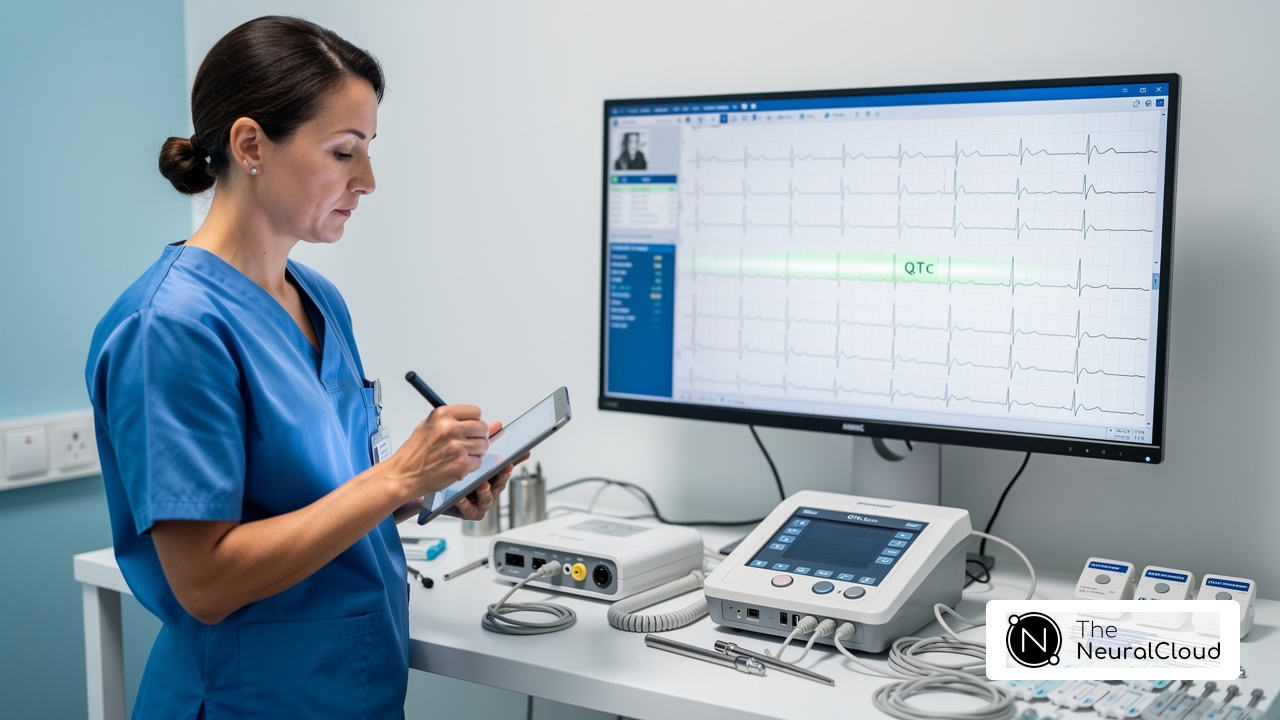
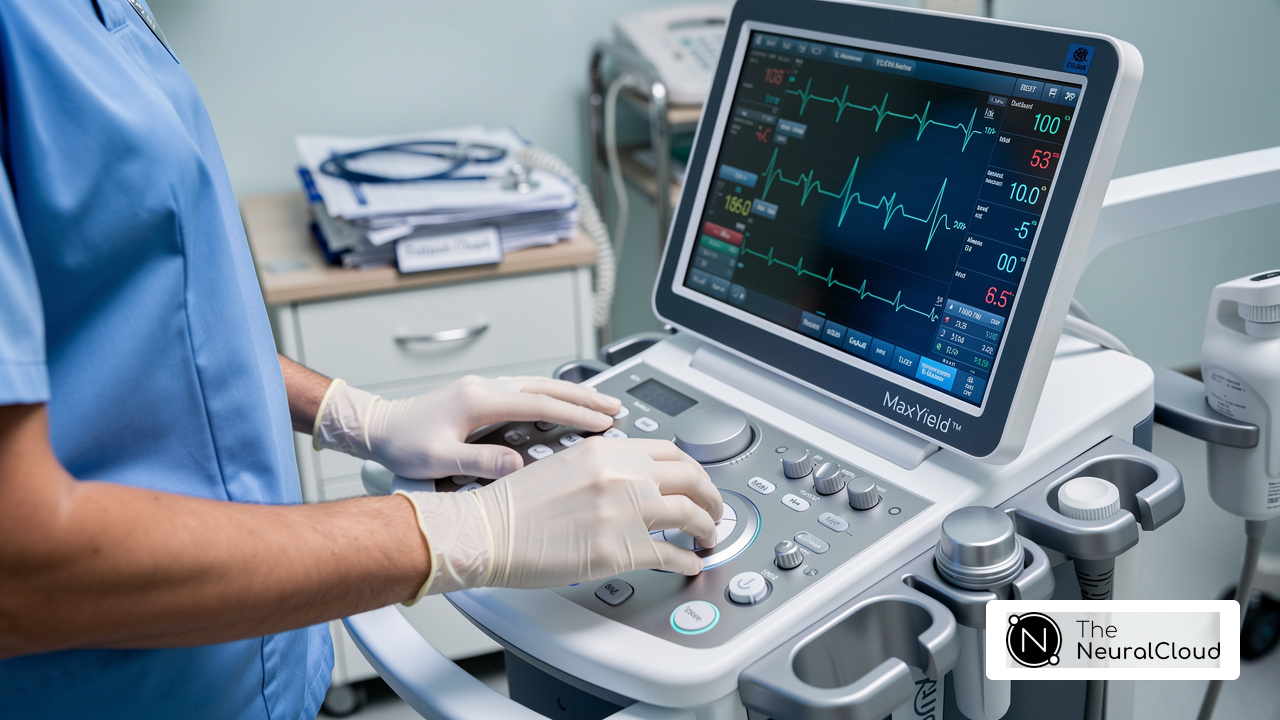
This article explores ten essential features of myocardial infarction ECG strips, emphasizing how advanced tools like Neural Cloud Solutions' MaxYield™ platform can enhance diagnostic accuracy and efficiency. The MaxYield™ platform offers features that streamline ECG analysis, allowing healthcare professionals to interpret results more effectively. By leveraging advanced algorithms, it reduces the impact of noise, ensuring clearer readings and more reliable diagnoses.
The advantages of using the MaxYield™ platform are substantial. Healthcare professionals can expect improved diagnostic confidence, leading to better patient outcomes. With enhanced accuracy in identifying MI features, clinicians can make timely decisions, ultimately transforming cardiac care. How can these innovations reshape the approach to patient care, and what implications do they hold for future healthcare practices?
Neural Cloud Solutions: MaxYield™ for Enhanced ECG Analysis
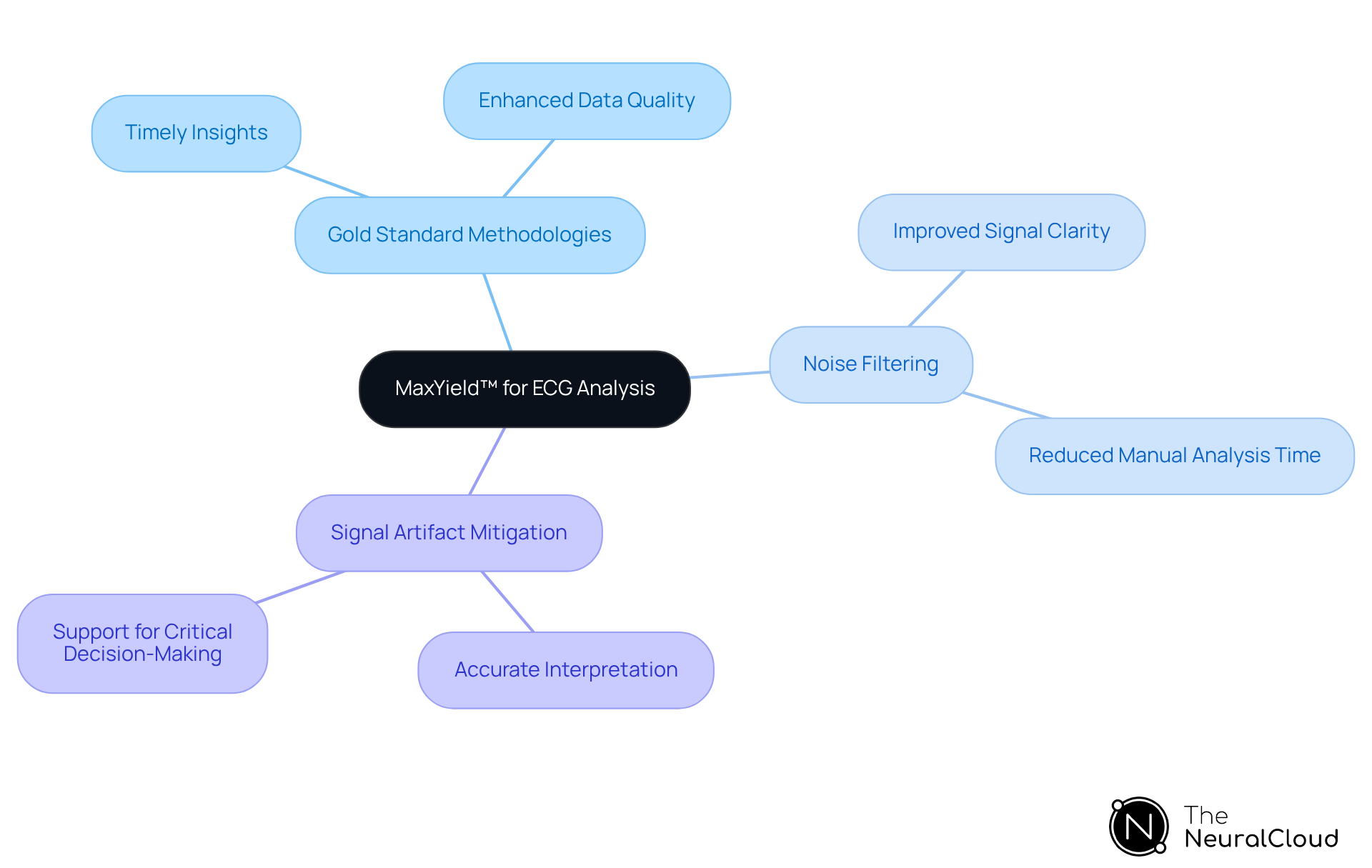
ECG analysis presents several challenges, including noise interference and signal artifacts, which can hinder accurate interpretation. Neural Cloud Solutions addresses these issues with its MaxYield™ platform, designed to automate and clarify ECG signal interpretation using advanced AI algorithms.
MaxYield™ boasts impressive capabilities, processing over 200,000 heartbeats in under five minutes. This rapid analysis equips healthcare professionals with timely and reliable cardiac insights. Key features of the platform include:
- Gold Standard Methodologies for effective noise filtering.
- Mitigation of common challenges such as signal artifacts.
These features significantly enhance the quality of ECG data, allowing clinicians to concentrate on critical decision-making rather than being bogged down by time-consuming manual analysis. The platform's scalability and device-agnostic nature make it an invaluable asset for cardiologists and healthcare technicians, ensuring that accurate ECG data is readily accessible across diverse clinical environments.
The integration of AI in ECG analysis not only improves signal clarity but also optimizes interpretation. Ultimately, this leads to enhanced patient outcomes, making MaxYield™ a transformative tool in the field of cardiac care.
Anterior Myocardial Infarction ECG Features
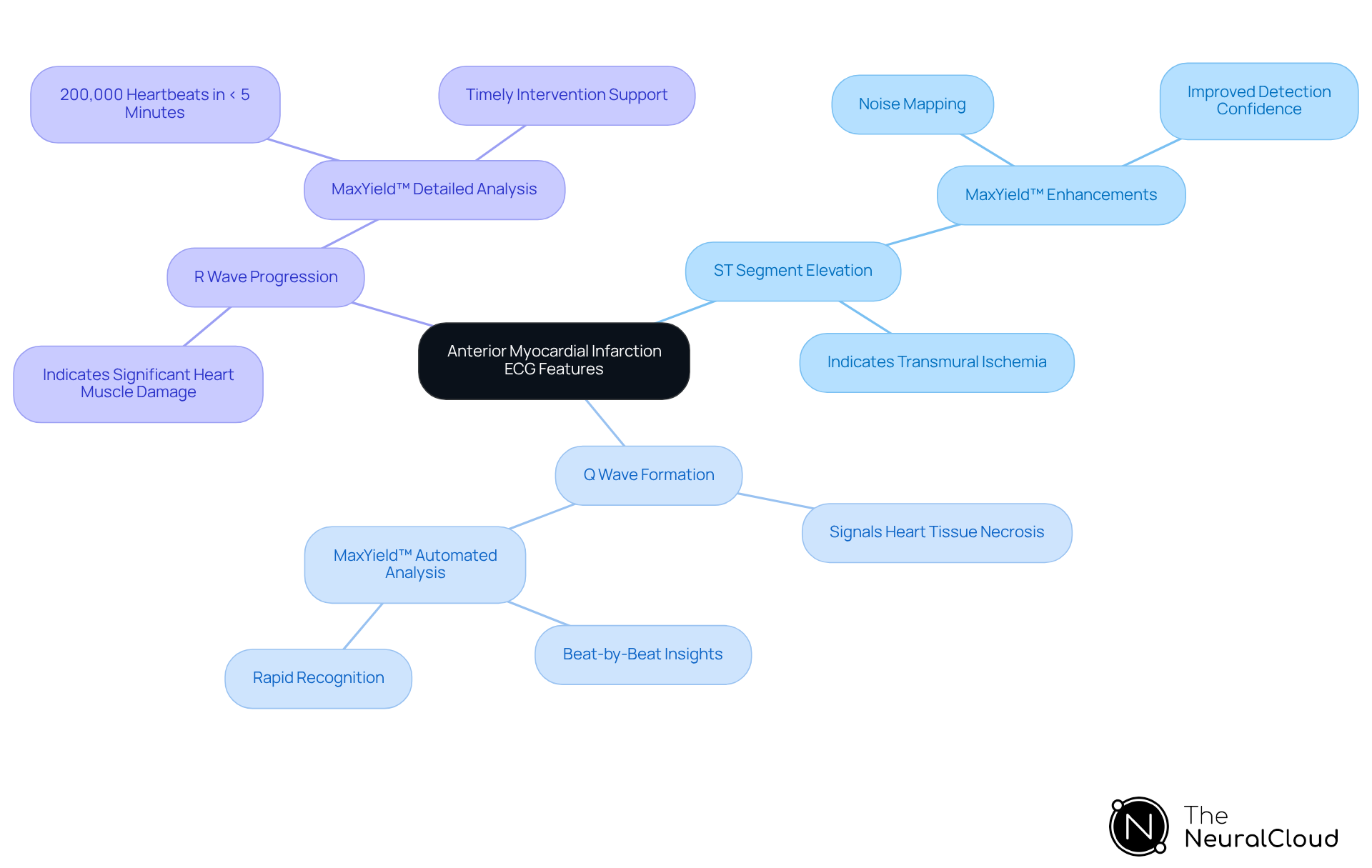
Anterior heart attack (AMI) presents unique challenges in ECG analysis, primarily characterized by specific changes such as ST-segment elevation in the precordial electrodes (V1-V4). To effectively address these challenges, clinicians should focus on several key features:
- ST Segment Elevation: Typically observed in leads V1 to V4, this elevation indicates transmural ischemia. MaxYield™ enhances the identification of this feature by effectively mapping ECG signals through noise, allowing clinicians to detect these critical changes with greater confidence.
- Q Wave Formation: Pathological Q waves may develop within hours, signaling heart tissue necrosis. With MaxYield™, automated analysis provides beat-by-beat insights, facilitating rapid recognition of these changes and improving clinical response times.
- R Wave Progression: Poor R wave progression in the anterior electrodes can indicate significant heart muscle damage. MaxYield™ supports clinicians by delivering detailed analysis of 200,000 heartbeats in less than 5 minutes, enabling timely intervention and enhancing patient outcomes.
Recognizing these features promptly is crucial, as they can lead to timely interventions that significantly improve patient outcomes. By leveraging the capabilities of MaxYield™, healthcare professionals can enhance their ECG analysis, ultimately benefiting patient care.
Recognizing ST Segment Elevation in ECG Strips
ST segment elevation serves as a vital indicator of heart tissue damage, particularly in cases of ST-Elevation Heart Attack (STEMI). Key considerations include:
- Elevation Criteria: A diagnostic criterion for STEMI is an ST segment elevation of 1 mm or more in two contiguous leads.
- Guiding Locations: The specific indicators of elevation can reveal the area of myocardial damage. For instance, elevation in electrodes II, III, and aVF typically points to inferior wall involvement, while electrodes V1 to V6 may indicate anterior wall damage.
- Reciprocal Changes: It’s crucial to monitor for reciprocal ST segment depression in leads opposite those showing elevation, as this can further confirm the diagnosis.
- Clinical Opinions: Experts emphasize the importance of accurate electrode positioning and interpretation, as misinterpretation can lead to treatment delays. There is consensus that precise identification of lead locations is essential for timely intervention in heart attack cases.
- Statistics on Lead Locations: Recent studies show that over 75% of STEMI patients in the U.S. are over the age of 65, underscoring the need for vigilant ECG monitoring in this demographic. Additionally, the rise in in-hospital mortality for first STEMI cases among young adults highlights the critical need for prompt recognition of ST segment elevation.
Neural Cloud Solutions' MaxYield™ platform addresses these challenges by employing advanced noise filtering and distinct wave recognition capabilities. It rapidly isolates ECG waves from recordings affected by noise and artifacts, tackling common issues in ECG analysis, such as physiological variability and signal artifacts. This enhancement not only improves the effectiveness of ECG analysis but also ensures that crucial information is accurately labeled, ultimately assisting healthcare professionals in making timely and informed decisions regarding heart attacks.

Interpreting QRS Complex Changes in Myocardial Infarction
The QRS complex plays a vital role in understanding ventricular depolarization and can signal significant changes during myocardial infarction:
- Widened QRS: A widened QRS complex, defined as greater than 0.12 seconds, may indicate bundle branch block or severe myocardial damage. Recent studies show that a wider QRS complex correlates with an increased risk of major adverse cardiovascular events (MACE), highlighting its importance in clinical assessments. Notably, an increase of just 1 millisecond in QRS width above 99 milliseconds raises the risk of MACE by 2.8%, especially when measured 60 minutes after percutaneous coronary intervention (PCI). With the integration of MaxYield™, healthcare professionals can automate the analysis of QRS changes, ensuring rapid identification of these critical indicators.
- Pathological Q Waves: The presence of pathological Q waves in positions V1-V3 suggests a previous heart attack, indicating tissue death. This finding is crucial as it helps clinicians identify patients who have experienced significant cardiac events, allowing for timely intervention. Studies indicate that the occurrence of these Q waves in leads V1-V3 is a key indicator of past heart damage. MaxYield™ enhances this analysis by reducing noise and improving the clarity of ECG signals, enabling more accurate detection of these vital features.
- Fragmented QRS: Fragmented QRS complexes serve as indicators for heart tissue scarring and are associated with negative outcomes. Their detection can guide treatment decisions and risk stratification in patients with a history of heart attack. By utilizing MaxYield™, clinicians can efficiently analyze fragmented QRS patterns, overcoming traditional limitations in ECG interpretation.
In 2026, the implications of a widened QRS complex remain significant, with studies showing that an increase in QRS width is linked to a higher prevalence of MACE. This underscores the necessity for healthcare professionals to monitor QRS changes closely during ECG analysis, as they can provide vital insights into a patient's cardiac health. As noted by experts in the field, "Monitoring QRS changes is crucial for timely intervention and improved patient outcomes." With MaxYield™, the automation and advanced analysis capabilities empower clinicians to make informed decisions swiftly.

Identifying T-Wave Inversions in ECG Analysis
T-wave inversions serve as crucial indicators of heart muscle ischemia, particularly when analyzed through advanced platforms like MaxYield™ from Neural Cloud Solutions. This automated ECG analysis tool significantly enhances the clarity of T-wave inversions, leading to more accurate interpretations in various clinical scenarios.
Challenges in ECG Analysis: Traditional ECG analysis can be hindered by noise and unclear data, making it difficult for healthcare professionals to identify critical conditions. MaxYield™ addresses these challenges by providing a robust solution that improves the accuracy of T-wave inversion assessments.
Features of MaxYield™:
- Acute Ischemia Detection: New T-wave inversions in leads V2-V4 may indicate acute myocardial ischemia. MaxYield™’s beat-by-beat analysis capabilities allow for rapid identification of these changes, enhancing clinical decision-making.
- Post-Attack Insights: Persistent inversions following a heart attack can suggest ongoing ischemia or scarring. MaxYield™ offers detailed insights into these changes through advanced signal mapping algorithms, ensuring that clinicians have the information they need for effective patient management.
- Lead Specificity: The location of T-wave inversions provides valuable insights into the affected heart tissue region. MaxYield™ transforms noisy recordings into clear data, delivering smooth waveforms that improve workflow efficiency in cardiac diagnostics.
Advantages for Healthcare Professionals: By utilizing MaxYield™, clinicians can enhance their diagnostic capabilities, leading to better patient outcomes. The platform not only streamlines the analysis process but also empowers healthcare professionals with precise data, ultimately improving the quality of care.

Understanding Reciprocal Changes in ECGs
Mutual changes play a crucial role in diagnosing heart attacks, offering insights into the extent of heart damage.
- Definition: Reciprocal changes refer to ST segment depression observed in leads opposite to those exhibiting ST segment elevation. This phenomenon is vital for identifying ischemic areas and evaluating the severity of cardiac events.
- Clinical Significance: These changes not only aid in diagnosing ST-segment elevation heart attack (STEMI) but also provide essential information regarding ischemia severity. For example, ST elevation in lead II may correspond with reciprocal ST depression in lead aVL, effectively pinpointing the affected heart muscle region. Dr. William Brady notes, "the presence of reciprocal change supports the diagnosis of STEMI and also is a sign of a high-risk patient."
- Lead Examples: In clinical practice, reciprocal ST-segment depression has been noted in approximately 75% of patients with inferior wall heart attacks and in 30% of those with anterior wall heart attacks. This correlation highlights the significance of recognizing reciprocal changes as a high-risk indicator for acute coronary syndrome (ACS). Moreover, RSTD was present in 100% of inferior STEMI cases and 70% of anterior STEMI cases, underscoring its prevalence in specific heart attack types.
- Real-World Examples: A recent study found that reciprocal ST-segment depression (RSTD) was present in 87.5% of STEMI patients, while only 40% of noncoronary heart injury patients showed similar changes. This stark contrast emphasizes the diagnostic value of RSTD in differentiating between types of heart injury. Additionally, the presence of RSTD has been linked to a higher likelihood of cardiovascular complications and poor outcomes, reinforcing its clinical importance.
- Clinical Implications: Recognizing and understanding reciprocal changes can significantly improve triage accuracy and treatment strategies for acute coronary syndrome. As the healthcare community advances towards a more nuanced understanding of heart attacks, identifying these ECG patterns will be essential for prompt and effective patient management. Furthermore, healthcare professionals should be trained to recognize these changes in ECG readings to enhance diagnostic accuracy.

Identifying Pathological Q Waves in ECG Interpretation
Pathological Q waves are critical indicators of heart attacks, signifying necrosis of heart tissue. A Q wave is considered pathological if it exceeds 0.04 seconds in width or if its depth is greater than one-third of the height of the R wave. Typically, these waves appear within hours after a heart attack and can remain visible for months, reflecting the extent of heart tissue damage.
The clinical significance of pathological Q waves on a myocardial infarction ECG strip lies in their ability to indicate a previous heart attack, aiding healthcare providers in assessing the severity of cardiac damage. For instance, the presence of these waves often suggests extensive heart tissue damage, which is frequently associated with a poor prognosis. In clinical practice, pathological Q waves are essential for determining the territory of infarction and identifying the affected coronary artery, thus guiding treatment decisions.
Real-world examples underscore the importance of monitoring Q wave characteristics. A pathological Q wave width greater than 1 mm, as noted by specialists, indicates considerable heart damage. Moreover, the timing of these waves post-infarction on the myocardial infarction ECG strip is crucial; they typically peak within 12 hours and can serve as permanent markers of previous myocardial injury. Understanding these nuances is vital for clinicians to make informed decisions regarding patient care and intervention strategies.
The MaxYield™ platform significantly enhances the analysis of pathological Q waves by automating ECG interpretation, providing healthcare professionals with accurate and efficient solutions. By integrating advanced algorithms, MaxYield™ enables real-time monitoring and assessment of Q wave characteristics, facilitating timely interventions. As Dawn B. Altman states, "Pathological Q waves signify necrosis," highlighting their importance in ECG interpretation.

Impact of Lead Placement on ECG Interpretation
Proper electrode positioning is essential for obtaining accurate ECG readings. Standardized electrode placement protocols ensure consistency and reliability in ECG interpretation, which is crucial for effective clinical decision-making. Frequent mistakes in electrode positioning can lead to artifacts and misdiagnosis, such as incorrect ST segment variations, potentially misleading healthcare professionals about a patient's cardiac condition.
For instance, studies indicate that only 16% of cardiologists and 49% of nurses correctly place the V1 electrode, underscoring the prevalence of errors that can result in misleading ECG results. Additionally, Medani et al. (2018) found that merely 10% of healthcare professionals positioned all ECG electrodes accurately, highlighting the critical need for improvement in this area, especially in cases like myocardial infarction where precise ECG interpretation is vital.
The impact of standardized electrode positioning on ECG accuracy is significant. Research shows that improper electrode positioning can create misleading patterns, potentially leading to unnecessary diagnostic tests or delays in treatment. For example, a study revealed that incorrect placement of V1 and V2 electrodes could result in misinterpretation of heart activity, affecting patient management.
To mitigate these risks, comprehensive training programs based on established guidelines from the American Heart Association (AHA) are essential. Experts emphasize the importance of using consistent color codes and clear labeling for electrode placement to prevent errors. Furthermore, leveraging Neural Cloud Solutions' Continuous Learning Model can significantly enhance ECG analysis accuracy and efficiency through AI-driven automation, providing crisp, filtered ECG signals that help identify and interpret cardiac conditions more effectively. By addressing lead placement errors directly, standardization not only enhances the accuracy of ECG readings but also supports compliance with international standards, ultimately improving patient safety and outcomes.

Understanding the Evolution of ECG Changes in Myocardial Infarction
During a heart attack, the myocardial infarction ECG strip shows alterations that evolve over time, reflecting the underlying pathophysiology.
Initial Changes: Hyperacute T waves can appear within minutes of coronary occlusion, signaling the onset of heart injury. Following this, the myocardial infarction ECG strip typically shows ST-segment elevation within hours, indicating significant ischemia in heart tissue.
Progression: As the event progresses, pathological Q waves may emerge within hours or days. Diagnostic criteria require Q waves to be at least 0.03 seconds in duration and 0.1 mV deep in at least two contiguous leads. Additionally, T-wave inversions may occur, often lasting for weeks to months after the acute event.
Clinical Monitoring: Serial ECGs, particularly the myocardial infarction ECG strip, are crucial for tracking these changes, as they inform treatment decisions and assess the extent of heart tissue damage. Continuous ECG monitoring is recommended for 48-72 hours post-heart attack to identify arrhythmias and ongoing ischemia. Studies show that patients exhibiting diagnostic changes on serial ECGs face a significantly higher risk of acute coronary syndrome and life-threatening complications, highlighting the need for timely intervention.
In summary, understanding the timeline of ECG alterations during heart attacks is vital for clinicians to make informed decisions and improve patient outcomes.

Integrating AI-Driven ECG Analysis for Improved Diagnosis
AI-driven ECG analysis represents a significant advancement in cardiac diagnostics, enhancing both accuracy and efficiency in interpreting ECG data. Neural Cloud Solutions' MaxYield™ technology features advanced noise filtering and wave recognition, which are crucial in this evolution. By automating repetitive tasks and streamlining workflows through our data wall, MaxYield™ enables efficient processing of ECG data, allowing clinicians to concentrate more on patient care.
AI algorithms excel at detecting subtle changes in ECG patterns that may escape human interpretation, thereby improving diagnostic precision. For example, studies indicate that AI can achieve arrhythmia detection accuracies exceeding 99% in controlled datasets, highlighting its reliability in clinical settings.
Another critical benefit of AI in ECG interpretation is its efficiency. Automated analysis significantly reduces the time needed for ECG evaluations, which is especially vital in emergency situations where timely diagnosis can save lives. The integration of Neural Cloud Solutions' AI-driven methodologies into clinical workflows has been shown to enhance the detection of myocardial infarction ECG strip and other cardiac conditions, ultimately leading to better patient outcomes.
As the AI Electrocardiogram (ECG) Analysis Market continues to expand, projected to surpass $5 billion by 2030, the impact of AI on cardiac diagnostics is becoming increasingly clear. The rise in AI applications in healthcare is expected to contribute to a 1.5% annual growth in this market, reflecting the technology's growing role in enhancing clinical practices and patient care.

Conclusion
Neural Cloud Solutions' MaxYield™ platform addresses significant challenges in ECG analysis, particularly in the context of myocardial infarction. Traditional ECG interpretation often struggles with noise interference and signal artifacts, which can hinder accurate diagnosis. MaxYield™ utilizes advanced AI algorithms to enhance the accuracy and efficiency of signal interpretation, empowering clinicians to make informed decisions swiftly. This integration of AI not only streamlines the analysis process but also significantly improves patient outcomes by ensuring timely and precise diagnoses.
Key features of the MaxYield™ platform include:
- The identification of critical ECG changes associated with anterior myocardial infarction, such as ST-segment elevation, Q wave formation, and T-wave inversions. Each of these elements is crucial for diagnosing heart attacks and guiding treatment strategies.
- The emphasis on proper lead placement underscores the importance of standardization in achieving accurate ECG readings, which is essential for effective clinical decision-making.
In summary, the advancements in ECG analysis through tools like MaxYield™ highlight the necessity of integrating technology into healthcare practices. As the field of cardiac diagnostics evolves, clinicians are encouraged to embrace these innovations to enhance their diagnostic capabilities. The significance of timely and accurate ECG interpretation is paramount, as it plays a critical role in the effective management of myocardial infarction and other cardiac conditions.
Frequently Asked Questions
What is the purpose of Neural Cloud Solutions' MaxYield™ platform?
MaxYield™ is designed to automate and clarify ECG signal interpretation using advanced AI algorithms, addressing challenges like noise interference and signal artifacts to enhance accurate analysis.
How quickly can MaxYield™ process ECG data?
MaxYield™ can process over 200,000 heartbeats in under five minutes, providing timely and reliable cardiac insights for healthcare professionals.
What are some key features of the MaxYield™ platform?
Key features include gold standard methodologies for effective noise filtering and the mitigation of common challenges such as signal artifacts, which enhance the quality of ECG data.
How does MaxYield™ benefit healthcare professionals?
It allows clinicians to focus on critical decision-making by significantly reducing the time spent on manual analysis and providing accurate ECG data across diverse clinical environments.
What are the unique ECG features associated with Anterior Myocardial Infarction (AMI)?
Key features include ST segment elevation in leads V1 to V4, pathological Q wave formation indicating heart tissue necrosis, and poor R wave progression in anterior electrodes.
How does MaxYield™ assist in recognizing these features?
MaxYield™ enhances the identification of critical changes in ECG signals, providing automated beat-by-beat insights that facilitate rapid recognition and improve clinical response times.
What is the significance of ST segment elevation in ECG analysis?
ST segment elevation is a vital indicator of heart tissue damage, particularly in ST-Elevation Heart Attack (STEMI), and requires accurate identification for timely intervention.
What are the criteria for diagnosing STEMI based on ST segment elevation?
A diagnostic criterion for STEMI is an ST segment elevation of 1 mm or more in two contiguous leads.
Why is electrode positioning important in ECG interpretation?
Accurate electrode positioning is crucial for correct interpretation, as misinterpretation can lead to treatment delays in heart attack cases.
How does MaxYield™ improve the effectiveness of ECG analysis?
It employs advanced noise filtering and distinct wave recognition capabilities to rapidly isolate ECG waves affected by noise and artifacts, ensuring accurate labeling of crucial information for timely decision-making.
List of Sources
- Neural Cloud Solutions: MaxYield™ for Enhanced ECG Analysis
- stocktitan.net (https://stocktitan.net/news/AIMLF/aiml-subsidiary-neural-cloud-enters-research-services-agreement-with-85hl2thuwvft.html)
- nasdaq.com (https://nasdaq.com/press-release/neural-cloud-signs-reseller-agreement-european-digital-cardiac-monitoring-platform)
- sciencedirect.com (https://sciencedirect.com/science/article/pii/S1936879825026007)
- New Intelimed deal takes Neural Cloud’s AI heart software into Latin America (https://stocktitan.net/news/AIMLF/neural-cloud-enters-distribution-agreement-with-intelimed-to-expand-rxulcwnbexty.html)
- AI/ML Innovations Inc. (CVE:AIML) | (https://webdisclosure.com/article/aiml-innovations-inc-cve-aiml-neural-cloud-partners-with-european-digital-cardiac-platform-zbaBa97okBk)
- Anterior Myocardial Infarction ECG Features
- AI outperforms conventional diagnosis for certain types of heart attacks (https://escardio.org/news/press/press-releases/acvc-press)
- ahajournals.org (https://ahajournals.org/doi/10.1161/circinterventions.116.004467)
- healio.com (https://healio.com/cardiology/learn-the-heart/ecg-review/ecg-topic-reviews-and-criteria/anterior-wall-st-elevation-mi-review)
- AI-based ECG interpretation outperforms standard diagnosis of occlusive myocardial infarction (https://news-medical.net/news/20260323/AI-based-ECG-interpretation-outperforms-standard-diagnosis-of-occlusive-myocardial-infarction.aspx)
- hvt-journal.com (https://hvt-journal.com/articles/art557)
- Recognizing ST Segment Elevation in ECG Strips
- AI outperforms conventional diagnosis for certain types of heart attacks (https://escardio.org/news/press/press-releases/acvc-press)
- drugs.com (https://drugs.com/news/2011-2022-saw-increase-stemi-mortality-young-adults-129013.html)
- abiomed.com (https://abiomed.com/en-us/about-us/news-and-media/press-releases/stemi-dtu-acc-2026)
- AI outperforms conventional diagnosis for certain types of heart attacks (https://medicalxpress.com/news/2026-03-ai-outperforms-conventional-diagnosis-heart.html)
- acc.org (https://acc.org/latest-in-cardiology/clinical-trials/2025/12/17/18/59/celebrate)
- Interpreting QRS Complex Changes in Myocardial Infarction
- AI outperforms conventional diagnosis for certain types of heart attacks (https://escardio.org/news/press/press-releases/acvc-press)
- professional.heart.org (https://professional.heart.org/en/meetings/other-cardiovascular-and-stroke-related-conferences/acc-2026-science-news)
- pmc.ncbi.nlm.nih.gov (https://pmc.ncbi.nlm.nih.gov/articles/PMC11120035)
- Heart failure evidence update 2026 - PMC (https://pmc.ncbi.nlm.nih.gov/articles/PMC12979370)
- healthcare-bulletin.co.uk (https://healthcare-bulletin.co.uk/article/prognostic-value-of-qrs-morphology-in-acute-coronary-syndrome-patients-with-atrioventricular-block-3775)
- Understanding Reciprocal Changes in ECGs
- AI outperforms conventional diagnosis for certain types of heart attacks (https://medicalxpress.com/news/2026-03-ai-outperforms-conventional-diagnosis-heart.html)
- revespcardiol.org (https://revespcardiol.org/en-clinical-significance-of-reciprocal-st-segment-articulo-S1885585718300264)
- gehealthcare.com (https://gehealthcare.com/en-ph/insights/article/ecg-reciprocal-depression-and-decisions-around-acute-chest-pain-in-myocardial-infarction?srsltid=AfmBOor0EWl6te7UzxVB-imyJllu4Nj204IgKfu5dGJFUp7nJ9dDLIeh)
- sciencedirect.com (https://sciencedirect.com/science/article/pii/S0196064424012502)
- Reciprocal Change Supports STEMI Dx | Patient Care Online (https://patientcareonline.com/view/reciprocal-change-supports-stemi-dx)
- Identifying Pathological Q Waves in ECG Interpretation
- cardvasc.org (https://cardvasc.org/ecg-criteria-myocardial-infarction-pathological-q-waves-r-waves)
- ahajournals.org (https://ahajournals.org/doi/full/10.1161/CIRCULATIONAHA.125.075839?doi=10.1161/CIRCULATIONAHA.125.075839)
- The Anatomy of Pathological Q Waves on ECG (https://ecglectures.com/blog/the-anatomy-of-pathological-q-waves-on-ecg)
- Acute Myocardial Infarction - StatPearls - NCBI Bookshelf (https://ncbi.nlm.nih.gov/books/NBK459269)
- ems1.com (https://ems1.com/cardiac-care/articles/12-lead-ecg-case-a-tale-of-too-many-q-waves-kZIK377opGvp4PnB)
- Impact of Lead Placement on ECG Interpretation
- Regulatory Compliance — FDA, AHA, ISO Certified | C-Booth Innovations (https://cboothinnovations.com/compliance)
- sciencedirect.com (https://sciencedirect.com/science/article/abs/pii/S0022073610002037)
- ECG Electrode Placement: Risks, Tech, and Growing Demand in 2025- (https://intcomedical.com/news/info/What-You-Need-to-Know-About-ECG-Electrode-Placement-in-2025.html)
- sunfox.in (https://sunfox.in/blogs/ecg-lead-placement?srsltid=AfmBOooBH3O-ISJO3EXhk0ZLtrk2jEOyrXastt8FqXfnDLTOcNKZSS1t)
- 1st synthesized 12-lead ECG to launch in 2026 (https://beckershospitalreview.com/supply-chain/1st-synthesized-12-lead-ecg-to-launch-in-2026)
- Understanding the Evolution of ECG Changes in Myocardial Infarction
- New study finds AI model improves heart attack detection (https://health.ucdavis.edu/news/headlines/new-study-finds-ai-model-improves-heart-attack-detection/2025/11)
- droracle.ai (https://droracle.ai/articles/850176/what-are-the-typical-electrocardiographic-changes-and-their-timeline)
- AI outperforms conventional diagnosis for certain types of heart attacks (https://escardio.org/news/press/press-releases/acvc-press)
- AI improves detection of hard-to-diagnose heart attacks | ICT&health (https://icthealth.org/news/ai-improves-detection-of-hard-to-diagnose-heart-attacks)
- AI-based ECG interpretation outperforms standard diagnosis of occlusive myocardial infarction (https://news-medical.net/news/20260323/AI-based-ECG-interpretation-outperforms-standard-diagnosis-of-occlusive-myocardial-infarction.aspx)
- Integrating AI-Driven ECG Analysis for Improved Diagnosis
- sciencedirect.com (https://sciencedirect.com/science/article/pii/S1936879825026007)
- einpresswire.com (https://einpresswire.com/article/899930160/artificial-intelligence-ai-electrocardiogram-ecg-analysis-market-2026-advancing-cardiac-diagnostics)
- pmc.ncbi.nlm.nih.gov (https://pmc.ncbi.nlm.nih.gov/articles/PMC10145690)
- AI-Powered ECG Analysis Offers Promising Path for Early Detection of Chronic Obstructive Pulmonary Disease, Say Mount Sinai Researchers (https://mountsinai.org/about/newsroom/2026/ai-powered-ecg-analysis-offers-promising-path-for-early-detection-of-chronic-obstructive-pulmonary-disease-say-mount-sinai-researchers)
- ECG market keeps evolving thanks to AI, home monitoring and Epic integration (https://signifyresearch.net/2026/02/13/ecg-market-keeps-evolving-thanks-to-ai-home-monitoring-and-epic-integration)