Introduction
The accurate identification of EKG peaked T waves presents a significant challenge for health tech developers, yet it holds the key to enhancing cardiac diagnostics. These seemingly simple waveforms can signal serious conditions like hyperkalemia and myocardial ischemia, making their accurate identification essential for timely intervention. As technology evolves, integrating advanced algorithms and AI-driven solutions is essential for improving detection and streamlining clinical workflows.
How can developers leverage these insights to transform ECG analysis and ultimately improve patient outcomes?
Neural Cloud Solutions: MaxYield for Enhanced ECG Analysis
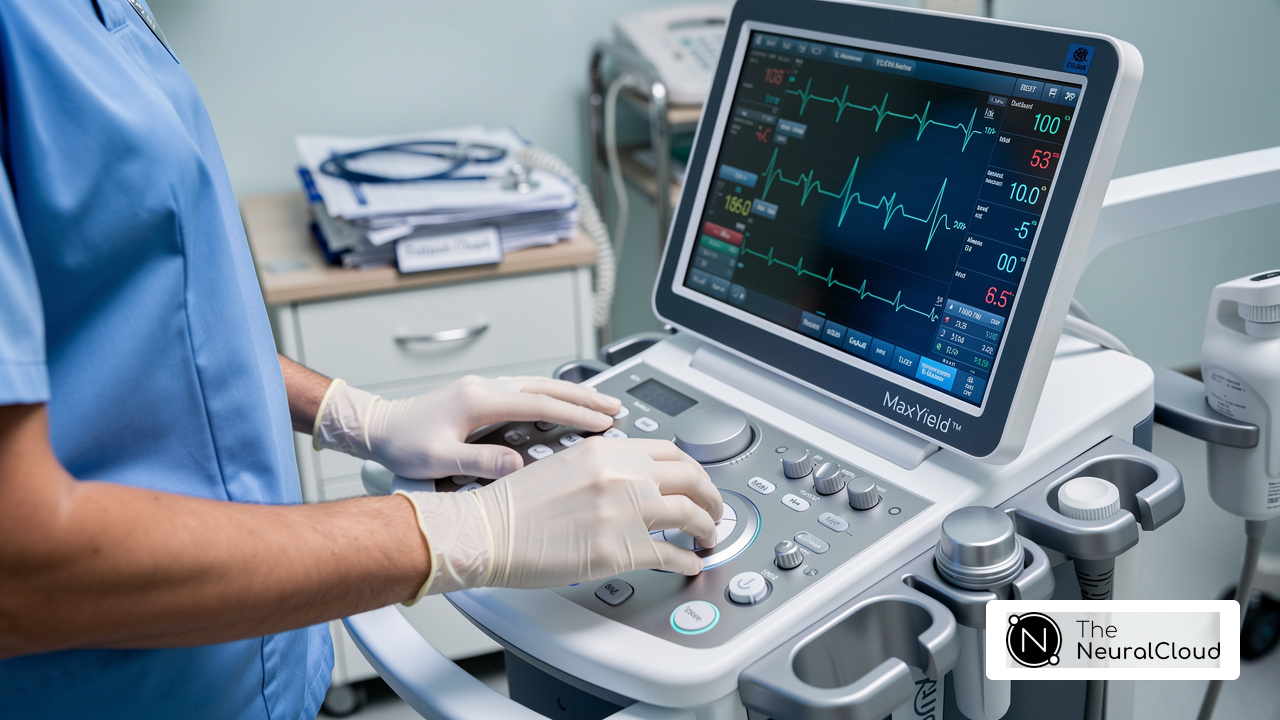
Healthcare professionals face significant challenges in ECG analysis due to noisy signals that complicate accurate diagnosis. Neural Cloud Solutions has developed MaxYield, an advanced AI-driven platform that enhances ECG analysis by isolating and cleaning these noisy signals. This technology uses patented signal mapping algorithms to deliver high-quality cardiac data that's crucial for accurate diagnosis. MaxYield takes raw ECG recordings from different devices and turns them into structured data that's easy for medical professionals to interpret. This capability is especially advantageous for detecting abnormalities like EKG peaked T waves, which can indicate serious cardiac conditions. By addressing motion noise and ensuring consistency across devices, MaxYield allows healthcare providers to trust the accuracy of the data for clinical decisions, transforming home patient monitoring with hospital-grade ECG accuracy from consumer devices.
Looking ahead, MaxYield is set to launch commercially in September 2025 after receiving FDA 510(k) clearance, highlighting its regulatory compliance and readiness for the healthcare market. Additionally, the integration of Insight360 as a customizable visualization tool enhances the platform's value. This feature allows for interactive dashboards and clinical-ready reports, further supporting healthcare providers in their decision-making processes.

Clinical Implications of Peaked T Waves in Cardiac Conditions
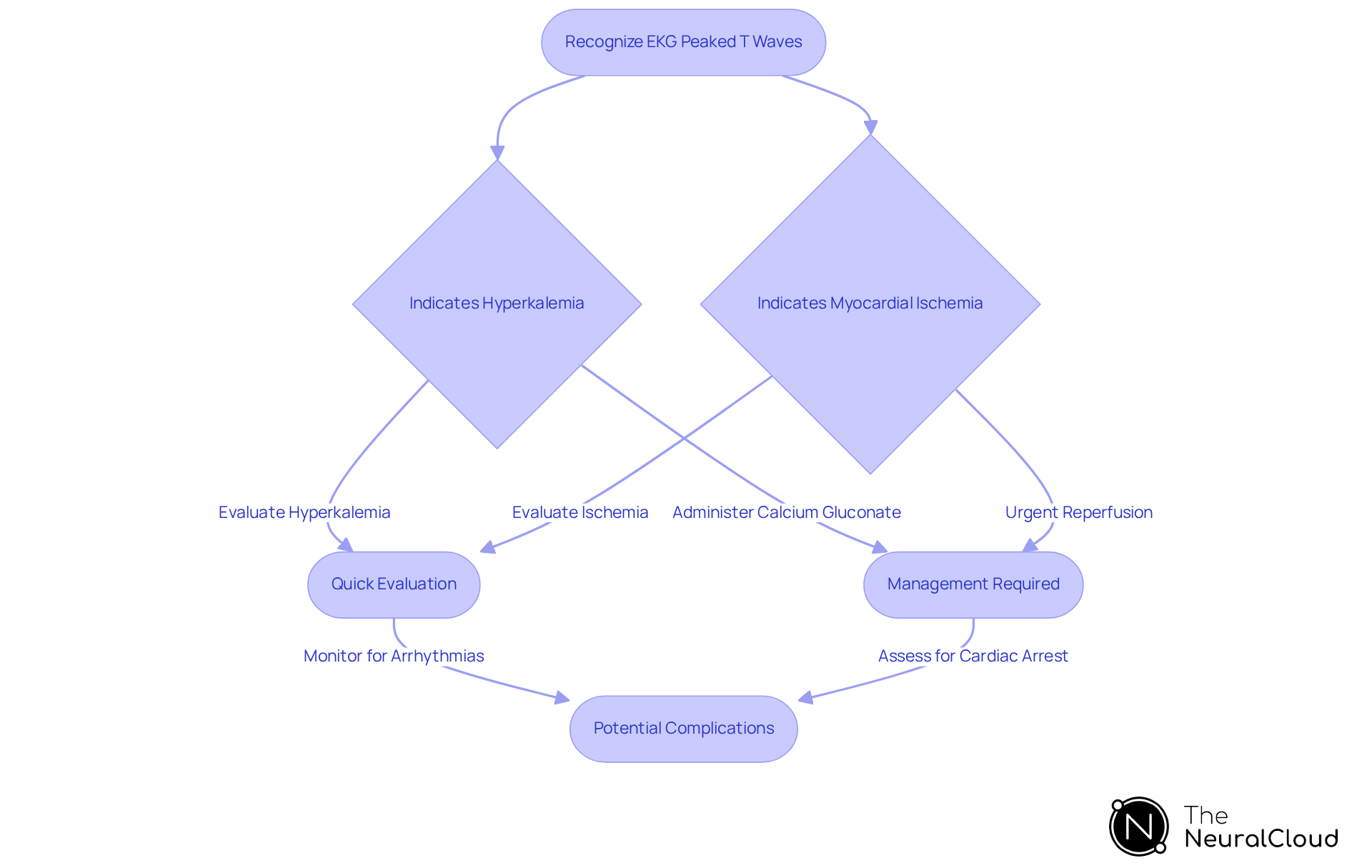
Recognizing EKG peaked T waves is vital, as they can indicate life-threatening conditions like hyperkalemia and myocardial ischemia. These abnormalities require quick evaluation and management to prevent serious complications. For example, EKG peaked T waves associated with hyperkalemia can lead to life-threatening arrhythmias and cardiac arrest if not addressed swiftly. In clinical settings, quickly identifying these patterns is vital; research shows that EKG peaked T waves can serve as early indicators of acute coronary incidents, particularly in patients with high potassium levels.
Moreover, the presence of EKG peaked T waves in individuals with hyperkalemia underscores the need for health tech developers to enhance ECG diagnostic tools. By integrating advanced algorithms that accurately detect these abnormalities, developers can significantly improve patient outcomes and streamline clinical workflows. Understanding the importance of elevated T patterns is key to creating effective strategies that assist healthcare professionals in making informed choices during critical situations. Ultimately, by enhancing ECG tools, healthcare professionals can make quicker, more accurate decisions, ultimately saving lives.
Diagnostic Techniques for Identifying Peaked T Waves
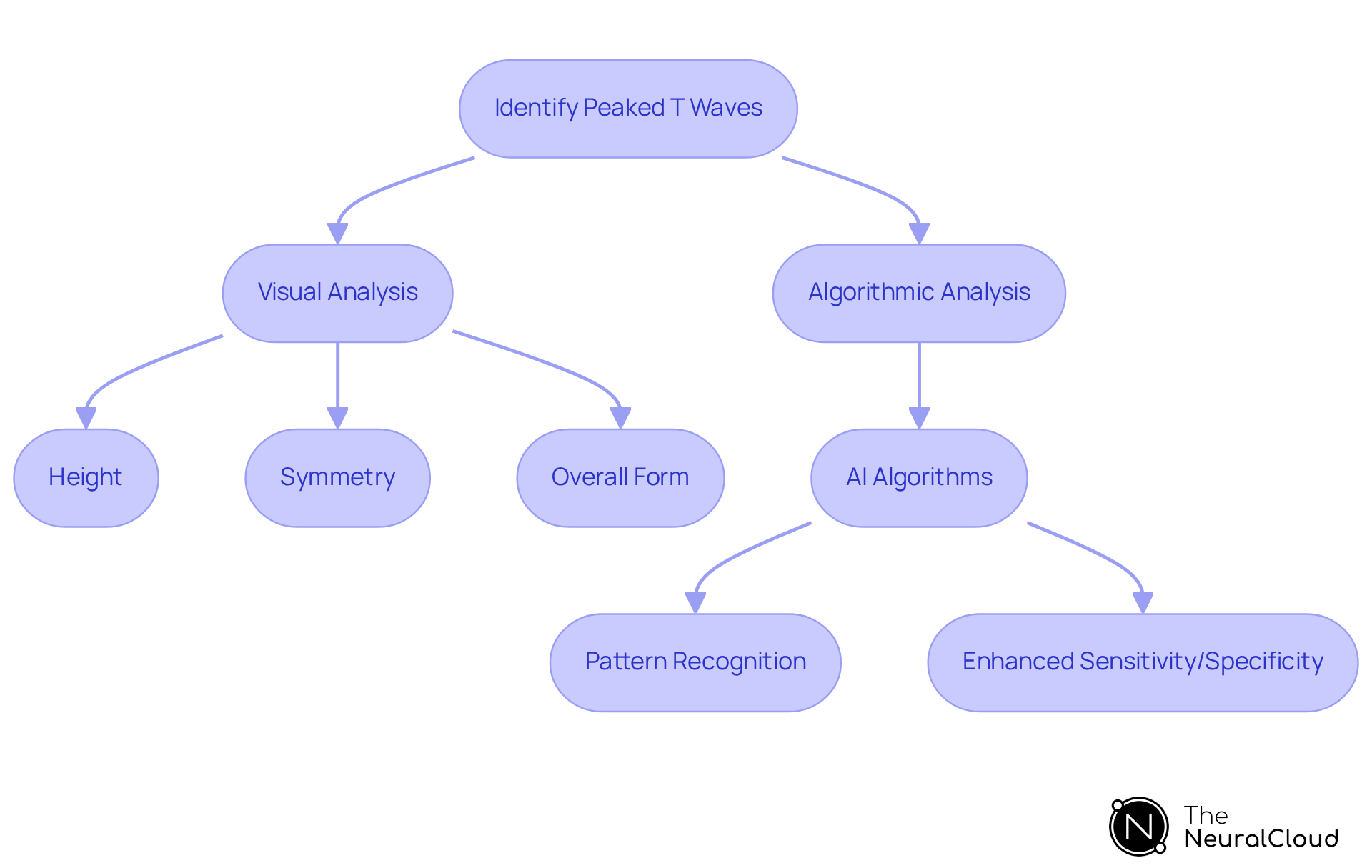
Identifying EKG peaked T waves in ECGs presents significant challenges for clinicians, requiring a combination of visual and algorithmic analysis. Clinicians evaluate characteristics such as height, symmetry, and overall form of the T component, particularly looking for EKG peaked T waves, to identify abnormalities.
These advanced AI algorithms help clinicians by analyzing large datasets to uncover patterns that might be missed. Studies have shown that algorithmic approaches can significantly enhance the sensitivity and specificity of T-wave detection, leading to improved diagnostic outcomes.
MaxYield’s top-notch noise filtering and automation streamline workflows, boosting diagnostic accuracy and efficiency. Additionally, the Insight360 tool transforms MaxYield’s clean ECG data into interactive dashboards and clinical-ready reports, further supporting data visualization and reporting needs.
Incorporating these advanced techniques into health tech solutions enhances the precision of cardiac diagnostics while ensuring adherence to regulatory standards, ultimately improving care and outcomes.
Management Strategies for Patients with Peaked T Waves
Managing elevated T waves, specifically EKG peaked T waves, presents significant challenges, particularly when addressing underlying conditions such as hyperkalemia. The first-line treatment for hyperkalemia is the administration of calcium gluconate, which stabilizes the cardiac membrane and mitigates the risk of arrhythmias. In cases where myocardial ischemia is suspected, urgent interventions such as angioplasty or thrombolysis may be required to restore blood flow.
Recent case studies highlight the importance of timely intervention. For example, a 52-year-old individual developed cardiac arrhythmia after receiving multiple blood transfusions, which resulted in EKG peaked T waves and a widened QRS complex on the ECG. This situation necessitated immediate treatment with IV calcium gluconate, as failure to act promptly can lead to severe complications, including life-threatening arrhythmias.
It's essential for health tech developers to integrate these management protocols into their platforms to enhance clinical responses. By equipping healthcare providers with tools that enable the swift recognition and management of EKG peaked T waves, technology can improve care quality and optimize clinical workflows. Incorporating MaxYield™ into these platforms can significantly improve outcomes, as it automates ECG analysis, delivering beat-by-beat insights and effectively filtering noise to highlight critical cardiac events. Additionally, the integration of Insight360 as a customizable visualization tool can transform MaxYield’s clean ECG data into interactive dashboards and clinical-ready reports, further enhancing clinical decision-making for patients at risk of hyperkalemia.

Common Pitfalls in ECG Interpretation of Peaked T Waves
Misinterpretation of EKG peaked T waves can lead to serious diagnostic errors, complicating patient care. Clinicians may mistakenly recognize these patterns as normal variants or confuse them with other abnormalities, such as ST elevation. For instance, broad-based hyperacute T forms can be misinterpreted without considering the patient's clinical history. Furthermore, elevated T signals may suggest hyperkalemia or myocardial infarction, particularly when accompanied by symptoms such as chest pain or dyspnea.
A systematic approach to ECG interpretation is essential to avoid these errors. Developers should concentrate on designing algorithms that improve clarity and reduce misinterpretation by offering clear visual signals and alerts when EKG peaked T waves are detected. A case study highlighted the importance of recognizing T-wave characteristics that can independently predict major adverse cardiovascular occurrences (MACE) in patients with myocardial ischemia. Advanced technology is crucial for accurate T signal analysis and improved patient outcomes. The Insight360 tool can transform ECG data into interactive dashboards, further enhancing the interpretative process.
Experts agree that understanding the nuances of T morphology is key to making accurate diagnoses. Clinicians must be aware of the differential diagnoses linked to T abnormalities, including conditions such as early repolarization and left ventricular hypertrophy, to ensure effective management of individuals. Using advanced ECG analysis platforms like MaxYield™, pending FDA Class II SaMD approval, can significantly improve T signal interpretation and enhance patient outcomes. The platform's ability to deliver beat-by-beat analysis and its integration capabilities make it a valuable tool for enhancing workflow efficiency and clinical decision-making.

Peaked T Waves and Their Relationship to Myocardial Ischemia
Detecting early signs of myocardial ischemia is crucial for timely intervention in cardiac care. EKG peaked T waves are closely associated with myocardial ischemia, especially during the early stages of an acute myocardial infarction. These changes can appear within minutes after a coronary artery is blocked, often before other significant ECG changes. Identifying this connection is essential for prompt action, as elevated T signals can serve as an early indicator of major cardiac incidents. For example, studies suggest that EKG peaked T waves may start to widen and reach a peak within 30 minutes of total coronary artery blockage, highlighting their diagnostic significance. Furthermore, the incidence of T-wave inversions in various populations underscores the need for precise detection; for instance, in a study from Angola, the incidence ranged from 3.8% to 9.2%.
Health tech developers need to equip their tools to accurately identify these changes. This will help facilitate quick clinical responses and improve outcomes for patients. 'Neural Cloud Solutions' MaxYield™ platform tackles these challenges by utilizing advanced noise filtering and unique signal recognition. This means that elevated T patterns and other critical cardiac events are reliably identified, enhancing clinical decision-making and improving patient outcomes. Additionally, MaxYield™ salvages previously obscured sections of lengthy Holter, 1-Lead, and patch monitor recordings. Its adaptive algorithm evolves with each use to maximize diagnostic yield.
Complementing MaxYield™, Insight360 serves as a customizable visualization tool that transforms clean ECG data into interactive dashboards and clinical-ready reports. This further supports healthcare professionals in their decision-making processes. With MaxYield™, healthcare professionals can enhance their diagnostic capabilities, ultimately leading to better patient outcomes.

The Role of AI in Enhancing ECG Analysis of Peaked T Waves
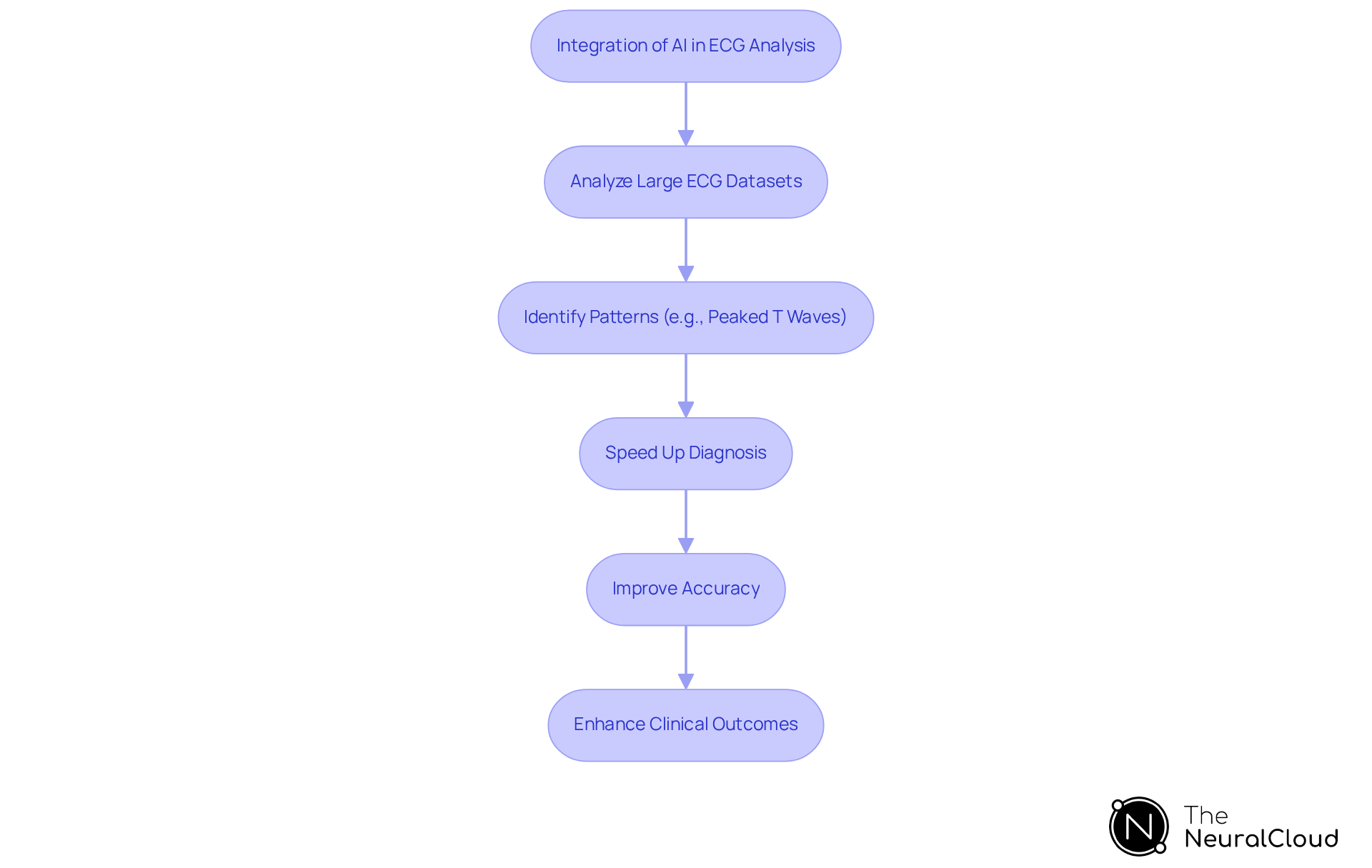
The integration of AI in ECG analysis is revolutionizing the detection of elevated T patterns, addressing significant challenges in traditional methods. Sophisticated machine learning algorithms, like those employed in Neural Cloud Solutions' MaxYield™, can analyze large ECG datasets, allowing them to identify patterns associated with EKG peaked T waves and other cardiac irregularities. This capability speeds up diagnosis and improves accuracy, easing the burden on clinicians. For instance, AI-driven systems have shown the capability to identify atrial fibrillation (AF) with over 90% accuracy, highlighting the potential for enhanced outcomes through timely intervention.
In 2026, advancements in AI integration in ECG analysis are expected to lead to notable improvements, with studies indicating that AI-enhanced ECG interpretation can identify significantly more AF cases compared to traditional methods, achieving detection rate increases of 20-30%. These improvements are crucial, as traditional methods often lead to missed diagnoses, which can seriously impact patient care.
Neural Cloud Solutions' MaxYield™ platform exemplifies this advancement by mapping ECG signals through noise, isolating and labeling key features in every heartbeat. Its automated noise filtering and unique signal recognition streamline workflows, allowing for rapid analysis of 200,000 heartbeats in under 5 minutes. This efficiency is vital in addressing physiological variability and signal artifacts that often challenge traditional ECG interpretation.
Many experts agree that AI plays a crucial role in this field. Clinicians emphasize that AI should serve as a decision support tool, enhancing diagnostic capabilities while maintaining clinical judgment. This viewpoint is backed by evidence that AI can transform how health systems observe and track individuals over time. Case studies demonstrate the successful use of AI in practical environments, where platforms like MaxYield™ have effectively enhanced the recognition of EKG peaked T waves, thus aiding improved management and follow-up of individuals.
Developers are encouraged to utilize these AI technologies to create innovative solutions that not only enhance diagnostic accuracy but also streamline workflows, ultimately transforming cardiac care and improving outcomes for individuals. For those interested in exploring these advancements further, Neural Cloud Solutions Inc. offers opportunities for free trials and personalized walkthroughs of MaxYield™ and its customizable visualization tool, Insight360.
Continuous Education on Peaked T Waves for Cardiologists
Cardiologists face the ongoing challenge of staying updated with the latest research and clinical guidelines on EKG peaked T waves. Engaging in regular training sessions, workshops, and online courses enhances clinicians' proficiency in ECG interpretation and management strategies. There's a noticeable trend towards incorporating the latest evidence and guidelines into educational programs, especially for conditions like coronary artery disease and arrhythmias. Health tech developers can enhance education by creating resources that integrate effectively with diagnostic tools, ensuring users have access to the most current information.
For example, the upcoming 'Cardiology Update 2026' program will offer practical, evidence-informed updates in cardiovascular care. This initiative showcases how education can improve clinical outcomes and decision-making. Furthermore, leveraging Neural Cloud Solutions' MaxYield™ and Insight360 can significantly enhance these educational resources. MaxYield™ rapidly processes ECG data, providing clean signals and actionable insights, while Insight360, as a customizable visualization and reporting tool, transforms this data into interactive dashboards and clinical-ready reports.
Expert endorsements from Dr. Alan Rabinowitz, Dr. Brett Heilbron, and Dr. Marc W. Deyell highlight MaxYield’s precision comparable to human interpretation and its noise reduction advantages. By embracing advanced educational tools like MaxYield™ and Insight360, cardiologists can significantly enhance their diagnostic capabilities and patient care.

Variations of Peaked T Waves Across Different Patient Populations
Understanding the variability in T wave morphology is essential for accurate ECG interpretation across diverse patient populations. EKG peaked T waves demonstrate considerable variability among various patient groups, influenced by factors such as age, sex, and underlying health conditions. For instance, athletes may exhibit unique T shape morphologies compared to older adults or those with chronic conditions. Research indicates that T amplitudes tend to diminish with age and are generally larger in males than in females, highlighting the necessity for gender-specific diagnostic criteria. In clinical practice, T inversion is more commonly seen in females, especially in precordial leads, which can complicate interpretations.
A recent study involving over 5,900 adults revealed that variations in T shape morphology are predictive of sudden cardiac death, emphasizing the importance of accurate assessment in diverse populations. Additionally, slight peaking of T signals, referred to as EKG peaked T waves, can be a normal variant in younger individuals. However, notable abnormalities may indicate significant cardiac issues. T deflections should not surpass 5 mm in limb leads or 10 mm in precordial leads, which are essential thresholds for precise ECG interpretation.
Creators of ECG analysis tools, like those employing Neural Cloud Solutions' MaxYield platform, must take these demographic variations into account to ensure their applications are effective across a diverse group of individuals. By integrating insights on T shape morphology and its implications for various populations, health tech solutions can enhance diagnostic accuracy and improve patient outcomes. MaxYield's advanced noise filtering capabilities and automated labeling processes not only help address challenges like physiological variability and signal artifacts but also contribute to operational cost reduction. Additionally, the Insight360 tool transforms MaxYield’s clean ECG data into interactive dashboards and clinical-ready reports, further enhancing the utility of ECG analysis. Dr. Kimmo Porthan emphasizes that understanding T-wave morphology parameters is vital for assessing mortality risk in the general population, highlighting the importance of precise ECG analysis.

Key Takeaways on Peaked T Waves for Cardiologists
Peaked T patterns pose significant challenges in ECG analysis, often indicating serious cardiac conditions that require immediate attention. Precise identification and interpretation of these signals are essential for timely intervention and management. Recent advancements in AI technology have significantly improved diagnostic capabilities, enabling more accurate identification of elevated T waves and their implications in healthcare.
Statistics reveal just how crucial elevated T signals are in diagnosing cardiac issues. For instance, AI-based ECG interpretation has demonstrated a sensitivity of 77% and a specificity of 99% in identifying occlusive myocardial infarction. This highlights the potential for AI to improve diagnostic accuracy in cases where traditional methods may fall short.
It's vital to keep educating ourselves about changes in elevated T patterns to manage them effectively. Health tech developers should prioritize integrating these insights into their products, ensuring that ECG analysis tools are equipped to handle the complexities of cardiac diagnostics.
Case studies illustrate the practical applications of these insights. For instance, an AI-driven tool created at UC Berkeley identified a high-risk group for sudden cardiac death with a 7% annual rate. This demonstrates how technology can transform cardiac risk assessment and enhance outcomes for individuals.
Expert opinions emphasize the necessity of understanding EKG peaked T waves within the broader context of cardiac health. As the field evolves, staying informed about the latest research and technological advancements will be vital for health tech developers aiming to enhance ECG analysis and ultimately improve patient care. As technology advances, the integration of AI in ECG analysis will be crucial for enhancing patient outcomes and redefining cardiac care.

Conclusion
Health tech developers face significant challenges in accurately identifying EKG peaked T waves, which are critical for effective cardiac diagnostics. These abnormalities can indicate serious conditions such as hyperkalemia and myocardial ischemia, making swift and accurate identification essential. Utilizing advanced technologies such as the MaxYield platform can enhance the reliability of ECG analysis, ultimately leading to better patient outcomes.
Throughout the article, key insights have been highlighted, including:
- The importance of integrating AI-driven algorithms for enhanced detection of peaked T waves
- The necessity of continuous education for clinicians
- The need for tailored diagnostic tools that account for demographic variations
Together, these factors highlight how technology can reshape cardiac care, ensuring that healthcare professionals are equipped with the necessary tools for timely and effective patient management.
As the landscape of cardiac diagnostics continues to evolve, embracing innovative solutions and ongoing education will be paramount. Health tech developers are encouraged to prioritize the integration of advanced ECG analysis tools and to stay informed about the latest research and clinical guidelines. By doing so, they can significantly contribute to improving diagnostic accuracy and ultimately enhance the quality of care provided to patients at risk of cardiac events.
Frequently Asked Questions
What is MaxYield and how does it enhance ECG analysis?
MaxYield is an advanced AI-driven platform developed by Neural Cloud Solutions that enhances ECG analysis by isolating and cleaning noisy signals. It uses patented signal mapping algorithms to deliver high-quality cardiac data, transforming raw ECG recordings into structured data that is easier for medical professionals to interpret.
Why is detecting EKG peaked T waves important?
Detecting EKG peaked T waves is crucial because they can indicate serious cardiac conditions such as hyperkalemia and myocardial ischemia. Quick evaluation and management of these abnormalities are vital to prevent life-threatening complications, including arrhythmias and cardiac arrest.
How does MaxYield improve the accuracy of ECG data?
MaxYield improves the accuracy of ECG data by addressing motion noise and ensuring consistency across different devices. This allows healthcare providers to trust the accuracy of the data for clinical decisions, enabling hospital-grade ECG accuracy from consumer devices.
When is MaxYield expected to launch commercially?
MaxYield is set to launch commercially in September 2025 after receiving FDA 510(k) clearance, indicating its regulatory compliance and readiness for the healthcare market.
What role does Insight360 play in the MaxYield platform?
Insight360 serves as a customizable visualization tool that enhances the MaxYield platform by providing interactive dashboards and clinical-ready reports. This feature supports healthcare providers in their decision-making processes.
What diagnostic techniques are used to identify peaked T waves?
Identifying peaked T waves involves a combination of visual and algorithmic analysis, where clinicians evaluate characteristics such as height, symmetry, and overall form of the T component. Advanced AI algorithms can analyze large datasets to uncover patterns that may be missed, improving diagnostic outcomes.
How does MaxYield streamline diagnostic workflows?
MaxYield streamlines diagnostic workflows through its top-notch noise filtering and automation, which boosts diagnostic accuracy and efficiency. The integration of Insight360 further supports data visualization and reporting needs.
What are the implications of enhancing ECG diagnostic tools?
Enhancing ECG diagnostic tools with advanced algorithms can significantly improve patient outcomes and streamline clinical workflows. It allows healthcare professionals to make quicker, more accurate decisions, ultimately saving lives.
List of Sources
- Neural Cloud Solutions: MaxYield for Enhanced ECG Analysis
- AIML Subsidiary NeuralCloud Enters Research Services Agreement with Baker Heart and Diabetes Institute to Support AI-Driven ECG Analysis (https://nasdaq.com/press-release/aiml-subsidiary-neuralcloud-enters-research-services-agreement-baker-heart-and)
- Major AI Health Partnership: MaxYield ECG Tech Powers Next-Gen Smart Ring Through Multi-Year License Deal (https://stocktitan.net/news/AIMLF/aiml-subsidiary-neural-cloud-signs-loi-with-circular-health-to-2oh9lpuw71dy.html)
- aimlhealth (https://aiml.health/press-release/agreement-with-european-digital-cardiac-monitoring-platform)
- AI/ML Innovations Inc. (CVE:AIML) | (https://webdisclosure.com/article/aiml-innovations-inc-cve-aiml-neural-cloud-partners-with-european-digital-cardiac-platform-zbaBa97okBk)
- AIML Subsidiary Neural Cloud Signs LOI with Circular Health to License MaxYield(TM) ECG Signal Processing (https://ca.finance.yahoo.com/news/aiml-subsidiary-neural-cloud-signs-110000964.html)
- Clinical Implications of Peaked T Waves in Cardiac Conditions
- Hyperkalemia ECG Changes: Peaked T Waves (https://powerfulmedical.com/blog/hyperkalemia-ecg-critical-changes)
- theneuralcloud.com (https://theneuralcloud.com/post/master-peaked-t-waves-essential-ecg-analysis-techniques)
- EKG- Disorders of T Waves (https://cancertherapyadvisor.com/home/decision-support-in-medicine/hospital-medicine/ekg-disorders-of-t-waves)
- ECG T Wave - StatPearls - NCBI Bookshelf (https://ncbi.nlm.nih.gov/books/NBK538264)
- Diagnostic Techniques for Identifying Peaked T Waves
- Performance Analysis of T-Wave-Offset Detection Algorithms on Patients With Cardiac Diseases (https://cris.maastrichtuniversity.nl/en/publications/performance-analysis-of-t-wave-offset-detection-algorithms-on-pat)
- theneuralcloud.com (https://theneuralcloud.com/post/master-peaked-t-waves-essential-ecg-analysis-techniques)
- Comparison of Two Highly Automated ECG Algorithms for Detection of Drug‐Induced Cardiac Ion Channel Block (https://ascpt.onlinelibrary.wiley.com/doi/10.1002/cpt.934)
- Management Strategies for Patients with Peaked T Waves
- Peaked T Waves Hyperkalemia: Symptoms & Treatment (https://acibademinternational.com/health-library/peaked-t-waves-hyperkalemia-symptoms-causes-and-treatment-complete-patient-guide)
- “Hyperkalemia” : Complete Clinical Approach, ECG Changes & how to Manage (2026 Guide) (https://coreclinicalhub.com/hyperkalemia-complete-clinical-approach-ecg-changes-how-to-manage-2026-guide)
- Hyperkalemia – Diagnosis and Treatment : Emergency Care BC (https://emergencycarebc.ca/clinical_resource/clinical-summary/hyperkalemia-diagnosis-and-treatment)
- theneuralcloud.com (https://theneuralcloud.com/post/understanding-hyperkalemia-rhythm-ecg-changes-and-treatment-strategies)
- Hyperkalemia — ECG Changes & Emergency Treatment | Dr. Wasim – Dr. Wasim School of Medical Education (https://drwasimsme.com/blog/2026/07/24/hyperkalemia-ecg-changes-emergency-treatment-dr-wasim)
- Common Pitfalls in ECG Interpretation of Peaked T Waves
- theneuralcloud.com (https://theneuralcloud.com/post/master-peaked-t-waves-essential-ecg-analysis-techniques)
- ECG T Wave - StatPearls - NCBI Bookshelf (https://ncbi.nlm.nih.gov/books/NBK538264)
- Hyperacute T waves and Occlusion MI | ECG Cases| Emergency Medicine Cases (https://emergencymedicinecases.com/hyperacute-t-waves-occlusion-mi)
- EKG- Disorders of T Waves (https://cancertherapyadvisor.com/home/decision-support-in-medicine/hospital-medicine/ekg-disorders-of-t-waves)
- Peaked T Waves and Their Relationship to Myocardial Ischemia
- Myocardial Ischaemia (https://litfl.com/myocardial-ischaemia-ecg-library)
- ECG T Wave - StatPearls - NCBI Bookshelf (https://ncbi.nlm.nih.gov/books/NBK538264)
- ECG Interpretation in Myocardial Ischemia: Full Guide - ACLS (https://affordableacls.com/blog/understanding-ecg-interpretation-in-myocardial-ischemia-a-comprehensive-guide?srsltid=AfmBOorwpbcQhB668nL0U8GFXEmtIINDj5lEHCOnhiKWPo5tmrX2ouJ8)
- Hyperacute T-Waves: ECG Signs of Early MI (https://powerfulmedical.com/blog/hyperacute-t-waves)
- ECG Diagnosis: Hyperacute T Waves | The Permanente Journal (https://thepermanentejournal.org/doi/10.7812/TPP/14-243)
- The Role of AI in Enhancing ECG Analysis of Peaked T Waves
- Platform Advances AI-Driven ECG Analysis (https://healthmanagement.org/c/digital-transformation/News/platform-advances-ai-driven-ecg-analysis)
- Three New Studies Show Viz.ai’s Cardio Suite Speeds Detection of Cardiac Disease and Improves Patient Follow-Up (https://viz.ai/news/three-new-studies-show-viz-ais-cardio-suite-speeds-detection-of-cardiac-disease-and-improves-patient-follow-up)
- AI Screening for Atrial Fibrillation Shows 90% Accuracy at HRS (https://mddionline.com/cardiovascular/ai-powered-atrial-fibrillation-detection-how-machine-learning-is-transforming-cardiac-care-through-ecg-analysis)
- Continuous Education on Peaked T Waves for Cardiologists
- Cardiology Conference Calendar 2026 (https://thecardiologyadvisor.com/features/cardiology-conference-calendar-2026)
- Cardiology Update 2026 (https://cpd.healthsci.mcmaster.ca/programs/cardiology-update-2026)
- PTCE - Pharmacy Times Continuing Education | CE, CPE (https://pharmacytimes.org/courses/ptce-cardiology-pharmacy-day-of-education)
- ASNC News - ASNC (https://asnc.org/news-publications/press-releases)
- Update in Clinical Cardiology | Harvard Medical School Professional, Corporate, and Continuing Education (https://learn.hms.harvard.edu/cardiology)
- Variations of Peaked T Waves Across Different Patient Populations
- HRJ: T-wave morphology parameters open new doors to mortality prognosis (https://cardiovascularbusiness.com/topics/clinical/heart-rhythm/hrj-t-wave-morphology-parameters-open-new-doors-mortality-prognosis)
- Could T-wave morphology on a single-lead ECG heartbeat help to identify people at risk of sudden cardiac death? (https://qmul.ac.uk/whri/research-centres/centre-for-clinical-pharmacology-and-precision-medicine/cppm-news/items/could-t-wave-morphology-on-a-single-lead-ecg-heartbeat-help-to-identify-people-at-risk-of-sudden-cardiac-death.html)
- T Wave Amplitude - an overview | ScienceDirect Topics (https://sciencedirect.com/topics/medicine-and-dentistry/t-wave-amplitude)
- Key Takeaways on Peaked T Waves for Cardiologists
- AI and ECG Interpretation: The next era of cardiology starts here (https://clinicalview.gehealthcare.com/article/ai-and-ecg-interpretation-next-era-cardiology-starts-here)
- AI-powered electrocardiogram detects early signs of heart failure (https://utsouthwestern.edu/newsroom/articles/year-2026/may-ai-powered-electrocardiogram.html)
- 9 Cardiology Headlines You Missed in Q2 2026 | HCPLive (https://hcplive.com/view/9-cardiology-headlines-you-missed-in-q2-2026)
- With AI, researchers discover new way to detect sudden cardiac death risk - Berkeley News (https://news.berkeley.edu/2026/06/24/with-ai-researchers-discover-new-way-to-detect-sudden-cardiac-death-risk)
- AI-based ECG interpretation outperforms standard diagnosis of occlusive myocardial infarction (https://news-medical.net/news/20260323/AI-based-ECG-interpretation-outperforms-standard-diagnosis-of-occlusive-myocardial-infarction.aspx)