Introduction
In the ever-changing realm of healthcare technology, accurately detecting inferior myocardial infarction (MI) through EKG analysis presents a significant challenge. The complexities of noise interference and the nuances of interpreting critical cardiac signals create hurdles for health tech developers. This article explores ten essential insights into advanced tools like Neural Cloud Solutions' MaxYield™ platform. This platform not only improves diagnostic precision but also enables healthcare professionals to make informed decisions quickly. How might these technological advancements transform EKG interpretation and enhance patient outcomes?
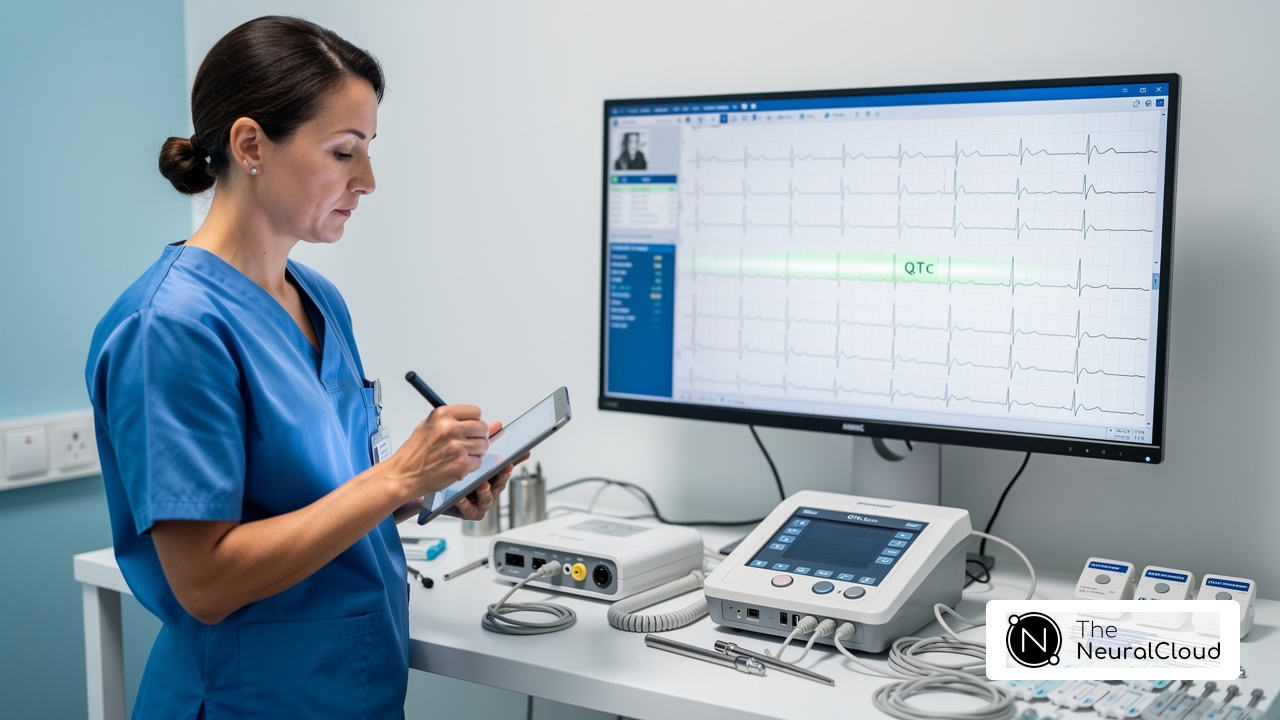
The MaxYield™ platform addresses the pressing challenges in ECG analysis by offering a suite of innovative features. It utilizes advanced algorithms to filter out noise, ensuring that the critical signals are clear and interpretable. This capability significantly enhances the accuracy of MI detection, allowing for timely interventions. Moreover, the platform's user-friendly interface simplifies the analysis process, making it accessible for healthcare professionals at all levels of expertise.
The advantages of the MaxYield™ platform extend beyond just improved accuracy. By streamlining the diagnostic process, it empowers healthcare providers to respond swiftly to critical situations, ultimately leading to better patient care. The integration of real-time data analytics allows for more informed decision-making, which is crucial in emergency scenarios. As healthcare continues to evolve, tools like MaxYield™ are essential in shaping the future of EKG interpretation.
Neural Cloud Solutions: MaxYield™ for Accurate Inferior MI Detection
ECG analysis often faces significant challenges, including noise interference and the complexity of identifying critical conditions. The solution from Neural Cloud Solutions addresses these issues by automating ECG evaluation through advanced algorithms and wave detection techniques, focusing on P, QRS, and T wave emphasis.
This platform employs state-of-the-art technology to enhance the clarity of ECG signals, enabling rapid and accurate identification of vital abnormalities. By processing over 200,000 heartbeats in less than five minutes, MaxYield™ converts noisy recordings into clear data, which significantly boosts diagnostic yield and supports clinical decision-making.
Key features of the platform include:
- Time efficiency: Reduces manual analysis time and errors.
- Diagnostic accuracy: Improves interpretation for better diagnostics.
- Continuous learning model: Adapts to physiological variability and signal artifacts, enhancing accuracy over time.
These features translate into substantial advantages for healthcare professionals. MaxYield™ not only salvages previously obscured sections of lengthy Holter, 1-Lead, and patch monitor recordings but also provides actionable insights that streamline patient care. This support empowers clinicians to make informed decisions based on comprehensive data.
Understanding ECG Lead Placement for Inferior MI Diagnosis
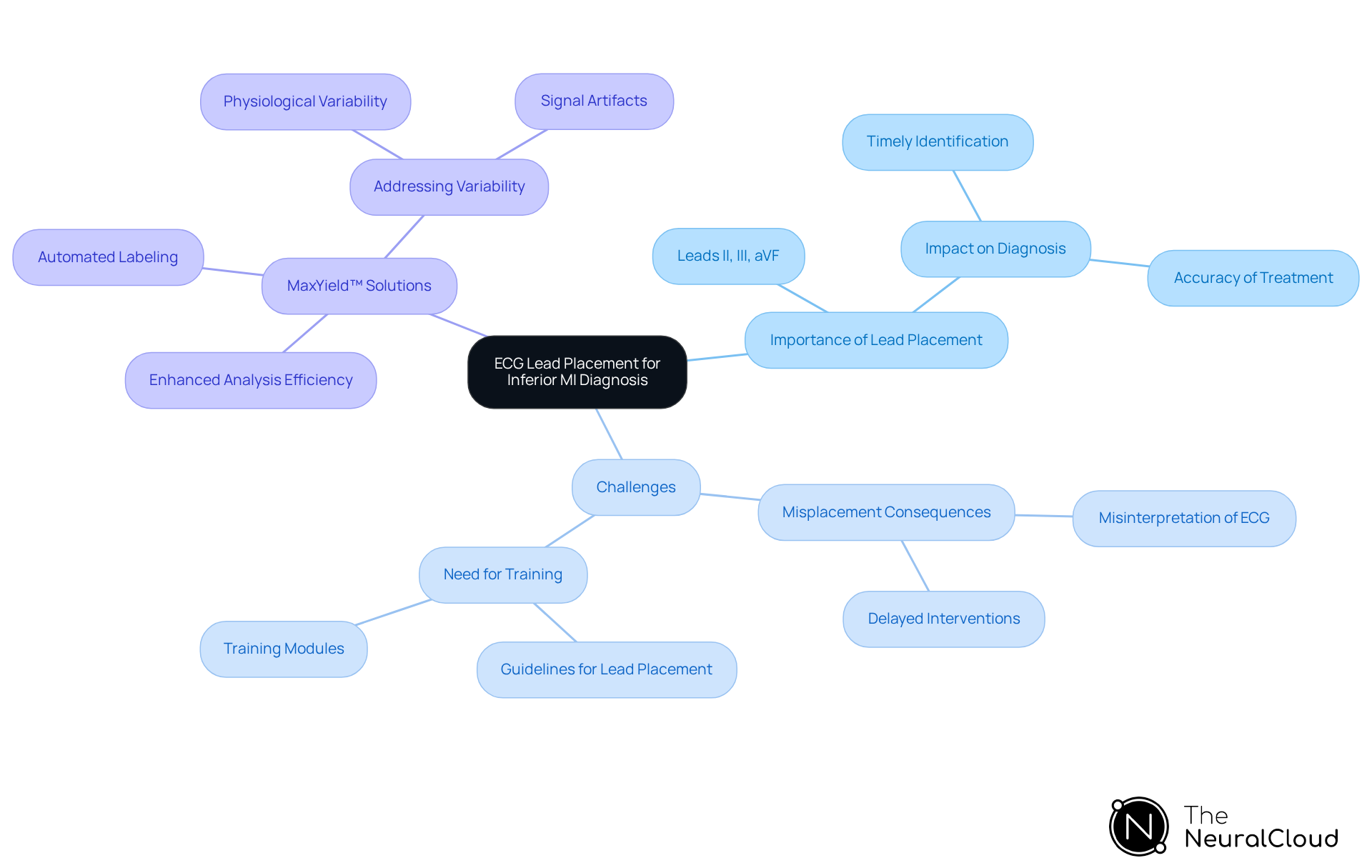
Accurate diagnosis of inferior MI EKG relies heavily on proper lead placement. Specifically, leads II, III, and aVF play a crucial role in capturing the electrical activity of the lower wall. Misplacement of these leads can lead to misinterpretation of the ECG, which may delay critical interventions. As Michael H Parsons emphasizes, accurate lead placement is vital, as it directly impacts the type and effectiveness of treatment administered.
To address these challenges, developers must ensure that their ECG devices come equipped with comprehensive guidelines and training modules that stress the importance of correct lead positioning. Research indicates that a 0.5mm ST depression in aVL is clinically significant, underscoring the importance of precise lead placement. By integrating wearable technology with Neural Cloud Solutions' platform, developers can significantly enhance detection accuracy through automated labeling. This integration tackles challenges such as misdiagnosis and delayed treatment.
The platform offers several key features:
- Enhanced analysis efficiency
- Addressing lead misplacement
These features translate into direct benefits for healthcare professionals, allowing for prompt and effective care. By improving the accuracy of ECG interpretations, healthcare providers can make informed decisions quickly, ultimately leading to better patient outcomes.
Identifying Key EKG Waveforms Indicative of Inferior MI
Key EKG waveforms indicative of inferior MI include in leads II, III, and aVF, along with potential Q waves in these leads. Recent studies show that 41.2% of patients with inferior MI exhibit changes on their EKG, emphasizing the need for algorithms that can detect these abnormalities. Additionally, identifying key waveforms is crucial, as these features enhance diagnostic accuracy.
Significantly, a correlation has been observed with 0.5mm ST depression in aVL. This underscores the importance of incorporating such metrics into clinical practice. Furthermore, research indicates that early detection can improve patient outcomes. This adjustment is vital for effective treatment.
Developers should prioritize these findings to create robust solutions that facilitate early and accurate diagnosis of conditions indicated by EKG changes. By focusing on these key waveforms, healthcare professionals can improve their diagnostic capabilities.
Recognizing Clinical Symptoms Associated with Inferior MI
of lower severity, as indicated by an EKG, often include:
- Chest pain
- Shortness of breath
- Sweating
- Nausea
Identifying these symptoms is crucial for prompt intervention, as they can vary among individuals. However, diagnosis can be challenging due to lengthy and noisy recordings. This is where AI technology comes into play.
AI technology is an automated platform designed to enhance the correlation between symptoms and EKG readings. It transforms lengthy and noisy ECG recordings into clean, crisp signals, leveraging advanced AI technology. This transformation not only improves clarity but also speeds up the analysis of ambulatory ECG waveforms, making it easier for healthcare providers to interpret the data.
The advantages of using AI technology are significant. By providing detailed insights from ECG data, healthcare professionals can make confident clinical decisions. This capability ultimately leads to better patient outcomes, as timely and accurate analysis of the symptoms is essential in managing inferior MI effectively.
In summary, AI technology addresses the challenges of EKG interpretation by offering a solution that enhances clarity and speed. Its features empower healthcare providers to correlate symptoms with EKG readings efficiently, ensuring that patients receive the care they need without delay.

Evaluating Patient History and Risk Factors for Inferior MI
A comprehensive evaluation of medical history is crucial for accurately assessing the risk of inferior MI. Key risk factors include:
- Age
- Hypertension
- Diabetes
- Family history of heart disease
For example, older adults and those with hypertension or diabetes face significantly higher risks. This highlights the need for developers to create tools that incorporate these health history elements.
The platform offers a solution by rapidly labeling P, QRS, and T Wave onsets, offsets, and time-series intervals in CSV format. This feature allows developers to efficiently process data, enhancing diagnostic accuracy. The platform's ability to analyze more data in less time results in clear data sets and clean signals, which are essential for effective diagnosis.
Studies show that many patients present with atypical symptoms. This underscores the necessity for comprehensive evaluations. Additionally, at least 25% of these individuals may be asymptomatic, complicating the MI diagnosis. Cardiologists emphasize that understanding these risk factors is crucial, as individuals with multiple risk factors often exhibit atypical symptoms.
Moreover, younger patients may also be at risk. The platform supports this by evolving with each use, enhancing the accuracy and efficiency of ECG analysis over time. Therefore, successful detection is not just beneficial; it is essential for improving patient outcomes in cases of inferior MI.

Differential Diagnosis: Distinguishing Inferior MI from Other Conditions
Differential diagnosis is crucial for accurately distinguishing inferior MI from conditions like pulmonary embolism, pericarditis, and aortic dissection. This task is complex, as symptoms often overlap significantly. For example, a patient can present with chest pain similar to that of pulmonary embolism, making careful evaluation essential alongside clinical data.
The technology addresses these challenges by providing tools that analyze ECG patterns in conjunction with medical history and clinical findings. This integration enhances diagnostic accuracy, leading to improved patient outcomes through timely and appropriate interventions. Current research shows that advanced algorithms can identify inferior MI, while also recognizing patterns that may suggest alternative diagnoses.
Identifying inferior MI is vital, as it directly impacts the effectiveness of reperfusion therapy, with a higher success rate. Moreover, lead aVL serves as a sensitive indicator for lower myocardial damage, and approximately 40% of individuals with lower STEMI may experience simultaneous right ventricular damage, which can lead to severe hypotension. Additionally, 25-30% of NSTEMI cases have unrecognized inferior MI, highlighting the importance of accurate diagnosis in clinical practice.
By integrating MaxYield™ into their platforms, developers can enhance workflow efficiency and provide clearer insights. This ultimately improves the diagnostic process, allowing clinicians to make informed choices. The continuous learning model of Neural Cloud Solutions enhances diagnostic yield over time, as the algorithm evolves with each use. This capability enables the system to filter through noise, isolating and labeling key features in every heartbeat, which is essential for effective health tech solutions.

Leveraging AI Technology for Enhanced Inferior MI Detection
In the realm of healthcare, accurately identifying inferior myocardial infarctions poses significant challenges, particularly in EKG interpretation. Traditional methods often struggle with noise and artifacts, which can obscure critical data needed for diagnosis. This is where AI technology comes into play, revolutionizing the way ECGs are analyzed.
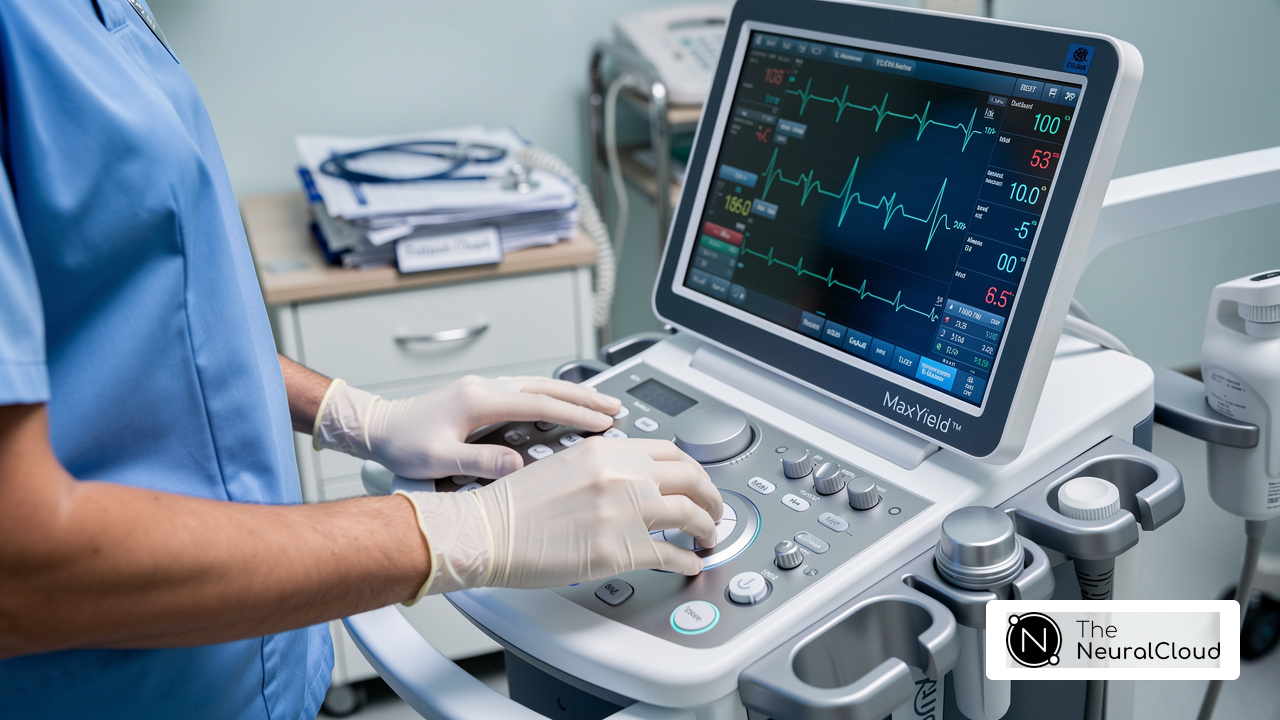
MaxYield™, developed by Neural Cloud Solutions, stands out as a powerful tool in this transformation. It employs advanced algorithms to automate EKG analysis, effectively filtering out noise and isolating ECG waves even in recordings plagued by high levels of interference. This capability is essential for ensuring accurate diagnoses, as it allows clinicians to focus on the most relevant data.
One of the key features of MaxYield™ is its ability to deliver rapid results, processing an impressive 200,000 heartbeats in under five minutes. This rapid analysis significantly enhances diagnostic accuracy, enabling clinicians to make informed decisions quickly. By integrating such advanced AI capabilities into their ECG platforms, developers can ensure that these tools continuously learn from vast datasets, optimizing health outcomes and streamlining clinical workflows.
The advantages of using AI technology are clear. Healthcare providers benefit from improved accuracy, reduced time spent on analysis, and ultimately, better patient care. By leveraging this innovative technology, the healthcare industry can move towards more efficient and effective diagnosis and treatment, paving the way for better health outcomes.
Importance of Continuous Monitoring for Inferior MI Risk Management
Ongoing observation of individuals at risk for inferior MI is crucial for effective management. This method involves monitoring vital signs and ECG changes, enabling early detection of any deterioration in a patient's condition. Developers should focus on integrating monitoring systems into their healthcare solutions. This integration allows healthcare providers to respond swiftly to alarming changes in patient status.
Recent advancements in wearable technology and AI-driven monitoring systems have shown significant promise. These innovations have led to reduced hospital admissions and better detection of inferior MI. By leveraging these technologies, developers can create solutions that streamline patient care. Moreover, they empower healthcare professionals to make informed decisions based on accurate, real-time data.
Training Healthcare Professionals to Recognize Inferior MI Indicators
Training healthcare professionals to accurately recognize indicators of inferior MI is crucial for enhancing diagnostic precision. This training involves a comprehensive understanding of EKG interpretation, clinical symptoms, and associated risk factors. Inferior MI EKG damage accounts for approximately 40% to 50% of all myocardial events, with a mortality rate ranging from 2% to 9%.
Successful training programs have shown that they significantly enhance healthcare providers' ability to interpret ECG results effectively. By utilizing innovative solutions like software tools, which quickly labels P, QRS, and T Wave onsets and offsets while providing data in CSV format for easy ingestion, healthcare professionals can analyze more data in less time. This leads to clearer data sets and clean signals, ultimately improving diagnostic accuracy.
Developers should collaborate with educational institutions to create and implement these training programs, ensuring that professionals are well-equipped to identify MI indicators and respond promptly to client needs. Continuous education is essential to maintain competency in ECG interpretation, as emphasized by experts in the field. Current best practices highlight the integration of hands-on clinical experience, case studies, and ongoing training to enhance skills.
By prioritizing these educational efforts and leveraging advanced tools like AI algorithms, the healthcare community can significantly improve the recognition of inferior MI indicators. This focus on education and technology will lead to better outcomes for individuals, ensuring that healthcare professionals are prepared to meet the challenges of modern diagnostics.

Future Trends in EKG Analysis for Inferior MI Detection
The field faces several challenges, particularly in EKG analysis. These challenges include noise interference and the difficulty of accurately interpreting complex data. However, advancements in technology, particularly with Neural Cloud Solutions' MaxYield™ platform, are paving the way for improved detection.
The platform offers several key features that enhance diagnostic capabilities:
- It incorporates advanced filtering and artifact handling, which significantly improves the clarity of ECG recordings.
- This capability allows healthcare professionals to interpret data accurately, even in recordings with high levels of noise.
- As a result, ECG waves can be rapidly isolated, salvaging previously obscured sections of lengthy recordings.
The advantages of using the platform are substantial:
- By enhancing clarity and efficiency in analysis, it enables healthcare professionals to make more accurate diagnoses.
- Innovations such as real-time analytics and a continuous learning model further contribute to improved patient outcomes.
- Additionally, the integration of AI technology enhances the future of cardiac care, making it more accessible and efficient.
In summary, the platform not only addresses the challenges of EKG analysis but also provides significant benefits for healthcare professionals. Its advanced features lead to better patient care, ultimately improving health outcomes.
Conclusion
The challenges of detecting inferior myocardial infarction (MI) through ECG analysis present significant hurdles for healthcare professionals. Traditional methods often struggle with accuracy and efficiency, leading to potential misdiagnoses. However, the MaxYield™ platform from Neural Cloud Solutions offers a transformative solution. This advanced technology enhances ECG analysis by leveraging artificial intelligence and automated processes, allowing for more precise interpretation of complex data.
Key features of the MaxYield™ platform include its ability to filter noise and enhance signal clarity. This ensures that healthcare providers can focus on the most relevant information, leading to quicker and more informed decision-making. The platform also supports proper lead placement and the identification of specific EKG waveforms, which are crucial for accurate MI diagnosis. By integrating these features, the MaxYield™ platform significantly improves the overall diagnostic process.
The advantages of utilizing the MaxYield™ platform extend beyond just improved accuracy. Healthcare professionals can navigate ECG interpretation with greater confidence, ultimately enhancing patient outcomes. Continuous monitoring and a comprehensive evaluation of patient history are also facilitated, ensuring timely and effective diagnosis. As the healthcare landscape evolves, embracing such technological advancements is essential for overcoming the challenges associated with inferior MI detection.
To maximize the benefits of the MaxYield™ platform, it is vital for developers and healthcare professionals to prioritize training and education. This collaborative approach will equip all stakeholders with the necessary skills to effectively utilize these innovative tools. By fostering ongoing professional development alongside cutting-edge solutions, the future of inferior MI diagnosis and management can be significantly enhanced, paving the way for improved patient care and outcomes.
Frequently Asked Questions
What challenges does ECG analysis face?
ECG analysis often encounters issues such as noise interference and the complexity of identifying critical cardiac events.
How does the MaxYield™ platform improve ECG evaluation?
The MaxYield™ platform automates ECG evaluation using advanced noise reduction and wave detection techniques, enhancing the clarity of ECG signals for rapid and accurate identification of vital cardiac events.
What is the processing capability of the MaxYield™ platform?
MaxYield™ can process over 200,000 heartbeats in less than five minutes, converting noisy recordings into detailed insights that boost diagnostic yield.
What are the key features of the MaxYield™ platform?
Key features include automated ECG evaluation, advanced noise reduction, and a continuous learning model that adapts to physiological variability and signal artifacts.
How does proper lead placement affect inferior MI diagnosis?
Accurate diagnosis of inferior MI EKG relies on proper lead placement, particularly of leads II, III, and aVF, as misplacement can lead to misinterpretation and delay critical interventions.
What is the significance of a 0.5mm ST depression in aVL?
A 0.5mm ST depression in aVL has a sensitivity of 97% for identifying inferior MI EKG, highlighting the importance of precise lead placement.
How does the MaxYield™ platform address lead placement challenges?
The MaxYield™ platform integrates wearable technology and offers automated labeling of ECG data, enhancing analysis efficiency and addressing physiological variability and signal artifacts.
What key EKG waveforms indicate inferior MI?
Key waveforms include ST-segment elevation in leads II, III, and aVF, and potential Q waves in these leads.
What is the impact of lowering the threshold for ST elevation in inferior MI diagnosis?
Lowering the threshold for ST elevation to 1mm in one lower lead increases the detection rates of inferior MI EKG to 87%, which is crucial for timely intervention.
How can developers enhance ECG analysis for inferior MI?
Developers should prioritize incorporating key metrics such as ST-segment elevation and reciprocal changes in leads I and aVL into algorithm development to facilitate early and accurate diagnosis.
List of Sources
- Neural Cloud Solutions: MaxYield™ for Accurate Inferior MI Detection
- Queen of Hearts AI Hits 92% STEMI Accuracy (https://powerfulmedical.com/blog/pmcardio-reports-positive-rct-results-and-late-breaking-clinical-science-for-stemi-detection)
- pmc.ncbi.nlm.nih.gov (https://pmc.ncbi.nlm.nih.gov/articles/PMC10145690)
- sciencedirect.com (https://sciencedirect.com/science/article/pii/S1936879825026007)
- Investigating the Efficacy of AI-Powered Innovations in ECG Analysis and Continuous Heart Monitoring: A Comprehensive Narrative Review - PMC (https://pmc.ncbi.nlm.nih.gov/articles/PMC12419789)
- Artificial Intelligence–Assisted ECG Interpretation versus Conventional Reporting in Predicting Arrhythmias in Acute Coronary Syndrome: A Diagnostic Accuracy Study (https://healthcare-bulletin.co.uk/article/artificial-intelligence-assisted-ecg-interpretation-versus-conventional-reporting-in-predicting-arrhythmias-in-acute-coronary-syndrome-a-diagnostic-accuracy-study-4252)
- Understanding ECG Lead Placement for Inferior MI Diagnosis
- emergencymedicinecases.com (https://emergencymedicinecases.com/subtle-inferior-mi)
- reliasacademy.com (https://reliasacademy.com/rls/store/courses/ecg-interpretation-case-studies/_/A-product-c1481430)
- pmc.ncbi.nlm.nih.gov (https://pmc.ncbi.nlm.nih.gov/articles/PMC6443514)
- Identifying Key EKG Waveforms Indicative of Inferior MI
- Inferior STEMI (https://litfl.com/inferior-stemi-ecg-library)
- pmc.ncbi.nlm.nih.gov (https://pmc.ncbi.nlm.nih.gov/articles/PMC9307369)
- emergencymedicinecases.com (https://emergencymedicinecases.com/subtle-inferior-mi)
- ui.adsabs.harvard.edu (https://ui.adsabs.harvard.edu/abs/2023arXiv230213011Y/abstract)
- Evaluating Patient History and Risk Factors for Inferior MI
- ajconline.org (https://ajconline.org/article/S0002-9149(08)01715-3/fulltext)
- Memorable Cardiology Quotes | TheKnowHow Blog (https://theknowhow.ae/memorable-cardiology-quotes-heart)
- ahajournals.org (https://ahajournals.org/doi/10.1161/01.CIR.102.17.2038)
- studocu.com (https://studocu.com/en-us/document/east-coast-polytechnic-institute/acute-care-nursing/myocardial-infaction-case-study/41635925)
- Differential Diagnosis: Distinguishing Inferior MI from Other Conditions
- Inferior STEMI (https://litfl.com/inferior-stemi-ecg-library)
- Inferior Myocardial Infarction - StatPearls - NCBI Bookshelf (https://ncbi.nlm.nih.gov/books/NBK470572)
- Checking your browser - reCAPTCHA (https://pmc.ncbi.nlm.nih.gov/articles/PMC8065286)
- pmc.ncbi.nlm.nih.gov (https://pmc.ncbi.nlm.nih.gov/articles/PMC6443514)
- Leveraging AI Technology for Enhanced Inferior MI Detection
- middleeasthealth.com (https://middleeasthealth.com/news/world-health-news/mount-sinai-researchers-use-new-deep-learning-approach-to-enable-analysis-of-ecg-as-language)
- pmc.ncbi.nlm.nih.gov (https://pmc.ncbi.nlm.nih.gov/articles/PMC10145690)
- sciencedirect.com (https://sciencedirect.com/science/article/pii/S1936879825026007)
- Investigating the Efficacy of AI-Powered Innovations in ECG Analysis and Continuous Heart Monitoring: A Comprehensive Narrative Review - PMC (https://pmc.ncbi.nlm.nih.gov/articles/PMC12419789)
- icthealth.org (https://icthealth.org/news/ai-ecg-boosts-heart-attack-detection-and-cuts-false-alarms)
- Importance of Continuous Monitoring for Inferior MI Risk Management
- pubmed.ncbi.nlm.nih.gov (https://pubmed.ncbi.nlm.nih.gov/22177760)
- sciencedirect.com (https://sciencedirect.com/science/article/abs/pii/S0147956311005553)
- ccrps.org (https://ccrps.org/clinical-research-blog/benefits-and-risks-of-continuous-medical-monitoring)
- tctmd.com (https://tctmd.com/news/silent-mi-often-precedes-acute-mi-portends-worse-patient-outcomes)
- irhythmtech.com (https://irhythmtech.com/us/en/who-we-are/news-events)
- Training Healthcare Professionals to Recognize Inferior MI Indicators
- reliasacademy.com (https://reliasacademy.com/rls/store/courses/ecg-interpretation-case-studies/_/A-product-c1481430)
- Inferior Myocardial Infarction - StatPearls - NCBI Bookshelf (https://ncbi.nlm.nih.gov/books/NBK470572)
- Top Quotes to Inspire Every Healthcare Professional (https://dinohealthcare.com/9259-2)
- Electrocardiogram Interpretation: A Core Competency CR Professionals Need to Improve Care Outcomes (https://newsandviews.aacvpr.org/Full-Article/electrocardiogram-interpretation-a-core-competency-cr-professionals-need-to-improve-care-outcomes-1)
- Future Trends in EKG Analysis for Inferior MI Detection
- ECG market keeps evolving thanks to AI, home monitoring and Epic integration (https://cardiovascularbusiness.com/topics/cardiac-imaging/electrocardiography-ecg/ecg-market-keeps-evolving-thanks-ai-home-monitoring-and-epic-integration)
- revportcardiol.org (https://revportcardiol.org/en-the-potential-role-wearable-technology-articulo-S0870255123003980)
- pmc.ncbi.nlm.nih.gov (https://pmc.ncbi.nlm.nih.gov/articles/PMC10145690)
- New study finds AI model improves heart attack detection (https://health.ucdavis.edu/news/headlines/new-study-finds-ai-model-improves-heart-attack-detection/2025/11)
- ucsf.edu (https://ucsf.edu/news/2025/12/431226/wearable-tech-can-help-heart-surgery-patients-stick-rehab)