Introduction
Assessing left ventricular (LV) function is critical for cardiac health, yet many healthcare professionals face significant challenges in this area. Assessing LV function often involves subjective interpretations and variability in measurement techniques, which can hinder effective patient care. Grasping the normal range for LV function is crucial for making accurate diagnoses and treatment decisions.
In this article, we explore essential insights into LV function that can empower healthcare professionals, particularly the implications of:
- Ejection fraction
- Global longitudinal strain
- The Tei index
By applying these insights, healthcare professionals can enhance cardiac assessments and improve heart health management strategies.
Neural Cloud Solutions: Transforming LV Function Analysis with MaxYield™
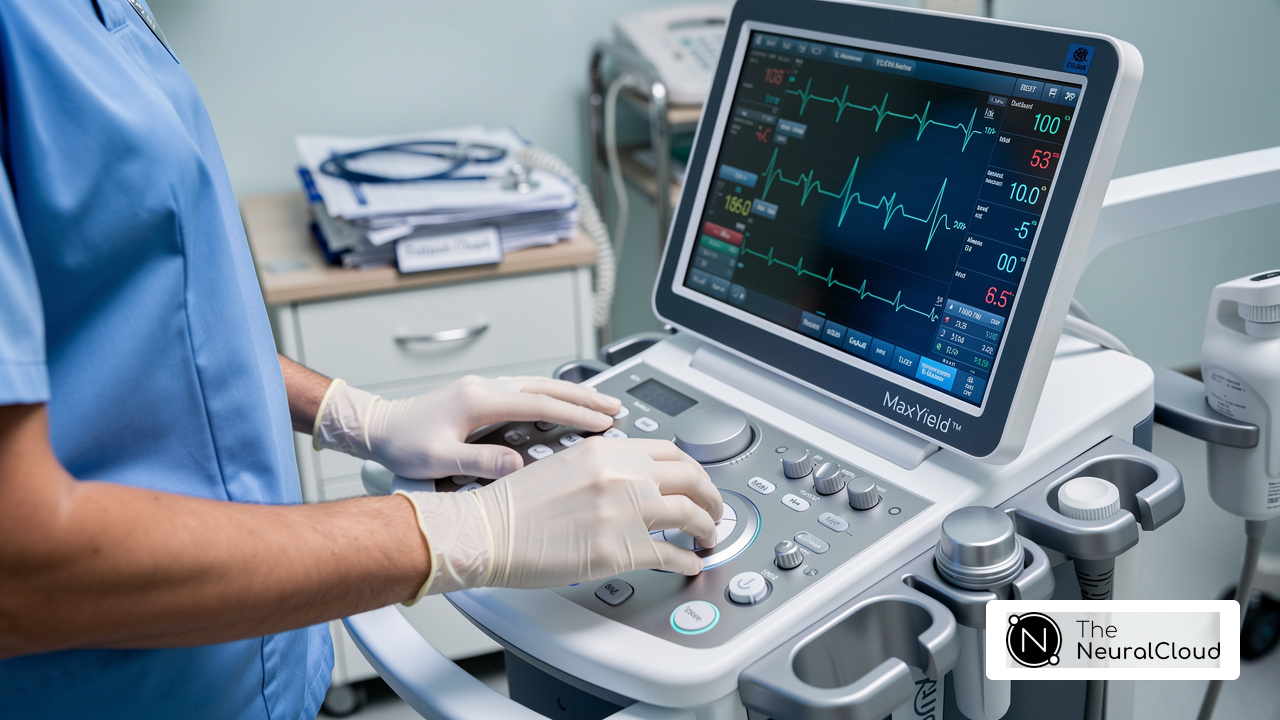
Healthcare professionals often struggle with noisy ECG signals that hinder accurate analysis, but Neural Cloud Solutions is changing that with its flagship product, MaxYield™. This AI-driven intelligence layer enhances ECG workflows by isolating and cleaning noisy signals, providing high-fidelity heart data. MaxYield™ uses patented signal mapping algorithms to turn raw ECG recordings into structured data. This enables precise analysis of the left ventricular function normal range. This innovation is particularly beneficial for health tech developers looking to integrate advanced ECG analysis capabilities into their devices, ensuring accurate and actionable insights for medical professionals.
MaxYield™ effectively tackles signal artifacts with advanced noise reduction techniques. It recovers obscured sections of Holter and patch monitor recordings. Its ability to filter out motion noise and deliver consistent, clean data across connected devices ensures that health tech developers can rely on high-quality inputs for their applications. Neural Cloud Solutions is also expanding its market presence in Latin America through a new distribution agreement with Intelimed. This is expected to enhance access to AI-driven heart solutions. With regulatory compliance pathways for digital health technologies anticipated by 2026, health tech developers can enhance their offerings while adhering to necessary regulations.
MaxYield™ also provides premium subscriptions that feature unique metrics and audit-ready logs. This significantly cuts down validation time and study overhead. When paired with Insight360, MaxYield™ converts clean ECG data into customizable visualizations and clinical-ready reports. This supports informed clinical decision-making. This combination not only streamlines workflows but also empowers clinicians with the insights needed for effective management of individuals.

Define Left Ventricular Function and Its Clinical Significance
Accurately assessing left ventricular function is a significant challenge in modern healthcare, impacting the effectiveness of treatment strategies. The lv function normal range refers to the ability of the left ventricle to contract and pump blood effectively throughout the body. It is a crucial measure of heart health, as it directly affects overall blood circulation and oxygen delivery to tissues. Clinically, the lv function normal range is evaluated through parameters such as ejection fraction (EF) and global longitudinal strain (GLS), which are essential for diagnosing cardiovascular conditions, assessing treatment effectiveness, and predicting outcomes for individuals. For health tech developers, grasping these concepts is essential to developing tools that accurately assess cardiac function.
Recent studies emphasize the importance of ejection fraction in managing heart failure, especially in individuals with preserved ejection fraction (HFpEF), who frequently endure debilitating symptoms despite normal pumping capacity. A dynamic, trajectory-based framework for classifying cardiac failure has emerged, advocating for continuous monitoring of LVEF rather than relying solely on static categories. This approach improves prognostic insights and guides treatment strategies, especially as evidence indicates that quadruple therapy can decrease cardiovascular mortality by 73%, particularly significant for individuals with heart failure with reduced ejection fraction (HFrEF).
Tools for assessing left ventricular performance, such as echocardiography and advanced imaging techniques, are pivotal in clinical settings. These tools facilitate accurate diagnosis and enable tracking of changes over time, which is vital for personalized treatment plans. Healthcare providers can significantly enhance ECG analysis accuracy by integrating advanced assessment tools like Neural Cloud Solutions' MaxYield™, which offers noise filtering and automated signal processing. MaxYield™ returns a clean, "neuralized" signal and clear, beat-by-beat data, addressing challenges such as physiological variability and signal artifacts. Additionally, the customizable visualization and reporting tool, Insight360, transforms MaxYield’s clean ECG data into interactive dashboards and clinical-ready reports. For health tech developers, creating innovative solutions that incorporate MaxYield™ and Insight360 can streamline healthcare delivery and enhance outcomes in heart health management.
Incorporating advanced assessment tools can significantly enhance patient care and outcomes in heart health management. For more information or to request a free trial of MaxYield™ and Insight360, please contact Neural Cloud Solutions.

Explore Normal Ranges of Left Ventricular Function
Understanding ejection fraction (EF) is essential for accurate cardiac health assessments. An EF range of 55% to 70% defines the LV function normal range, indicating effective blood circulation. These variations complicate the diagnosis and management of heart conditions, such as cardiac failure or cardiomyopathy. Specifically, an EF below 40% typically indicates significant heart dysfunction, while an EF between 41% and 49% is classified as mildly reduced, potentially suggesting early signs of vascular issues or damage. For health tech developers, grasping these variations is crucial for creating diagnostic tools that accurately assess and monitor cardiac health.
Regularly reassessing EF is crucial because it can change over time and directly affect treatment strategies. Clinicians should actively look for and monitor individuals showing heart failure symptoms, particularly those with an EF in the 41-49% range, which has often been neglected in traditional classifications. This proactive approach improves follow-up care and management, leading to better outcomes for patients.
Expert insights stress the importance of focusing on EF trajectories rather than relying solely on static cut-offs. This viewpoint enables clinicians to make more informed treatment decisions and customize care to individual needs. Incorporating these insights into their technologies allows health tech developers to greatly enhance cardiac diagnostics and patient outcomes. With MaxYield's hospital-grade accuracy obtained from consumer devices, developers can guarantee continuous monitoring without the high expenses linked to clinical-grade hardware, thus revolutionizing remote individual monitoring.

Detail Methods for Measuring Left Ventricular Function
Evaluating left ventricular function presents significant challenges that can impact patient care. Multiple methods are utilized, including echocardiography, cardiac magnetic resonance imaging (CMR), and nuclear imaging. Echocardiography is the most commonly used technique. It employs both 2D and 3D imaging to evaluate ejection fraction and other functional parameters. Recent advancements in echocardiography, particularly in Canada, have focused on improving accuracy and reducing variability in left ventricular ejection fraction (LVEF) measurements. Research indicates that approximately 75% of individuals demonstrate preserved ejection fraction (EF ≥50%), underscoring the necessity for precise measurement methods in this demographic. Variability in LVEF measurements can complicate diagnosis and lead to ineffective treatment plans. Significantly, the new LVFP algorithm has greatly improved the precision of estimating left ventricular filling pressure, with only 2 individuals classified as indeterminate using the updated algorithm, compared to 38 under the 2016 ASE/EACVI guidelines. This enhancement is vital for managing patients with dyspnea and suspected cardiac failure, as cardiac failure with preserved ejection fraction represents at least 50% of failure hospitalizations.
CMR, on the other hand, provides detailed anatomical and functional insights, making it a valuable tool for comprehensive heart assessment. It excels in delivering high-resolution images that enhance understanding of cardiac structure and performance. Compared to echocardiography, CMR can reduce variability in LVEF calculations, as studies have shown differences in mean LVEF across processing systems. Nuclear imaging methods, such as gated myocardial perfusion SPECT, offer additional information on myocardial perfusion, further enhancing the evaluation of left ventricular performance.
Health tech developers have a great opportunity to enhance the accuracy and reliability of LV assessments by integrating these measurement methods into their solutions. The combination of echocardiography and CMR, alongside progress in imaging technology, promotes the creation of innovative solutions that improve outcomes for individuals and simplify clinical workflows. By embracing these advanced imaging techniques, healthcare professionals can elevate diagnostic accuracy and improve patient care.

Analyze Clinical Implications of Left Ventricular Function Values
Understanding left ventricular performance, particularly ejection fraction (EF), is vital for effective cardiac care. An EF below 55% may indicate heart failure or other cardiovascular issues, necessitating further evaluation and intervention. Recent studies indicate that nearly 50% of individuals are affected by cardiac failure. This highlights the critical need for accurate assessments of LV function.
Diagnosing cardiac issues can be particularly challenging when ejection fraction values are borderline. Borderline ejection fraction values complicate the diagnosis of cardiac issues, leading to potential mismanagement. Accurate assessment of the LV function normal range is crucial for evaluating risk, planning treatment, and monitoring disease progression. The Heart Failure Society of America has recognized heart failure with mildly reduced ejection fraction (HFmrEF) as a distinct condition, emphasizing the importance of identifying individuals with EF values between 41% and 49% who are at risk for hospitalization and disease progression.
Health technology developers need to understand these clinical implications to create solutions that help healthcare providers make better decisions for their patients. Tools that provide actionable insights from LV function assessments are increasingly necessary. Neural Cloud Solutions' MaxYield™ platform enhances this process by offering advanced noise filtering and automated signal processing, streamlining ECG analysis and improving the accuracy of LV performance assessments. Additionally, the Insight360 visualization tool transforms clean ECG data into interactive dashboards and clinical-ready reports, facilitating better data interpretation.
By integrating MaxYield™ and Insight360 into their solutions, developers can significantly enhance workflow efficiency while ensuring compliance with regulatory standards, including FDA Class II SaMD clearance-pending status. This integration empowers healthcare providers to enhance patient care and effectively manage cardiac conditions. Expert endorsements from Dr. Alan Rabinowitz, Dr. Brett Heilbron, and Dr. Marc W. Deyell further emphasize MaxYield™'s precision, rivaling human interpretation and its noise reduction benefits.

Understand the Role of Ejection Fraction in LV Function Assessment
While assessing left ventricular function is crucial, ECG analysis often presents significant challenges that can hinder accurate diagnosis and treatment. Ejection fraction (EF), which indicates the percentage of blood ejected from the ventricle with each heartbeat, is a key parameter in this evaluation. A normal EF typically ranges from 55% to 70%, reflecting optimal cardiac function. This measurement is extensively utilized in clinical practice to diagnose heart conditions, guide treatment decisions, and predict outcomes for individuals.
For health tech developers, incorporating precise EF measurement capabilities into their products is essential for delivering reliable cardiac evaluations and enhancing care quality. Neural Cloud Solutions' MaxYield platform automates ECG analysis, providing beat-by-beat insights while effectively filtering noise to ensure clarity in data interpretation. With MaxYield automating ECG analysis, diagnostic precision improves, and clinical workflows become simpler, allowing healthcare professionals to concentrate more on patient care.
With MaxYield, developers can swiftly isolate critical ECG features, even in noisy recordings. Key benefits include:
- Improved diagnostic yield
- Enhanced clinical workflow efficiency
The integration of Insight360, a customizable visualization tool, transforms MaxYield’s clean ECG data into interactive dashboards and clinical-ready reports, empowering developers to create solutions that significantly improve care for individuals.
Expert endorsements from cardiologists, including Dr. Alan Rabinowitz, Dr. Brett Heilbron, and Dr. Marc W. Deyell, underscore MaxYield’s precision, which rivals human interpretation, and its noise reduction capabilities, reinforcing the platform's value in clinical settings. By leveraging MaxYield, healthcare professionals can trust the accuracy of their ECG analyses, ultimately leading to improved patient outcomes and more efficient care delivery.

Explore Global Longitudinal Strain as a Measure of LV Function
Conventional ECG techniques often overlook critical indicators of heart dysfunction, leading to potential misdiagnoses. Recognizing early indicators of heart dysfunction is essential, yet conventional techniques frequently miss subtle variations in myocardial performance. Global longitudinal strain (GLS) is increasingly recognized as a vital measure for assessing left ventricular performance, providing critical insights into myocardial deformation during contraction. Unlike conventional ejection fraction, which evaluates overall pump function, GLS offers a more nuanced assessment of myocardial performance, capable of detecting subtle alterations that may precede overt cardiac failure. Recent studies emphasize GLS as a more dependable predictor of failure outcomes, with results suggesting that impaired GLS (less than 18%) significantly correlates with elevated risk of failure, independent of other clinical variables.
In 2026, the European Society of Cardiology guidelines underscored that 'GLS is an early indicator of cardiac failure and adverse outcomes,' emphasizing its significance in diagnostics connected to the circulatory system. The American College of Cardiology and other cardiovascular organizations now advocate for the integration of GLS into routine evaluations for individuals with heart failure, specifically noting that 'GLS<16% indicates abnormal left ventricular filling pressures' due to its established prognostic potential.
Health tech developers can significantly enhance early detection of heart dysfunction by incorporating GLS measurement into their diagnostic tools. By using GLS with advanced ECG analysis platforms like MaxYield™, developers can enhance patient management and outcomes. MaxYield™ acts as a device-agnostic ECG intelligence layer, integrating easily through API, SDK, or CDK. It reduces noise and provides detailed beat-by-beat analysis, making sure the data for GLS calculations is accurate and trustworthy. Additionally, Insight360, a customizable visualization and reporting tool, transforms MaxYield’s clean ECG data into interactive dashboards and clinical-ready reports, streamlining workflow and supporting confident clinical decision-making. Furthermore, it is important to note that MaxYield™ is currently pending FDA Class II SaMD clearance, ensuring compliance with regulatory standards. This integration not only enhances diagnostic accuracy but also paves the way for improved patient care in cardiovascular health.

Assess Contractility and Its Impact on LV Function
Understanding contractility is crucial for developers creating effective diagnostic tools for cardiac performance assessment. Contractility is the heart muscle's ability to contract and generate force. This ability is crucial for maintaining normal left ventricular (LV) function. It directly affects the heart's efficiency in pumping blood. Several factors impact contractility, including preload, afterload, and the overall health of myocardial tissue. Preload refers to the extent of stretch of muscle fibers at the end of diastole, while afterload is the pressure that must be overcome to eject blood. Understanding these dynamics is essential for developers who want to create accurate diagnostic tools for cardiac performance, especially in individuals with cardiovascular failure or related conditions.
Recent research highlights the complexity of contractility, revealing that it is influenced by both macroscopic cardiovascular factors and microscopic cellular mechanisms. For instance, the activity of the Na/Ca exchanger, driven by aldosterone-related sodium uptake, enhances contractility. Additionally, catecholamines increase intracellular calcium concentration, further boosting contractile strength. The Bowditch effect demonstrates how increased pulse rates can improve contractility due to residual intracellular calcium.
By 2026, diagnostic tools for evaluating contractility in individuals with heart failure have become significantly more sophisticated. Techniques such as echocardiographic measurements of left ventricular strain and the end-systolic pressure-volume relationship (ESPVR) are now commonly employed to assess contractility, especially focusing on the LV function normal range. These tools provide valuable insights into cardiac activity, enabling healthcare professionals to make informed decisions regarding the management of individuals.
With the MaxYield platform, developers can leverage:
- Consistent, clean data from multiple connected devices
- Hospital-grade accuracy in monitoring.
This capability is essential for effective home individual monitoring, allowing for near-clinical vitals management without the costs associated with traditional clinical hardware. With MaxYield’s advanced ECG analysis, developers can automate labeling and improve signal processing. This ultimately enhances the reliability of their diagnostic tools. Furthermore, the introduction of new algorithm features and premium subscription opportunities enhances the platform's capabilities, addressing the critical issue of data quality. With these advancements, healthcare professionals can significantly enhance patient outcomes in cardiac care.

Utilize the Tei Index for Comprehensive LV Function Evaluation
Healthcare professionals face ongoing challenges in accurately assessing left ventricular performance to ensure it remains within the lv function normal range, which can impact patient care. The Tei index, also known as the myocardial performance index, is a vital metric that combines isovolumetric contraction time, isovolumetric relaxation time, and ejection time. This combination provides a clearer understanding of both systolic and diastolic function. An elevated Tei index suggests worse heart function, making it a crucial prognostic instrument across various heart-related conditions.
Recent studies show that the Tei index is quite effective at pinpointing left ventricular systolic dysfunction, particularly within the New York Heart Association (NYHA) functional classification. For instance, individuals categorized as NYHA Class IV exhibit significantly elevated Tei indices compared to those in Classes II and III, underscoring its importance in advanced heart failure situations.
Health tech developers can enhance diagnostic tools by integrating the Tei index with MaxYield™, an automated ECG analysis platform from Neural Cloud Solutions. MaxYield™ effectively maps ECG signals through noise, isolating and labeling key features in every heartbeat, which can substantially improve evaluations of cardiac performance. Additionally, the adaptable visualization and reporting tool, Insight360, converts MaxYield’s clean ECG data into interactive dashboards and clinical-ready reports, further assisting healthcare professionals in managing patients.
Moreover, it is important to note that MaxYield™ is currently pending FDA Class II SaMD clearance, ensuring compliance with regulatory standards. Tools that incorporate the Tei index along with MaxYield™ and Insight360 can enhance the categorization of failure severity, ultimately resulting in better patient outcomes. By harnessing the power of the Tei index alongside MaxYield™, healthcare professionals can significantly enhance diagnostic accuracy and patient outcomes.

Summarize Key Insights on LV Function Normal Range
Navigating the complexities of heart diagnostics requires a deep understanding of the LV function normal range, which can often present challenges for health tech developers. Here are some important insights:
- Normal ejection fraction (LVEF) typically ranges from 55% to 70%, indicating effective cardiac performance and the heart's ability to pump blood efficiently. Variations in this normal range can occur based on demographic factors such as age and sex, which developers must consider when designing diagnostic tools. For instance, the lower limit for males is 49.6% and for females is 50.8%, emphasizing the need for personalized assessments.
- Global longitudinal strain (GLS) acts as a sensitive measure of myocardial performance, capable of detecting early signs of cardiac dysfunction that may not be evident through traditional metrics. Reported normal values of GLS vary from −15.9% to −22.1%, with a mean of −19.7% and a 95% confidence interval of −20.4% to −18.9%.
- The Tei index gives a complete picture of how well the heart is working, making it a valuable tool for assessing overall heart health. The clinical significance of maintaining the LV function normal range directly affects outcomes for individuals and healthcare strategies, emphasizing the necessity for precise evaluations.
By leveraging advanced technology, developers can transform ECG analysis, leading to more reliable patient outcomes. Neural Cloud Solutions' MaxYield™ platform plays a pivotal role in this process by utilizing gold standard noise filtering and automation to streamline ECG workflows. The platform features a data wall that automates repetitive tasks and enhances data processing efficiency, while its automated labeling capabilities ensure precise assessments of LVEF and GLS. Additionally, the Insight360 tool offers customizable visualization and reporting, transforming MaxYield’s clean ECG data into interactive dashboards and clinical-ready reports. This advanced ECG intelligence layer addresses challenges such as physiological variability and signal artifacts, ensuring that assessments are timely and accurate. Accurate evaluations are critical for timely interventions, especially as the incidence of heart failure continues to rise, with projections indicating that the number of Americans living with heart failure could escalate to 11.4 million by 2050. Furthermore, developers should be aware of the regulatory compliance aspects, including FDA Class II SaMD clearance-pending status and audit-ready documentation, to enhance the credibility of their products. Understanding these metrics and leveraging advanced technology like MaxYield™ can significantly enhance diagnostic accuracy and ultimately improve patient care.

Conclusion
Navigating the complexities of left ventricular function presents significant challenges for health tech developers aiming to enhance cardiac diagnostics. Understanding LV function and its normal ranges is vital, especially with the rising prevalence of heart failure. Innovations like Neural Cloud Solutions' MaxYield™ not only streamline the analysis but also ensure that healthcare professionals can make informed decisions based on accurate data.
It's essential to keep in mind that a normal ejection fraction, usually between 55% and 70%, is key for good heart performance. Variations influenced by demographic factors highlight the need for personalized assessments. Additionally, advanced metrics such as global longitudinal strain (GLS) and the Tei index provide deeper insights into myocardial performance, enhancing the accuracy of evaluations and patient care strategies. By integrating these advanced tools, developers can revolutionize cardiac diagnostics and improve clinical outcomes.
The significance of understanding LV function and its normal ranges cannot be overstated, especially as the prevalence of heart failure is projected to rise. Using advanced technologies like MaxYield™ and Insight360 helps developers provide timely and accurate assessments, leading to improved patient management and outcomes. By embracing these innovations, developers not only advance their technology but also significantly enhance patient care in the face of cardiac challenges.
Frequently Asked Questions
What is MaxYield™ and how does it enhance ECG analysis?
MaxYield™ is an AI-driven layer developed by Neural Cloud Solutions that enhances ECG workflows by cleaning noisy signals and delivering high-fidelity heart data. It uses patented signal mapping algorithms to organize raw ECG recordings, ensuring accurate analysis within the left ventricular (LV) function normal range.
Why is evaluating left ventricular performance important?
Evaluating left ventricular performance is crucial for understanding cardiac health and optimizing treatment strategies. It is essential for effective blood circulation and oxygen delivery to tissues, with metrics like ejection fraction (EF) and global longitudinal strain (GLS) being key for diagnosing heart conditions and assessing treatment success.
What are the normal ranges of left ventricular function?
The normal range for left ventricular function is an ejection fraction (EF) of 55% to 70%. Values below this range can indicate significant health issues, such as cardiac failure or cardiomyopathy.
How does MaxYield™ address signal artifacts in ECG recordings?
MaxYield™ utilizes advanced noise reduction techniques to overcome signal artifacts, salvaging obscured sections of Holter and patch monitor recordings, which improves the clarity and usability of the data for analysis.
What are the benefits of using MaxYield™ for health tech developers?
Health tech developers can enhance their offerings with MaxYield™ by integrating advanced ECG analysis into their devices, ensuring actionable insights for medical professionals. It also provides premium subscriptions with unique metrics and audit-ready logs, which reduce validation time and study overhead.
How does the integration of MaxYield™ with Insight360 support clinical decision-making?
Integrating MaxYield™ with Insight360 allows for customizable visualization and reporting, transforming clean ECG data into interactive dashboards and clinical-ready reports that support clinical decision-making.
What role do tools like echocardiography play in evaluating left ventricular performance?
Tools such as echocardiography and advanced imaging techniques are pivotal in clinical settings for accurately diagnosing left ventricular performance and tracking changes over time, which is crucial for personalized treatment plans.
What is the significance of monitoring ejection fraction trajectories in heart failure management?
Monitoring ejection fraction trajectories rather than relying solely on static categories enhances prognostic insights and informs treatment strategies, particularly for patients with preserved ejection fraction (HFpEF) who may experience significant symptoms despite normal pumping ability.
How is Neural Cloud Solutions expanding its market reach?
Neural Cloud Solutions is expanding its market reach across Latin America through a distribution agreement with Intelimed, which will help in promoting their innovative ECG analysis solutions in the region.
What impact do variations from the normal LV function range have on patient health?
Variations from the normal LV function range can indicate significant health issues. For instance, an EF below 40% typically indicates cardiac failure, while an EF between 41% and 49% can suggest early cardiac failure or damage, requiring proactive monitoring and management by clinicians.
List of Sources
- Neural Cloud Solutions: Transforming LV Function Analysis with MaxYield™
- New Intelimed deal takes Neural Cloud’s AI heart software into Latin America (https://stocktitan.net/news/AIMLF/neural-cloud-enters-distribution-agreement-with-intelimed-to-expand-rxulcwnbexty.html)
- FDA's AI Medical Device List: Stats, Trends & Regulation | IntuitionLabs (https://intuitionlabs.ai/articles/fda-ai-medical-device-tracker)
- Neural Cloud Enters Distribution Agreement with Intelimed to Expand into Latin America (https://nasdaq.com/press-release/neural-cloud-enters-distribution-agreement-intelimed-expand-latin-america-2026-02-24)
- Define Left Ventricular Function and Its Clinical Significance
- Norton Heart & Vascular Institute joins landmark clinical trial for HFpEF heart failure patients (https://nortonhealthcareprovider.com/news/norton-heart-vascular-institute-joins-clinical-trial-testing-pacing-therapy-for-hfpef-heart-failure-patients)
- New Joint Scientific Statement on Ejection Fraction Released by Leading Heart Failure Organisations (https://escardio.org/news/press/press-releases/new-joint-scientific-statement-on-ejection-fraction-released-by-leading-heart-failure-organisations)
- Less than a quarter of heart failure with reduced ejection fraction patients receive recommended therapy | Newswise (https://newswise.com/articles/less-than-a-quarter-of-heart-failure-with-reduced-ejection-fraction-patients-receive-recommended-therapy)
- New HFSA Scientific Statement Provides Practical Guidance for Managing Heart Failure with Mildly Reduced Ejection Fraction (https://prnewswire.com/news-releases/new-hfsa-scientific-statement-provides-practical-guidance-for-managing-heart-failure-with-mildly-reduced-ejection-fraction-302750531.html)
- New HFSA Scientific Statement Provides Practical Guidance for Managing Heart Failure with Mildly Reduced Ejection Fraction | HFSA (https://hfsa.org/new-hfsa-scientific-statement-provides-practical-guidance-managing-heart-failure-mildly-reduced)
- Explore Normal Ranges of Left Ventricular Function
- New Joint Scientific Statement on Ejection Fraction Released by Leading Heart Failure Organisations (https://escardio.org/news/press/press-releases/new-joint-scientific-statement-on-ejection-fraction-released-by-leading-heart-failure-organisations)
- New HFSA Scientific Statement Provides Practical Guidance for Managing Heart Failure with Mildly Reduced Ejection Fraction | HFSA (https://hfsa.org/new-hfsa-scientific-statement-provides-practical-guidance-managing-heart-failure-mildly-reduced)
- Ejection Fraction Heart Failure Measurement (https://heart.org/en/health-topics/heart-failure/diagnosing-heart-failure/ejection-fraction-heart-failure-measurement)
- New HFSA Scientific Statement Provides Practical Guidance for Managing Heart Failure with Mildly Reduced Ejection Fraction (https://prnewswire.com/news-releases/new-hfsa-scientific-statement-provides-practical-guidance-for-managing-heart-failure-with-mildly-reduced-ejection-fraction-302750531.html)
- Detail Methods for Measuring Left Ventricular Function
- Measuring Left Ventricular Ejection Fraction - Techniques and Potential Pitfalls (https://ecrjournal.com/articles/measuring-left-ventricular-ejection-fraction-techniques-and-potential-pitfalls?language_content_entity=en)
- Houston Methodist-Led Study Validates Improved Echocardiographic Algorithm for Estimating LV Filling Pressure (https://houstonmethodist.org/leading-medicine-blog/articles/2026/feb/houston-methodist-led-study-validates-improved-echocardiographic-algorithm-for-estimating-lv-filling)
- New Joint Scientific Statement on Ejection Fraction Released by Leading Heart Failure Organisations (https://escardio.org/news/press/press-releases/new-joint-scientific-statement-on-ejection-fraction-released-by-leading-heart-failure-organisations)
- AI for Heart Failure Care Is Evolving Rapidly, THT 2026 Makes Clear (https://tctmd.com/news/ai-heart-failure-care-evolving-rapidly-tht-2026-makes-clear)
- Ultromics increases diagnostic accuracy of stress echocardiography, in six NHS hospitals (https://ultromics.com/press-releases/left-ventricular-assessment-using-ultromics-ai-increases-the-diagnostic-accuracy-of-stress-echocardiography-in-six-nhs-hospitals)
- ASE Publishes Updated LV Diastolic Function by Echo Guideline - ASE (https://asecho.org/news/ase-publishes-updated-lv-diastolic-function-by-echo-guideline)
- New protocol cuts costs, time for CMR imaging (https://cardiovascularbusiness.com/topics/cardiac-imaging/magnetic-resonance-imaging-mri/new-protocol-cuts-costs-time-cmr-imaging)
- Analyze Clinical Implications of Left Ventricular Function Values
- New Joint Scientific Statement on Ejection Fraction Released by Leading Heart Failure Organisations (https://escardio.org/news/press/press-releases/new-joint-scientific-statement-on-ejection-fraction-released-by-leading-heart-failure-organisations)
- New HFSA Scientific Statement Provides Practical Guidance for Managing Heart Failure with Mildly Reduced Ejection Fraction (https://prnewswire.com/news-releases/new-hfsa-scientific-statement-provides-practical-guidance-for-managing-heart-failure-with-mildly-reduced-ejection-fraction-302750531.html)
- Less than a quarter of heart failure with reduced ejection fraction patients receive recommended therapy | Newswise (https://newswise.com/articles/less-than-a-quarter-of-heart-failure-with-reduced-ejection-fraction-patients-receive-recommended-therapy)
- New HFSA Scientific Statement Provides Practical Guidance for Managing Heart Failure with Mildly Reduced Ejection Fraction | HFSA (https://hfsa.org/new-hfsa-scientific-statement-provides-practical-guidance-managing-heart-failure-mildly-reduced)
- Ejection Fraction Heart Failure Measurement (https://heart.org/en/health-topics/heart-failure/diagnosing-heart-failure/ejection-fraction-heart-failure-measurement)
- Understand the Role of Ejection Fraction in LV Function Assessment
- FDA Grants Breakthrough Designation to Ekos ECG-based Low Ejection Fraction Screening Algorithm (https://dicardiology.com/content/fda-grants-breakthrough-designation-ekos-ecg-based-low-ejection-fraction-screening)
- New HFSA Scientific Statement Provides Practical Guidance for Managing Heart Failure with Mildly Reduced Ejection Fraction | HFSA (https://hfsa.org/new-hfsa-scientific-statement-provides-practical-guidance-managing-heart-failure-mildly-reduced)
- New Joint Scientific Statement on Ejection Fraction Released by Leading Heart Failure Organisations (https://escardio.org/news/press/press-releases/new-joint-scientific-statement-on-ejection-fraction-released-by-leading-heart-failure-organisations)
- FDA Clears AI-ECG Screening Tools for CV Care: What’s Next Is Up for Grabs (https://tctmd.com/news/fda-clears-ai-ecg-screening-tools-cv-care-whats-next-grabs)
- How’s Your Ejection Fraction? (https://my.clevelandclinic.org/health/articles/16950-ejection-fraction)
- Explore Global Longitudinal Strain as a Measure of LV Function
- New Study Offers Strong Evidence of Elevated Heart Failure Risk in Adults with Prediabetes, Hypertension and Subclinical Heart Injury or Stress (https://hopkinsmedicine.org/news/newsroom/news-releases/2026/03/new-study-offers-strong-evidence-of-elevated-heart-failure-risk-in-adults-with-prediabetes-hypertension-and-subclinical-heart-injury-or-stress)
- Global longitudinal strain: A new gold standard for assessing heart failure? (https://cardiovascularbusiness.com/topics/clinical/heart-failure/global-longitudinal-strain-new-gold-standard-assessing-heart-failure)
- Global longitudinal strain can improve the characterization of Stage A and B heart failure (https://ultromics.com/articles/global-longitudinal-strain-can-improve-the-characterization-of-stage-a-and-b-heart-failure-new-study-finds)
- New heart disease risk prediction tool validated globally (https://medicalxpress.com/news/2026-05-heart-disease-tool-validated-globally.html)
- Global Longitudinal Strain Echo Offers Early Detection of Cardiotoxicity Heart Damage From Chemotherapy (https://dicardiology.com/content/global-longitudinal-strain-echo-offers-early-detection-cardiotoxicity-heart-damage)
- | tctmd.com (https://tctmd.com/news/global-longitudinal-strain-may-help-predict-need-early-intervention-asymptomatic-severe)
- Global longitudinal strain and how AI can aid fight against heart failure (https://ultromics.com/articles/strain-ai-for-heart-failure)
- Assess Contractility and Its Impact on LV Function
- Cardiovascular Research Foundation (https://crf.org/crf/news-and-events/news/news/3989-tht-2026-late-breaking-clinical-science-unveiled)
- Determinants of contractility (https://derangedphysiology.com/main/cicm-primary-exam/cardiovascular-system/Chapter-026/determinants-contractility)
- Whatever Happened to Measuring Ventricular Contractility in Heart Failure? (https://cfrjournal.com/articles/whatever-happened-measuring-ventricular-contractility-heart-failure?language_content_entity=en)
- Assessing cardiac contractility in hypertension with heart failure with preserved ejection fraction: the value of left ventricular strain (https://explorationpub.com/Journals/em/Article/1001128)
- Utilize the Tei Index for Comprehensive LV Function Evaluation
- Internet Scientific Publications (https://ispub.com/IJIM/9/1/13489)
- Swiss Registry Analyzes Prognostic Relevance of Tei Index for Left Ventricular Myocardial Performance in TAVR - Cardiac Interventions Today (https://citoday.com/news/swiss-registry-analyzes-prognostic-relevance-of-tei-index-for-left-ventricular-myocardial-performance-in-tavr)
- Correlation between Myocardial performance (TEI Index) using Pulse Wave Doppler and LV function by Simpson's method in patients With Ejection fraction <35% (https://healthcare-bulletin.co.uk/article/correlation-between-myocardial-performance-tei-index-using-pulse-wave-doppler-and-lv-function-by-simpson-s-method-in-patients-with-ejection-fraction-35--2699)
- Summarize Key Insights on LV Function Normal Range
- theneuralcloud.com (https://theneuralcloud.com/post/understanding-normal-left-ventricular-ejection-fraction-key-insights)
- Ejection fraction: An important heart test-Ejection fraction: What does it measure? (https://mayoclinic.org/tests-procedures/ekg/expert-answers/ejection-fraction/faq-20058286)
- Normal Ranges of Left Ventricular Strain: A Meta-Analysis (https://thoracickey.com/normal-ranges-of-left-ventricular-strain-a-meta-analysis)
- theneuralcloud.com (https://theneuralcloud.com/post/understanding-lv-systolic-function-normal-range-for-health-tech-developers)
- New Joint Scientific Statement on Ejection Fraction Released by Leading Heart Failure Organisations (https://escardio.org/news/press/press-releases/new-joint-scientific-statement-on-ejection-fraction-released-by-leading-heart-failure-organisations)
- New HFSA Scientific Statement Provides Practical Guidance for Managing Heart Failure with Mildly Reduced Ejection Fraction | HFSA (https://hfsa.org/new-hfsa-scientific-statement-provides-practical-guidance-managing-heart-failure-mildly-reduced)