Introduction
Understanding left ventricular diastolic dysfunction (LVDD) is essential for healthcare professionals, especially in the context of health technology development. This condition presents a variety of symptoms that can greatly affect patient well-being, including:
- Shortness of breath
- Fatigue
- Confusion
Early recognition of these indicators is vital, as it can lead to timely interventions and improved patient outcomes. However, effectively monitoring and addressing these symptoms poses a significant challenge.
Health tech developers have a unique opportunity to leverage technology to enhance the detection and management of LVDD symptoms. By creating innovative solutions, they can transform patient care and improve the overall quality of life for those affected by this condition. The integration of advanced monitoring tools and data analytics can facilitate better understanding and management of LVDD, ultimately benefiting both patients and healthcare providers.
Neural Cloud Solutions: MaxYield™ for Enhanced ECG Monitoring
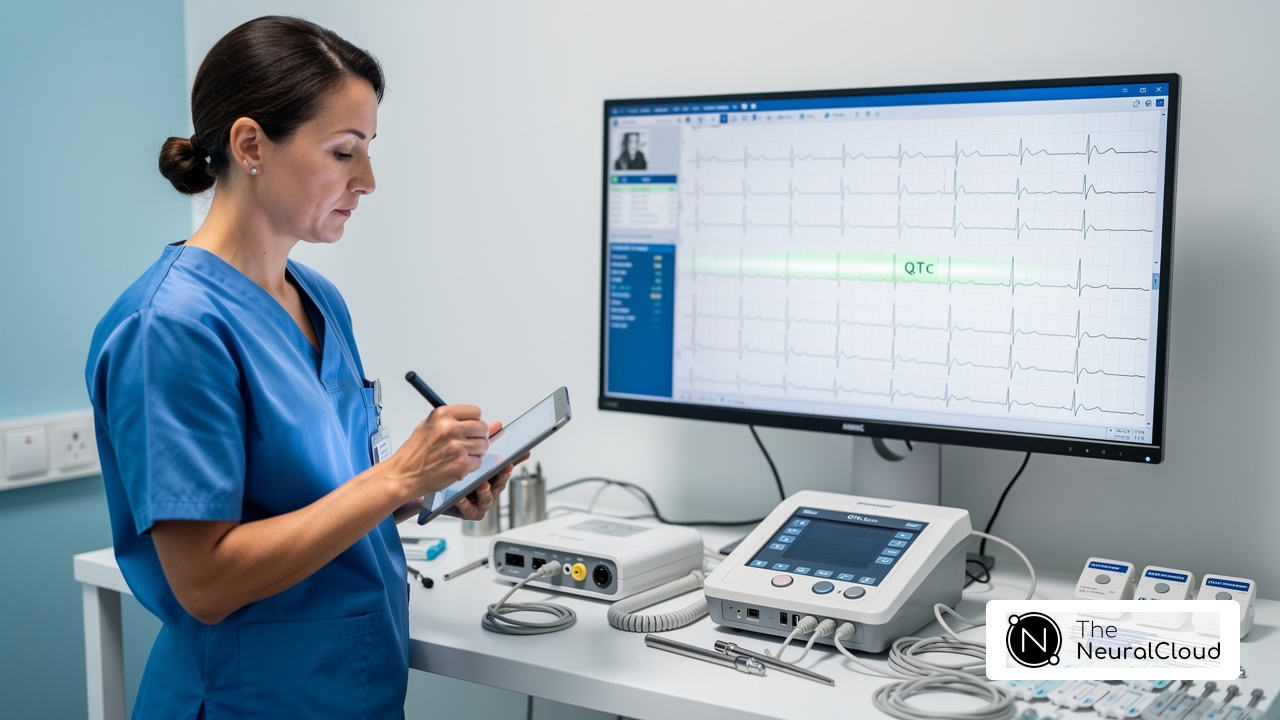
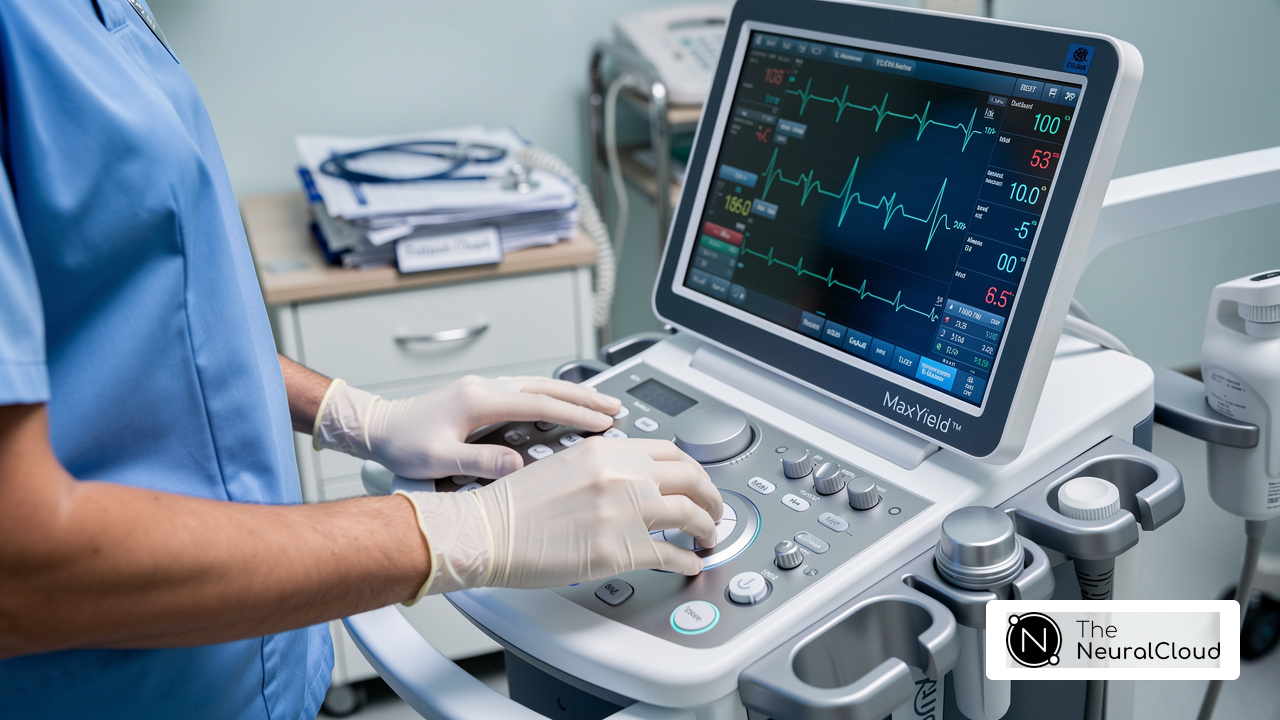
has long faced challenges, particularly in accurately identifying conditions associated with heart disease. Neural Cloud Solutions addresses these issues with its technology, which automates and enhances the clarity of ECG signals. This innovative technology improves diagnostic capabilities.
The MaxYield™ platform features advanced algorithms. By effectively isolating and labeling key ECG features - such as P, QRS, and T Waves - clinicians can quickly identify abnormalities associated with LVDD symptoms. This clarity in ECG readings allows clinicians to make informed decisions swiftly, ultimately improving patient outcomes.
The advantages of the MaxYield™ platform extend beyond just clarity. Prominent cardiologists have noted that it not only enhances diagnostic precision but also reduces the likelihood of human error. This optimization of cardiac assessments is vital in modern cardiac care, as it allows for more efficient patient management.
Recent case studies highlight the platform's impact, demonstrating how MaxYield™ has successfully restored cardiac function in patients by enabling timely interventions. This underscores the platform's essential role in advancing cardiac care and improving overall patient health.

Shortness of Breath: A Key Indicator of LVDD
Shortness of breath, known as dyspnea, often serves as the first noticeable symptom of LVDD. Patients may find it difficult to breathe during physical activity or even at rest. This condition arises from increased pressure in the heart, which can lead to pulmonary congestion.
For medical technology developers, integrating with ECG data is essential. This dual approach enhances understanding of an individual's condition and facilitates timely interventions. Current research underscores the link between dyspnea and LVDD, suggesting that effective monitoring can significantly improve outcomes for patients with LVDD symptoms.
Looking ahead to 2026, advancements in dyspnea monitoring technology are expected to play a pivotal role in healthcare. These innovations will provide real-time insights, empowering clinicians to make informed decisions regarding patient care.

Fatigue: Recognizing a Common LVDD Symptom
Fatigue is a prevalent symptom among individuals with LVDD, highlighting the importance of recognizing LVDD symptoms, often described as a profound tiredness that persists despite adequate rest. This ongoing fatigue can significantly impact daily life and may indicate a deterioration in heart function. Research shows that individuals experiencing LVDD symptoms frequently report fatigue, which can lead to decreased energy levels and decreased physical activity, further worsening their condition. Healthcare professionals stress the importance of recognizing this symptom, as it can greatly affect treatment outcomes and overall well-being. For example, regular screenings and assessments of fatigue can enable healthcare providers to tailor interventions more effectively.
To address this issue, developers should consider integrating fatigue tracking features into wellness monitoring systems. These tools can offer a more comprehensive perspective on wellness, allowing clinicians to identify trends and modify treatment plans accordingly. Recent advancements in technology and mobile wellness applications present promising solutions for real-time fatigue monitoring, empowering individuals to track their symptoms and share data with healthcare professionals. By prioritizing fatigue evaluation in heart disease management, developers can enhance patient care and contribute to improved health outcomes.

Fluid Retention: A Physical Manifestation of LVDD
Fluid retention, also known as edema, frequently indicates symptoms of LVDD. This condition often manifests as swelling in the legs, ankles, or abdomen, which may indicate LVDD symptoms. The swelling occurs due to the heart's inability to pump effectively, leading to fluid accumulation in the body.
To address this issue, should prioritize creating solutions that can detect changes in body weight or swelling. By providing alerts for potential fluid retention problems, these solutions can significantly improve patient monitoring and outcomes.
In summary, focusing on innovative health tech solutions can help identify fluid retention early, ultimately enhancing patient care and management.

Palpitations: An Alarming Symptom of LVDD
Palpitations, often described as an irregular or rapid heartbeat, pose a significant concern for individuals with LVDD. These sensations can indicate a condition that requires prompt medical evaluation. Notably, diastolic cardiac failure accounts for 40% to 50% of all cardiac failure cases, highlighting the importance of early diagnosis in this population.
To address these challenges, developers should focus on integrating advanced monitoring features into their tools. Such features enable healthcare professionals to gain comprehensive insights into an individual's heart health. This integration not only enhances diagnostic accuracy but also facilitates timely interventions, ultimately leading to improved patient outcomes.
By prioritizing these advancements, the MaxYield™ platform can significantly transform ECG analysis. The platform's ability to monitor rhythms effectively allows for better management of patients with LVDD symptoms, ensuring that healthcare providers can respond swiftly to any irregularities. This proactive approach not only benefits patient care but also supports healthcare professionals in delivering high-quality services.

Chest Pain: A Serious Concern in LVDD
is a significant symptom associated with LVDD, which are often due to increased pressures within the heart. Patients frequently describe this discomfort as tightness, which can be easily misinterpreted as arising from other medical issues. Current data shows that advanced LVDD correlates with increased healthcare resource utilization, underscoring the need for timely diagnosis and management.
For healthcare providers, integrating features that enable individuals to report chest pain in real-time is crucial. Such capabilities facilitate prompt responses from healthcare providers, ultimately improving outcomes for patients. Leveraging advanced AI technology, like Neural Cloud Solutions' MaxYield™, can transform lengthy and noisy ECG recordings into clean, crisp signals, enhancing the clarity and speed of ambulatory ECG waveform analysis.
MaxYield™ offers several key features:
- Data refinement: It refines ECG data, making it easier for healthcare professionals to interpret.
- Accelerated analysis: The platform accelerates the analysis process, allowing for quicker decision-making.
- Immediate alerts: Clinicians receive immediate alerts, enabling swift responses to potential complications.
Testimonials from healthcare professionals highlight how MaxYield™ has significantly improved their ability to effectively monitor individuals with LVDD symptoms. Emerging technologies, such as mobile wellness applications and wearable devices, are being developed to track chest pain and other indicators related to LVDD symptoms in patients. This ensures that clinicians receive timely alerts and can respond quickly to address potential complications.
This proactive approach not only improves patient outcomes but also streamlines clinical workflows, making it an essential consideration in the development of health tech solutions.

Dizziness: A Less Obvious LVDD Symptom
Dizziness frequently indicates a problem in individuals suffering from LVDD, primarily due to reduced blood flow to the brain. Neurologists emphasize that even minor decreases in blood flow can lead to dizziness, which may occur sporadically and increase the risk of falls. This creates significant safety concerns for affected individuals. For instance, a study found that 30% of those with LVDD symptoms reported experiencing dizziness, underscoring the need for vigilant monitoring of this condition.
In 2026, advancements in balance technology are becoming crucial for individuals with LVDD. Developers should focus on integrating features that track balance into their devices. Wearable devices, such as the XYZ Balance Monitor, equipped with sensors can provide insights on an individual's stability and alert healthcare providers to potential issues. These innovations not only enhance safety for individuals but also enable timely interventions, ultimately improving the quality of life for those experiencing LVDD symptoms. Furthermore, incorporating support features within these technologies can help alleviate the anxiety and stress often associated with heart conditions, promoting a more holistic approach to patient care.

Increased Urination: A Nighttime Symptom of LVDD
Frequent urination, particularly at night (nocturia), often indicates a medical condition, typically due to fluid retention. Patients may experience multiple awakenings to urinate, disrupting their sleep and affecting overall well-being. This symptom highlights a significant challenge in patient management.
Health tech developers should focus on features that monitor urinary patterns. By tracking these patterns, developers can provide healthcare providers with valuable data. This information can lead to better patient management and improved treatment outcomes.
Incorporating such tracking features into health technology not only enhances patient care but also supports healthcare professionals in making informed decisions. Ultimately, this approach can lead to a more effective treatment strategy.

Confusion: Cognitive Effects of LVDD
Individuals often experience confusion and cognitive dysfunction as a result of LVDD, primarily due to reduced blood circulation to the brain. The symptoms of LVDD can lead to difficulties in concentration and memory issues, which can significantly impact daily life. To address these challenges, developers should consider integrating tools into their applications.
By incorporating these tools, healthcare professionals can gain a more comprehensive view of individual health, allowing for better management of cognitive symptoms. This integration not only enhances the understanding of a patient's overall condition but also facilitates timely interventions. Ultimately, this approach can improve outcomes and support healthcare providers in delivering more effective care.

Recognizing Symptoms Early: The Importance of Medical Attention for LVDD
Recognizing symptoms early is essential for effective management and treatment. Developers should focus on creating systems that monitor symptoms and inform individuals when to seek medical attention. By integrating alerts and educational resources, these systems can empower individuals to take proactive steps in managing their health. For example, digital platforms can offer tailored information about lvdd symptoms, including:
- Fatigue
- Shortness of breath
- Leg swelling
These are critical for timely intervention.
Current data reveals that:
- 40% of postpartum individuals experience obesity
- 70% have elevated cholesterol, highlighting the cardiovascular risks during this crucial period
- 13% of individuals without prior hypertension develop it within six months after childbirth, underscoring the need for careful observation and education
Research shows that effective interventions can significantly enhance management outcomes for conditions associated with lvdd symptoms. Technologies, such as mobile applications and telehealth platforms, can provide ongoing education and support, ensuring individuals stay informed about their condition and treatment options.
Examples of technology that aids in LVDD management include:
- Interactive applications that offer personalized wellness advice
- Medication reminders
- Access to educational videos and articles, helping individuals better understand their condition
It is vital that educating individuals is prioritized for heart management, as informed patients are more likely to adopt healthy practices and adhere to treatment plans. According to the Cleveland Clinic, many people successfully manage their condition through lifestyle changes and medications. By leveraging technology to enhance patient education, health tech developers can significantly improve outcomes for individuals experiencing lvdd symptoms.

Conclusion
Recognizing and understanding the symptoms of left ventricular diastolic dysfunction (LVDD) is crucial for effective patient care. Health tech developers are at the forefront of addressing these symptoms with innovative solutions that enhance patient monitoring. By focusing on technologies that integrate ECG monitoring, respiratory pattern analysis, and real-time symptom tracking, developers empower healthcare professionals to make informed decisions, ultimately improving patient outcomes.
Key symptoms of LVDD include:
- Shortness of breath
- Fatigue
- Fluid retention
- Palpitations
- Chest pain
- Dizziness
- Increased urination
- Confusion
Each symptom presents unique challenges in diagnosis and management, highlighting the need for advanced monitoring technologies. The MaxYield™ platform from Neural Cloud Solutions exemplifies this need by streamlining workflows, enhancing diagnostic accuracy, and facilitating timely interventions. This integration significantly improves the quality of care for patients experiencing LVDD symptoms.
The future of LVDD management hinges on the proactive identification and monitoring of symptoms through innovative health technology. By prioritizing the development of tools that educate patients and enhance clinical workflows, health tech developers can profoundly impact heart health management. This collective effort not only supports healthcare professionals but also empowers individuals to take charge of their health, leading to better outcomes and an improved quality of life.
Frequently Asked Questions
What is the MaxYield™ platform by Neural Cloud Solutions?
The MaxYield™ platform is an innovative technology designed to enhance ECG monitoring by automating and clarifying ECG signal analysis. It processes over 200,000 heartbeats in under five minutes, providing precise beat-by-beat analysis for timely medical interventions.
How does MaxYield™ improve ECG analysis?
MaxYield™ features advanced noise filtering and distinct wave recognition capabilities, allowing healthcare professionals to effectively isolate and label key ECG features such as P, QRS, and T Waves. This clarity helps in quickly identifying abnormalities associated with left ventricular diastolic dysfunction (lvdd) symptoms.
What benefits does the MaxYield™ platform offer to healthcare professionals?
The platform enhances diagnostic precision, reduces the likelihood of human error, and optimizes clinical workflows, which are vital for efficient patient management in modern cardiac care.
Can you provide examples of the MaxYield™ platform's impact on patient care?
Recent case studies have shown that MaxYield™ has successfully restored cardiac function in patients by enabling rapid identification of critical cardiac events, highlighting its essential role in advancing cardiac care and improving overall patient health.
What is shortness of breath and how is it related to lvdd?
Shortness of breath, or dyspnea, is often the first noticeable symptom of left ventricular diastolic dysfunction (lvdd). It can occur during physical activity or at rest and arises from increased pressure in the heart, potentially leading to pulmonary congestion.
Why is integrating respiratory pattern monitoring with ECG data important?
Integrating these two monitoring approaches enhances the understanding of an individual's cardiac condition and facilitates timely interventions, which can significantly improve outcomes for patients with lvdd symptoms.
What advancements in dyspnea monitoring technology are expected by 2026?
Future advancements are anticipated to provide real-time insights into patients' conditions, empowering clinicians to make informed decisions regarding patient care.
How does fatigue relate to lvdd symptoms?
Fatigue is a common symptom among individuals with left ventricular diastolic dysfunction, characterized by profound tiredness that persists despite adequate rest. It can significantly impact quality of life and may indicate a deterioration in heart function.
What role does fatigue assessment play in managing heart disease?
Recognizing and regularly assessing fatigue can help healthcare providers tailor interventions more effectively, improving treatment outcomes and overall well-being for patients with lvdd symptoms.
How can technology assist in monitoring fatigue for patients with heart conditions?
Developers can integrate fatigue assessment tools into wellness monitoring systems, allowing for comprehensive tracking of symptoms. Recent advancements in wearable technology and mobile wellness applications provide promising solutions for real-time fatigue monitoring.
List of Sources
- Neural Cloud Solutions: MaxYield™ for Enhanced ECG Monitoring
- theneuralcloud.com (https://theneuralcloud.com/post/master-heart-arrhythmia-ecg-analysis-with-max-yield-tm-techniques)
- theneuralcloud.com (https://theneuralcloud.com/post/4-key-insights-on-continuous-ecg-monitoring-devices-for-developers)
- Checking your browser - reCAPTCHA (https://pmc.ncbi.nlm.nih.gov/articles/PMC12419789)
- Performance of an artificial intelligence-powered smartphone application in the UK clinical settings: ECG automation compared to healthcare professionals - PMC (https://pmc.ncbi.nlm.nih.gov/articles/PMC12532542)
- Shortness of Breath: A Key Indicator of LVDD
- parade.com (https://parade.com/1187612/michelle-parkerton/quotes-about-heart-disease)
- my.clevelandclinic.org (https://my.clevelandclinic.org/health/diseases/23434-diastolic-dysfunction)
- Fatigue: Recognizing a Common LVDD Symptom
- my.clevelandclinic.org (https://my.clevelandclinic.org/health/diseases/23434-diastolic-dysfunction)
- chicomm.com (https://chicomm.com/blog/30-inspirational-quotes-for-healthcare-workers)
- stayhealthymed.com (https://stayhealthymed.com/blog/fighting-chronic-illness-quotes)
- Palpitations: An Alarming Symptom of LVDD
- American heart health worsening — Harvard Gazette (https://news.harvard.edu/gazette/story/2026/02/american-heart-health-worsening)
- ahajournals.org (https://ahajournals.org/doi/10.1161/circheartfailure.108.822627)
- centrahealthcare.com (https://centrahealthcare.com/never-skip-a-beat-3-inspirational-quotes-to-have-a-healthy-heart)
- AI for Heart Failure Care Is Evolving Rapidly, THT 2026 Makes Clear (https://tctmd.com/news/ai-heart-failure-care-evolving-rapidly-tht-2026-makes-clear)
- Chest Pain: A Serious Concern in LVDD
- mdpi.com (https://mdpi.com/2077-0383/14/4/1096)
- parade.com (https://parade.com/1187612/michelle-parkerton/quotes-about-heart-disease)
- pmc.ncbi.nlm.nih.gov (https://pmc.ncbi.nlm.nih.gov/articles/PMC12860494)
- pmc.ncbi.nlm.nih.gov (https://pmc.ncbi.nlm.nih.gov/articles/PMC12471323)
- Dizziness: A Less Obvious LVDD Symptom
- heartfailurematters.org (https://heartfailurematters.org/understanding-heart-failure/dizziness)
- webmd.com (https://webmd.com/heart-disease/heart-failure/what-is-diastolic-heart-failure)
- nyulangone.org (https://nyulangone.org/news/nyu-langone-heart-cardiologists-present-latest-clinical-findings-research-acc2026)
- Dizziness - Symptoms and causes (https://mayoclinic.org/diseases-conditions/dizziness/symptoms-causes/syc-20371787)
- AI for Heart Failure Care Is Evolving Rapidly, THT 2026 Makes Clear (https://tctmd.com/news/ai-heart-failure-care-evolving-rapidly-tht-2026-makes-clear)
- Recognizing Symptoms Early: The Importance of Medical Attention for LVDD
- nyulangone.org (https://nyulangone.org/news/nyu-langone-heart-cardiologists-present-latest-clinical-findings-research-acc2026)
- my.clevelandclinic.org (https://my.clevelandclinic.org/health/diseases/23434-diastolic-dysfunction)
- New Scientific Statement Guides Clinicians on How to Integrate Digital Health Tools Into Heart Failure Care | HFSA (https://hfsa.org/new-scientific-statement-guides-clinicians-how-integrate-digital-health-tools-heart-failure-care)