Introduction
Effectively managing myocardial infarction (MI) requires a solid grasp of electrocardiogram (ECG) fundamentals and the skills to interpret ECGs accurately. Clinicians often face challenges in ECG analysis, which can impact timely interventions. The MaxYield™ platform addresses these challenges by providing advanced tools that enhance diagnostic precision.
This innovative platform offers features such as real-time data analysis and user-friendly interfaces, allowing healthcare professionals to navigate ECG complexities with ease. By leveraging these features, clinicians can significantly improve their ECG interpretation skills, leading to better patient outcomes.
The advantages of using the MaxYield™ platform are clear:
- It not only streamlines the ECG analysis process
- It also empowers healthcare providers to make informed decisions quickly
This capability is crucial during critical moments when every second counts. Continuous education and the integration of advanced technologies like MaxYield™ are essential for optimizing MI management.
Understand ECG Fundamentals for MI Management
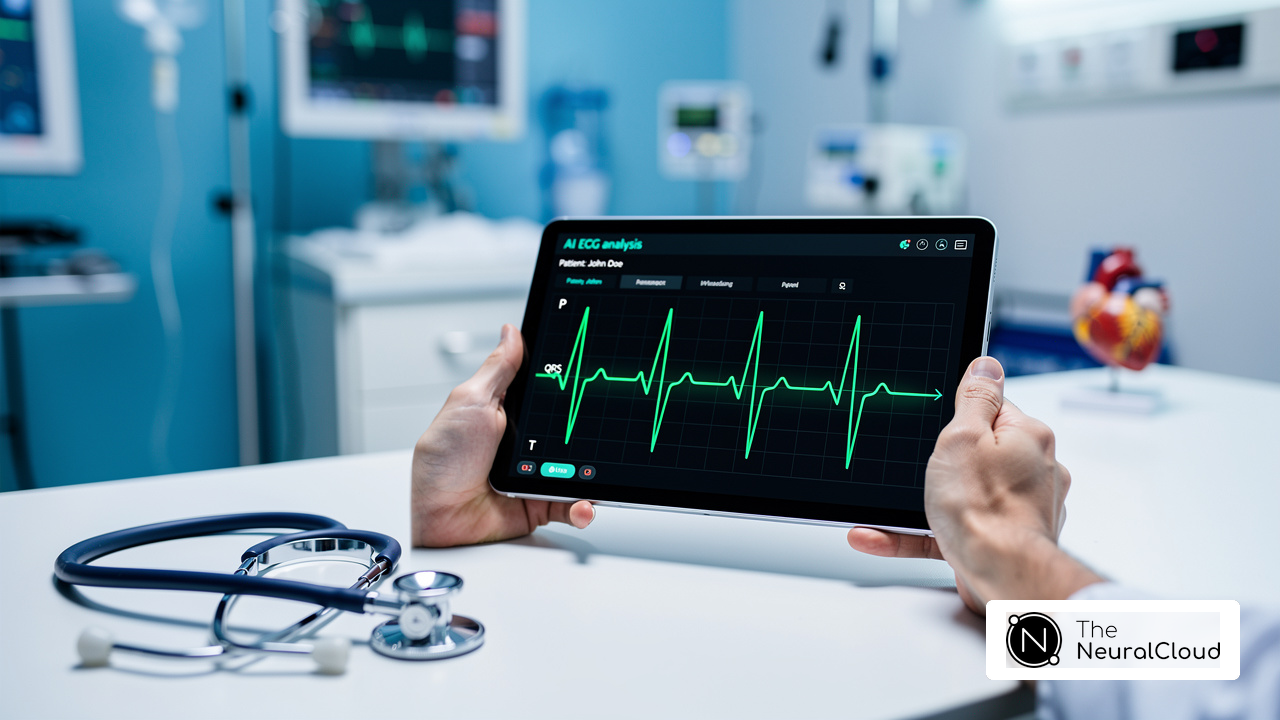
Effectively managing myocardial infarction (MI) requires a solid understanding of ECG MI fundamentals among medical experts. Recognizing the basic components of an ECG waveform - such as P-waves, QRS complexes, and T-waves - is crucial, as is understanding their clinical significance. For example, ST-segment elevation can indicate acute MI, while T-wave inversions may suggest ischemia. Familiarity with these patterns enables clinicians to quickly assess a patient's cardiac status and make timely interventions.
However, challenges arise due to common artifacts and noise that can distort ECG readings. Traditional ECG interpretation technology often struggles with high levels of noise, obscuring critical data. This is where the MaxYield™ platform comes into play. It offers advanced noise filtering and distinct wave recognition capabilities, allowing medical practitioners to recover previously hidden sections of lengthy Holter, 1-Lead, and patch monitor recordings. Proper electrode placement and patient positioning are essential to minimize these issues, ensuring that the ECG accurately reflects true cardiac activity.
By mastering these fundamentals and employing advanced technology like MaxYield™, medical professionals can enhance their diagnostic precision and improve patient outcomes during ECG MI events. The integration of AI technologies within the system has shown promise in improving diagnostic accuracy for acute MI through automated ECG MI interpretation, effectively addressing challenges in early detection. Studies indicate that a substantial percentage of healthcare professionals are familiar with these ECG basics, underscoring the importance of ongoing education in this area.
Testimonials from leading cardiologists emphasize that a solid grasp of ECG waveforms, combined with the innovative capabilities of the MaxYield™ platform, is vital for effective ECG MI management. Successful waveform interpretation can lead to better clinical decisions and improved patient care.
Key Features of MaxYield™:
- Advanced noise filtering
- Distinct wave recognition
- Automated ECG interpretation
Advantages for Healthcare Professionals:
- Enhanced diagnostic precision
- Improved patient outcomes
- Efficient recovery of critical data
By leveraging these features, healthcare professionals can navigate the complexities of ECG analysis with greater confidence and accuracy.

Leverage Advanced ECG Technology for Enhanced Analysis
ECG analysis presents several challenges, including the time-consuming process of manually labeling waveforms and identifying critical features. The MaxYield™ platform addresses these issues by automating the labeling of ECG waveforms, which allows for the rapid identification of essential components such as P-waves, QRS complexes, and T-wave intervals. This innovative technology can process over 200,000 heartbeats in under five minutes, freeing medical practitioners to concentrate on high-level decision-making instead of labor-intensive manual tasks.
One of the standout features of the MaxYield™ platform is its advanced algorithms, which effectively reduce noise and signal artifacts. This capability transforms noisy recordings into detailed insights, providing clear and precise data that is crucial for diagnosing conditions like ECG MI (myocardial infarction). By enhancing the quality of ECG MI data, the platform improves diagnostic accuracy, streamlines workflow efficiency, and ultimately leads to better patient outcomes.
As healthcare professionals increasingly adopt advanced ECG technologies, the MaxYield™ platform emerges as an essential tool for elevating the standard of cardiac care. It supports the scaling of clean signals and clear data throughout the entire workflow, addressing common challenges in ECG analysis. This enhancement in clinical decision-making empowers practitioners to deliver more effective patient care, ensuring that they can respond swiftly and accurately to critical situations.

Integrate ECG Solutions into Clinical Workflows
Integrating advanced ECG MI technologies into clinical workflows is essential for maximizing their benefits. One of the key features of the MaxYield™ platform is its ability to seamlessly interface with existing electronic medical records (EMR) systems. This integration facilitates efficient data transfer and analysis, which is crucial for timely patient care.
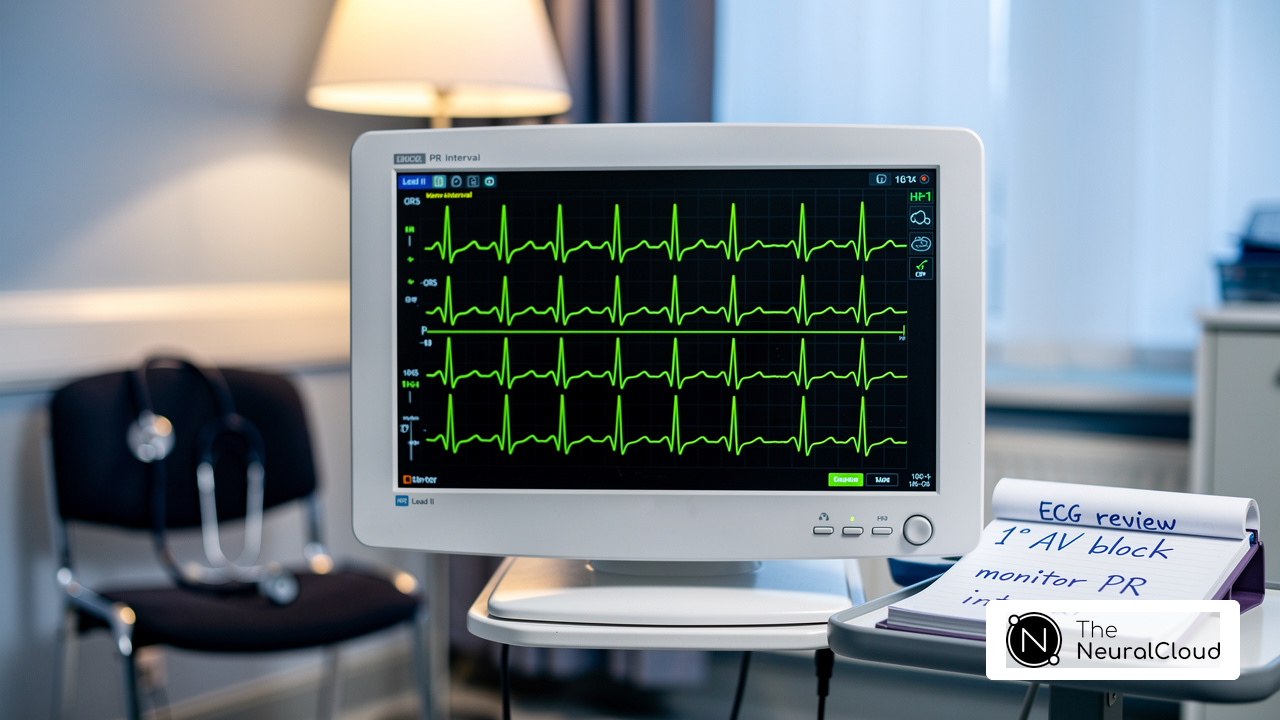
MaxYield™ offers advanced noise filtering and rapid labeling of P, QRS, and T Wave onsets, allowing medical providers to process more data in less time. This improvement significantly enhances ECG MI workflow efficiency, allowing clinicians to focus on patient management instead of administrative tasks.
To ensure that healthcare professionals are well-equipped to utilize these features, comprehensive training programs are vital. Ongoing education boosts clinicians' confidence and proficiency in interpreting ECG data. Training can be tailored to include the use of neural network models for complex signal processing, which extract key features from ECG signals and support the discovery of new digital biomarkers.
Establishing clear protocols for timely ECG MI interpretation and reporting can further streamline patient management processes. This minimizes delays in diagnosis and treatment, ultimately benefiting patient outcomes. By fostering a culture of collaboration and continuous improvement, medical facilities can optimize their ECG workflows, leading to enhanced patient care.

Adopt Continuous Learning for Improved ECG Practices
Ongoing education is essential for medical practitioners involved in ECG MI interpretation, particularly as technology and techniques continue to evolve. Regular training sessions, workshops, and online courses are vital for clinicians to stay updated on the latest advancements in ECG analysis, including the integration of AI and machine learning. This commitment to professional development not only enhances individual skills but also cultivates a culture of excellence within medical teams.
Moreover, implementing feedback mechanisms such as peer reviews and case discussions can sharpen interpretation skills and promote best practices. By engaging in lifelong learning, healthcare providers can ensure they are well-prepared to deliver the highest quality of care, especially in managing conditions like ECG MI. This proactive approach to education ultimately benefits both practitioners and patients alike.

Conclusion
Mastering the complexities of ECG management for myocardial infarction (MI) is crucial for healthcare professionals dedicated to improving patient outcomes. This article emphasizes the necessity of a strong grasp of ECG fundamentals, paired with the innovative features of the MaxYield™ platform. By incorporating advanced ECG solutions into clinical workflows and promoting a culture of continuous learning, practitioners can enhance their diagnostic accuracy and efficiency.
Understanding the basic components of ECG waveforms is vital for timely intervention. The MaxYield™ platform automates the labor-intensive tasks of waveform labeling and utilizes advanced noise filtering to ensure critical data is easily accessible. This technological integration streamlines workflows, enabling clinicians to concentrate on providing high-quality patient care while reducing delays in diagnosis.
Embracing these best practices and utilizing advanced ECG technologies is essential for optimizing cardiac care. Continuous education and training empower healthcare providers to stay updated on the latest advancements, ensuring they are well-prepared to navigate the complexities of ECG interpretation. By committing to these strategies, the healthcare community can cultivate an environment of excellence that leads to improved patient outcomes in managing myocardial infarction.
Frequently Asked Questions
What is the importance of understanding ECG fundamentals in managing myocardial infarction (MI)?
Understanding ECG fundamentals is crucial for medical experts as it allows them to recognize the basic components of an ECG waveform, such as P-waves, QRS complexes, and T-waves, which are essential for assessing a patient's cardiac status and making timely interventions.
What does ST-segment elevation indicate on an ECG?
ST-segment elevation can indicate an acute myocardial infarction (MI).
What do T-wave inversions suggest in an ECG reading?
T-wave inversions may suggest ischemia.
What challenges can affect the accuracy of ECG readings?
Common artifacts and noise can distort ECG readings, making it difficult for traditional ECG interpretation technology to provide clear data.
How does the MaxYield™ platform improve ECG interpretation?
The MaxYield™ platform offers advanced noise filtering and distinct wave recognition capabilities, allowing practitioners to recover hidden sections of Holter, 1-Lead, and patch monitor recordings.
Why is proper electrode placement and patient positioning important?
Proper electrode placement and patient positioning are essential to minimize noise and artifacts, ensuring that the ECG accurately reflects true cardiac activity.
How can AI technologies enhance ECG MI management?
AI technologies integrated within systems like MaxYield™ can improve diagnostic accuracy for acute MI through automated ECG interpretation, aiding in early detection.
What are the key features of the MaxYield™ platform?
Key features include advanced noise filtering, distinct wave recognition, and automated ECG interpretation.
What advantages does MaxYield™ provide for healthcare professionals?
Advantages include enhanced diagnostic precision, improved patient outcomes, and efficient recovery of critical data.
Why is ongoing education important for healthcare professionals regarding ECG interpretation?
Ongoing education is important as a substantial percentage of healthcare professionals are familiar with ECG basics, which is vital for effective MI management and improving patient care.