Introduction
The integration of artificial intelligence in cardiology signifies a transformative approach to managing heart health, yet it presents significant challenges for healthcare professionals. Healthcare professionals face complexities in implementing AI technologies, making it essential to understand best practices for maximizing their potential.
However, challenges such as ensuring data quality and providing adequate training for users must be addressed. Clinicians and healthcare organizations must adopt effective strategies to navigate these hurdles and harness AI's power in improving patient outcomes.
Understand Core AI Technologies in Cardiology
Understanding the core technologies driving artificial intelligence in cardiology advancements is essential for effective application in clinical practice. Key technologies include:
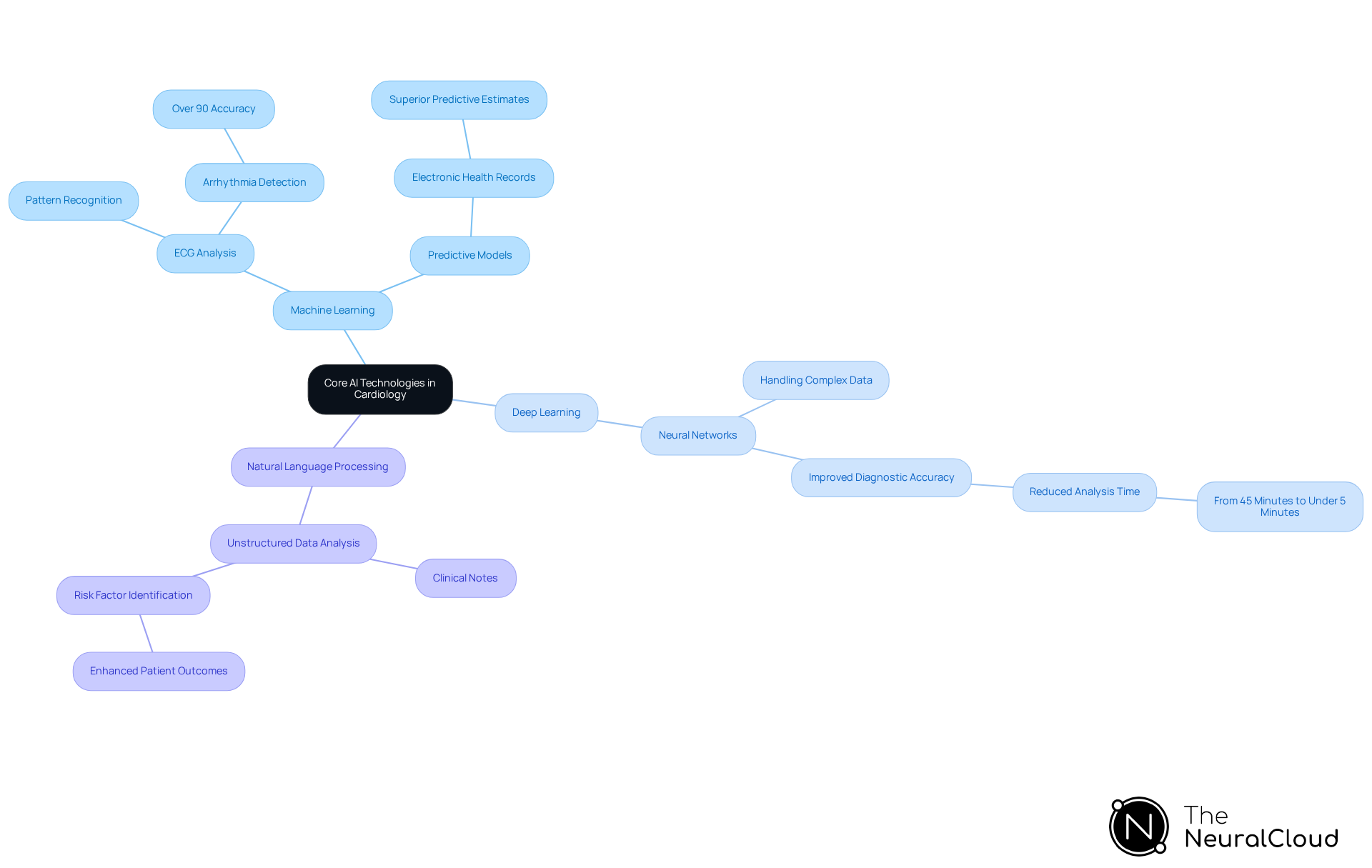
- Machine Learning (ML): Algorithms that learn from data to make predictions or decisions without explicit programming. In cardiology, ML examines ECG information to identify patterns suggestive of various heart conditions, achieving over 90% accuracy in arrhythmia detection.
- Deep Learning: A branch of ML employing neural networks with several layers, this approach excels in handling intricate information, such as imaging studies, significantly improving diagnostic accuracy. For instance, deep learning algorithms have reduced analysis time for cardiac imaging from 45 minutes to under 5 minutes, matching expert performance.
- Natural Language Processing (NLP): This technology enables the analysis of unstructured data, such as clinical notes, to extract meaningful insights that inform patient care. NLP applications in heart medicine can enhance risk factor identification and management, leading to improved patient outcomes.
Many heart conditions often go undetected, resulting in delayed treatment and adverse outcomes for patients. Recent advancements in 2026 highlight the growing role of artificial intelligence in cardiology, with FDA approvals for algorithms that detect cardiac amyloidosis and pulmonary hypertension, conditions often underdiagnosed. Expert opinions emphasize that ML models incorporating electronic health record data provide superior predictive estimates compared to traditional risk scores, showcasing the transformative potential of artificial intelligence in cardiology.
Case studies demonstrate the practical uses of these innovations. For example, the implementation of an AI-enabled ECG algorithm at Mayo Clinic led to a 23% reduction in heart failure hospitalizations by enhancing early identification of asymptomatic left ventricular dysfunction. Furthermore, AI-driven protocols in critical care settings have shown a significant reduction in ICU mortality, underscoring the clinical utility of these innovations.
By understanding these technologies, heart specialists can make the most of artificial intelligence in cardiology within their practice, ensuring enhanced diagnostic capabilities and improved patient outcomes.
Align AI Solutions with Existing Healthcare Workflows
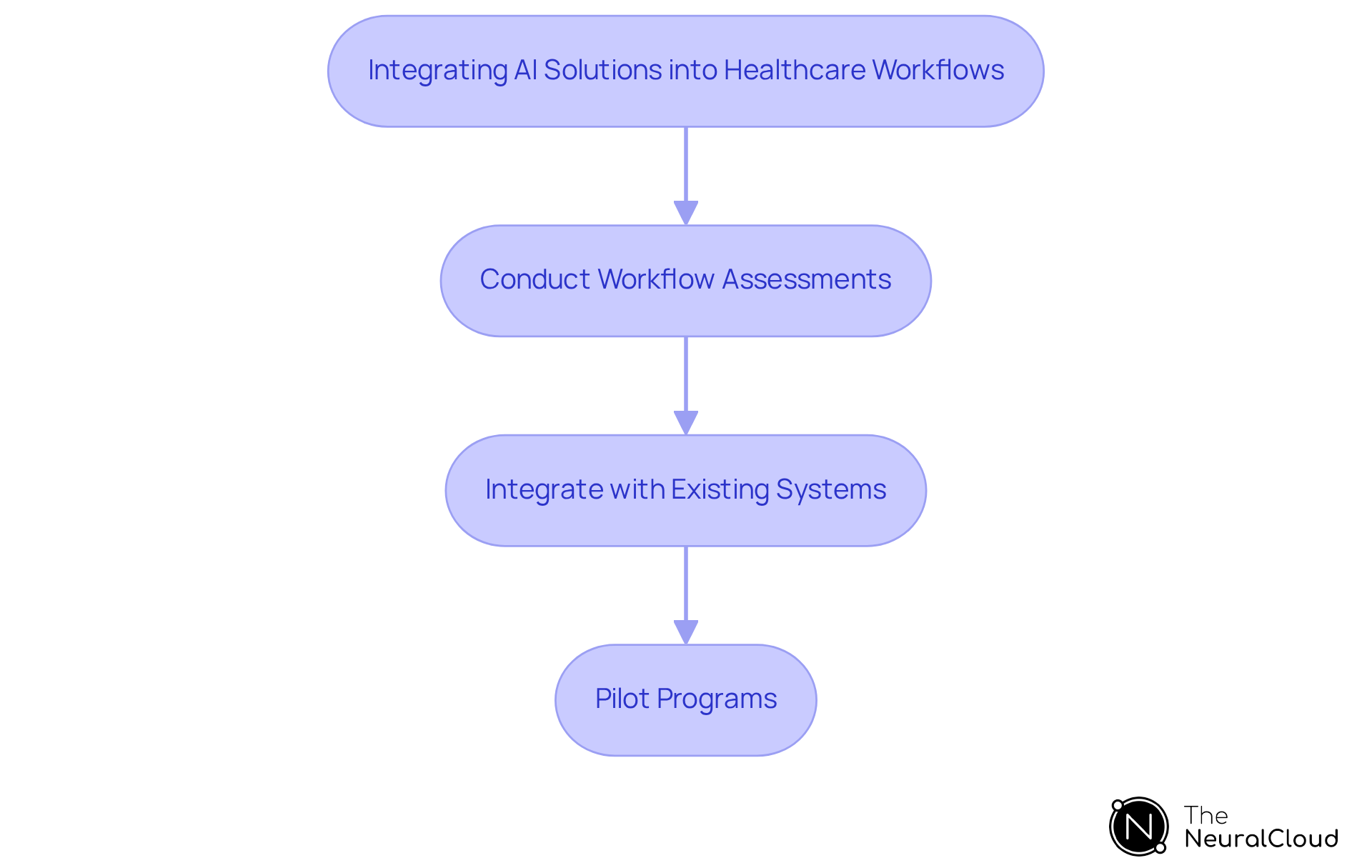
Integrating AI solutions into healthcare workflows presents unique challenges that must be addressed for successful implementation. To maximize the benefits of artificial intelligence in cardiology, it is essential to align solutions like Neural Cloud Solutions' MaxYield™ with existing healthcare workflows. Here are some best practices:
- Conduct Workflow Assessments: Identifying where AI can fit into existing workflows can be challenging, but it is crucial for maximizing its benefits. Engaging all stakeholders, including clinicians and administrative staff, ensures a comprehensive understanding of workflow dynamics.
- Integrate with Existing Systems: Ensure that AI tools, such as MaxYield™, can seamlessly integrate with electronic health records (EHRs) and other clinical systems. This integration minimizes the need for extensive training and reduces the risk of errors, allowing healthcare professionals to focus more on patient care rather than navigating new systems. MaxYield™ acts as an ECG intelligence layer that works with any device, integrating easily through API, SDK, or CDK, so no hardware changes are needed.
- Pilot Programs: Testing AI solutions in a controlled setting allows for adjustments based on actual user experiences, which helps build trust and ensures the system meets clinical needs. Implementing AI solutions in a controlled environment before full-scale deployment permits modifications based on real-world feedback.
Did you know that around 80% of hospitals are already using AI in some capacity? This shows just how widespread AI technologies have become in healthcare. Furthermore, pilot programs have demonstrated that AI-driven scheduling tools can cut patient wait times in imaging departments by 15-25%, highlighting the potential for improved efficiency. For instance, the anticipated FDA Class II SaMD clearance-pending status of the Queen of Hearts AI-ECG model in early 2026 exemplifies the growing role of artificial intelligence in cardiology, reinforcing the importance of integrating such innovations into existing workflows.
By aligning AI solutions like MaxYield™ with existing workflows, healthcare organizations can enhance operational efficiency and improve the overall quality of care, ultimately leading to better patient outcomes. Exploring these advancements could be the key to transforming patient care in your organization. For those interested in exploring these advancements further, Neural Cloud Solutions Inc. offers free trials and personalized walkthroughs of MaxYield™ and its accompanying visualization tool, Insight360.
Ensure High-Quality Data Management and Processing
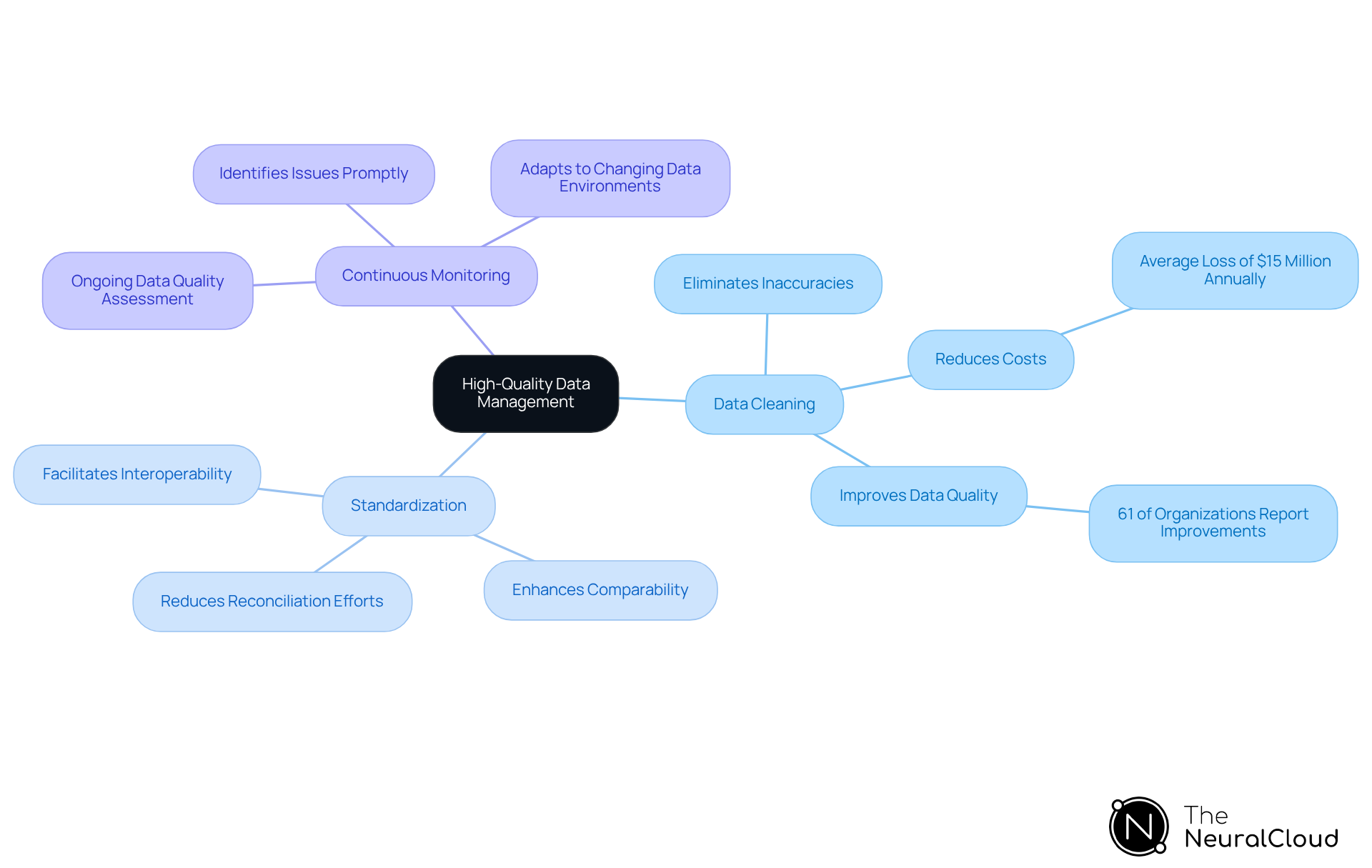
Effective data management is crucial for leveraging artificial intelligence in cardiology, but many organizations struggle with data quality issues. Key practices to ensure high-quality data include:
- Data Cleaning: Cleaning and preprocessing data regularly helps eliminate inaccuracies and inconsistencies, ensuring reliable AI outputs. Poor data quality leads to significant challenges, costing organizations an average of $15 million annually. A Forrester Consulting study found that 61% of organizations experienced notable improvements in data quality after implementing intelligent automation in their workflows.
- Standardization: Implementing standardized data formats and protocols facilitates interoperability between various systems and devices. This ensures that information from diverse sources can be effectively integrated and analyzed. Standardization reduces reconciliation efforts and enhances the comparability of data across reports and models, which is especially crucial for artificial intelligence in cardiology-driven insights.
- Continuous Monitoring: Establishing processes for ongoing data quality assessment is essential. Regular audits help identify issues promptly, preserving the integrity of the data used for AI applications. Continuous monitoring allows organizations to adapt to changing data environments, ensuring that AI systems operate on the most accurate and relevant information.
By focusing on high-quality data management, healthcare organizations can enhance artificial intelligence in cardiology performance and improve patient care outcomes.
Provide Comprehensive Training and Support for Users
The successful integration of artificial intelligence in cardiology relies on effective education and support for users. Here are best practices to consider:
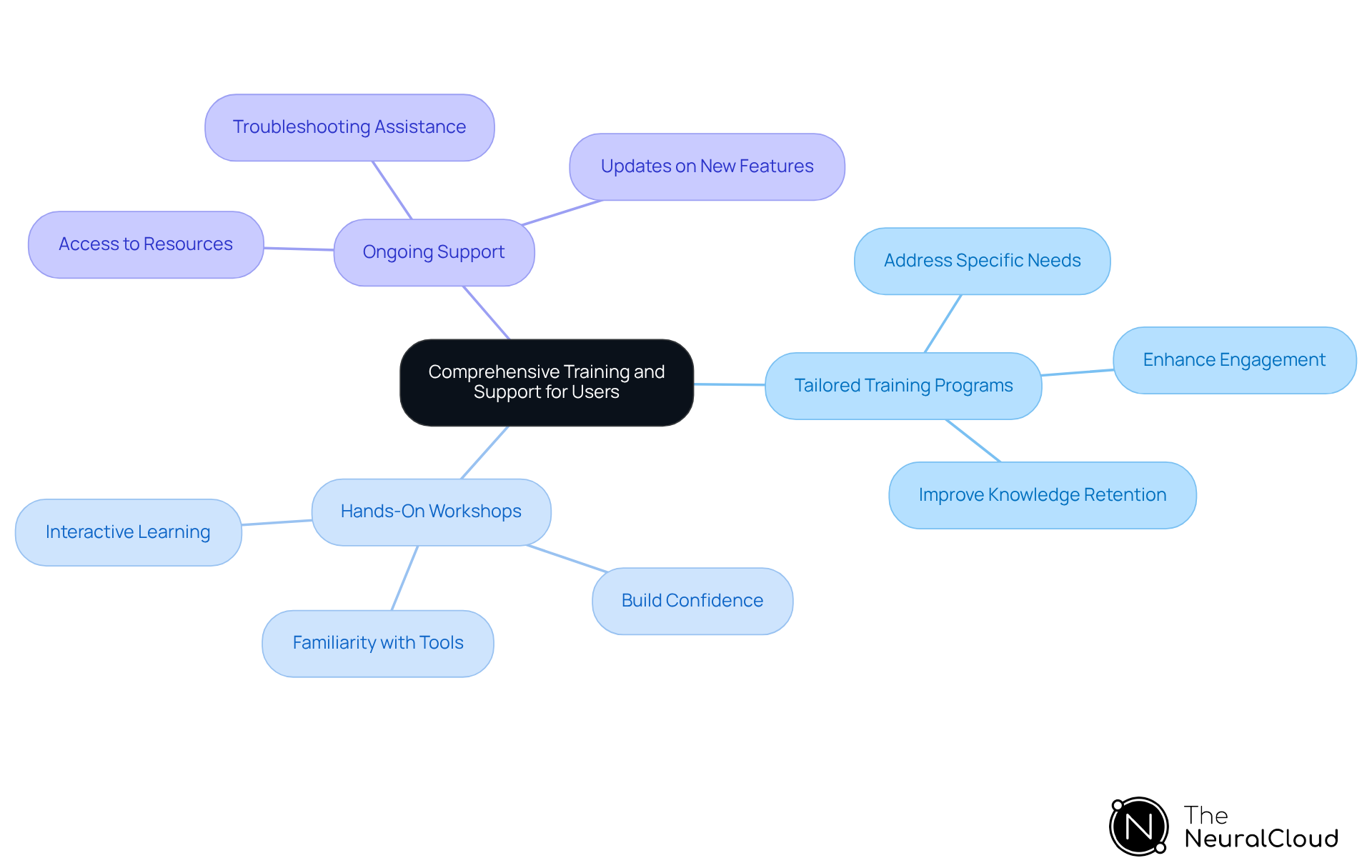
- Tailored Training Programs: Develop training initiatives that address the specific needs of various user groups, including clinicians, technicians, and administrative staff. Tailored training enhances engagement and knowledge retention, making it more effective.
- Hands-On Workshops: Consider implementing hands-on workshops where users can interact with AI tools in a supportive setting. Hands-on experience fosters confidence and familiarity with the tools, which is essential for successful implementation.
- Ongoing Support: Establish a robust support system that provides users with access to resources, troubleshooting assistance, and updates on new features. Continuous support fosters a culture of learning and adaptation, ensuring that staff can effectively leverage AI technologies.
Investing in comprehensive development and support empowers healthcare organizations to enhance staff capabilities. This, in turn, leads to improved patient care and operational efficiency. For example, a study showed that healthcare professionals who engaged in hands-on practice exhibited enhanced comprehension and perspectives regarding AI, indicating that practical experience is essential for effective learning. Additionally, nearly 200 FDA-cleared algorithms that incorporate artificial intelligence in cardiology are now available, emphasizing the importance of training programs that equip staff to critically evaluate and utilize these tools in clinical practice. As the landscape of cardiology evolves, equipping staff with the right tools and knowledge is not just beneficial; it's essential for the future of patient care.
Conclusion
Integrating artificial intelligence into cardiology presents both challenges and opportunities for enhancing patient care. By grasping core AI technologies and ensuring high-quality data management, healthcare organizations can align solutions with existing workflows and provide comprehensive training and support.
We’ve explored several best practices that are crucial for successfully integrating AI. Key insights include:
- The importance of machine learning and deep learning in improving diagnostic accuracy.
- The necessity of aligning AI tools like Neural Cloud Solutions' MaxYield™ with current healthcare systems.
- The critical role of data quality in maximizing AI effectiveness.
Tailored training programs and ongoing support are vital for empowering healthcare professionals to leverage these advanced technologies confidently.
As cardiology evolves, it’s vital for healthcare organizations to embrace these best practices to enhance patient care. The integration of AI not only enhances operational efficiency but also paves the way for innovative approaches to diagnosing and managing heart conditions. By prioritizing these strategies, healthcare organizations can redefine the future of cardiology, ultimately improving outcomes for patients everywhere.
Frequently Asked Questions
What are the core AI technologies driving advancements in cardiology?
The core AI technologies in cardiology include Machine Learning (ML), Deep Learning, and Natural Language Processing (NLP). These technologies help in analyzing ECG data, improving diagnostic accuracy, and extracting insights from clinical notes.
How does Machine Learning (ML) function in cardiology?
Machine Learning algorithms learn from data to make predictions or decisions without explicit programming. In cardiology, ML analyzes ECG information to identify patterns indicative of various heart conditions, achieving over 90% accuracy in arrhythmia detection.
What is Deep Learning and how is it applied in cardiology?
Deep Learning is a branch of Machine Learning that uses neural networks with multiple layers to handle complex information. In cardiology, it significantly improves diagnostic accuracy, such as reducing the analysis time for cardiac imaging from 45 minutes to under 5 minutes, matching expert performance.
What role does Natural Language Processing (NLP) play in cardiology?
Natural Language Processing enables the analysis of unstructured data, like clinical notes, to extract meaningful insights that can inform patient care. In heart medicine, NLP applications enhance risk factor identification and management, leading to better patient outcomes.
Why is the application of AI important in cardiology?
Many heart conditions often go undetected, leading to delayed treatment and adverse outcomes. AI advancements, such as FDA-approved algorithms for detecting cardiac amyloidosis and pulmonary hypertension, highlight the importance of AI in improving diagnosis and treatment.
Can you provide an example of AI's impact in a clinical setting?
At Mayo Clinic, the implementation of an AI-enabled ECG algorithm resulted in a 23% reduction in heart failure hospitalizations by enhancing early identification of asymptomatic left ventricular dysfunction. Additionally, AI-driven protocols in critical care have significantly reduced ICU mortality.
How can heart specialists benefit from understanding AI technologies?
By understanding core AI technologies, heart specialists can effectively integrate artificial intelligence into their practice, enhancing diagnostic capabilities and improving patient outcomes.
List of Sources
- Understand Core AI Technologies in Cardiology
- How AI Is Reshaping Cardiac Imaging Technology in 2026 (https://arineta.com/new-news/reshaping-cardiac-technology-in-2026)
- Cardiology AI in 2026: What's Actually Changed for Clinicians (https://mdai.ch/blog/whats-new-in-cardiology-ai-the-state-of-the-field-in-mid-2026)
- Innovations in cardiology take center stage (https://med.uth.edu/blog/2026/02/24/innovations-in-cardiology-take-center-stage)
- Artificial intelligence and machine learning in cardiovascular medicine: current applications, clinical evidence, and future directions (https://explorationpub.com/Journals/em/Article/1001383)
- Align AI Solutions with Existing Healthcare Workflows
- AI in Healthcare Statistics: Latest Data & Facts (https://strategicmarketresearch.com/blogs/ai-in-healthcare-statistics)
- Applying AI to Achieve Interoperability and a Smarter Patient Workflow | AHA (https://aha.org/aha-center-health-innovation-market-scan/2026-07-14-applying-ai-achieve-interoperability-and-smarter-patient-workflow)
- Best AI For Medical Practice in 2026: Top Solutions Compared — DoctorConnect (https://doctorconnect.net/best-ai-for-medical-practice-2026)
- Year in Review: Evidence Around AI in Cardiology Grows (https://tctmd.com/news/year-review-evidence-around-ai-cardiology-grows)
- AI in Healthcare Statistics 2026: 80+ Key Data Points | Uvik Software (https://uvik.net/blog/ai-in-healthcare-statistics-2026)
- Ensure High-Quality Data Management and Processing
- AI Data Cleaning: Automated Data Quality for 2026 in 2026 (https://ovaledge.com/blog/ai-data-cleaning?hs_amp=true)
- Cleaning up healthcare data for the AI era (https://healthcareitnews.com/news/cleaning-healthcare-data-ai-era)
- Data Cleansing for AI Success: Best Practices and Implementation Guide (https://alation.com/blog/data-cleansing-ai-best-practices-guide)
- What Is Data Cleaning? | IBM (https://ibm.com/think/topics/data-cleaning)
- Why we need to fix our data before we fix healthcare with AI (https://chp.musc.edu/content-hub/News/2026/03/27/why-we-need-to-fix-our-data-before-we-fix-health-care-with-ai)
- Provide Comprehensive Training and Support for Users
- UltraSight™ Study Shows Novices Achieve Diagnostic-Quality Cardiac Ultrasound After One Day of AI-Guided Training (https://advamed.org/industry-updates/news/ultrasight-study-shows-novices-achieve-diagnostic-quality-cardiac-ultrasound-after-one-day-of-ai-guided-training)
- How healthcare organizations should train staff on AI use (https://paubox.com/blog/how-healthcare-organizations-should-train-staff-on-ai-use)
- ESC Congress 2026: Transforming innovative ideas into clinical reality (https://escardio.org/news/press/press-releases/esc-congress-2026-transforming-innovative-ideas-into-clinical-reality)
- Artificial Intelligence in Cardiology: The ACC’s Implementation Pipeline, With Christopher Kramer, MD, FACC | HCPLive (https://hcplive.com/view/artificial-intelligence-in-cardiology-the-acc-s-implementation-pipeline-with-christopher-kramer-md-facc)
- Impactful innovations reshape learning and technology at ACC.26 (https://cardiovascularbusiness.com/topics/professional-associations/cardiology-associations/american-college-cardiology-acc/impactful-innovations-reshape-learning-and-technology-acc26)