Introduction
Integrating STEMI data into health technology solutions presents significant challenges that directly impact patient outcomes across Canada. Adopting best practices for data integration allows healthcare professionals to use advanced technologies, improving diagnostic accuracy and streamlining patient management. To effectively address these challenges, organizations must explore specific strategies for integrating STEMI data that enhance patient care.
Define STEMI and Its Clinical Significance
ST-segment elevation myocardial infarction, commonly referred to as stemi mi, poses significant challenges for healthcare professionals due to its high morbidity and mortality rates. This serious type of heart attack, referred to as stemi mi, is marked by a total blockage of a coronary artery, leading to considerable myocardial ischemia. In Canada, the high incidence of stemi mi presents significant challenges for healthcare systems, with recent statistics showing that about 25% of all myocardial infarctions fall into this category. Prompt recognition and intervention are crucial to minimize extensive heart damage in cases of stemi mi.
Research underscores the importance of early treatment for conditions like stemi mi, demonstrating that it can significantly enhance outcomes for patients. For instance, the AIR-STEMI trial revealed that functional coronary angiography, when utilized in cases of stemi mi, reduced major cardiovascular events by 38% compared to traditional methods. This highlights the critical need for timely and effective treatment strategies for stemi mi, emphasizing the role of advanced health technologies like Neural Cloud Solutions Inc.'s MaxYield, which facilitates swift diagnosis and treatment, ultimately improving care quality for heart attack patients.
With MaxYield™, you get hospital-level ECG precision right from consumer-grade devices, ensuring healthcare providers have reliable data for effective patient management. The platform's ability to deliver beat-by-beat analysis and isolate key features in every heartbeat transforms noisy recordings into detailed insights, supporting confident clinical decisions. What’s impressive is that MaxYield’s precision rivals human interpretation, significantly reducing noise and enhancing workflow efficiency. This capability is essential for addressing the challenges healthcare professionals face in managing heart attack cases, particularly the issue of unreliable PPG feeds from various devices.
Understanding the pathophysiology of stemi mi is vital for healthcare professionals, as it informs the urgency of care and the need for innovative solutions that enhance workflows and improve patient management. Leveraging technologies like MaxYield, which is pending FDA Class II SaMD clearance and offers audit-ready documentation for GxP inspections, will be crucial in overcoming these challenges. As Dr. Brett Heilbron notes, "The integration of MaxYield into our practices has allowed us to enhance monitoring and improve outcomes significantly." Embracing advanced technologies like MaxYield is crucial for improving patient outcomes in the face of these challenges.

Identify Key STEMI Data Points for Integration
Diagnosing STEMI accurately can be challenging due to the interference from noisy ECG recordings. Key data points for integrating STEMI information into health tech solutions include:
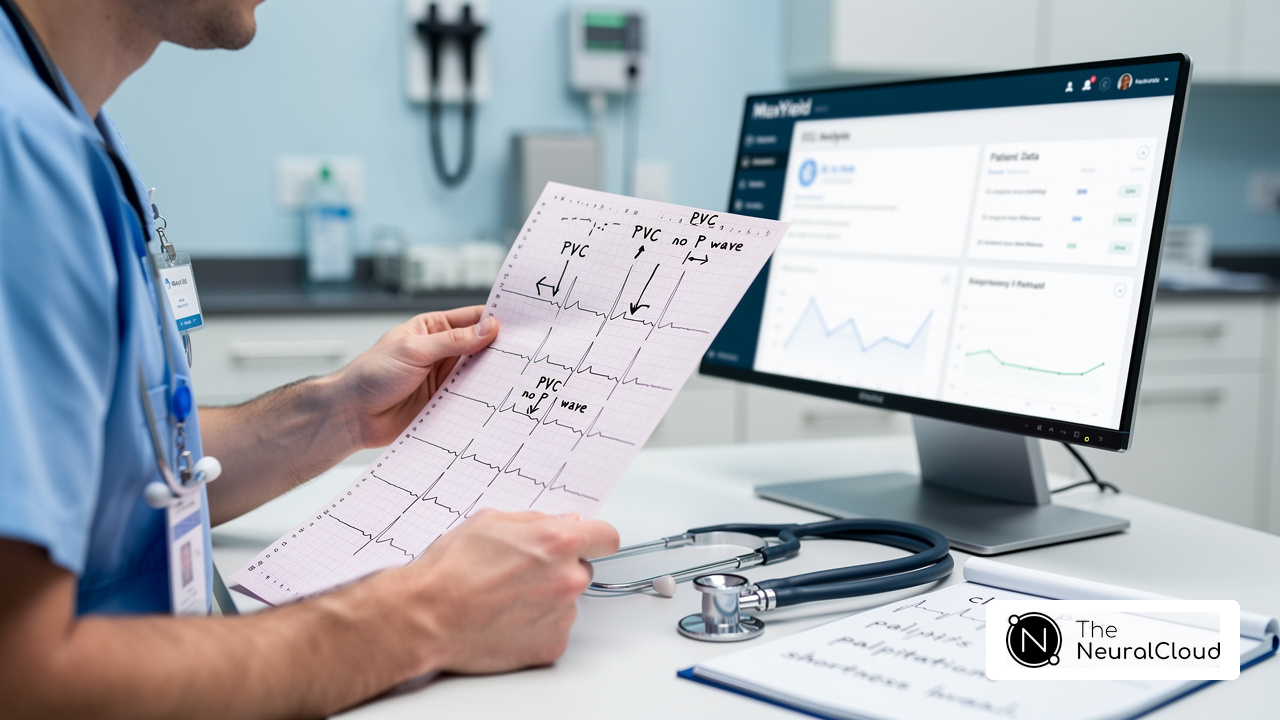
- ECG Readings: Continuous monitoring of ST-segment changes is crucial for diagnosing STEMI. Accurate ECG information must be captured and analyzed in real-time. The solution from Neural Cloud Solutions Inc. ensures hospital-grade ECG accuracy from consumer-grade devices, transforming noisy recordings into detailed insights.
- Patient History: Information regarding previous cardiac events, comorbidities, and medication history is essential for risk stratification and treatment planning.
- Time Stamps: Documenting the time of symptom onset, first medical contact, and treatment initiation is critical for evaluating the efficiency of care and adherence to guidelines.
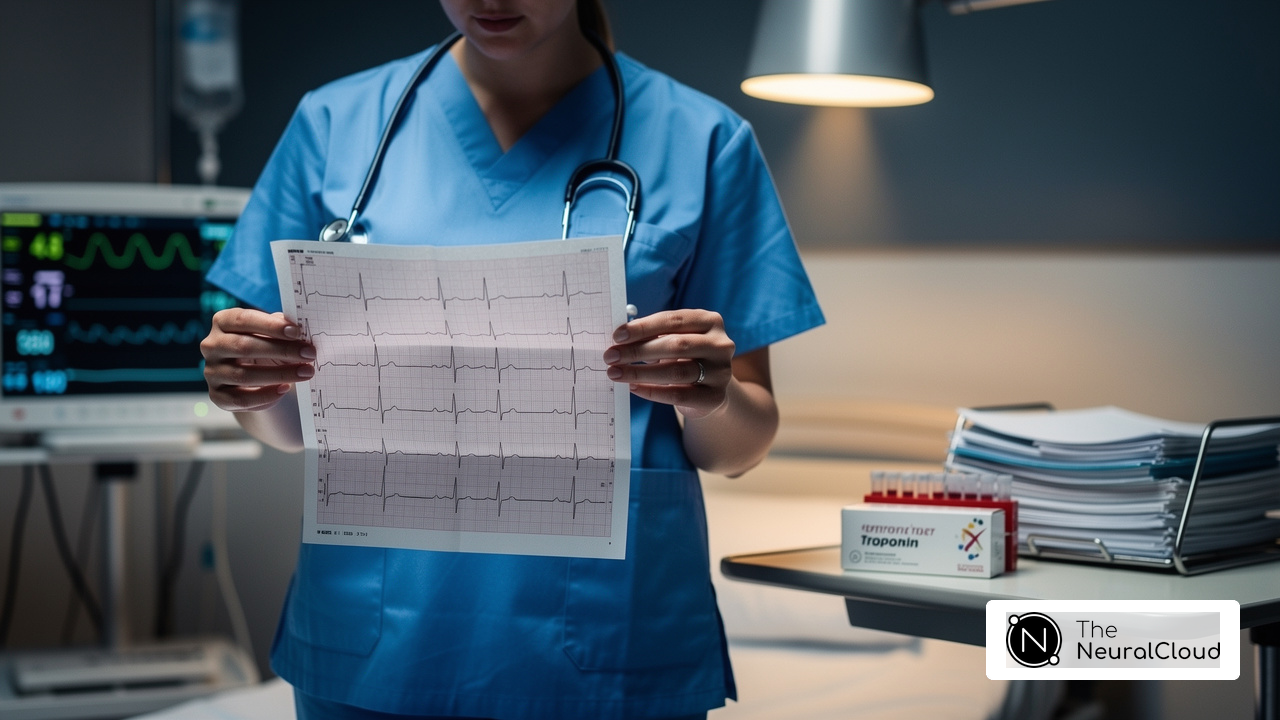
- Biomarkers: Data on cardiac biomarkers such as troponin levels can provide additional insights into myocardial injury and help guide treatment decisions.
- Intervention Data: Information on the type and timing of interventions (e.g., PCI, thrombolysis) is necessary for assessing treatment efficacy and outcomes.
Incorporating these information points into health tech solutions can enhance the accuracy of STEMI diagnosis and improve individual management. MaxYield™ offers advanced noise reduction and artifact handling capabilities. This ensures that the information is clear, supporting confident clinical decisions. As Dr. Alan Rabinowitz notes, "MaxYield’s precision rivals human interpretation, making it an invaluable tool for clinicians." Furthermore, the platform's FDA Class II SaMD clearance-pending status and audit-ready documentation support GxP inspections, ensuring compliance and reliability in clinical settings. For a deeper dive into how MaxYield can transform your approach to remote patient monitoring, consider reaching out to Neural Cloud Solutions Inc. for free trials or personalized walkthroughs.

Implement Best Practices for Data Integration
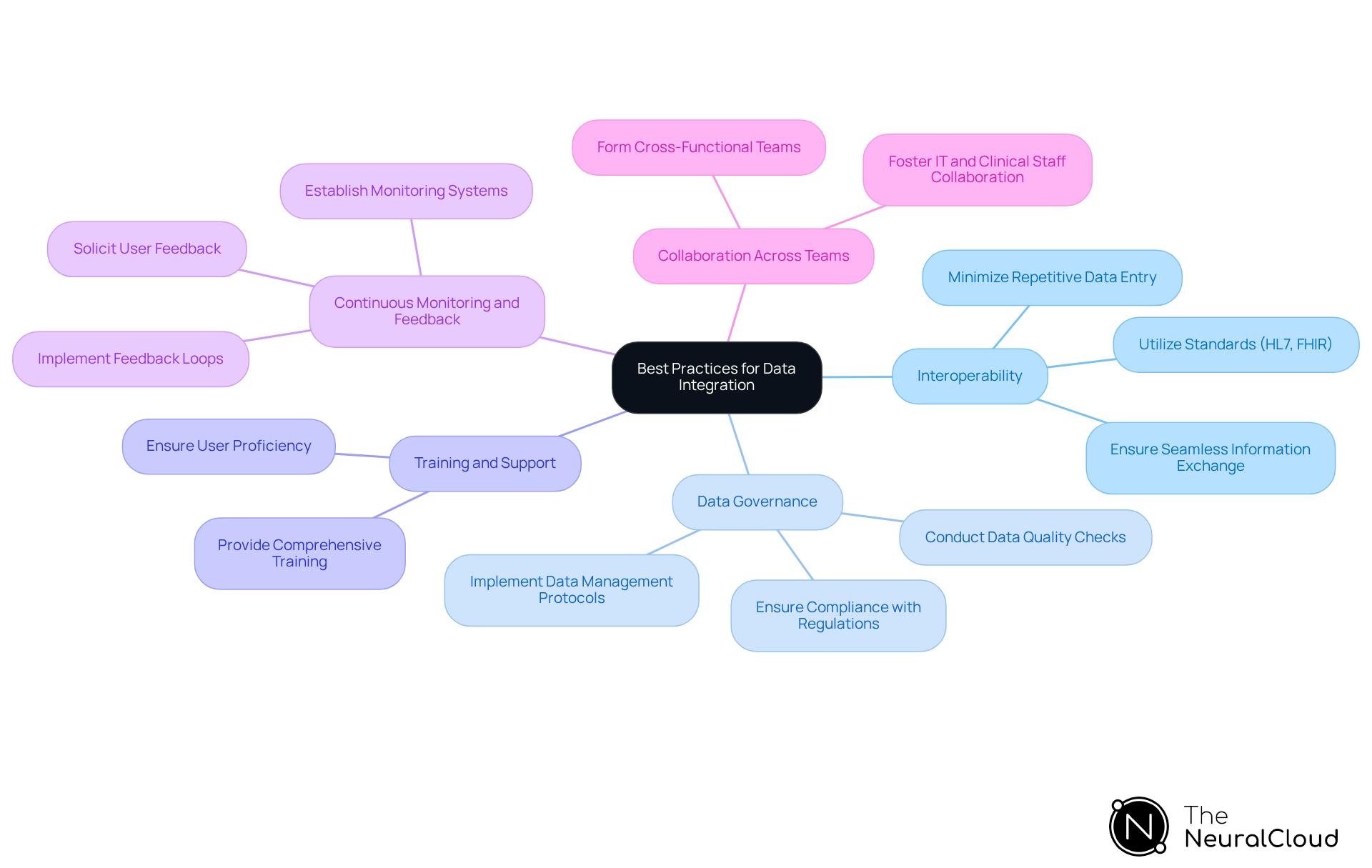
Integrating STEMI data into health tech solutions presents significant challenges that can hinder patient care and operational efficiency. To effectively navigate these complexities, consider the following best practices:
- Ensure Interoperability: Utilize established standards such as HL7 and FHIR to enable seamless information exchange across various systems and devices. This guarantees that essential information is easily obtainable when required, improving care by minimizing repetitive information entry and optimizing digital records.
- Data Governance: Implement clear protocols for data management, including rigorous data quality checks, robust security measures such as strong encryption, and compliance with healthcare regulations, including FDA Class II SaMD clearance-pending status. By doing this, we ensure that individual information remains secure and trustworthy, which is crucial for patient confidence.
- Training and Support: Provide comprehensive training for healthcare staff on the use of integrated systems. Ensuring that users are proficient in navigating the technology allows them to leverage it effectively in healthcare, ultimately improving outcomes and operational effectiveness.
- Continuous Monitoring and Feedback: Establish systems for ongoing monitoring of information integration processes and actively solicit feedback from users. This practice enables continuous improvement and adaptation to evolving needs, ensuring that the integration remains effective over time. Establishing feedback loops is crucial for this process.
- Collaboration Across Teams: Foster collaboration between IT, clinical staff, and management to ensure that all perspectives are considered in the integration process. Forming cross-functional integration teams can lead to more effective solutions and better alignment with organizational goals.
By following these best practices, healthcare organizations can enhance their integration efforts, and when combined with MaxYield™, this leads to improved STEMI management and better patient outcomes. Furthermore, incorporating this technology into your health tech solutions can significantly enhance ECG analysis efficiency. With its automated labeling and advanced noise reduction features, this system enables swift processing of ECG information, providing insights that compete with human interpretation. Specialists such as Dr. Alan Rabinowitz and Dr. Brett Heilbron stress that this system enhances diagnostic yield and also aids clinical decision-making by offering clear, actionable information. For organizations looking to streamline their ECG analysis, MaxYield™ offers a device-agnostic intelligence layer that integrates seamlessly into existing platforms via API, ensuring compliance with healthcare regulations and enhancing overall operational effectiveness. Additionally, Insight360 functions as a customizable visualization and reporting tool that converts MaxYield’s clean ECG information into interactive dashboards and clinical-ready reports. Ultimately, leveraging MaxYield™ can transform how healthcare organizations approach ECG analysis, leading to more accurate diagnoses and improved patient outcomes.
Leverage Advanced Technologies for Enhanced Data Analysis
Healthcare organizations encounter significant challenges in accurately diagnosing STEMI MI, which can delay critical interventions and negatively impact patient outcomes. To enhance data analysis in STEMI management, healthcare organizations should consider leveraging the following advanced technologies:
- Artificial Intelligence (AI): Implement AI algorithms to analyze ECG data and identify patterns indicative of STEMI. AI has demonstrated significant improvements in diagnostic accuracy, achieving a sensitivity of 92% and specificity of 81%, while reducing false positives to just 8%. This leads to more timely interventions and better patient outcomes. Neural Cloud Solutions Inc.'s platform exemplifies this by mapping ECG signals through noise, delivering beat-by-beat analysis of 200,000 heartbeats in under five minutes, which aids in identifying critical cardiac events. Additionally, MaxYield™ is pending FDA Class II SaMD clearance, ensuring regulatory compliance and audit-ready documentation.
- Machine Learning (ML): Utilize ML models to predict outcomes for individuals based on historical data. These models can assist in identifying high-risk individuals and customizing treatment plans accordingly, ensuring that interventions are both timely and effective. With each use, MaxYield™ learns and adapts, boosting diagnostic yield and accuracy in a way that feels intuitive for healthcare professionals.
- Big Data Analytics: Utilize big data analytics to combine and examine extensive volumes of individual records from diverse sources. This approach offers deeper insights into healthcare groups and treatment effectiveness, enabling providers to make informed decisions based on comprehensive data sets. MaxYield™ supports this by scaling clean signals across workflows.
- Real-Time Monitoring Tools: Use wearable technology and remote monitoring systems to continuously track patient vitals and ECG readings. This allows for immediate intervention when changes are detected, significantly improving the management of STEMI MI cases. The system integrates seamlessly as a device-agnostic ECG intelligence layer, enhancing real-time monitoring capabilities without requiring hardware changes.
- Information Visualization Tools: Implement advanced visualization tools like Insight360 to present information in an easily interpretable format. This can assist healthcare professionals in making swift choices based on intricate information sets, converting the clean ECG results into interactive dashboards and clinical-ready reports.
By utilizing these advanced technologies, including the innovative features of this system, healthcare organizations can significantly enhance their data analysis capabilities, leading to improved STEMI MI management and better patient outcomes. The integration of these advanced technologies not only streamlines ECG analysis but also empowers healthcare professionals to make informed decisions that can save lives.

Conclusion
Timely diagnosis of STEMI is crucial for improving patient outcomes and operational efficiency in healthcare settings. Advanced technologies like Neural Cloud Solutions Inc.'s MaxYield can transform the management of this serious condition. Innovative solutions enable healthcare professionals to improve diagnostic capabilities and provide prompt patient care.
Key insights discussed include:
- The importance of accurate ECG readings
- Comprehensive patient history
- The integration of advanced technologies such as AI and machine learning
Best practices for data integration include:
- Ensuring interoperability
- Establishing robust data governance
- Fostering collaboration among healthcare teams
These strategies not only streamline workflows but also enhance the quality of care provided to patients.
Ultimately, the integration of advanced health technologies and adherence to best practices in data management can significantly improve the diagnosis and treatment of STEMI. Embracing these innovations can lead to better patient outcomes and a significant reduction in morbidity and mortality rates.
Frequently Asked Questions
What is STEMI and why is it clinically significant?
STEMI, or ST-segment elevation myocardial infarction, is a serious type of heart attack characterized by a total blockage of a coronary artery, leading to significant myocardial ischemia. It poses challenges for healthcare professionals due to its high morbidity and mortality rates, with about 25% of all myocardial infarctions in Canada classified as STEMI.
How important is early treatment for STEMI?
Early treatment for STEMI is crucial as it can significantly enhance patient outcomes. Research, such as the AIR-STEMI trial, has shown that timely interventions, like functional coronary angiography, can reduce major cardiovascular events by 38% compared to traditional methods.
What role does MaxYield play in the management of STEMI?
MaxYield, developed by Neural Cloud Solutions Inc., facilitates swift diagnosis and treatment of STEMI by providing hospital-level ECG precision from consumer-grade devices. It delivers beat-by-beat analysis and isolates key features in every heartbeat, transforming noisy recordings into detailed insights that support confident clinical decisions.
How does MaxYield improve the workflow for healthcare providers?
MaxYield enhances workflow efficiency by significantly reducing noise in ECG recordings, which is essential for managing heart attack cases. Its precision rivals human interpretation, allowing healthcare providers to have reliable data for effective patient management.
What is the significance of understanding the pathophysiology of STEMI for healthcare professionals?
Understanding the pathophysiology of STEMI is vital for healthcare professionals as it informs the urgency of care and the need for innovative solutions that enhance workflows and improve patient management.
What advancements does MaxYield offer in terms of regulatory compliance?
MaxYield is pending FDA Class II SaMD clearance and offers audit-ready documentation for GxP inspections, which is crucial for healthcare providers in ensuring compliance and improving patient outcomes.
List of Sources
- Define STEMI and Its Clinical Significance
- Positive data revealed for patients with a heart attack and multivessel disease (https://escardio.org/news/press/press-releases/positive-data-revealed-for-patients-with-a-heart-attack-and-multivessel-disease)
- AIR-STEMI, PRESC1SE-MI and TARGET CTA Highlight Critical Care Cardiology Science - American College of Cardiology (https://acc.org/latest-in-cardiology/articles/2026/08/24/12/30/sat-11am-combo-ccc-esc-2026)
- COVID-19 and Severe Heart Attack Increase Mortality by 25% After One Year, More than Double Pre-Pandemic Rates | SCAI (https://scai.org/media-center/news-and-articles/covid-19-and-severe-heart-attack-increase-mortality-25-after-one)
- New Stemi-DTU Data Provides Deeper Insight Into Patient Outcomes | SCAI (https://scai.org/media-center/news-and-articles/new-stemi-dtu-data-provides-deeper-insight-patient-outcomes)
- Identify Key STEMI Data Points for Integration
- STEMI Systems of Care - MN Dept. of Health (https://health.state.mn.us/diseases/cardiovascular/stemicenters.html)
- theneuralcloud.com (https://theneuralcloud.com/post/best-practices-for-st-elevation-stemi-management-in-health-tech)
- AI improves STEMI diagnosis with ECG analysis | Zain Khalpey, MD, PhD, FACS posted on the topic | LinkedIn (https://linkedin.com/posts/khalpey-ai_ai-enabled-ecg-analysis-improves-diagnostic-activity-7390115425096888322-CeRm)
- Implement Best Practices for Data Integration
- Healthcare Data Integration Guide: Best Practices for 2025 - Pi Tech (https://pi.tech/blog/healthcare-data-integration-guide)
- The Hidden Impact of Healthcare's Lack of Interoperability | INFUSE (https://infuse.com/insight/hidden-impact-healthcare-lack-interoperability)
- The Connected Care for Canadians Act: an important step toward interoperability of health data - PMC (https://pmc.ncbi.nlm.nih.gov/articles/PMC11627560)
- Interoperable Exchange of Patient Health Information Among U.S. Hospitals: 2023 (https://healthit.gov/data/data-briefs/interoperable-exchange-patient-health-information-among-us-hospitals-2023)
- Will Healthcare Data Become Easier to Access in Canada? (https://medscape.com/viewarticle/will-healthcare-data-become-easier-access-canada-2026a100089q)
- Leverage Advanced Technologies for Enhanced Data Analysis
- New study finds AI model improves heart attack detection (https://health.ucdavis.edu/news/headlines/new-study-finds-ai-model-improves-heart-attack-detection/2025/11)
- AI-Based ECG Analysis Significantly Improves STEMI Detection, Reduces False Activations - American College of Cardiology (https://acc.org/latest-in-cardiology/articles/2025/10/24/16/56/tues-554pm-ai-tct-2025)
- Improving STEMI Outcomes with Artificial Intelligence (https://tricog.com/improving-stemi-outcomes-with-ai?srsltid=AU7gw4XCme4u5MbhxDpd9uupte2-F1ptoKZaos4oH3aCxGeYCKRh6-V9)
- AI-ECG Finds STEMI Faster, Cuts False-Positive Cath Lab Activations (https://tctmd.com/news/ai-ecg-finds-stemi-faster-cuts-false-positive-cath-lab-activations)