Introduction
Integrating new EKG software into healthcare settings offers a crucial opportunity to enhance patient care and improve operational efficiency. However, organizations face significant challenges during implementation, including ensuring compatibility with existing systems and effectively training staff on new technologies.
How can healthcare organizations navigate these complexities to fully leverage advanced EKG solutions? This article will explore four best practices that streamline the integration process and promote a culture of continuous improvement. By doing so, both staff and patients can benefit from the latest advancements in EKG technology.
Assess Existing Systems and Define Integration Requirements
Before introducing new EKG software, a thorough evaluation of current setups is essential. This assessment should encompass existing hardware, applications, and workflows to identify potential issues during integration. Key steps include:
- Inventory: Document all existing EKG equipment, applications, and data management structures to gain a clear understanding of the current landscape.
- Identify Integration Points: Determine how the new application will interact with current infrastructures, including other diagnostic tools. This is crucial for seamless data flow. The integration team can facilitate this process by ensuring compatibility with various systems.
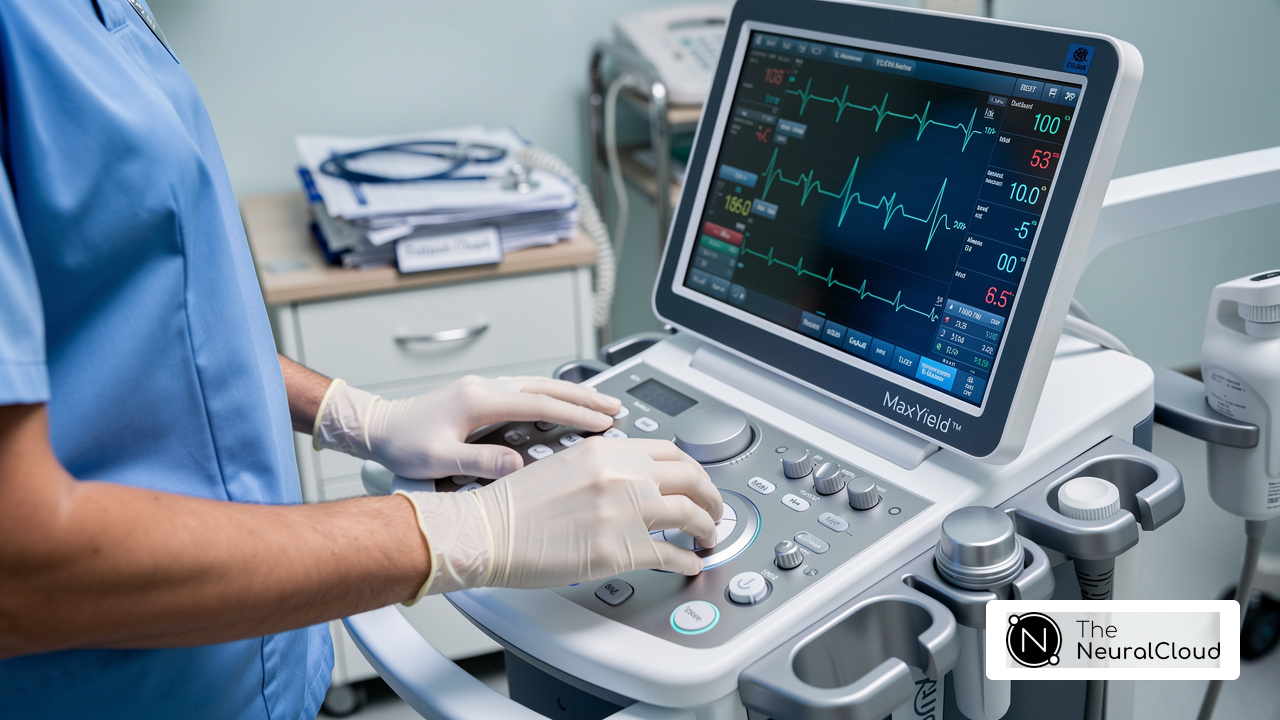
- Define Requirements: Collaborate with stakeholders to outline specific needs, such as data formats, communication protocols, and user access levels. This ensures all parties are aligned. Leveraging MaxYield™'s features, along with its data wall feature, can streamline these requirements, enhancing the clarity and usability of ECG data.
- Assess Capabilities: Evaluate the technical abilities of current setups to confirm they can support the new application's functionalities. This is vital for avoiding operational disruptions.
By adhering to these steps, healthcare organizations can significantly reduce disruptions and facilitate a successful implementation. This ultimately enhances the efficiency and accuracy of EKG software for analysis. Importantly, a considerable percentage of healthcare organizations encounter challenges, highlighting the necessity of comprehensive preparation and planning.

Implement Comprehensive Training Programs for Staff
To fully harness the benefits of new EKG technology, it's crucial to implement comprehensive training programs for all staff members who interact with the system. Effective training should include the following elements:
- Develop sessions that address the specific needs of various roles, such as nurses, technicians, and administrative staff. This ensures that each group receives relevant information tailored to their responsibilities.
- Integrate hands-on practice within the program, allowing individuals to explore the system's features and functionalities in a controlled environment. This approach fosters familiarity and builds confidence.
- Create a continuous education program that offers regular updates on system enhancements and best practices for EKG usage. This keeps staff informed and skilled in effectively utilizing the tools.
- Establish channels for staff to provide feedback on the training process. This enables adjustments and improvements based on user experiences and needs.
By investing in these comprehensive training strategies, healthcare organizations can significantly enhance staff competency. This leads to more accurate EKG interpretations and ultimately improves patient outcomes.

Establish Continuous Monitoring and Evaluation Protocols
To ensure the long-term success of EKG system implementation, establishing protocols is crucial. Key components include:
- Performance Indicators: Define key performance indicators (KPIs) to assess the application's effectiveness. Metrics such as the response time, client satisfaction rates, and time savings in analysis are essential for gauging performance.
- Regular Audits: Conduct regular audits to identify discrepancies and areas for improvement. This proactive approach helps maintain high standards and addresses potential issues before they escalate.
- User Feedback Collection: Implement a user feedback collection process on the application's functionality and usability. This permits continual modifications based on practical experiences, ensuring the application remains user-friendly and effective.
- Adaptation to Changes: Stay informed about industry trends and incorporate new features or updates into the existing system. This adaptability enhances the system's capabilities and ensures it meets evolving clinical needs.
By establishing these protocols, healthcare organizations can ensure that their EKG systems continue to meet operational demands and provide quality care.

Incorporate User Feedback for Continuous Improvement
To foster a culture of continuous improvement, feedback from individuals into the process is essential. Here are effective strategies to achieve this:
- Feedback Surveys: Regularly distribute surveys to gather insights on user experience. Focus on usability, functionality, and areas for enhancement. Notably, studies show that 72% of cardiology-related applications actively seek input from users during testing, underscoring the vital role of user feedback.
- Focus Groups: Organize focus groups with diverse representatives to discuss their experiences and collect qualitative feedback on the application's performance. Engaging participants in this way can lead to better alignment with their needs and expectations.
- Agile Methodology: Adopt an agile strategy that allows for the swift implementation of client suggestions, ensuring the application evolves according to user requirements. As Anna-Lena Frey notes, health applications that involve participants during testing have significantly higher chances of meeting evidence requirements, highlighting the importance of user involvement.
- Communication: Maintain open channels of dialogue with participants regarding how their feedback is utilized. This promotes a sense of ownership and involvement in the application's development, which can enhance customer satisfaction and confidence.
By actively incorporating feedback from patients, healthcare organizations can enhance the effectiveness of the EKG software, which leads to improved clinical outcomes and greater patient satisfaction. For example, a study on software development found that projects from Denmark had the highest reported user inclusion during development at 79%, illustrating the positive impact of user engagement on software quality.

Conclusion
Successfully implementing EKG software requires a strategic approach that includes thorough assessment, comprehensive training, continuous monitoring, and active user engagement. By prioritizing these best practices, healthcare organizations can enhance operational efficiency and significantly improve patient care outcomes.
Key strategies include:
- Evaluating existing systems to identify integration requirements
- Implementing tailored training programs for staff
- Establishing robust monitoring protocols to ensure ongoing effectiveness
Additionally, incorporating user feedback into the development process fosters a culture of continuous improvement, ensuring that the software evolves to meet user needs.
Ultimately, the successful deployment of EKG software hinges on careful planning and execution. By embracing these best practices, healthcare providers can navigate common challenges, optimize technology investments, and enhance the quality of care delivered to patients. Taking these steps is not just about adopting new technology; it is about committing to a future where patient outcomes are at the forefront of healthcare innovation.
Frequently Asked Questions
Why is it important to assess existing systems before introducing new EKG software?
Assessing existing systems is crucial to identify potential compatibility issues during integration, ensuring a smooth transition and minimizing operational disruptions.
What are the key steps involved in evaluating current setups for EKG software integration?
Key steps include inventorying current frameworks, identifying integration points, defining requirements, and assessing technical capabilities.
What should be documented during the inventory of current frameworks?
All existing EKG equipment, applications, and data management structures should be documented to gain a clear understanding of the current landscape.
How can the new EKG application interact with existing infrastructures?
The new application should be assessed for its interaction with current infrastructures, including electronic health records (EHR) and other diagnostic tools, to ensure seamless data flow.
What role does the MaxYield™ platform play in the integration process?
The MaxYield™ platform facilitates integration by ensuring compatibility with various data formats and communication protocols, as well as providing automated signal processing and noise filtering.
How can stakeholders contribute to defining integration requirements?
Stakeholders can collaborate to outline specific integration requirements such as data formats, communication protocols, and user access levels to ensure alignment among all parties.
Why is it necessary to assess the technical capabilities of current setups?
Evaluating the technical capabilities is vital to confirm that current setups can support the new application's functionalities, preventing operational disruptions.
What common challenges do healthcare organizations face when integrating new EKG software?
A considerable percentage of healthcare organizations encounter compatibility challenges with new EKG software, highlighting the need for comprehensive preparation and planning.
List of Sources
- Assess Existing Systems and Define Integration Requirements
- statsndata.org (https://statsndata.org/report/electrocardiograph-ecg-analysis-software-market-274596)
- gehealthcare.com (https://gehealthcare.com/insights/article/why-ecg-integration-in-the-emr-is-a-critical-healthcare-technology-solution?srsltid=AfmBOopW0GRLsRxyFQv1h716WiyzaIkINCRPoqI1AZ9leSXeB5Aw-13w)
- htfmarketinsights.com (https://htfmarketinsights.com/report/4424011-electrocardiograph-ecg-analysis-software-market)
- Artificial Intelligence and ECG: A New Frontier in Cardiac Diagnostics and Prevention - PMC (https://pmc.ncbi.nlm.nih.gov/articles/PMC12292989)
- datainsightsmarket.com (https://datainsightsmarket.com/reports/ecg-monitor-with-patch-991564)
- Implement Comprehensive Training Programs for Staff
- The Future of EKG Technician Careers and Training Importance (https://elitemedacademy.com/the-future-of-ekg-technician-careers-and-training-importance)
- elearningindustry.com (https://elearningindustry.com/healthcare-training-programs-transforming-workforce-readiness)
- thehealthcareexecutive.net (https://thehealthcareexecutive.net/blog/healthcare-workforce-training-development-2024)
- Mastering EKG Training: Essential Skills for Healthcare Providers (https://americanmedicalcompliance.com/general/mastering-ekg-training-essential-skills-for-healthcare-providers)
- Establish Continuous Monitoring and Evaluation Protocols
- New Clinical Trial Finds Human Oversight ECG Monitors Outperform AI-Dependent Monitoring - HRS (https://hrsonline.org/news/human-oversight-ecg-monitors-outperform-ai-dependent-monitoring)
- FDA clears new suite of ECG evaluation tools (https://cardiovascularbusiness.com/topics/cardiac-imaging/electrocardiography-ecg/fda-clears-new-suite-ecg-evaluation-tools)
- AccurKardia wins FDA clearance for next-generation ECG analysis system | Medical Economics (https://medicaleconomics.com/view/accurkardia-wins-fda-clearance-for-next-generation-ecg-analysis-system)
- New AI Tool Identifies Risk of Future Heart Failure (https://medicine.yale.edu/news-article/new-ai-tool-identifies-risk-of-future-heart-failure)
- Incorporate User Feedback for Continuous Improvement
- researchdesignreview.com (https://researchdesignreview.com/2024/07/22/user-feedback-software-development-practical-application-tqf)
- medcitynews.com (https://medcitynews.com/2024/09/how-data-feedback-can-aid-patient-experience-in-healthcare)
- mhealth.jmir.org (https://mhealth.jmir.org/2023/1/e46937)
- The Impact of Information Technology on Patient Engagement and Health Behavior Change: A Systematic Review of the Literature - PMC (https://pmc.ncbi.nlm.nih.gov/articles/PMC4742621)
- Inspiring Quotes for Software Developers - Kartaca (https://kartaca.com/en/inspiring-quotes-for-software-developers)