Introduction
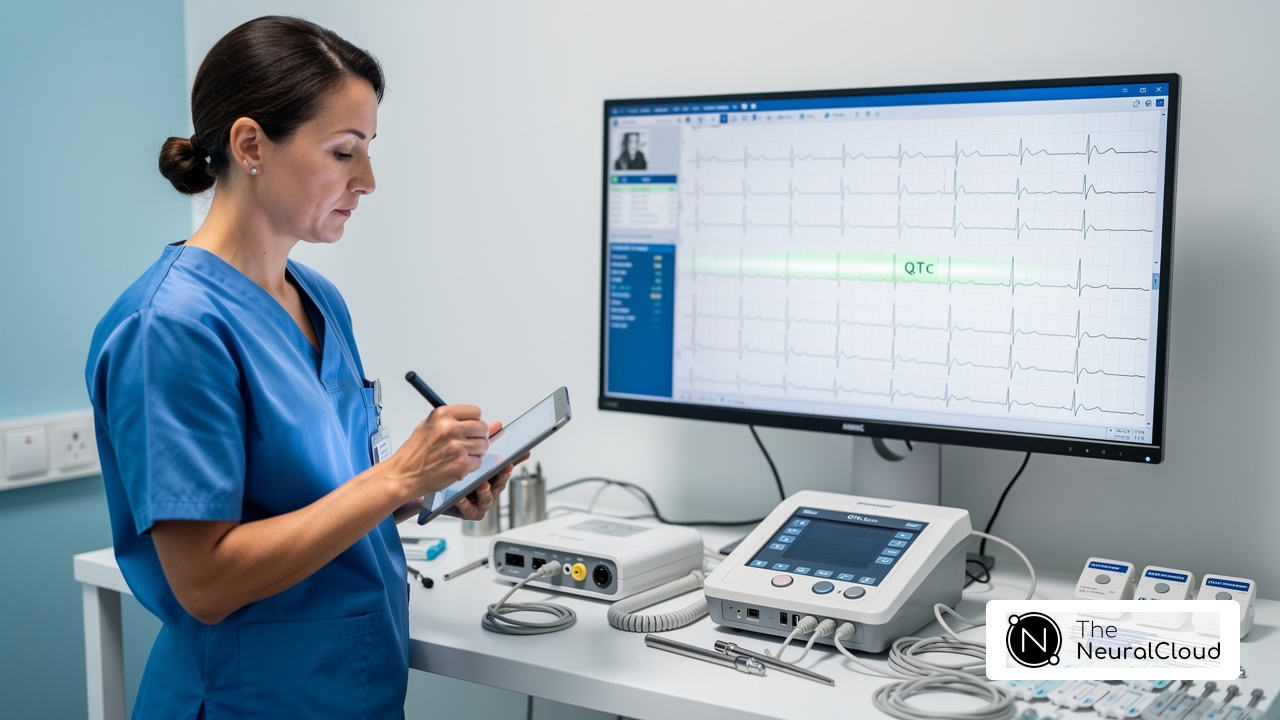
The landscape of cardiac diagnostics is facing significant challenges, particularly in the realm of ECG analysis. Healthcare professionals often encounter difficulties in detecting critical changes that may signal serious conditions, such as STEMI. Elevated ST analysis is emerging as a solution to these challenges, offering advanced tools that enhance diagnostic capabilities. By utilizing sophisticated algorithms and automation, platforms like MaxYield™ are transforming how ECG changes are interpreted, leading to more accurate assessments.
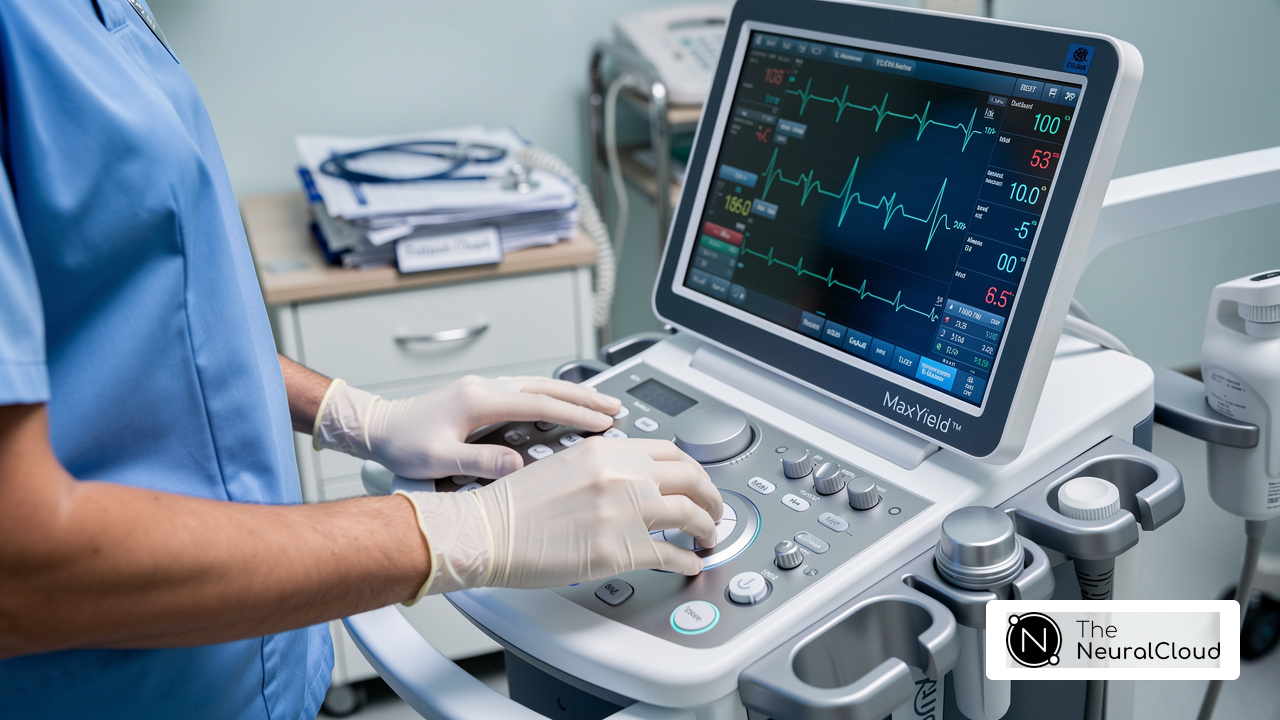
MaxYield™ stands out with its innovative features designed to improve ECG analysis. The platform employs advanced algorithms that automatically detect and analyze ST segment changes, significantly reducing the time required for interpretation. This automation not only enhances diagnostic accuracy but also minimizes the potential for human error, a common issue in manual analysis. As a result, healthcare professionals can rely on MaxYield™ to provide timely and precise information, which is crucial for effective patient care.
The advantages of using MaxYield™ extend beyond just improved accuracy. By streamlining workflows, the platform allows healthcare providers to focus more on patient interactions rather than time-consuming analysis. This efficiency translates into better patient outcomes, as timely interventions can be made based on accurate ECG readings. Furthermore, the integration of such technology supports healthcare professionals in navigating the complexities of elevated ST analysis, ensuring they can deliver the best possible care to their patients.
As the integration of elevated ST analysis technologies becomes more prevalent, healthcare providers must consider how to effectively implement these solutions. The ability to harness the power of platforms like MaxYield™ can significantly enhance diagnostic processes, ultimately leading to improved patient care. By embracing these advancements, healthcare professionals can ensure they are well-equipped to address the challenges of cardiac diagnostics.
Enhance Diagnostic Accuracy with Elevated ST Analysis
Elevated ST evaluation is crucial for enhancing diagnostic accuracy, enabling healthcare professionals to make informed decisions, particularly in emergency situations. Traditional ECG analysis can be challenging due to the complexity of interpreting these changes, which often requires extensive training and experience.
The solution, developed by Neural Cloud Solutions, addresses these challenges by utilizing advanced algorithms that automatically detect critical alterations in ECG readings. This significantly reduces the need for manual interpretation, thereby minimizing human error and expediting the diagnostic process. As a result, healthcare professionals can rely on more consistent and accurate evaluations, ultimately leading to improved patient care.
For example, the AI model known as 'Queen of Hearts' has shown remarkable performance, achieving a sensitivity of 92% in detecting STEMIs compared to just 71% with standard care. Additionally, it has reduced false-positive alerts from 41.8% to 7.9%. These advancements underscore the significant benefits of AI technologies in clinical settings, as cardiologists can identify true heart attacks earlier, improving treatment outcomes.
Moreover, the recent FDA approval for AI-powered ECG assessments highlights the growing integration of AI technologies in clinical practice. The model's continuous learning model further enhances ECG evaluation precision and efficiency over time, ensuring that healthcare professionals are equipped with the best tools for accurate diagnosis.
Key Features of the Model:
- Continuous learning model for improved accuracy over time
Advantages for Healthcare Professionals:
- Reduced reliance on manual interpretation
- Faster diagnostic processes leading to better patient outcomes
In summary, the technology not only simplifies ECG analysis but also empowers healthcare professionals to deliver timely and effective care.
Improve Patient Outcomes through Timely Interventions
poses significant challenges for healthcare providers, especially in their ability to respond swiftly to patient needs. Alert systems are essential in this context, as they facilitate immediate alerts upon detecting elevated ST. This capability allows clinicians to initiate treatment without delay, which is crucial since it is associated with acute heart events.
The solution by Neural Cloud Solutions addresses these challenges effectively. It automates ECG analysis, delivering beat-by-beat insights while filtering out noise to provide clear data sets. This system processes 200,000 heartbeats in less than 5 minutes, enabling medical professionals to focus on delivering high-quality care. The features of MaxYield™ include:
- Algorithms for rapid insights
- Noise filtering for clearer data
- Fast processing of large volumes of heartbeats
These features translate into significant advantages for healthcare providers. By using MaxYield™, MaxYield™ empowers clinicians to make informed decisions quickly. As the healthcare landscape evolves, the emphasis on timely interventions, supported by innovative solutions like MaxYield™, will be vital in shaping effective responses to acute heart situations, ultimately improving patient outcomes.
Moreover, with 94% of doctors believing that prior authorization hinders necessary treatment, addressing these systemic obstacles is crucial for ensuring prompt interventions in heart care. The integration of advanced technologies like MaxYield™ not only enhances the efficiency of healthcare delivery but also plays a pivotal role in overcoming barriers to patient care.
Identify Subtle Cardiac Events with Advanced Analysis
Advanced ST analysis techniques leverage machine learning algorithms to identify subtle heart events that standard ECG interpretations might overlook, particularly in cases of arrhythmias. These algorithms enhance the sensitivity of ECG systems, enabling early detection. This capability is vital in critical care, where timely interventions can significantly improve management and treatment outcomes.
For example, a recent study at UC Davis Medical Center showcased that an AI model surpassed traditional methods that detected only 427 cardiac events. Additionally, the AI model reduced false positives from nearly 42% to about 8%, highlighting its effectiveness in triaging critical conditions. Such advancements streamline workflows and empower medical professionals to make informed decisions quickly, ultimately enhancing patient care.
The system features a continuous learning model that further boosts its accuracy and efficiency, adapting to new data and improving diagnostic capabilities over time. Moreover, the technology ensures clarity in readings, even under challenging conditions, making it an invaluable tool in emergency cardiovascular care.
- Machine learning algorithms for enhanced detection
- Continuous learning model for improved accuracy
- Advanced algorithms for clarity in readings
Advantages for Healthcare Professionals:
- Early detection of cardiac anomalies
- Streamlined workflows for efficient decision-making
In summary, the technology not only addresses the challenges in ECG analysis but also provides significant benefits that enhance patient care in emergency situations.
Streamline ECG Interpretation Processes for Healthcare Providers
Automating the detection and labeling of changes in heart rhythm during ECG evaluation addresses significant challenges in interpretation processes. This innovation not only improves accuracy but also reduces the cognitive load on medical providers. As a result, healthcare professionals can concentrate on essential clinical decision-making rather than being overwhelmed by manual data evaluation.
MaxYield™ exemplifies this advancement by offering automated ECG analysis. It captures recordings effortlessly from any 1-lead or 3-lead device. By seamlessly integrating these automated systems into existing workflows, medical facilities can enhance operational efficiency and elevate the overall quality of patient care.
The benefits of adopting technology with elevated ST analysis are evident. Statistics indicate a remarkable improvement in workflow efficiency, with studies showing a reduction in interpretation time. Additionally, there is a notable increase in diagnostic confidence. Dr. Anthony H Kashou highlights this, stating, "The inclusion of the CEI was associated with a significant improvement in interpretation accuracy, efficiency, and confidence."
As we look ahead to 2026, the healthcare industry will further explore these advancements. This promises to enhance patient care and solidify its role as a vital tool in contemporary healthcare.

Reduce False Positives and Negatives in ECG Readings
specifically addresses significant challenges in ECG readings, particularly in minimizing false positives and negatives. By utilizing algorithms that carefully analyze patterns and trends in the data, developers can create systems that accurately differentiate between genuine heart events and benign variations. This capability enhances diagnostic accuracy and patient safety, ultimately improving patient outcomes.
For example, recent studies indicate that advanced systems can detect true STEMIs with a high sensitivity, while maintaining a specificity of 79% for non-STEMIs, especially in cases of elevated ST. These advancements are essential for refining ECG interpretation, as they adapt to the complexities of heart signals. This ensures that medical professionals can make informed decisions based on reliable data.
Cardiologists have noted that advancements in algorithmic evaluation are reshaping cardiac care. The continuous innovation in this field is crucial for enhancing the accuracy of ECG readings, which directly benefits healthcare providers by providing them with the tools needed to deliver better patient care.

Integrate Seamlessly with Existing Healthcare Technologies
The integration tackles significant challenges in healthcare by seamlessly integrating with existing medical technologies, including monitoring devices and telemetry systems. This is crucial because it allows clinicians to access vital ECG data alongside other patient information, facilitating better patient care. In 2023, 70% of hospitals routinely participated in all four areas of interoperability, underscoring the growing emphasis on integrated medical solutions.
The platform prioritizes user experience, significantly enhancing usability across various platforms. This promotes widespread adoption in clinical environments. For instance, hospitals that engage in interoperability report improved patient outcomes, which is essential for informed decision-making. As the medical landscape evolves, the focus on accessibility in elevated ST ECG data access and utilization, ensuring that providers can deliver timely and effective care.
Support Continuous Monitoring and Long-Term Patient Management
The evaluation of elevated ST analysis is crucial for ongoing monitoring, allowing healthcare providers to effectively track patients' heart health over extended periods. This capability is particularly beneficial for individuals with chronic conditions, as it enables the early detection of significant changes that may require timely intervention. By implementing systems designed for patient monitoring, such as Neural Cloud Solutions' technology, developers can significantly improve patient care management, ultimately leading to better health outcomes.
MaxYield™ harnesses advanced AI technology to convert lengthy and noisy ECG recordings into actionable insights. This transformation ensures clarity and speed in ambulatory care, addressing a common challenge in ECG interpretation. Current data from the mSToPS clinical trial reveals that the elevated ST continuous ECG monitoring markedly enhances diagnostic accuracy. Specifically, studies indicate a 17.9% increase in detection within 30 days post-discharge compared to traditional methods.
Healthcare professionals, including Dr. Atul Verma, stress the importance of consistent monitoring for proactive management. This reinforces the necessity for solutions like MaxYield™, which support sustained patient engagement and monitoring. Furthermore, the healthcare technology market is projected to expand from $2.6 billion in 2022 to $3.3 billion by 2026, underscoring the growing demand for innovative monitoring solutions.

Conclusion
Elevated ST analysis marks a significant leap forward in health technology, especially in the field of ECG diagnostics. By utilizing advanced algorithms and automation, platforms like MaxYield™ enhance the accuracy and efficiency of cardiac evaluations. This leads to improved patient outcomes, as the innovative approach simplifies the interpretation of complex ECG data. Healthcare professionals can make informed decisions swiftly, ultimately enhancing the overall quality of care.
Key benefits of elevated ST analysis include:
- Enhanced diagnostic accuracy
- Timely interventions
- The ability to detect subtle cardiac events that traditional methods might overlook
The integration of advanced technologies allows for real-time monitoring, reducing false positives and negatives. This ensures that clinicians can concentrate on delivering effective care. Additionally, seamless interoperability with existing healthcare systems boosts the usability and accessibility of vital ECG data, promoting better patient management strategies.
In a time when timely and precise cardiac care is essential, embracing elevated ST analysis is crucial for healthcare providers. By adopting innovative solutions like MaxYield™, the medical community can improve diagnostic processes and pave the way for a future where patient health is prioritized through continuous monitoring and proactive management. The ongoing evolution of health technology highlights the importance of such advancements, making it vital for stakeholders to invest in and advocate for these essential tools in cardiac diagnostics.
Frequently Asked Questions
What is the importance of elevated ST analysis in diagnosing cardiac conditions?
Elevated ST analysis is crucial for enhancing diagnostic accuracy, allowing healthcare professionals to detect subtle ECG changes that may indicate serious cardiac conditions, particularly ST-elevation myocardial infarction (STEMI).
How does MaxYield™ improve the analysis of ECG readings?
MaxYield™ utilizes advanced algorithms to automatically detect critical alterations in ECG readings, significantly reducing the need for manual interpretation, minimizing human error, and expediting the diagnostic process.
What performance improvements does the AI model 'Queen of Hearts' provide in detecting STEMIs?
The 'Queen of Hearts' AI model achieves a sensitivity of 92% in detecting STEMIs, compared to 71% with standard care, and reduces false-positive alerts from 41.8% to 7.9%.
What recent development highlights the integration of AI in ECG assessments?
The recent FDA approval for AI-powered ECG assessments underscores the growing integration of AI technologies in clinical practice.
What are the key features of MaxYield™?
Key features of MaxYield™ include advanced algorithms for automatic detection of ECG changes, a continuous learning model for improved accuracy over time, and FDA-approved AI-powered assessments.
What advantages does MaxYield™ offer healthcare professionals?
MaxYield™ reduces reliance on manual interpretation, minimizes human error, and leads to faster diagnostic processes, ultimately resulting in better patient outcomes.
How does real-time monitoring enhance patient care in the context of elevated ST analysis?
Real-time monitoring systems facilitate immediate alerts upon detecting elevated ST, allowing clinicians to initiate treatment without delay, which is crucial in reducing morbidity and mortality rates associated with acute heart events.
What processing capabilities does MaxYield™ offer for ECG analysis?
MaxYield™ automates ECG analysis, delivering beat-by-beat insights while filtering out noise and processing 200,000 heartbeats in less than 5 minutes, enabling medical professionals to focus on high-quality care.
How does MaxYield™ help overcome barriers to timely treatment in heart care?
By enhancing diagnostic accuracy and streamlining workflows, MaxYield™ empowers clinicians to make informed decisions quickly, addressing systemic obstacles that hinder necessary treatment.
List of Sources
- Enhance Diagnostic Accuracy with Elevated ST Analysis
- pubmed.ncbi.nlm.nih.gov (https://pubmed.ncbi.nlm.nih.gov/38382857)
- AI-Based ECG Analysis Significantly Improves STEMI Detection, Reduces False Activations - American College of Cardiology (https://acc.org/latest-in-cardiology/articles/2025/10/24/16/56/tues-554pm-ai-tct-2025)
- AI dramatically improves the detection of severe heart attacks (https://cardiovascularbusiness.com/topics/artificial-intelligence/ai-dramatically-improves-detection-severe-heart-attacks)
- AI-driven ECG improves detection of severe heart attacks (https://news-medical.net/news/20251029/AI-driven-ECG-improves-detection-of-severe-heart-attacks.aspx)
- New study finds AI model improves heart attack detection (https://health.ucdavis.edu/news/headlines/new-study-finds-ai-model-improves-heart-attack-detection/2025/11)
- Improve Patient Outcomes through Timely Interventions
- medicaldevice-network.com (https://medicaldevice-network.com/news/alivecor-fda-nod-kardia-system)
- 30 Quotes About the Future of Healthcare: Expert Takes (https://deliberatedirections.com/quotes-future-of-healthcare)
- heartrhythmjournal.com (https://heartrhythmjournal.com/article/S1547-5271(25)02969-8/fulltext)
- Identify Subtle Cardiac Events with Advanced Analysis
- New study finds AI model improves heart attack detection (https://health.ucdavis.edu/news/headlines/new-study-finds-ai-model-improves-heart-attack-detection/2025/11)
- Streamline ECG Interpretation Processes for Healthcare Providers
- Checking your browser - reCAPTCHA (https://pmc.ncbi.nlm.nih.gov/articles/PMC10800643)
- Queen of Hearts AI Hits 92% STEMI Accuracy (https://powerfulmedical.com/blog/pmcardio-reports-positive-rct-results-and-late-breaking-clinical-science-for-stemi-detection)
- AccurKardia wins FDA clearance for next-generation ECG analysis system | Medical Economics (https://medicaleconomics.com/view/accurkardia-wins-fda-clearance-for-next-generation-ecg-analysis-system)
- AI-driven ECG improves detection of severe heart attacks (https://news-medical.net/news/20251029/AI-driven-ECG-improves-detection-of-severe-heart-attacks.aspx)
- New Data Show Viz.ai’s AI-Enabled ECG Screening Increases Detection and Accelerates Diagnosis of Hypertrophic Cardiomyopathy (https://hmpgloballearningnetwork.com/site/eplab/news/new-data-show-vizais-ai-enabled-ecg-screening-increases-detection-and-accelerates)
- Reduce False Positives and Negatives in ECG Readings
- ahajournals.org (https://ahajournals.org/doi/10.1161/JAHA.113.000268)
- AI-based ECG model linked to reduction in false positives for heart attack (https://healio.com/news/cardiology/20251030/aibased-ecg-model-linked-to-reduction-in-false-positives-for-heart-attack)
- pubmed.ncbi.nlm.nih.gov (https://pubmed.ncbi.nlm.nih.gov/34571467)
- AI-driven ECG improves detection of severe heart attacks (https://news-medical.net/news/20251029/AI-driven-ECG-improves-detection-of-severe-heart-attacks.aspx)
- Integrate Seamlessly with Existing Healthcare Technologies
- 30+ US Electronic Health Records (EHR) Adoption Statistics for 2026 (https://aptarro.com/insights/us-ehr-adoption-statistics)
- prnewswire.com (https://prnewswire.com/news-releases/american-college-of-lifestyle-medicine-announces-integration-of-first-set-of-lifestyle-behavior-assessment-tools-into-epic-electronic-health-records-302454020.html)
- statista.com (https://statista.com/topics/10863/healthcare-interoperability?srsltid=AfmBOoqggmQPGHJGxnzLvESXOq8wgplHDc9D9thH6IRckha0GeRKA1qy)
- Interoperable Exchange of Patient Health Information Among U.S. Hospitals: 2023 - ASTP Health IT Data Brief - NCBI Bookshelf (https://ncbi.nlm.nih.gov/books/NBK606033)
- Interoperability 2026: Are We FHIRed Up Yet? (https://abouthealthcare.com/industry-news/interoperability-2026-are-we-fhired-up-yet)
- Support Continuous Monitoring and Long-Term Patient Management
- irhythmtech.com (https://irhythmtech.com/us/en/who-we-are/news-events)
- parade.com (https://parade.com/1187612/michelle-parkerton/quotes-about-heart-disease)
- Philips Unveils Smart Telemetry Platform for Continuous Cardiac Monitoring (https://dicardiology.com/content/philips-unveils-smart-telemetry-platform-continuous-cardiac-monitoring)
- jamanetwork.com (https://jamanetwork.com/journals/jamanetworkopen/fullarticle/2783545)
- iRhythm Unveils New Data Demonstrating Benefits of Long-Term Continuous Monitoring for Arrhythmia Detection (https://dicardiology.com/content/irhythm-unveils-new-data-demonstrating-benefits-long-term-continuous-monitoring-arrhythmia)