Introduction
Many healthcare professionals struggle to pinpoint subtle heart failure indicators on EKGs, risking delayed interventions. However, with the advent of advanced technologies like MaxYield™, clinicians can enhance their diagnostic accuracy. How can clinicians effectively recognize these EKG abnormalities, and what role do emerging technologies play in transforming cardiac care? In this article, we’ll dive into nine critical EKG signs that indicate heart failure, shedding light on their significance and the innovative tools that support accurate diagnosis.
Neural Cloud Solutions: Enhancing EKG Accuracy for Heart Failure Detection
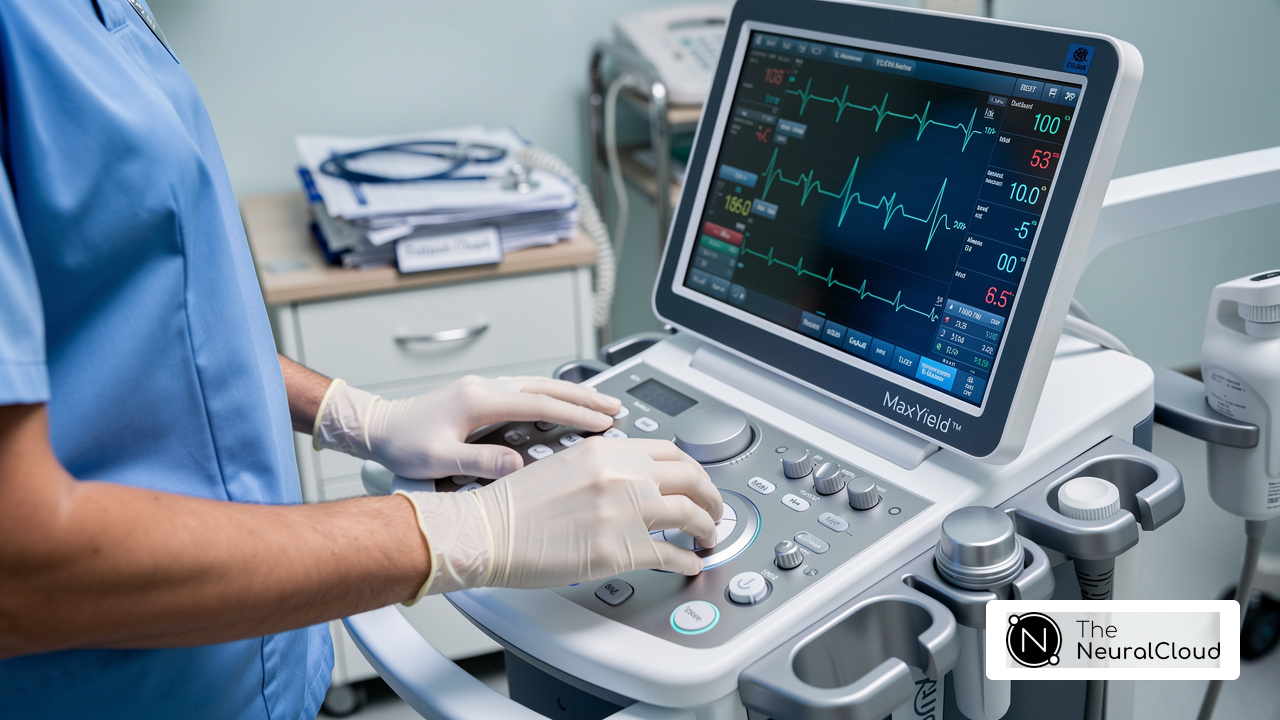
Traditional ECG analysis often faces challenges in accuracy and efficiency, hindering timely cardiac care. Neural Cloud Solutions utilizes advanced AI-driven technologies to improve the precision of EKG readings, especially in identifying cardiac issues. Their flagship product, MaxYield, employs patented signal mapping algorithms to clean and isolate noisy ECG signals, resulting in high-fidelity cardiac data. This technology enables precise analysis of EKG patterns, helping to answer the question of how would heart failure show up on EKG. With accuracy comparable to clinical devices, even when using consumer technology, MaxYield transforms raw ECG recordings into structured data, enabling healthcare professionals to make informed decisions quickly.
The platform's automated, scalable analysis significantly reduces the time and cost associated with traditional ECG evaluations. Its device-agnostic nature ensures seamless integration with existing workflows, making it adaptable for various healthcare settings. Additionally, MaxYield supports continuous monitoring without the expenses linked to clinical-grade hardware, further boosting remote user confidence in home monitoring systems. By employing advanced noise reduction and artifact handling, MaxYield enhances diagnostic yield, supporting confident clinical decision-making in remote individual monitoring. MaxYield not only streamlines ECG analysis but also empowers healthcare professionals to deliver timely and accurate cardiac care.

Recognizing EKG Abnormalities Indicative of Heart Failure
Recognizing EKG abnormalities is crucial for effective heart failure management, particularly in understanding how would heart failure show up on EKG, as these indicators can significantly impact patient outcomes. Several key EKG abnormalities signal potential heart failure, such as:
- Left Ventricular Hypertrophy (LVH): Characterized by tall R waves in the left precordial leads, LVH indicates that the heart is under increased stress, often due to hypertension or other cardiac conditions. A study presented at the European Heart Rhythm Association showed that individuals with silent atrial fibrillation, identified during screenings, were 2.9 to 3.2 times more likely to experience cardiac dysfunction. This highlights the significance of monitoring LVH to understand how would heart failure show up on EKG for early diagnosis.
- ST-Segment Depression: This abnormality can indicate myocardial ischemia, a common concern among individuals with cardiac dysfunction. Identifying ST-segment alterations is crucial, as they raise the question of whether heart failure would show up on EKG, signifying diminished blood flow to the cardiac muscle and requiring swift medical assessment.
- T-Wave Inversions: Alterations in T-wave shape may indicate underlying cardiac stress or strain, frequently observed in individuals with cardiac dysfunction. These inversions can serve as early warning signs, raising the question of how would heart failure show up on EKG and prompting further investigation into the patient's cardiac health.
- Prolonged QRS Duration: A wider QRS complex can indicate conduction delays, often linked with cardiac dysfunction. This prolongation can impact the organ's efficiency and rhythm, making it essential for clinicians to assess QRS duration in their evaluations.
Spotting these irregularities quickly is vital for taking timely action, as roughly 50% of individuals diagnosed with cardiac dysfunction raises the question of whether heart failure would show up on EKG within five years of their diagnosis. By prioritizing early detection of these abnormalities, healthcare professionals can improve survival rates and enhance the quality of care for their patients.

Understanding the Role of Natriuretic Peptides in EKG Interpretation
Diagnosing cardiac dysfunction remains a significant challenge for healthcare professionals, particularly given the complexities of ECG analysis. Natriuretic peptides, especially B-type Natriuretic Peptide (BNP), are essential indicators in diagnosing cardiac dysfunction, which impacts around 6.7 million adults in the United States. Elevated BNP levels in the bloodstream indicate cardiac stress and are closely linked to specific EKG changes. For instance, individuals displaying elevated BNP levels frequently demonstrate EKG changes like ST-segment depression or T-wave inversions, which signify cardiac dysfunction. Understanding natriuretic peptides is crucial because they provide clinicians with important context for interpreting EKG results, especially regarding whether heart failure would show up on EKG.
Research shows that BNP levels can forecast EKG results effectively, leading to inquiries about how heart failure would show up on EKG. This improves diagnostic precision and facilitates prompt interventions for patients with cardiac issues. By integrating these insights into clinical practice, healthcare professionals can enhance patient outcomes through more precise cardiac assessments. Furthermore, the integration of wearable technology with Neural Cloud Solutions' MaxYield™ platform enhances the efficiency of ECG analysis by automating labeling and data extraction. This not only reduces operational costs but also addresses challenges such as physiological variability and signal artifacts, allowing for a more reliable interpretation of EKG results.
Challenges persist in primary care, especially due to the limited availability of echocardiography. This highlights the need for reliable diagnostic tools like BNP. Incorporating findings from case studies, such as the evaluation of natriuretic peptides for cardiac dysfunction screening, further substantiates the claims about the effectiveness of BNP levels in diagnosing cardiac issues. Ultimately, leveraging BNP levels alongside advanced technology can transform cardiac assessments and significantly improve patient care.

Integrating EKGs with Other Diagnostic Tests for Heart Failure
Many patients with heart failure go undiagnosed due to insufficient testing methods. To accurately diagnose heart failure, integrating EKGs with additional diagnostic tests is essential:
- Echocardiograms: These imaging tests provide crucial visual insights into heart structure and function, complementing EKG findings. They are especially important since 45% of individuals at high risk for structural cardiovascular conditions do not receive an echocardiogram through standard clinical care. This highlights the necessity for thorough assessment. With MaxYield™, integrating echocardiograms becomes smoother, making the diagnostic process more efficient.
- Blood Tests: Measuring levels of natriuretic peptides, such as NT-proBNP, is vital for supporting EKG interpretations to understand how heart failure would show up on EKG. Recent studies show that these biomarkers can greatly improve diagnostic precision, especially in recognizing individuals with underlying cardiac function impairment. In a recent study, positive AI-ECG results were associated with adverse cardiac remodeling markers, reinforcing the importance of blood tests alongside EKGs. The automated ECG labeling provided by MaxYield™ further supports this process by ensuring consistent and accurate data.
- Chest X-rays: These imaging studies can reveal heart enlargement or fluid buildup, which may correlate with EKG abnormalities. This correlation is critical for developing a comprehensive understanding of how and whether heart failure would show up on EKG in an individual's cardiac health. By utilizing MaxYield™, clinicians can efficiently analyze and annotate EKG data, allowing for quicker identification of abnormalities that may require further imaging.
Combining these tests not only enhances diagnostic accuracy but also empowers clinicians to create effective treatment plans. The integration of these diagnostic tools can significantly change the trajectory of patient care, leading to better health outcomes. As medical experts emphasize, echocardiograms play a crucial role in diagnosing cardiovascular dysfunction, offering vital information that can inform clinical choices. The integration of wearable technology with MaxYield™ supports this comprehensive approach, addressing challenges in ECG analysis and improving overall efficiency.

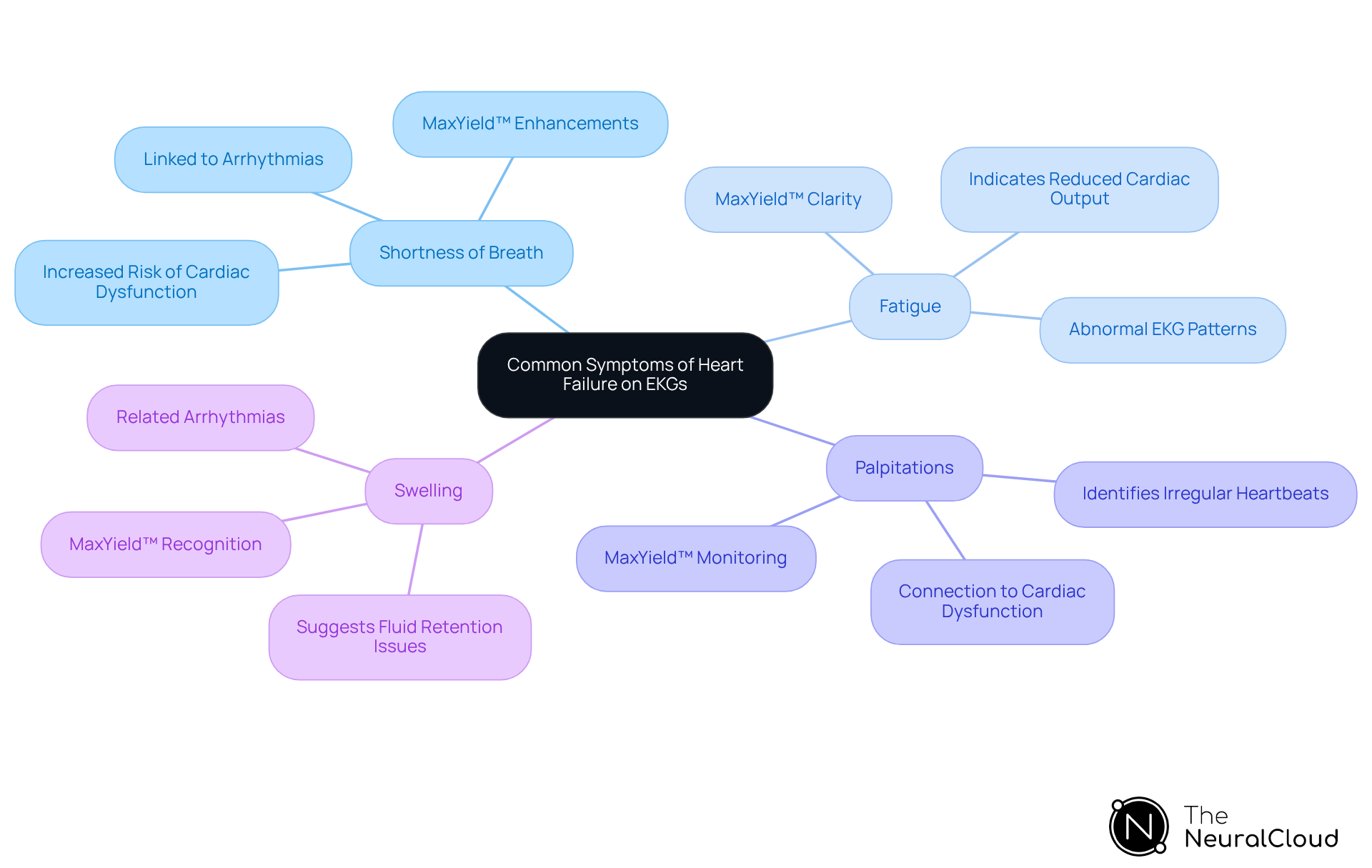
Identifying Common Symptoms of Heart Failure Visible on EKGs
Interpreting EKG readings can be challenging, often leading to missed signs of cardiac insufficiency. However, with Neural Cloud Solutions' MaxYield™, lengthy and noisy ECG recordings are transformed into clean, crisp signals, enhancing the precision and efficiency of symptom detection. Key indicators include:
- Shortness of Breath: This symptom is frequently linked to arrhythmias or alterations in heart rhythm, which can be observed on an EKG. Changes in the EKG pattern may raise the question of whether heart failure would show up on EKG, indicating underlying cardiac issues that require further evaluation. Recent studies suggest that individuals with atrial fibrillation identified during screening have a threefold increased risk of developing cardiac dysfunction, highlighting the significance of monitoring this symptom with advanced technology like MaxYield™.
- Fatigue: Often correlated with abnormal EKG patterns, fatigue can indicate reduced cardiac output. The question of whether irregularities would heart failure show up on EKG may indicate that the organ is not pumping efficiently, contributing to feelings of exhaustion. The clarity provided by MaxYield™ enhances the ability to identify these irregularities.
- Palpitations: EKGs are instrumental in identifying irregular heartbeats or arrhythmias, and they can help determine if would heart failure show up on EKG, which may lead to palpitations. Dr. Ralph Miller observes that cardiac dysfunction and rhythm disorders influence various elements of cardiovascular function, yet the two conditions are closely linked. With MaxYield™, healthcare professionals can monitor these irregularities more effectively, as the technology ensures clearer readings.
- Swelling: While swelling itself is not directly observable on an EKG, related arrhythmias can suggest fluid retention problems, which are frequent in individuals with cardiac dysfunction. Individuals with cardiac dysfunction should observe for new or altering symptoms, such as palpitations and variations in pulse rate, and communicate these to their healthcare professional to assess if heart failure would show up on EKG. The enhanced clarity from MaxYield™ can aid in recognizing these symptoms sooner.
By leveraging MaxYield™, healthcare professionals can significantly improve patient outcomes through timely and accurate ECG analysis.
Recognizing the Limitations of EKGs in Heart Failure Diagnosis
While EKGs serve as essential diagnostic tools, they often fall short in accurately identifying heart failure, presenting significant challenges for healthcare professionals:
- False Negatives: Research indicates that up to 10% of heart failure patients may exhibit normal EKG results, which can lead to missed diagnoses. This highlights how important it is for clinicians to stay alert during their assessments. However, with Neural Cloud Solutions' MaxYield™, the ability to identify and label critical data amidst noise and artifacts significantly enhances diagnostic accuracy, reducing the risk of false negatives.
- Non-specific Findings: EKG alterations can indicate various cardiac issues beyond cardiac dysfunction, complicating the diagnostic process. For instance, misinterpretations of ECG changes as significant occurred in 22% to 42% of cases, highlighting that abnormalities such as arrhythmias or ischemic features may appear on an EKG, which raises the question of how would heart failure show up on EKG specifically. MaxYield™ addresses this challenge by evolving its algorithms with each use, improving the precision of wave recognition and reducing misinterpretations.
- Temporal Variability: EKG readings can change over time, necessitating a thorough consideration of medical history and symptoms. The frequency of incorrect interpretations varied by age, with older individuals experiencing more errors. This variability can lead to unusual EKG results, even in patients exhibiting symptoms of cardiac distress such as fatigue and shortness of breath. By utilizing MaxYield™, healthcare professionals can salvage previously obscured sections of lengthy Holter and patch monitor recordings, ensuring a more comprehensive evaluation.
Recognizing these limitations is crucial for healthcare professionals. It helps them avoid over-relying on EKGs and encourages the use of additional diagnostic tools for thorough evaluations. As observed by Helen Chen, MCMSc, PA-C, "EKG cannot deliver a conclusive diagnosis of cardiac insufficiency on its own." By integrating MaxYield™ into their diagnostic processes, healthcare professionals can enhance their accuracy and confidence in diagnosing heart failure, ultimately improving patient outcomes.

The Importance of Patient History and Physical Exams Alongside EKGs
Accurate diagnosis of cardiac issues hinges on a comprehensive approach that includes patient history and physical examinations alongside EKG analysis. Key components include:
- Medical History: A thorough review of previous heart conditions, family history, and lifestyle factors is crucial, as these elements can significantly influence EKG interpretation. For example, a background of high blood pressure or diabetes may make individuals more susceptible to cardiac issues, affecting the EKG results.
- Physical Exam Findings: Clinical signs such as jugular venous distension and peripheral edema offer valuable context for EKG results. These findings often align with specific EKG irregularities, enhancing the clinician's ability to assess the severity of cardiac insufficiency. For instance, jugular venous distension may indicate elevated right atrial pressure, which can be reflected in EKG changes.
- Symptom Assessment: A thorough understanding of the individual's symptoms, including dyspnea and fatigue, helps correlate EKG findings with clinical presentations. This holistic approach allows for a more nuanced interpretation of EKG data, helping to determine how heart failure would show up on EKG, and leading to timely and effective treatment plans.
Integrating these elements with EKG analysis enhances diagnostic precision and supports the development of tailored treatment strategies, ultimately improving patient outcomes in heart failure management.

Understanding Normal EKGs in the Context of Heart Failure
With millions facing cardiovascular issues, accurate ECG analysis becomes crucial for effective treatment. A normal EKG typically exhibits several key characteristics:
- Regular Rhythm: This indicates a consistent heart rate and rhythm, free from irregularities, which is essential for accurate diagnosis.
- Normal Waveforms: Clear P waves, QRS complexes, and T waves should be present without significant deviations, as these waveforms are critical indicators of cardiac health.
- No Extended Intervals: The PR, QRS, and QT intervals must fall within established normal ranges to ensure proper electrical conduction within the organ.
In the context of cardiac dysfunction, identifying these typical patterns is essential. Approximately 6.7 million Americans over the age of 20 currently live with cardiovascular issues, a number projected to rise to 8.7 million by 2030. Understanding the regular rhythm and normal waveforms can help healthcare professionals identify deviations that may signal underlying issues. It's crucial for cardiologists to identify these patterns, as precise readings can greatly influence the diagnosis and treatment of cardiac dysfunction. In 2022, cardiovascular collapse contributed to 425,147 fatalities in the U.S., representing 45% of cardiovascular deaths. This highlights the essential requirement for precise EKG interpretation in this group.
MaxYield technology from Neural Cloud Solutions tackles common problems like motion noise, ensuring clear PPG data from connected devices. By providing consistent, reliable inputs, MaxYield enables healthcare professionals to achieve hospital-grade ECG accuracy from consumer-grade devices. This capability boosts diagnostic accuracy and helps prevent costly recalls and negative reviews. It highlights the importance of using MaxYield in clinical settings. By focusing on typical EKG traits and utilizing MaxYield's advanced capabilities, medical professionals can enhance outcomes and lower mortality rates linked to cardiac issues.

Advancements in EKG Technology for Better Heart Failure Detection
Despite advancements in EKG technology, challenges in accurately detecting cardiac dysfunction persist, necessitating innovative solutions. Key developments include:
- AI-Enhanced EKGs: The integration of artificial intelligence into EKG systems is revolutionizing the accuracy of interpretations. These AI models have shown the ability to reduce false positives, improving diagnostic reliability. For instance, a recent study highlighted that AI applications in cardiac ultrasound data could enhance the detection of individuals with advanced cardiac dysfunction, showcasing AI's potential to refine diagnostic procedures.
- Wearable Technology: The rise of wearable devices that continuously track cardiac rhythms provides immediate information crucial for early detection of cardiac issues. These devices empower individuals and healthcare providers to proactively monitor cardiovascular health, facilitating timely interventions. A model trained on data from 1,000 individuals with cardiac issues achieved an accuracy of about 85% in identifying high-risk persons, underscoring the role of wearable technology in improving outcomes related to cardiac conditions.
- MaxYield™ Integration: Neural Cloud Solutions' MaxYield™ technology enhances EKG analysis by identifying and labeling critical data, even in recordings with high levels of noise and artifact. This advanced noise filtering and distinct wave recognition capability allows for the rapid isolation of ECG waves from recordings affected by baseline wander, movement, and muscle artifact. By salvaging previously obscured sections of lengthy Holter, 1-Lead, and patch monitor recordings, MaxYield™ significantly improves the diagnostic yield compared to traditional ECG interpretation technologies, which often struggle with high noise levels. Its continuous learning model ensures that the accuracy and efficiency of ECG analysis will evolve with each use, further supporting the integration of AI in cardiac diagnostics.
- Integration with Other Diagnostic Tools: Enhanced EKG systems are increasingly designed to work alongside echocardiograms and biomarker tests, offering comprehensive assessments of cardiac health. This multi-modal approach enables a more thorough evaluation of cardiac conditions, improving outcomes for individuals through prompt and precise diagnoses. As Dr. Ambarish Pandey noted, these advancements endorse AI-ECG as a viable, expandable screening tool that can efficiently identify individuals at risk for cardiac issues, addressing a crucial gap in global cardiovascular care.
With these innovations, traditional ECG interpretation often fails to provide accurate results in noisy environments, leading to potential misdiagnoses. However, with MaxYield™, healthcare professionals can achieve more accurate diagnoses, ultimately improving patient outcomes. As these technologies evolve, they promise to transform cardiac care, ensuring that patients receive timely and accurate diagnoses that can save lives.

Key Takeaways on EKG Signs of Heart Failure
Understanding how and when heart failure would show up on EKG analysis presents both opportunities and challenges for healthcare professionals. Key takeaways regarding EKG signs of heart failure include:
- EKGs can reveal critical abnormalities indicative of heart failure, such as left ventricular hypertrophy (LVH) and ST-segment changes, which are essential for early detection.
- Moreover, integrating EKG findings with medical history and other diagnostic tests significantly enhances diagnostic accuracy, allowing for a more comprehensive understanding of an individual's condition. The use of Neural Cloud Solutions' MaxYield™ platform, combined with wearable technology, streamlines this process through automated ECG labeling, significantly reducing operational costs and improving efficiency.
- Healthcare professionals often struggle with the limitations of EKGs in assessing how heart failure would show up on EKG, which can lead to misdiagnosis or delayed treatment; while they provide valuable insights, they should not be the sole basis for diagnosis, as factors like movement of individuals can introduce signal artifacts. MaxYield™ addresses these challenges by utilizing AI-powered algorithms that ensure smooth signals, thereby enhancing the reliability of ECG analysis.
- Progress in EKG technology, especially via the incorporation of AI, is revolutionizing cardiac dysfunction detection and management, facilitating predictive abilities that can anticipate alterations in left ventricular ejection fraction (LVEF) and prioritize follow-up care for individuals at high risk.
By leveraging MaxYield™, healthcare professionals can enhance diagnostic accuracy and improve patient outcomes in heart failure diagnosis and treatment, ultimately addressing the pressing need for effective prognostic tools in this critical area of cardiovascular health.

Conclusion
Despite advancements in cardiac care, misinterpretations of EKG signs can lead to critical delays in treatment. The integration of advanced technologies, such as Neural Cloud Solutions' MaxYield™, plays a pivotal role in enhancing the accuracy of EKG interpretations. By leveraging AI-driven algorithms and robust data analysis, healthcare professionals can identify critical abnormalities that indicate heart failure, such as left ventricular hypertrophy and ST-segment changes, thereby improving diagnostic precision and patient outcomes.
Throughout the article, key insights have been highlighted, including the importance of combining EKG findings with patient history, physical examinations, and additional diagnostic tests. This comprehensive approach not only enhances diagnostic accuracy but also addresses the inherent limitations of EKGs, such as false negatives and non-specific findings. The advancements in technology, particularly in AI and wearable devices, further empower clinicians to monitor and diagnose cardiac issues more effectively, ultimately facilitating timely interventions for patients at risk.
As cardiac diagnostics evolve, it's vital for healthcare professionals to stay proactive in their assessments. Embracing innovative solutions like MaxYield™ can significantly improve the detection of heart failure, ensuring that patients receive the care they need when they need it most. Integrating advanced diagnostic tools is not just beneficial; it is essential for improving patient outcomes in heart failure management.
Frequently Asked Questions
What challenges does traditional ECG analysis face?
Traditional ECG analysis often struggles with accuracy and efficiency, which can hinder timely cardiac care.
How does Neural Cloud Solutions improve EKG accuracy?
Neural Cloud Solutions utilizes advanced AI-driven technologies, specifically through their product MaxYield, which employs patented signal mapping algorithms to clean and isolate noisy ECG signals, resulting in high-fidelity cardiac data.
What is MaxYield and how does it function?
MaxYield is a flagship product from Neural Cloud Solutions that transforms raw ECG recordings into structured data, enabling precise analysis of EKG patterns. It provides accuracy comparable to clinical devices while being adaptable for various healthcare settings.
What are the benefits of using MaxYield for ECG analysis?
MaxYield allows for automated, scalable analysis, significantly reducing the time and cost associated with traditional ECG evaluations. It also supports continuous monitoring without the need for clinical-grade hardware, enhancing remote user confidence.
What key EKG abnormalities indicate potential heart failure?
Key EKG abnormalities include Left Ventricular Hypertrophy (LVH), ST-Segment Depression, T-Wave Inversions, and Prolonged QRS Duration. These abnormalities can signal cardiac dysfunction and are crucial for early diagnosis of heart failure.
Why is recognizing EKG abnormalities important?
Recognizing EKG abnormalities is vital for effective heart failure management, as timely identification can significantly impact patient outcomes.
What role do natriuretic peptides play in EKG interpretation?
Natriuretic peptides, particularly B-type Natriuretic Peptide (BNP), are essential indicators of cardiac stress and are closely linked to specific EKG changes, aiding in the diagnosis of cardiac dysfunction.
How do elevated BNP levels relate to EKG changes?
Elevated BNP levels often correlate with EKG changes such as ST-segment depression or T-wave inversions, which indicate cardiac dysfunction and help improve diagnostic precision.
What challenges exist in diagnosing cardiac dysfunction in primary care?
A significant challenge in primary care is the limited availability of echocardiography, which highlights the need for reliable diagnostic tools like BNP for effective cardiac assessments.
How can integrating BNP levels with technology improve patient care?
Leveraging BNP levels alongside advanced technology like Neural Cloud Solutions' MaxYield platform can enhance the efficiency of ECG analysis, improve diagnostic accuracy, and ultimately lead to better patient outcomes.
List of Sources
- Neural Cloud Solutions: Enhancing EKG Accuracy for Heart Failure Detection
- Can AI help predict which heart-failure patients will worsen within a year? (https://news.mit.edu/2026/can-ai-help-predict-which-heart-failure-patients-will-worsen-0312)
- globenewswire.com (https://globenewswire.com/news-release/2026/04/25/3281154/0/en/study-shows-implicity-s-new-agnostic-cloud-based-ai-algorithm-further-reduces-false-alerts-even-after-manufacturer-ai-filtering-in-modern-devices.html)
- AI for Heart Failure Care Is Evolving Rapidly, THT 2026 Makes Clear (https://tctmd.com/news/ai-heart-failure-care-evolving-rapidly-tht-2026-makes-clear)
- Recognizing EKG Abnormalities Indicative of Heart Failure
- Silent Heart Rhythm Problem Might Triple Risk Of Heart Failure In Seniors (https://usnews.com/news/health-news/articles/2026-04-15/silent-heart-rhythm-problem-might-triple-risk-of-heart-failure-in-seniors)
- AI-powered electrocardiogram detects early signs of heart failure (https://utsouthwestern.edu/newsroom/articles/year-2026/may-ai-powered-electrocardiogram.html)
- Can AI help predict which heart-failure patients will worsen within a year? (https://news.mit.edu/2026/can-ai-help-predict-which-heart-failure-patients-will-worsen-0312)
- AI for Heart Failure Care Is Evolving Rapidly, THT 2026 Makes Clear (https://tctmd.com/news/ai-heart-failure-care-evolving-rapidly-tht-2026-makes-clear)
- Understanding the Role of Natriuretic Peptides in EKG Interpretation
- New Study Offers Strong Evidence of Elevated Heart Failure Risk in Adults with Prediabetes, Hypertension and Subclinical Heart Injury or Stress (https://hopkinsmedicine.org/news/newsroom/news-releases/2026/03/new-study-offers-strong-evidence-of-elevated-heart-failure-risk-in-adults-with-prediabetes-hypertension-and-subclinical-heart-injury-or-stress)
- Clinical trial offers first-of-its-kind heart failure treatment (https://health.ucdavis.edu/news/headlines/clinical-trial-offers-first-of-its-kind-heart-failure-treatment/2026/02)
- academic.oup.com (https://academic.oup.com/ehjqcco/advance-article/doi/10.1093/ehjqcco/qcag053/8566551)
- Integrating EKGs with Other Diagnostic Tests for Heart Failure
- AI for Heart Failure Care Is Evolving Rapidly, THT 2026 Makes Clear (https://tctmd.com/news/ai-heart-failure-care-evolving-rapidly-tht-2026-makes-clear)
- academic.oup.com (https://academic.oup.com/ehjimp/article/4/1/qyag058/8578797)
- AI-powered electrocardiogram detects early signs of heart failure (https://utsouthwestern.edu/newsroom/articles/year-2026/may-ai-powered-electrocardiogram.html)
- Identifying Common Symptoms of Heart Failure Visible on EKGs
- okheart.com (https://okheart.com/news/understanding-the-link-between-heart-failure-and-heart-rhythm-disorders)
- medicalxpress.com (https://medicalxpress.com/news/2026-04-heart-failure-common-people-atrial.html)
- New Study Offers Strong Evidence of Elevated Heart Failure Risk in Adults with Prediabetes, Hypertension and Subclinical Heart Injury or Stress (https://hopkinsmedicine.org/news/newsroom/news-releases/2026/03/new-study-offers-strong-evidence-of-elevated-heart-failure-risk-in-adults-with-prediabetes-hypertension-and-subclinical-heart-injury-or-stress)
- Does Heart Failure Show Up on EKG? Understanding the Signs | amavita Heart and Vascular Health® (https://amavita.health/blog/does-heart-failure-show-up-on-ekg-understanding-the-signs)
- Recognizing the Limitations of EKGs in Heart Failure Diagnosis
- Can an EKG detect heart failure? What it shows (https://medicalnewstoday.com/articles/can-an-ekg-detect-heart-failure)
- Silent Heart Rhythm Problem Might Triple Risk Of Heart Failure In Seniors (https://usnews.com/news/health-news/articles/2026-04-15/silent-heart-rhythm-problem-might-triple-risk-of-heart-failure-in-seniors)
- Frontiers | The most common errors in automatic ECG interpretation (https://frontiersin.org/journals/physiology/articles/10.3389/fphys.2025.1590170/full)
- pmc.ncbi.nlm.nih.gov (https://pmc.ncbi.nlm.nih.gov/articles/PMC12137353)
- The Importance of Patient History and Physical Exams Alongside EKGs
- escardio.org (https://escardio.org/news/press/press-releases/heart-failure-2026-congress-leading-the-evolution-in-heart-failure)
- tctmd.com (https://tctmd.com/news/heart-failure-2026-what-expect-barcelona)
- diagnostics.roche.com (https://diagnostics.roche.com/global/en/events/heart-failure.html)
- AI-powered electrocardiogram detects early signs of heart failure (https://utsouthwestern.edu/newsroom/articles/year-2026/may-ai-powered-electrocardiogram.html)
- Understanding Normal EKGs in the Context of Heart Failure
- Does Heart Failure Show Up on EKG? Understanding the Signs | amavita Heart and Vascular Health® (https://amavita.health/blog/does-heart-failure-show-up-on-ekg-understanding-the-signs)
- Heart Failure Society of America (HFSA) Scientific Statement: Update on Device Based Therapies in Heart Failure (https://hfsa.org/hf-stats-2025-heart-failure-epidemiology-and-outcomes-statistics)
- Silent Heart Rhythm Problem Might Triple Risk Of Heart Failure In Seniors (https://usnews.com/news/health-news/articles/2026-04-15/silent-heart-rhythm-problem-might-triple-risk-of-heart-failure-in-seniors)
- Advancements in EKG Technology for Better Heart Failure Detection
- Can AI help predict which heart-failure patients will worsen within a year? (https://news.mit.edu/2026/can-ai-help-predict-which-heart-failure-patients-will-worsen-0312)
- nyp.org (https://nyp.org/news/promising-results-for-ai-powered-detection-of-advanced-heart-failure)
- AI for Heart Failure Care Is Evolving Rapidly, THT 2026 Makes Clear (https://tctmd.com/news/ai-heart-failure-care-evolving-rapidly-tht-2026-makes-clear)
- AI-powered electrocardiogram detects early signs of heart failure (https://utsouthwestern.edu/newsroom/articles/year-2026/may-ai-powered-electrocardiogram.html)
- Key Takeaways on EKG Signs of Heart Failure
- Can AI help predict which heart-failure patients will worsen within a year? (https://news.mit.edu/2026/can-ai-help-predict-which-heart-failure-patients-will-worsen-0312)
- AI for Heart Failure Care Is Evolving Rapidly, THT 2026 Makes Clear (https://tctmd.com/news/ai-heart-failure-care-evolving-rapidly-tht-2026-makes-clear)
- ahajournals.org (https://ahajournals.org/doi/10.1161/CIRCHEARTFAILURE.125.013927)
- Checking your browser - reCAPTCHA (https://pmc.ncbi.nlm.nih.gov/articles/PMC3975312)
- AI-powered electrocardiogram detects early signs of heart failure (https://utsouthwestern.edu/newsroom/articles/year-2026/may-ai-powered-electrocardiogram.html)