Introduction
Despite the critical importance of accurate ECG readings for cardiac diagnostics, many healthcare professionals struggle with the intricacies of lead placement. In this article, we’ll explore some essential tips and techniques that can enhance the precision of electrode positioning, ensuring reliable data collection. These innovations have the potential to significantly improve the accuracy and efficiency of ECG analysis. Understanding how these innovations can reshape ECG analysis is essential for healthcare professionals aiming to enhance diagnostic accuracy.
Neural Cloud Solutions: Enhancing ECG Accuracy with Advanced AI Technology
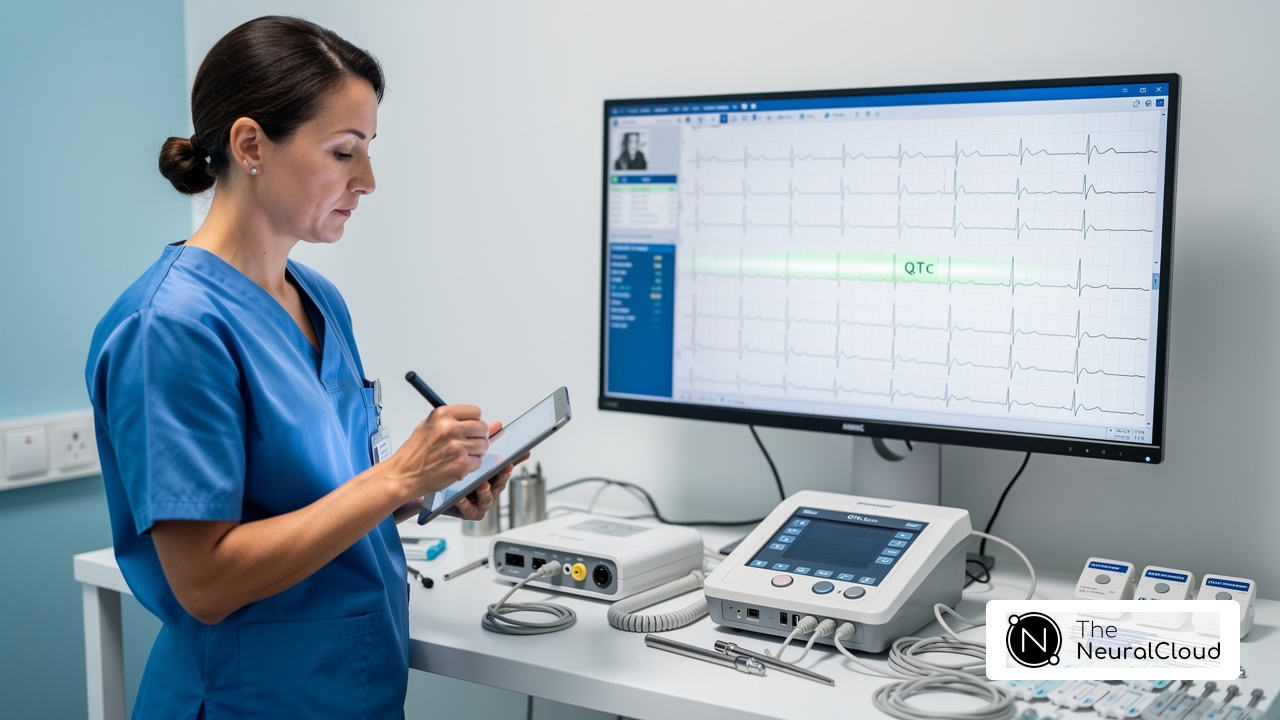
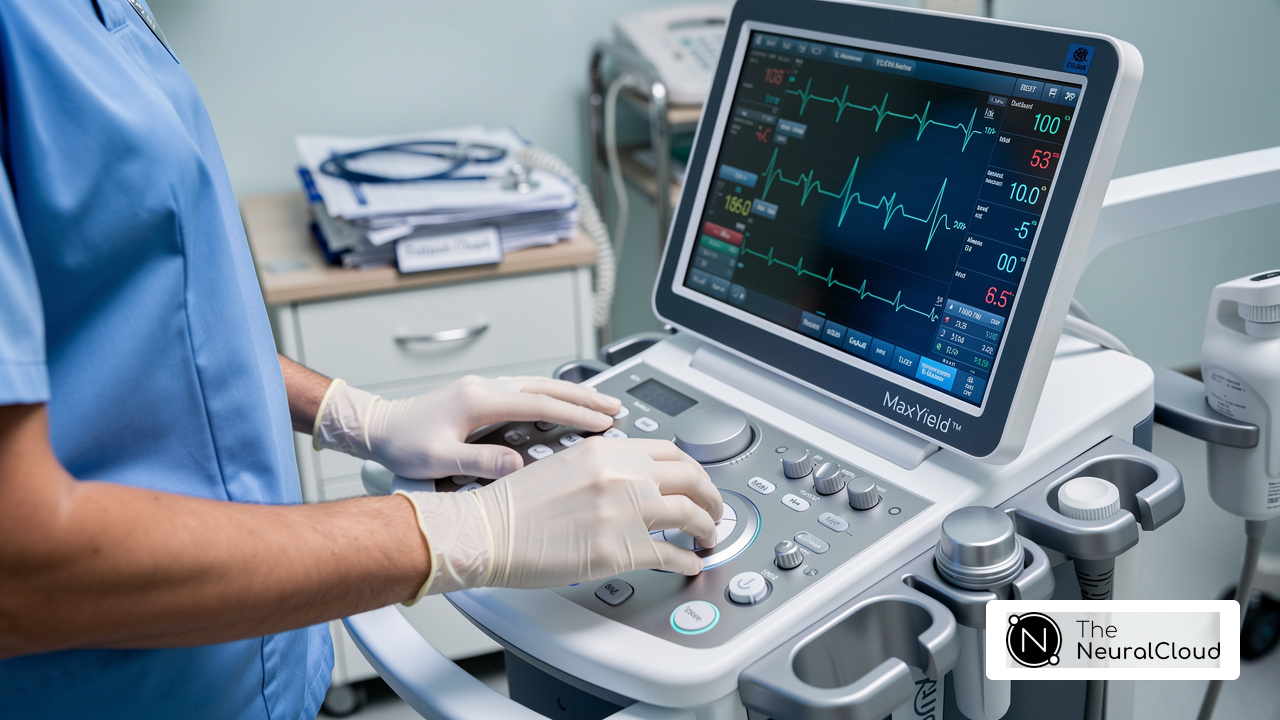
Clinicians face significant challenges in obtaining accurate ECG readings due to noisy signals and motion artifacts. Neural Cloud Solutions utilizes advanced AI technology through its flagship product, MaxYield, to significantly improve the precision of ECG readings. With patented signal mapping algorithms, MaxYield effectively isolates and cleans noisy signals, resulting in high-fidelity cardiac data. This innovation enhances the quality of ECG signals and helps to clarify where ECG leads are placed for accurate electrode positioning. As a result, medical professionals can obtain dependable readings.
By addressing the primary pain points of motion noise and accuracy criticism, MaxYield enables premium features that competitors can't match. These include:
- Extending sensor capabilities without hardware redesigns
- Ensuring consistent, clean data across all connected devices
The integration of AI accelerates the processing of ECG data, empowering clinicians to make informed decisions swiftly. Furthermore, the collaboration with Circular Health aims to enhance the ECG Smart Ring with AI-powered signal clarity, targeting a commercial launch by September 2025.
With MaxYield, we can expect improved ECG signal quality and more usable data, providing deeper biometric insights for wearable platforms. Additionally, a recent partnership with a European digital health platform illustrates the practical application of MaxYield, enhancing remote heart monitoring and promoting preventive healthcare. As a result, the platform exemplifies how AI-driven solutions can transform cardiac diagnostics, providing actionable insights that enhance patient care. Quotes from cardiologists further validate the effectiveness of these AI-driven ECG solutions, underscoring their importance in modern cardiac care. By utilizing MaxYield, healthcare professionals can enhance their diagnostic capabilities, ultimately leading to improved patient care and outcomes.

Master Proper Lead Placement Techniques for Accurate ECG Readings
Achieving precise ECG readings hinges on mastering where ECG leads are placed, which is a challenge many healthcare professionals face. Here are key steps to follow:
- Identify Anatomical Landmarks: Use anatomical landmarks like the sternal notch and intercostal spaces to ensure correct lead positioning. These landmarks serve as reference points for placing markers accurately on the chest.
- Follow Standard Protocols: Stick to the updated 2026 12-lead ECG positioning guidelines, which clarify where ECG leads are placed, specifying that limb electrodes should be placed on the wrists and ankles, while precordial electrodes are arranged on the chest. This standardization is crucial for consistency in readings.
- Check for Symmetry: Ensure that limb electrodes are symmetrically positioned to avoid discrepancies in readings. Reliable ECG interpretation depends on precise positioning, specifically where ECG leads are placed.
- Use Visual Aids: Reference diagrams or guides to confirm conductor positioning, especially in complex cases. Visual aids can greatly enhance the precision of electrode placement, particularly for those less experienced in ECG application.
- Continuing Education: Ongoing training is key; studies show that regular practice boosts accuracy in positioning, which is crucial for effective clinical outcomes.
- Monitor Placement Accuracy: Many healthcare professionals struggle with understanding where ECG leads are placed, as studies reveal that a significant percentage of placements fall short of acceptable standards. Regular evaluations are necessary to ensure high-quality results.
- Adapt to Patient Variability: Consider individual patient anatomy when positioning electrodes, as diverse body types may require adjustments to standard techniques. Customizing positioning strategies is essential for enhancing results.
- Utilize Feedback Mechanisms: Implement feedback systems to assess and enhance positioning techniques among healthcare personnel. This can help identify common misplacement patterns and inform future training initiatives.
- Stay Updated on Guidelines: Keep informed about the latest protocols concerning ECG electrode positioning to ensure adherence to best practices and improve patient care.
- Leverage Advanced Technology: Incorporate Neural Cloud Solutions' MaxYield™ platform to enhance ECG analysis. MaxYield™ excels in noise filtering and distinct wave recognition, allowing for the rapid isolation of ECG waves even in recordings affected by baseline wander, movement, and muscle artifacts. This advanced technology improves the accuracy of readings and salvages previously obscured sections of lengthy Holter, 1-Lead, and patch monitor recordings, ensuring maximum diagnostic yield. Incorporating advanced technology like MaxYield™ can transform ECG analysis, ensuring that healthcare professionals deliver the highest standard of patient care.

Understand Cardiac Physiology to Improve ECG Interpretation
Accurate ECG interpretation hinges on a solid grasp of cardiac physiology, especially when utilizing advanced platforms like MaxYield™. Key concepts include:
- Electrical Conduction System: Familiarize yourself with the heart's electrical conduction system, including the SA node, AV node, and bundle branches, as these structures dictate the heart's rhythm. Grasping these elements is key to effectively interpreting the data that MaxYield™ processes, which automates ECG labeling, enhances analysis efficiency, and reduces operational costs.
- Waveforms and Their Significance: Learn the significance of the P wave, QRS complex, and T wave, as each represents specific electrical events in the cardiac cycle. With MaxYield™, the automated annotations ensure that these waveforms are accurately captured, minimizing the impact of physiological variability and signal artifacts, thus improving overall analysis efficiency.
- Impact of Cardiac Conditions: Recognize how various cardiac conditions, such as ischemia or hypertrophy, can alter ECG waveforms, aiding in diagnosis. With MaxYield™, technicians can expedite case processing while maintaining high-quality analysis, leading to more effective evaluations of cardiac conditions.
Ultimately, MaxYield™ empowers healthcare professionals to deliver timely and precise diagnoses, transforming patient care.

Utilize Mnemonics to Remember ECG Lead Placements Effectively
Memorizing where ECG leads are placed can be challenging, but mnemonics offer a practical solution. Here are some effective examples:
- 'White on Right, Smoke Over Fire': This mnemonic aids in recalling the placement of limb leads: white (RA) on the right arm, black (LA) over the left arm, red (LL) on the left leg, and green (RL) on the right leg.
- 'V1 is Red, V2 is Yellow': For precordial electrodes, this phrase helps visualize their locations on the chest, with V1 being red and V2 yellow.
- 'Ride Your Green Bike On Pavement': This mnemonic assists in recalling the sequence of precordial wire connections: V1 (red), V2 (yellow), V3 (green), V4 (blue), V5 (orange), and V6 (purple).
- 'All Connections Go to the Heart': This phrase emphasizes that all connections should be directed towards the heart for optimal readings.
Today, educational methods increasingly use mnemonics to help improve retention and precision in understanding where ECG leads are placed. Studies indicate that practical training and memory techniques can significantly boost healthcare professionals' skills in positioning electrodes, particularly in understanding where ECG leads are placed, ensuring better patient outcomes and minimizing the risk of misdiagnosis due to improper positioning. Furthermore, it is advised to position V4 before V3 to guarantee correct placement. In certain cases, such as with patients who have amputated extremities, infants, or excessive limb movement, limb electrodes may need to be placed on the torso. Despite the availability of guidelines, many healthcare professionals struggle with proper electrode placement, particularly in understanding where ECG leads are placed, with only 41.6% of positions rated as acceptable. Enhancing electrode placement not only leads to accurate ECG readings but also significantly improves patient care.

Avoid Electrode Misplacement to Ensure Accurate ECG Results
Electrode misplacement poses a serious challenge in ECG analysis, leading to potential misdiagnoses and inappropriate treatments. Here are effective strategies to mitigate these risks:
- Double-Check Placement: Always verify the placement of each electrode before starting the ECG recording. Studies indicate that misplacement can alter diagnosis in 17% to 24% of cases, underscoring the need for meticulous checks. Utilize skin markers to indicate where ECG leads are placed. This simple technique can significantly reduce the risk of misplacement, especially in high-pressure environments.
- Educate Staff: Ensure that all personnel involved in ECG procedures receive comprehensive training on proper electrode positioning techniques. Research indicates that less than 20% of cardiologists correctly understand where ECG leads are placed, highlighting a critical gap in training that needs to be addressed.
- Monitor for Changes: Be vigilant for any alterations in the patient's position that may influence electrode placement during the procedure. Misplacement of electrodes can occur if the patient shifts, leading to artifacts that mimic serious conditions. The MaxYield™ platform plays an essential role here, as it not only identifies and labels critical data but also improves the precision of ECG analysis by filtering out noise and artifacts, ensuring dependable readings despite possible electrode misplacement.
- Implement Training Programs: Establish structured training programs that emphasize adherence to published guidelines. Evidence indicates that formal training and consistent practice can improve the precision of ECG acquisition, decreasing the occurrence of electrode misplacement.
By adopting these practices, healthcare providers can significantly improve the accuracy of ECG readings. Leveraging advanced technologies like MaxYield™ enhances patient outcomes and diagnostic reliability.

Implement Strategies to Reduce Artifacts in ECG Readings
Achieving high-quality ECG readings can be challenging due to various factors that introduce artifacts. Here are some strategies to mitigate these issues:
- Proper Skin Preparation: Thoroughly clean the skin to eliminate oils and debris that may hinder electrode contact.
- Secure Electrode Placement: Make sure electrodes are firmly attached to avoid movement artifacts during recording.
- Minimize Patient Movement: Advise patients to stay still during the ECG to prevent motion artifacts.
- Use Quality Equipment: Invest in high-quality electrodes and ECG machines that are less prone to interference.
By implementing these strategies, healthcare professionals can significantly enhance the accuracy and reliability of ECG readings, ultimately improving patient care.

Engage in Continuous Education for Mastery of ECG Techniques
Mastering ECG techniques requires ongoing education and practice to overcome common challenges in interpretation. Consider these effective strategies to elevate your ECG skills:
- Attend Workshops: Participate in hands-on workshops that focus on ECG lead placement and interpretation to boost your skills. Recent workshops, like the Kauvery ECG Masterclass, have shown considerable enhancements in participants' electrode positioning skills, highlighting the value of hands-on training.
- Online Courses: Enroll in online courses that explore the latest advancements in ECG technology and techniques. These courses often cover essential topics like normal sinus rhythm, arrhythmias, and myocardial infarction, ensuring a comprehensive understanding of ECG interpretation.
- Join Professional Organizations: Become a member of cardiology associations that provide valuable resources, networking opportunities, and educational materials. Organizations often host events and workshops that focus on current trends in ECG monitoring and interpretation.
- Stay Updated on Research: Make it a habit to read cardiology journals and publications to stay updated on the latest findings and methodologies. Keeping abreast of the latest research can enhance your understanding of ECG monitoring and improve your clinical practice.
By investing in continuous education, healthcare professionals can significantly enhance their ECG interpretation skills, leading to better patient outcomes. Ultimately, embracing continuous education can transform your ECG skills and positively impact patient care.

Leverage Technology for Enhanced ECG Lead Placement Accuracy
Accurate ECG electrode positioning is essential for reliable cardiac assessments, particularly in understanding where ECG leads are placed, yet many healthcare professionals face challenges in achieving this precision. Technology plays a crucial role in improving this aspect of ECG analysis. Consider the following tools:
- Digital ECG Systems: These systems provide real-time feedback on lead placement accuracy, significantly reducing the likelihood of misplacement and improving diagnostic outcomes.
- AI-Powered Solutions: Platforms like MaxYield™ optimize electrode positioning and enhance signal clarity through advanced algorithms, ensuring high-fidelity cardiac data.
- Mobile applications can assist healthcare professionals by providing guidance on where ECG leads are placed, along with visual aids and reminders.
- Telemedicine Tools: These solutions enable remote monitoring and expert guidance during ECG procedures, enhancing the precision of electrode positioning and overall patient care.
By leveraging these advanced tools, healthcare professionals can enhance diagnostic accuracy and ultimately improve patient care outcomes.

Ensure Proper Patient Positioning for Accurate ECG Readings
Accurate ECG readings hinge on proper patient positioning, especially when leveraging advanced technologies like Neural Cloud Solutions' MaxYield™ platform. Adhere to the following guidelines:
- Supine or Semi-Fowler's Position: Position the patient in a supine or Semi-Fowler's position to minimize muscle tension and ensure optimal lead placement. This position is key to reducing artifacts that can distort the ECG signal, which is particularly important when using MaxYield™ to filter out noise and enhance wave recognition.
- Arm and Leg Placement: Ensure that the patient's arms are relaxed at their sides and legs are uncrossed. This helps avoid interference with the ECG signals, leading to more accurate readings. Keeping arms flat and legs uncrossed reduces muscle tension during the ECG, allowing MaxYield™ to effectively isolate critical data from recordings.
- Comfortable Environment: Create a comfortable environment for the patient to alleviate anxiety and minimize movement during the procedure. A calm patient is less likely to shift positions, which can compromise the integrity of the ECG. This is key to boosting the diagnostic yield of the MaxYield™ platform, which gets better with every use.
- Monitor for Changes: Be vigilant for any changes in the patient's position during the ECG recording. Even slight adjustments can significantly affect the results, so maintaining consistent positioning is vital for accurate data collection. This consistency enables MaxYield™ to recover previously hidden parts of extensive Holter, 1-Lead, and patch monitor recordings, ultimately improving diagnostic precision and patient care.
Cardiologists endorse these practices, emphasizing that understanding where ECG leads are placed greatly affects the quality of ECG readings, ultimately improving diagnostic precision and patient care.

Review and Validate ECG Results for Enhanced Accuracy
To improve the accuracy of ECG interpretations, healthcare professionals must adopt a systematic approach to reviewing and validating results:
- Cross-Check Readings: Compare ECG results with clinical findings and patient history to ensure consistency. This practice helps identify discrepancies that may arise from misinterpretation or technical errors.
- Utilize Peer Review: Studies show that peer review can significantly boost diagnostic accuracy, even helping seasoned cardiologists overcome common performance gaps. Engaging in peer review processes allows colleagues to provide constructive feedback on ECG interpretations.
- Implement Quality Control Measures: Implementing quality control measures is essential for regularly evaluating the precision of ECG readings and understanding where ECG leads are placed. This includes routine audits and the use of standardized assessment tools to ensure adherence to best practices.
- Document Findings: Keeping detailed records of ECG results and any discrepancies noted during the review process is vital. This documentation informs future practices and contributes to a broader understanding of ECG interpretation challenges, as recent studies reveal significant variability in precision across different training levels.
- Leverage Advanced Technologies: Using AI-driven tools like Neural Cloud Solutions' Continuous Learning Model can improve peer reviews. These tools offer insights and help reduce false positives. Our algorithms evolve with each use, demonstrating improved sensitivity of 98.3% and specificity of 99% in detecting clinically significant arrhythmias, thereby supporting clinicians in making more informed decisions.
- Continuous Education: Ongoing training and education in ECG interpretation are essential. Research indicates that even after training, many physicians exhibit performance gaps, underscoring the need for innovative educational approaches that adapt to individual learning styles.
- Collaborate with Experts: Forming multidisciplinary teams that include cardiologists, technicians, and data analysts can foster a more comprehensive approach to ECG interpretation, ensuring that all aspects of the data are considered.
- Stay Updated on Guidelines: Regularly reviewing and adhering to the latest clinical guidelines and standards in ECG interpretation can help mitigate errors and enhance overall diagnostic accuracy.
- Encourage a Culture of Feedback: Fostering an environment where feedback is encouraged can lead to continuous improvement in ECG interpretation practices, ultimately benefiting patient outcomes.
By fostering a culture of feedback and collaboration, healthcare professionals can significantly enhance the quality of ECG interpretations, ultimately leading to better patient care.

Conclusion
Accurate ECG readings are crucial for effective cardiac assessment, yet many face challenges in achieving this. Understanding the intricacies of lead placement is essential for minimizing artifacts and ensuring reliable diagnostic outcomes. It's clear that mastering the correct positioning of ECG leads is essential for healthcare professionals. By leveraging advanced technologies like Neural Cloud Solutions' MaxYield™, they can significantly enhance the quality of ECG data, leading to more informed clinical decisions.
Key insights from the article highlight the importance of:
- Adhering to standardized protocols
- Utilizing mnemonics for memorization
- Engaging in continuous education to refine ECG techniques
Additionally, the integration of AI-driven solutions addresses common challenges such as noise and misplacement. This improvement in accuracy directly correlates with enhanced patient care. Proper training, ongoing education, and the use of technology are vital components in mastering ECG lead placement and interpretation.
In summary, accurate ECG lead placement is vital for patient outcomes and effective cardiac care. Here’s why:
- Embracing advanced technology
- Continuous learning
- Best practices in lead placement
These strategies will empower healthcare professionals to provide the highest standard of care. By embracing these strategies, healthcare professionals can significantly elevate the standard of cardiac care.
Frequently Asked Questions
What challenges do clinicians face in obtaining accurate ECG readings?
Clinicians encounter challenges such as noisy signals and motion artifacts that hinder the accuracy of ECG readings.
How does Neural Cloud Solutions' MaxYield improve ECG accuracy?
MaxYield utilizes patented signal mapping algorithms to isolate and clean noisy signals, resulting in high-fidelity cardiac data and clearer ECG readings.
What premium features does MaxYield offer that competitors do not?
MaxYield extends sensor capabilities without hardware redesigns and ensures consistent, clean data across all connected devices.
How does AI integration benefit ECG data processing?
The integration of AI accelerates the processing of ECG data, allowing clinicians to make informed decisions more swiftly.
What is the collaboration between Neural Cloud Solutions and Circular Health aimed at?
The collaboration aims to enhance the ECG Smart Ring with AI-powered signal clarity, targeting a commercial launch by September 2025.
What improvements can be expected from using MaxYield in ECG analysis?
MaxYield is expected to improve ECG signal quality, provide more usable data, and offer deeper biometric insights for wearable platforms.
How does MaxYield enhance remote heart monitoring?
A partnership with a European digital health platform illustrates MaxYield's practical application in enhancing remote heart monitoring and promoting preventive healthcare.
What is essential for achieving precise ECG readings?
Mastering proper lead placement techniques, including identifying anatomical landmarks, following standard protocols, checking for symmetry, and utilizing visual aids, is essential for accurate ECG readings.
What are the updated guidelines for ECG lead placement?
The updated 2026 12-lead ECG positioning guidelines specify that limb electrodes should be placed on the wrists and ankles, while precordial electrodes are arranged on the chest.
Why is continuing education important for healthcare professionals regarding ECG lead placement?
Ongoing training boosts accuracy in positioning, which is crucial for effective clinical outcomes.
How can healthcare professionals adapt ECG lead placement for different patients?
Professionals should consider individual patient anatomy and customize positioning strategies to enhance results.
What role does understanding cardiac physiology play in ECG interpretation?
A solid grasp of cardiac physiology, including the electrical conduction system and waveforms, is crucial for accurate ECG interpretation and effective use of platforms like MaxYield.
How does MaxYield aid in the interpretation of ECG waveforms?
MaxYield automates annotations of waveforms, ensuring accurate capture and minimizing the impact of physiological variability and signal artifacts.
What impact do cardiac conditions have on ECG waveforms?
Various cardiac conditions, such as ischemia or hypertrophy, can alter ECG waveforms, which aids in diagnosis. MaxYield helps expedite case processing while maintaining high-quality analysis.
List of Sources
- Neural Cloud Solutions: Enhancing ECG Accuracy with Advanced AI Technology
- tipranks.com (https://tipranks.com/news/company-announcements/ai-ml-innovations-strikes-ecg-tech-reseller-deal-in-european-digital-cardiology)
- otcmarkets.com (https://otcmarkets.com/stock/AIMLF/news/Neural-Cloud-Signs-Reseller-Agreement-with-European-Digital-Cardiac-Monitoring-Platform?id=515804)
- aiml-innovations.com (https://aiml-innovations.com/press-release/aiml-subsidiary-neural-cloud-signs-loi-with-circular-health-to-license-maxyield-tm-ecg-signal-processing)
- AI/ML Innovations Inc. (CVE:AIML) | (https://webdisclosure.com/article/aiml-innovations-inc-cve-aiml-neural-cloud-partners-with-european-digital-cardiac-platform-zbaBa97okBk)
- Master Proper Lead Placement Techniques for Accurate ECG Readings
- Assessing the Accuracy of ECG Chest Electrode Placement by EMS and Clinical Personnel Using Two Evaluation Methods | International Journal of Paramedicine (https://internationaljournalofparamedicine.com/index.php/ijop/article/view/2897)
- 1st synthesized 12-lead ECG to launch in 2026 (https://beckershospitalreview.com/supply-chain/1st-synthesized-12-lead-ecg-to-launch-in-2026)
- news-medical.net (https://news-medical.net/news/20260425/New-consensus-statement-updates-guidelines-for-cardiac-device-lead-management.aspx)
- Cardiology Updates Leading Into 2026 | Passaic, New Jersey | Apex Heart and Vascular Center (https://apexheartandvascular.com/cardiology-updates-leading-into-2026)
- mpo-mag.com (https://mpo-mag.com/breaking-news/heart-rhythm-2026-blueprint-established-for-cardiovascular-electronic-device-lead-management)
- Utilize Mnemonics to Remember ECG Lead Placements Effectively
- Assessing the Accuracy of ECG Chest Electrode Placement by EMS and Clinical Personnel Using Two Evaluation Methods | International Journal of Paramedicine (https://internationaljournalofparamedicine.com/index.php/ijop/article/view/2897)
- 12-Lead ECGs: Room for Improvement (https://jems.com/patient-care/12-lead-ecgs-room-for-improvement)
- simplico.org (https://simplico.org/lectures/12-lead-ecg-placement-mnemonic-ems)
- academia.edu (https://academia.edu/96491521/Accuracy_in_precordial_ECG_lead_placement_Improving_performance_through_a_peer_led_educational_intervention)
- Avoid Electrode Misplacement to Ensure Accurate ECG Results
- The top cardiac tech stories out of HRS 2026 (https://massdevice.com/top-cardiac-tech-stories-hrs-2026)
- academia.edu (https://academia.edu/15634535/The_effects_of_electrode_misplacement_on_clinicians_interpretation_of_the_standard_12_lead_electrocardiogram)
- 12-Lead ECGs: Room for Improvement (https://jems.com/patient-care/12-lead-ecgs-room-for-improvement)
- gehealthcare.com (https://gehealthcare.com/en-gb/insights/article/ecg-lead-misplacement-looking-at-common-issues?srsltid=AfmBOoqPZSl9sdRvOyLRtLdR-TwjE7wuOi_lT4tz2_8CnZXIodUFSDUi)
- Implement Strategies to Reduce Artifacts in ECG Readings
- array.aami.org (https://array.aami.org/doi/full/10.2345/0899-8205-45.2.155)
- pmc.ncbi.nlm.nih.gov (https://pmc.ncbi.nlm.nih.gov/articles/PMC9736764)
- icthealth.org (https://icthealth.org/news/self-adhesive-ecg-patch-improves-comfort-and-signal-quality)
- Reducing ECG artifact (https://numed.co.uk/news/reducing-ecg-artifact)
- Engage in Continuous Education for Mastery of ECG Techniques
- link.springer.com (https://link.springer.com/article/10.1186/s12912-025-02997-y)
- bostonscientific.com (https://bostonscientific.com/en-US/medical-specialties/electrophysiology/news---events/hrs2026.html)
- tribuneindia.com (https://tribuneindia.com/news/business/kauvery-hospital-conducts-4th-edition-of-ecg-masterclass-2026-over-400-medical-professionals-participate)
- central.aacvpr.org (https://central.aacvpr.org/hlevents/event-description?CalendarEventKey=43e3e9c9-66ee-40dd-952b-0199e60ea850&Home=%2Fhlevents%2Fcalendar)
- mdpi.com (https://mdpi.com/2227-9032/13/3/277)
- Leverage Technology for Enhanced ECG Lead Placement Accuracy
- mpo-mag.com (https://mpo-mag.com/breaking-news/heart-rhythm-2026-blueprint-established-for-cardiovascular-electronic-device-lead-management)
- academia.edu (https://academia.edu/96491521/Accuracy_in_precordial_ECG_lead_placement_Improving_performance_through_a_peer_led_educational_intervention)
- devdiscourse.com (https://devdiscourse.com/article/health/3884408-ai-driven-ecg-revolutionizes-cardiovascular-care-accessibility)
- pmc.ncbi.nlm.nih.gov (https://pmc.ncbi.nlm.nih.gov/articles/PMC10800643)
- Ensure Proper Patient Positioning for Accurate ECG Readings
- 12-Lead ECGs: Room for Improvement (https://jems.com/patient-care/12-lead-ecgs-room-for-improvement)
- vitalipartners.com (https://vitalipartners.com/12-lead-ecg-placement)
- cablesandsensors.com (https://cablesandsensors.com/pages/12-lead-ecg-placement-guide-with-illustrations?srsltid=AfmBOooeMFw4p6BmYkm22CnEkmo02C_4EWpO-nEWCDNQ188Hir5GgcXy)
- 12-Lead ECG Electrode Placement: Best Practices- (https://intcomedical.com/news/info/12-lead-ecg-electrode-placement-best-practices-for-clinical-accuracy-in-healthcare.html)
- urmc.rochester.edu (https://urmc.rochester.edu/pediatrics/cardiology-fellowship/ecg-placement.aspx)
- Review and Validate ECG Results for Enhanced Accuracy
- ndtv.com (https://ndtv.com/health/ai-based-ecg-analysis-shows-higher-accuracy-in-identifying-occlusive-heart-attack-study-finds-11244104)
- AI ECG analysis improves acute coronary syndrome care | Powerful Medical posted on the topic | LinkedIn (https://linkedin.com/posts/powerful-medical_march-2026-queen-of-hearts-new-peer-reviewed-activity-7447915120308989953-UoSt)
- finance.yahoo.com (https://finance.yahoo.com/sectors/healthcare/articles/ehra-2026-studies-reveal-why-120000143.html)
- Checking your browser - reCAPTCHA (https://pmc.ncbi.nlm.nih.gov/articles/PMC7522782)