Introduction
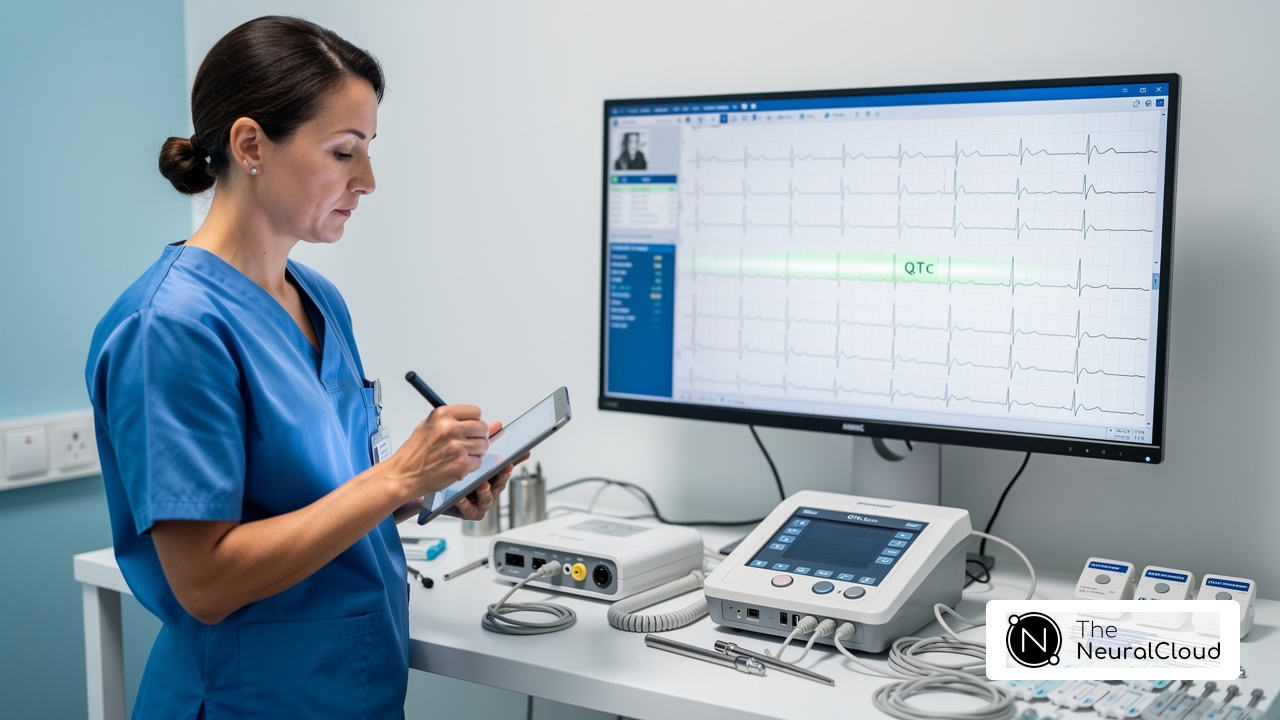
Atrial fibrillation (AF) and normal sinus rhythm (NSR) represent two distinct states of heart function, each with its own implications for health and well-being. As AF becomes increasingly prevalent, affecting millions and posing significant risks such as stroke and heart failure, understanding the differences between these rhythms is more crucial than ever. This article delves into the characteristics, symptoms, and treatment strategies for both conditions, while also exploring how innovative health technologies, like the MaxYield™ platform, are transforming ECG analysis and enhancing patient care.
The challenges in ECG analysis are significant, often leading to misdiagnoses and delayed treatments. The MaxYield™ platform addresses these issues by providing advanced features that streamline the analysis process. It utilizes cutting-edge algorithms to enhance the accuracy of ECG readings, ensuring that healthcare professionals can make informed decisions quickly.
The advantages of the MaxYield™ platform extend beyond just improved diagnostics. By facilitating faster and more accurate ECG analysis, it empowers healthcare providers to deliver timely interventions, ultimately improving patient outcomes. This technology not only enhances the efficiency of clinical workflows but also supports better management of conditions like AF and NSR.
In conclusion, advancements in health tech, such as the MaxYield™ platform, are not just improving diagnostics; they are reshaping the treatment landscape for common yet complex heart conditions. By understanding the features and benefits of this innovative tool, healthcare professionals can better navigate the challenges of ECG analysis and enhance patient care.
Define Atrial Fibrillation and Normal Sinus Rhythm
is defined by an irregular and often rapid heart rhythm resulting from chaotic electrical signals in the atria. This condition can lead to complications, due to inefficient blood flow. Alarmingly, AF is responsible for about 158,000 deaths annually in the US and is linked to roughly 1 in 7 strokes, highlighting the urgent need for effective monitoring and management strategies.
In contrast, Normal Sinus Rhythm (NSR) represents a regular heart rate generated by the sinoatrial (SA) node, typically ranging from 60 to 100 beats per minute. In NSR, each heartbeat is triggered by a synchronized electrical impulse, resulting in a consistent and organized rhythm. The classification of AF has evolved to encompass both AF and atrial flutter under the term, atrial tachycardia, reflecting a deeper understanding of the condition.
As technology progresses, tools like the Apple Watch, validated through the Apple Heart Study, are becoming essential for monitoring AF, showcasing the intersection of technology and clinical practice. Furthermore, innovative solutions such as Neural Cloud Solutions' platform are transforming healthcare. This platform automates labeling processes, reduces operational costs, and boosts productivity for healthcare professionals.
These advancements tackle challenges in ECG monitoring, including physiological variability and signal artifacts, which are vital for accurate diagnosis and treatment. Understanding these distinctions is crucial, especially as atrial fibrillation is projected to affect an estimated 12 million people in the US by 2050.
Features:
- Efficiency: Streamlines ECG monitoring, saving time for healthcare professionals.
- Cost Reduction: Lowers operational expenses associated with ECG monitoring.
- Enhanced Productivity: Allows healthcare providers to focus on patient care rather than administrative tasks.
By addressing these challenges, the technology not only improves the efficiency of ECG monitoring but also enhances the overall quality of patient care.

Compare Clinical Implications: Symptoms and Risks
Patients with Atrial Fibrillation (AF) often report symptoms like:
- Palpitations
- Shortness of breath
- Fatigue
- Dizziness
These irregular heartbeats can lead to serious complications, particularly an increased risk of stroke. In fact, the risk of stroke rises with age and other health conditions, making early detection crucial. Conversely, individuals with Normal Sinus Rhythm (NSR) typically do not experience symptoms, as this pattern is considered normal and healthy. However, any disruptions in NSR may indicate underlying health issues that need attention. The risks linked to sinus rhythm are significantly higher than those associated with AF, underscoring the importance of early detection and proactive management of AF to mitigate potential complications.

Contrast Treatment Approaches for Atrial Fibrillation and Normal Sinus Rhythm
The management of atrial fibrillation often necessitates a comprehensive strategy. This includes the use of anticoagulants, which can lower the risk of embolism by approximately 75%. Additionally, treatments such as antiarrhythmic drugs or cardioversion play a crucial role. The revised American guidelines classify atrial fibrillation as a condition with symptomatic paroxysmal episodes, demonstrating a significant reduction in the risk of cerebral events and cardiovascular mortality.
While effectively managing atrial fibrillation, it is important to recognize that it also heightens the risk of bleeding. This underscores the need for careful patient assessment. In contrast, normal sinus rhythm generally requires no intervention unless associated with an underlying condition. When normal sinus rhythm is disrupted, management strategies may involve lifestyle modifications and medications aimed at restoring normal heart rhythms.
The complexity and urgency of treatment for atrial fibrillation highlight the necessity for approaches tailored to individual patient profiles. As AFib prevalence increases, now affecting about 5% of the American population—three times more than previously estimated—this emphasizes the importance of personalized care in enhancing patient outcomes.

Explore Technological Innovations in ECG Analysis for Both Conditions
Recent advancements in technology, particularly through AI and machine learning, have significantly improved the detection and management of both sinus rhythm and Normal Sinus Rhythm (NSR). However, traditional methods often face challenges, such as the complexity of interpreting signals and the time required for accurate diagnosis.
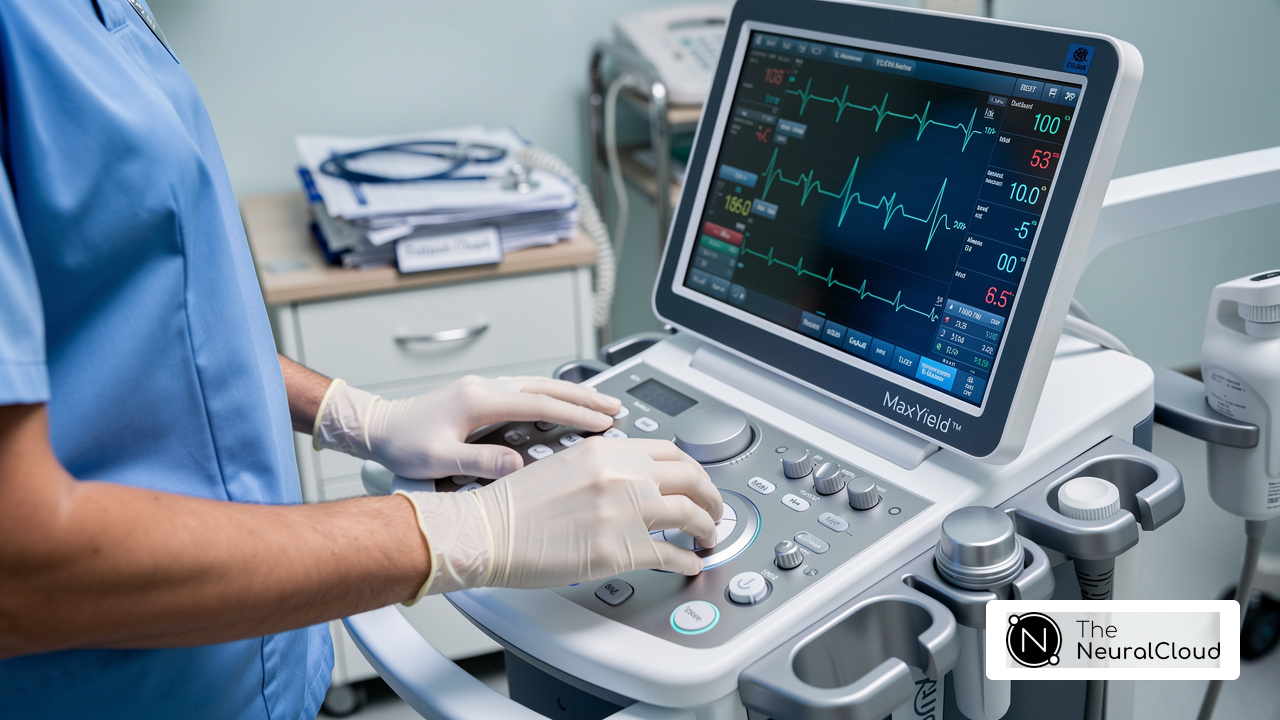
MaxYield™, developed by Neural Cloud Solutions, addresses these challenges with its sophisticated algorithms that automate ECG signal processing. This platform enhances clarity and accuracy, enabling healthcare providers to make informed decisions swiftly. It can process up to 200,000 heartbeats in under 5 minutes, allowing healthcare providers to make informed decisions swiftly.
The integration of AI in ECG diagnostics streamlines and boosts diagnostic yield, particularly in identifying sinus rhythm, which can be notoriously difficult to detect. Studies show that AI algorithms have achieved high accuracy in classifying arrhythmias. This underscores the technology's potential to improve patient care through timely and accurate diagnostics.
MaxYield™ is device-agnostic, capturing ECG recordings from various devices. This flexibility supports efficient clinical decision-making, ensuring that healthcare professionals can rely on accurate data regardless of the equipment used.
Key Features of MaxYield™:
- Rapid analysis of up to 200,000 heartbeats in less than 5 minutes
- High sensitivity rates in arrhythmia classification
- Flexibility for versatile use
Advantages for Healthcare Professionals:
- Improved clarity and accuracy in ECG readings
- Streamlined workflows for faster decision-making
- Increased diagnostic yield, leading to better patient outcomes.
Conclusion
Atrial fibrillation (AF) and normal sinus rhythm (NSR) are two distinct cardiac conditions, each with unique characteristics and implications for patient health. Understanding the differences between these rhythms is essential for effective monitoring and management, particularly as AF poses significant risks such as stroke and heart failure. As health technology continues to evolve, tools and platforms that enhance the detection and treatment of these conditions become increasingly vital.
The article delves into the clinical implications of AF, highlighting its symptoms, risks, and the necessity for timely intervention. In contrast, NSR is characterized by a regular heart rate without the complications associated with AF. The discussion extends to treatment approaches, emphasizing the importance of personalized care for AF patients, who may require anticoagulants and rhythm control strategies, while NSR typically necessitates minimal intervention unless underlying issues arise. Furthermore, technological innovations like the MaxYield™ platform have shown promise in improving ECG analysis, enabling quicker and more accurate diagnoses that are crucial for managing these heart conditions effectively.
The MaxYield™ platform addresses the challenges in ECG analysis by offering advanced features that enhance diagnostic accuracy. It streamlines the process of interpreting ECG data, allowing healthcare professionals to identify abnormalities with greater precision. This improvement not only reduces the time spent on analysis but also minimizes the risk of misdiagnosis, ultimately leading to better patient outcomes.
In summary, the distinctions between atrial fibrillation and normal sinus rhythm underscore the need for awareness and proactive healthcare strategies. Leveraging advancements in health technology, such as the MaxYield™ platform, is imperative for enhancing patient outcomes. Continuous education on these conditions and their management will empower both healthcare professionals and patients to navigate the complexities of heart health more effectively.
Frequently Asked Questions
What is atrial fibrillation (AF)?
Atrial fibrillation is an irregular and often rapid heart rhythm caused by chaotic electrical signals in the atria, which can lead to serious complications such as stroke and heart failure due to inefficient blood flow.
How many deaths are attributed to atrial fibrillation in the US annually?
Atrial fibrillation is responsible for about 158,000 deaths annually in the US.
What is the normal heart rate range for Normal Sinus Rhythm (NSR)?
The normal heart rate for Normal Sinus Rhythm typically ranges from 60 to 100 beats per minute.
How is Normal Sinus Rhythm generated?
Normal Sinus Rhythm is generated by the sinoatrial (SA) node, where each heartbeat is triggered by a synchronized electrical impulse, resulting in a consistent and organized rhythm.
What is the significance of the term 'atrial fibrillation sinus rhythm'?
The term 'atrial fibrillation sinus rhythm' encompasses both atrial fibrillation and atrial flutter, reflecting a deeper understanding of these conditions.
How is technology aiding in the monitoring of atrial fibrillation?
Technology, such as the Apple Watch, is becoming essential for monitoring atrial fibrillation, as validated by the Apple Heart Study, showcasing the intersection of health tech and clinical practice.
What is the MaxYield™ platform, and what does it do?
The MaxYield™ platform is an innovative solution for ECG analysis that automates labeling processes, reduces operational costs, and boosts productivity for healthcare professionals.
What challenges in ECG monitoring does the MaxYield™ platform address?
The MaxYield™ platform addresses challenges such as physiological variability and signal artifacts, which are vital for accurate diagnosis and treatment.
How many people in the US are projected to be affected by atrial fibrillation by 2050?
Atrial fibrillation is projected to affect an estimated 12.1 million people in the US by 2050.
What are the key features of the MaxYield™ platform?
Key features of the MaxYield™ platform include automation of labeling processes, cost reduction in ECG monitoring, and enhanced productivity for healthcare providers.
List of Sources
- Define Atrial Fibrillation and Normal Sinus Rhythm
- nortonhealthcareprovider.com (https://nortonhealthcareprovider.com/news/updates-in-afib-cme)
- About Atrial Fibrillation (https://cdc.gov/heart-disease/about/atrial-fibrillation.html)
- jamanetwork.com (https://jamanetwork.com/journals/jamanetworkopen/fullarticle/2801355)
- Improving Outcomes for People with Atrial Fibrillation - InventUM (https://news.med.miami.edu/improving-outcomes-for-people-with-atrial-fibrillation)
- Compare Clinical Implications: Symptoms and Risks
- wzzm13.com (https://wzzm13.com/article/news/health/american-heart-month-understanding-afib-symptoms-when-to-see-doctor/69-fad84172-8c74-4f06-a8e6-e69d5102e706)
- Atrial fibrillation - Symptoms and causes (https://mayoclinic.org/diseases-conditions/atrial-fibrillation/symptoms-causes/syc-20350624)
- New AFib diagnosis? Here’s some help to clear any confusion (https://heart.org/en/news/2025/09/23/new-afib-diagnosis-heres-some-help-to-clear-any-confusion)
- Improving Outcomes for People with Atrial Fibrillation - InventUM (https://news.med.miami.edu/improving-outcomes-for-people-with-atrial-fibrillation)
- Contrast Treatment Approaches for Atrial Fibrillation and Normal Sinus Rhythm
- northwell.edu (https://northwell.edu/news/insights/afib-treatment-what-heart-doctors-need-you-to-know)
- ccjm.org (https://ccjm.org/content/92/5/291)
- Improving Outcomes for People with Atrial Fibrillation - InventUM (https://news.med.miami.edu/improving-outcomes-for-people-with-atrial-fibrillation)
- emedicine.medscape.com (https://emedicine.medscape.com/article/151066-treatment)
- Explore Technological Innovations in ECG Analysis for Both Conditions
- mcknights.com (https://mcknights.com/news/artificial-intelligence-enabled-ecg-detects-hidden-atrial-fibrillation-n-10-seconds)
- ECG market keeps evolving thanks to AI, home monitoring and Epic integration (https://signifyresearch.net/2026/02/13/ecg-market-keeps-evolving-thanks-to-ai-home-monitoring-and-epic-integration)
- AI-ECG Momentum and Rising Competition Reshape Diagnostic Cardiology in 2026 (https://signifyresearch.net/insights/diagnostic-cardiology-market-bouncing-into-2026)
- Checking your browser - reCAPTCHA (https://pmc.ncbi.nlm.nih.gov/articles/PMC12419789)
- linkedin.com (https://linkedin.com/posts/ai-grand-rounds_my-favorite-ai-in-healthcare-quotes-activity-7275811766381527040-osDD)