Introduction
While portable 12-lead ECG devices promise significant advancements in patient monitoring, their integration into healthcare systems is not without its hurdles. By focusing on essential features such as accuracy, usability, and seamless data connectivity, healthcare professionals can enhance their diagnostic capabilities and streamline operations. Yet, implementing these devices comes with challenges, including:
- Ensuring they work with existing systems
- Providing necessary training and support
How can healthcare organizations effectively navigate these complexities to fully leverage the potential of portable ECG technology? Without addressing these challenges, healthcare organizations risk missing out on the full benefits of portable ECG technology, potentially impacting patient care.
Identify Essential Features for Portable ECG Devices
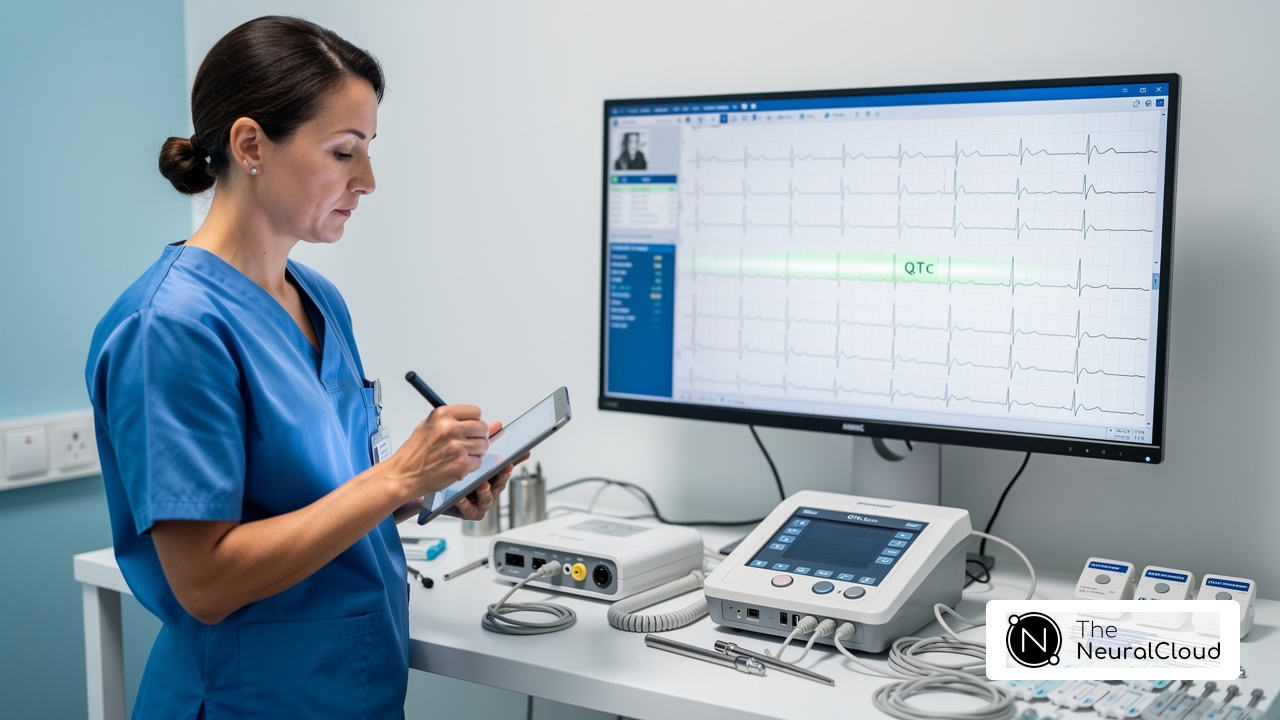
In the realm of 12-lead ECG portable instruments, healthcare professionals face significant challenges in their quest for enhanced functionality and usability. Critical aspects to consider include:
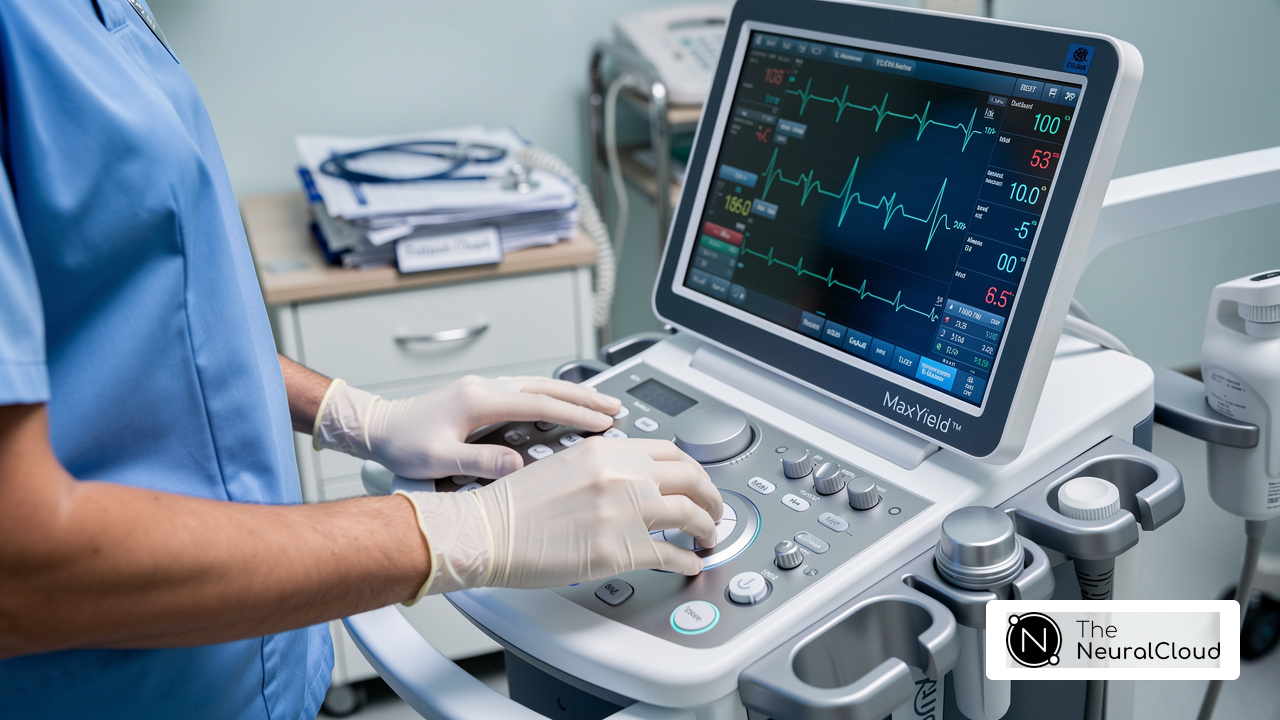
- Accuracy and Sensitivity: High-fidelity readings are crucial for reliable diagnoses. Devices can benefit from advanced algorithms for signal processing, similar to what Neural Cloud Solutions' MaxYield technology offers, enhancing signal clarity and minimizing motion noise. MaxYield enables premium features that competitors can't match, ensuring superior performance. Research shows that ECG smart chest patches exhibit a combined sensitivity of 96.1% and specificity of 97.5%, underscoring the importance of precision in selection.
- User-Friendly Interface: A simple interface allows medical professionals to operate the equipment effectively, lowering the learning curve and decreasing mistakes during operation. This ensures clinicians can swiftly adapt to new technologies, minimizing the need for extensive training.
- Portability and Battery Life: Portability and battery life are essential for mobile applications, as lightweight designs and prolonged battery life enable medical professionals to use a 12-lead ECG portable device to perform tests in various environments without interruption. Devices that can operate continuously for up to 14 days, like certain patch monitors, exemplify this need.
- Data Connectivity: Support for wireless data transmission is essential for real-time monitoring and integration with electronic health records (EHRs). This feature enhances workflow efficiency and ensures that patient data is readily accessible for timely decision-making.
- Multi-Lead Capability: Devices capable of capturing multiple leads provide a comprehensive view of cardiac activity, which is essential for accurate diagnosis. The ability to analyze various leads improves the detection of arrhythmias, as evidenced by the high diagnostic yields reported for multi-lead systems.
By focusing on these attributes, healthcare providers can select equipment that is 12-lead ECG portable and meets clinical standards while enhancing patient outcomes.

Ensure Seamless Integration with Existing Healthcare Systems
Integrating portable ECG equipment with existing medical systems presents significant challenges that healthcare organizations must navigate. To effectively utilize 12-lead ECG portable devices, smooth integration is essential. Here are key strategies to achieve this:
- Interoperability Standards: Select devices that adhere to established interoperability standards, such as HL7 or FHIR, to facilitate efficient data exchange between devices and electronic health records (EHRs).
- Vendor Collaboration: Work closely with equipment manufacturers to comprehend their integration capabilities, ensuring their solutions align with your medical infrastructure. This collaboration is vital for addressing specific integration challenges and enhancing overall system compatibility.
- Data Management Solutions: Implement robust data management systems capable of handling the influx of information from 12-lead ECG portable devices. This ensures accurate capture, storage, and analysis of information, which is essential for effective patient monitoring.
- Training for IT Staff: Provide comprehensive training for IT personnel on the integration process, focusing on troubleshooting and maintenance to minimize downtime and ensure smooth operation.
- Pilot Testing: Conduct pilot tests to identify potential integration issues before full-scale implementation. This approach allows for adjustments based on real-world feedback, enhancing the likelihood of successful integration.
Ultimately, these strategies not only streamline operations but also enhance the quality of patient care through more effective monitoring and timely interventions.

Implement Comprehensive Training and Support Programs
Healthcare professionals often face challenges in effectively utilizing 12-lead ECG portable equipment without adequate training and support. Successful implementation of this technology relies on strong training and support programs. Key components include:
- Hands-On Training: Conduct practical training sessions that immerse healthcare professionals in the device's features and functionalities. Simulations and real-life scenarios improve familiarity and confidence in operating the equipment.
- Ongoing Education: Establish a continuous education program to keep staff informed about the latest advancements in ECG technology and best practices. Regular updates are vital for maintaining high standards of care.
- Resource Availability: Provide accessible materials such as manuals, video tutorials, and FAQs to assist staff in troubleshooting and optimizing device use. These resources empower individuals to resolve issues independently.
- Feedback Mechanisms: Create channels for users to report challenges and suggest improvements. This feedback loop is essential for refining training programs and effectively addressing common issues.
- Support Teams: Designate a dedicated support team to assist healthcare providers with technical inquiries and challenges, ensuring timely assistance is available when needed.
Investing in these training and support initiatives not only enhances staff proficiency but also leads to better patient outcomes. Ultimately, a well-trained staff can significantly enhance patient care and optimize the use of the 12-lead ECG portable technology.

Establish Continuous Evaluation and Feedback Mechanisms
Maintaining the effectiveness of the 12-lead ECG portable equipment requires ongoing evaluation and responsive feedback mechanisms. Key strategies include:
- Regular Performance Reviews: Conduct periodic assessments focusing on accuracy, reliability, and user satisfaction. By examining information gathered from instruments alongside feedback from healthcare providers, vital insights can be uncovered. For instance, 85 percent of FDA 510(k) applications received a Substantially Equivalent determination, underscoring the importance of adhering to regulatory standards in performance. Utilizing MaxYield™, which identifies and labels essential data even in recordings with high levels of noise, can significantly enhance these reviews by providing clearer insights into equipment performance.
- Participant Surveys: Implement participant surveys to gather insights on usability and functionality. These surveys are crucial for guiding improvements and informing future training programs. Recent statistics indicate that feedback from users greatly enhances satisfaction and usability of devices, with many individuals reporting increased confidence in their ECG readings when equipment is consistently updated based on their insights. A survey revealed that nearly 90 percent of medical equipment industry leaders prioritize consumer feedback to refine product development. The integration of MaxYield™ can further enhance user experience by automating the labeling process, thus reducing manual workload and improving usability.
- Data Analytics: Utilize data analytics to monitor usage patterns and identify trends that may highlight areas for improvement or additional training needs. This proactive strategy can lead to enhanced user experiences and superior patient outcomes, as evidenced by the growing investment in data-driven solutions within the medical equipment sector. The continuous learning model of MaxYield™ ensures that the algorithm evolves with each use, improving accuracy and efficiency over time, which can be reflected in the analytics.
- Clinical Outcomes Tracking: Monitor clinical outcomes linked to the use of 12-lead ECG portable equipment to assess their impact on patient care. This monitoring can reveal opportunities for improvement and demonstrate the tools' effectiveness in real-world settings. For example, studies have shown that effective tracking can lead to better patient outcomes and satisfaction. With MaxYield™'s advanced noise filtering and wave recognition capabilities, healthcare providers can recover previously obscured sections of recordings, leading to improved clinical insights.
- Adjustment to Feedback: Be prepared to modify training programs and equipment functionalities based on assessment outcomes and participant feedback. This adaptability ensures that the technology remains relevant and effective, ultimately enhancing patient care. Navigating the complexities and timelines for medical equipment regulatory approval can be challenging, such as the average decision time of closer to five months for 510(k) applications, highlighting the need for ongoing adjustments based on user input.
This commitment to continuous improvement not only enhances device performance but ultimately leads to better patient outcomes.

Conclusion
Deploying portable 12-lead ECG devices in healthcare settings presents unique challenges that must be addressed for successful implementation. Successful deployment requires selecting equipment that is accurate, user-friendly, portable, and capable of seamless data connectivity and multi-lead functionality. By prioritizing these features, healthcare providers can enhance diagnostic precision and improve patient outcomes.
The article emphasizes the importance of integrating portable ECG devices with existing healthcare systems through interoperability standards, vendor collaboration, and robust data management solutions. Additionally, comprehensive training and support programs are essential for empowering healthcare professionals to utilize the technology effectively. Continuous evaluation and feedback mechanisms further ensure that devices remain efficient and relevant, ultimately leading to improved patient care.
These insights reveal that strategically implementing portable ECG devices can truly transform cardiac care. Embracing best practices not only enhances the functionality of these devices but also fosters an environment where healthcare providers can deliver timely and accurate diagnoses. As the landscape of medical technology evolves, ongoing commitment to training, integration, and evaluation will be pivotal in maximizing the benefits of portable ECG devices for both clinicians and patients alike.
Frequently Asked Questions
What are the essential features to consider for portable ECG devices?
The essential features include accuracy and sensitivity, user-friendly interface, portability and battery life, data connectivity, and multi-lead capability.
Why is accuracy and sensitivity important in portable ECG devices?
High-fidelity readings are crucial for reliable diagnoses. Advanced algorithms for signal processing, like those offered by Neural Cloud Solutions' MaxYield technology, enhance signal clarity and minimize motion noise, which is vital for precise selection.
How does a user-friendly interface benefit healthcare professionals using portable ECG devices?
A simple interface allows medical professionals to operate the equipment effectively, reducing the learning curve and minimizing mistakes during operation, which helps clinicians adapt quickly to new technologies.
What role does portability and battery life play in the effectiveness of portable ECG devices?
Portability and extended battery life are essential for mobile applications, allowing medical professionals to perform tests in various environments without interruption. Devices that operate continuously for up to 14 days exemplify this need.
Why is data connectivity important for portable ECG devices?
Support for wireless data transmission is crucial for real-time monitoring and integration with electronic health records (EHRs), enhancing workflow efficiency and ensuring that patient data is accessible for timely decision-making.
What is the advantage of multi-lead capability in portable ECG devices?
Devices that capture multiple leads provide a comprehensive view of cardiac activity, which is essential for accurate diagnosis and improves the detection of arrhythmias, leading to higher diagnostic yields.
List of Sources
- Identify Essential Features for Portable ECG Devices
- sciencedirect.com (https://sciencedirect.com/science/article/pii/S1443950624006309)
- Study Shows Promising Results for ECG Technology (https://dicardiology.com/content/study-shows-promising-results-ecg-technology)
- pmc.ncbi.nlm.nih.gov (https://pmc.ncbi.nlm.nih.gov/articles/PMC11853970)
- ECG portable devices: example of e-Health strength and threats (https://escardio.org/communities/councils/cardiology-practice/scientific-documents-and-publications/ejournal/volume-18/ecg-portable-devices-example-of-e-health-strength-and-threats)
- Ensure Seamless Integration with Existing Healthcare Systems
- statista.com (https://statista.com/topics/10863/healthcare-interoperability?srsltid=AfmBOophbLhUWA-Dwg_-GFVz1To_9t8MCo3dNjM-lPj4EBBOc-vINCrx)
- ir.heartbeam.com (https://ir.heartbeam.com/news-events/press-releases/detail/91/heartbeam-and-accurkardia-announce-strategic-collaboration)
- massdevice.com (https://massdevice.com/heartbeam-mount-sinai-ai-heart-monitoring-collab)
- Implement Comprehensive Training and Support Programs
- Mastering EKG Training: Essential Skills for Healthcare Providers (https://americanmedicalcompliance.com/general/mastering-ekg-training-essential-skills-for-healthcare-providers)
- gehealthcare.com (https://gehealthcare.com/en-us/courses/clinical-education/dcar?srsltid=AfmBOoqMATrCjyGzKOHuWZ-YxZkc8s4TAJoJg1H3TGt6BztVIDWYwD3r)
- Data presented at ACC.26 further demonstrate the benefits of iRhythm’s Zio® ambulatory ECG portfolio across multiple patient populations as company launches new digital education platform (https://investors.irhythmtech.com/news/news-details/2026/Data-presented-at-ACC-26-further-demonstrate-the-benefits-of-iRhythms-Zio-ambulatory-ECG-portfolio-across-multiple-patient-populations-as-company-launches-new-digital-education-platform/default.aspx)
- Establish Continuous Evaluation and Feedback Mechanisms
- 5 Medical Device Regulatory Approval Statistics You Need to Know - Arrotek | Medical Device Innovation (https://arrotek.com/5-medical-device-regulatory-approval-statistics-you-need-to-know)
- FDA Updates Broaden Wellness and Clinical Decision Support Software Devices Under Enforcement (https://emergobyul.com/news/fda-updates-broaden-wellness-and-clinical-decision-support-software-devices-under-enforcement)
- Medical Device Industry Facts, Trends and Statistics 2025 (https://arterexmedical.com/medical-device-industry-statistics)
- georgiasouthern.edu (https://georgiasouthern.edu/2026/03/05/georgia-southern-study-evaluates-reliability-and-accuracy-of-wrist-based-heart-monitoring)