Introduction
Healthcare professionals face significant hurdles in effectively monitoring atrial fibrillation (AFib), risking patient safety. With the rising prevalence of AFib, implementing best practices for telemetry monitoring is essential for improving patient outcomes.
So, how can healthcare providers effectively navigate the complexities of AFib management while ensuring compliance and utilizing advanced technologies?
In this piece, we’ll explore effective strategies and innovative solutions that can enhance telemetry monitoring for AFib, ultimately transforming patient care.
Understand Atrial Fibrillation: Key Concepts and Implications for Telemetry
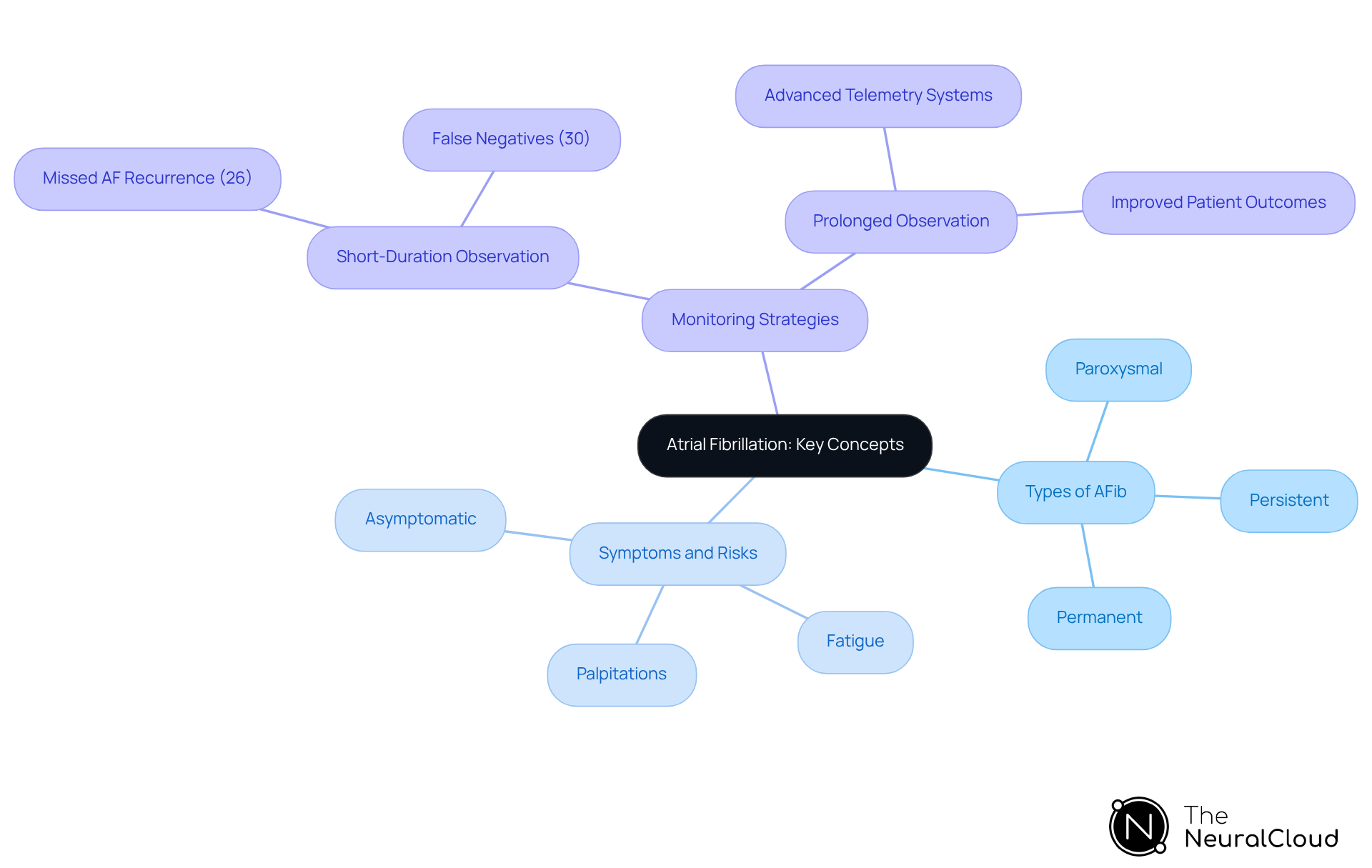
Atrial fibrillation presents significant challenges for healthcare professionals, particularly in its management and monitoring. It is characterized by an irregular and often rapid heart rhythm, leading to serious complications such as stroke and heart failure. Understanding the pathophysiology of atrial fibrillation is crucial for healthcare professionals, as it directly influences their observation of AFib on telemetry. Key concepts include:
- Types of AFib: AFib can be classified as paroxysmal (intermittent), persistent, or permanent, each necessitating distinct monitoring approaches to effectively manage the condition.
- Symptoms and Risks: Patients might experience palpitations, fatigue, or even no symptoms at all. Timely recognition of these symptoms is essential for prompt intervention and management.
The inherent variability in heart rhythm highlights the necessity for ongoing observation to accurately capture AFib episodes, particularly AFib on telemetry, especially in individuals with paroxysmal AFib.
Recent studies suggest that dependence on short-duration observation (24-48 hours) can result in considerable misclassification of AF recurrence, with up to 30% of cases possibly overlooked. This highlights the importance of prolonged observation strategies, like those provided by advanced telemetry systems, to improve patient outcomes, particularly in detecting AFib on telemetry. By grasping these concepts, medical professionals can more effectively customize telemetry oversight for individuals with AFib on telemetry to address their unique requirements, ultimately enhancing patient care and outcomes.
Implement Effective Telemetry Monitoring Strategies for AFib
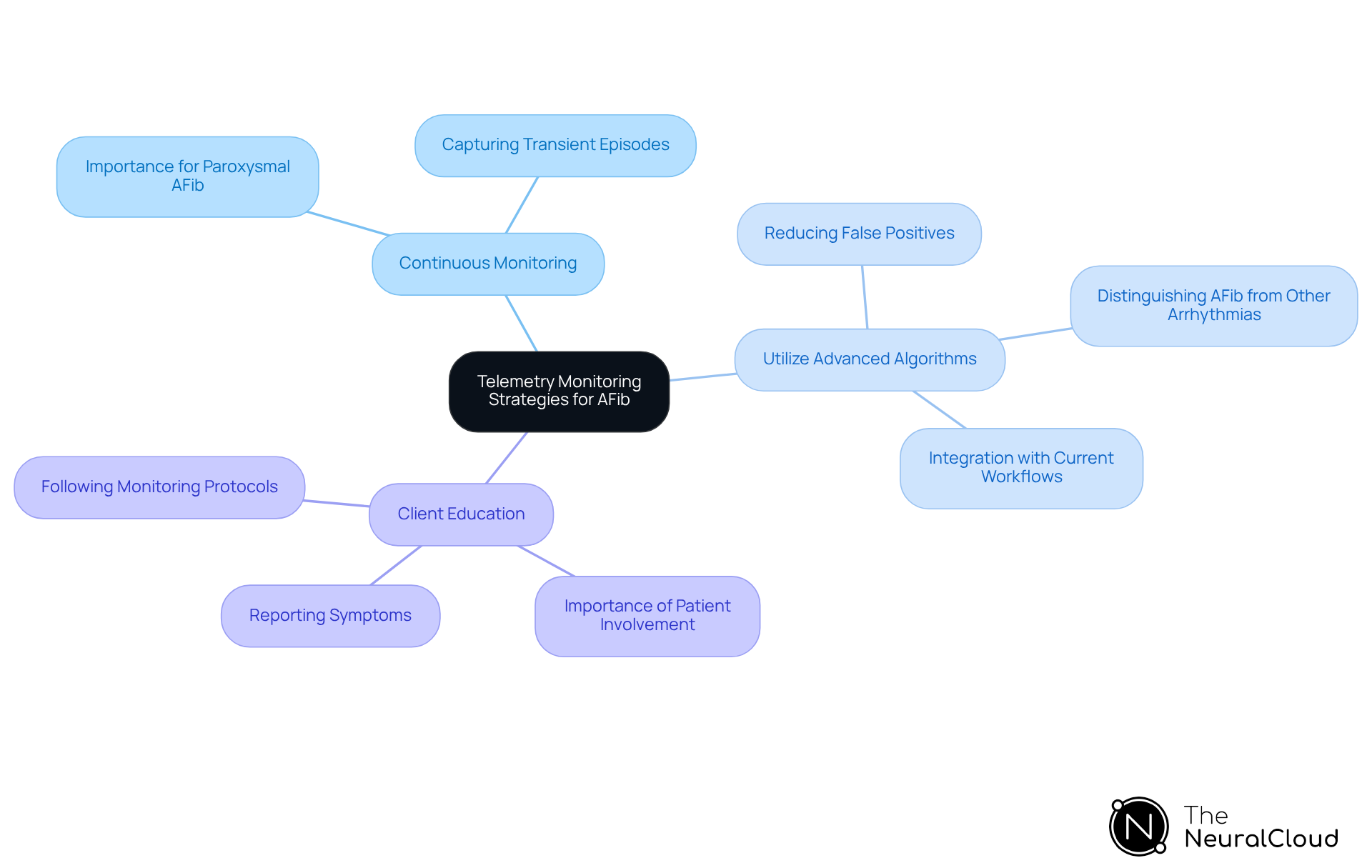
Healthcare providers face significant challenges in accurately monitoring atrial fibrillation (AFib), which can lead to missed diagnoses and ineffective treatment plans. To address these issues, they should consider the following strategies:
- Continuous Monitoring: Implement continuous telemetry monitoring to capture transient AFib episodes that may be overlooked during intermittent checks. This method is particularly essential for patients with paroxysmal atrial fibrillation, ensuring that critical data is not missed.
- Utilize Advanced Algorithms: Adopt algorithms capable of distinguishing between AFib and other arrhythmias, thereby reducing false positives and enhancing diagnostic accuracy. For instance, Neural Cloud Solutions' MaxYield™ platform utilizes advanced noise reduction methods and automated ECG analysis to provide accurate insights, facilitating thorough oversight across multiple devices and integrating seamlessly into current workflows.
- Client Education: When patients are involved in their care, they tend to stick to their treatment plans better, which can lead to improved health outcomes. Inform clients about the importance of reporting symptoms and following monitoring protocols.
Regular review of telemetry data, including afib on telemetry, is essential to identify trends and adjust treatment plans as necessary. This proactive approach facilitates timely interventions and effective management of atrial fibrillation.
By embracing these strategies, healthcare providers can enhance their telemetry monitoring capabilities, ultimately leading to improved patient outcomes in atrial fibrillation management.
Leverage Advanced Technologies for Enhanced AFib Monitoring
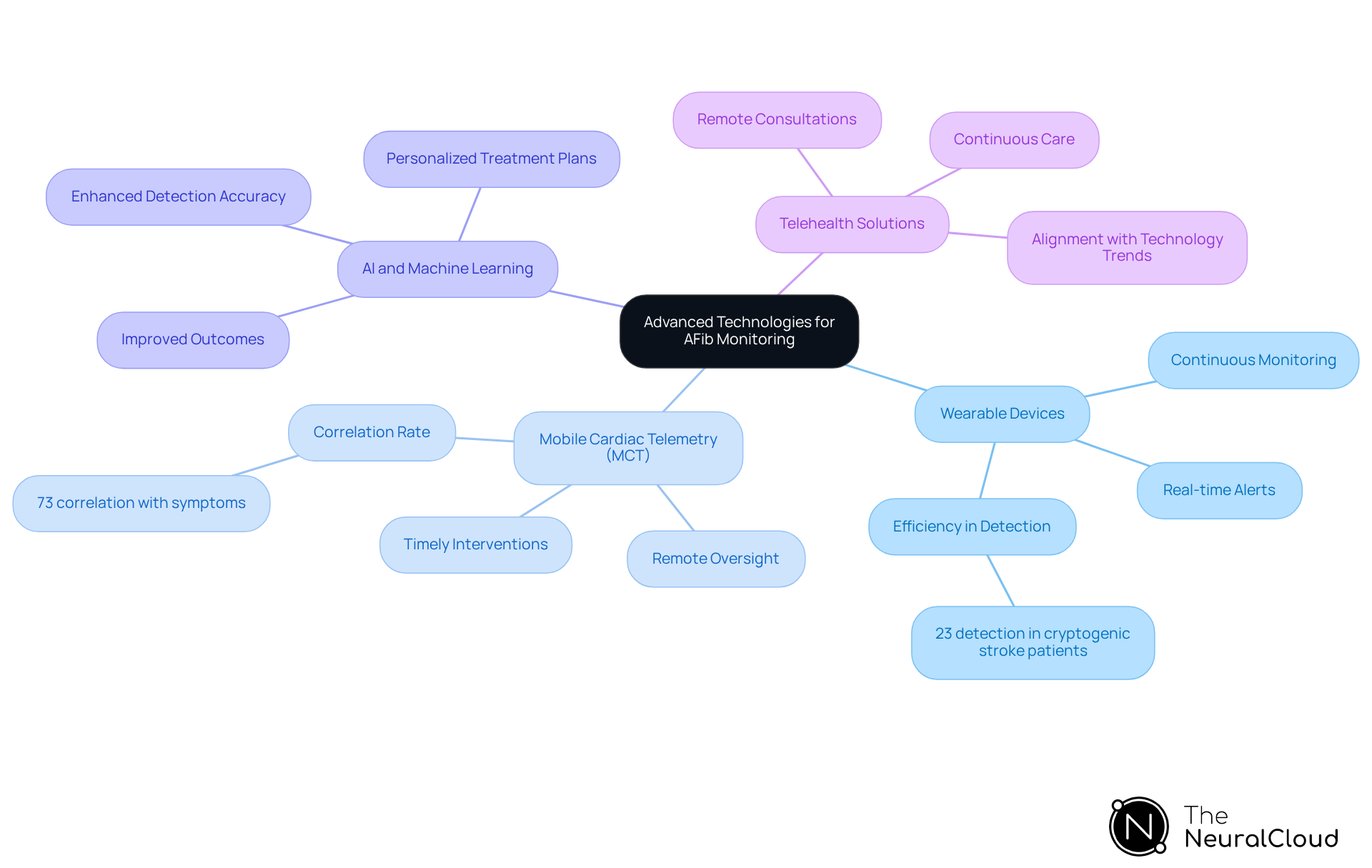
Traditional ECG analysis often struggles with timely detection of atrial fibrillation, leading to delayed patient care. Advanced technologies are essential for enhancing the observation of afib on telemetry. Healthcare providers should consider the following tools:
- Wearable Devices: Smartwatches and portable ECG monitors enable continuous heart rhythm monitoring, facilitating real-time data collection and alerts for AFib episodes. Recent research shows that these devices can identify atrial fibrillation considerably more efficiently than conventional techniques, with some wearable technologies recognizing it in up to 23% of individuals with cryptogenic stroke after merely a week of observation.
- Mobile Cardiac Telemetry (MCT): MCT systems offer remote oversight capabilities, granting healthcare providers access to real-time data, including afib on telemetry, and enabling timely interventions. This technology is especially beneficial for individuals encountering occasional atrial fibrillation episodes, as it links symptoms with underlying rhythms, achieving a correlation rate of 73% in certain studies involving afib on telemetry.
- AI and Machine Learning: The integration of AI algorithms into surveillance systems enhances AFib detection accuracy by analyzing extensive datasets and identifying patterns that may elude human observation. This technological advancement can lead to improved outcomes for individuals through more personalized treatment plans, as evidenced by studies showing that dynamic monitoring can significantly enhance access to care and early intervention.
- Telehealth Solutions: Implementing telehealth platforms facilitates remote consultations and follow-ups, ensuring continuous care without the need for frequent in-person visits. This approach not only improves how we manage patients but also aligns with the growing trend of using technology in healthcare.
By utilizing these advanced technologies, especially the features of MaxYield™ and the adaptable visualization and reporting tool Insight360, medical providers can greatly improve their atrial fibrillation strategies, particularly in monitoring afib on telemetry, resulting in better patient management and outcomes. Furthermore, the Heart Rhythm Society's annual meeting highlights the latest advancements in these technologies, offering a platform for medical professionals to stay informed and connected. With MaxYield™ pending FDA Class II SaMD clearance, healthcare providers can trust that they are utilizing a compliant and effective solution for AFib management.
Overcome Adoption and Compliance Challenges in AFib Monitoring
Healthcare providers face significant challenges when implementing effective strategies for monitoring afib on telemetry, impacting patient care quality.
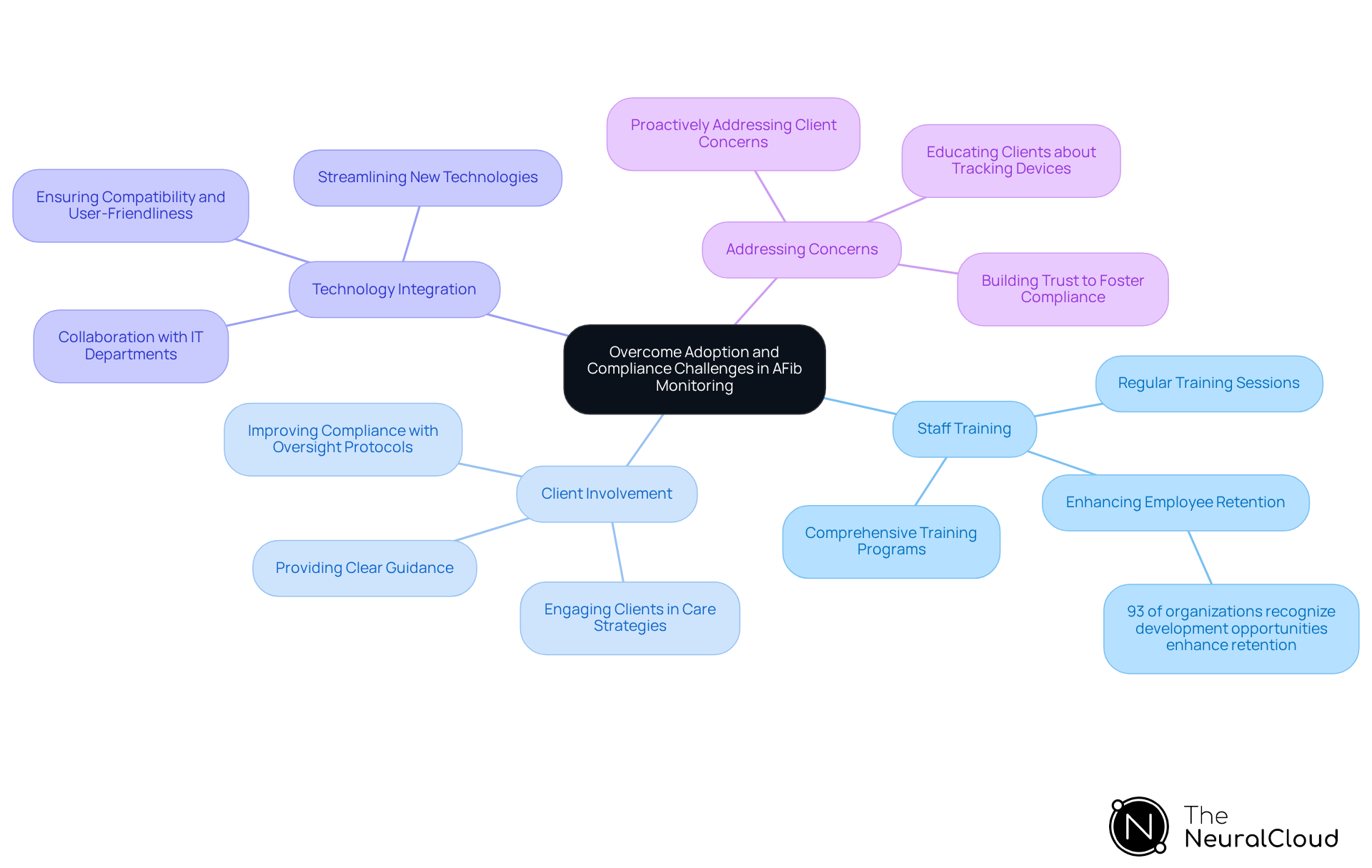
- Staff Training: Comprehensive training for all staff members on telemetry equipment and data interpretation is essential. Regular training sessions not only uphold high standards of care but also improve compliance. Notably, 93% of organizations recognize that development opportunities significantly enhance employee retention, highlighting the importance of ongoing education in healthcare settings. Without proper training, staff may struggle to effectively interpret telemetry data, including afib on telemetry, risking patient care quality.
- Client Involvement: Fostering a culture of client engagement is essential. Engaging individuals in their care strategies and offering clear guidance can greatly improve compliance with oversight protocols. Involved individuals are more likely to adhere to their assessments, resulting in improved health results.
- Technology Integration: Streamlining the integration of new technologies into existing workflows is crucial to minimize disruptions. Collaborating with IT departments ensures that systems are compatible and user-friendly, facilitating smoother transitions and enhancing operational efficiency. Failure to integrate technology smoothly can lead to operational inefficiencies, impacting patient monitoring capabilities.
- Addressing Concerns: Proactively addressing client concerns regarding tracking devices-such as privacy issues or discomfort-is essential. By reassuring clients and educating them about the devices, we can help ease their worries and build trust. This approach fosters compliance and enhances the overall experience.
By proactively addressing these challenges, healthcare providers can not only enhance compliance but also significantly improve patient outcomes in AFib management, especially when utilizing afib on telemetry.
Conclusion
Monitoring atrial fibrillation (AFib) through telemetry presents significant challenges that demand innovative solutions. By focusing on continuous monitoring, utilizing advanced technologies, and engaging proactively with patients, healthcare providers can enhance their ability to manage AFib effectively. Innovative solutions from companies like Neural Cloud Solutions Inc. are crucial for improving diagnostic accuracy and patient outcomes.
Key strategies include:
- Continuous telemetry monitoring to capture transient AFib episodes.
- Utilizing advanced algorithms to reduce misdiagnosis.
- Educating patients to foster adherence to treatment plans.
Additionally, leveraging wearable devices, mobile cardiac telemetry, and AI technologies can transform AFib monitoring, ensuring timely interventions and personalized care. Addressing challenges related to staff training, client involvement, and technology integration is equally vital for optimizing monitoring practices.
Effective AFib telemetry monitoring is crucial for patient care. By prioritizing these strategies, healthcare providers can redefine AFib management, ultimately enhancing the quality of care for patients.
Frequently Asked Questions
What is atrial fibrillation (AFib)?
Atrial fibrillation is characterized by an irregular and often rapid heart rhythm, which can lead to serious complications such as stroke and heart failure.
What are the types of atrial fibrillation?
Atrial fibrillation can be classified into three types: paroxysmal (intermittent), persistent, and permanent. Each type requires different monitoring approaches for effective management.
What symptoms might patients with AFib experience?
Patients with atrial fibrillation may experience symptoms such as palpitations, fatigue, or may have no symptoms at all. Timely recognition of these symptoms is crucial for prompt intervention and management.
Why is ongoing observation important for patients with AFib?
Ongoing observation is essential to accurately capture AFib episodes, particularly in individuals with paroxysmal AFib, due to the inherent variability in heart rhythm.
What are the risks of short-duration observation for AFib?
Relying on short-duration observation (24-48 hours) can lead to significant misclassification of AF recurrence, with studies suggesting that up to 30% of cases may be overlooked.
How can advanced telemetry systems improve patient outcomes for AFib?
Advanced telemetry systems enable prolonged observation strategies, which can enhance the detection of AFib episodes and ultimately improve patient care and outcomes.
List of Sources
- Understand Atrial Fibrillation: Key Concepts and Implications for Telemetry
- Cleveland Clinic-led Trial Shows Pulsed Field Ablation Procedure More Effective Than Medications for Persistent Atrial Fibrillation (https://newsroom.clevelandclinic.org/2026/04/25/cleveland-clinic-led-trial-shows-pulsed-field-ablation-procedure-more-effective-than-medications-for-persistent-atrial-fibrillation)
- Data at Heart Rhythm 2026 highlight key Boston Scientific therapies (https://prnewswire.com/news-releases/data-at-heart-rhythm-2026-highlight-key-boston-scientific-therapies-302753735.html)
- New Study Show Implantable Cardiac Monitors Significantly Improve Care Pathways for Patients with Atrial Fibrillation - HRS (https://hrsonline.org/news/icm-improves-afib-patient-management)
- New Data Presented at HRS 2026 Show Short-Term Holter Monitoring Misses a Large Proportion of AF Recurrence Post-Ablation and Clinically Significant Arrhythmias in Pregnancy (https://irhythm2024rd.q4web.com/news/news-details/2026/New-Data-Presented-at-HRS-2026-Show-Short-Term-Holter-Monitoring-Misses-a-Large-Proportion-of-AF-Recurrence-Post-Ablation-and-Clinically-Significant-Arrhythmias-in-Pregnancy/default.aspx)
- Johnson & Johnson Presents Early Outcomes from the OMNY-AF Pilot Study at 2026 AF Symposium (https://investor.jnj.com/investor-news/news-details/2026/Johnson--Johnson-Presents-Early-Outcomes-from-the-OMNY-AF-Pilot-Study-at-2026-AF-Symposium/default.aspx)
- Implement Effective Telemetry Monitoring Strategies for AFib
- New post-cryptogenic stroke remote telemetry study demonstrates increased atrial fibrillation detection and USD 4 million in cost savings using initial Philips BioTel Heart MCOT monitoring (https://usa.philips.com/a-w/about/news/archive/standard/news/press/2022/20220309-new-post-cryptogenic-stroke-remote-telemetry-study-demonstrates-increased-atrial-fibrillation-detection.html)
- Boston EP Party: Medtech companies share new electrophysiology data at AF Symposium 2026 (https://cardiovascularbusiness.com/topics/cardiac-imaging/ep-lab/boston-ep-party-medtech-companies-share-new-electrophysiology-data-af-symposium-2026)
- Continuous Monitoring Detects Four Times More Atrial Fibrillation Incidence Following Stroke Than Intermittent Monitoring - HRS (https://hrsonline.org/news/hr2022-strokeafstudy)
- The biggest cardiac tech news out of the 2026 AF Symposium (https://massdevice.com/biggest-cardiac-news-2026-af-symposium)
- 4 takeaways from the 2026 AF Symposium (https://medtechdive.com/news/4-takeaways-2026-AF-Symposium-AFib-PFA-Boston/811825)
- Leverage Advanced Technologies for Enhanced AFib Monitoring
- New Study Show Implantable Cardiac Monitors Significantly Improve Care Pathways for Patients with Atrial Fibrillation - HRS (https://hrsonline.org/news/icm-improves-afib-patient-management)
- Modern Wearables for Arrhythmia Detection: Quick Factsheet (https://hmpglobalevents.com/article/modern-wearables-arrhythmia-detection-quick-factsheet)
- Apple Watch Captures More Pediatric Arrhythmia Events (https://hrsonline.org/news/apple-watch-captures-more-pediatric-arrhythmia-events)
- New post-cryptogenic stroke remote telemetry study demonstrates increased atrial fibrillation detection and USD 4 million in cost savings using initial Philips BioTel Heart MCOT monitoring (https://usa.philips.com/a-w/about/news/archive/standard/news/press/2022/20220309-new-post-cryptogenic-stroke-remote-telemetry-study-demonstrates-increased-atrial-fibrillation-detection.html)
- The Use of Mobile Cardiac Telemetry to Improve Diagnostic Accuracy and Enable More Efficient Patient Care (https://uscjournal.com/articles/use-mobile-cardiac-telemetry-improve-diagnostic-accuracy-and-enable-more-efficient-patient?language_content_entity=en)
- Overcome Adoption and Compliance Challenges in AFib Monitoring
- Smartwatches Help Detect Hidden Dangerous Heart Rhythm Problems, Clinical Trial Finds (https://usnews.com/news/health-news/articles/2026-01-23/smartwatches-help-detect-hidden-dangerous-heart-rhythm-problems-clinical-trial-finds)
- 37 Employee Training Statistics and Trends for 2026 | Devlin Peck (https://devlinpeck.com/content/employee-training-statistics)
- FDA approves Omron AI-powered AFib detection in blood pressure monitors (https://finance.yahoo.com/news/fda-approves-omron-ai-powered-122751603.html)
- EQUAL: Smartwatch Monitoring Improves AFib Detection - American College of Cardiology (https://acc.org/latest-in-cardiology/journal-scans/2026/01/28/02/51/equal)
- OMRON Healthcare, UCSF Initiate AFib Clinical Trial (https://mpo-mag.com/breaking-news/omron-healthcare-ucsf-initiate-afib-clinical-trial)