Introduction
The heart is a vital organ that can sometimes betray its owner with rhythms signaling trouble. Conditions like bradycardia and atrial fibrillation (AFib) exemplify this challenge, affecting millions and often leading to serious health complications if left undiagnosed. This article explores the challenges in diagnosing these heart conditions and highlights how advanced technology can enhance accuracy and efficiency in detection. With the rapid evolution of diagnostic tools, healthcare professionals must consider how to leverage the most effective methods to protect their patients' heart health.
Define Bradycardia and Atrial Fibrillation
Bradycardia is characterized by a pulse rate that falls below 60 beats per minute. While this condition can be harmless in well-conditioned athletes, it often indicates underlying health issues in others. Common symptoms include:
- Fatigue
- Dizziness
- Fainting
These symptoms can significantly disrupt daily life.
In contrast, atrial fibrillation manifests as an irregular and often rapid heart rhythm. This condition raises the risk of:
- Blood clots
- Stroke
- Other serious cardiovascular problems
Current statistics show that the overall prevalence of atrial fibrillation in the general population is about 3.89%. This rate increases in older adults, particularly those aged 65 and over, where prevalence can reach 12.49%.
Understanding these conditions is vital for healthcare professionals. Accurate diagnosis and timely intervention can prevent serious complications associated with both bradycardia and afib. By recognizing the signs and symptoms, healthcare providers can better manage patient care and improve outcomes.

Implement Effective Diagnostic Techniques
To effectively diagnose bradycardia and afib, healthcare professionals should adopt a multifaceted approach that combines clinical evaluations with advanced diagnostic tools, particularly leveraging the capabilities of Neural Cloud Solutions' MaxYield™ platform. Key techniques include:
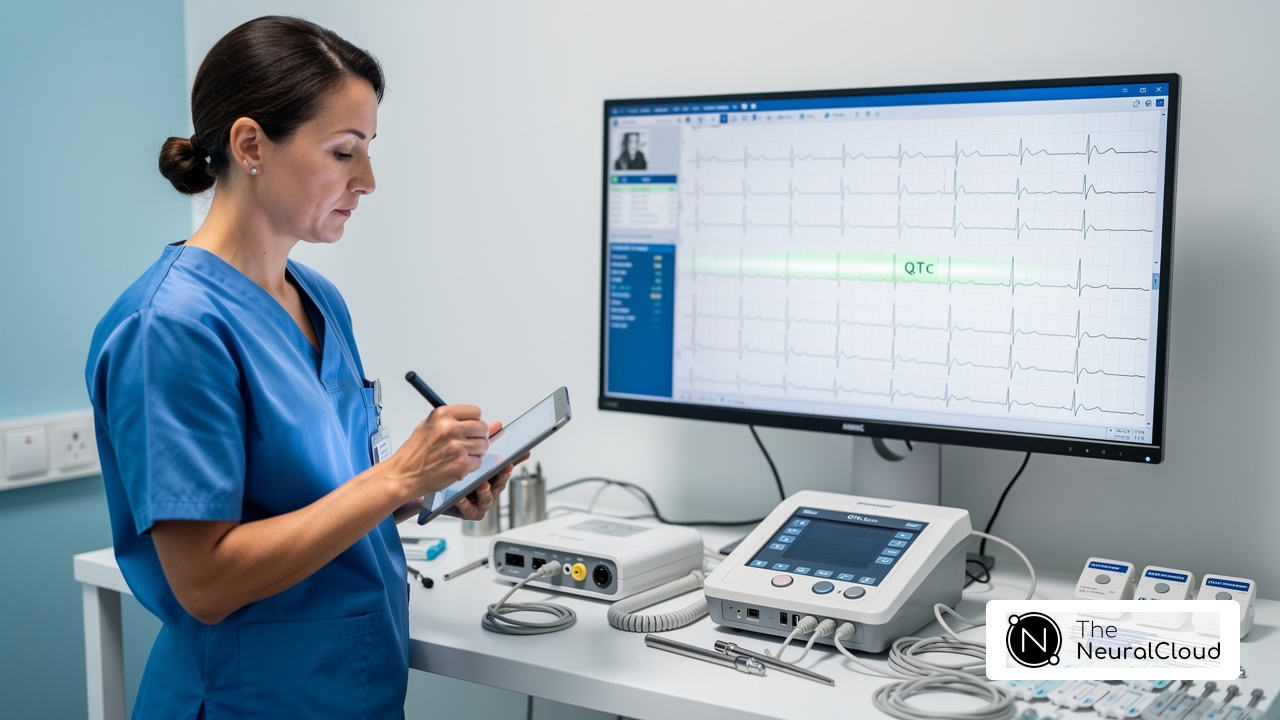
- Electrocardiogram (ECG): As the cornerstone of cardiac diagnostics, ECG captures the heart's electrical activity, revealing abnormal rhythms critical for diagnosing both bradycardia and atrial fibrillation. However, recent studies indicate that current ECG interpretations may not adequately evaluate the unique fibrillatory waves produced by individuals with AFib. This highlights the need for advanced signal-processing techniques, like those offered by MaxYield™, to improve diagnosis through automated labeling and enhanced clarity.
- Holter Monitoring: This continuous ECG monitoring device captures heart activity over 24 to 48 hours, making it invaluable for detecting intermittent symptoms that may not be evident during a standard ECG. Studies show that Holter monitors can significantly enhance the detection of arrhythmias, with detection rates improving when monitoring durations are extended. For instance, a recent study found that cumulative detection rates for MEMO patches increased from 19.0% on day 1 to 34.5% on day 7, demonstrating the effectiveness of longer monitoring periods. MaxYield™ can further streamline this process by automating data extraction, reducing operational costs and improving efficiency.
- Event Monitors: Designed for individuals experiencing sporadic symptoms, these devices allow for ECG recording at the moment symptoms occur, providing targeted data that can lead to timely diagnoses. This approach is particularly advantageous for individuals with a history of arrhythmias, as it captures critical data during symptomatic episodes, which can be analyzed more effectively with MaxYield™’s AI-driven solutions.
- Physical Examination: A thorough physical exam, including pulse checks and blood pressure measurements, is essential for correlating symptoms with heart rate findings, ensuring a comprehensive assessment of the patient's condition. This step is crucial in identifying potential causes of bradycardia and afib.
- Patient History: Collecting a detailed medical history is crucial for identifying potential causes of bradycardia and afib, such as medication effects or underlying health conditions, which can inform treatment strategies. For example, Dr. Jeffrey Goldberger stresses the significance of addressing the whole individual, not just the arrhythmia, to enhance overall health results.
By integrating these techniques with the advanced capabilities of MaxYield™, clinicians can significantly enhance their diagnostic accuracy, leading to timely interventions and improved patient outcomes. Anecdotal evidence, such as David Gray's journey with atrial fibrillation, illustrates the practical application of these techniques, showcasing how comprehensive monitoring and treatment can lead to significant health improvements.

Explore Comprehensive Treatment Options
Treatment for bradycardia and afib varies based on symptom severity and underlying causes. Here are key treatment options:
- Drugs: Medications like atropine can elevate pulse rate in bradycardia. For atrial fibrillation, anticoagulants are crucial to prevent stroke, while antiarrhythmic medications help regulate heart rhythm.
- Pacemaker Implantation: In cases of symptomatic bradycardia, especially when caused by blockages in the cardiac conduction system, a pacemaker may be necessary to maintain an appropriate pulse rate.
- Catheter Ablation: This procedure is often recommended for individuals with atrial fibrillation who do not respond to medication. It involves destroying the tissue responsible for the irregular heart rhythm.
- Lifestyle Modifications: Encouraging heart-healthy habits, such as regular exercise, a balanced diet, and avoiding stimulants, can significantly improve overall heart health.
- Regular Monitoring: Continuous monitoring through wearable devices allows for tracking heart rhythms and detecting changes early, facilitating timely intervention.
By considering these treatment options, healthcare providers can create personalized care plans that address the unique needs of each patient.

Leverage Advanced Technology for Enhanced Care
Advanced technology plays a crucial role in diagnosing and managing bradycardia and afib. The challenges in ECG analysis often stem from the complexity of interpreting heart signals accurately and efficiently. However, innovative solutions like the MaxYield™ platform are transforming this landscape.
Features of MaxYield™:
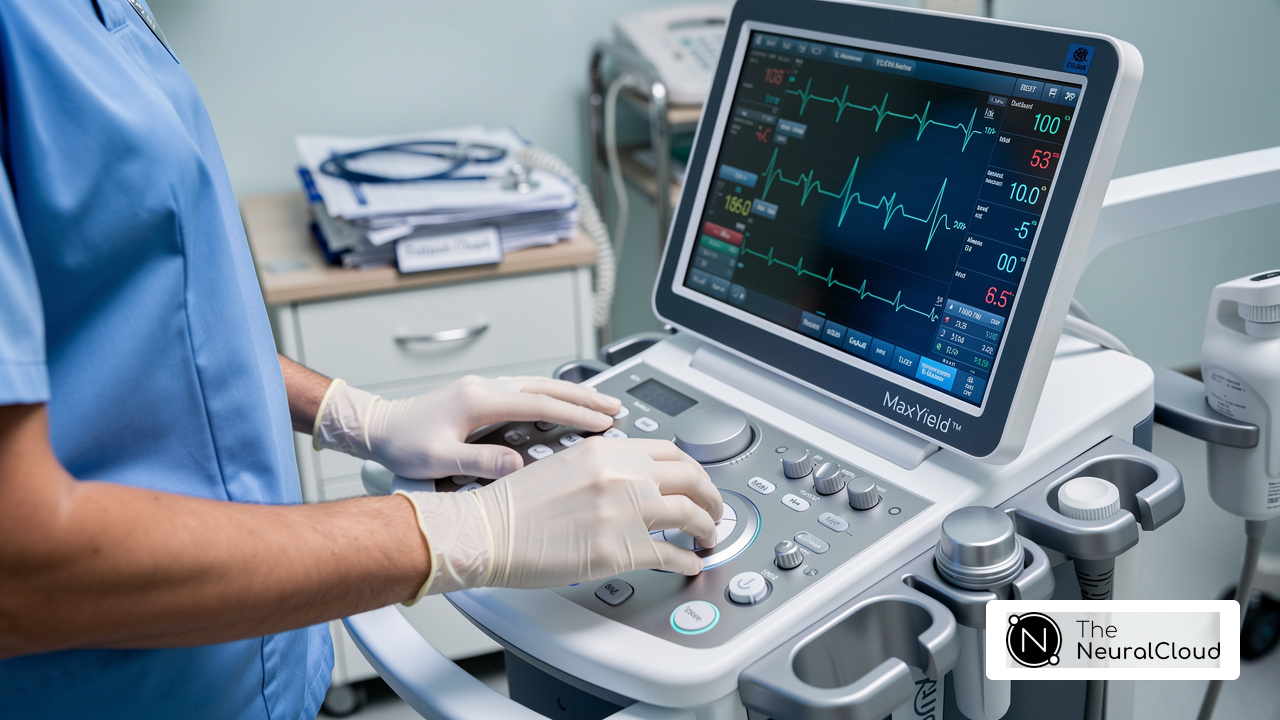
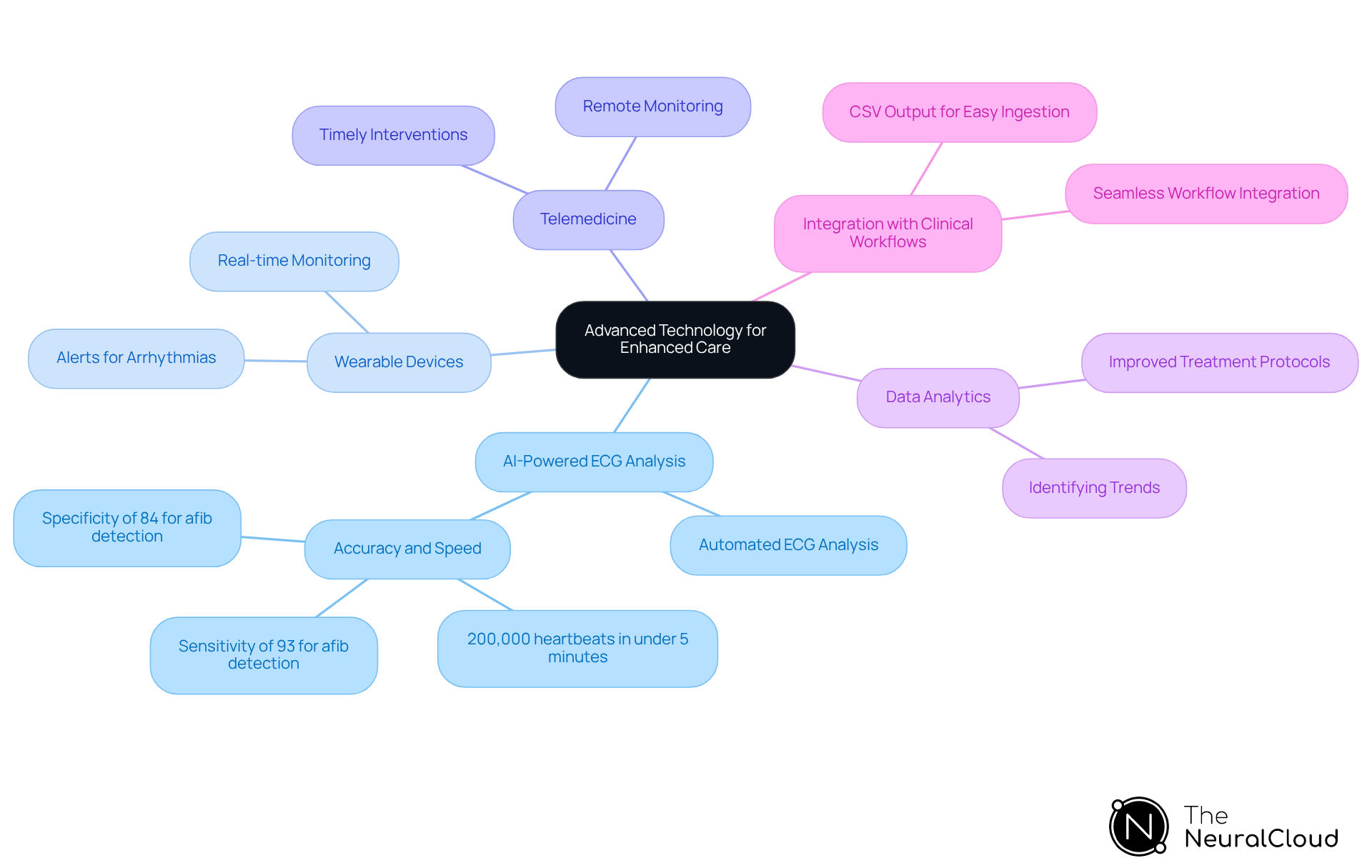
- AI-Powered ECG Analysis: MaxYield™ employs advanced AI algorithms to automate ECG analysis, significantly enhancing accuracy and reducing interpretation time. It meticulously maps ECG signals through noise, isolating and labeling key features in every heartbeat, including P-wave, QRS complex, and T-wave onsets and offsets. This allows for beat-by-beat analysis of 200,000 heartbeats in under five minutes.
- Wearable Devices: Smartwatches and fitness trackers with ECG capabilities monitor heart rhythms in real-time, alerting users to potential arrhythmias. By 2026, AI integration in these devices has shown a sensitivity of 93% and specificity of 84% for detecting atrial fibrillation, empowering individuals to take an active role in their health management.
- Telemedicine: Remote monitoring and telehealth consultations facilitate ongoing client engagement and timely interventions, particularly for those with chronic conditions. This approach not only enhances individual care but also optimizes resource allocation in clinical workflows.
- Data Analytics: Utilizing big data analytics helps identify trends and patterns in healthcare populations, leading to improved treatment protocols and outcomes. MaxYield™ supports this by providing clear data sets and clean signals, enabling users to analyze more data in less time.
- Integration with Clinical Workflows: Advanced technology seamlessly integrates into existing clinical workflows, enhancing efficiency and allowing healthcare providers to focus on patient care rather than administrative tasks. MaxYield™ facilitates this integration by outputting ECG analysis in CSV format for easy ingestion into current workflows.
Advantages for Healthcare Professionals:
By leveraging these technologies, healthcare professionals can significantly enhance their diagnostic capabilities. The MaxYield™ platform enhances patient outcomes in managing bradycardia and afib while also streamlining ECG analysis. This comprehensive approach ensures that healthcare providers are equipped with the tools necessary for effective patient care.
Conclusion
Understanding bradycardia and atrial fibrillation is crucial for effective patient care, as these conditions can have significant health implications. The article emphasizes the importance of accurate diagnosis and timely intervention, highlighting the need for healthcare professionals to utilize advanced diagnostic techniques and technology. By integrating these methods, clinicians can enhance their ability to identify and manage these heart conditions effectively.
Key insights discussed include the multifaceted approach to diagnosis that combines clinical evaluations, advanced tools like ECG, Holter monitoring, and event monitors, along with comprehensive patient histories. The article also underscores the significance of personalized treatment options, from medication to lifestyle modifications, and the transformative role of technology, particularly through platforms like MaxYield™, in improving diagnostic accuracy and patient outcomes.
In light of the increasing prevalence of these heart conditions, it is imperative for healthcare providers to stay informed about best practices and technological advancements. Embracing these innovations not only enhances diagnostic capabilities but also fosters a proactive approach to patient care. As the landscape of cardiac health continues to evolve, leveraging advanced technology will be key to improving outcomes and ensuring that patients receive the comprehensive care they deserve.
Challenges in ECG Analysis
ECG analysis presents several challenges, including the complexity of data interpretation and the need for timely decision-making. Healthcare professionals often face difficulties in accurately diagnosing conditions due to the limitations of traditional methods.
Features of MaxYield™
- Advanced ECG Analysis: MaxYield™ utilizes cutting-edge algorithms to enhance the accuracy of ECG readings.
- Real-Time Monitoring: The platform allows for continuous monitoring, providing immediate insights into patient conditions.
- User-Friendly Interface: Designed for ease of use, it enables healthcare professionals to navigate the system effortlessly.
Advantages for Healthcare Professionals
By integrating MaxYield™ into their practice, healthcare providers can significantly improve diagnostic accuracy and patient outcomes. The platform not only streamlines the analysis process but also empowers clinicians to make informed decisions quickly, ultimately enhancing patient care.
Frequently Asked Questions
What is bradycardia?
Bradycardia is a condition characterized by a pulse rate that falls below 60 beats per minute.
What are the common symptoms of bradycardia?
Common symptoms of bradycardia include fatigue, dizziness, and fainting.
Can bradycardia be harmless?
Yes, bradycardia can be harmless in well-conditioned athletes, but it often indicates underlying health issues in others.
What is atrial fibrillation?
Atrial fibrillation is a condition that manifests as an irregular and often rapid heart rhythm.
What risks are associated with atrial fibrillation?
Atrial fibrillation raises the risk of blood clots, stroke, and other serious cardiovascular problems.
What is the prevalence of atrial fibrillation in the general population?
The overall prevalence of atrial fibrillation in the general population is about 3.89%.
How does the prevalence of atrial fibrillation change with age?
The prevalence of atrial fibrillation increases in older adults, particularly those aged 65 and over, where it can reach 12.49%.
Why is it important for healthcare professionals to understand bradycardia and atrial fibrillation?
Understanding these conditions is vital for healthcare professionals because accurate diagnosis and timely intervention can prevent serious complications associated with both bradycardia and atrial fibrillation.
List of Sources
- Define Bradycardia and Atrial Fibrillation
- Bradycardia - The Cardiology Advisor (https://thecardiologyadvisor.com/ddi/bradycardia)
- Societies Publish New Guidance for the Treatment of Slow, Irregular Heartbeats - HRS (https://hrsonline.org/news/societies-publish-new-guidance-treatment-slow-irregular-heartbeats)
- jacc.org (https://jacc.org/doi/10.1016/j.jacadv.2024.101330)
- New research finds 62% of AFib patients were unaware of the condition before diagnosis (https://newsroom.heart.org/news/new-research-finds-62-of-afib-patients-were-unaware-of-the-condition-before-diagnosis)
- pmc.ncbi.nlm.nih.gov (https://pmc.ncbi.nlm.nih.gov/articles/PMC10689927)
- Implement Effective Diagnostic Techniques
- The biggest cardiac tech news out of the 2026 AF Symposium (https://massdevice.com/biggest-cardiac-news-2026-af-symposium)
- Improving Outcomes for People with Atrial Fibrillation - InventUM (https://news.med.miami.edu/improving-outcomes-for-people-with-atrial-fibrillation)
- Accuracy of a Single-Lead ECG Device for Diagnosis of Cardiac Arrhythmias Compared Against Cardiac Electrophysiology Study (https://heartlungcirc.org/article/S1443-9506(24)00630-9/fulltext)
- pmc.ncbi.nlm.nih.gov (https://pmc.ncbi.nlm.nih.gov/articles/PMC10264726)
- Explore Comprehensive Treatment Options
- stopafib.org (https://stopafib.org/afib-news-events/news/transcript-of-afib-chat-with-cleveland-clinic-atrial-fibrillation-experts-on-march-6-2017)
- pmc.ncbi.nlm.nih.gov (https://pmc.ncbi.nlm.nih.gov/articles/PMC4680076)
- Improving Outcomes for People with Atrial Fibrillation - InventUM (https://news.med.miami.edu/improving-outcomes-for-people-with-atrial-fibrillation)
- Leverage Advanced Technology for Enhanced Care
- kotatv.com (https://kotatv.com/2026/01/04/most-americans-use-heartmonitoring-devices-dont-share-data-with-doctors-survey-shows)
- medicine.lu.se (https://medicine.lu.se/article/ai-better-humans-analysing-long-term-ecg-recordings)
- The diagnostic accuracy of artificial intelligence enhanced electrocardiography for the detection of cardiac dysfunction (https://explorationpub.com/Journals/ec/Article/101293)
- Investigating the Efficacy of AI-Powered Innovations in ECG Analysis and Continuous Heart Monitoring: A Comprehensive Narrative Review - PMC (https://pmc.ncbi.nlm.nih.gov/articles/PMC12419789)