Introduction
Despite the critical role of accurate ECG diagnostics in patient care, many healthcare professionals face significant challenges in interpretation and compliance.
Let’s explore best practices that enhance ECG analysis precision while tackling the training and compliance challenges in clinical settings across Canada.
By embracing advanced technologies and structured training, healthcare providers can significantly enhance ECG analysis and improve patient outcomes.
Understand ECG Fundamentals and Techniques
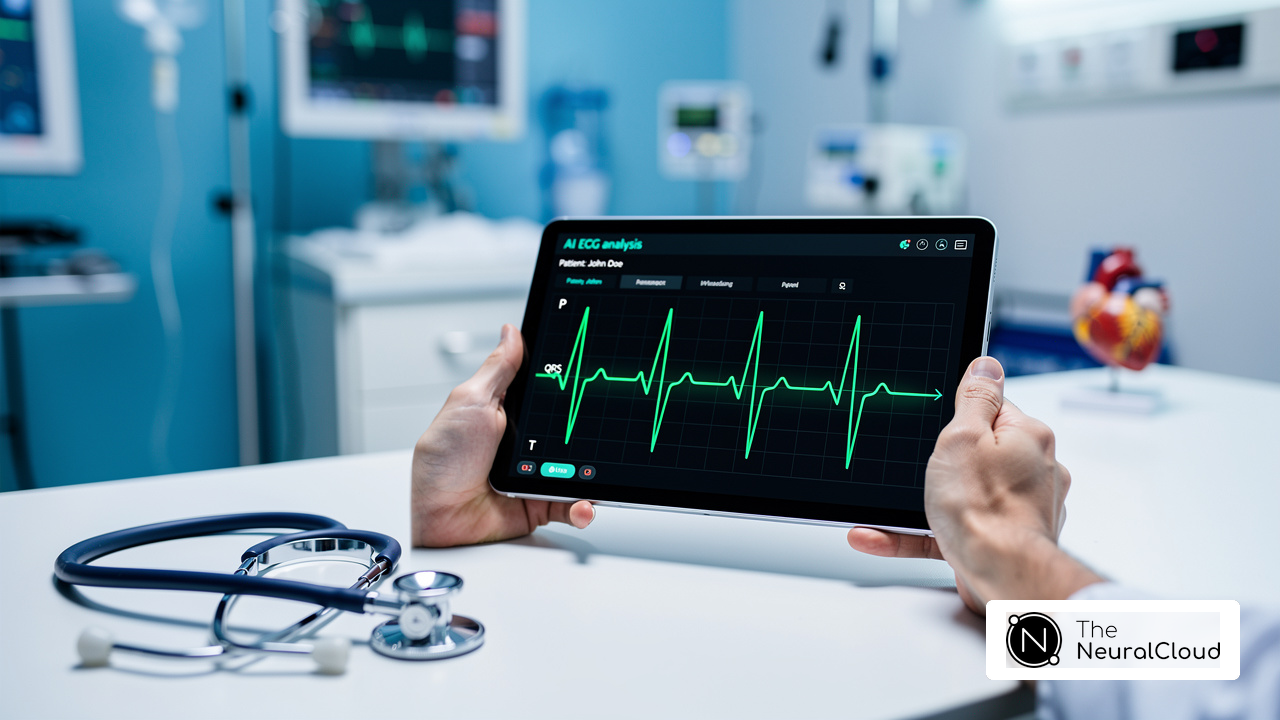
Understanding the fundamental principles of electrocardiography is crucial for enhancing diagnostic accuracy in ECG analysis. This includes grasping the electrical activity of the heart, recognizing the significance of the P, QRS, and T waves, and ensuring proper electrode placement. Practitioners should be well-versed in the standard 12-lead ECG setup, as well as the common arrhythmias and their corresponding ECG patterns.
Key Techniques:
- Electrode Placement: Ensure correct placement to minimize artifacts and improve signal quality. Misplaced electrodes can lead to significant diagnostic errors, impacting patient care, as studies show that over 50% of ECG cases suffer from misplacement issues.
- Waveform Analysis: Learn to identify and analyze the morphology of waveforms, including amplitude and duration, which are critical for diagnosing conditions like atrial fibrillation or myocardial infarction. Research indicates that many practitioners struggle to identify common ECG findings, with accuracy scores for medical students averaging only 42% before training.
- Standardization: Follow standardized protocols for ECG acquisition to ensure consistency across different healthcare settings. This involves adhering to standards established by organizations like the American Heart Association (AHA) and the American College of Cardiology (ACC), which recommend a minimum of 500 supervised assessments for competency.
Advanced Techniques with MaxYield:
Neural Cloud Solutions Inc.'s MaxYield platform revolutionizes ECG analysis by employing advanced noise filtering and distinct wave recognition capabilities. This technology allows for the rapid isolation of ECG waves from recordings affected by baseline wander, movement, and muscle artifacts, significantly enhancing the diagnostic yield. By recovering previously hidden parts of extensive Holter, 1-Lead, and patch monitor recordings, MaxYield addresses common inefficiencies in ECG analysis, such as physiological variability and noise interference. Furthermore, MaxYield is currently pending FDA Class II SaMD clearance, ensuring compliance with regulatory standards.
Expert Endorsements:
Experts like Dr. Alan Rabinowitz and Dr. Brett Heilbron note that MaxYield’s precision is comparable to human analysis, particularly in noise reduction benefits, making it an invaluable tool for healthcare professionals.
Real-World Example:
A systematic review assessing 78 studies on ECG analysis accuracy revealed a wide range of performance levels among practitioners, with cardiologists achieving a pooled accuracy of 74.9%. This highlights the necessity for standardized training and techniques to enhance outcomes in ECG analysis. With MaxYield's automated labeling and AI-driven analysis, healthcare professionals can achieve greater clarity and diagnostic precision, ultimately leading to enhanced outcomes for individuals. Additionally, the Insight360 tool transforms MaxYield’s clean ECG data into interactive dashboards and clinical-ready reports, further enhancing the analysis process.

Integrate Advanced AI Technologies for Enhanced ECG Processing
Traditional ECG analysis often struggles with accuracy and efficiency, leading to potential misdiagnoses. The integration of AI technologies into diagnostic ECG processing significantly enhances accuracy and efficiency. AI algorithms analyze extensive ECG data quickly, spotting patterns and anomalies that might be missed by human eyes.
Best Practices for Integration:
- Utilize AI-Driven Algorithms: Implement AI algorithms that filter noise and artifacts from ECG signals, thereby improving data clarity. Neural Cloud Solutions' MaxYield technology exemplifies this, employing patented signal mapping algorithms to enhance signal fidelity.
- Continuous Learning: Regularly update AI systems with new data to refine their predictive capabilities. Machine learning techniques can adapt to emerging patterns in ECG data, ensuring ongoing improvement.
- User Training: It's essential to train healthcare professionals to interpret AI-enhanced ECG results effectively. Familiarity with the AI's decision-making process empowers clinicians to make informed decisions based on the data.
A recent study revealed that AI-enhanced diagnostic ECG models improved accuracy by 92.2% compared to traditional methods, underscoring the potential for AI to revolutionize cardiac diagnostics. This advancement not only streamlines workflows but also improves outcomes for individuals, making AI integration a critical component of modern ECG processing. The integration of AI in ECG processing is not just a technological upgrade; it’s a vital step towards better patient outcomes.

Address Compliance and Training Challenges in ECG Implementation
Healthcare settings face significant challenges in effectively implementing diagnostic ECG systems, particularly regarding compliance and training. Compliance with regulatory standards is essential for patient safety and diagnostic ECG accuracy. Adhering to guidelines established by organizations such as the FDA and AHA, including the FDA Class II SaMD clearance-pending status and audit-ready documentation, is crucial.
Strategies for Compliance and Training:
- Regular Audits: Conduct regular audits of ECG practices to ensure compliance with established standards. This involves examining equipment certifications and personnel training records, which can assist in pinpointing deficiencies in compliance with protocols, especially concentrating on the incorporation of the system and its audit-ready documentation supporting GxP inspections.
- Comprehensive Training Programs: Create training programs that cover both the technical aspects of ECG analysis and the regulatory requirements. Integrating practical training and simulations can greatly improve learning results and equip staff for real-life situations, highlighting the application of the system to enhance diagnostic ECG precision. Specialist Dr. Alan Rabinowitz observes that this product competes with human analysis, rendering it a useful resource in training.
- Feedback Mechanisms: Implement feedback mechanisms to identify areas for improvement in ECG practices. Encouraging staff to report challenges they encounter in compliance and interpretation fosters a culture of continuous improvement and accountability. The product can streamline this process, as its algorithm evolves with each application, enhancing efficiency over time.
For instance, a healthcare facility in Toronto implemented a structured training program for ECG technicians. This program, which utilized an advanced system, reported a 30% increase in diagnostic ECG accuracy. This case demonstrates the significant effect that effective training can have on compliance and outcomes, emphasizing the necessity of investing in comprehensive educational strategies to enhance ECG interpretation skills. Investing in comprehensive training not only enhances compliance but also leads to improved patient outcomes and diagnostic ECG accuracy.

Utilize Continuous Monitoring and Real-Time Analysis for Better Outcomes
Continuous monitoring with diagnostic ECG addresses the critical challenge of detecting cardiac abnormalities in real-time, enhancing patient care. This proactive approach allows for timely interventions, which can greatly enhance patient outcomes, especially with advanced solutions like MaxYield™.
Best Practices for Continuous Monitoring:
- Implement Wearable Technology: Utilize wearable ECG monitors that facilitate continuous data collection, enabling the detection of transient arrhythmias that standard ECG tests may miss.
- Real-Time Data Analysis with the System: Utilize the automated and AI-driven diagnostic ECG intelligence layer to analyze ECG data in real-time. This system notifies clinicians of significant changes in an individual's condition by utilizing a diagnostic ECG, facilitating prompt medical responses and enhancing safety. Expert endorsements from Dr. Alan Rabinowitz and Dr. Brett Heilbron highlight MaxYield™'s precision in diagnostic ECG, rivaling human interpretation and its ability to reduce noise in ECG recordings. Additionally, integrate Insight360, a customizable visualization tool, to transform MaxYield’s clean data from diagnostic ECG into interactive dashboards and clinical-ready reports.
- Client Engagement: Educate individuals on the significance of continuous monitoring and its role in enhancing their care. Involved individuals are more likely to follow monitoring protocols and report concerning symptoms.
Regulatory Compliance: The product is currently pending FDA Class II SaMD clearance, ensuring that it meets rigorous standards for safety and effectiveness. This compliance, along with audit-ready documentation supporting GxP inspections, reinforces the reliability of the technology in clinical settings.
Real-World Example: A study indicated that individuals utilizing diagnostic ECG monitoring experienced a 40% reduction in hospital readmissions, attributed to timely interventions based on real-time data analysis. By integrating MaxYield™ and Insight360 into their monitoring protocols, healthcare providers in Canada can significantly enhance patient outcomes and streamline workflows.

Conclusion
However, achieving accurate ECG analysis remains a challenge due to various factors that healthcare professionals must navigate. Enhancing diagnostic ECG accuracy and compliance is essential for improving patient outcomes in clinical settings. By understanding the fundamentals of electrocardiography, integrating advanced AI technologies, and addressing compliance and training challenges, healthcare professionals can significantly elevate the quality of cardiac diagnostics. The insights provided throughout this article underscore the importance of adopting best practices that not only refine ECG analysis but also ensure adherence to regulatory standards.
Key strategies discussed include:
- The critical role of proper electrode placement
- The utilization of AI-driven algorithms for noise reduction
- The implementation of comprehensive training programs
These approaches collectively contribute to a more accurate interpretation of ECG data, ultimately leading to better patient care. Furthermore, continuous monitoring and real-time analysis, facilitated by innovative solutions like MaxYield and Insight360, empower clinicians to make timely interventions, thereby reducing hospital readmissions and enhancing overall patient safety.
This shift not only enhances diagnostic accuracy but also transforms patient care. Integrating these best practices goes beyond a technical upgrade; it shows a real commitment to advancing cardiac care in Canada. By prioritizing education, compliance, and adopting cutting-edge technologies, healthcare facilities can create an environment that supports accurate diagnostics and improves patient outcomes. By embracing these strategies, healthcare facilities can redefine cardiac care, ensuring that every patient receives the highest standard of diagnostics and treatment.
Frequently Asked Questions
Why is understanding ECG fundamentals important?
Understanding ECG fundamentals is crucial for enhancing diagnostic accuracy in ECG analysis, including grasping the heart's electrical activity and recognizing the significance of the P, QRS, and T waves.
What are the key techniques for effective ECG analysis?
Key techniques include proper electrode placement to minimize artifacts, waveform analysis to identify morphology, and following standardized protocols for ECG acquisition to ensure consistency.
How does electrode placement affect ECG analysis?
Correct electrode placement is essential to minimize artifacts and improve signal quality. Misplaced electrodes can lead to significant diagnostic errors, with studies indicating that over 50% of ECG cases suffer from misplacement issues.
What is the significance of waveform analysis in ECG?
Waveform analysis involves identifying and analyzing the morphology of waveforms, including amplitude and duration, which are critical for diagnosing conditions like atrial fibrillation or myocardial infarction.
What standards should be followed for ECG acquisition?
Standardized protocols established by organizations like the American Heart Association (AHA) and the American College of Cardiology (ACC) should be followed, which recommend a minimum of 500 supervised assessments for competency.
How does MaxYield enhance ECG analysis?
MaxYield, developed by Neural Cloud Solutions Inc., employs advanced noise filtering and distinct wave recognition capabilities, allowing for rapid isolation of ECG waves from recordings affected by noise, thus enhancing diagnostic yield.
What are the benefits of using MaxYield in ECG analysis?
MaxYield addresses common inefficiencies in ECG analysis, such as physiological variability and noise interference, and is pending FDA Class II SaMD clearance, ensuring compliance with regulatory standards.
What do experts say about MaxYield's performance?
Experts like Dr. Alan Rabinowitz and Dr. Brett Heilbron note that MaxYield’s precision is comparable to human analysis, particularly in noise reduction benefits, making it a valuable tool for healthcare professionals.
What does research indicate about ECG analysis accuracy among practitioners?
A systematic review of 78 studies revealed a wide range of performance levels, with cardiologists achieving a pooled accuracy of 74.9%, highlighting the need for standardized training and techniques in ECG analysis.
How does Insight360 complement MaxYield in ECG analysis?
Insight360 transforms MaxYield’s clean ECG data into interactive dashboards and clinical-ready reports, further enhancing the analysis process and improving diagnostic precision.
List of Sources
- Understand ECG Fundamentals and Techniques
- How can we fix the ECG training gap for medical students and trainees? (https://gehealthcare.com/en-ca/insights/article/the-ecg--how-can-we-fix-the-training-gap-for-medical-students-and-trainees?srsltid=AfmBOopH6Ple6AV46UygAAepO8x5LCEPNpPL6wqn_BQSH1SVY8CMYODW)
- Checking your browser - reCAPTCHA (https://pmc.ncbi.nlm.nih.gov/articles/PMC7522782)
- Best Practices for ECG Lead Placement on Women (https://gehealthcare.com/en-in/insights/article/best-practices-for-ecg-lead-placement-on-women?srsltid=AfmBOor85yz3OgHYjmnqRjYB2BoYxl0cPdUUlGDO9oBG6eev2W1X45eu)
- ECG Electrode Placement: Risks, Tech, and Growing Demand in 2025- (https://intcomedical.com/news/info/What-You-Need-to-Know-About-ECG-Electrode-Placement-in-2025.html)
- ECG Interpretation Proficiency of Healthcare Professionals (https://mayoclinic.elsevierpure.com/en/publications/ecg-interpretation-proficiency-of-healthcare-professionals)
- Integrate Advanced AI Technologies for Enhanced ECG Processing
- medicalgorithmics.com (https://medicalgorithmics.com/medicalgorithmics-receives-approval-for-commercialization-in-canada-for-the-latest-generation-of-deeprhythmai-artificial-intelligence-algorithms)
- AI/ML Innovations Inc. Announces Grant of U.S. Patent Expanding Protection for AI-Driven ECG Analysis (https://ca.finance.yahoo.com/news/ai-ml-innovations-inc-announces-110000544.html)
- Artificial Intelligence–Assisted ECG Interpretation versus Conventional Reporting in Predicting Arrhythmias in Acute Coronary Syndrome: A Diagnostic Accuracy Study (https://healthcare-bulletin.co.uk/article/artificial-intelligence-assisted-ecg-interpretation-versus-conventional-reporting-in-predicting-arrhythmias-in-acute-coronary-syndrome-a-diagnostic-accuracy-study-4252)
- AI-ECG Finds STEMI Faster, Cuts False-Positive Cath Lab Activations (https://tctmd.com/news/ai-ecg-finds-stemi-faster-cuts-false-positive-cath-lab-activations)
- Address Compliance and Training Challenges in ECG Implementation
- Checking your browser - reCAPTCHA (https://pmc.ncbi.nlm.nih.gov/articles/PMC7522782)
- News | Icentia (https://icentia.com/news)
- Addressing Inefficiencies in ECG: Lessons from Global Counterparts (https://modernghana.com/news/1370997/addressing-inefficiencies-in-ecg-lessons-from.html)
- Utilize Continuous Monitoring and Real-Time Analysis for Better Outcomes
- FDA clears CardioSTAT continuous, ambulatory ECG monitoring tech from Icentia (https://massdevice.com/fda-clears-cardiostat-ambulatory-ecg-monitoring)
- News | Icentia (https://icentia.com/news)
- New Clinical Trial Finds Human Oversight ECG Monitors Outperform AI-Dependent Monitoring - HRS (https://hrsonline.org/news/human-oversight-ecg-monitors-outperform-ai-dependent-monitoring)