Introduction
Integrating ECG medical technology into clinical workflows presents significant challenges that can impact patient care and operational efficiency. As healthcare organizations strive to adopt advanced ECG systems, understanding the key components - from electrodes to sophisticated software solutions - becomes essential for successful implementation. Healthcare professionals often struggle with the complexities of integrating new ECG systems into existing workflows. This article delves into best practices for effective ECG technology integration, offering insights that can empower organizations to overcome obstacles. By understanding and addressing these challenges, healthcare organizations can significantly enhance patient outcomes and streamline their operations.
Understand Key Components of ECG Technologies
Integrating ECG medical systems into clinical workflows presents unique challenges that require a solid understanding of their fundamental components. The primary elements include:
- Electrodes: These sensors, placed on the skin, are essential for detecting the heart's electrical signals. Their correct placement and functionality are vital for ensuring accurate ECG readings. Studies indicate that customizing electrodes to fit individual heart shapes can really boost lead amplitude, underscoring the importance of precise electrode positioning in achieving reliable results.
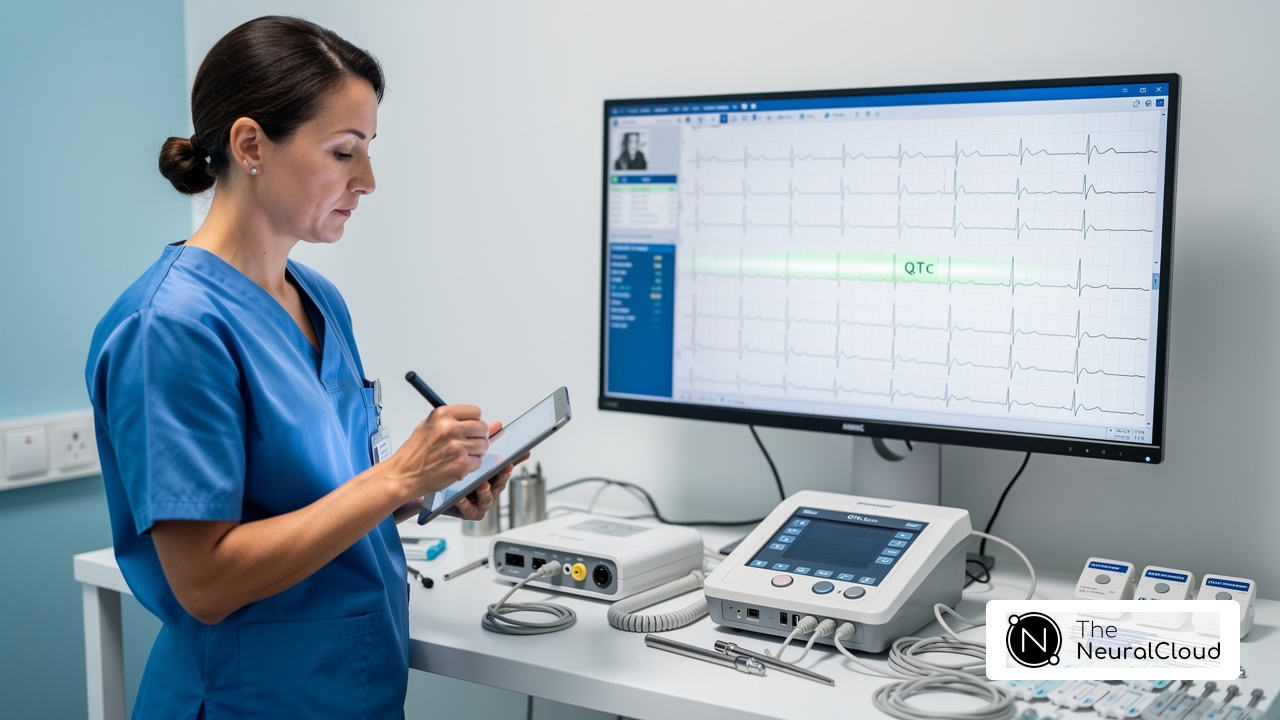
- ECG Machine: This device processes the signals received from the electrodes, converting them into a readable format. Familiarity with various types of ECG medical machines, such as 12-lead and portable devices, is necessary for selecting the appropriate equipment tailored to specific clinical needs. Innovations in ECG medical technology, including the development of portable, wireless devices, are enhancing diagnostic capabilities and accessibility.
- Advanced software solutions play a pivotal role in analyzing ECG medical information, providing actionable insights and visualizations. Leveraging these tools can significantly enhance diagnostic accuracy and improve workflow efficiency. For instance, platforms like Insight360 utilize outputs from ECG systems to create customizable dashboards and reports, facilitating better clinical decision-making.
- Information Management Systems: Seamless integration with electronic health records (EHR) and other information management systems is essential for ensuring a smooth flow of information. Grasping interoperability standards is crucial, as it enables ECG medical data to be easily shared and accessed across different platforms, ultimately enhancing care for individuals.
By thoroughly understanding these components, healthcare professionals can make informed decisions regarding the systems they implement. This knowledge empowers healthcare professionals to enhance patient care and streamline their clinical processes.

Ensure Seamless Integration with Existing Systems
Integrating ECG medical technologies presents unique challenges that healthcare organizations must navigate to enhance patient care. To achieve successful integration, consider the following best practices:
- Conduct a Needs Assessment: Assess current systems to identify gaps that the new ECG technology can fill. This ensures the integration process addresses specific clinical needs, which is crucial as healthcare organizations increasingly recognize the importance of tailored solutions in enhancing patient outcomes.
- Choose Compatible Technologies: Select ECG devices and software that seamlessly integrate with existing systems, such as electronic health records (EHRs) and information management platforms. This compatibility helps prevent information silos and boosts interoperability. This is especially important as more FDA-cleared AI algorithms emerge in cardiology.
- Implement Standardized Protocols: Establish standardized protocols for information exchange and communication between systems. Utilizing established interoperability standards, such as HL7 and FHIR, facilitates smoother integration and aligns with current trends in the healthcare industry, where digitized workflows are becoming essential.
- Test Integration Thoroughly: Conduct extensive testing before going live to identify and resolve any issues that may arise during the integration process. This involves assessing data flow, system performance, and user interfaces, ensuring that the tools operate as intended and fulfill clinical requirements.
- Monitor and Optimize: After integration, continuously monitor system performance and user feedback to identify areas for improvement. Frequent updates and improvements can boost the overall effectiveness of the integrated system, ultimately resulting in improved care and operational efficiency.
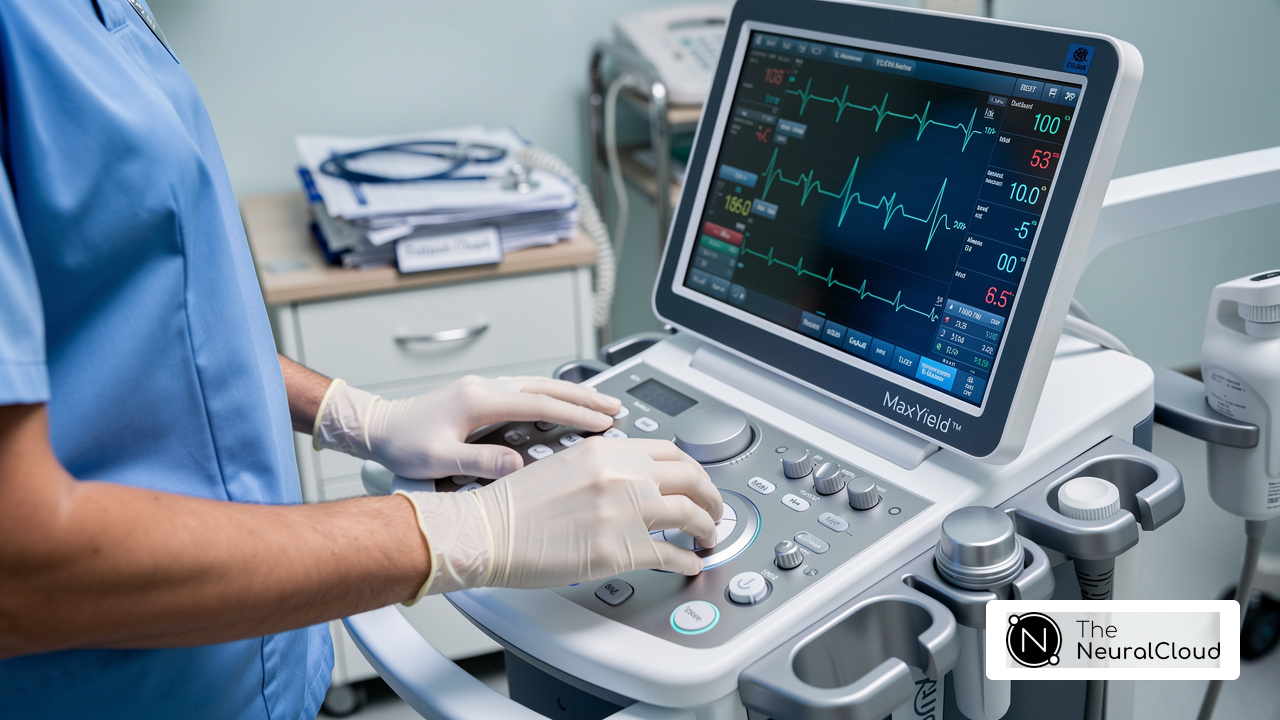
By following these practices, healthcare organizations can smoothly integrate new ECG medical technologies. This leads to improved operational efficiency and better patient care. Notably, the MaxYield™ platform from Neural Cloud Solutions offers advanced noise filtering and wave recognition, which can significantly streamline ECG data processing. Studies have shown that full implementation of ECG integration can lead to a 375-hour decrease in acquisition to visualization time (AtV), highlighting the efficiency gains possible through effective integration. Additionally, integrating ECGs into EMRs can significantly reduce the need for repeat ECGs, resulting in substantial cost savings for healthcare facilities. As Dr. Payal Kohli emphasizes, "Integrating ECGs and EMRs can help streamline the patient workflow, reduce costs, and improve patient quality of care." Ultimately, the effective integration of ECG medical technologies can transform patient care and improve operational efficiency in healthcare settings.

Facilitate User Training and Adoption Strategies
Adopting new ECG technologies can be challenging for healthcare organizations without a solid training foundation. To ensure successful adoption, healthcare organizations should implement the following training and support strategies:
- Develop a Comprehensive Training Program: Establish a structured training program that covers all aspects of the new ECG system, including operation, data interpretation, and troubleshooting. Tailor the curriculum to meet the specific needs of various user roles, such as technicians, nurses, and physicians.
- Utilize Hands-On Training: Integrate hands-on training sessions that allow users to practice with the equipment in a controlled environment. This practical experience significantly boosts user confidence and competence, making them more adept at handling real-world scenarios.
- Provide Ongoing Support: Create a robust support system that includes access to technical assistance, user manuals, and online resources. Ongoing assistance helps users feel more at ease with the system and encourages them to seek help when needed, fostering a more effective learning environment.
- Encourage Feedback and Adaptation: Create avenues for users to share their thoughts on their training experiences and the system itself. Utilizing this feedback to refine training programs ensures that any challenges users encounter are addressed promptly, enhancing overall satisfaction and effectiveness.
- Promote a Culture of Continuous Learning: Foster a culture of continuous learning within the organization by providing refresher courses and updates on new features or advancements in ECG methods. This approach maintains staff involvement and awareness of best practices, ultimately resulting in enhanced diagnostic accuracy and care for individuals.
By investing in effective training and support, healthcare organizations can boost user adoption of ECG technologies, leading to improved diagnostic accuracy and better patient care.

Leverage Advanced Technologies for Enhanced Analysis
Traditional ECG medical analysis often struggles with accuracy and timely diagnosis, which can lead to potential risks for patients. To enhance ECG analysis and improve diagnostic accuracy, consider the following advanced technologies:
- Artificial Intelligence (AI): AI algorithms can analyze ECG information in real-time, identifying patterns and anomalies that may elude human interpretation. This ECG medical technology significantly reduces false positives and enhances diagnostic accuracy, making it essential in modern cardiology. Neural Cloud Solutions' MaxYield™ platform exemplifies this by automating ECG medical analysis, delivering beat-by-beat insights and enabling the rapid identification of cardiac events, even in noisy recordings.
- Machine Learning: Machine learning techniques continuously refine ECG interpretation accuracy. By training algorithms on extensive datasets, these systems learn to recognize intricate patterns, leading to more reliable results. With MaxYield™, the algorithm learns and adapts every time it's used, making it even more effective in addressing the critical issue of undiagnosed hypertrophic cardiomyopathy (HCM).
- Cloud Computing: Cloud-based platforms offer scalable information storage and analysis, facilitating easy access to ECG medical data from various locations. This method encourages teamwork among healthcare experts and enhances information sharing, ultimately improving patient care. MaxYield™ integrates seamlessly into existing workflows, enabling efficient information capture from various devices used in ECG medical applications.
- Wearable Technology: Wearable ECG devices provide continuous heart activity monitoring, generating real-time data for early detection of cardiac events. This proactive strategy can lead to timely interventions, significantly improving patient outcomes. MaxYield™ is device-agnostic, capturing ECG medical recordings from any 1-lead or 3-lead device, thus enhancing the utility of wearable technology in clinical settings.
- Visualization Tools: Advanced visualization tools present ECG information in an easily interpretable format. Adjustable dashboards and reports allow clinicians to swiftly recognize trends and make informed choices based on the information, improving the overall diagnostic process. MaxYield™ supports this by delivering clear, actionable insights from complex ECG data, ensuring that healthcare providers can make confident clinical decisions.
By leveraging these advanced technologies, including Neural Cloud Solutions' MaxYield™, healthcare organizations can significantly enhance their ECG medical analysis capabilities, leading to more accurate diagnoses and improved patient care. By adopting these technologies, healthcare professionals can ensure timely interventions and better patient outcomes.

Conclusion
Integrating ECG medical technologies into clinical workflows presents significant challenges that require strategic planning and execution. Healthcare professionals must grasp key components like electrodes, ECG machines, software solutions, and information management systems to improve patient care and streamline processes.
Key strategies for successful integration include:
- Conducting thorough needs assessments
- Selecting compatible technologies
- Implementing standardized protocols
It's essential to recognize how crucial user training is; comprehensive training programs and ongoing support are vital for ensuring that healthcare staff are confident and competent in using new ECG systems. Advanced technologies such as AI and machine learning further enhance diagnostic accuracy, making it essential for healthcare organizations to adopt these innovations to improve patient outcomes.
Without proper integration, healthcare providers risk compromising patient care and operational efficiency. By embracing best practices and leveraging advanced tools, healthcare organizations can not only enhance diagnostic capabilities but also foster a culture of continuous learning and adaptation. This proactive approach not only enhances patient care but also positions healthcare organizations at the forefront of medical innovation.
Frequently Asked Questions
What are the key components of ECG technologies?
The key components of ECG technologies include electrodes, ECG machines, advanced software solutions, and information management systems.
What is the role of electrodes in ECG systems?
Electrodes are sensors placed on the skin that detect the heart's electrical signals. Their correct placement and functionality are vital for ensuring accurate ECG readings.
How can electrode customization improve ECG readings?
Customizing electrodes to fit individual heart shapes can enhance lead amplitude, which is crucial for achieving reliable ECG results.
What is the function of an ECG machine?
An ECG machine processes the signals received from the electrodes and converts them into a readable format. Different types of ECG machines, such as 12-lead and portable devices, are available for various clinical needs.
What innovations are occurring in ECG medical technology?
Innovations include the development of portable, wireless ECG devices that enhance diagnostic capabilities and accessibility.
How do advanced software solutions contribute to ECG analysis?
Advanced software solutions analyze ECG medical information, providing actionable insights and visualizations that significantly enhance diagnostic accuracy and improve workflow efficiency.
What is the importance of information management systems in ECG technologies?
Information management systems ensure seamless integration with electronic health records (EHR) and other platforms, facilitating the easy sharing and access of ECG medical data, ultimately enhancing patient care.
Why is understanding interoperability standards crucial for ECG systems?
Understanding interoperability standards is essential for ensuring that ECG medical data can be easily shared and accessed across different platforms, improving the overall clinical workflow.
List of Sources
- Understand Key Components of ECG Technologies
- businesswire.com (https://businesswire.com/news/home/20260511267980/en/HeartBeam-Initiates-Pilot-Study-of-First-On-Demand-12-Lead-ECG-Patch-to-Detect-Ischemia-Outside-the-Clinic)
- MedTech Breakthrough Names AI-powered Hyperkalemia Detection Software 'Best New ECG Technology Solution' (https://dicardiology.com/content/medtech-breakthrough-names-ai-powered-hyperkalemia-detection-software-best-new-ecg)
- pmc.ncbi.nlm.nih.gov (https://pmc.ncbi.nlm.nih.gov/articles/PMC12356160)
- globenewswire.com (https://globenewswire.com/news-release/2026/04/20/3277242/28124/en/electrocardiograph-market-insights-and-growth-outlook-2026-2034-rising-adoption-of-wearable-ecgs-spurs-market-growth-in-medical-tech.html)
- Ensure Seamless Integration with Existing Systems
- ECG market keeps evolving thanks to AI, home monitoring and Epic integration (https://cardiovascularbusiness.com/topics/cardiac-imaging/electrocardiography-ecg/ecg-market-keeps-evolving-thanks-ai-home-monitoring-and-epic-integration)
- gehealthcare.com (https://gehealthcare.com/en-us/insights/article/why-ecg-integration-in-the-emr-is-a-critical-healthcare-technology-solution?srsltid=AfmBOoqHxYQJyOrxI3_-Z_bBGDB3XfE1oJTQqYDHXf9kHb6cAL0_TUtO)
- cardiovascularbusiness.com (https://cardiovascularbusiness.com/topics/clinical/heart-rhythm/new-pfa-registry-will-use-ai-ehr-integration-gather-real-world-data)
- New study finds AI model improves heart attack detection (https://health.ucdavis.edu/news/headlines/new-study-finds-ai-model-improves-heart-attack-detection/2025/11)
- Study Shows Promising Results for ECG Technology (https://dicardiology.com/content/study-shows-promising-results-ecg-technology)
- Facilitate User Training and Adoption Strategies
- trainingdirectusa.com (https://trainingdirectusa.com/blog/the-importance-of-hands-on-training-for-healthcare-careers)
- The Importance of Hands-On Training in Healthcare Education (https://alliswellhca.com/post/the-importance-of-hands-on-training-in-healthcare-education)
- Leverage Advanced Technologies for Enhanced Analysis
- AI-powered ECG model outperforms doctors in detecting hidden heart disease (https://news-medical.net/news/20250721/AI-powered-ECG-model-outperforms-doctors-in-detecting-hidden-heart-disease.aspx)
- Three New Studies Show Viz.ai’s Cardio Suite Speeds Detection of Cardiac Disease and Improves Patient Follow-Up (https://viz.ai/news/three-new-studies-show-viz-ais-cardio-suite-speeds-detection-of-cardiac-disease-and-improves-patient-follow-up)
- ECG market keeps evolving thanks to AI, home monitoring and Epic integration (https://signifyresearch.net/2026/02/13/ecg-market-keeps-evolving-thanks-to-ai-home-monitoring-and-epic-integration)
- New AI Tool Identifies Risk of Future Heart Failure (https://medicine.yale.edu/news-article/new-ai-tool-identifies-risk-of-future-heart-failure)