Introduction
While traditional ECG systems have their limitations, the six lead ECG system offers a promising alternative for detecting cardiac abnormalities. This advanced technology provides enhanced diagnostic capabilities that can significantly improve patient outcomes. Despite its advantages, many healthcare providers struggle with the integration of this technology into their existing systems.
What steps can healthcare providers take to fully utilize the six lead ECG system while navigating the challenges of its adoption?
Understand the Six Lead ECG System
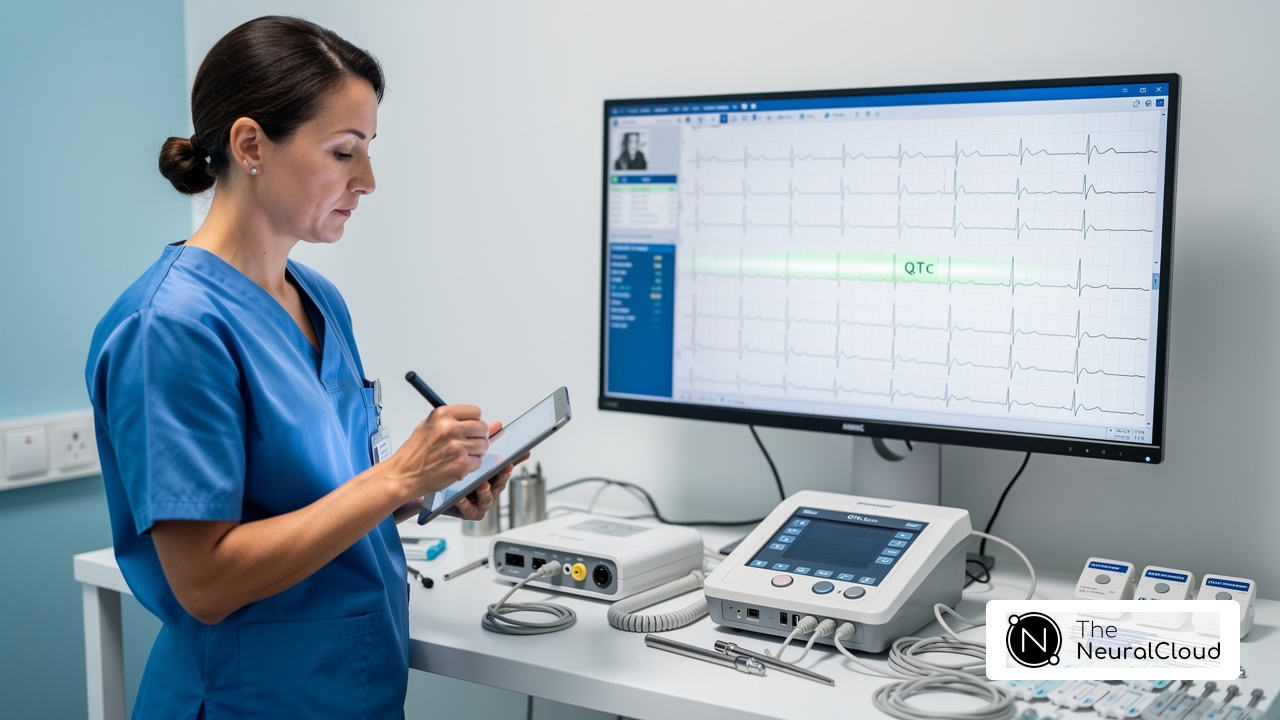
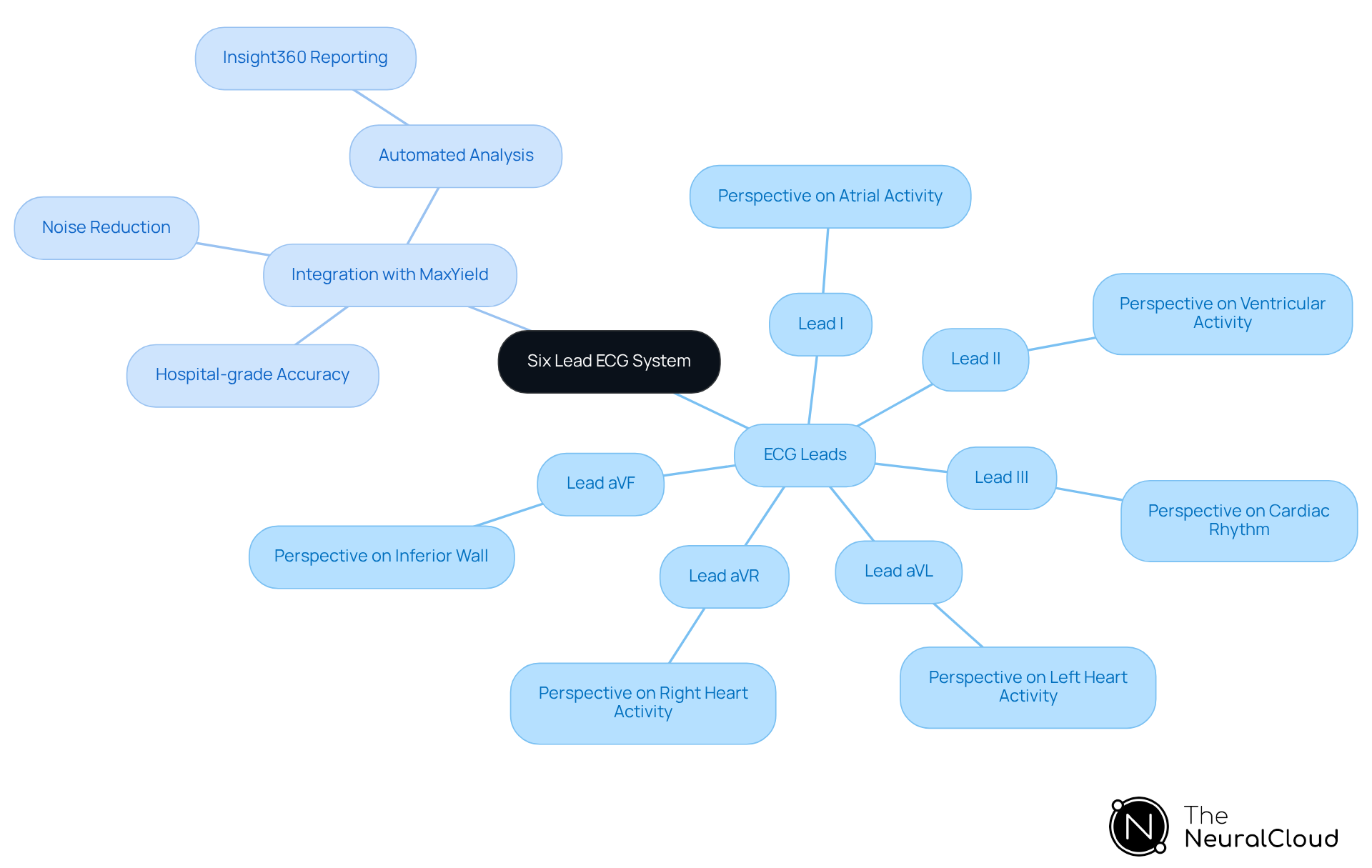
Detecting cardiac abnormalities can be challenging, especially with traditional single-lead ECG setups that often overlook critical insights. The six lead ECG captures the heart's electrical activity through six strategically placed electrodes, offering a more detailed view of cardiac function compared to single-lead configurations. This setup is especially adept at identifying arrhythmias and other cardiac issues, making it a crucial tool for healthcare providers. Each lead provides a unique perspective on the heart's electrical activity, which enhances diagnostic accuracy. For instance, studies have shown that six lead ECG can significantly improve the detection of atrial fibrillation (AF) compared to single-lead devices, making them invaluable in both clinical and remote monitoring settings.
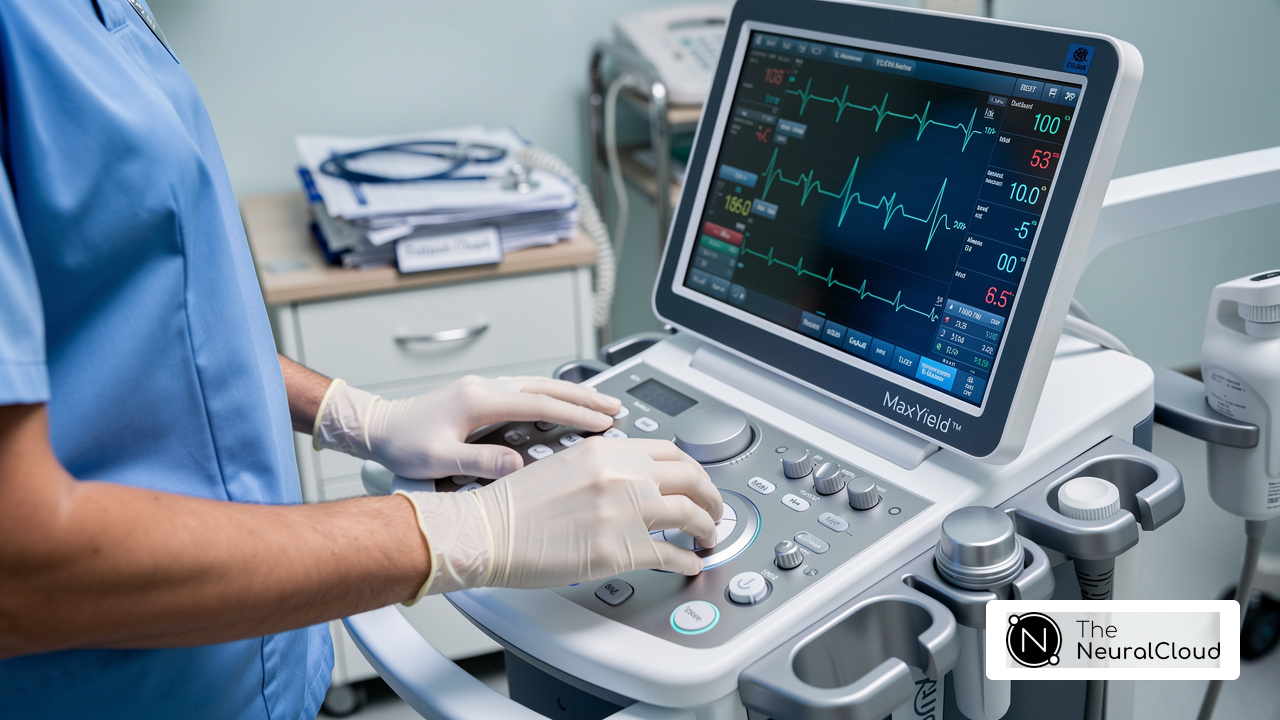
When combined with Neural Cloud Solutions' MaxYield platform, the capabilities of the six lead ECG setup are significantly enhanced. MaxYield delivers hospital-grade accuracy from consumer devices, ensuring continuous monitoring without the costs associated with clinical-grade hardware. Its advanced noise reduction and artifact handling features transform noisy recordings into detailed insights, enabling health tech developers to leverage clean ECG data for better clinical decision-making. To fully leverage the diagnostic potential of this system, it's vital to understand the specific roles and placements of each lead, especially when combined with MaxYield's automated analysis and reporting tools like Insight360.
By integrating these advanced technologies, healthcare professionals can achieve more reliable diagnoses and improve patient outcomes.
Implement Effective Lead Placement Techniques
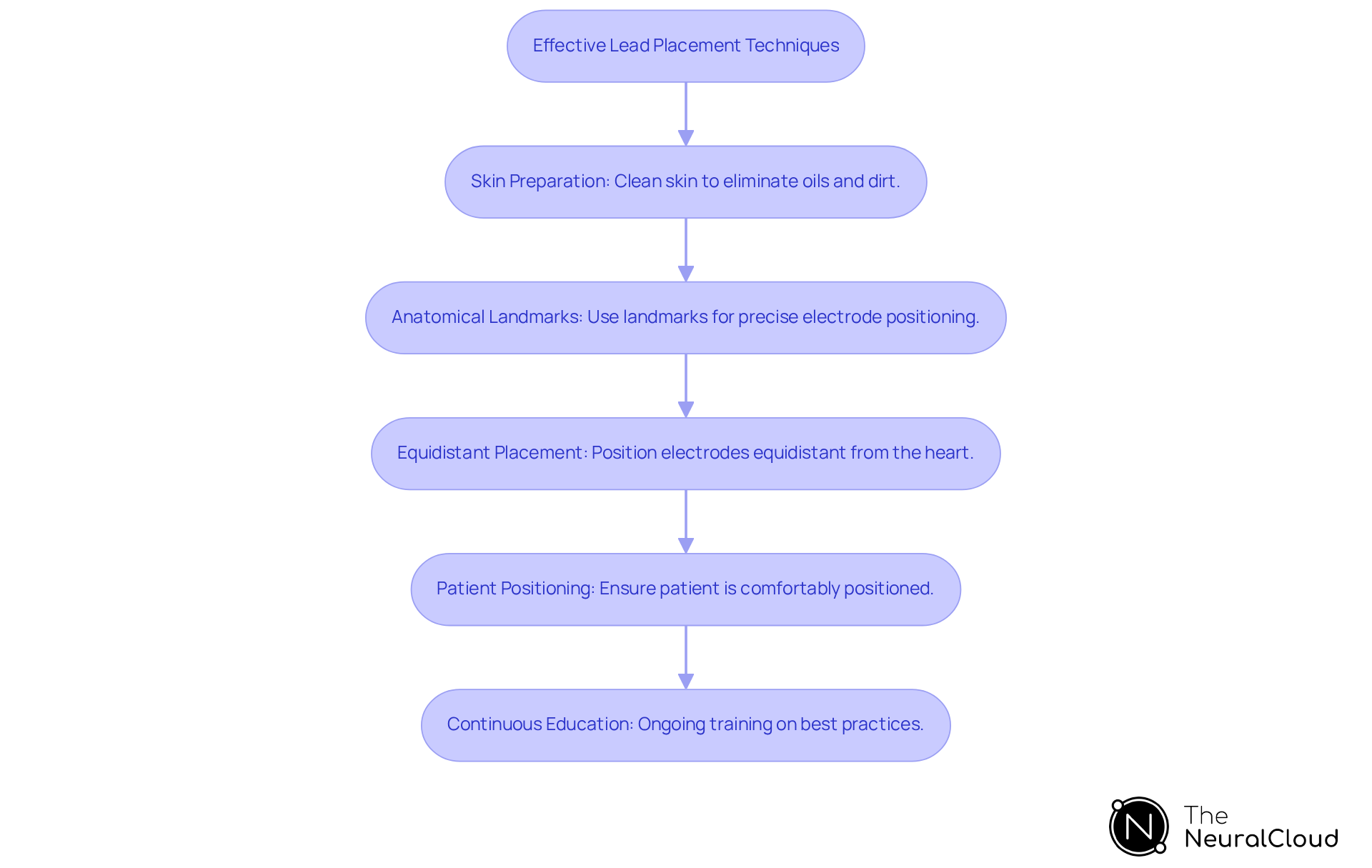
Achieving high-quality ECG readings can be challenging due to various factors affecting signal quality. To ensure accuracy, healthcare providers should adhere to the following best practices:
- Skin Preparation: Thoroughly clean the skin to eliminate oils and dirt, which can compromise electrode adhesion and signal quality. Proper skin preparation is essential for optimal signal integrity.
- Anatomical Landmarks: Utilize anatomical landmarks for precise electrode positioning. For instance, place the V1 lead in the fourth intercostal space at the right sternal border and V2 at the left sternal border. This method aligns with recommendations from cardiology experts, ensuring accurate readings.
- Equidistant Placement: Position electrodes equidistant from the heart to minimize distortion in the readings. Research indicates that maintaining a consistent distance between electrodes can significantly enhance the reliability of ECG information.
- Patient Positioning: Ensure the patient is comfortably positioned to reduce movement artifacts during the recording. Studies have shown that proper patient positioning can decrease the likelihood of artifacts, leading to clearer ECG results.
By implementing these techniques, healthcare providers can significantly improve diagnostic accuracy and patient outcomes. Continuous education and training on these best practices are vital, as evidenced by case studies highlighting the impact of effective lead placement techniques on diagnostic accuracy. Additionally, the Neural Cloud Solutions' MaxYield™ platform, pending FDA Class II SaMD clearance, can streamline this process further. With its advanced noise filtering and automated labeling capabilities, MaxYield™ helps healthcare professionals overcome common challenges in ECG analysis, such as physiological variability and signal artifacts, ultimately improving workflow efficiency and diagnostic accuracy. Furthermore, the Insight360 visualization tool transforms MaxYield’s clean ECG information into interactive dashboards and clinical-ready reports, enhancing the overall analysis experience.
Leverage Advanced Technologies for Enhanced ECG Analysis
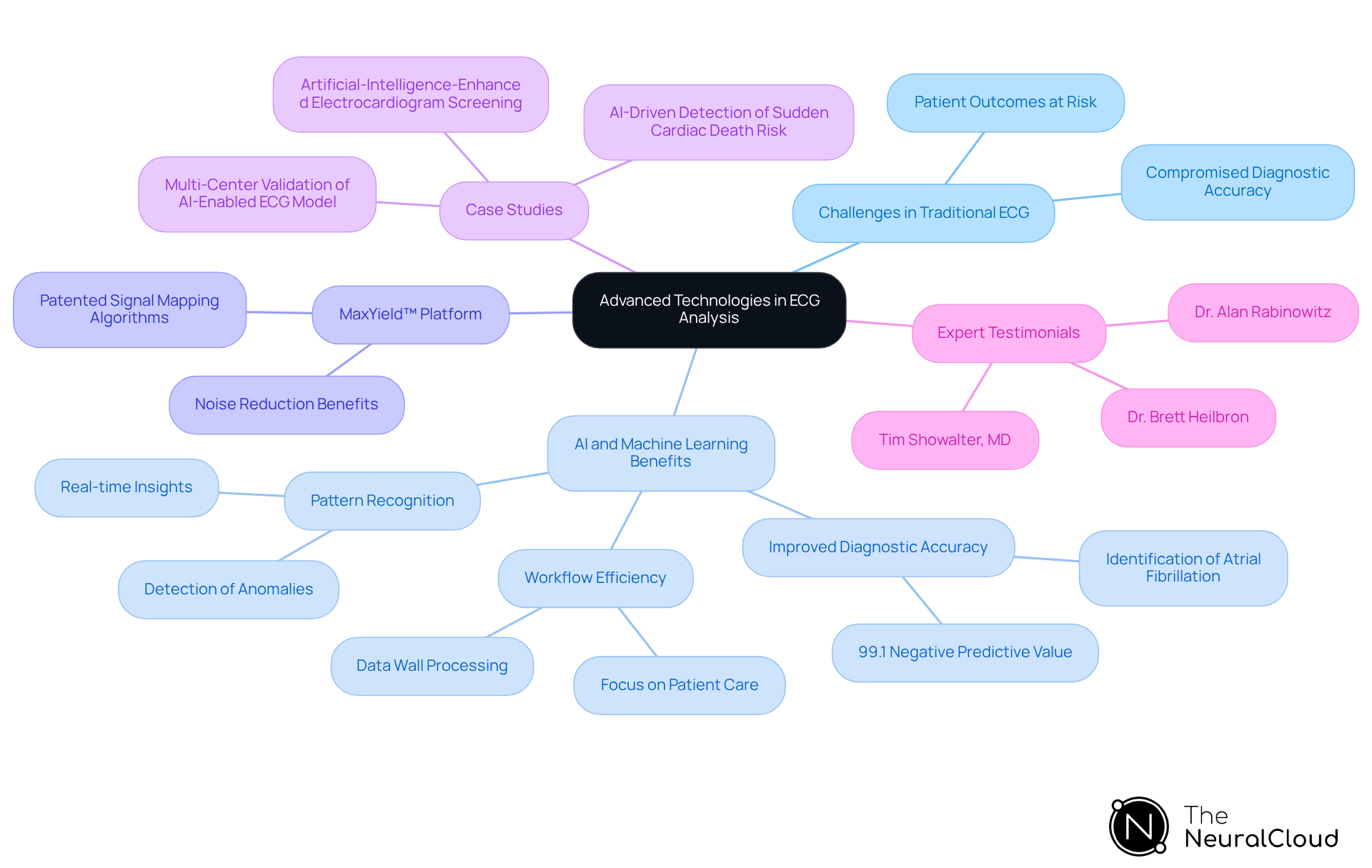
Traditional ECG analysis faces challenges that can compromise diagnostic accuracy and patient outcomes. Integrating advanced technologies such as AI and machine learning into ECG analysis significantly enhances diagnostic capabilities. The MaxYield™ platform from Neural Cloud Solutions exemplifies this innovation, utilizing patented signal mapping algorithms to clean and isolate noisy signals. This technology allows for detailed analysis of heart rhythms, giving clinicians real-time insights they can act on. AI algorithms assist in identifying patterns and anomalies that may be overlooked by human interpretation, thereby improving the accuracy of ECG readings.
Recent advancements highlight how AI is changing the landscape of ECG analysis. For instance, studies have shown that AI-augmented ECG analysis can effectively identify patients at risk for conditions such as atrial fibrillation and hypertrophic cardiomyopathy, which often go undiagnosed. In a multi-center validation study, AI-enabled ECG models demonstrated a 99.1% negative predictive value, confirming their reliability in identifying patients without left ventricular systolic dysfunction.
Furthermore, the incorporation of AI technologies simplifies workflows, enabling medical providers to concentrate more on patient care instead of information processing. The MaxYield platform features a data wall that processes more data in less time, further enhancing workflow efficiency. As the Diagnostic Cardiology market evolves, AI solutions are set to expand, with MaxYield at the forefront of improving cardiac diagnostics. This change not only enhances patient results but also enables medical organizations to react more efficiently to the rising occurrence of cardiovascular diseases. Testimonials from experts like Dr. Alan Rabinowitz and Dr. Brett Heilbron emphasize MaxYield’s precision rivaling human interpretation and its significant noise reduction benefits.
Overcome Adoption Challenges in Healthcare Settings
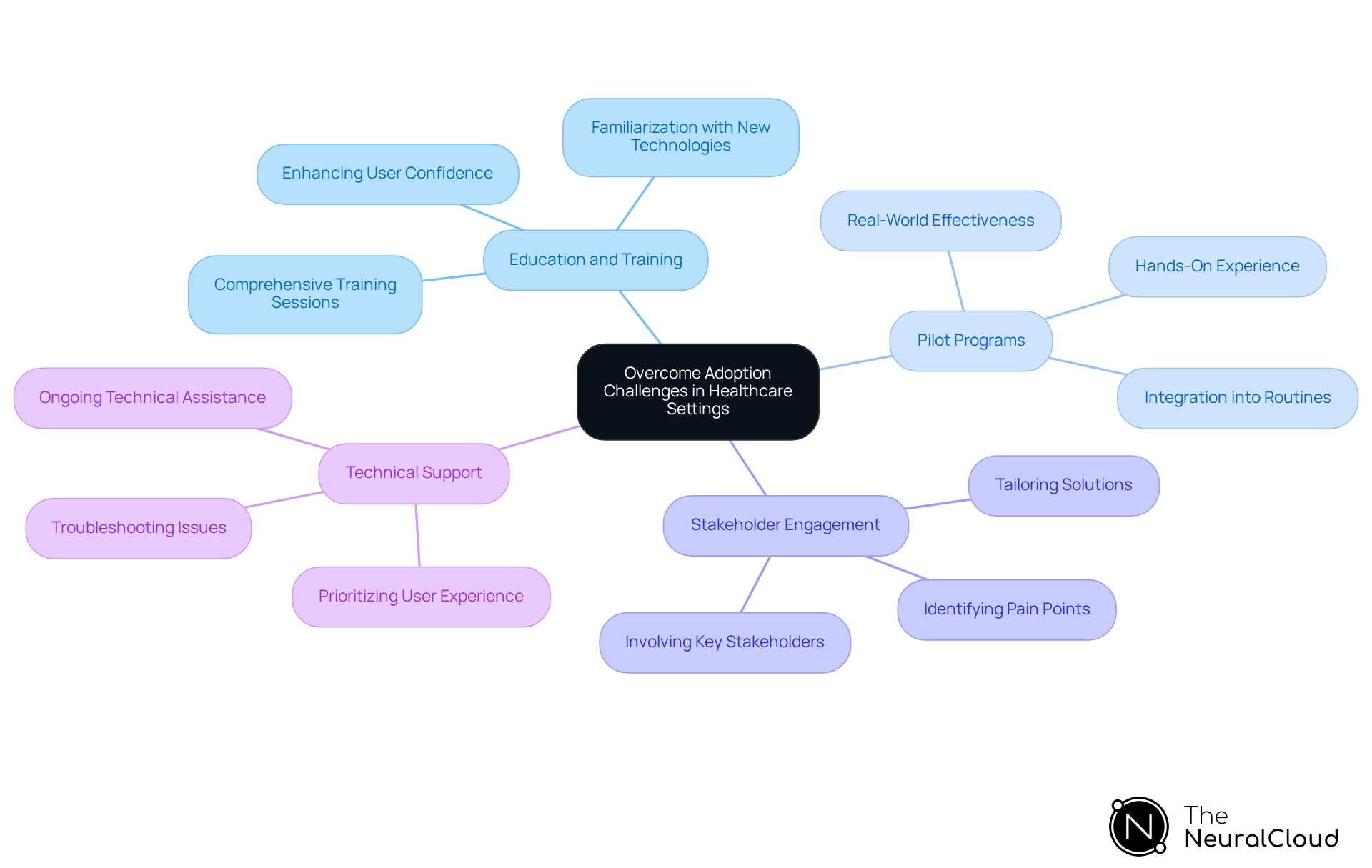
Healthcare organizations often struggle with the adoption of new ECG technologies due to various challenges that can impede progress. To effectively navigate these barriers, healthcare organizations can implement several strategies:
- Education and Training: Comprehensive training sessions are essential to familiarize medical staff with new technologies and their benefits, thereby reducing resistance and enhancing user confidence. This is particularly important as the MaxYield™ platform offers advanced noise filtering and automated signal processing, which can significantly improve the user experience.
- Pilot programs enable medical teams to experience the effectiveness of the six lead ECG in real-world settings. This hands-on experience can highlight the benefits of MaxYield™, making it easier for staff to accept and integrate into their routines.
- Stakeholder Engagement: Involving key stakeholders in the decision-making process is crucial for ensuring buy-in and addressing concerns early on. Engaging frontline healthcare teams helps identify pain points and tailor solutions to meet their needs. As noted by experts, involving these teams in the planning stage can significantly enhance the adoption process, especially when they see how MaxYield™ can streamline workflows.
- Technical Support: Ongoing technical support is crucial for helping staff navigate integration and troubleshoot issues as they arise. This support guarantees that staff feel assured in utilizing the new platform, which can greatly improve adoption rates. The integration of MaxYield™ should prioritize user experience to mitigate resistance stemming from increased workloads and non-intuitive systems.
Successfully navigating these challenges leads to improved patient care and enhanced workflows. The successful rollout of technology not only speeds up workflows but also improves both staff and patient satisfaction. Neural Cloud Solutions' MaxYield™ platform, with its advanced noise filtering and automated signal processing capabilities, can significantly streamline workflows by returning a clean, "neuralized" signal and clear, beat-by-beat data. Ultimately, embracing these strategies not only enhances the adoption of MaxYield™ but also transforms patient care and operational efficiency in healthcare settings.
Conclusion
The transition to a six lead ECG system presents both challenges and opportunities for healthcare providers. Implementing this technology offers a more comprehensive view of heart activity, enabling clinicians to improve diagnostic accuracy and better identify conditions like atrial fibrillation. The integration of advanced platforms such as Neural Cloud Solutions' MaxYield amplifies these benefits, ensuring that the data collected is both reliable and actionable.
Key practices for successful implementation include:
- Effective lead placement techniques
- Thorough skin preparation
- Leveraging advanced technologies like AI for enhanced ECG analysis
These strategies not only improve the quality of ECG readings but also streamline workflows, allowing healthcare professionals to focus more on patient care. Healthcare providers often face hurdles in adopting new technologies, including the need for training and stakeholder engagement, which are crucial for maximizing the potential of the six lead ECG system.
By embracing these advancements, healthcare providers can significantly enhance cardiac care in Canada. Prioritizing education, technical support, and pilot programs will ensure a smooth transition to this advanced technology, leading to better patient outcomes and operational efficiency. The proactive adoption of these technologies will not only enhance patient care but also redefine the standards of cardiac diagnostics.
Frequently Asked Questions
What is the six lead ECG system?
The six lead ECG system captures the heart's electrical activity through six strategically placed electrodes, providing a more detailed view of cardiac function compared to traditional single-lead ECG setups.
How does the six lead ECG improve cardiac diagnostics?
The six lead ECG is particularly effective at identifying arrhythmias and other cardiac issues, enhancing diagnostic accuracy by offering unique perspectives on the heart's electrical activity.
What advantages does the six lead ECG have over single-lead devices?
Studies have shown that the six lead ECG significantly improves the detection of atrial fibrillation (AF) compared to single-lead devices, making it invaluable for both clinical and remote monitoring.
How does Neural Cloud Solutions' MaxYield platform enhance the six lead ECG?
MaxYield enhances the six lead ECG by delivering hospital-grade accuracy from consumer devices, ensuring continuous monitoring while reducing costs associated with clinical-grade hardware.
What features of MaxYield contribute to better ECG data quality?
MaxYield includes advanced noise reduction and artifact handling features that transform noisy recordings into detailed insights, enabling better clinical decision-making.
Why is it important to understand the roles and placements of each lead in the six lead ECG?
Understanding the specific roles and placements of each lead is vital to fully leverage the diagnostic potential of the six lead ECG, especially when combined with MaxYield's automated analysis and reporting tools like Insight360.
How do these technologies improve patient outcomes?
By integrating advanced technologies like the six lead ECG and MaxYield, healthcare professionals can achieve more reliable diagnoses, ultimately leading to improved patient outcomes.
List of Sources
- Understand the Six Lead ECG System
- AliveCor has positive study results for handheld, AI-powered ECG (https://massdevice.com/alivecor-positive-study-results-ecgs)
- Six-Lead ECG Device Highly Accurate for Atrial Fibrillation Detection (https://thecardiologyadvisor.com/news/6-lead-ecg-device-highly-accurate-for-atrial-fibrillation-detection)
- Six-lead electrocardiography compared to single-lead electrocardiography and photoplethysmography of a wrist-worn device for atrial fibrillation detection controlled by premature atrial or ventricular contractions: six is smarter than one - PMC (https://pmc.ncbi.nlm.nih.gov/articles/PMC10288196)
- FDA Clears 6-Lead KardiaMobile ECG Device | HCPLive (https://hcplive.com/view/fda-clears-6-lead-kardiamobile-ecg-device)
- Implement Effective Lead Placement Techniques
- Assessing the Accuracy of ECG Chest Electrode Placement by EMS and Clinical Personnel Using Two Evaluation Methods | International Journal of Paramedicine (https://internationaljournalofparamedicine.com/index.php/ijop/article/view/2897)
- A new electrode placement method for obtaining 12-lead ECGs - PMC (https://pmc.ncbi.nlm.nih.gov/articles/PMC4463488)
- The Power of Correct Placement for ECG Leadwires (https://gehealthcare.com/en-us/insights/article/the-power-of-correct-placement-for-ecg-leadwires?srsltid=AfmBOop_yu6z-FezdgnbSDvGyPUL1CqIwPh_U7wNSjOvptkAfOmMm57i)
- Accuracy and knowledge in 12-lead ECG placement among nursing students and nurses: a web-based Italian study - PMC (https://pmc.ncbi.nlm.nih.gov/articles/PMC8023103)
- 12-Lead ECG Electrode Placement: Best Practices- (https://intcomedical.com/news/info/12-lead-ecg-electrode-placement-best-practices-for-clinical-accuracy-in-healthcare.html)
- Leverage Advanced Technologies for Enhanced ECG Analysis
- AI-powered electrocardiogram detects early signs of heart failure (https://utsouthwestern.edu/newsroom/articles/year-2026/may-ai-powered-electrocardiogram.html)
- AI-ECG Momentum and Rising Competition Reshape Diagnostic Cardiology in 2026 (https://signifyresearch.net/insights/diagnostic-cardiology-market-bouncing-into-2026)
- Three New Studies Show Viz.ai’s Cardio Suite Speeds Detection of Cardiac Disease and Improves Patient Follow-Up (https://viz.ai/news/three-new-studies-show-viz-ais-cardio-suite-speeds-detection-of-cardiac-disease-and-improves-patient-follow-up)
- Tempus Announces Multi-Center Validation of AI-Enabled ECG Model for Predicting Atrial Fibrillation Risk Published in Heart Rhythm (https://tempus.com/news/pr/tempus-announces-multi-center-validation-of-ai-enabled-ecg-model-for-predicting-atrial-fibrillation-risk-published-in-heart-rhythm?srsltid=AfmBOoqgbnzZCsW-yc60zaGBy9KWcCYSTiQbFK8MR6DlvuA_5-eznk_y)
- With AI, researchers discover new way to detect sudden cardiac death risk - Berkeley News (https://news.berkeley.edu/2026/06/24/with-ai-researchers-discover-new-way-to-detect-sudden-cardiac-death-risk)
- Overcome Adoption Challenges in Healthcare Settings
- Common Obstacles that Hinder Adoption of New Technologies in Healthcare - Rafi Salazar | Healthcare Strategy & Advisory (https://rehabupracticesolutions.com/obstacles-technology-healthcare)
- Resistance to new technology in Healthcare | Access Group (https://theaccessgroup.com/en-gb/blog/hsc-resistance-to-new-technology-in-healthcare)
- A New-Era of Digital Health in Cardiac Monitoring has Begun Post Pandemic; Smart Wearables, AI-based ECG Becoming Integral Part of Ambulatory Cardiovascular Medical Practices; The Global Wearable ECG Devices Market to Witness Sales of $35 Billion by 2027 - Arizton (https://prnewswire.com/news-releases/a-new-era-of-digital-health-in-cardiac-monitoring-has-begun-post-pandemic-smart-wearables-ai-based-ecg-becoming-integral-part-of-ambulatory-cardiovascular-medical-practices-the-global-wearable-ecg-devices-market-to-witness-sale-301723636.html)
- 4 strategies for overcoming barriers to IT-driven care improvement (https://healthcareitnews.com/news/4-strategies-overcoming-barriers-it-driven-care-improvement)
- Overcoming healthcare's reluctance to technological change - MedCity News (https://medcitynews.com/2022/05/overcoming-healthcares-reluctance-to-technological-change)