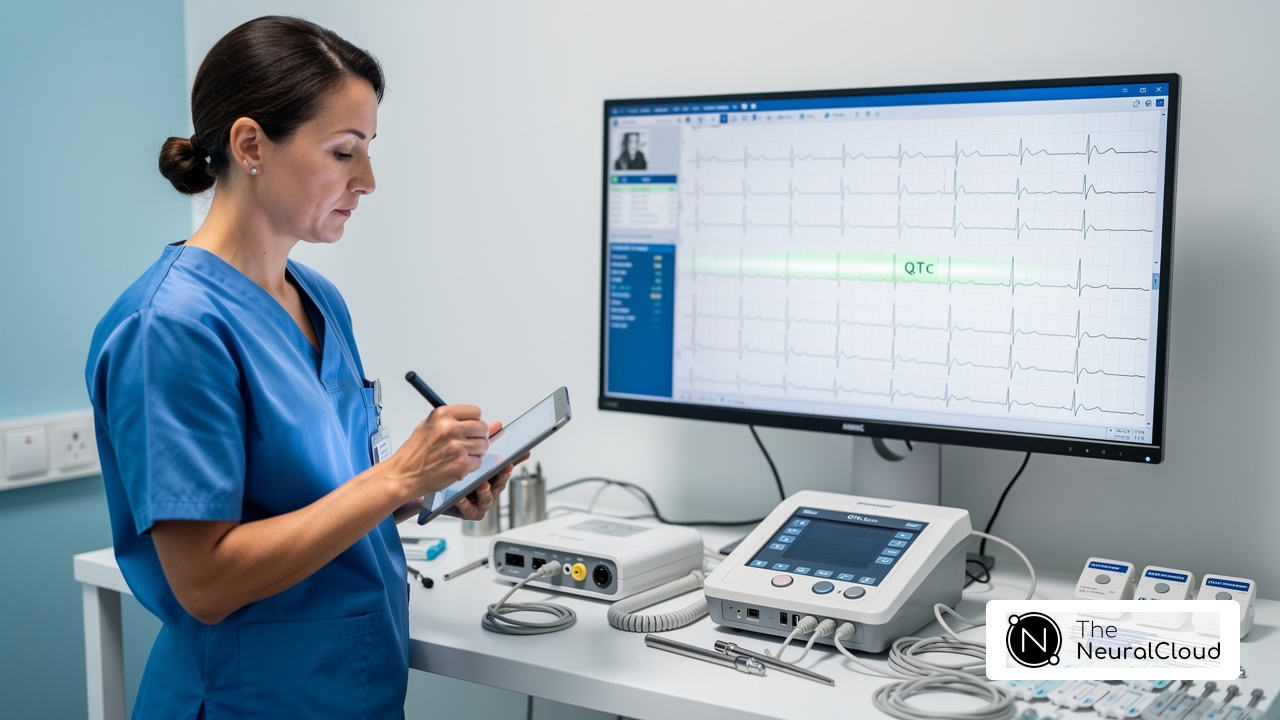
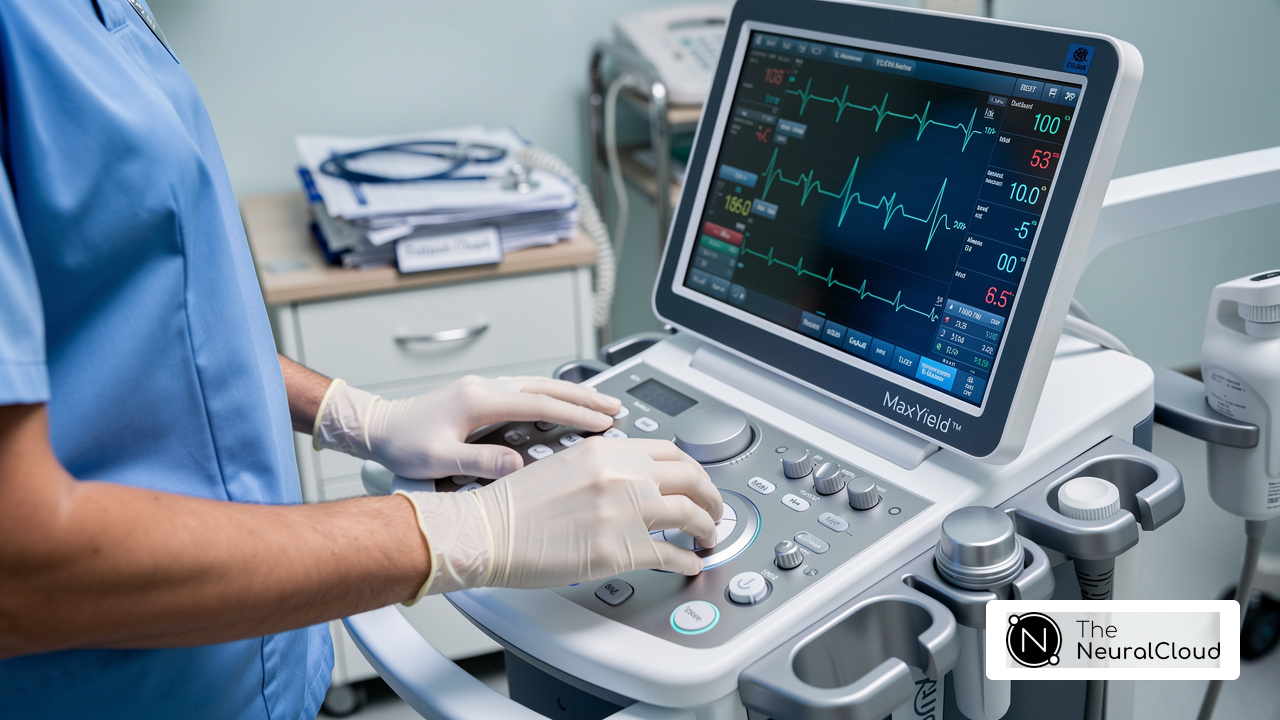
Introduction
The integration of AI-driven ECG technology poses significant challenges that healthcare providers must address to enhance patient care. By adopting best practices for integrating rhythm generator ECG solutions, healthcare providers can achieve notable improvements in diagnostic accuracy and operational efficiency. However, healthcare providers face challenges such as:
- Compliance with regulations
- The need for user training
What strategies can organizations employ to overcome these hurdles and fully leverage AI's potential in ECG analysis?
Integrate AI-Driven ECG Solutions into Existing Workflows
Integrating AI-driven ECG solutions into existing workflows presents unique challenges for healthcare providers. To effectively incorporate Neural Cloud Solutions' MaxYield platform, consider the following best practices:
- Assess Current Workflows: Evaluate your existing ECG processes to pinpoint areas where AI can enhance efficiency. Identify bottlenecks, such as signal noise or slow information processing, that AI can help mitigate.
- Choose Compatible Technologies: Select an AI solution that is device-agnostic and compatible with various ECG devices, including Holter monitors and wearables. This compatibility reduces the need for significant hardware modifications, facilitating smoother integration.
- Pilot Testing: Conduct a pilot program to test the AI solution in a controlled setting. Collect user feedback to identify challenges and make necessary adjustments before a full-scale implementation.
- Information Management: Set up information management protocols that align with what the AI platform can do. Ensure effective aggregation and analysis of information from diverse sources to maximize the AI's potential.
- Continuous Improvement: Leverage insights from the AI system to continuously refine workflows. Regularly review performance metrics to uncover further optimization opportunities.
Following these steps can help healthcare providers boost their ECG workflows, leading to faster and more accurate diagnoses. The integration of AI technologies has been shown to improve detection rates and reduce false activations, as evidenced by studies demonstrating a reduction in false positive activation rates from 42% to 8% with AI-based ECG analysis. This shift to AI-driven ECG analysis not only enhances operational efficiency but also significantly improves patient care outcomes.

Ensure Compliance with Healthcare Regulations
Navigating the complex landscape of healthcare regulations can be daunting for organizations looking to integrate AI-driven ECG technologies. Compliance with these regulations is essential for successful integration. Here are key practices to ensure adherence:
- Understand Relevant Regulations: Familiarize yourself with regulations such as HIPAA, FDA guidelines, and local healthcare laws governing medical devices and patient information usage.
- Conduct Risk Evaluations: Regularly carry out risk evaluations to identify potential compliance issues related to information security, patient privacy, and device efficacy. This proactive approach helps mitigate risks before they escalate.
- Implement Information Protection Measures: Ensure that all patient information processed by AI technologies is encrypted and stored securely. Access controls should be established to limit data exposure to authorized personnel only.
- Documentation and Reporting: Maintain comprehensive documentation of compliance efforts, including risk assessments, training records, and incident reports. This documentation is crucial for audits and regulatory reviews.
- Stay Updated: Healthcare regulations are continually evolving. Keep informed about changes in laws and guidelines to ensure ongoing compliance.
By prioritizing compliance, organizations not only protect patient information but also enhance the credibility and effectiveness of their rhythm generator ECG solutions driven by AI.

Facilitate User Training and Adoption Strategies
Adopting AI-driven ECG technologies presents unique challenges that organizations must address to ensure effective integration. Here are key strategies for successful training and adoption:
- Comprehensive Training Programs: Develop training initiatives that encompass both the technical functionalities of the AI system and its clinical applications. A blended approach utilizing in-person workshops, online modules, and hands-on practice can enhance learning outcomes.
- User-Friendly Resources: Create accessible manuals and quick reference guides that demystify complex processes and support training initiatives. Incorporating visual aids, such as instructional videos and infographics, can significantly enhance understanding.
- Feedback Mechanisms: Establish robust channels for individuals to provide feedback on both the training process and the technology itself. This input is invaluable for identifying areas needing improvement and enhancing overall customer satisfaction.
- Mentorship Programs: Pair less experienced individuals with seasoned mentors proficient in the AI system. This peer support encourages knowledge transfer and builds confidence among participants, facilitating smoother integration into clinical practice.
- Ongoing Support: Provide ongoing assistance via help desks or online forums where individuals can ask questions and share experiences. Frequent updates to training materials should reflect technological enhancements and evolving best practices.
Without proper training and support, organizations risk underutilizing AI capabilities, which can hinder patient care. Ultimately, a commitment to comprehensive training and support can transform how healthcare professionals utilize the rhythm generator ECG in AI analysis, enhancing patient outcomes.

Implement Continuous Monitoring and Feedback Mechanisms
In the realm of ECG analysis, the challenges of accuracy and efficiency can significantly impact patient care. To optimize the integration of AI-driven ECG technologies, particularly through Neural Cloud Solutions' MaxYield™ platform, it is essential to establish continuous monitoring and feedback mechanisms:
- Performance Metrics: Clearly defining performance metrics is crucial for assessing the AI's effectiveness. Key metrics should encompass diagnostic accuracy, processing speed, and user satisfaction. The advanced noise filtering and automated ECG signal labeling of the MaxYield™ platform boosts diagnostic accuracy like never before, allowing for precise mapping of PQRST waveforms. Recent evaluations indicate that selecting appropriate metrics is vital, as improper measures can lead to misleading outcomes.
- Regular Audits: Systematic evaluations of the AI's performance and its impact on clinical workflows are essential. These evaluations help recognize areas for enhancement and ensure compliance with established standards, thereby improving overall reliability. The continuous learning model of MaxYield™ evolves with each use, enhancing accuracy and efficiency over time, which can be assessed during these audits.
- Feedback Surveys: Regular surveys to gather insights on experiences with the AI platform are important. Examining this feedback aids in recognizing trends and aspects needing attention, promoting a user-focused approach to improvement. Understanding clinical significance often requires value judgments that extend beyond technical automation, making feedback invaluable. The adaptability of MaxYield™ to physiological variability ensures that user insights can directly inform enhancements.
- Information Analysis: Utilizing information analysis tools for real-time observation of the AI framework's performance allows for prompt modifications based on performance data. This proactive approach ensures the framework remains attentive to clinical requirements. Transparency in what was tested is crucial, as highlighted in discussions about AI model evaluation. MaxYield™'s ability to salvage obscured sections of recordings through advanced noise filtering exemplifies the need for robust data analytics in maintaining performance.
- Iterative Enhancements: Fostering an environment of ongoing development by frequently refreshing the AI framework based on feedback from users and performance assessments is essential. Engaging users in the improvement process ensures that modifications align with their needs and enhance the system's overall effectiveness. This iterative approach is vital for maintaining clinical utility, as emphasized in various case studies on AI evaluation. The design of the MaxYield™ platform allows for ongoing enhancements, ensuring it meets evolving clinical objectives.
Implementing these strategies ensures that AI-driven solutions, particularly those featuring a rhythm generator ECG powered by Neural Cloud Solutions' MaxYield™, remain effective, user-friendly, and aligned with clinical goals.

Conclusion
However, many healthcare providers face challenges in integrating new technologies into existing workflows. To navigate these complexities, healthcare providers should adopt best practices, including:
- Assessing current workflows
- Ensuring compliance with regulations
- Facilitating user training
The transition to AI-based ECG analysis not only streamlines processes but also significantly improves diagnostic accuracy and reduces false positive rates, ultimately leading to better patient outcomes.
Key strategies highlighted include:
- Selecting compatible technologies
- Conducting pilot tests
- Implementing continuous monitoring and feedback mechanisms
These practices ensure that the AI systems are not only effective but also aligned with clinical needs and regulatory standards. Furthermore, fostering an environment of ongoing user support and training is essential for maximizing the potential of AI technologies in ECG analysis.
This successful integration marks a significant step forward in how healthcare can leverage technology for better patient outcomes. By committing to these best practices, organizations can enhance their diagnostic capabilities while ensuring compliance and improving patient safety. By embracing AI-driven solutions, healthcare organizations can redefine patient care and operational efficiency.
Frequently Asked Questions
What are the main challenges of integrating AI-driven ECG solutions into existing workflows?
The main challenges include assessing current workflows, ensuring compatibility with existing technologies, conducting pilot testing, managing information effectively, and achieving continuous improvement.
How can healthcare providers assess their current ECG workflows?
Healthcare providers can evaluate their existing ECG processes to identify areas where AI can enhance efficiency, such as pinpointing bottlenecks like signal noise or slow information processing.
What should be considered when choosing an AI solution for ECG integration?
It is important to select an AI solution that is device-agnostic and compatible with various ECG devices, including Holter monitors and wearables, to facilitate smoother integration without significant hardware modifications.
Why is pilot testing important in the integration of AI-driven ECG solutions?
Pilot testing allows healthcare providers to test the AI solution in a controlled setting, collect user feedback, and identify challenges to make necessary adjustments before full-scale implementation.
What role does information management play in integrating AI-driven ECG solutions?
Information management protocols should align with the capabilities of the AI platform to ensure effective aggregation and analysis of information from diverse sources, maximizing the AI's potential.
How can healthcare providers ensure continuous improvement after integrating AI solutions?
Providers can leverage insights from the AI system to continuously refine workflows and regularly review performance metrics to uncover further optimization opportunities.
What are the benefits of integrating AI technologies into ECG workflows?
Integration of AI technologies can lead to faster and more accurate diagnoses, improve detection rates, reduce false activations, and enhance overall patient care outcomes. Studies have shown a reduction in false positive activation rates from 42% to 8% with AI-based ECG analysis.
List of Sources
- Integrate AI-Driven ECG Solutions into Existing Workflows
- AI-Based ECG Analysis Significantly Improves STEMI Detection, Reduces False Activations - American College of Cardiology (https://acc.org/latest-in-cardiology/articles/2025/10/24/16/56/tues-554pm-ai-tct-2025)
- Checking your browser - reCAPTCHA (https://pmc.ncbi.nlm.nih.gov/articles/PMC10145690)
- nature.com (https://nature.com/articles/s41746-025-01735-7)
- Top Healthcare AI Statistics 2025 (https://blueprism.com/resources/blog/ai-in-healthcare-statistics)
- Ensure Compliance with Healthcare Regulations
- 32 of the Best AI and Automation Quotes To Inspire Healthcare Leaders - Blog - Akasa (https://akasa.com/blog/automation-quotes)
- Facilitate User Training and Adoption Strategies
- advancedclinicalsolution.co.uk (https://advancedclinicalsolution.co.uk/5-innovative-training-techniques-for-healthcare-professionals)
- Hospital Trends in the Use, Evaluation, and Governance of Predictive AI, 2023-2024 (https://healthit.gov/data/data-briefs/hospital-trends-use-evaluation-and-governance-predictive-ai-2023-2024)
- Implement Continuous Monitoring and Feedback Mechanisms
- Three Metrics for Healthcare AI Evaluation You Need to Know (https://sarahgebauermd.substack.com/p/three-metrics-for-healthcare-ai-evaluation)