Introduction
Left Anterior Fascicular Block (LAFB) often goes unnoticed, yet it can conceal significant cardiac issues that jeopardize patient health. As healthcare professionals tackle the challenges of diagnosing and treating LAFB, understanding the latest best practices and advanced technologies becomes essential.
How can clinicians effectively leverage these strategies to enhance patient outcomes while addressing the unique challenges posed by this condition? This article explores effective treatment approaches, innovative diagnostic techniques, and how cutting-edge technology can enhance the management of LAFB.
Understand Left Anterior Fascicular Block: Definition and Clinical Significance
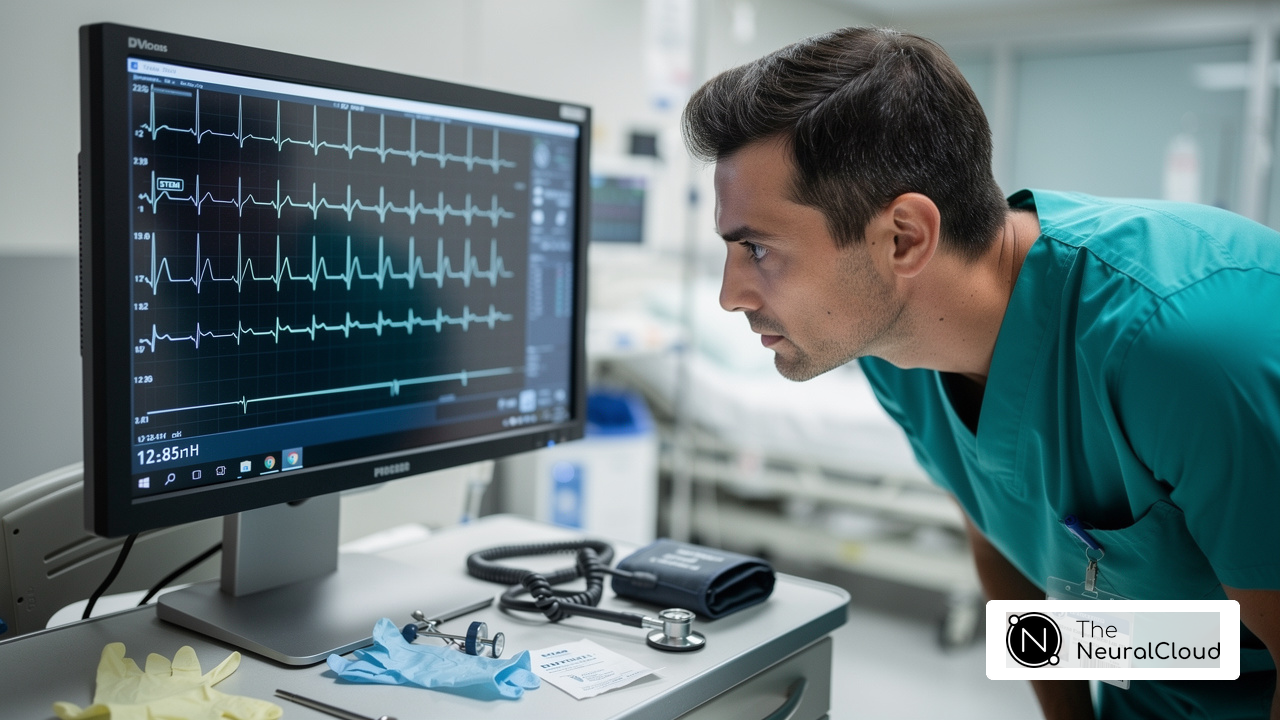
Left anterior fascicular block treatment presents unique challenges in ECG analysis that can impact patient care. This condition leads to a left axis deviation on the electrocardiogram (ECG), which is typically seen as a qR pattern in lead aVL and rS complexes in leads II, III, and aVF. Clinically, while left anterior fascicular block treatment is often considered benign, it can be associated with serious underlying cardiac conditions such as:
- Hypertension
- Coronary artery disease
- Left ventricular hypertrophy
Understanding these patterns is crucial for accurate diagnosis, as they may indicate an increased risk for adverse cardiovascular events, including:
This is particularly important in older patients or those with pre-existing heart conditions.
Utilizing advanced technologies like Neural Cloud Solutions' MaxYield™ platform can significantly enhance the analysis of low amplitude fluttering behavior. MaxYield™ features sophisticated noise filtering and distinct wave recognition capabilities, enabling rapid isolation of ECG waves even in recordings plagued by high levels of noise and artifact. This technology ensures that previously obscured sections of lengthy Holter, 1-Lead, and patch monitor recordings can be salvaged, leading to more accurate interpretations and improved patient outcomes. Automating labeling and data extraction allows healthcare professionals to cut operational costs and boost productivity, ensuring a better return on their investments in ECG analysis. By leveraging advanced technologies like MaxYield™, healthcare professionals can enhance their diagnostic capabilities and ultimately improve patient outcomes.

Implement Effective Diagnostic Techniques for LAFB: Tools and Methods
Diagnosing Left Anterior Fascicular Block presents unique challenges that require a multifaceted approach to ensure accuracy. Healthcare providers should employ a combination of standard 12-lead ECG and advanced diagnostic tools, such as Neural Cloud Solutions' MaxYield platform. Key diagnostic techniques include:
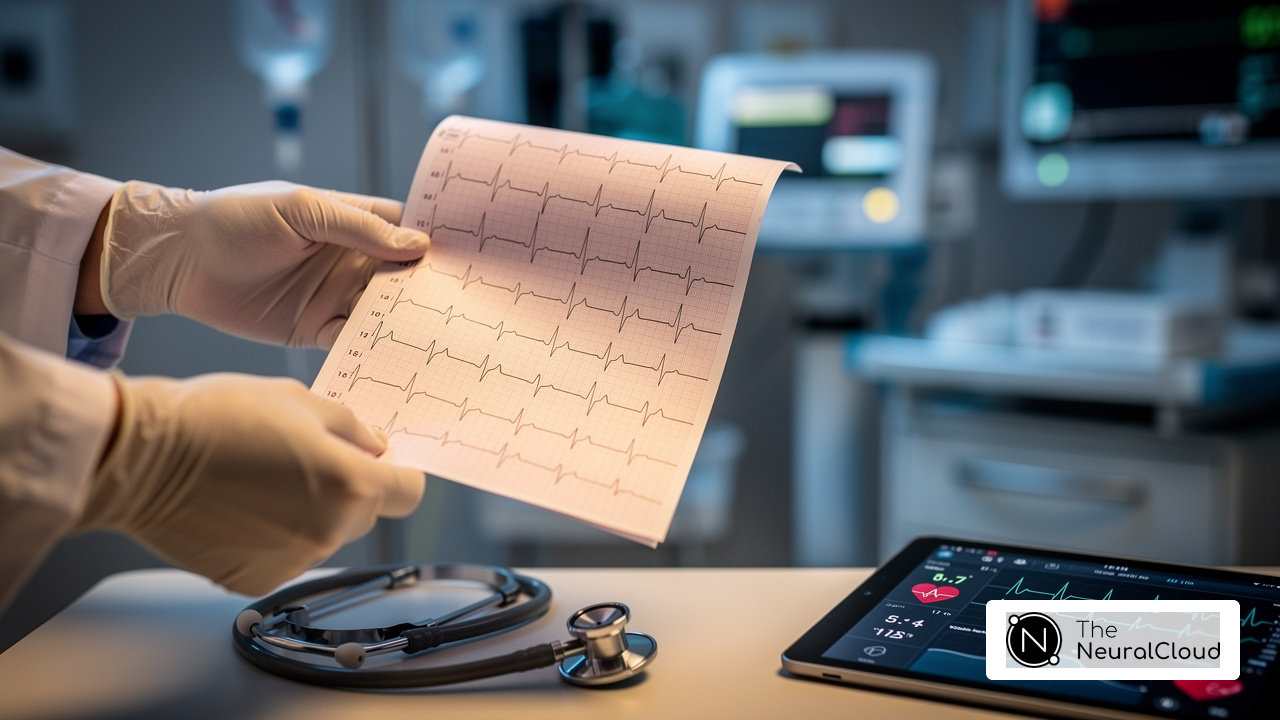
- 12-Lead ECG: This remains the primary tool for diagnosing left anterior fascicular block, where clinicians identify characteristic patterns such as left axis deviation and specific QRS complex morphology. Synthesized 12-lead ECG technology demonstrates over 93% diagnostic agreement with conventional ECGs, underscoring its reliability and reflecting advancements in ECG technology that enhance diagnostic accuracy.
- Holter Monitoring: Continuous ECG monitoring can detect intermittent conduction abnormalities that may not be evident during a standard ECG, providing a more comprehensive view of cardiac function. With MaxYield's hospital-grade accuracy, even consumer-grade devices can deliver reliable data for effective monitoring.
- Echocardiography: This method is beneficial for evaluating structural heart conditions leading to left anterior fascicular block, such as left ventricular hypertrophy or valvular heart disease, which can complicate diagnosis and management.
- Cardiac MRI: Providing comprehensive imaging of heart structures, cardiac MRI can assist in recognizing underlying conditions linked to left anterior fascicular block, improving diagnostic precision.
- Stress Testing: Assessing the heart's reaction to physical activity can uncover ischemic alterations that may accompany left anterior fascicular block, offering essential insights for treatment planning.
Despite its widespread use, the 12-lead ECG may not always provide a definitive diagnosis for left anterior fascicular block due to overlapping patterns with other conditions. This underscores the importance of integrating multiple diagnostic methods to ensure accurate identification and tailored left anterior fascicular block treatment plans. By using these diagnostic methods and the advanced features of MaxYield, clinicians can accurately identify LAFB and tailor management strategies, ultimately improving patient outcomes.

Adopt Comprehensive Treatment Strategies for LAFB: Best Practices and Recommendations
Left Anterior Fascicular Block may seem benign, but neglecting underlying issues can lead to serious health risks. Here are best practices for treatment:
- Lifestyle Modifications: Encourage individuals to adopt heart-healthy habits, including a balanced diet low in saturated fats, regular exercise, and stress management techniques.
- Medication Management: Address any underlying issues such as hypertension or coronary artery disease with appropriate medications, including beta-blockers or ACE inhibitors.
- Regular Monitoring: Schedule follow-up appointments to assess the individual's condition and modify treatment plans as needed, particularly if symptoms arise.
- Client Education: Inform individuals about the characteristics of LAFB, its consequences, and the importance of adhering to treatment plans and making lifestyle adjustments.
- Referral to Specialists: If left anterior fascicular block is associated with significant cardiac disease, consider referring to a cardiologist for further assessment and management.
Implementing these best practices not only enhances patient care but also safeguards against potential complications associated with left anterior fascicular block treatment.

Leverage Advanced Technology for Enhanced LAFB Management: Integrating AI Solutions
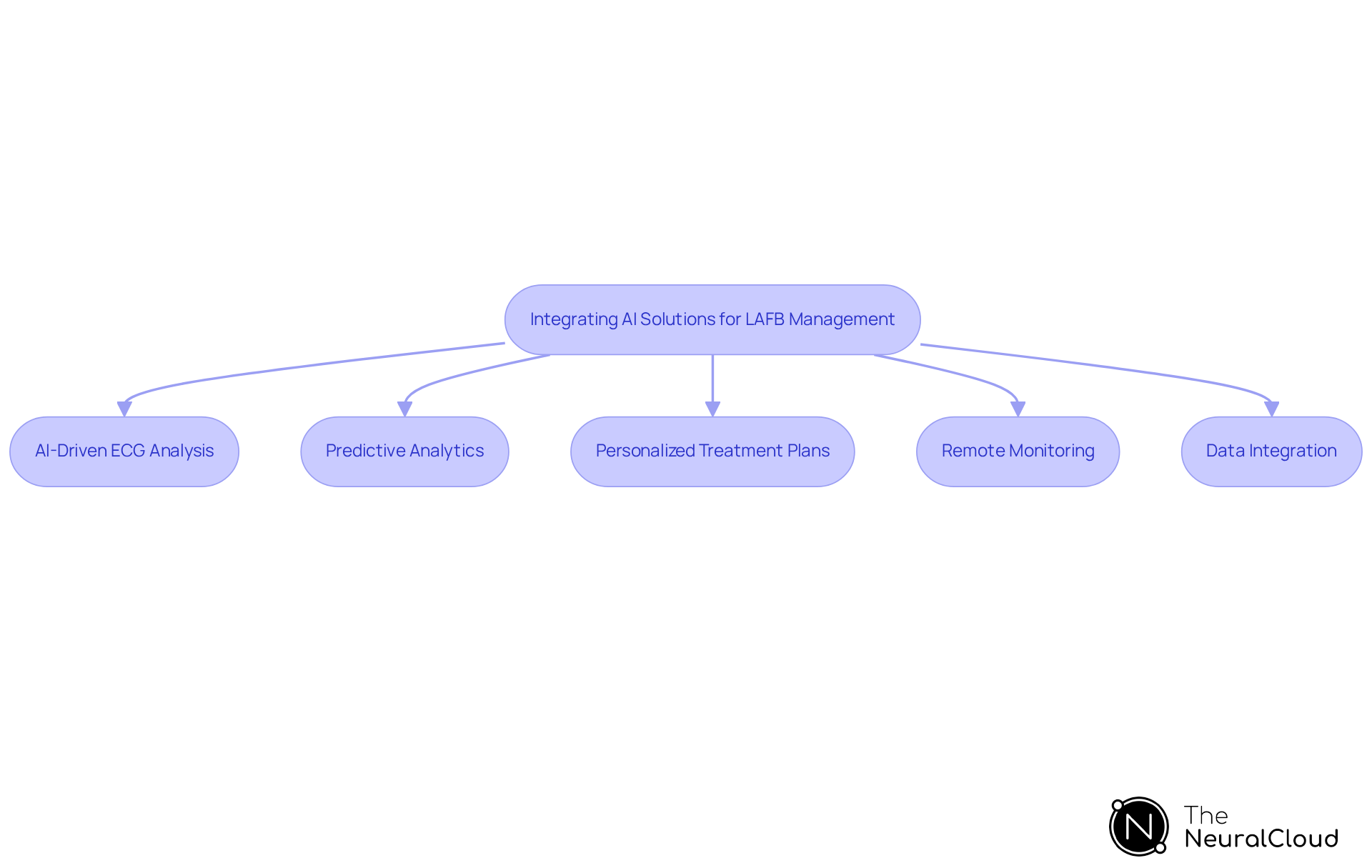
Diagnosing left anterior fascicular block presents significant challenges that can impact patient care. Incorporating advanced technology, especially artificial intelligence, into the management of LAFB can greatly improve patient outcomes. Here are key strategies for leveraging AI solutions:
- AI-Driven ECG Analysis: With advanced noise filtering and unique wave identification, MaxYield™ achieves an impressive sensitivity of 92.0% for detecting conditions like STEMI. This highlights its potential in enhancing diagnostic precision for managing left anterior fascicular block treatment. Additionally, the platform improves specificity to 81.0%, demonstrating its robust capabilities in diagnostics. As a device-agnostic ECG intelligence layer, MaxYield™ integrates seamlessly via API, SDK, or CDK without requiring hardware changes.
- Predictive Analytics: Implement AI tools that analyze individual data to predict potential complications or the progression of cardiac conditions associated with LAFB. This proactive approach can lead to timely interventions and improved management of health outcomes.
- Personalized Treatment Plans: Utilize AI to customize treatment strategies based on individual profiles, enhancing the effectiveness of interventions. MaxYield™'s capability to handle extensive data enables tailored strategies that consider individual characteristics.
- Remote Monitoring: Employ AI-enabled wearable devices that continuously monitor cardiac activity, providing real-time data to healthcare providers and facilitating timely interventions. This feature actively engages individuals in managing their own care.
- Data Integration: Utilize AI to combine information from various sources, including ECGs, echocardiograms, and medical history, to create comprehensive profiles that inform clinical decision-making. A case study on 'AI-Based ECG Analysis in STEMI Triage' illustrates how AI enhances diagnostic performance, particularly in the context of left anterior fascicular block treatment. Furthermore, the adaptable visualization and reporting tool, Insight360, converts MaxYield™'s clean ECG data into interactive dashboards and clinical-ready reports, improving the overall presentation of individual data.
By embracing these advanced technologies, particularly the capabilities of MaxYield™ and Insight360, healthcare professionals can enhance the management of left anterior fascicular block treatment, which leads to improved patient outcomes and more efficient healthcare delivery.
Conclusion
Managing Left Anterior Fascicular Block (LAFB) requires a comprehensive understanding of its clinical implications and effective treatment strategies. Recognizing the risks of LAFB helps healthcare professionals address underlying conditions that complicate patient outcomes. The use of advanced technologies like Neural Cloud Solutions plays a pivotal role in enhancing diagnostic accuracy and treatment efficacy.
This article shows how a multifaceted approach to diagnosis and treatment is crucial. Utilizing a combination of standard 12-lead ECG, Holter monitoring, echocardiography, and advanced AI-driven tools ensures that clinicians can accurately identify LAFB and tailor management strategies accordingly. Additionally, best practices like lifestyle changes, medication management, and regular monitoring can enhance patient care and reduce complications.
In conclusion, the management of Left Anterior Fascicular Block is not merely about addressing the condition itself but also about understanding its broader implications for cardiovascular health. By prioritizing advanced technologies and comprehensive strategies, healthcare providers can significantly elevate the standard of care for patients with LAFB.
Frequently Asked Questions
What is left anterior fascicular block?
Left anterior fascicular block is a condition that leads to a left axis deviation on the electrocardiogram (ECG), typically observed as a qR pattern in lead aVL and rS complexes in leads II, III, and aVF.
What are the clinical implications of left anterior fascicular block?
While often considered benign, left anterior fascicular block can be associated with serious underlying cardiac conditions such as hypertension, coronary artery disease, and left ventricular hypertrophy. It may also indicate an increased risk for adverse cardiovascular events, including atrial fibrillation and heart failure, particularly in older patients or those with pre-existing heart conditions.
How does left anterior fascicular block affect ECG analysis?
The presence of left anterior fascicular block can complicate ECG analysis, making it crucial for healthcare professionals to accurately interpret the patterns to ensure proper diagnosis and treatment.
What technologies can assist in analyzing left anterior fascicular block?
Advanced technologies like Neural Cloud Solutions' MaxYield™ platform can enhance the analysis of ECGs affected by left anterior fascicular block. MaxYield™ features sophisticated noise filtering and distinct wave recognition capabilities, allowing for rapid isolation of ECG waves even in recordings with high levels of noise and artifact.
How does MaxYield™ improve ECG analysis?
MaxYield™ improves ECG analysis by salvaging previously obscured sections of lengthy Holter, 1-Lead, and patch monitor recordings, leading to more accurate interpretations. It also automates labeling and data extraction, helping healthcare professionals reduce operational costs and increase productivity.
What are the benefits of using advanced ECG analysis technologies?
Utilizing advanced ECG analysis technologies like MaxYield™ enhances diagnostic capabilities, improves patient outcomes, and ensures a better return on investments in ECG analysis for healthcare professionals.
List of Sources
- Understand Left Anterior Fascicular Block: Definition and Clinical Significance
- Left Anterior Fascicular Block: Causes and Treatment (https://my.clevelandclinic.org/health/diseases/23212-left-anterior-fascicular-block)
- Left Anterior Fascicular Block May Not Be a Benign Finding (https://empr.com/home/news/drug-news/left-anterior-fascicular-block-may-not-be-a-benign-finding)
- Left anterior fascicular block is associated with increased non-ischemic myocardial scar burden and a proportionately decreased ejection fraction (https://medrxiv.org/content/10.1101/2022.08.02.22277879v1)
- Implement Effective Diagnostic Techniques for LAFB: Tools and Methods
- Study Shows Promising Results for ECG Technology (https://dicardiology.com/content/study-shows-promising-results-ecg-technology)
- New ECG technology advances the diagnosis and treatment of heart failure (https://cardia.ikem.cz/post/new-ecg-technology-advances-the-diagnosis-and-treatment-of-heart-failure)
- Novel AI ECG model outperforms standard triage for acute coronary occlusion (https://news-medical.net/news/20251029/Novel-AI-ECG-model-outperforms-standard-triage-for-acute-coronary-occlusion.aspx)
- Electrocardiogram (ECG) patterns of left anterior fascicular block and conduction impairment in ventricular myocardium: a whole-heart model-based simulation study - PMC (https://pmc.ncbi.nlm.nih.gov/articles/PMC5802974)
- The latest innovations in ECG technology and analysis - Norav Medical (https://noravmedical.com/advancements-in-ecg-technology-exploring-the-latest-innovations-in-ecg-analysis)
- Adopt Comprehensive Treatment Strategies for LAFB: Best Practices and Recommendations
- Dr. Roach: Left anterior fascicular block diagnosis causes alarm (https://detroitnews.com/story/life/advice/2022/09/02/keith-roach-left-anterior-fascicular-block-diagnosis-causes-alarm/50689181)
- 35+ Latest Patient Adherence Statistics for 2025 (https://dialoghealth.com/post/patient-adherence-statistics)
- Impact of Lifestyle Modifications on Cardiovascular Health: A Narrative Review - PMC (https://pmc.ncbi.nlm.nih.gov/articles/PMC10460604)
- Left Anterior Fascicular Block May Not Be a Benign Finding (https://empr.com/home/news/drug-news/left-anterior-fascicular-block-may-not-be-a-benign-finding)
- Left Anterior Fascicular Block as a Predictor of Outcomes and Reduced Cardiac Functional Improvement in Heart Failure (https://onlinelibrary.wiley.com/doi/10.1111/pace.70101)
- Leverage Advanced Technology for Enhanced LAFB Management: Integrating AI Solutions
- AI-Enabled ECG Analysis Improves Diagnostic Accuracy and Reduces False STEMI Activations: A Multicenter U.S. Registry - PubMed (https://pubmed.ncbi.nlm.nih.gov/41158088)
- AI outperforms conventional diagnosis for certain types of heart attacks: Study (https://health.economictimes.indiatimes.com/amp/news/diagnostics/ai-outperforms-conventional-diagnosis-for-certain-types-of-heart-attacks-study/129746852)
- AI for Heart Failure Care Is Evolving Rapidly, THT 2026 Makes Clear (https://tctmd.com/news/ai-heart-failure-care-evolving-rapidly-tht-2026-makes-clear)