Introduction
Managing ST elevation STEMI is a critical challenge that requires immediate and precise action to improve patient outcomes. As health technology advances, it reshapes treatment protocols, making it essential for clinicians and healthcare facilities to understand best practices for STEMI management. This article explores how integrating cutting-edge technologies, comprehensive training, and real-world data can significantly enhance patient outcomes in STEMI care. Healthcare providers must adapt to these innovations to improve treatment efficacy and patient survival rates.
Understand Clinical Requirements for STEMI Management
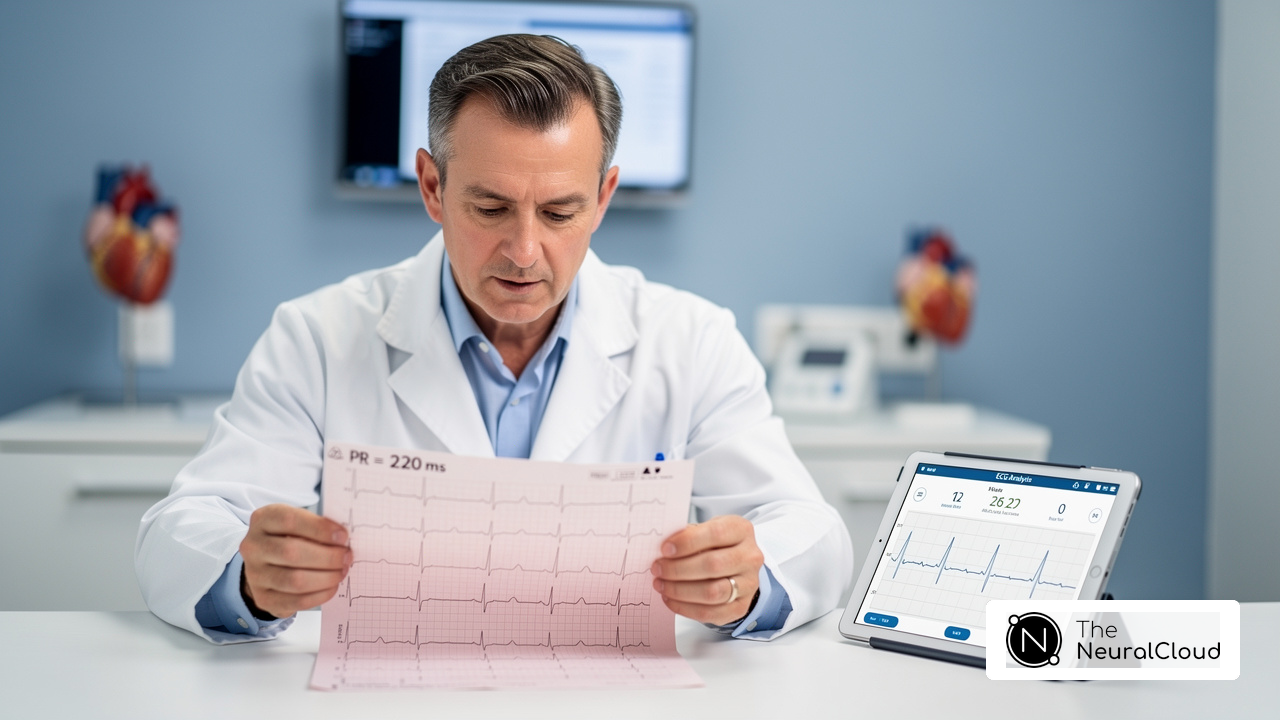
In the fast-paced world of healthcare, timely recognition and management of ST elevation STEMI are paramount to patient survival. Healthcare providers must stay updated on the latest clinical guidelines for managing this condition. Recognizing symptoms such as chest pain, shortness of breath, and the characteristic ST-segment elevation on ECG is crucial. Delays in recognizing symptoms can lead to severe consequences for patients. It's essential that immediate actions follow the latest 2025 ACC/AHA guidelines, which advocate for rapid assessment and the initiation of reperfusion therapy, including dual antiplatelet therapy with aspirin and a P2Y12 inhibitor.
The guidelines emphasize the 'door-to-balloon' goal for primary percutaneous coronary intervention (PPCI) to be 90 minutes or less. This underscores the critical nature of prompt treatment. This structured approach enhances patient outcomes and streamlines workflows in emergency settings, ensuring prompt interventions that can greatly decrease morbidity and mortality rates linked to ST elevation STEMI. For instance, the AHA emphasizes that every minute of delay in restoring blood flow can lead to the loss of viable myocardium, highlighting the urgency of immediate action. Moreover, integrating care systems effectively can be the difference between life and death for patients experiencing heart attacks.

Integrate Advanced Technologies into Existing Workflows
Noisy ECG signals can obscure critical diagnostic information, leading to potential misdiagnoses. To improve heart attack management, healthcare facilities must incorporate advanced technologies such as artificial intelligence and machine learning into their existing workflows. Tools like Neural Cloud Solutions' MaxYield improve ECG data processing by isolating and cleaning noisy signals, leading to more accurate diagnoses.
For instance, AI-enabled ECGs have a positive predictive value of 88% and a negative predictive value of 99.9% for diagnosing ST elevation STEMI. This technology decreases the time to diagnosis from 52.3 minutes to 43.3 minutes.
Furthermore, MaxYield's advanced capabilities are supported by expert endorsements from:
- Dr. Alan Rabinowitz
- Dr. Brett Heilbron
- Dr. Marc W. Deyell
These experts emphasize its precision rivaling human interpretation and its noise reduction benefits. Additionally, deploying mobile applications for real-time ECG transmission can accelerate communication between emergency medical services and receiving hospitals, ensuring that individuals are triaged and treated without delay.
By implementing MaxYield, healthcare providers can significantly enhance diagnostic accuracy and reduce time to treatment. Moreover, it is important to note that MaxYield is currently pending FDA Class II SaMD clearance, ensuring compliance with regulatory standards and supporting audit-ready documentation for GxP inspections.

Provide Comprehensive User Training and Support
To fully leverage new technologies in managing acute myocardial infarction, comprehensive training for medical personnel is essential. Training should cover both the technical use of advanced tools like MaxYield™, which quickly cleans up lengthy and noisy ECG recordings, and a solid grasp of clinical guidelines for st elevation stemi care. Regular workshops and simulation training can really boost medical professionals' confidence in using these technologies.
Organizations that invest in user training see a 27% rise in adoption rates for new medical technologies, underscoring the importance of a well-structured training strategy. Expert endorsements from Dr. Alan Rabinowitz, Dr. Brett Heilbron, and Dr. Marc W. Deyell emphasize that MaxYield™ rivals human interpretation in precision and effectively reduces noise, enhancing the clarity of ECG data.
Additionally, Insight360 acts as a customizable visualization and reporting tool, transforming MaxYield’s clean ECG data into interactive dashboards and clinical-ready reports. Establishing ongoing support and feedback mechanisms is crucial to address challenges during implementation, ensuring that staff remain proficient and engaged in their roles.
By fostering a culture of continuous education, healthcare providers can significantly enhance patient care and ensure compliance with evolving standards.

Utilize Real-World Data and Case Studies for Development
Current heart attack management practices often lack the insights needed for effective treatment. Healthcare providers should utilize real-world data and case studies to improve their heart attack management practices. Analyzing outcomes from previous st elevation stemi cases can uncover effective treatment strategies and identify areas needing improvement.
For example, insights from the SCAI Expert Consensus Statement can guide the creation of protocols that enhance care and reduce treatment delays. Integrating real-world evidence into methodologies grounds medical organizations in proven effectiveness. This ultimately leads to improved patient outcomes and more efficient care delivery. This evidence-based method is crucial for navigating the complexities of heart attack management. It ensures that interventions are prompt and effective.
Furthermore, leveraging Neural Cloud Solutions Inc.'s MaxYield™ platform can significantly enhance ECG workflow efficiency through gold standard noise filtering and automation. This technology addresses challenges in ECG analysis, like physiological variability and signal artifacts. It helps providers make more precise and timely decisions in the management of st elevation stemi.
Expert endorsements from Dr. Alan Rabinowitz, Dr. Brett Heilbron, and Dr. Marc W. Deyell emphasize MaxYield™'s precision, rivaling human interpretation, and its noise reduction benefits. Additionally, the platform is compliant with FDA Class II SaMD clearance-pending status, ensuring that it meets regulatory standards for safety and efficacy. Incorporating advanced technologies like MaxYield™ can redefine how healthcare providers approach heart attack management.

Conclusion
The challenges in managing ST elevation STEMI can significantly impact patient survival rates. The integration of advanced technologies, adherence to clinical guidelines, and comprehensive training for healthcare professionals are essential components in optimizing care. By implementing advanced technologies and adhering to clinical guidelines, healthcare providers can significantly enhance their response to heart attacks, ensuring that patients receive the necessary interventions without delay.
Recognizing symptoms early is crucial, and using tools like MaxYield can make a real difference in ECG analysis. Fostering a culture of continuous education among medical staff is also vital. The emphasis on real-world data and case studies further supports the development of effective treatment protocols, ultimately leading to better patient outcomes.
As the landscape of STEMI management continues to evolve, embracing these advancements is essential for healthcare providers to improve patient outcomes and redefine standards in STEMI care. Providers are encouraged to prioritize the integration of technology, invest in user training, and leverage real-world evidence to refine their approaches. By doing so, they can ensure that they are not only meeting current standards but also setting new benchmarks for excellence in STEMI care.
Frequently Asked Questions
What is the importance of timely recognition and management of ST elevation STEMI?
Timely recognition and management of ST elevation STEMI are crucial for patient survival, as delays can lead to severe consequences.
What symptoms should healthcare providers recognize for ST elevation STEMI?
Healthcare providers should recognize symptoms such as chest pain, shortness of breath, and the characteristic ST-segment elevation on ECG.
What are the latest guidelines for managing ST elevation STEMI?
The latest 2025 ACC/AHA guidelines advocate for rapid assessment and initiation of reperfusion therapy, including dual antiplatelet therapy with aspirin and a P2Y12 inhibitor.
What is the 'door-to-balloon' goal for primary percutaneous coronary intervention (PPCI)?
The 'door-to-balloon' goal for PPCI is to achieve treatment within 90 minutes or less.
Why is prompt treatment emphasized in the management of ST elevation STEMI?
Prompt treatment is emphasized because every minute of delay in restoring blood flow can lead to the loss of viable myocardium, significantly impacting patient outcomes.
How does integrating care systems affect patient outcomes in heart attack cases?
Effectively integrating care systems can be the difference between life and death for patients experiencing heart attacks, ensuring prompt interventions that decrease morbidity and mortality rates.
List of Sources
- Understand Clinical Requirements for STEMI Management
- ACC, AHA Issue New Acute Coronary Syndromes Guideline - American College of Cardiology (https://acc.org/about-acc/press-releases/2025/02/28/17/51/acc-aha-issue-new-acute-coronary-syndromes-guideline)
- Updated Guidelines on the Management of Acute Coronary Syndrome (https://thecardiologyadvisor.com/news/updated-guidelines-on-the-management-of-acute-coronary-syndrome)
- AHA STEMI Guidelines 2025: Latest Updates & Best Practices (https://imba.missouri.edu/aha-stemi-guidelines-3786433216.html)
- 2025 ACC/AHA/ACEP/NAEMSP/SCAI Guideline for the Management of Patients With Acute Coronary Syndromes (https://professional.heart.org/en/science-news/2025-guideline-for-the-management-of-patients-with-acute-coronary-syndromes)
- ACC/AHA Release New Comprehensive ACS Guidelines (https://tctmd.com/news/accaha-release-new-comprehensive-acs-guidelines)
- Integrate Advanced Technologies into Existing Workflows
- AI outperforms conventional diagnosis for certain types of heart attacks (https://escardio.org/news/press/press-releases/acvc-press)
- Improving STEMI Outcomes with Artificial Intelligence (https://tricog.com/improving-stemi-outcomes-with-ai?srsltid=AfmBOoqfbJiNEk9wSyAjaOF-w0GrE9Aq9eBYLYtpNsB64y9oe7aY6IsG)
- Neural Cloud Signs Reseller Agreement with European Digital Cardiac Monitoring Platform (https://morningstar.com/news/accesswire/1153125msn/neural-cloud-signs-reseller-agreement-with-european-digital-cardiac-monitoring-platform)
- AI/ML Innovations Inc. (CVE:AIML) | (https://webdisclosure.com/article/aiml-innovations-inc-cve-aiml-neural-cloud-partners-with-european-digital-cardiac-platform-zbaBa97okBk)
- Provide Comprehensive User Training and Support
- 5 Points That Prove the Importance of Staff Training in Healthcare | Relias (https://relias.com/blog/importance-of-staff-training-in-healthcare)
- Medical Team Training Programs in Health Care - Advances in Patient Safety: From Research to Implementation (Volume 4: Programs, Tools, and Products) - NCBI Bookshelf (https://ncbi.nlm.nih.gov/books/NBK20580)
- Utilize Real-World Data and Case Studies for Development
- Contributing to Advancing STEMI Heart Attack Care | Minneapolis Heart Institute Foundation (https://mplsheart.org/news/contributing-advancing-stemi-heart-attack-care)
- SCAI 2026: STEMI-DTU Data Provide Deeper Insight Into Patient Outcomes (https://dicardiology.com/content/scai-2026-stemi-dtu-data-provide-deeper-insight-patient-outcomes)
- AZORG Hospitals Cut Subtle Heart Attack Treatment Delays by Several Hours with PMcardio Platform (https://powerfulmedical.com/blog/azorg-hospitals-cut-subtle-heart-attack-treatment-delays-by-several-hours-with-pmcardio-platform)
- Expert Consensus Statement Published for STEMI Treatment (https://emjreviews.com/interventional-cardiology/news/expert-consensus-statement-published-for-stemi-treatment)
- Real-World STEMI Study Shows Low Rate of Early Stent Thrombosis After Primary PCI (https://tctmd.com/news/real-world-stemi-study-shows-low-rate-early-stent-thrombosis-after-primary-pci)