Introduction
Misinterpretation of ST inversion in ECG analysis can lead to critical cardiac misdiagnoses, making accurate interpretation essential for clinicians. Let’s explore some best practices for accurately interpreting ST inversion, highlighting the physiological underpinnings, effective identification techniques, and the clinical significance of these changes. Given the complexities involved, how can healthcare professionals confidently interpret ECGs and avoid misinterpretation?
Understand the Physiology of ST Inversion in ECGs
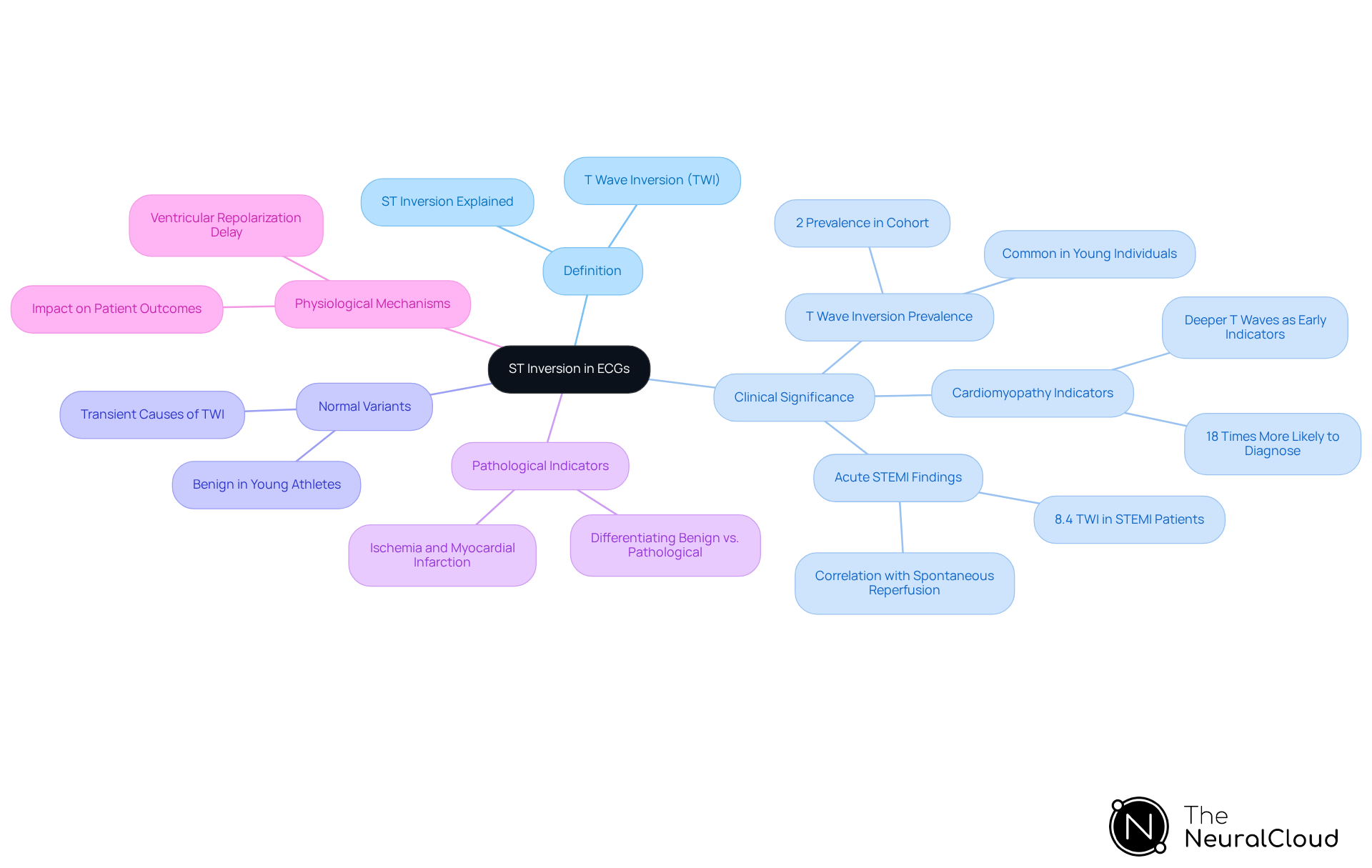
Understanding ST inversion is crucial for accurate ECG interpretation, as it can indicate serious cardiac issues. ST inversion occurs when the T deflection on an ECG is flipped, signaling a delay in ventricular repolarization. While this can be a normal variant in some individuals, particularly young athletes, it may also indicate underlying cardiac issues such as ischemia or myocardial infarction. The ST segment, which is the flat section between the end of the S wave and the start of the T wave, is crucial for diagnosing cardiac conditions. For instance, during ischemic events, the repolarization process changes, leading to observable T changes on the ECG.
Recent studies emphasize the prevalence of T inversion (TWI) in young, seemingly healthy individuals. Findings suggest that TWI is a frequent ECG observation, recorded in 2% of a cohort examined. Notably, deeper T patterns have been identified as early indicators of underlying cardiomyopathy. Patients exhibiting deeper T patterns are 18 times more likely to receive a cardiomyopathy diagnosis. This underscores the importance for clinicians to distinguish between benign and pathological T abnormalities, especially when considering ST inversion.
These findings further demonstrate the clinical significance of T wave reversal in the context of ST inversion. For example, a study involving acute STEMI patients found that T deflection reversal was present in 8.4% of cases, primarily in those with anterior STEMI. This correlation indicates that T wave reversal could serve as a reliable indicator for spontaneous reperfusion of the infarct-related artery, enhancing the ability to identify critical cardiac events early.
It's important to understand the physiological mechanisms behind ST depression for accurate ECG interpretation. Clinicians must remain vigilant in identifying these changes to make informed decisions regarding care, particularly in the context of evolving cardiac conditions. Recognizing these changes can significantly impact patient outcomes and treatment strategies.
Implement Effective Techniques for Identifying ST Inversion
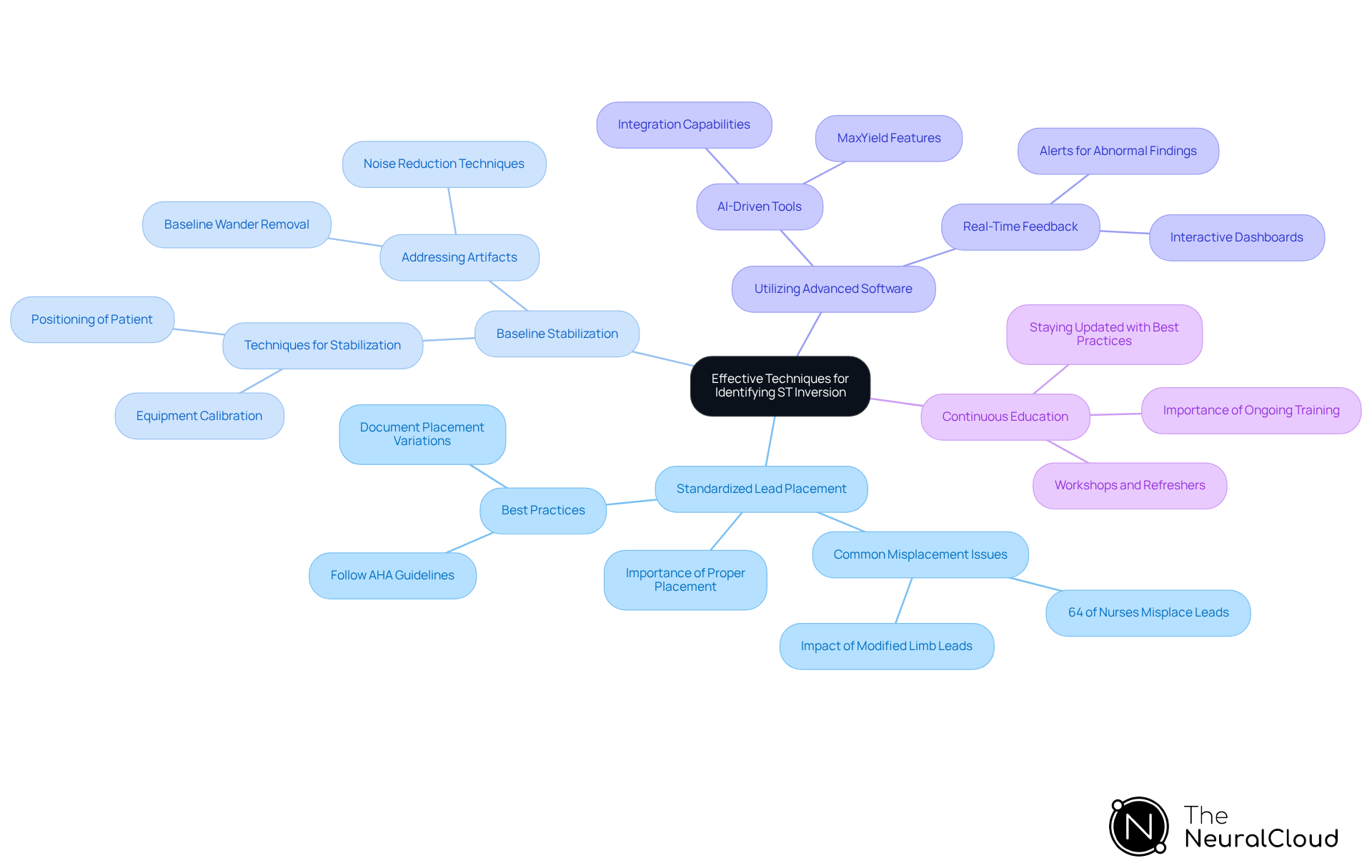
To accurately identify ST changes, clinicians must adopt a systematic approach to ECG interpretation, starting with a comprehensive 12-lead ECG assessment. Key techniques include:
- Standardized Lead Placement: Proper lead placement is crucial to minimize artifacts and ensure accurate readings. Misplacement can lead to significant diagnostic errors, including false interpretations of ST segment changes. Many clinicians struggle with lead placement, leading to potential diagnostic errors, as studies indicate that up to 64% of nurses misplace ECG leads, highlighting the need for adherence to standardized protocols.
- Baseline Stabilization: Stabilizing the baseline before interpreting the ST segment is essential to avoid misdiagnosis due to noise or interference. This can be accomplished through careful positioning of the individual and equipment calibration, ensuring that the ECG reflects true cardiac activity.
- Utilizing Advanced Software: Use AI-driven tools such as MaxYield to enhance signal clarity and reduce noise, making it easier to detect subtle ST changes. These tools provide real-time feedback and alerts for abnormal findings, significantly improving diagnostic accuracy. Additionally, MaxYield is a device-agnostic ECG intelligence layer that integrates seamlessly via API, SDK, or CDK without requiring hardware changes. The accompanying Insight360 tool transforms MaxYield’s clean ECG data into interactive dashboards and clinical-ready reports, further supporting clinical decision-making.
- Continuous Education: It's important to regularly attend ECG workshops and training sessions to stay current with the latest techniques and technologies in ECG interpretation. Ongoing education helps maintain diagnostic accuracy and reinforces best practices in lead placement and signal interpretation.
By applying these methods, clinicians can improve their capacity to precisely recognize ST inversion changes, ultimately enhancing patient outcomes. Furthermore, ensuring compliance with regulatory standards not only enhances diagnostic accuracy but also fosters trust in clinical practices.
Interpret Clinical Significance of ST Inversion
The clinical significance of ST changes in ECG readings can indicate both serious cardiac events and benign conditions, making accurate interpretation essential. Key considerations include:
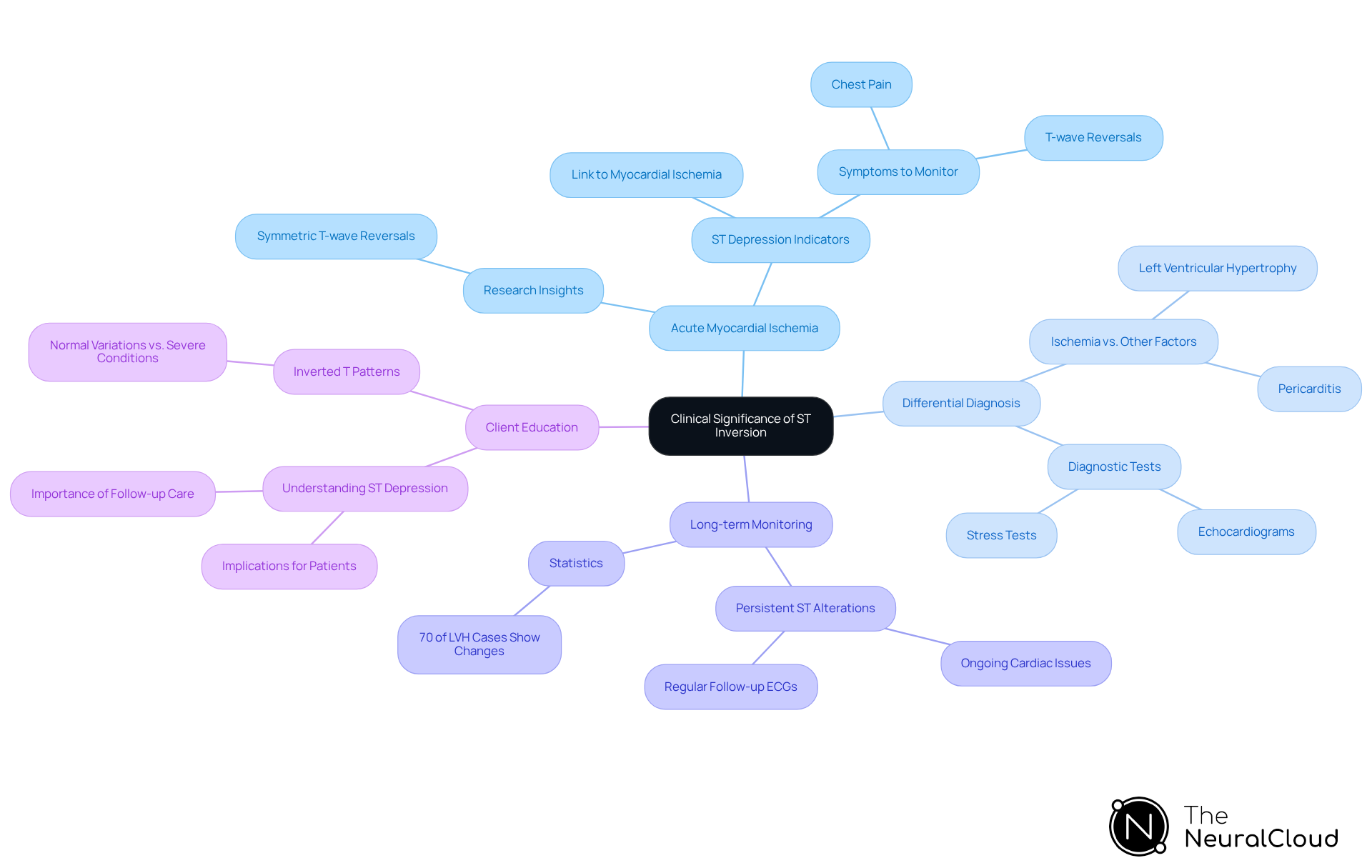
- Acute Myocardial Ischemia: ST depression is often linked to myocardial ischemia, especially in acute coronary syndromes. Clinicians must be vigilant for ischemic events when they observe ST depression, particularly if symptoms like chest pain are present. Research indicates that T-wave reversals associated with acute coronary syndrome are typically symmetric in shape, underscoring the need for thorough assessment.
- Differential Diagnosis: It's crucial to differentiate ST alterations due to ischemia from those caused by other factors, such as left ventricular hypertrophy or pericarditis. A comprehensive clinical history and additional diagnostic tests, including echocardiograms or stress tests, may be necessary to clarify the underlying cause. For example, inverted T waves in lead aVL can suggest mid-segment left anterior descending (LAD) lesions but may also appear in left ventricular hypertrophy or left bundle branch block (LBBB).
- Long-term Monitoring: Persistent ST alteration may signal ongoing cardiac issues and should prompt further investigation. Regular follow-up ECGs are essential for tracking changes over time and can significantly influence treatment decisions. In individuals with left ventricular hypertrophy, ST-segment and T-wave alterations are observed in about 70% of cases, highlighting the importance of ongoing monitoring.
- Client Education: Educating individuals about the implications of ST depression and the importance of follow-up care can enhance adherence and improve outcomes. Understanding that inverted T patterns can range from normal variations to indicators of severe conditions is vital for individual involvement and compliance with treatment strategies.
In summary, understanding the nuances of ST inversion is crucial for healthcare professionals to ensure effective patient management and timely interventions.
Leverage Technology for Enhanced ECG Analysis
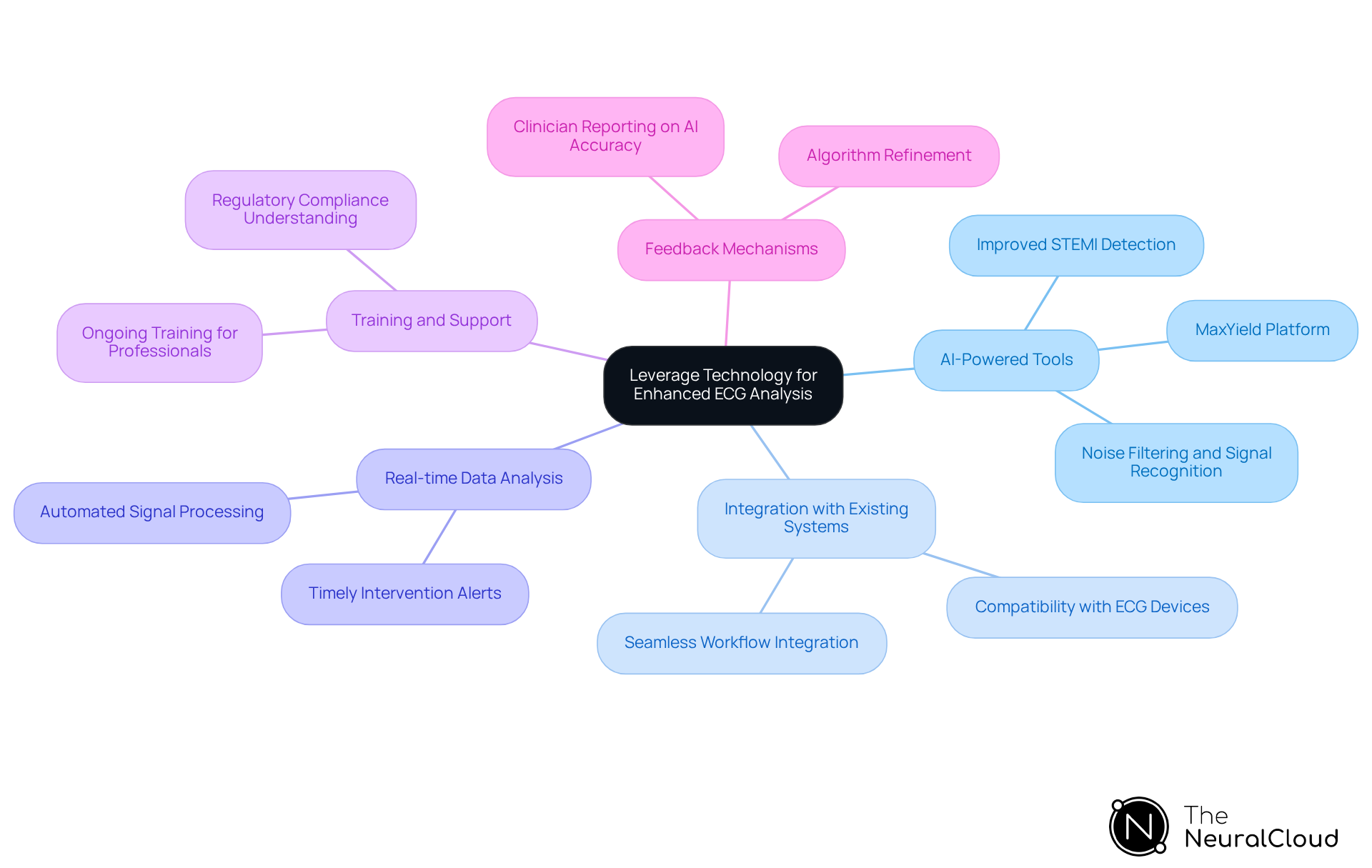
Integrating advanced technology into ECG analysis presents both challenges and opportunities for healthcare providers. Here are several best practices for leveraging technology effectively:
- AI-Powered Tools: Utilize AI-driven platforms like MaxYield to improve the accuracy of ECG interpretations. MaxYield's advanced noise filtering and unique signal recognition capabilities enable it to process large volumes of data rapidly, detecting patterns that might be missed by human analysis. Studies indicate that AI-based ECG analysis has significantly improved STEMI detection and reduced false activations, underscoring the value of these technologies in clinical settings. Additionally, MaxYield's data wall processes clean, 'neuralized' signals, providing clear, beat-by-beat data that enhances diagnostic accuracy.
- Integration with Existing Systems: Ensure that new technologies like MaxYield integrate seamlessly with existing ECG workflows. This minimizes disruption and allows for a smoother transition to enhanced analysis methods, which is crucial for maintaining operational efficiency in healthcare environments. MaxYield works with any ECG device, easily connecting through APIs or SDKs, so you won’t need to change your existing hardware.
- Real-time Data Analysis: Implement systems that provide real-time analysis and alerts for abnormal findings. MaxYield's capabilities in noise filtering and automated signal processing enable rapid isolation of ECG waves, which is crucial for timely intervention in urgent care scenarios. A study published on October 21, 2025, showed promising results for ECG technology in the early and accurate detection of heart rhythm problems, emphasizing the importance of timely intervention.
- Training and Support: Provide ongoing training for healthcare professionals on the use of new technologies. Familiarity with these tools is crucial for maximizing their potential and ensuring precise interpretations, which can ultimately improve the quality of care. This includes understanding the regulatory compliance aspects, such as FDA Class II SaMD clearance-pending status, which is vital for the target audience.
- Feedback Mechanisms: Establish feedback loops where clinicians can report on the accuracy of AI interpretations. This practice can help refine algorithms and improve the overall effectiveness of the technology, ensuring that it evolves in response to real-world clinical needs. Dr. Timothy D. Henry noted that AI-enhanced STEMI diagnosis has the potential to shorten time to treatment and reduce false activations, highlighting the importance of clinician feedback in evolving these technologies.
By following these best practices, healthcare providers can enhance ECG analysis. This leads to more accurate diagnoses and better outcomes for patients. Additionally, collaborations in the industry, such as the strategic partnership between HeartBeam and AccurKardia, illustrate how advancements in cardiac monitoring technologies can further improve patient care. For those interested in exploring MaxYield and its capabilities, Neural Cloud Solutions Inc. offers free trials and personalized walkthroughs, along with Insight360, a customizable visualization tool that transforms MaxYield’s clean ECG data into interactive dashboards and clinical-ready reports.
Conclusion
Interpreting ST inversion in ECG analysis poses challenges that healthcare professionals must navigate for accurate diagnoses and effective patient care. This phenomenon, which can signify serious cardiac conditions, can be challenging due to its varied clinical implications. Understanding the physiological basis of ST inversion helps clinicians distinguish between benign variations and serious cardiac conditions.
The article highlights several key strategies for mastering ST inversion analysis. These include:
- Implementing standardized lead placement to minimize errors
- Utilizing advanced AI-driven tools like MaxYield for enhanced signal clarity
- Committing to continuous education to stay abreast of the latest techniques
Additionally, understanding the clinical significance of ST changes, particularly in the context of acute myocardial ischemia and differential diagnoses, is crucial for timely interventions and improved patient outcomes.
Ultimately, the integration of technology and adherence to best practices in ECG analysis can significantly enhance diagnostic accuracy and patient care. By leveraging tools such as MaxYield and fostering a culture of ongoing training and feedback, healthcare providers can ensure they are equipped to navigate the complexities of ST inversion. Embracing technology and best practices in ECG analysis can redefine cardiac care and enhance patient outcomes across clinical settings in Canada.
Frequently Asked Questions
What is ST inversion in ECGs?
ST inversion occurs when the T deflection on an ECG is flipped, indicating a delay in ventricular repolarization. It can signal serious cardiac issues but may also be a normal variant in some individuals, particularly young athletes.
Why is understanding ST inversion important for ECG interpretation?
Understanding ST inversion is crucial for accurate ECG interpretation as it can indicate underlying cardiac issues such as ischemia or myocardial infarction, which require timely diagnosis and intervention.
What does the ST segment represent in an ECG?
The ST segment is the flat section between the end of the S wave and the start of the T wave, and it is essential for diagnosing various cardiac conditions.
How prevalent is T wave inversion (TWI) in young individuals?
Recent studies indicate that T wave inversion is a frequent ECG observation in young, seemingly healthy individuals, recorded in 2% of a cohort examined.
What is the significance of deeper T patterns in ECGs?
Deeper T patterns have been identified as early indicators of underlying cardiomyopathy, with patients exhibiting these patterns being 18 times more likely to receive a cardiomyopathy diagnosis.
How does ST inversion relate to acute STEMI patients?
In a study involving acute STEMI patients, T deflection reversal was present in 8.4% of cases, primarily in those with anterior STEMI, suggesting it could serve as a reliable indicator for spontaneous reperfusion of the infarct-related artery.
What should clinicians be aware of regarding ST inversion and T wave changes?
Clinicians must distinguish between benign and pathological T abnormalities, particularly in the context of ST inversion, as recognizing these changes can significantly impact patient outcomes and treatment strategies.
List of Sources
- Understand the Physiology of ST Inversion in ECGs
- Case Report: Subtle ECG Findings Evolving to STEMI - ACEP Now (https://acepnow.com/article/case-report-subtle-ecg-findings-evolving-to-stemi)
- ECG T Wave Inversion Features Predict Cardiomyopathy | www.PhysiciansWeekly.com (https://physiciansweekly.com/post/ecg-t-wave-inversion-features-predict-cardiomyopathy)
- The association between T wave inversion in leads with ST-elevation and patency of the infarct-related artery - BMC Cardiovascular Disorders (https://link.springer.com/article/10.1186/s12872-021-01851-8)
- Implement Effective Techniques for Identifying ST Inversion
- pmc.ncbi.nlm.nih.gov (https://pmc.ncbi.nlm.nih.gov/articles/PMC5361052)
- ECG Lead Misplacement: Looking at Common Issues (https://gehealthcare.com/en-gb/insights/article/ecg-lead-misplacement-looking-at-common-issues?srsltid=AfmBOopjCRnpYIcQVNmraQDs67ytLBGoD3pn2tkhNE20V0qBaqIuII2_)
- Electrocardiographic Limb Leads Placement and Its Clinical Implication: Two Cases of Electrocardiographic Illustrations - PMC (https://pmc.ncbi.nlm.nih.gov/articles/PMC8415387)
- 12-Lead ECG Electrode Placement: Best Practices- (https://intcomedical.com/news/info/12-lead-ecg-electrode-placement-best-practices-for-clinical-accuracy-in-healthcare.html)
- Interpret Clinical Significance of ST Inversion
- ST Segment - StatPearls - NCBI Bookshelf (https://ncbi.nlm.nih.gov/books/NBK459364)
- STEMIs in Disguise — Taming the SRU (https://tamingthesru.com/blog/diagnostics/stemis-in-disguise)
- CV Physiology | Electrophysiological Changes During Cardiac Ischemia (https://cvphysiology.com/cad/cad012)
- The Inverted T Wave Differential Diagnosis in the Adult Patient | HCPLive (https://hcplive.com/view/inverted-t-wave-differential-diagnosis-adult-patient-0)
- STEMI: ST-segment Elevation Myocardial Infarction - The Cardiology Advisor (https://thecardiologyadvisor.com/ddi/stemi-st-elevation-myocardial-infarction)
- Leverage Technology for Enhanced ECG Analysis
- Study Shows AI-Powered ECG Could Help Patients Requiring Lifelong Heart Monitoring (https://dicardiology.com/content/study-shows-ai-powered-ecg-could-help-patients-requiring-lifelong-heart-monitoring)
- AI-Based ECG Analysis Significantly Improves STEMI Detection, Reduces False Activations - American College of Cardiology (https://acc.org/latest-in-cardiology/articles/2025/10/24/16/56/tues-554pm-ai-tct-2025)
- Philips Launches ECG AI Marketplace to Enhance Early Cardiac Diagnosis (https://usa.philips.com/a-w/about/news/archive/standard/news/press/2025/philips-launches-ecg-ai-marketplace-to-enhance-early-cardiac-diagnosis.html)
- ejinme.com (https://ejinme.com/article/S0953-6205(25)00178-5/fulltext)