Introduction
As healthcare technology advances, the challenges in ECG analysis become increasingly significant, impacting patient care and operational efficiency. EKG scanners are at the forefront of this transformation, providing essential insights into heart function. However, while EKG scanners provide essential insights into heart function, they also encounter challenges such as:
- Accuracy
- User training
- Integration with existing systems
This exploration will highlight the key features, advantages, and drawbacks of various EKG scanners, emphasizing the importance of making informed choices to avoid compromising patient care and operational efficiency.
Understand EKG Scanners: Definition and Importance in Health Tech
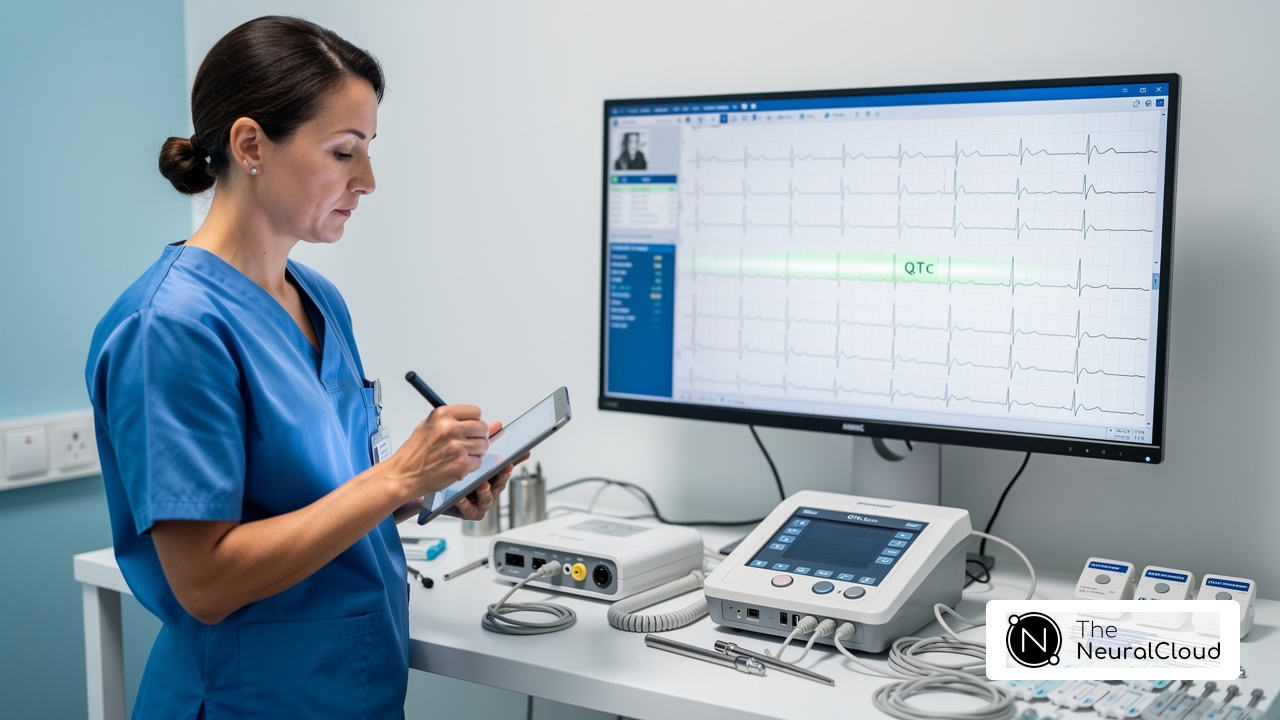
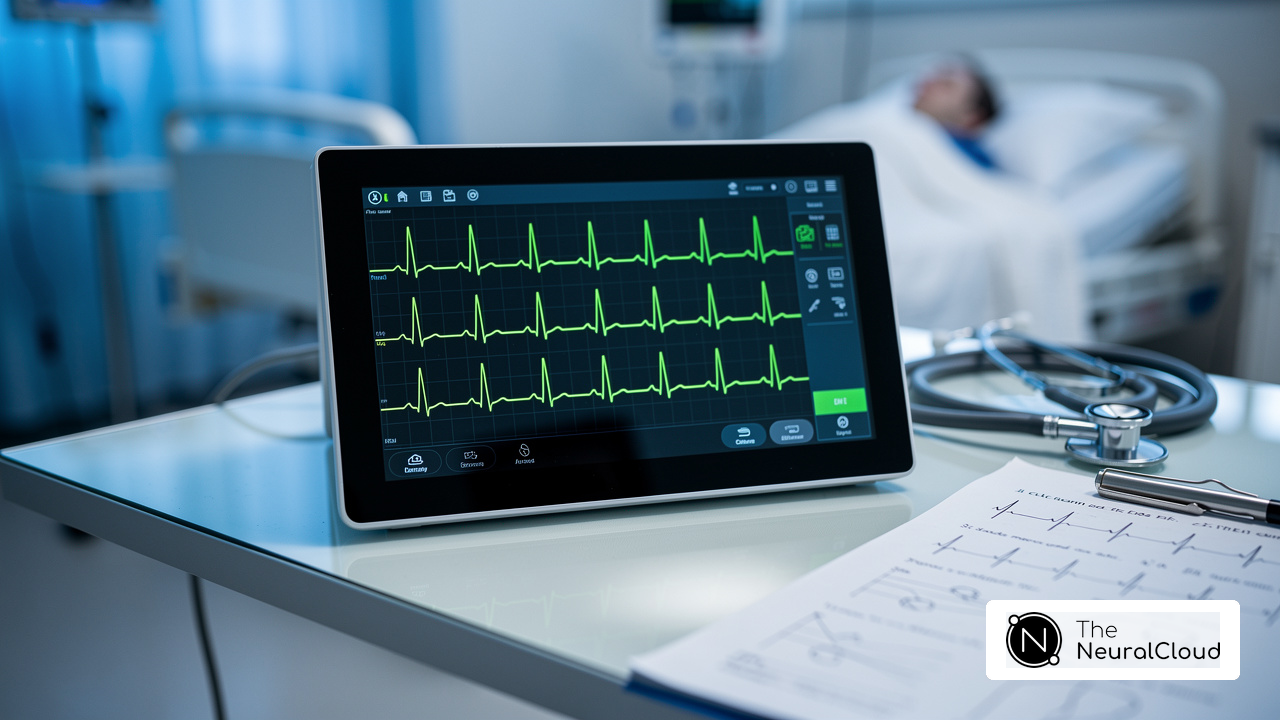
While the effectiveness of EKG scanners is vital for monitoring heart health, they often face challenges that can compromise their performance. These instruments work by placing electrodes on the skin to capture the heart's electrical signals with each beat. The resulting information is displayed as a waveform, allowing healthcare professionals to analyze the heart's rhythm and identify any irregularities.
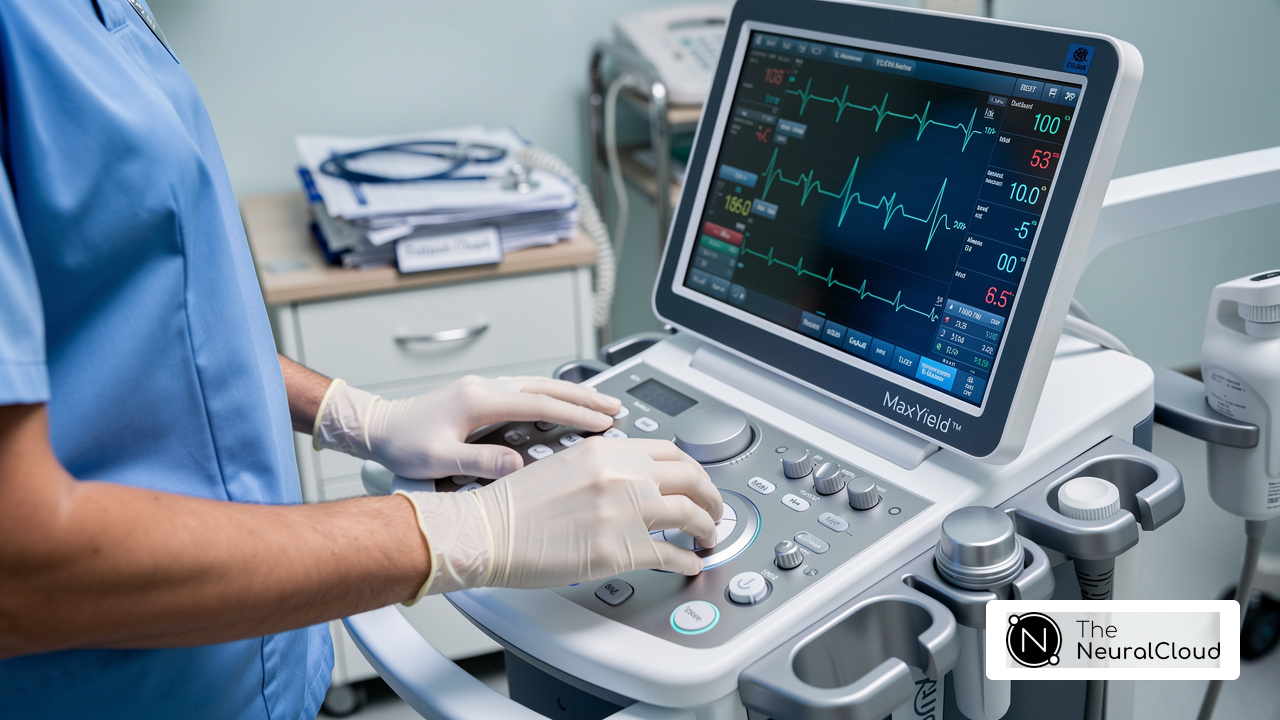
The role of EKG scanners in health technology is crucial, as they provide vital insights into cardiac health. They facilitate timely interventions that can be life-saving. Recent advancements, particularly with Neural Cloud Solutions' MaxYield technology, have resulted in the creation of more portable and user-friendly EKG scanners that guarantee hospital-grade accuracy even from consumer-grade products. MaxYield specifically tackles common challenges like motion noise and inconsistent data that can hinder accurate analysis, enabling clean PPG results and enhancing ECG analysis through advanced noise filtering and wave recognition. Additionally, MaxYield enhances sensor functionalities without hardware modifications, ensuring consistent, clean information across all linked systems.
By 2026, around 70% of healthcare professionals will utilize EKG scanners in clinical settings, emphasizing their significance in routine cardiac assessments. Expert opinions emphasize that EKG scanners are indispensable for accurately diagnosing heart conditions. Dr. Robert A. Harrington, a past president of the American Heart Association, stated, "The ability for patients to gather clinically significant ECG information at that precise moment, not hours later, can enable physicians to gain a much clearer understanding of a patient’s condition and take more timely action." Real-world examples demonstrate their effectiveness in improving patient outcomes; for instance, HeartBeam's VALID-ECG study showed a diagnostic agreement of over 93% between synthesized 12-lead ECGs and conventional ECGs for various arrhythmias. This capability enhances the accuracy of arrhythmia detection, ultimately leading to better management of heart health. Furthermore, the unique metrics and premium subscription opportunities offered by MaxYield provide additional value to healthcare providers, enhancing their diagnostic capabilities.

Evaluate Key Features of Leading EKG Scanners
When assessing EKG scanners, healthcare professionals face challenges related to the diagnostic accuracy and portability of the EKG scanner that can impact patient care. Several key features stand out when evaluating these devices:
- Lead Configuration: EKG scanners vary in the number of leads they utilize. Traditional 12-lead systems provide comprehensive heart activity information, while newer models may offer fewer leads for improved portability and ease of use. The choice of lead configuration can significantly impact diagnostic accuracy, as studies indicate that 6-lead configurations are preferred for their diagnostic accuracy and portability when using an EKG scanner.
- Data Processing and Analysis: The advanced EKG scanner powered by Neural Cloud Solutions' MaxYield technology uses AI algorithms to boost signal clarity and cut down on noise. This leads to more precise readings, which is essential for identifying subtle arrhythmias that conventional instruments may overlook. AI-ECG algorithms have demonstrated a sensitivity of 95.6% in identifying left ventricular systolic dysfunction (LVSD), showcasing their effectiveness in processing EKG data.
- Portability: Today’s EKG scanner instruments are built for portability, making them perfect for use in different settings, even at home. Devices like the KardiaMobile are compact and user-friendly, making them ideal for patients who require regular monitoring. The increasing demand for wearable ECG equipment reflects the trend towards continuous heart monitoring, especially for chronic conditions.
- Integration with Health Systems: Compatibility with electronic health records (EHR) and other health management systems is increasingly important. EKG scanners that seamlessly integrate with existing workflows enhance efficiency and data accessibility for medical providers. This integration is essential as the U.S. telehealth market is anticipated to hit USD 15.8 billion by 2033, emphasizing the need for devices that fit into changing medical ecosystems.
- User Interface and Experience: Having a user-friendly interface is crucial for both healthcare pros and patients alike. Devices that provide intuitive navigation and clear visual representations can significantly enhance the user experience and enable faster decision-making. The capacity to visualize trends and configure formulas enhances the analytical capabilities of EKG equipment, making them more effective tools in clinical settings.
Ultimately, the right EKG scanner can enhance clinical decision-making and transform patient monitoring in a rapidly evolving healthcare landscape.

Analyze Pros and Cons of Each EKG Scanner
When evaluating EKG scanners, it is essential to understand their strengths and weaknesses for informed decision-making in healthcare.
-
The EKG scanner is an essential tool in modern healthcare.
- Lead EKG Scanners:
- Pros: These devices collect a wealth of data and provide high diagnostic accuracy, making them the go-to choice in clinical settings. Their widespread acceptance among healthcare professionals ensures reliability in diagnosis.
- Cons: However, they are less portable, require more setup time, and typically come with higher costs, which can limit their accessibility in various healthcare settings.
- Lead EKG Scanners:
-
The use of an EKG scanner is essential for monitoring heart activity.
- Portable EKG Devices (e.g., KardiaMobile):
- Pros: Highly portable and user-friendly, these devices are ideal for at-home monitoring and are often more affordable than traditional systems. Their ease of use encourages patients to monitor their heart health regularly.
- Cons: The limited lead configuration may overlook complex arrhythmias, necessitating professional oversight for precise interpretation, which can be a drawback for some users.
- Portable EKG Devices (e.g., KardiaMobile):
-
- Pros: These monitors provide continuous monitoring capabilities and can alert users in real-time to irregularities, enhancing proactive health management. Their easy-to-use design encourages regular use.
- Cons: Limitations such as battery life and the potential for false positives can affect reliability. Furthermore, they may not supply the thorough information that traditional systems offer.
-
- Pros: Leveraging advanced algorithms, these scanners improve diagnostic accuracy and speed up data processing. They enhance signal clarity, which is critical for accurate assessments. For instance, studies have shown that AI models can achieve sensitivity rates of 97.3% and specificity of 99.6%, comparable to standard lead EKGs.
- Cons: A reliance on technology may result in an excessive dependence on automated interpretations, and the initial expenses can be greater, which may discourage some medical providers from embracing these innovations.
By the use of an EKG scanner, the benefits of portable EKG devices are clear, as they enable timely data collection and empower patients to manage their cardiac health effectively, ultimately contributing to improved outcomes in cardiovascular care. As technology evolves, the integration of portable EKG devices is set to redefine patient engagement and outcomes in cardiovascular health.

Assess Compatibility with Existing Healthcare Systems
Integrating new EKG scanners into existing healthcare systems poses significant challenges that can impact patient care and operational efficiency. Key considerations include:
- Interoperability standards dictate that EKG scanners must comply with established protocols, such as HL7 and DICOM, to ensure effective communication with other medical devices and health information systems. This compliance is essential for seamless information exchange and integration, particularly regarding the 2026 Interoperability Standards Advisory (ISA) Reference Edition, which emphasizes adherence to current standards.
- Integration with EKG scanners: A substantial portion of EKG scanners effectively connect with electronic health records (EHRs), improving workflow efficiency by enabling streamlined information entry and retrieval. This integration is becoming increasingly essential as medical providers face penalties for noncompliance with interoperability regulations, with close to 80% of medical providers globally having transitioned to digital systems.
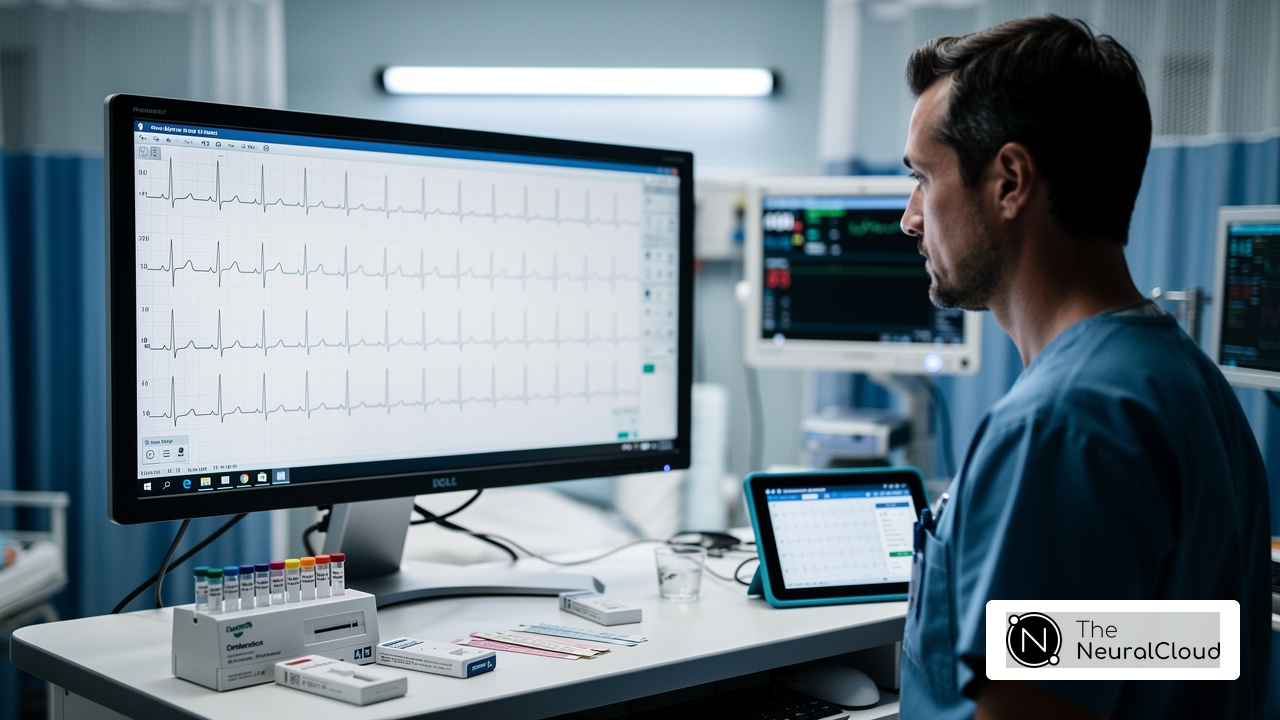
- Information Sharing Capabilities: The ability to share information from the EKG scanner with other healthcare providers or specialists is essential for collaborative care. Devices that support cloud-based storage and sharing facilitate this process, enabling timely access to critical patient information. Neural Cloud Solutions leverages cutting-edge AI technology to enhance clarity and speed in ambulatory ECG waveform analysis, ensuring that data sharing is efficient and effective.
- User Training and Support: Compatibility also encompasses the ease of training staff to use new devices. EKG scanners equipped with comprehensive training resources and ongoing support can significantly ease the transition and enhance adoption rates among medical professionals. Neural Cloud Solutions offers comprehensive training and ongoing support, helping users get the most out of their Continuous Learning Model.
- Future-proofing involves selecting EKG scanners that can be easily updated or integrated with future systems, which is vital for long-term usability and investment protection as technology evolves. This foresight ensures that healthcare facilities remain competitive and compliant in an ever-changing landscape. Neural Cloud Solutions' Continuous Learning Model ensures that their technology evolves with each use, enhancing diagnostic yield and efficiency over time.
By prioritizing compatibility, healthcare providers can enhance patient outcomes and streamline their operations in a rapidly evolving medical landscape.

Conclusion
Despite the critical role of EKG scanners in monitoring heart health, challenges in accuracy and data integration persist in the field of ECG analysis. These devices are essential for timely interventions, and advancements in technology, particularly through innovations like Neural Cloud Solutions' MaxYield, have significantly improved their accuracy, portability, and user-friendly interfaces, which are crucial for healthcare professionals and beneficial for patients.
Key features like lead configurations and data processing capabilities play a vital role in how effective EKG scanners are in practice. A comparative analysis of various models reveals the strengths and weaknesses of traditional, portable, and AI-enhanced devices, highlighting the importance of selecting the right scanner based on specific clinical needs. Moreover, integrating EKG scanners with existing healthcare systems is crucial for improving efficiency and ensuring seamless data sharing, ultimately leading to better patient outcomes.
As the landscape of cardiovascular care continues to evolve, embracing the latest EKG scanner technology is vital for healthcare providers. By prioritizing the adoption of advanced, compatible devices, medical professionals can enhance diagnostic accuracy, streamline operations, and empower patients to take charge of their heart health. Healthcare providers who remain proactive in adopting cutting-edge EKG technology will not only enhance their diagnostic capabilities but also significantly improve patient care and outcomes.
Frequently Asked Questions
What is an EKG scanner and how does it work?
An EKG scanner is a device that captures the heart's electrical signals by placing electrodes on the skin. It displays the information as a waveform, allowing healthcare professionals to analyze the heart's rhythm and identify any irregularities.
Why are EKG scanners important in health technology?
EKG scanners provide vital insights into cardiac health, facilitating timely interventions that can be life-saving. They are crucial for accurately diagnosing heart conditions and improving patient outcomes.
What advancements have been made in EKG scanner technology?
Recent advancements, particularly with Neural Cloud Solutions' MaxYield technology, have led to the development of more portable and user-friendly EKG scanners that maintain hospital-grade accuracy, even in consumer-grade products. MaxYield addresses issues like motion noise and inconsistent data, enhancing ECG analysis.
How does MaxYield technology improve EKG scanning?
MaxYield technology enhances sensor functionalities without hardware modifications, ensuring consistent and clean information across all linked systems. It provides advanced noise filtering and wave recognition, resulting in cleaner PPG results and better ECG analysis.
What is the projected usage of EKG scanners among healthcare professionals by 2026?
By 2026, it is expected that around 70% of healthcare professionals will utilize EKG scanners in clinical settings, highlighting their significance in routine cardiac assessments.
What do experts say about the importance of EKG scanners?
Experts emphasize that EKG scanners are indispensable for accurately diagnosing heart conditions. Dr. Robert A. Harrington, a past president of the American Heart Association, noted that the ability for patients to gather clinically significant ECG information promptly allows physicians to understand a patient’s condition better and take timely action.
Can you provide an example of EKG scanner effectiveness?
The HeartBeam's VALID-ECG study demonstrated a diagnostic agreement of over 93% between synthesized 12-lead ECGs and conventional ECGs for various arrhythmias, enhancing the accuracy of arrhythmia detection and improving heart health management.
What additional value does MaxYield offer to healthcare providers?
MaxYield offers unique metrics and premium subscription opportunities that enhance diagnostic capabilities for healthcare providers, adding value to their services.
List of Sources
- Understand EKG Scanners: Definition and Importance in Health Tech
- FDA clears 12-lead, cable-free home ECG monitoring system (https://cardiovascularbusiness.com/topics/cardiac-imaging/electrocardiography-ecg/fda-clears-12-lead-cable-free-home-ecg-monitoring-system)
- Study Shows Promising Results for ECG Technology (https://dicardiology.com/content/study-shows-promising-results-ecg-technology)
- globenewswire.com (https://globenewswire.com/news-release/2026/04/20/3277242/0/en/electrocardiograph-market-insights-and-growth-outlook-2026-2034-rising-adoption-of-wearable-ecgs-spurs-market-growth-in-medical-tech.html)
- massdevice.com (https://massdevice.com/the-biggest-cardiology-tech-stories-out-of-acc-2026)
- 1st synthesized 12-lead ECG to launch in 2026 (https://beckershospitalreview.com/supply-chain/1st-synthesized-12-lead-ecg-to-launch-in-2026)
- Evaluate Key Features of Leading EKG Scanners
- globenewswire.com (https://globenewswire.com/news-release/2026/04/20/3277242/0/en/electrocardiograph-market-insights-and-growth-outlook-2026-2034-rising-adoption-of-wearable-ecgs-spurs-market-growth-in-medical-tech.html)
- AI-powered electrocardiogram detects early signs of heart failure (https://utsouthwestern.edu/newsroom/articles/year-2026/may-ai-powered-electrocardiogram.html)
- AI-ECG Momentum and Rising Competition Reshape Diagnostic Cardiology in 2026 (https://signifyresearch.net/insights/diagnostic-cardiology-market-bouncing-into-2026)
- 1st synthesized 12-lead ECG to launch in 2026 (https://beckershospitalreview.com/supply-chain/1st-synthesized-12-lead-ecg-to-launch-in-2026)
- Analyze Pros and Cons of Each EKG Scanner
- pubmed.ncbi.nlm.nih.gov (https://pubmed.ncbi.nlm.nih.gov/31219492)
- FDA clears 12-lead, cable-free home ECG monitoring system (https://cardiovascularbusiness.com/topics/cardiac-imaging/electrocardiography-ecg/fda-clears-12-lead-cable-free-home-ecg-monitoring-system)
- 1st synthesized 12-lead ECG to launch in 2026 (https://beckershospitalreview.com/supply-chain/1st-synthesized-12-lead-ecg-to-launch-in-2026)
- HeartBeam Receives FDA Clearance for First-Ever, Cable-Free Synthesized 12-Lead ECG for At-Home Arrhythmia Assessment (https://ir.heartbeam.com/news-events/press-releases/detail/107/heartbeam-receives-fda-clearance-for-first-ever-cable-free)
- Assess Compatibility with Existing Healthcare Systems
- 2026 Interoperability Standards Advisory Reference Edition (https://healthit.gov/news/2026-interoperability-standards-advisory-reference-edition)
- Key Trends in EHR in 2026 Shaping Global Healthcare (https://riomed.com/key-trends-in-ehr-in-2026-shaping-global-healthcare)
- Interoperability 2026: Are We FHIRed Up Yet? (https://abouthealthcare.com/industry-news/interoperability-2026-are-we-fhired-up-yet)
- nextech.com (https://nextech.com/blog/interoperability-healthcare)
- aha.org (https://aha.org/news/headline/2026-03-16-aha-responds-rfi-diagnostic-imaging-interoperability-astponc)