Introduction
The QT interval is crucial in ECG analysis, yet discrepancies in measurement methods pose significant challenges for accurate diagnosis. Recognizing the QT interval's significance, along with other key ECG measurements like the P wave, QRS complex, and T wave, is essential for accurate diagnosis and patient care. Yet, discrepancies in measurement methods can lead to questions about the reliability of automated assessments versus manual evaluations. Looking into these challenges shows just how important advanced technologies are for improving ECG diagnostics and patient outcomes.
Define the QT Interval: Importance in ECG Analysis
Accurate ECG analysis is often hindered by motion noise and physiological variability, posing challenges for healthcare professionals. The QT interval on a qt ekg measures the duration it takes for the ventricles to depolarize and then repolarize. This includes both the QRS complex and the T component. The qt ekg interval is crucial for assessing the heart's electrical activity and can indicate potential risks for arrhythmias, particularly when prolonged. Prolongation of the QT interval is associated with conditions such as Long QT Syndrome (LQTS), which can lead to life-threatening arrhythmias like torsades de pointes. Precise assessment of the qt ekg interval is essential for effective diagnosis and management of cardiac conditions, making it a focal point in ECG analysis. Factors such as heart rate, electrolyte imbalances, and medications can influence the QT interval, necessitating careful interpretation in clinical settings.
Neural Cloud Solutions Inc.'s MaxYield platform enhances ECG data accuracy by effectively addressing motion noise and ensuring cross-device consistency. By utilizing advanced noise filtering and distinct wave recognition, MaxYield allows for the precise isolation of ECG waves, even in recordings affected by baseline wander and muscle artifacts. This feature is crucial for ensuring accurate measurements of the qt ekg interval. As Dr. Alan Rabinowitz notes, "MaxYield's precision rivals human interpretation, significantly reducing noise and improving diagnostic outcomes." Additionally, MaxYield is pending FDA Class II SaMD clearance, designed to meet strict regulatory standards. This ensures healthcare providers can rely on its accuracy for monitoring patients. The integration of MaxYield with Insight360 transforms clean ECG data into interactive dashboards and clinical-ready reports, streamlining the analysis process and enhancing efficiency in home patient monitoring. Thus, the MaxYield platform marks a major step forward in ECG analysis, effectively tackling the challenges posed by physiological variability and signal artifacts.

Explore Key ECG Measurements: P Wave, QRS Complex, and T Wave
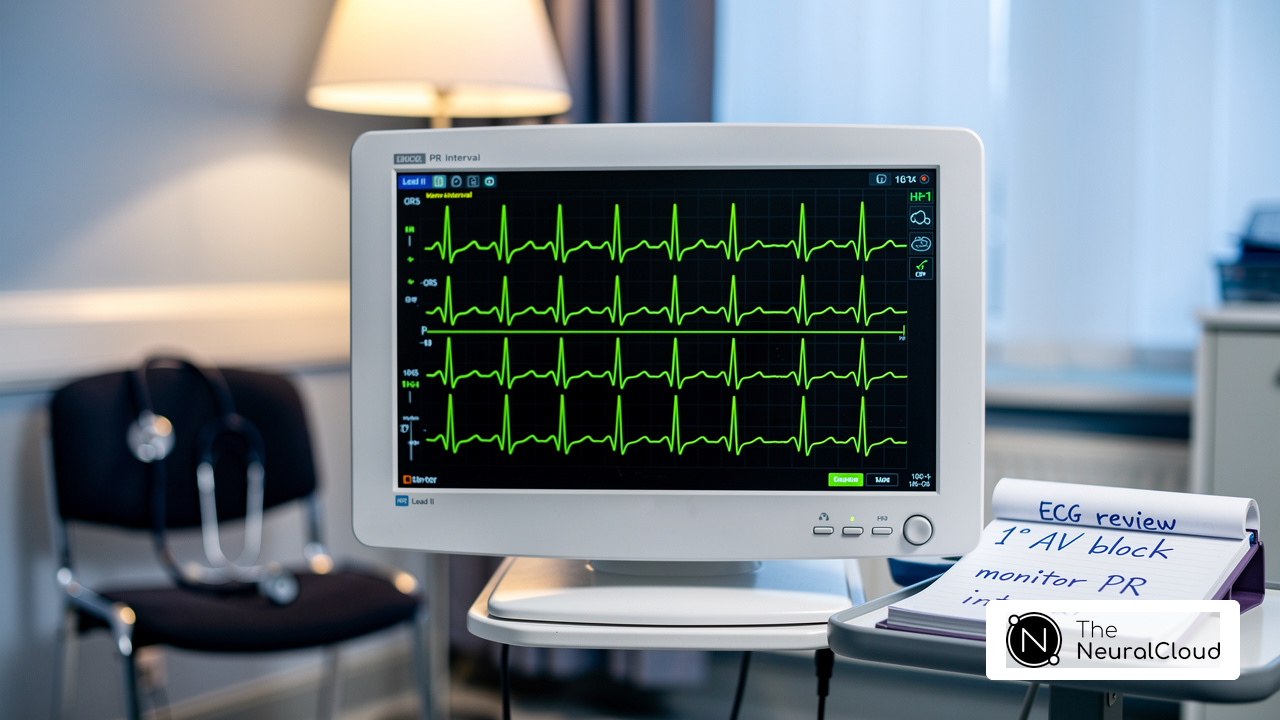
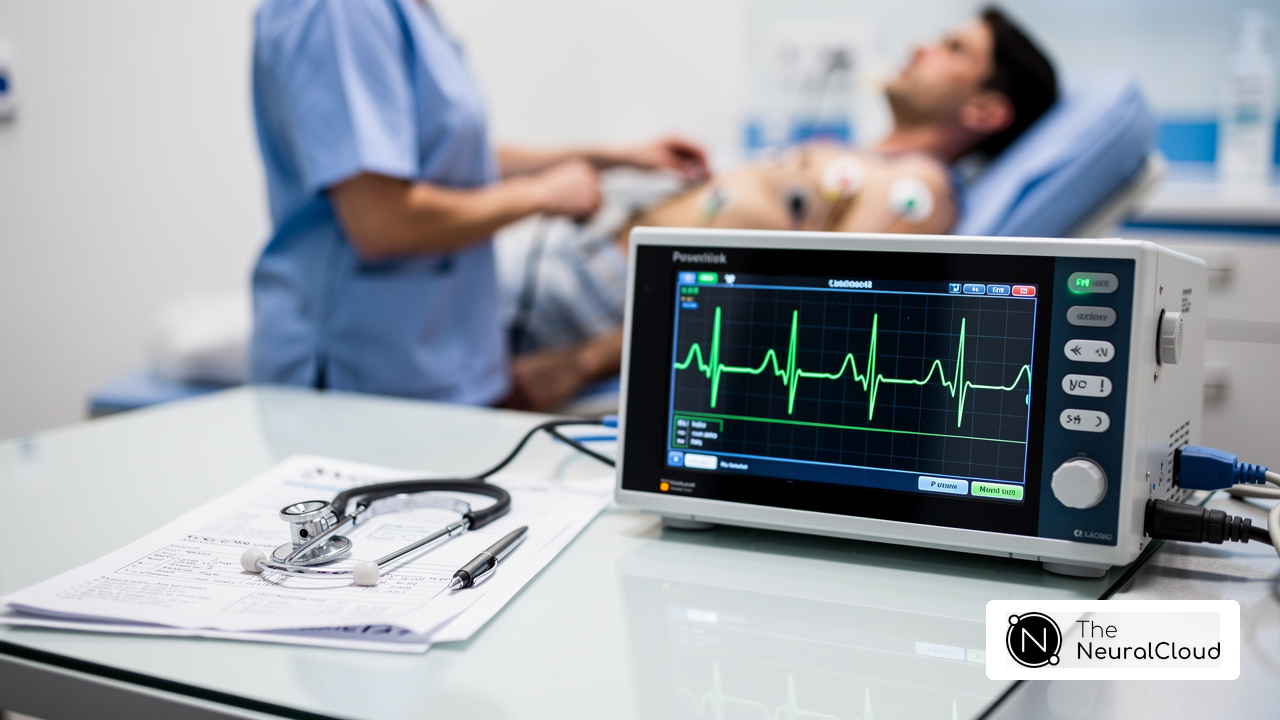
Accurate ECG analysis is often hindered by noise and artifacts, complicating the interpretation of critical cardiac measurements. The ECG comprises several essential components, each providing unique insights into cardiac function. The P signal indicates atrial depolarization, marking the electrical activity that initiates atrial contraction. Following this, the QRS complex signifies ventricular depolarization, which is crucial for effective heart pumping. The T signal represents ventricular repolarization, denoting the recovery phase of the ventricles. Collectively, these components are vital for a comprehensive understanding of the heart's electrical cycle.
The QT EKG interval, which encompasses the QRS complex and T wave, is crucial because it indicates how long the ventricles take to depolarize and repolarize. Research indicates that an extended QT EKG can increase the risk of torsades, underscoring the importance of precise assessment and interpretation. Understanding these essential ECG indicators enables clinicians to evaluate heart rhythm, identify irregularities, and make informed decisions regarding patient care.
Neural Cloud Solutions Inc.'s MaxYield™ platform transforms ECG analysis. It automates the identification and labeling of critical measurements, even in noisy recordings. MaxYield™ quickly isolates ECG waves from recordings affected by baseline wander, movement, and muscle artifact, salvaging previously obscured sections of lengthy Holter, 1-Lead, and patch monitor recordings. As Timothy Henry, MD, remarked, "AI-EKG analysis has the potential to reduce false activation by up to fourfold," highlighting advancements in ECG interpretation and their impact on patient outcomes.
In Canada, the significance of these measurements is further emphasized by studies demonstrating their role in diagnosing various cardiac conditions. The integration of AI in ECG interpretation, particularly through MaxYield™, has shown promise in enhancing diagnostic accuracy, especially in identifying individuals at higher risk for arrhythmias and mortality. As the field progresses, effectively interpreting these key components will be vital for improving cardiovascular care outcomes.

Compare Accuracy: QT Interval vs. Other ECG Measurements
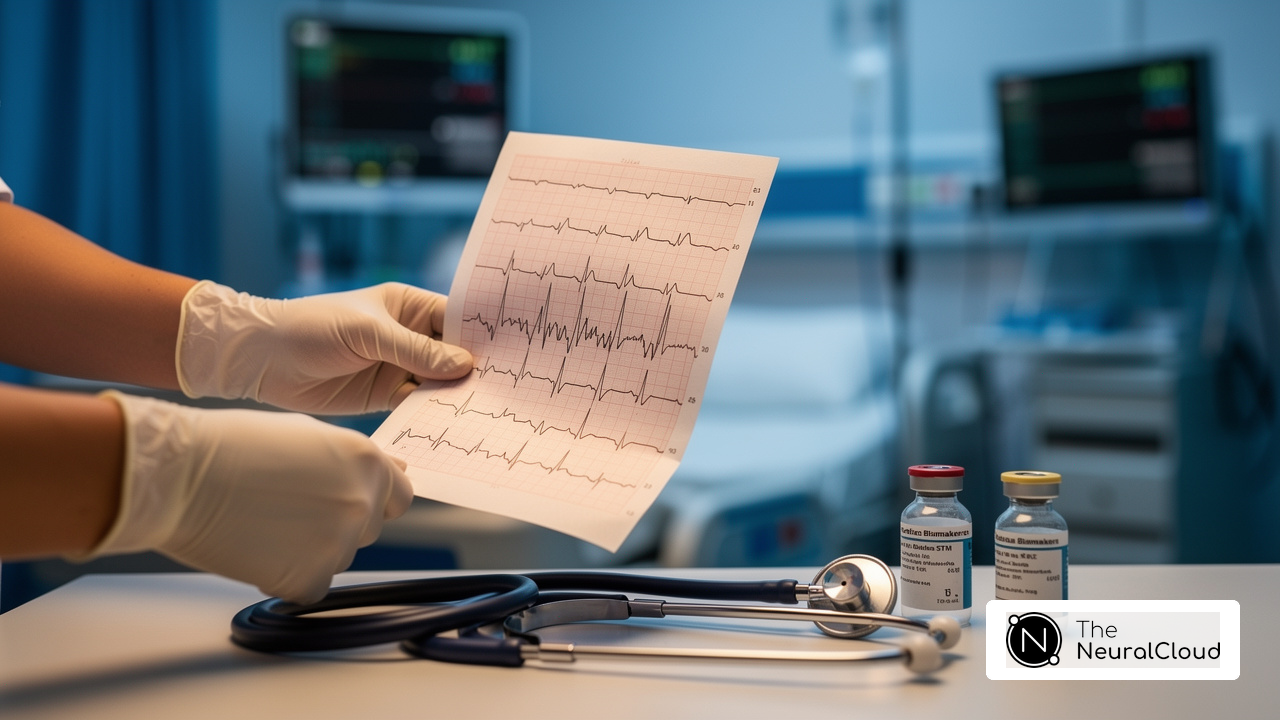
ECG analysis presents significant challenges, particularly in accurately measuring the QT EKG interval. The accuracy of ECG measurements varies greatly based on the assessment method used. The QT EKG interval, which is often assessed both manually and automatically, can show discrepancies, especially in patients with conditions like Long QT Syndrome (LQTS). A study involving 1,263 participants, including both LQTS patients and healthy controls, revealed that the agreement between vendor-provided automatic and manual QT assessments is often inconsistent. This discrepancy highlights the critical need for manual verification of automated results, particularly for QT EKG values between 440 and 540 ms, where manual review is strongly recommended.
In contrast, assessments of the P signal and QRS complex are typically more straightforward, showing less variability in automated systems. Factors like heart rate and artifacts can lead to inaccuracies in automated assessments of QT EKG. For instance, automated QT EKG measurements have been found to overestimate manual QTc measurements by an average of 32 ms, as reported in a study published in Front. Cardiovasc. Med. This indicates a critical need for clinicians to verify automated results, particularly in complex cases.
Neural Cloud Solutions Inc.'s MaxYield™ platform tackles these challenges through advanced noise filtering and unique signal recognition capabilities. This approach helps recover hidden parts of long Holter, 1-Lead, and patch monitor recordings and gets better with each use, boosting diagnostic yield. Grasping these subtleties is crucial for enhancing diagnostic precision and management of individuals. By recognizing the limits of automated systems and the importance of manual evaluations, healthcare professionals can make better-informed care decisions. This ultimately enhances the effectiveness of ECG analysis in clinical practice.

Assess Clinical Applications: QT Interval and ECG Measurement Utility
Accurate ECG assessments are crucial for managing patients at risk of arrhythmias, particularly when considering the QT EKG interval. The QT interval, as reflected in the QT EKG, plays a vital role in guiding treatment decisions for conditions like Long QT Syndrome, where accurate assessment can prevent life-threatening events through timely interventions. Additionally, assessments of the P wave and QRS complex are essential for identifying various cardiac conditions, such as atrial fibrillation and ventricular hypertrophy.
Neural Cloud Solutions Inc.'s MaxYield enhances the accuracy and efficiency of ECG measurements. By converting raw ECG data into organized insights, clinicians can swiftly obtain actionable information, ultimately improving outcomes through enhanced monitoring and customized treatment strategies. This integration of technology streamlines workflows and empowers healthcare providers to make informed decisions that boost patient safety and care quality.
MaxYield is currently pending FDA Class II SaMD clearance, ensuring compliance with regulatory standards. Expert endorsements from Dr. Alan Rabinowitz, Dr. Brett Heilbron, and Dr. Marc W. Deyell emphasize MaxYield’s precision, which rivals human interpretation, and its noise reduction benefits, further solidifying its role in revolutionizing ECG analysis.
Moreover, the customizable visualization and reporting tool, Insight360, transforms MaxYield’s clean ECG data into interactive dashboards and clinical-ready reports, enhancing the overall utility of the system.

Conclusion
Understanding the QT interval is crucial for accurate ECG analysis, as it directly impacts the assessment of heart health and arrhythmia risks. By recognizing the nuances of the QT interval alongside other key ECG measurements, such as the P wave, QRS complex, and T wave, healthcare professionals can enhance their diagnostic capabilities and improve patient outcomes.
Throughout this article, we have highlighted the importance of accurate ECG measurements, particularly regarding the QT interval. Challenges such as motion noise and physiological variability can hinder ECG accuracy. MaxYield addresses these issues by enhancing the precision of ECG data. The integration of AI technology streamlines the analysis process and empowers clinicians to make informed decisions based on reliable data.
Given these insights, healthcare providers must prioritize accurately assessing the QT interval and other ECG components in their practice. Leveraging innovative tools like MaxYield and Insight360 allows clinicians to improve care quality, leading to better management of cardiac conditions and enhanced patient safety. Adopting these advancements in ECG analysis is crucial for achieving excellence in cardiovascular healthcare.
Frequently Asked Questions
What is the QT interval in ECG analysis?
The QT interval measures the duration it takes for the ventricles to depolarize and then repolarize, including both the QRS complex and the T component. It is crucial for assessing the heart's electrical activity.
Why is the QT interval important?
The QT interval is important because it can indicate potential risks for arrhythmias, particularly when prolonged. Prolongation of the QT interval is associated with conditions such as Long QT Syndrome (LQTS), which can lead to life-threatening arrhythmias like torsades de pointes.
What factors can influence the QT interval?
Factors that can influence the QT interval include heart rate, electrolyte imbalances, and medications, which necessitate careful interpretation in clinical settings.
How does Neural Cloud Solutions Inc.'s MaxYield platform enhance ECG data accuracy?
MaxYield enhances ECG data accuracy by effectively addressing motion noise and ensuring cross-device consistency through advanced noise filtering and distinct wave recognition, allowing for precise isolation of ECG waves even in recordings affected by artifacts.
What is the significance of MaxYield's capabilities in ECG analysis?
MaxYield's capabilities are significant because they ensure accurate measurements of the QT interval, which is essential for effective diagnosis and management of cardiac conditions. Its precision rivals human interpretation, significantly reducing noise and improving diagnostic outcomes.
What is the regulatory status of the MaxYield platform?
The MaxYield platform is pending FDA Class II SaMD clearance, designed to meet strict regulatory standards, ensuring healthcare providers can rely on its accuracy for monitoring patients.
How does MaxYield integrate with Insight360?
MaxYield integrates with Insight360 to transform clean ECG data into interactive dashboards and clinical-ready reports, streamlining the analysis process and enhancing efficiency in home patient monitoring.
List of Sources
- Define the QT Interval: Importance in ECG Analysis
- ECG series. Importance of QT interval in clinical practice - PMC (https://pmc.ncbi.nlm.nih.gov/articles/PMC4291996)
- jamanetwork.com (https://jamanetwork.com/journals/jama/fullarticle/1357296)
- Explore Key ECG Measurements: P Wave, QRS Complex, and T Wave
- AI-ECG Finds STEMI Faster, Cuts False-Positive Cath Lab Activations (https://tctmd.com/news/ai-ecg-finds-stemi-faster-cuts-false-positive-cath-lab-activations)
- 6 Trends In ECG Systems (https://dicardiology.com/article/6-trends-ecg-systems)
- Normal Electrocardiography (ECG) Intervals: Normal Electrocardiography Intervals (https://emedicine.medscape.com/article/2172196-overview)
- Waveforms, Segments, & Intervals: Basics – ECG Weekly (https://ecgweekly.com/ecgstat/waves-segments-intervals)
- Compare Accuracy: QT Interval vs. Other ECG Measurements
- Manual vs. automatic assessment of the QT-interval and corrected QT - PMC (https://pmc.ncbi.nlm.nih.gov/articles/PMC10469369)
- Frontiers | Prevalence and predictors of false positive QTc prolongation by the automated measurement (https://frontiersin.org/journals/cardiovascular-medicine/articles/10.3389/fcvm.2024.1465264/full)
- onlinecjc.ca (https://onlinecjc.ca/article/S0828-282X(23)00520-2/fulltext)
- Assess Clinical Applications: QT Interval and ECG Measurement Utility
- Resources | AliveCor (https://alivecor.com/biopharma/resources/the-broad-impact-of-qt-monitoring-extending-beyond-cardiac-health-into-diverse-conditions)
- Long QT Syndrome Treatment & Management: Approach Considerations, Beta-Blockers, Pacemakers and ICDs (https://emedicine.medscape.com/article/157826-treatment)