Introduction
In the fast-paced world of cardiology, traditional ECG analysis tools often fall short in accuracy and efficiency, creating challenges for healthcare professionals. As they look for ways to boost diagnostic accuracy and improve patient outcomes, understanding the strengths and limitations of various cardiology tools becomes essential.
What issues do traditional devices encounter, and how does MaxYield excel in providing better ECG processing and insights?
In this article, we’ll compare MaxYield with other cardiology tools, exploring their features, benefits, and the critical factors that healthcare providers must consider when selecting the right technology for their patients' needs.
Understanding ECG Technology in Cardiology
Despite its long-standing role in cardiology, ECG analysis faces significant challenges that modern technology aims to address. Electrocardiography (ECG) remains a cornerstone diagnostic tool, capturing the heart's electrical activity through non-invasive electrodes placed on the skin. Recent advancements in digital processing and artificial intelligence (AI) have significantly enhanced the accuracy and usability of ECG systems. These modern systems can analyze complex datasets, allowing medical professionals to detect arrhythmias, ischemic changes, and other cardiac conditions with unprecedented precision.
In 2026, the integration of AI into ECG technology is expected to evolve further, following a breakthrough year in 2025. For instance, the FDA's De Novo authorization of AI ECG models, such as the Queen of Hearts, is set to revolutionize acute cardiovascular diagnoses by improving the speed and accuracy of heart attack detection. This model has already demonstrated its capability to identify over 120,000 heart attacks in Europe, effectively reducing treatment times for more than half of those cases.
Additionally, the American Medical Association found that 66% of physicians were using healthcare AI in 2024. This reflects a significant trend toward AI adoption in clinical practice. This change is vital as the ratio of cardiovascular patients per cardiologist is expected to deteriorate, from 1:1,087 currently to 1:1,700 by 2035. As the number of patients increases, cardiologists face growing challenges in providing timely care, underscoring the urgent need for innovative diagnostic solutions like AI-enhanced ECG systems.
Case studies from recent advancements illustrate the impact of these technologies. For example, HeartBeam's 12-lead ECG synthesis software, which received FDA approval, aims to enhance arrhythmia assessments, thereby improving patient management. Similarly, AliveCor's Kardia 12L device has expanded its capabilities with five additional cardiac determinations, bringing its total to 39, showcasing the rapid evolution of ECG technology.
As cardiology evolves, understanding these technological innovations is vital for evaluating the effectiveness of various cardiology tools and their competitors. The ongoing integration of AI and advanced digital processing in ECG technology promises to enhance cardiac diagnostics, ultimately improving patient outcomes across the healthcare spectrum.

MaxYield: Advanced ECG Processing and Insights
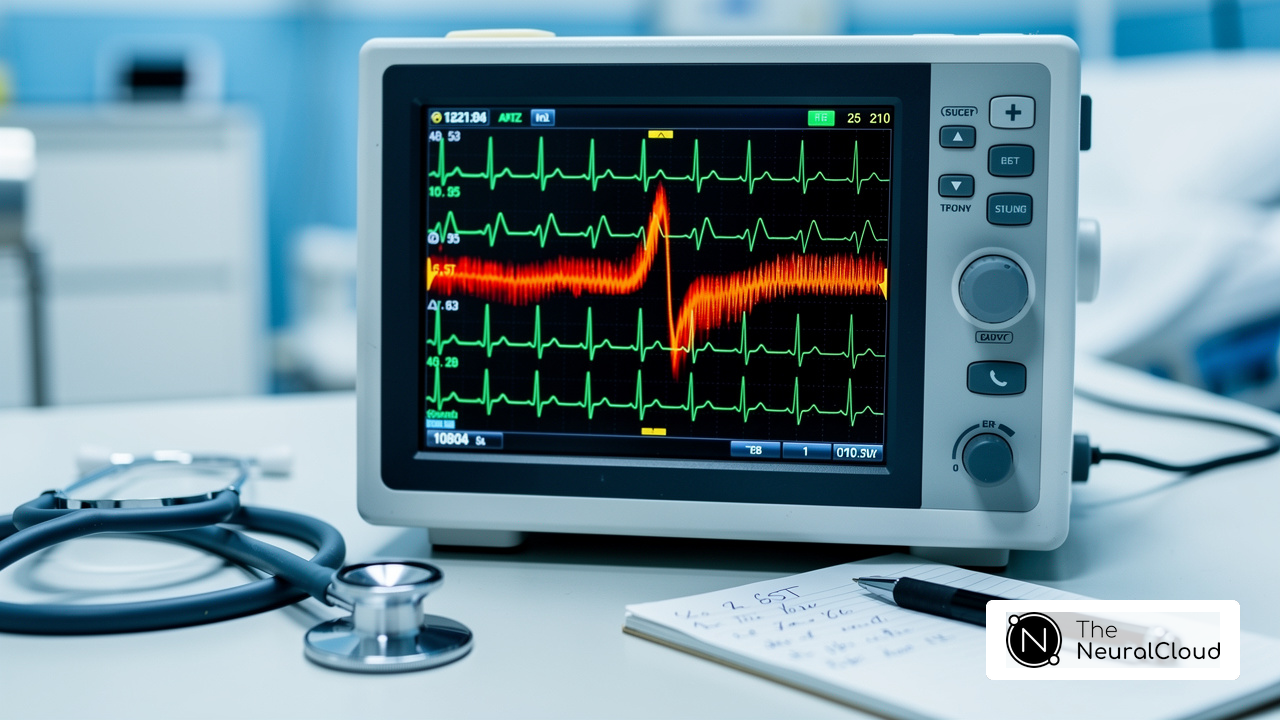
Healthcare professionals often face challenges with noisy signals in ECG analysis, which can hinder accurate diagnostics. This solution represents a significant advancement in ECG technology, utilizing patented signal mapping algorithms to improve the quality of cardiac data. Unlike traditional ECG devices that struggle with noisy signals, this system excels in isolating and refining these signals, producing high-fidelity outputs that are clinically actionable. Its device-agnostic design ensures seamless integration with various ECG devices, including wearables and Holter monitors, making it versatile for diverse clinical settings.
Complementing Insight360 is a powerful visualization and reporting resource that empowers healthcare professionals to create customized dashboards and reports. With advanced processing and user-friendly visualization tools, healthcare professionals can enhance their diagnostic capabilities, significantly improving diagnostic precision and workflow effectiveness.
Recent advancements in 2026 highlight the company's ability to analyze up to 200,000 heartbeats in under two minutes, providing expert-validated accuracy essential for timely clinical decisions. Case studies show that diagnostic yields for palpitations using patch ECG monitors can reach up to 70%, highlighting the technology's impact on accuracy in ECG analysis, particularly in enhancing Holter monitoring and producing clinically acceptable tracings. Additionally, the company addresses critical pain points such as motion noise and ensures consistent, clean data across devices, which is vital for reliable clinical outcomes. The service also provides premium subscription choices that grant access to exclusive metrics, further increasing its attractiveness to medical professionals. As healthcare progresses towards remote monitoring and preventive care, this platform is recognized as an essential resource for cardiologists and healthcare providers striving to achieve excellent patient outcomes with the help of cardiology tools. As the healthcare landscape evolves, this platform is poised to redefine ECG analysis, ensuring that cardiologists can deliver optimal patient care.

Comparing Alternative Cardiology Tools: Features and Limitations
In cardiology, the quest for accurate ECG analysis is often hindered by the limitations of traditional cardiology tools. Various options present distinct characteristics and constraints. Traditional ECG machines are known for their reliability; however, they often struggle to filter out noise and artifacts, like muscle contractions and external electrical interference, which can lead to incorrect data interpretation. These machines frequently require extensive hardware setups, which can compromise diagnostic accuracy. On the other hand, wearable ECG devices, such as smartwatches, offer convenience but often lack the precision needed for clinical diagnostics, especially when managing physiological variability due to factors like age, sex, and health conditions.
While AI-driven solutions provide advanced analytics, they often struggle to fit into existing workflows. Some tools may excel in real-time monitoring capabilities but lack the comprehensive data cleaning and visualization features that the MaxYield™ platform offers. The system’s advanced noise filtering and wave recognition capabilities streamline workflows. By automating repetitive tasks and processing more data quickly, it effectively addresses the inefficiencies of traditional methods. Furthermore, the company is currently awaiting FDA Class II SaMD clearance, ensuring compliance with regulatory standards. Expert endorsements from Dr. Alan Rabinowitz, Dr. Brett Heilbron, and Dr. Marc W. Deyell highlight the product's precision, rivaling human interpretation, and its superior noise reduction advantages.
This analysis highlights the importance of selecting an instrument that meets clinical needs and integrates well with existing workflows, especially in the Canadian medical context. Additionally, Insight360 serves as a customizable visualization tool, turning MaxYield’s clean ECG data into interactive dashboards and clinical-ready reports. Choosing the right cardiology tools for ECG analysis can significantly impact diagnostic accuracy and patient outcomes.

Choosing the Right Cardiology Tool for Your Health Tech Needs
Selecting the right cardiology tools is crucial for optimizing healthcare delivery and enhancing patient outcomes. Key considerations include:
- Clinical Needs Assessment: Identify the specific cardiac conditions being monitored and the necessary diagnostic accuracy. This ensures that the selected instrument aligns with the clinical objectives.
- Integration Capabilities: Assess how effectively the software integrates with current systems and workflows. MaxYield™ acts as a flexible ECG intelligence layer that easily connects with existing systems through APIs or SDKs, making it simple to enhance efficiency without disrupting current workflows.
- User Interface and Reporting Features: A user-friendly interface and robust reporting capabilities can significantly impact the ease of use for medical professionals. Instruments such as Insight360, Neural Cloud Solutions Inc.'s customizable visualization and reporting application, convert clean ECG data into interactive dashboards and clinical-ready reports. This further assists medical providers in their decision-making processes.
- Cost-Effectiveness: Consider the overall value of the solution, balancing initial investment against long-term benefits in patient care and operational efficiency. Tools that demonstrate a clear return on investment through improved diagnostic accuracy and workflow efficiency are ideal.
For instance, in Canada, case studies illustrate how these criteria play a vital role in decision-making. The Philips ECG AI Marketplace supports the integration of various AI-driven diagnostic resources, enhancing operational efficiency and allowing faster ECG result evaluations. Furthermore, the partnership between MedStar Heart & Vascular Institute and the American College of Cardiology highlights the necessity for trustworthy information on cardiac services, enabling medical providers to make informed choices.
Furthermore, MaxYield™ is backed by expert endorsements from Dr. Alan Rabinowitz, Dr. Brett Heilbron, and Dr. Marc W. Deyell, emphasizing its precision rivaling human interpretation and its noise reduction benefits. It is also important to note that MaxYield™ is currently pending FDA Class II SaMD clearance, ensuring compliance with regulatory standards.
By carefully weighing these factors, healthcare providers can select cardiology tools that not only meet their immediate needs but also support future advancements in cardiac diagnostics, ultimately enhancing patient care. By making informed choices, healthcare providers can ensure they are equipped for both current and future challenges in cardiac diagnostics.

Conclusion
In the rapidly evolving field of cardiology, selecting the right tools is vital for accurate diagnostics and improved patient outcomes. This article highlights significant advancements in ECG technology, particularly through the capabilities of MaxYield™, which stands out for its advanced processing and noise reduction features. By leveraging AI and innovative algorithms, MaxYield™ addresses common challenges faced by healthcare professionals, ensuring that clinicians can deliver timely and precise cardiac care.
Key insights from the discussion reveal the limitations of traditional ECG devices, such as their inability to provide clear readings in noisy environments. In contrast, modern solutions like MaxYield™ offer several advantages:
- Advanced analytics that enhance diagnostic accuracy.
- User-friendly interfaces that streamline workflows.
- Integration capabilities that fit seamlessly into existing systems.
Furthermore, the article emphasizes the necessity of evaluating clinical needs, integration capabilities, and cost-effectiveness when selecting cardiology tools, particularly in the Canadian context. As the field of cardiology continues to evolve, embracing cutting-edge technologies like MaxYield™ is crucial for healthcare providers aiming to stay ahead of the curve.
By making informed decisions based on the insights provided, clinicians and diagnostic facilities can ensure they are equipped with the best tools to meet current and future challenges in cardiac diagnostics. By prioritizing advanced ECG solutions, healthcare professionals can not only enhance patient care but also effectively tackle the challenges of modern cardiology.
Frequently Asked Questions
What is the role of ECG technology in cardiology?
ECG technology is a cornerstone diagnostic tool in cardiology that captures the heart's electrical activity through non-invasive electrodes placed on the skin.
How have advancements in technology improved ECG analysis?
Recent advancements in digital processing and artificial intelligence (AI) have significantly enhanced the accuracy and usability of ECG systems, allowing medical professionals to detect arrhythmias, ischemic changes, and other cardiac conditions with greater precision.
What is expected to happen with AI integration in ECG technology by 2026?
By 2026, the integration of AI into ECG technology is expected to evolve further, following significant advancements in 2025, including the FDA's De Novo authorization of AI ECG models that will improve the speed and accuracy of heart attack detection.
Can you provide an example of an AI ECG model and its impact?
The Queen of Hearts AI ECG model has demonstrated its capability to identify over 120,000 heart attacks in Europe, effectively reducing treatment times for more than half of those cases.
What trend was observed regarding the use of healthcare AI among physicians in 2024?
In 2024, the American Medical Association found that 66% of physicians were using healthcare AI, indicating a significant trend toward AI adoption in clinical practice.
Why is the integration of AI in ECG systems becoming increasingly important?
The ratio of cardiovascular patients per cardiologist is expected to worsen, from 1:1,087 currently to 1:1,700 by 2035, highlighting the urgent need for innovative diagnostic solutions like AI-enhanced ECG systems to provide timely care.
What are some examples of recent advancements in ECG technology?
HeartBeam's 12-lead ECG synthesis software, which received FDA approval, aims to enhance arrhythmia assessments, and AliveCor's Kardia 12L device has expanded its capabilities to include five additional cardiac determinations, showcasing the rapid evolution of ECG technology.
How does the ongoing integration of AI and digital processing in ECG technology impact patient outcomes?
The ongoing integration of AI and advanced digital processing in ECG technology promises to enhance cardiac diagnostics, ultimately improving patient outcomes across the healthcare spectrum.
List of Sources
- Understanding ECG Technology in Cardiology
- Advances in Cardiac ECG Monitoring Technologies (https://dicardiology.com/channel/advances-cardiac-ecg-monitoring-technologies)
- AI-ECG Momentum and Rising Competition Reshape Diagnostic Cardiology in 2026 (https://signifyresearch.net/insights/diagnostic-cardiology-market-bouncing-into-2026)
- FDA De Novo Authorization for Queen of Hearts (https://powerfulmedical.com/blog/powerful-medical-receives-fda-de-novo-authorization-for-pmcardio-queen-of-hearts-its-ai-ecg-model-for-detecting-acute-heart-attacks)
- Cardiology Innovations 2026: AI, CRISPR & Heart Health (https://topdoctormagazine.com/chronic-care/cardiology-innovations-2026)
- MaxYield: Advanced ECG Processing and Insights
- Major AI Health Partnership: MaxYield ECG Tech Powers Next-Gen Smart Ring Through Multi-Year License Deal (https://stocktitan.net/news/AIMLF/aiml-subsidiary-neural-cloud-signs-loi-with-circular-health-to-2oh9lpuw71dy.html)
- theneuralcloud.com (https://theneuralcloud.com/post/10-benefits-of-portable-12-lead-ecg-systems-for-health-tech-developers)
- AIML Subsidiary Neural Cloud Signs LOI with Circular Health to License MaxYield(TM) ECG Signal Processing (https://theglobeandmail.com/investing/markets/markets-news/ACCESS Newswire/32692508/aiml-subsidiary-neural-cloud-signs-loi-with-circular-health-to-license-maxyieldtm-ecg-signal-processing)
- Movesense and NeuralCloud to Pilot AI-Powered ECG and Holter Reporting — Movesense (https://movesense.com/news/2026/02/movesense-and-neuralcloud-to-pilot-ai-powered-ecg-and-holter-reporting)
- Neural Cloud Signs Reseller Agreement with European Digital Cardiac Monitoring Platform (https://ca.finance.yahoo.com/news/neural-cloud-signs-reseller-agreement-110000272.html)
- Comparing Alternative Cardiology Tools: Features and Limitations
- An AI tool detected structural heart disease in adults using a smartwatch (https://newsroom.heart.org/news/an-ai-tool-detected-structural-heart-disease-in-adults-using-a-smartwatch)
- AI-ECG Models Detect Structural Heart Disease, Identify At-Risk Patients (https://tctmd.com/news/ai-ecg-models-detect-structural-heart-disease-identify-risk-patients)
- ‘Superhuman’ AI tool spots heart disease in less than 2 seconds (https://theguardian.com/technology/2026/aug/31/superhuman-ai-tool-spots-heart-disease)
- New AI algorithm could improve detection and prediction of heart diseases (https://eurekalert.org/news-releases/1142341)
- New AI algorithm could improve detection and prediction of heart diseases - Scripps Research (https://scripps.edu/news-events/news/new-ai-algorithm-could-improve-detection-and-prediction-of-heart-diseases)
- Choosing the Right Cardiology Tool for Your Health Tech Needs
- Philips Introduces ECG AI Marketplace (https://dicardiology.com/content/philips-introduces-ecg-ai-marketplace)
- Heart disease in Canada: new stats and how to lower your risk (https://heartandstroke.ca/articles/heart-disease-in-canada-new-stats-and-how-to-lower-your-risk)
- Trends in the Use of Cardiac Imaging for Patients With Heart Failure in Canada (https://jamanetwork.com/journals/jamanetworkopen/fullarticle/2747693)
- New Online Tool Helps Patients Make Informed Cardiac Care Decisions (https://dicardiology.com/content/new-online-tool-helps-patients-make-informed-cardiac-care-decisions)