Introduction
As healthcare providers face the challenges posed by traditional ECG methods, a new era of electrocardiography is emerging. While conventional ECG techniques have long been the cornerstone of cardiac diagnostics, they often struggle with accuracy, leading to the risk of misdiagnosis and delays in treatment due to inaccurate readings.
Let’s explore how AI-driven ECG solutions can offer significant advantages, enhancing diagnostic precision and streamlining clinical workflows.
However, as the integration of AI into healthcare systems accelerates, what specific challenges do we need to address to fully leverage AI for better patient outcomes?
Overview of Traditional ECG Methods and AI-Driven Solutions
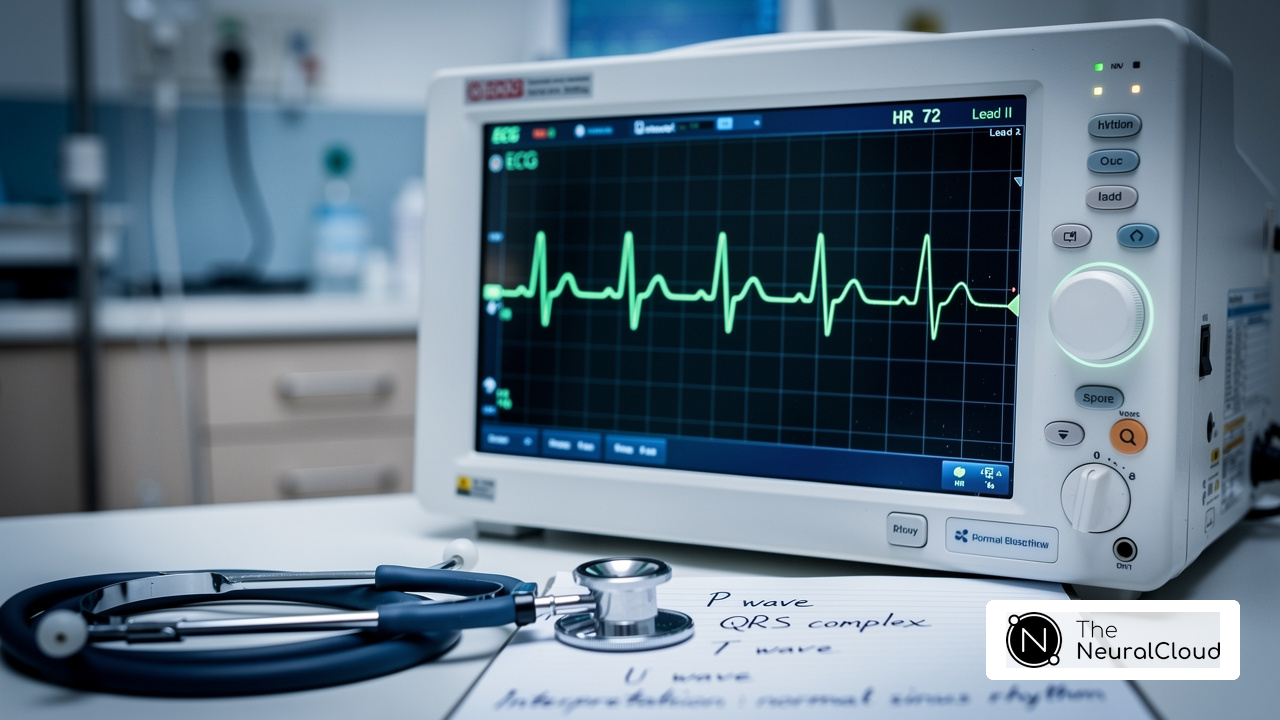
Despite their long-standing status as the gold standard, traditional ECG techniques struggle with significant challenges in accuracy and efficiency. Traditional ECG methods primarily use 12-lead setups to record the heart's electrical activity through electrodes placed on the skin. For decades, these frameworks have provided essential insights into heart rhythm and function. However, this reliance can lead to inconsistencies in diagnosis and treatment timelines, often resulting in misdiagnoses or delayed treatments.
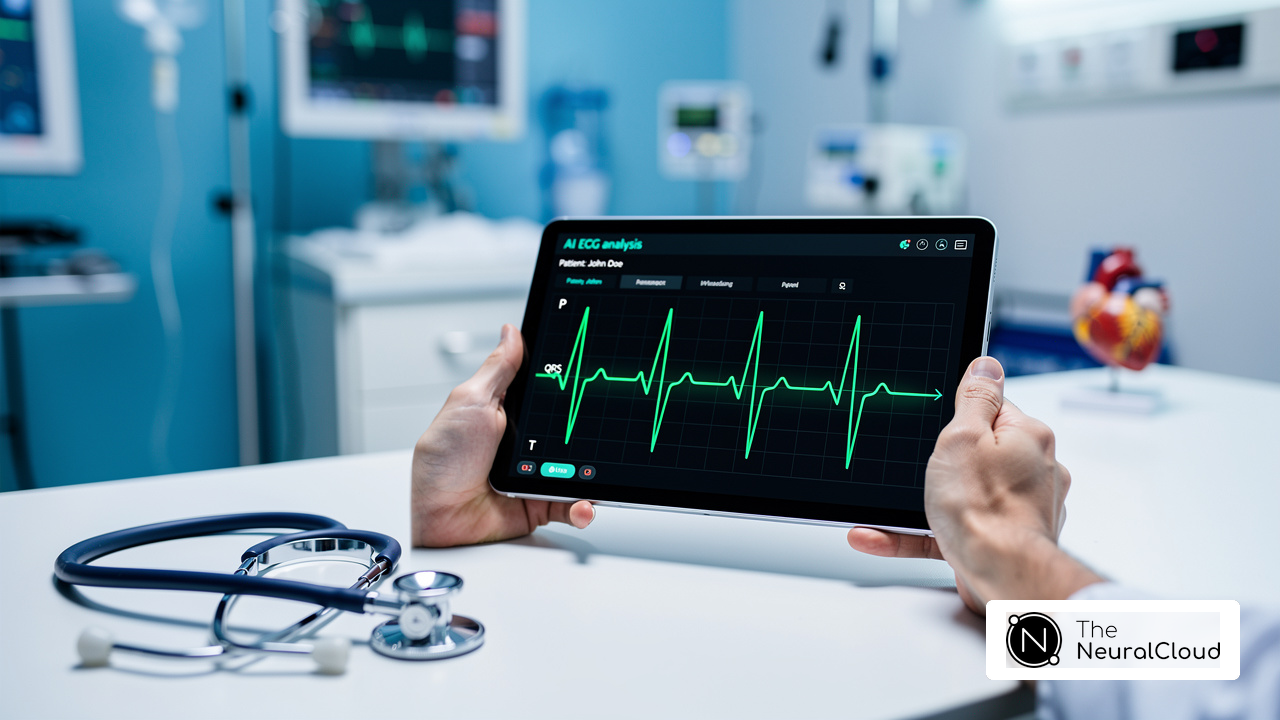
In contrast, AI-driven ECG systems, such as those developed by Neural Cloud Solutions, utilize advanced algorithms to analyze ECG data with remarkable speed and precision. These systems quickly process large datasets, spotting patterns and anomalies that might be missed by human interpreters. Recent studies have shown that AI models can detect arrhythmias and other cardiac abnormalities with a level of accuracy that rivals or even surpasses that of seasoned cardiologists. For instance, AI-driven approaches have demonstrated superior performance in diagnosing conditions like coronary artery disease (CAD) and heart failure, significantly enhancing the diagnostic process.
The integration of AI in ECG analysis not only streamlines workflows but also addresses critical challenges in cardiovascular care, such as the need for timely and accurate diagnoses. This shift not only enhances diagnostic accuracy but also accelerates treatment decisions. As AI continues to evolve, its role in ECG analysis will be pivotal in shaping the future of cardiac care.

Advantages of AI-Driven ECG Solutions Over Traditional Methods
Challenges such as time delays and diagnostic inaccuracies in traditional ECG review can impact patient care. AI-driven ECG solutions address these issues by significantly enhancing diagnostic accuracy. For instance, AI algorithms can analyze ECG data in real-time, detecting subtle changes indicative of serious conditions such as myocardial infarction or arrhythmias. Research shows that these AI systems can reduce false positives and negatives, leading to more reliable diagnoses.
In contrast, traditional ECG review often results in delays and potential misdiagnoses due to manual interpretations. Neural Cloud Solutions Inc.'s MaxYield™ can process and interpret data within minutes, utilizing advanced noise filtering and automation to streamline workflows. This capability allows healthcare providers to make quicker clinical decisions, with some studies indicating time savings of up to 80% compared to traditional methods.
Moreover, AI-driven solutions continuously learn and adapt, improving their diagnostic capabilities with each new dataset. This adaptability is especially beneficial in the rapidly evolving field of cardiology, where new patterns and conditions frequently emerge. Case studies from Canada demonstrate that the ECG review enhanced by AI has improved diagnostic accuracy, with AI models achieving detection accuracies of 96-97%, significantly outperforming traditional methods.
Such advancements not only streamline clinical workflows but also improve patient outcomes, making AI-driven ECG systems a vital component of modern cardiovascular care. Expert endorsements from Dr. Alan Rabinowitz, Dr. Brett Heilbron, and Dr. Marc W. Deyell emphasize that MaxYield™’s precision rivals human interpretation, and its noise reduction benefits are crucial for accurate diagnostics. Furthermore, the incorporation of 'Gold Standard Methodologies' and elements such as 'P, QRS, and T Wave highlighting' further improves the effectiveness of these approaches. As the field of cardiology evolves, embracing AI-driven solutions like MaxYield™ is essential for advancing patient outcomes and clinical efficiency.

Limitations of Traditional ECG Methods and Challenges in Adoption
Despite their historical significance, conventional ECG techniques face critical limitations that hinder their effectiveness in today's medical landscape. A primary concern is their reliance on manual interpretation, which can lead to significant inconsistencies and errors. Research indicates that even experienced cardiologists can misinterpret ECG readings. Accuracy rates can vary significantly. For instance, there is a notable gap in technology integration within Canadian medical services. As of 2019, only 22% of family practices allowed online appointment bookings, highlighting a broader reluctance to adopt advanced solutions.
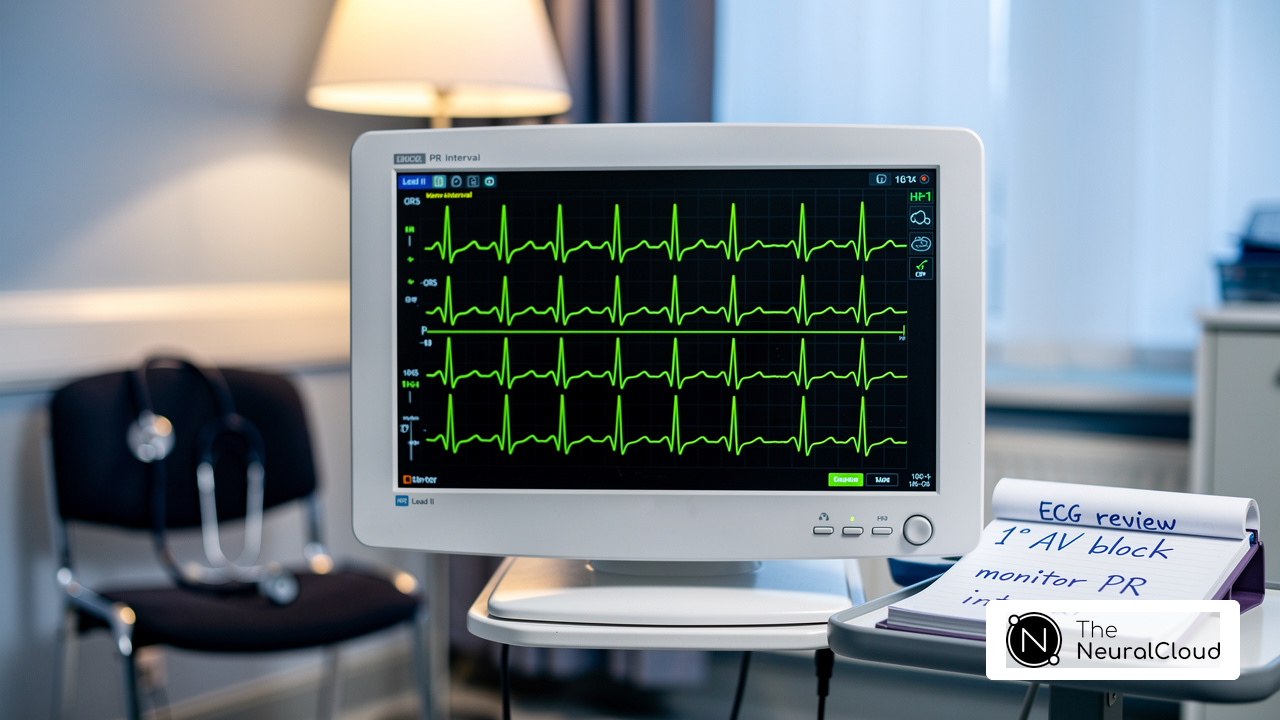
Additionally, traditional ECG systems require extensive hardware setups. This often complicates their integration into modern medical workflows. Such complexity often makes it tough for healthcare providers to adopt new technologies, perpetuating outdated practices. Furthermore, traditional methods frequently encounter challenges with signal noise and artifacts, obscuring vital data and leading to misdiagnoses. In contrast, AI-driven solutions, such as those developed by Neural Cloud Solutions Inc., employ sophisticated signal processing techniques to effectively filter out noise and enhance data quality. This capability directly addresses one of the most pressing challenges faced by traditional ECG systems, paving the way for more accurate and reliable ECG review in cardiac diagnostics.
Moreover, with FDA Class II SaMD clearance-pending status, MaxYield™ is positioned to meet regulatory standards, ensuring compliance and reliability in clinical settings. Expert endorsements from Dr. Alan Rabinowitz, Dr. Brett Heilbron, and Dr. Marc W. Deyell further validate MaxYield™'s precision and noise reduction benefits. With the integration of AI technology, healthcare professionals can transform ECG analysis, leading to better patient outcomes and more reliable diagnostics.

Integration of AI-Driven ECG Solutions in Healthcare Workflows
Integrating AI-driven ECG solutions presents significant challenges that healthcare providers must navigate. Compatibility with current electronic health record (EHR) platforms is essential for seamless data transfer and accessibility. For instance, Neural Cloud Solutions Inc.'s MaxYield is designed to be device-agnostic, allowing it to connect with various ECG devices and platforms. This promotes smoother integration into existing frameworks. MaxYield offers features such as rapid labeling of P, QRS, and T Wave onsets and offsets, which enhances workflow efficiency.
It's crucial that medical professionals receive proper training and support for successful implementation. Staff must be well-versed in the new technology and capable of interpreting AI-generated insights effectively. This training not only boosts user confidence but also ensures that the technology is utilized to its fullest potential.
Ongoing monitoring and evaluation of AI systems are essential to ensure they meet clinical needs and improve over time. Frequent evaluations can help identify areas for improvement and ensure that the AI systems adapt to changing medical needs. Additionally, compliance with regulatory standards, including FDA Class II SaMD clearance-pending status, is vital for maintaining high-quality care.
The growing adoption of such technologies is supported by the increasing prevalence of cardiovascular diseases, with the ECG Interpretation AI market projected to reach $7.6 billion by 2034, expanding at a CAGR of 17.3%. By addressing these integration challenges, medical providers can fully leverage the capabilities of AI-driven ECG solutions, ultimately leading to improved patient care and diagnostic accuracy as part of an ECG review.
Expert testimonials further highlight the transformative impact of Neural Cloud Solutions Inc.'s MaxYield. Dr. Alan Rabinowitz notes that the AI technology is revolutionizing Holter Monitor data processing, while Dr. Brett Heilbron emphasizes the superior artifact filtering that enhances the speed and accuracy of Holter analysis. Dr. Marc W. Deyell adds that MaxYield's precision rivals human expert interpretation, marking a new era in cardiac diagnostics. By integrating MaxYield into their workflows, healthcare providers can streamline processes and improve clinical outcomes.

Conclusion
The evolution from traditional ECG methods to AI-driven solutions marks a pivotal change in cardiac diagnostics. While traditional ECG techniques have served as the foundation for heart health assessments, despite their foundational role, they struggle with accuracy and efficiency. In contrast, AI-driven ECG systems, such as those offered by Neural Cloud Solutions Inc., are revolutionizing the field by providing rapid, precise analyses that enhance diagnostic capabilities and improve patient outcomes.
The article highlights that traditional ECG methods frequently face issues with manual interpretation errors, which can lead to misdiagnoses and delays in treatment. AI-driven solutions address these challenges by leveraging advanced algorithms that can analyze data in real-time, significantly reducing false positives and negatives. This shift to AI-driven solutions not only addresses these challenges but also enhances diagnostic accuracy. Case studies from Canada demonstrate the effectiveness of these technologies, with AI models achieving detection accuracies of 96-97%, far surpassing traditional methods.
To keep pace with the evolving healthcare landscape, adopting AI-driven ECG solutions is crucial for enhancing clinical workflows and patient care. The integration of technologies like MaxYield™ not only streamlines processes but also ensures that healthcare providers can deliver timely and accurate diagnoses. By overcoming the barriers associated with traditional ECG methods, the adoption of AI in cardiac diagnostics represents a crucial step forward in enhancing the quality of care for patients across Canada. Adopting AI-driven ECG solutions is not just an upgrade; it's a necessary evolution for the future of patient care.
Frequently Asked Questions
What are traditional ECG methods and their main challenges?
Traditional ECG methods primarily use 12-lead setups to record the heart's electrical activity through electrodes placed on the skin. Their main challenges include significant issues with accuracy and efficiency, which can lead to inconsistencies in diagnosis and treatment timelines, resulting in misdiagnoses or delayed treatments.
How do AI-driven ECG systems differ from traditional methods?
AI-driven ECG systems, such as those developed by Neural Cloud Solutions Inc., utilize advanced algorithms to analyze ECG data with remarkable speed and precision. They can quickly process large datasets and identify patterns and anomalies that may be missed by human interpreters, enhancing diagnostic accuracy.
What advantages do AI-driven ECG systems offer in diagnosing cardiac conditions?
AI-driven ECG systems have demonstrated superior performance in diagnosing conditions like coronary artery disease (CAD) and heart failure. They can detect arrhythmias and other cardiac abnormalities with a level of accuracy that rivals or even surpasses that of seasoned cardiologists, significantly enhancing the diagnostic process.
How does the integration of AI in ECG analysis impact cardiovascular care?
The integration of AI in ECG analysis streamlines workflows and addresses critical challenges in cardiovascular care, such as the need for timely and accurate diagnoses. This shift enhances diagnostic accuracy and accelerates treatment decisions, shaping the future of cardiac care.
List of Sources
- Overview of Traditional ECG Methods and AI-Driven Solutions
- New study finds AI model improves heart attack detection (https://health.ucdavis.edu/news/headlines/new-study-finds-ai-model-improves-heart-attack-detection/2025/11)
- AI-ECG Finds STEMI Faster, Cuts False-Positive Cath Lab Activations (https://tctmd.com/news/ai-ecg-finds-stemi-faster-cuts-false-positive-cath-lab-activations)
- FDA De Novo Authorization for Queen of Hearts (https://powerfulmedical.com/blog/powerful-medical-receives-fda-de-novo-authorization-for-pmcardio-queen-of-hearts-its-ai-ecg-model-for-detecting-acute-heart-attacks)
- AI Electrocardiogram (ECG) Analysis Market Size Report 2026-2030 (https://thebusinessresearchcompany.com/report/artificial-intelligence-ai-electrocardiogram-ecg-analysis-global-market-report)
- FDA Clears First AI-ECG Model for Acute MI Detection (https://tctmd.com/news/fda-clears-first-ai-ecg-model-acute-mi-detection)
- Advantages of AI-Driven ECG Solutions Over Traditional Methods
- AI-Based ECG Analysis Significantly Improves STEMI Detection, Reduces False Activations - American College of Cardiology (https://acc.org/latest-in-cardiology/articles/2025/10/24/16/56/tues-554pm-ai-tct-2025)
- Investigating the Efficacy of AI-Powered Innovations in ECG Analysis and Continuous Heart Monitoring: A Comprehensive Narrative Review - PMC (https://pmc.ncbi.nlm.nih.gov/articles/PMC12419789)
- News: AI has potential to improve diagnostic accuracy, earlier detection of cardiac conditions, analysis finds | ACDIS (https://acdis.org/articles/news-ai-has-potential-improve-diagnostic-accuracy-earlier-detection-cardiac-conditions)
- PMcardio: AI ECG & Cardiac Care Platform (https://powerfulmedical.com)
- Limitations of Traditional ECG Methods and Challenges in Adoption
- AI-ECG Momentum and Rising Competition Reshape Diagnostic Cardiology in 2026 (https://signifyresearch.net/insights/diagnostic-cardiology-market-bouncing-into-2026)
- Canada’s health-care system lags others in adopting basic tech. Chains of clinics say they have the solution - The Logic (https://thelogic.co/news/canadas-health-care-system-lags-others-in-adopting-basic-tech-chains-of-clinics-say-they-have-the-solution)
- Why traditional ECG training may be failing clinicians (https://newsweek.com/why-traditional-ecg-training-may-be-failing-clinicians-12190659)
- 1st synthesized 12-lead ECG to launch in 2026 (https://beckershospitalreview.com/supply-chain/1st-synthesized-12-lead-ecg-to-launch-in-2026)
- Integration of AI-Driven ECG Solutions in Healthcare Workflows
- ECG Interpretation AI Market Research Report 2034 (https://dataintelo.com/report/ecg-interpretation-ai-market)
- AI and ECG Interpretation: The next era of cardiology starts here (https://clinicalview.gehealthcare.com/article/ai-and-ecg-interpretation-next-era-cardiology-starts-here)
- AI Cuts False STEMI Activations: US Registry (https://powerfulmedical.com/research/ai-enabled-ecg-analysis-improves-diagnostic-accuracy-and-reduces-false-stemi-activations-a-multicenter-u-s-registry)
- FDA Clears First AI-ECG Model for Acute MI Detection (https://tctmd.com/news/fda-clears-first-ai-ecg-model-acute-mi-detection)
- Philips Launches ECG AI Marketplace to Enhance Early Cardiac Diagnosis (https://usa.philips.com/a-w/about/news/archive/standard/news/press/2025/philips-launches-ecg-ai-marketplace-to-enhance-early-cardiac-diagnosis.html)