Introduction
The urgency of diagnosing ST-Elevation Myocardial Infarction (STEMI) presents a significant challenge for health tech developers. This condition, marked by a significant blockage in blood flow to the heart, can lead to severe complications, making timely intervention critical. As the healthcare landscape evolves, this evolution opens doors for developers to create tools that not only diagnose but also improve treatment strategies for better patient outcomes. By integrating advanced diagnostic tools, developers can significantly enhance the speed and accuracy of STEMI detection.
How can technology effectively bridge the gap between timely intervention and improved survival rates?
Define STEMI: Understanding the Basics
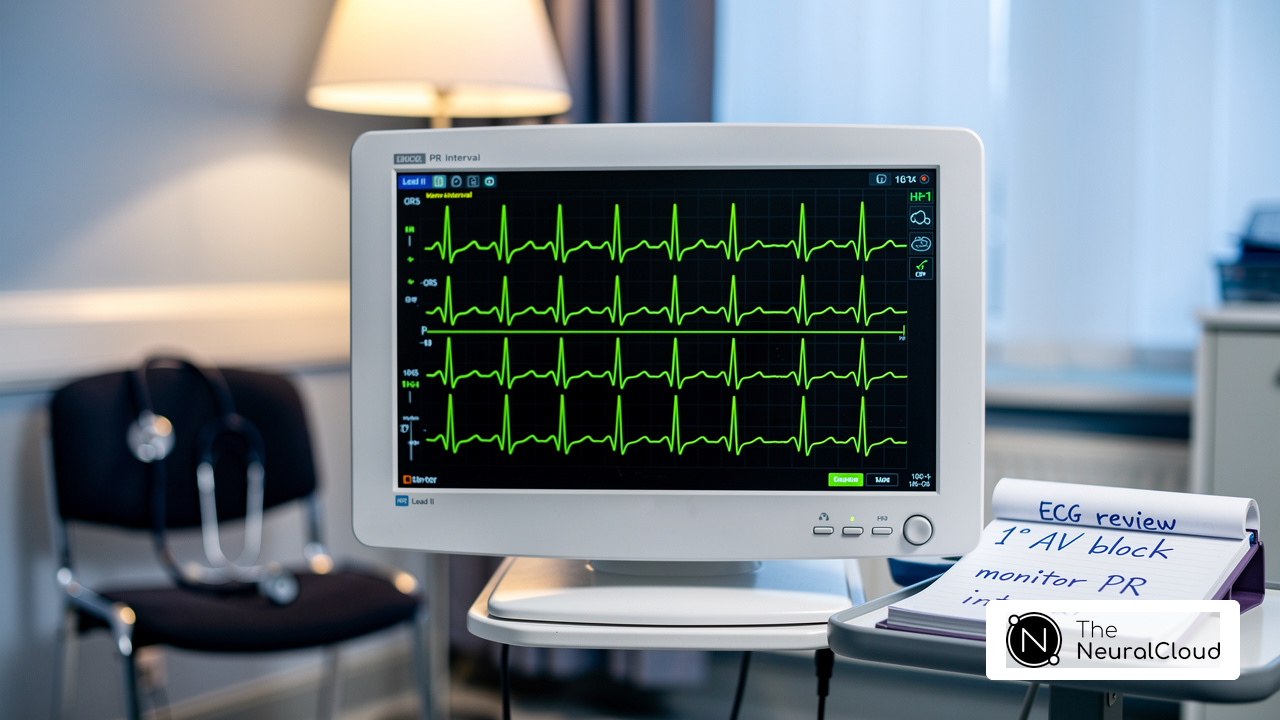
ST-Elevation Myocardial Infarction presents significant challenges in timely diagnosis and treatment, making it a critical focus for healthcare technology developers. This blockage can be identified by a clear elevation in the ST segment of the electrocardiogram (ECG), which acts as a crucial diagnostic marker. Understanding myocardial infarction is essential for health tech developers, as it directly influences the design and functionality of diagnostic tools and treatment technologies.
Typically, this condition arises from the rupture of an atherosclerotic plaque, leading to thrombus formation and subsequent occlusion of blood flow to the heart muscle. Without timely identification, patients face increased risks and poorer outcomes. Current statistics show that those with a heart attack and COVID-19 experience a 67% greater one-year mortality rate compared to their counterparts without the virus. This stark statistic underscores the critical need for enhanced monitoring and intervention strategies.
In Canada, the NACMI registry has provided valuable insights, revealing that most deaths (86%) among STEMI patients occur during the initial hospital stay. This highlights the significance of prompt and efficient care protocols. Moreover, ongoing research is investigating possible gender differences in outcomes, which could guide future diagnostic and intervention strategies.
For health tech developers, it is vital to define STEMI in order to understand the complexities of ST elevation myocardial infarction, which is essential for advancing cardiovascular diagnostics and improving patient care.

Identify Signs and Symptoms of STEMI
Recognizing the signs of a heart attack is crucial for ensuring timely medical intervention. Common symptoms include:
- Chest Pain: Often described as a feeling of pressure, squeezing, or fullness in the center or left side of the chest.
- Radiating Pain: Discomfort may spread to the shoulders, neck, arms, back, teeth, or jaw.
- Shortness of Breath: This may occur with or without chest discomfort.
- Other Symptoms: These can include cold sweat, nausea, vomiting, or lightheadedness.
Delays in treatment can lead to dire consequences, making symptom recognition critical. Recent studies suggest that when treatment for heart attacks exceeds 90 minutes, the risk of death rises significantly. Moreover, research from the NACMI registry indicates that 54 percent of COVID-positive individuals with myocardial infarction exhibited respiratory symptoms, complicating the clinical picture. It's essential for health tech developers to weave these symptoms into their diagnostic tools, boosting early detection and improving patient outcomes.
The AI-driven ECG model effectively identifies heart attack cases, reducing false positives to around 8%. This technology not only aids in accurate diagnosis but also significantly improves patient survival rates.

Conduct Diagnostic Tests for STEMI
Accurate diagnostic testing for myocardial infarction is crucial, yet healthcare professionals often encounter challenges in ECG analysis that can hinder effective care decisions. Key tests include:
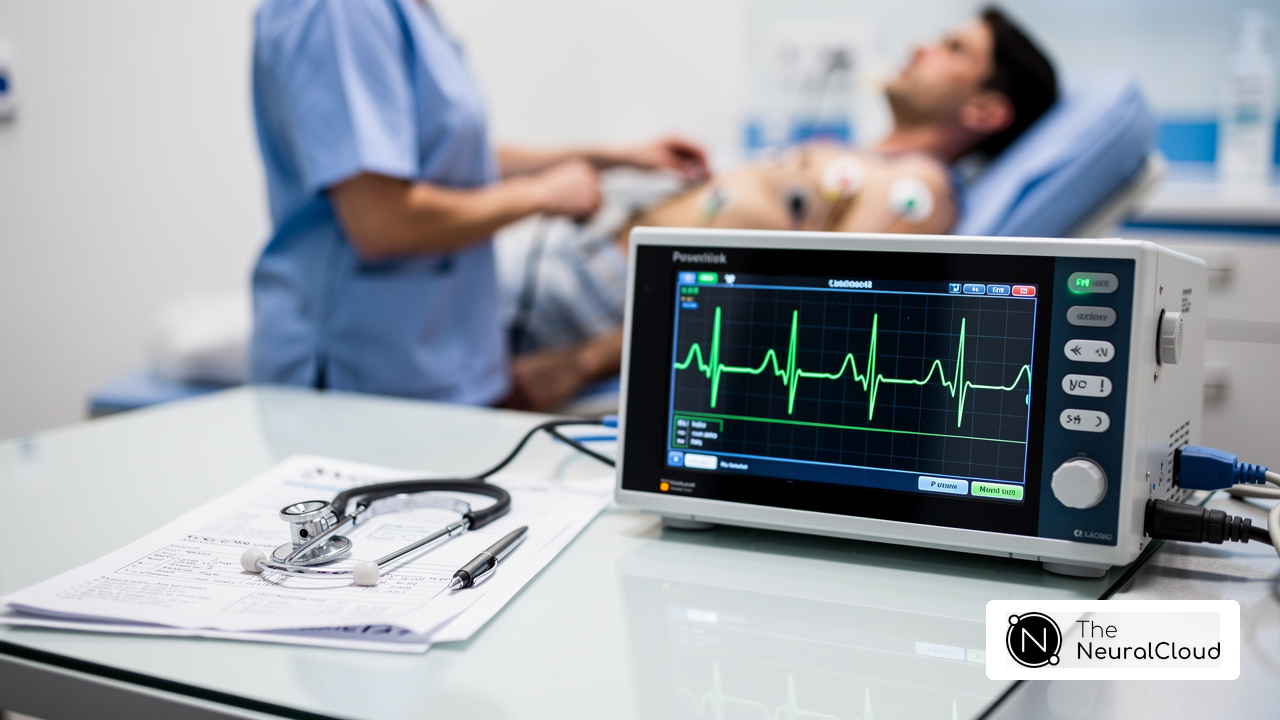
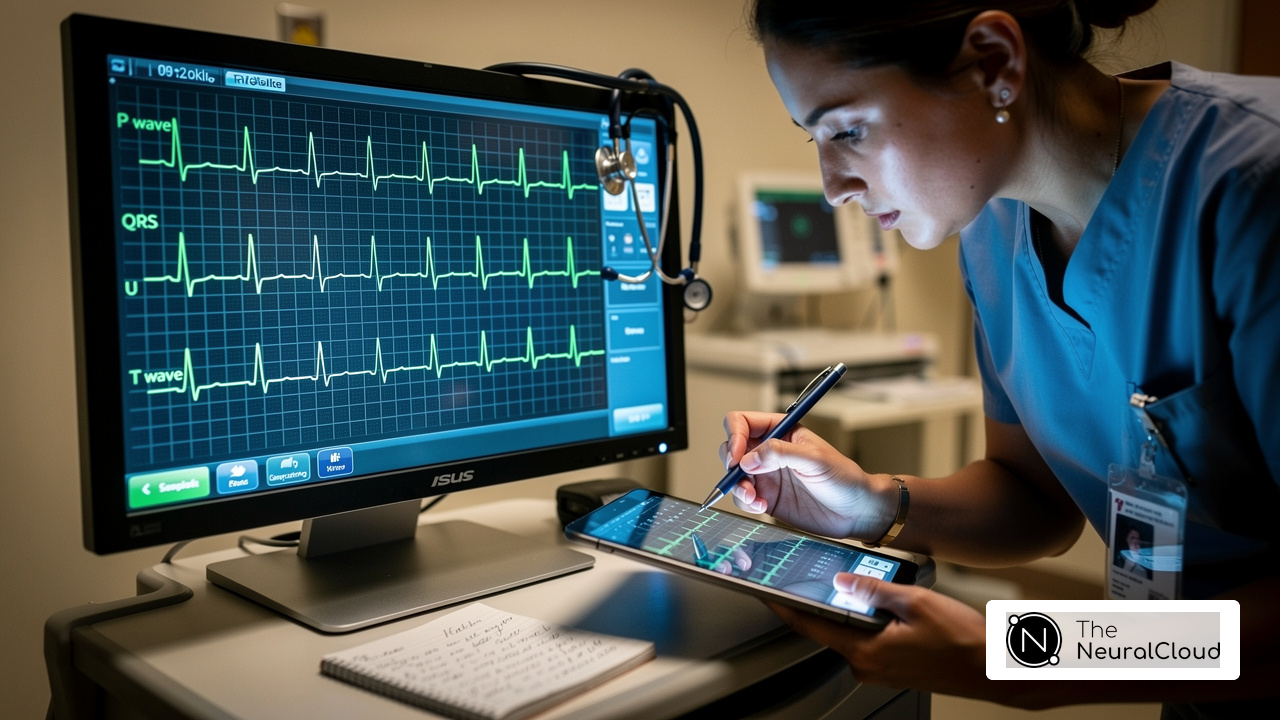
- Electrocardiogram (ECG): The primary tool for diagnosing STEMI, an ECG reveals characteristic ST-segment elevation in specific leads, indicating myocardial injury. Recent advancements in AI-enabled ECG analysis, particularly through Neural Cloud Solutions Inc.'s MaxYield, have shown significant improvements in diagnostic accuracy. MaxYield features advanced noise filtering and wave recognition capabilities. These innovations help reduce motion noise, achieving a sensitivity of 92% and specificity of 81% compared to standard methods. This ECG intelligence layer is device-agnostic and integrates easily through API, SDK, or CDK, without needing hardware changes, making it a versatile solution for health tech developers. Additionally, it is important to note that MaxYield is currently pending FDA Class II SaMD clearance, ensuring compliance with regulatory standards.
- Cardiac Biomarkers: Blood tests measuring troponin levels are essential for confirming myocardial injury. Elevated troponin levels indicate damage to the heart muscle, providing crucial information for treatment decisions. In a recent study, the AI ECG model, powered by MaxYield, correctly reclassified 91% of biomarkers, enhancing the reliability of this diagnostic approach.
- Coronary Angiography: This imaging test visualizes the coronary arteries and identifies blockages. The integration of the AI-ECG model can streamline the angiography process, reducing false-positive activation rates from 41.8% to 7.9%, thereby improving patient outcomes.
Developing tools that enhance these diagnostic procedures is essential for health technology creators, as it ensures swift and accurate identification of myocardial infarction. For instance, the Queen of Hearts AI-ECG model has been trained on over 2.5 million ECGs and has received FDA breakthrough device designation. This highlights its potential to improve diagnosis and care pathways in Canada. Experts like Dr. Alan Rabinowitz, Dr. Brett Heilbron, and Dr. Marc W. Deyell endorse MaxYield for its precision, which rivals human interpretation, and its noise reduction benefits. This further validates its role in improving ECG workflow efficiency. Furthermore, the Insight360 tool transforms MaxYield’s clean ECG data into interactive dashboards and clinical-ready reports, providing actionable insights for healthcare professionals.

Implement Treatment Strategies for STEMI
Timely and efficient approaches for managing ST-segment elevation heart attacks are essential for minimizing myocardial injury and improving patient outcomes. Key strategies include:
- Percutaneous Coronary Intervention (PCI): This minimally invasive procedure involves the insertion of a catheter to open blocked arteries, often accompanied by stenting. The procedural success rate with drug-eluting stents in acute myocardial infarction exceeds 93%, highlighting the effectiveness of PCI in enhancing outcomes for individuals. Recent guidelines now permit total revascularization for heart attack patients, marking a significant update in care protocols. Experts like Dr. Alan Rabinowitz emphasize that integrating advanced technologies such as Neural Cloud Solutions' MaxYield can further enhance the precision of PCI outcomes.
- Fibrinolytic Therapy: Administered to dissolve blood clots, this treatment is most effective when given within the first few hours of symptom onset. However, the role of fibrinolytic therapy is diminishing as primary PCI becomes more widely available and preferred due to its superior safety and efficacy. Significantly, thrombus aspiration is no longer advised in acute myocardial infarction cases, indicating a change in best practices.
To manage individuals with STEMI, it is important to define STEMI and use medications such as antiplatelet agents, beta-blockers, and ACE inhibitors. Recent guidelines highlight the significance of reducing LDL-cholesterol, suggesting further LDL reduction for individuals with levels exceeding 70 mg/dL on maximally tolerated statin therapy.
It's crucial for health tech developers to create integrated solutions that ensure timely treatment delivery and effective monitoring. For instance, a study showed that hospitals achieving a median door-to-balloon time of 90 minutes or less could save approximately 1,000 lives annually. Furthermore, each 30-minute delay between symptom onset and balloon inflation raises mortality risk for individuals by 7.5%. Using technology like Neural Cloud Solutions' Insight360 for tailored visualization and reporting can significantly improve communication and streamline processes, ultimately enhancing patient care in heart attack management. Moreover, Neural Cloud Solutions' offerings are pending FDA Class II SaMD clearance, which will help define STEMI compliance and readiness for GxP inspections, solidifying their role in advancing STEMI treatment.

Conclusion
For health tech developers, understanding ST-Elevation Myocardial Infarction (STEMI) is essential to advancing cardiovascular care. By grasping the complexities of this condition, developers can create innovative diagnostic and treatment solutions that significantly improve patient outcomes. Delays in diagnosis can result in dire outcomes, such as higher mortality rates.
This article explores key aspects of STEMI, from its definition and symptoms to diagnostic tests and treatment strategies. Key insights highlight the importance of recognizing symptoms early, utilizing advanced diagnostic tools like the AI-driven ECG model from Neural Cloud Solutions Inc.'s MaxYield, and implementing effective treatment protocols such as Percutaneous Coronary Intervention (PCI). These elements collectively underscore the need for health tech developers to focus on creating integrated solutions that streamline the identification and management of STEMI.
In conclusion, advancements in health technology offer a chance to transform STEMI diagnosis and treatment. By prioritizing the development of innovative tools and strategies, health tech developers can play a pivotal role in enhancing patient care and improving outcomes across Canada. Embracing these advancements is essential for improving patient outcomes and saving lives.
Frequently Asked Questions
What is STEMI?
STEMI stands for ST-Elevation Myocardial Infarction, a serious type of heart attack characterized by a clear elevation in the ST segment of the electrocardiogram (ECG), indicating a blockage of blood flow to the heart muscle.
What causes STEMI?
STEMI typically arises from the rupture of an atherosclerotic plaque, which leads to thrombus formation and subsequent occlusion of blood flow to the heart.
Why is timely diagnosis and treatment of STEMI important?
Timely diagnosis and treatment are crucial because without prompt identification, patients face increased risks and poorer outcomes, including a significantly higher mortality rate.
What are the statistics related to STEMI and COVID-19?
Current statistics indicate that individuals with a heart attack and COVID-19 have a 67% greater one-year mortality rate compared to those without the virus.
What insights does the NACMI registry provide regarding STEMI patients in Canada?
The NACMI registry reveals that 86% of deaths among STEMI patients occur during the initial hospital stay, emphasizing the importance of prompt and efficient care protocols.
Are there ongoing research efforts related to STEMI?
Yes, ongoing research is investigating possible gender differences in outcomes for STEMI patients, which could inform future diagnostic and intervention strategies.
Why is understanding STEMI important for health tech developers?
Understanding STEMI is essential for health tech developers as it influences the design and functionality of diagnostic tools and treatment technologies aimed at improving cardiovascular care.
List of Sources
- Define STEMI: Understanding the Basics
- New Stemi-DTU Data Provides Deeper Insight Into Patient Outcomes | SCAI (https://scai.org/media-center/news-and-articles/new-stemi-dtu-data-provides-deeper-insight-patient-outcomes)
- COVID-19 and Severe Heart Attack Increase Mortality by 25% After One Year, More than Double Pre-Pandemic Rates | SCAI (https://scai.org/media-center/news-and-articles/covid-19-and-severe-heart-attack-increase-mortality-25-after-one)
- STEMI patients with COVID-19 were 67% more likely to die at one year than those without coronavirus, registry reveals - Cardiovascular News (https://cardiovascularnews.com/stemi-patients-with-covid-19-were-67-more-likely-to-die-at-one-year-than-those-without-coronavirus-registry-reveals)
- COVID-19 Amplifies 1-Year STEMI Mortality Following Hospitalization | HCPLive (https://hcplive.com/view/covid-19-amplifies-1-year-stemi-mortality-following-hospitalization)
- Identify Signs and Symptoms of STEMI
- New study finds AI model improves heart attack detection (https://health.ucdavis.edu/news/headlines/new-study-finds-ai-model-improves-heart-attack-detection/2025/11)
- North American COVID-19 STEMI Research Reveals High Mortality and Atypical Symptoms (https://dicardiology.com/content/north-american-covid-19-stemi-research-reveals-high-mortality-and-atypical-symptoms)
- Outcomes from COVID-19 STEMI Research Study Presented in TCT Late-Breaking Clinical Science Session | Minneapolis Heart Institute Foundation (https://mplsheart.org/news/outcomes-covid-19-stemi-research-study-presented-tct-late-breaking-clinical-science-session)
- Comparative Analysis of Patients With STEMI and COVID-19 Between Canada and the United States - PMC (https://pmc.ncbi.nlm.nih.gov/articles/PMC10284462)
- The Mystery of the Missing STEMIs During the COVID-19 Pandemic (https://tctmd.com/news/mystery-missing-stemis-during-covid-19-pandemic)
- Conduct Diagnostic Tests for STEMI
- New study finds AI model improves heart attack detection (https://health.ucdavis.edu/news/headlines/new-study-finds-ai-model-improves-heart-attack-detection/2025/11)
- AI-Based ECG Analysis Significantly Improves STEMI Detection, Reduces False Activations - American College of Cardiology (https://acc.org/latest-in-cardiology/articles/2025/10/24/16/56/tues-554pm-ai-tct-2025)
- Positive data revealed for patients with a heart attack and multivessel disease (https://escardio.org/news/press/press-releases/positive-data-revealed-for-patients-with-a-heart-attack-and-multivessel-disease)
- AI-ECG Finds STEMI Faster, Cuts False-Positive Cath Lab Activations (https://tctmd.com/news/ai-ecg-finds-stemi-faster-cuts-false-positive-cath-lab-activations)
- FDA Clears First AI-ECG Model for Acute MI Detection (https://tctmd.com/news/fda-clears-first-ai-ecg-model-acute-mi-detection)
- Implement Treatment Strategies for STEMI
- ESC Updates Guidelines for Treating STEMI Patients (https://tctmd.com/news/esc-updates-guidelines-treating-stemi-patients)
- Time Is of the Essence - A Review of Evidence to Support Rapid Discovery to Treatment for Patients with ST-segment Elevation Myocardial Infarction (https://ecrjournal.com/articles/time-essence-review-evidence-support-rapid-discovery-treatment-patients-st-segment-0?language_content_entity=en)
- Fibrinolytic Therapy for STEMI - Cardiac Interventions Today (https://citoday.com/articles/2010-jan-feb/fibrinolytic-therapy-for-stemi)
- New ST-elevation myocardial infarction protocol trial data provide deeper insight into patient outcomes (https://medicalxpress.com/news/2026-04-st-elevation-myocardial-infarction-protocol.html)