Introduction
The field of cardiac health monitoring has seen significant advancements, with ECG monitors becoming essential tools for patients and healthcare professionals alike. These devices deliver crucial insights into heart activity and come equipped with various features tailored to meet diverse needs, such as portability and real-time data sharing. However, as the market for ECG monitors continues to grow, the challenge of selecting the right device becomes more complex. What factors should one consider to ensure effective heart health monitoring while weighing the benefits and limitations of each option?
Key Features of Leading ECG Monitors
When evaluating ECG monitors, several key features stand out:
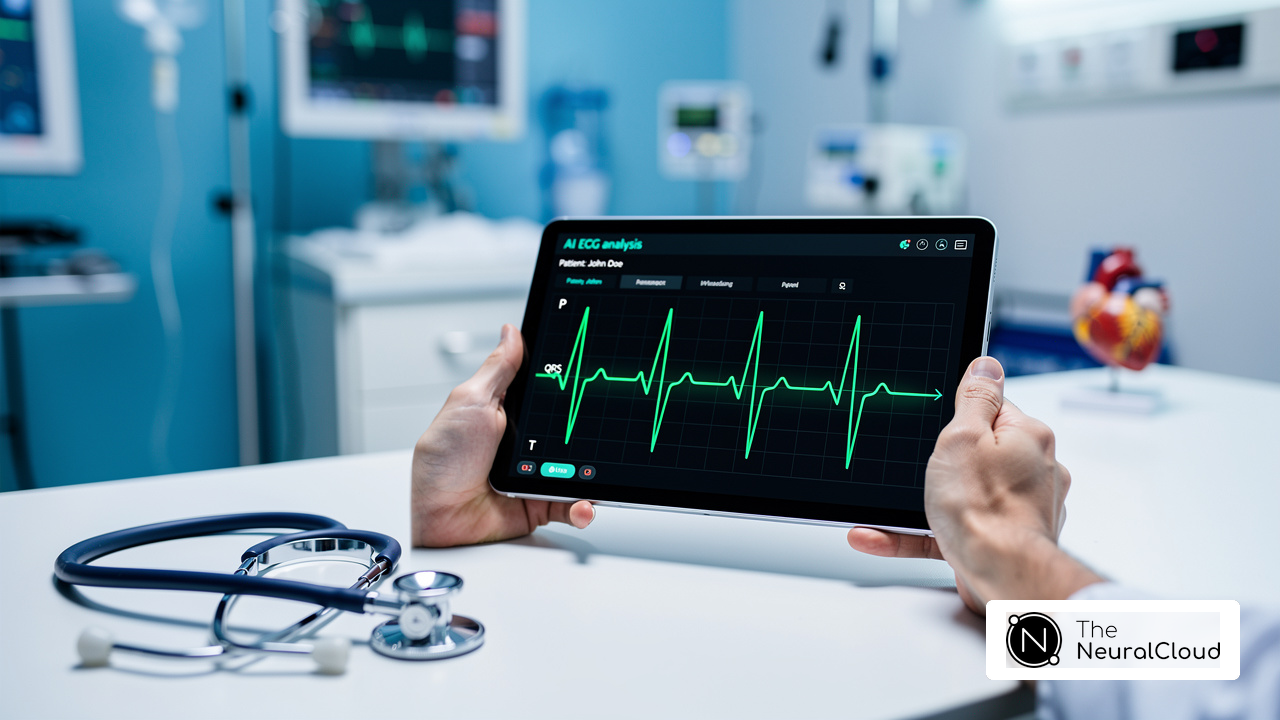
- Advanced AI algorithms: Platforms like MaxYield™ leverage advanced AI algorithms to significantly enhance signal clarity and minimize noise interference. This capability is essential for healthcare professionals who rely on accurate information for precise diagnoses. It enables the identification of arrhythmias without the distortion caused by artifacts.
- Real-time monitoring: Modern ECG devices frequently provide real-time monitoring capabilities, delivering immediate feedback on heart activity. This feature is particularly advantageous for patients with existing cardiac conditions, allowing for timely interventions and adjustments in treatment plans.
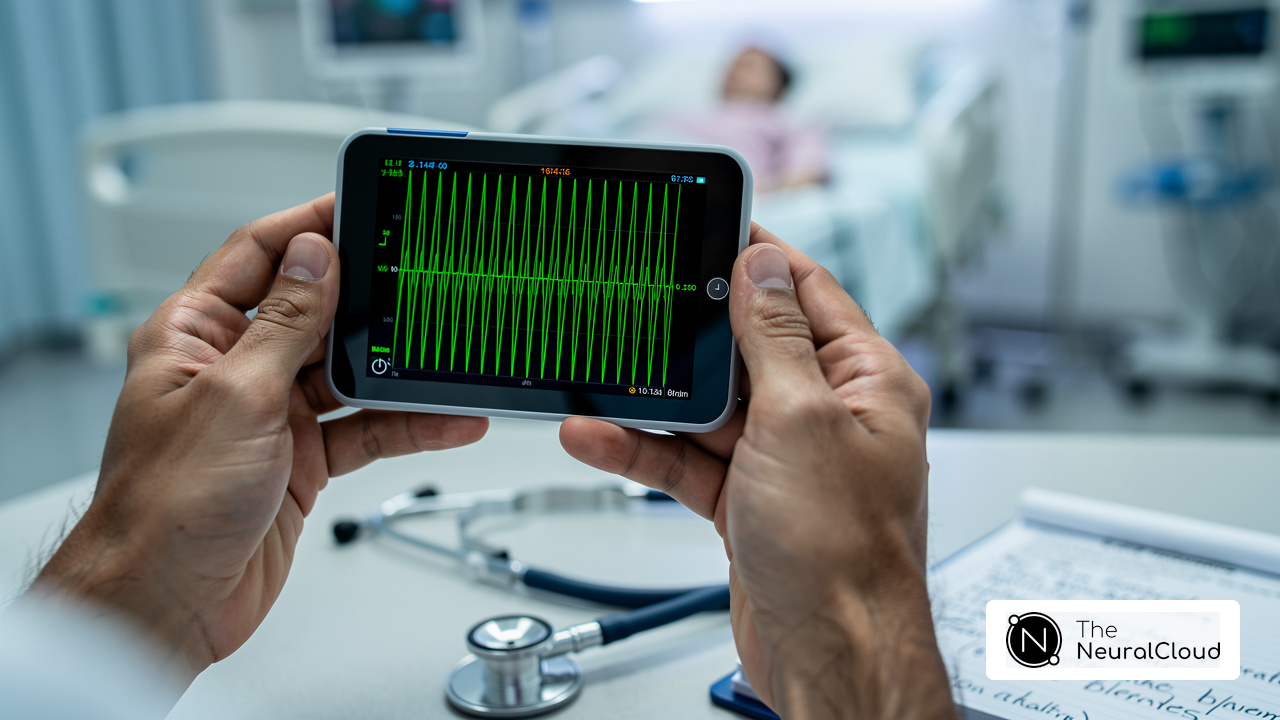
- Portability: Devices such as the KardiaMobile and EMAY Portable ECG Monitor are designed for user-friendliness and portability, making them ideal for home use. Their compact nature allows patients to easily track their heart health outside clinical settings.
- Mobile app integration: Leading ECG devices often include mobile apps that enable effortless information sharing with healthcare providers. This integration enhances patient engagement and ensures that clinicians have access to up-to-date information for follow-up care.
- Multi-lead Capabilities: Some instruments offer multi-lead capabilities, capturing a more comprehensive view of heart activity compared to single-lead models. This feature is crucial for thorough cardiac assessments and can lead to more informed clinical decisions.
- User-friendly interfaces: Newer models typically feature touchscreen displays and intuitive navigation, making them accessible for users with varying levels of technical expertise. This ease of use encourages more patients to engage with their heart health monitoring.
- Extended battery life: Extended battery life and onboard storage for ECG information are vital for continuous monitoring, especially in portable devices. These features ensure that patients can maintain consistent tracking of their heart health without frequent interruptions.
Collectively, these features enhance the functionality and usability of ECG devices, establishing them as indispensable tools in modern cardiac care. Furthermore, MaxYield™ assists in optimizing workflows by automating repetitive tasks and handling more information in a shorter period, ultimately aiding assured clinical decisions.

Benefits of Each ECG Monitor
Each ECG monitor offers distinct benefits tailored to various user needs:
- This platform stands out for its automation of processes, significantly reducing processing time. It can manage over 200,000 heartbeats in less than five minutes, enabling clinicians to make prompt, informed decisions based on accurate data.
- KardiaMobile: Known for its portability and ease of use, that can be easily shared with healthcare providers via a mobile app. This feature is especially beneficial for patients needing regular monitoring, as it allows for timely consultations.
- EMAY Portable ECG Monitor: Celebrated for its compact design and independent functionality, this device enables users to record ECGs without a smartphone. Its user-friendly interface makes it a popular choice among users.
- Omron Complete: This device integrates blood pressure tracking with ECG features, offering a comprehensive health monitoring solution. Its dual functionality is ideal for patients managing multiple health conditions, thereby enhancing their overall care.
- Withings ScanWatch: Merging ECG tracking with fitness features, this smartwatch appeals to health-conscious individuals who wish to monitor their heart health alongside physical activity, promoting a holistic approach to wellness.
- AliveCor KardiaMobile 6L: Providing a six-lead ECG, this device delivers more detailed heart activity data compared to single-lead options. It is particularly advantageous for healthcare professionals seeking in-depth insights into patient cardiac health.
These benefits illustrate how different ECG devices cater to diverse user preferences and clinical needs, ultimately enhancing patient care. KardiaMobile, in particular, has garnered positive feedback from healthcare professionals, underscoring its effectiveness in patient monitoring and its contribution to improved health outcomes.

Drawbacks and Limitations of ECG Monitors
While ECG monitors offer numerous benefits, they also come with certain drawbacks:
- AI Algorithms: This platform provides rapid analysis, but reliance on AI algorithms can raise concerns about accuracy in complex cases. Neural Cloud Solutions' technology addresses these challenges with advanced and distinct wave recognition. It allows for the isolation of ECG waves even in recordings with noise. Continuous updates and training of these algorithms are essential to maintain reliability, ensuring clinicians can trust the insights provided. The continuous learning model enhances accuracy and efficiency, evolving with each use to maximize diagnostic yield.
- KardiaMobile: While this gadget is portable, it is restricted to single-lead monitoring, which may not effectively capture all arrhythmias or heart conditions. Research indicates that single-lead systems can overlook critical abnormalities, leading to possible misdiagnoses. As noted by Ekenberg and colleagues, the limitations of single-lead ECGs in detecting issues can compromise patient safety, necessitating additional monitoring for accuracy.
- EMAY Portable ECG Monitor: The simplicity of this gadget can be a double-edged sword; while it is user-friendly, it lacks advanced features. This limitation may restrict its utility for healthcare professionals who need detailed cardiac data for accurate diagnosis.
- Omron Complete: The dual functionality of this device may complicate the user interface, making it less intuitive for some users. Furthermore, its size may impede portability compared to independent ECG devices, which can be a considerable disadvantage for individuals requiring on-the-move observation.
- Withings ScanWatch: As a smartwatch, it may not provide the same level of accuracy as dedicated ECG monitors, particularly in detecting arrhythmias. This limitation can be critical for patients requiring precise monitoring of their heart health.
- AliveCor KardiaMobile 6L: The increased expense linked to this device may discourage some users, and the requirement for a smartphone for data sharing can be a drawback for those lacking access to mobile technology. Moreover, the dependence on a single lead can undermine the identification of intricate arrhythmias, as emphasized by cardiologists who observe that such instruments may not record the complete range of cardiac activity. In contrast, the 6-lead device has demonstrated a high negative predictive value of 99.8% at a QTc interval threshold of 500 milliseconds, showcasing its superior capabilities in arrhythmia detection.
Understanding these drawbacks is crucial for users to make informed decisions about which ECG monitor best fits their needs.

Choosing the Right ECG Monitor for Your Needs
Selecting the right ECG monitor involves careful consideration of several key factors:
- Purpose of Use: Identify whether the monitor is intended for personal use, clinical use, or research. For example, tools like KardiaMobile are designed for personal use, while advanced platforms such as Philips ECG Monitor serve clinical environments, enhancing care for healthcare professionals.
- Portability: For those who travel frequently or require mobility, compact and lightweight devices like the EMAY Portable ECG Monitor or KardiaMobile are ideal choices. Their design facilitates easy transport without compromising functionality, making them convenient for users on the go.
- Data Sharing: If exchanging information with healthcare providers is essential, opt for monitors equipped with integrated mobile applications that simplify this process. Devices like KardiaMobile and Withings ScanWatch excel in this area, enabling seamless information transfer and improving communication between patients and providers.
- Lead Configuration: Evaluate whether a single-lead or multi-lead instrument is more suitable for your needs. Multi-lead devices, such as the AliveCor KardiaMobile 6L, provide more extensive information but may necessitate a steeper learning curve for users, offering deeper insights into cardiac health.
- Budget: Consider the overall cost of the device, including any subscription fees for data storage or sharing. The EMAY device, for instance, offers a cost-effective solution without compromising vital features, making it accessible for a broader audience. Prices for portable ECG devices can range from approximately $66 to $399, providing options for various budgets.
- User Experience: Prioritize displays with clarity, particularly for individuals who may not be technologically inclined. Features such as touchscreen displays and intuitive navigation significantly enhance the user experience, ensuring that users can easily operate the device.
- Limitations of Personal-Use Devices: It's important to recognize that personal-use devices may not be as accurate as clinical-grade equipment and should not replace regular medical care. Understanding these limitations can help users make informed decisions.
By thoughtfully evaluating these factors, users can select an ECG monitor that aligns with their specific requirements, ultimately improving their cardiac health monitoring.

Conclusion
Choosing the right ECG monitor is essential for effective heart health management. Understanding the diverse features, benefits, and limitations of available devices is crucial for making an informed decision. Modern ECG monitors, such as MaxYield™, KardiaMobile, and EMAY, offer advanced functionalities that enhance patient engagement and clinical decision-making. These include real-time monitoring, portability, and user-friendly interfaces.
Key insights highlight the importance of:
- Signal clarity
- Integration with mobile apps
- Varying lead configurations that cater to different user needs
For instance, while devices like the KardiaMobile excel in portability and ease of use, they also have drawbacks, such as limitations in single-lead readings and potential accuracy concerns in complex cases. These factors underscore the necessity of aligning the choice of ECG monitor with individual health requirements and lifestyle.
Ultimately, selecting a suitable ECG monitor is of utmost importance. As technology in cardiac care continues to evolve, users must stay informed about the latest advancements and considerations when choosing a device. Prioritizing features such as portability, data sharing capabilities, and user experience will empower individuals to effectively monitor their heart health and engage in proactive health management.
Frequently Asked Questions
What is the importance of signal clarity in ECG monitors?
Signal clarity is crucial as it allows healthcare professionals to rely on accurate information for precise diagnoses, enabling the identification of critical cardiac events without distortion from noise interference.
How do modern ECG devices provide real-time observation?
Modern ECG devices offer real-time observation capabilities, delivering immediate feedback on heart activity, which is particularly beneficial for patients with existing cardiac conditions, allowing for timely interventions.
What are some examples of portable ECG monitors?
Examples of portable ECG monitors include the KardiaMobile and EMAY Portable ECG Monitor, which are designed for user-friendliness and ease of at-home monitoring.
How do ECG devices integrate with mobile applications?
Leading ECG devices often include mobile apps that facilitate effortless information sharing with healthcare providers, enhancing patient engagement and ensuring clinicians have access to up-to-date information for follow-up care.
What advantages do multi-lead ECG readings offer?
Multi-lead ECG readings provide a more comprehensive view of heart activity compared to single-lead models, which is crucial for thorough cardiac assessments and informed clinical decisions.
What features make newer ECG monitors user-friendly?
Newer ECG monitors typically feature touchscreen displays and intuitive navigation, making them accessible for users with varying levels of technical expertise, encouraging more patients to engage with their heart health monitoring.
Why is battery life and storage important in portable ECG devices?
Extended battery life and onboard storage for ECG information are vital for continuous monitoring, ensuring that patients can consistently track their heart health without frequent interruptions.
How does MaxYield™ enhance the functionality of ECG devices?
MaxYield™ optimizes workflows by automating repetitive tasks and managing more information in a shorter period, ultimately aiding in assured clinical decisions.
List of Sources
- Key Features of Leading ECG Monitors
- Robustness of electrocardiogram signal quality indices - PMC (https://pmc.ncbi.nlm.nih.gov/articles/PMC9006023)
- psqh.com (https://psqh.com/analysis/cleaning-up-the-signal-to-noise-in-cardiac-monitoring)
- nature.com (https://nature.com/articles/s41598-025-32249-7)
- Benefits of Each ECG Monitor
- Six-Lead ECG Device Highly Accurate for Atrial Fibrillation Detection (https://thecardiologyadvisor.com/news/6-lead-ecg-device-highly-accurate-for-atrial-fibrillation-detection)
- aiml-innovations.com (https://aiml-innovations.com/press-release/aiml-subsidiary-neural-cloud-signs-loi-with-circular-health-to-license-maxyield-tm-ecg-signal-processing)
- pmc.ncbi.nlm.nih.gov (https://pmc.ncbi.nlm.nih.gov/articles/PMC10704323)
- linkedin.com (https://linkedin.com/posts/alivecor_ecg-cardiacmonitoring-healthcare-activity-7315793322361421824-LFab)
- Drawbacks and Limitations of ECG Monitors
- Resources | AliveCor (https://alivecor.com/biopharma/resources/breakthrough-jama-study-kardiamobile-6l-device-rivals-traditional-12-lead-in-efficiency-and-effectiveness)
- Artificial Intelligence–Assisted ECG Interpretation versus Conventional Reporting in Predicting Arrhythmias in Acute Coronary Syndrome: A Diagnostic Accuracy Study (https://healthcare-bulletin.co.uk/article/artificial-intelligence-assisted-ecg-interpretation-versus-conventional-reporting-in-predicting-arrhythmias-in-acute-coronary-syndrome-a-diagnostic-accuracy-study-4252)
- cardio.jmir.org (https://cardio.jmir.org/2025/1/e62719)
- Year in Review: Evidence Around AI in Cardiology Grows (https://tctmd.com/news/year-review-evidence-around-ai-cardiology-grows)
- mdpi.com (https://mdpi.com/2306-5354/13/2/167)
- Choosing the Right ECG Monitor for Your Needs
- Best At-Home ECG Monitors to Use in 2023 (https://healthline.com/health/ecg-monitor)
- 12-Lead ECG vs Holter vs Handheld Devices (https://powerfulmedical.com/blog/12-lead-ecg-ambulatory-ecg-holter-and-handheld-devices-which-is-right-for-your-patients)
- getsmartheart.com (https://getsmartheart.com/blogs/news/choosing-the-right-ekg-machine-for-home-use-a-comprehensive-guide?srsltid=AfmBOorS-KQdR5hRHdjMgbEqyOXIPuT5Ka8rPUxgG3l2ZVJ6yqjN0YwJ)
- medicalnewstoday.com (https://medicalnewstoday.com/articles/ecg-monitor)
- bimedis.com (https://bimedis.com/top/cardiology-equipment-ecg-machines)