Introduction
Understanding the differences between EKG and telemetry is crucial in today’s evolving cardiac care landscape. As healthcare facilities increasingly embrace advanced monitoring technologies, the unique roles of these two methods in patient management become more apparent. These distinctions not only affect the effectiveness of heart monitoring but also have significant implications for healthcare professionals' careers. This article explores the key contrasts between EKG and telemetry, examining their functions and applications, while highlighting the emerging career opportunities that arise as technology reshapes the field.
Define EKG and Telemetry: Core Concepts and Functions
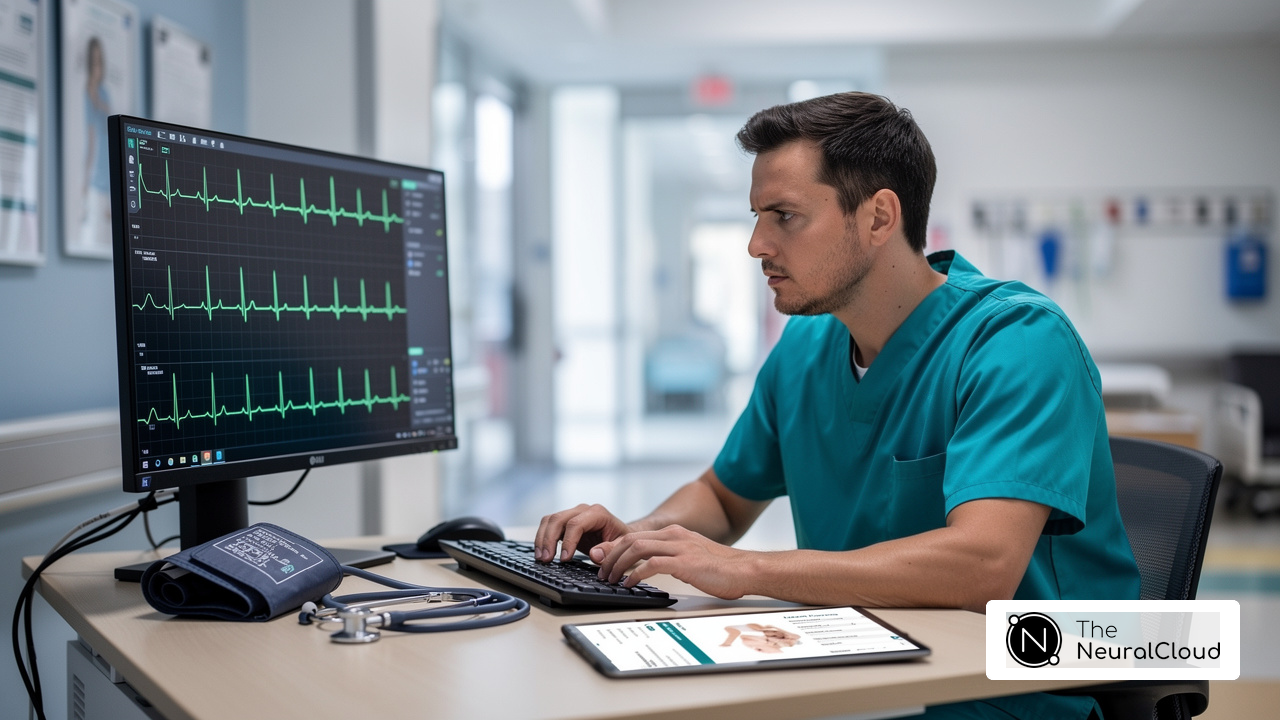
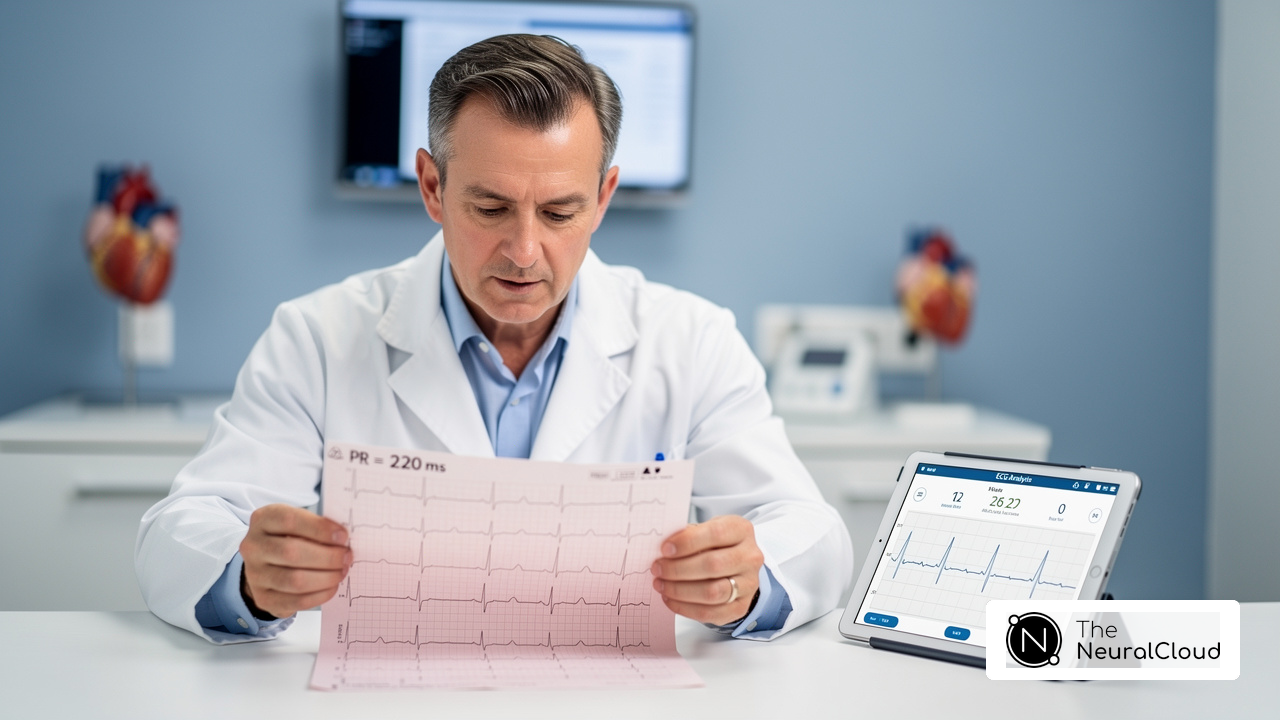
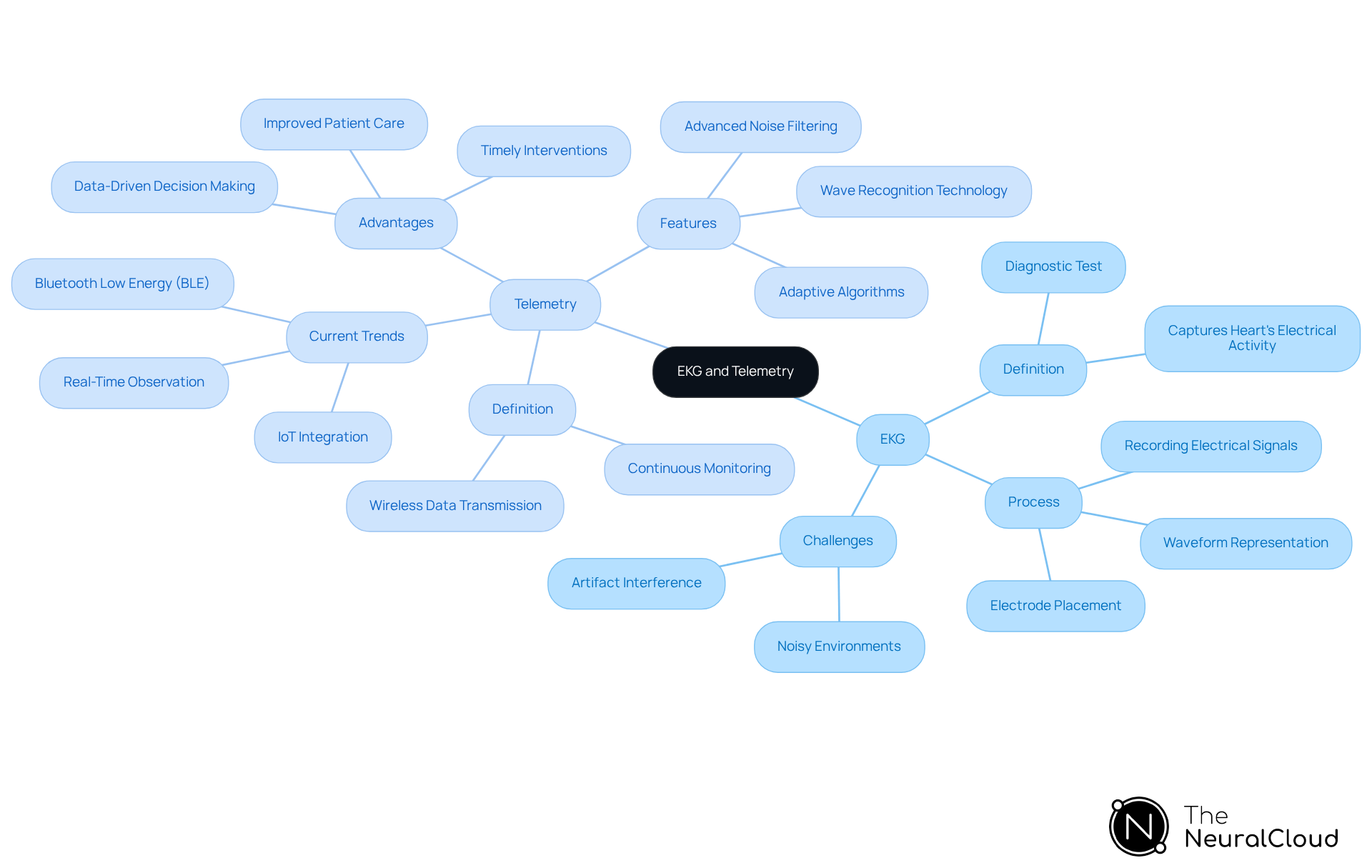
An electrocardiogram (EKG or ECG) is a diagnostic test that captures the heart's electrical activity over time, offering critical insights into heart rhythm and function. This process involves placing electrodes on the skin to record electrical signals, which are then represented as waveforms. In contrast, remote monitoring involves the tracking of an individual's heart activity, often employing wireless technology to transmit data to a central monitoring station. While EKGs provide a brief overview of heart activity, the analysis shows that remote monitoring enables continuous observation, making it vital in acute care settings.
Current trends suggest that hospitals are increasingly implementing telemetry systems, motivated by the necessity for real-time observation of patients and data-informed decision-making. For example, the incorporation of IoT innovations, including Bluetooth Low Energy (BLE), has improved the capabilities of telemetry, enabling thorough monitoring of patients' conditions and locations. This shift not only enhances patient care but also addresses challenges such as alarm fatigue, which can arise from the average of 350 alarms triggered per patient daily.
Challenges in Telemetry
Despite advancements, telemetry faces challenges, particularly in noisy environments. Neural Cloud Solutions' technology revolutionizes monitoring by identifying and labeling critical data even in recordings with high levels of noise and artifact. This innovation and wave recognition technology allows for the rapid isolation of ECG waves from recordings affected by baseline wander, movement, and muscle artifact.
Features of MaxYield™
- Noise Isolation: Isolates ECG waves from noise, ensuring clarity.
- Wave Recognition Technology: Accurately identifies and labels critical data.
- Adaptive Algorithms: Enhances diagnostic yield by addressing physiological variability.
By incorporating MaxYield™ with telemetry systems, healthcare providers can significantly enhance the efficiency of analysis when comparing patient data. This integration addresses inefficiencies and improves diagnostic yield, ultimately benefiting patient outcomes.
Advantages for Healthcare Professionals
Real-world instances of telemetry encompass its use in elder care, where stable vital signs are essential for older individuals. Telemetry systems assist in monitoring these individuals effectively, ensuring timely interventions when necessary. The technology demonstrates modern solutions, created to simplify observation procedures and improve care for patients. Moreover, it is essential for technicians in data transmission to comprehend the Internet of Things (IoT) and cybersecurity to safeguard user information and adjust to the changing environment of medical technology.
Contrast EKG and Telemetry: Key Differences in Procedures and Applications
The fundamental distinction in the operational scope and duration is best understood through the comparison of EKG and telemetry. EKGs, typically conducted in clinical environments, provide a brief assessment of heart activity, lasting approximately 5 to 10 minutes. They play a vital role in diagnosing conditions such as arrhythmias and myocardial infarctions, offering immediate insights into cardiac health.
In contrast, remote monitoring is designed for ongoing observation, particularly in medical settings where individuals require careful supervision, such as during recovery from surgery or in intensive care units. When comparing EKG and telemetry, it is evident that telemetry systems can operate over extended periods, enabling the detection of transient arrhythmias that may elude standard EKG assessments. This continuous monitoring capability is essential for timely interventions, especially in critical care scenarios where patient safety is paramount.
As healthcare innovation progresses, technologies like Neural Cloud Solutions' MaxYield™ are becoming increasingly common. Advanced algorithms and distinct wave recognition to enhance telemetry, effectively addressing patient monitoring needs. This platform not only automates repetitive tasks, streamlining workflows, but also continuously learns and improves its accuracy and efficiency over time.
For example, the MaxYield™ system has shown considerable advancements in detecting heart attack instances, highlighting the practical applications of these innovations in clinical environments. The features of MaxYield™ include:
- Advanced noise filtering
- Distinct wave recognition
The advantages for healthcare professionals are significant: improved diagnostic accuracy, enhanced workflow efficiency, and better patient outcomes. By integrating such innovative solutions, healthcare providers can ensure they are equipped to deliver the highest standard of care.

Explore Career Paths: EKG vs. Telemetry Technicians
Career paths for EKG and telemetry technicians show distinct differences, especially with advancements from Neural Cloud Solutions' technology. EKG technicians focus on performing electrocardiograms, which requires a solid grasp of cardiac anatomy and skill in interpreting EKG results. They typically work in hospitals, outpatient clinics, and diagnostic labs, preparing patients for examinations and easing any anxiety about procedures. With advanced software, EKG technicians can convert lengthy and noisy ECG recordings into clean, crisp signals, significantly boosting their efficiency and accuracy in analysis.
In contrast, telemetry technicians continuously monitor heart rhythms, which demands strong data interpretation skills and the ability to respond quickly to alarms indicating abnormal heart activity. This role often involves overseeing multiple patients from centralized monitoring stations, making it mentally intensive and requiring sustained focus. The MaxYield™ platform tackles challenges in telemetry by swiftly isolating artifacts from recordings affected by baseline wander, movement, and muscle artifact, thereby enhancing the overall monitoring process.
The skill sets for these positions diverge significantly, especially in the context of patient care. EKG technicians must excel in technical proficiency with EKG machines and possess keen attention to detail for accurate result interpretation. Communication skills are crucial, as they interact with patients and collaborate with healthcare teams. Telemetry technicians, on the other hand, require analytical skills to actively assess and make real-time clinical decisions. They must also demonstrate resilience under pressure, facing challenges such as alarm fatigue and the need for quick, accurate responses during cardiac emergencies.
As of January 2026, the median salary is $24.71, reflecting the demand for skilled technicians. The job market is expected to rise, driven by the increasing prevalence of heart ailments and an aging population. The Bureau of Labor Statistics forecasts a 10% increase in EKG technician positions from 2020 to 2030. This growth underscores the importance of both roles in delivering high-quality patient care and the potential for career advancement within the healthcare field, particularly as innovations like MaxYield™ continue to transform monitoring practices.

Integrate Technology: Enhancing EKG and Telemetry with Advanced Solutions
Incorporating technology is fundamentally transforming practices in cardiac care, particularly in the context of EKG and telemetry. One notable example is Neural Cloud Solutions' MaxYield™ platform, which automates ECG analysis. This platform enhances the clarity and accuracy of readings through advanced noise filtering and automation methodologies. By streamlining data processing, it allows healthcare professionals to focus on critical decision-making rather than time-consuming manual tasks.
The MaxYield™ platform offers several key features:
- Automation: Reduces the time spent on manual interpretation.
- Efficiency: Increases the speed of data processing.
- Accessibility: Enables quicker access to vital information.
These features translate into significant advantages for healthcare professionals. With advanced technology, clinicians can make faster, more informed decisions, ultimately leading to improved patient outcomes. Additionally, the rise of telehealth in healthcare facilitates remote monitoring. This shift not only enhances accessibility to cardiac care but also underscores the profound implications of technological advancements in the field.

Conclusion
The exploration of EKG and telemetry highlights critical distinctions in their functions and applications within healthcare. Both are essential for monitoring heart health, but EKGs provide a snapshot of cardiac activity, while telemetry offers continuous observation, making it indispensable in acute care settings. Understanding these differences is vital for healthcare professionals navigating the evolving landscape of cardiac monitoring technologies.
Key insights from the article emphasize the advancements brought by technologies like Neural Cloud Solutions' MaxYield™, which enhances ECG analysis through improved noise filtering and automation. These features streamline workflows for EKG and telemetry technicians, significantly improving diagnostic accuracy and patient outcomes. The growing demand for skilled technicians in both areas underscores the importance of these roles in delivering high-quality care.
As healthcare continues to integrate advanced technologies, the implications for EKG and telemetry monitoring are profound. Professionals in this field must embrace these changes, equipping themselves with the necessary skills and knowledge to adapt to new tools and methodologies. By doing so, they can ensure they are at the forefront of delivering effective cardiac care, ultimately benefiting patients and the healthcare system as a whole.
Frequently Asked Questions
What is an electrocardiogram (EKG or ECG)?
An electrocardiogram (EKG or ECG) is a diagnostic test that captures the heart's electrical activity over time, providing critical insights into heart rhythm and function by recording electrical signals through electrodes placed on the skin.
How does telemetry differ from an EKG?
Telemetry involves continuous observation of an individual's heart activity, often using wireless technology to transmit data to a central monitoring station, whereas an EKG provides a brief overview of heart activity.
Why are hospitals increasingly implementing telemetry monitoring systems?
Hospitals are implementing telemetry systems to enable real-time observation of patients and data-informed decision-making, improving patient care and addressing challenges such as alarm fatigue.
What role do IoT innovations play in telemetry?
IoT innovations, including Bluetooth Low Energy (BLE), enhance telemetry capabilities by allowing thorough monitoring of individuals' conditions and locations, which improves patient care.
What challenges are faced in ECG analysis?
ECG analysis faces challenges in noisy environments, where artifacts can interfere with the accuracy of the readings.
How does Neural Cloud Solutions' MaxYield™ platform improve ECG analysis?
MaxYield™ improves ECG analysis by using advanced noise filtering and wave recognition technology to identify and label critical data even in recordings with high levels of noise and artifact.
What are the key features of the MaxYield™ platform?
Key features include advanced noise filtering that isolates ECG waves from noise, wave recognition technology that accurately identifies and labels critical data, and adaptive algorithms that enhance diagnostic yield by addressing physiological variability.
How does the integration of MaxYield™ benefit healthcare providers?
Integrating MaxYield™ with monitoring systems enhances the efficiency of ECG analysis, improves diagnostic yield, and ultimately benefits patient outcomes.
What is the significance of telemetry systems in elder care?
Telemetry systems are significant in elder care as they assist in effectively monitoring stable vital signs for older individuals, ensuring timely interventions when necessary.
What should technicians understand regarding data transmission in telemetry?
Technicians should comprehend the Internet of Things (IoT) and cybersecurity to safeguard user information and adapt to the evolving landscape of medical technology.
List of Sources
- Define EKG and Telemetry: Core Concepts and Functions
- usa.philips.com (https://usa.philips.com/a-w/about/news/archive/standard/news/press/2025/philips-launches-smart-telemetry-platform-for-cardiac-monitoring-that-provides-continuous-enterprise-wide-connectivity-beyond-the-bedside.html?srsltid=AfmBOoqhAuG2oaOUrY8y8MI3vGIz5RkYnUjs4P59V2UxHJDXnIIBGr4B)
- massdevice.com (https://massdevice.com/philips-launches-smart-telemetry-platform-for-cardiac-monitoring)
- nationaltelemetryassociation.org (https://nationaltelemetryassociation.org/how-telemetry-is-changing-in-todays-health-care-system)
- gehealthcare.com (https://gehealthcare.com/insights/article/retrospective-analysis-of-ecg-data-supports-cardiologists'-clinical-judgment?srsltid=AfmBOoqWFglu7DATk8sUFUZcO83U5Qnv97mW8mxlQR_9w5Uucy3UZf54)
- HeartBeam Receives FDA Clearance for First-Ever, Cable-Free Synthesized 12-Lead ECG for At-Home Arrhythmia Assessment (https://ir.heartbeam.com/news-events/press-releases/detail/107/heartbeam-receives-fda-clearance-for-first-ever-cable-free)
- Contrast EKG and Telemetry: Key Differences in Procedures and Applications
- capecodhealth.org (https://capecodhealth.org/cape-cod-health-news/advances-in-heart-monitoring-technology-pose-new-challenges)
- Keeping Watch: Reviewing Recent Telemetry-Related Events in Pennsylvania Facilities | Published in PATIENT SAFETY (https://patientsafetyj.com/article/154644-keeping-watch-reviewing-recent-telemetry-related-events-in-pennsylvania-facilities)
- imfpjoliet.com (https://imfpjoliet.com/ekg-testing)
- New study finds AI model improves heart attack detection (https://health.ucdavis.edu/news/headlines/new-study-finds-ai-model-improves-heart-attack-detection/2025/11)
- go.beckershospitalreview.com (https://go.beckershospitalreview.com/hitwp/the-future-of-telemetry-care-innovations-you-can-implement-today)
- Explore Career Paths: EKG vs. Telemetry Technicians
- hicuityhealth.com (https://hicuityhealth.com/insights/telemetry-technician-defined)
- Are EKG Technicians in Demand? | TNPTI (https://tnpti.com/blog/are-ekg-technicians-in-demand?p=69FPymrCin8tRb8Rh)
- cnaat.org (https://cnaat.org/post/is-the-future-bright-for-ekg-technicians-exploring-job-outlook-in-the-field)
- What Does a Telemetry Technician Do? (https://carerev.com/blog/what-does-a-telemetry-technician-do-role-training-and-salary)
- How Much Do EKG Technicians Make? Salary By State, Region (https://medicaltechnologyschools.com/ekg-technician/ekg-tech-salary)
- Integrate Technology: Enhancing EKG and Telemetry with Advanced Solutions
- pubmed.ncbi.nlm.nih.gov (https://pubmed.ncbi.nlm.nih.gov/40122590)
- AI-Powered ECG Analysis Offers Promising Path for Early Detection of Chronic Obstructive Pulmonary Disease, Say Mount Sinai Researchers (https://mountsinai.org/about/newsroom/2026/ai-powered-ecg-analysis-offers-promising-path-for-early-detection-of-chronic-obstructive-pulmonary-disease-say-mount-sinai-researchers)
- academic.oup.com (https://academic.oup.com/eurheartj/article/doi/10.1093/eurheartj/ehaf784.1708/8309639)
- Artificial Intelligence and ECG: A New Frontier in Cardiac Diagnostics and Prevention - PMC (https://pmc.ncbi.nlm.nih.gov/articles/PMC12292989)
- Can EKGs read by AI save lives? It's possible, researchers say (https://heart.org/en/news/2023/11/06/can-ekgs-read-by-ai-save-lives-its-possible-researchers-say)