Introduction
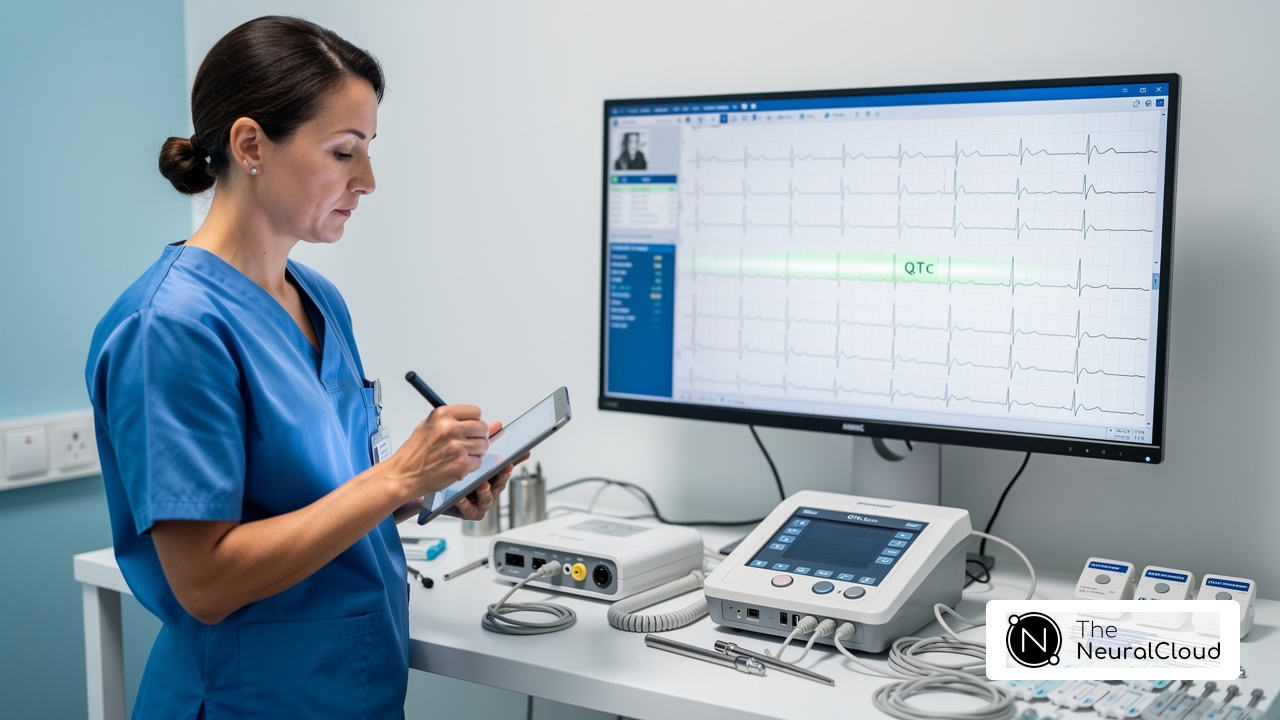
In cardiology, the accuracy of ECG data analysis is crucial, as misinterpretations can jeopardize patient health. Nearly 39% of ECGs are misread, presenting significant challenges for healthcare professionals who face the complexities of cardiac diagnostics. This article explores how advanced technologies and best practices can enhance ECG data analysis and improve patient outcomes. Clinicians can leverage these innovations to address challenges in accuracy and efficiency within their workflows.
Understand the Importance of Accurate ECG Data Analysis
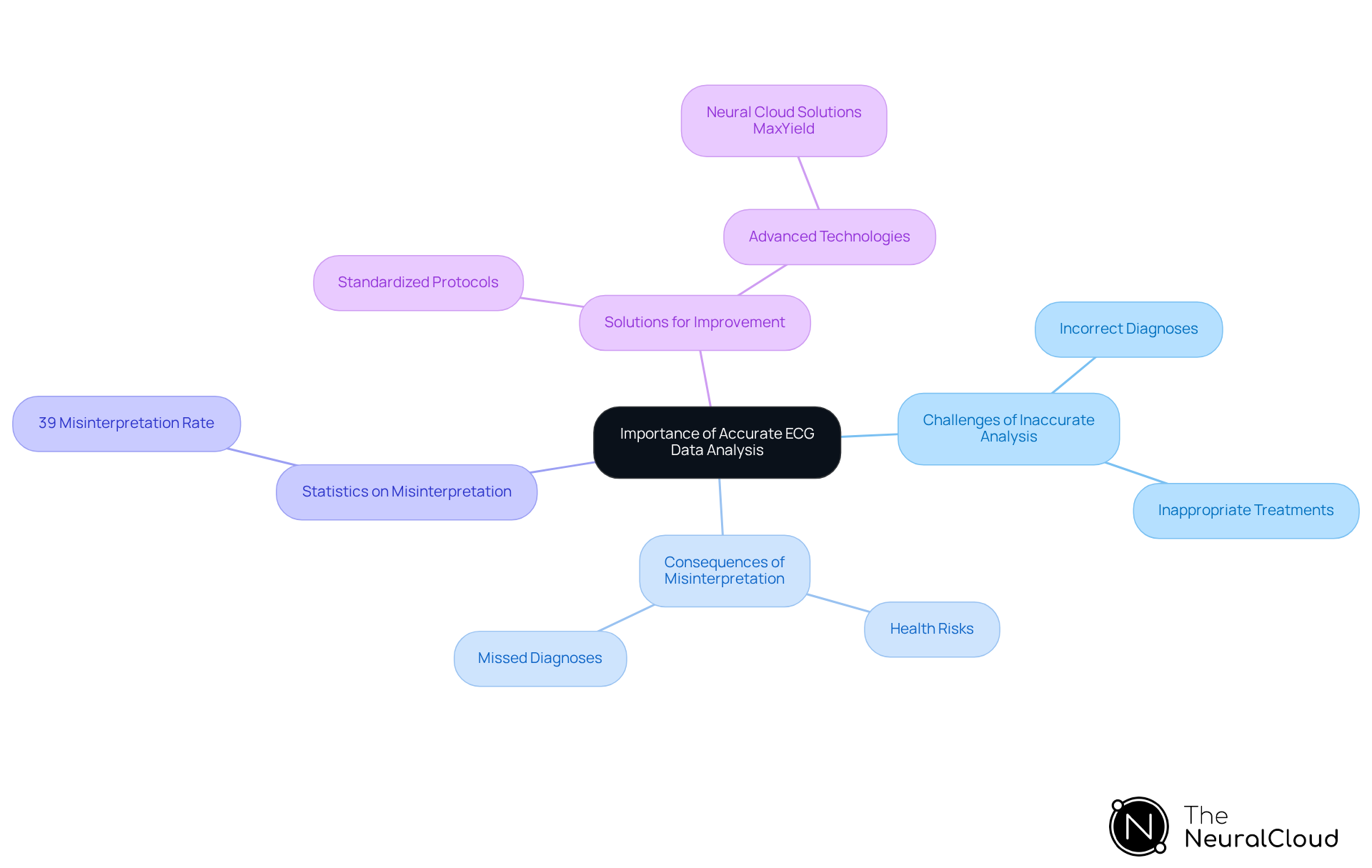
Inaccurate ECG data analysis presents significant challenges in cardiology, affecting the diagnosis of various cardiac conditions. Misinterpretations can lead to incorrect diagnoses, inappropriate treatments, and potentially life-threatening consequences. For instance, recent studies indicate that nearly 39% of ECGs are misinterpreted, highlighting a critical issue in cardiac care. Errors in ECG analysis can result in serious health risks, including missed diagnoses of critical conditions like arrhythmias and myocardial infarctions. This underscores the need for healthcare professionals to prioritize accuracy in ECG data analysis to ensure effective patient care.
Implementing standardized protocols and utilizing advanced technologies like Neural Cloud Solutions' MaxYield can improve the reliability of ECG assessments. This approach not only leads to better clinical decisions but also enhances patient safety. By adopting advanced technologies like MaxYield, healthcare professionals can significantly reduce misinterpretation rates and enhance patient outcomes. Ultimately, embracing advanced technologies like MaxYield can transform ECG data analysis, which leads to improved patient safety and care quality.
Leverage Advanced Technologies for Enhanced ECG Analysis
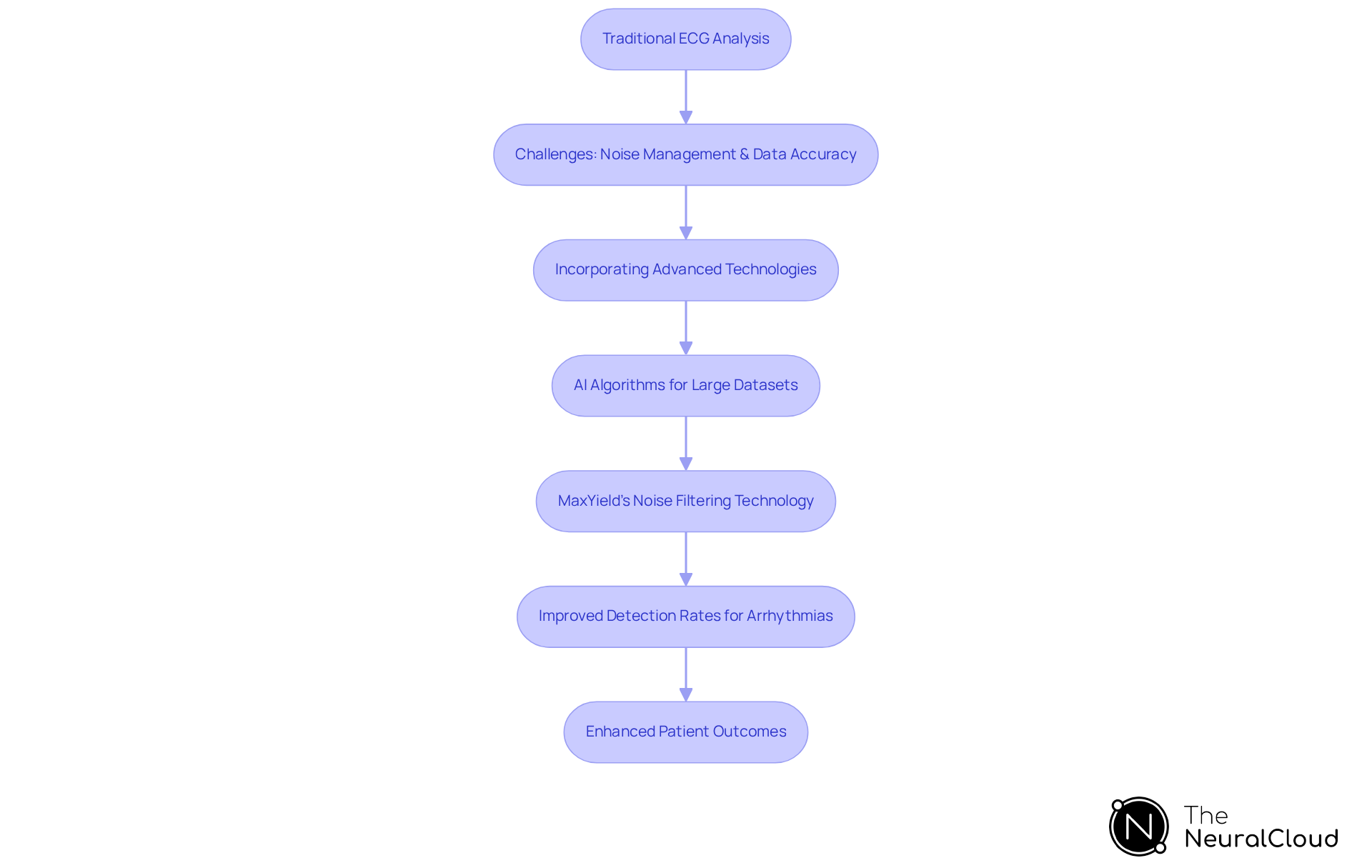
Traditional ECG analysis faces significant challenges, particularly in noise management and data accuracy. Incorporating advanced technologies into ECG data analysis can significantly transform our understanding of cardiac data. AI algorithms quickly conduct ECG data analysis on large datasets, revealing patterns that human analysts might miss, which enhances diagnostic accuracy.
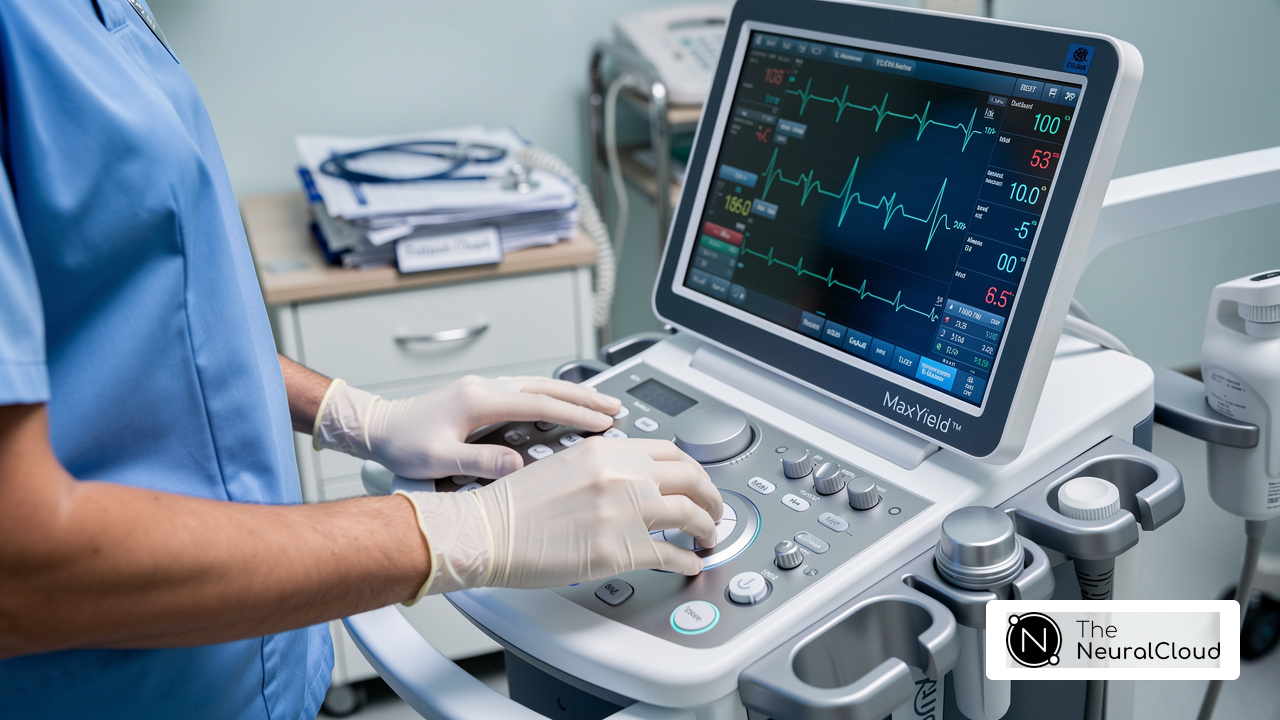
For instance, tools like MaxYield leverage patented signal mapping algorithms to eliminate noise, providing clear cardiac data crucial for accurate diagnoses. MaxYield's noise filtering technology recovers hidden sections of ECG recordings, even in the presence of baseline wander and muscle artifacts. With the capability to process 200,000 heartbeats in under 5 minutes and provide beat-by-beat analysis, MaxYield improves the efficiency of ECG data analysis.
Recent advancements in machine learning have enabled the development of models capable of detecting specific arrhythmias and other abnormalities with remarkable precision. Significantly, AI-driven ECG analysis systems have shown improved detection rates for conditions like atrial fibrillation, enabling prompt medical interventions.
Expert endorsements from Dr. Alan Rabinowitz, Dr. Brett Heilbron, and Dr. Marc W. Deyell emphasize that MaxYield’s precision rivals human interpretation, particularly in its noise reduction benefits. Statistics indicate that AI algorithms can achieve diagnostic accuracy comparable to expert cardiologists, with some models showing a positive predictive value of 0.90 and sensitivity of 0.99 for critical conditions like STEMI.
Harnessing these technologies allows medical providers to enhance the accuracy and efficiency of ECG data analysis, ultimately leading to better patient outcomes and a more proactive approach to cardiac care. Furthermore, with FDA Class II SaMD clearance-pending status and audit-ready documentation supporting GxP inspections, Neural Cloud Solutions Inc. ensures that its solutions meet the highest regulatory standards.
Integrate Advanced ECG Solutions into Existing Workflows
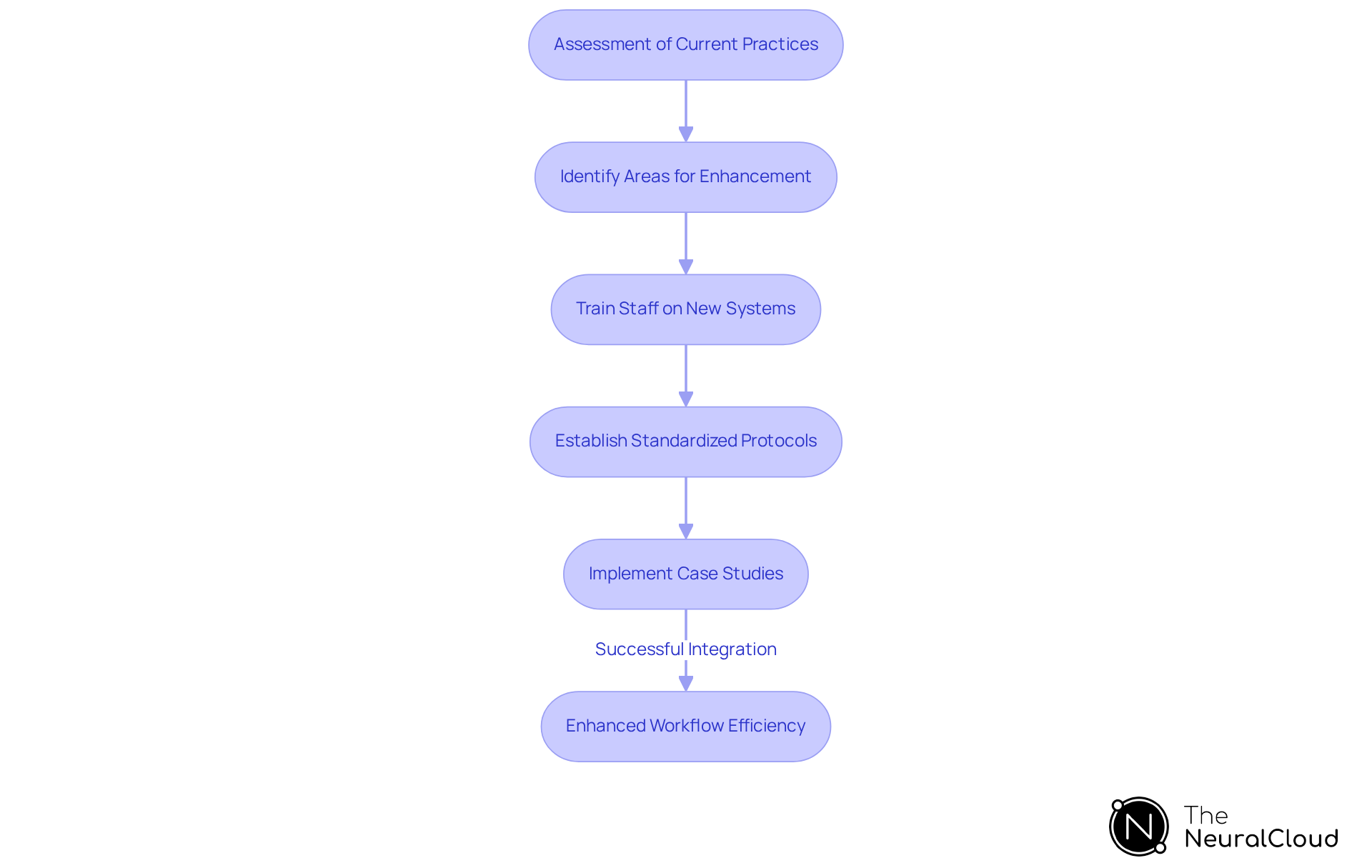
Integrating advanced ECG technologies into existing workflows presents unique challenges for healthcare providers. This process starts with a thorough assessment of current practices to identify areas where new technologies can significantly enhance efficiency. For example, the integration of MaxYield with existing ECG devices facilitates seamless data processing, which reduces disruption without requiring extensive hardware modifications.
It's essential to train staff on these new systems to ensure smooth transitions and maximize the potential of advanced technologies. Establishing standardized protocols for data handling and interpretation can further streamline workflows, significantly reducing the time from data acquisition to clinical decision-making. In fact, studies indicate that organizations prioritizing integration can enhance their diagnostic capabilities by up to 30%, leading to improved outcomes for individuals.
Case studies demonstrate successful implementations, such as the partnership between Philips and Epic, which has streamlined access to ECG data analysis for medical providers, enhancing workflow efficiency in cardiovascular diagnostics. By concentrating on integration, medical facilities can not only enhance their operational efficiency but also raise the quality of patient care. Ultimately, prioritizing integration can lead to a transformative shift in cardiac diagnostics, benefiting both healthcare providers and patients alike.
Commit to Continuous Improvement in ECG Data Practices
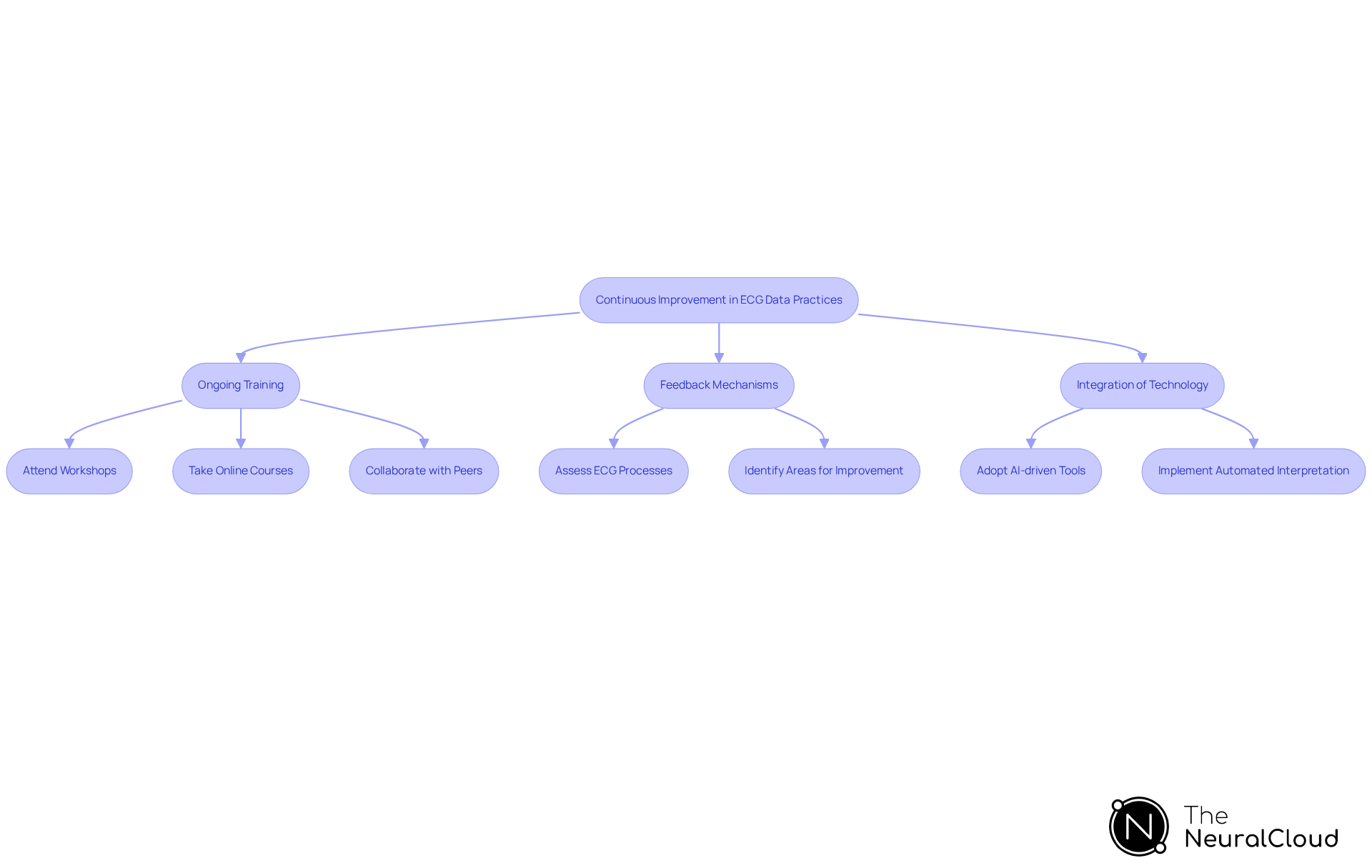
In cardiology, the rapid evolution of ECG technology presents both challenges and opportunities for healthcare professionals. A steadfast commitment to continuous improvement in ECG data analysis practices is essential. Healthcare professionals must engage in ongoing training and education to stay informed about the latest advancements in ECG technology and analysis techniques. This includes:
- Attending workshops
- Taking online courses
- Working with peers to share best practices
For instance, several organizations in Canada offer customized ECG interpretation courses that cater to various learning styles, enabling medical professionals to enhance their skills efficiently.
Additionally, medical facilities need to establish feedback mechanisms to assess how well their ECG analysis processes are working and identify areas for improvement. The integration of advanced AI-driven technologies, which support high-volume ECG data analysis, is crucial for addressing clinical backlogs and improving diagnostic accuracy. As the demand for skilled ECG interpreters rises, especially with the increasing prevalence of heart disease, fostering a culture of continuous learning and adaptation becomes vital. By doing so, healthcare providers can significantly enhance their diagnostic capabilities, ensuring they deliver the highest quality of care to their patients.
Recent studies indicate that arrhythmias are common yet often overlooked in cardiometabolic groups, underscoring the need for improved skills in ECG data analysis. Implementing automated interpretation tools can help manage ECG findings and reporting times, particularly in areas with limited access to specialists. As medical systems face workforce shortages, adopting such technologies will be essential for maintaining high standards of care. By embracing continuous improvement in ECG practices, healthcare professionals can transform patient care and outcomes.
Conclusion
Accurate ECG data analysis is essential for ensuring patient safety and optimizing treatment outcomes. When healthcare professionals focus on integrating advanced technologies like Neural Cloud Solutions Inc.'s MaxYield, they can enhance the reliability of ECG assessments. This ultimately leads to improved clinical decisions and better patient care.
Throughout the article, we've explored the challenges of traditional ECG analysis and the transformative potential of AI and machine learning. We've also highlighted the importance of integrating these technologies into existing workflows. Continuous improvement and training are vital for healthcare providers to adapt to evolving practices and technologies, ensuring they remain at the forefront of cardiac care.
Given these insights, it's important for healthcare professionals and organizations to adopt advanced ECG solutions and commit to ongoing education and integration efforts. By doing so, they can significantly enhance diagnostic accuracy, streamline workflows, and ultimately improve patient outcomes in the Canadian healthcare landscape. The journey towards excellence in ECG data analysis is ongoing, and embracing advanced ECG solutions is not just beneficial; it is essential for the future of cardiac care.
Frequently Asked Questions
Why is accurate ECG data analysis important in cardiology?
Accurate ECG data analysis is crucial because inaccuracies can lead to incorrect diagnoses, inappropriate treatments, and potentially life-threatening consequences.
What percentage of ECGs are misinterpreted according to recent studies?
Recent studies indicate that nearly 39% of ECGs are misinterpreted, highlighting a significant issue in cardiac care.
What are the potential health risks associated with errors in ECG analysis?
Errors in ECG analysis can result in serious health risks, including missed diagnoses of critical conditions such as arrhythmias and myocardial infarctions.
How can healthcare professionals improve the reliability of ECG assessments?
Healthcare professionals can improve the reliability of ECG assessments by implementing standardized protocols and utilizing advanced technologies like Neural Cloud Solutions' MaxYield.
What benefits does adopting advanced technologies like MaxYield provide?
Adopting advanced technologies like MaxYield can significantly reduce misinterpretation rates, enhance patient outcomes, and improve overall patient safety and care quality.
List of Sources
- Understand the Importance of Accurate ECG Data Analysis
- Study Demonstrates Accuracy and Reliability of ECG Interpretation by Physicians is Limited | Newswise (https://newswise.com/articles/study-demonstrates-accuracy-and-reliability-of-ecg-interpretation-by-physicians-is-limited)
- How Accurate ECG Interpretation Can Mitigate Healthcare Costs (https://gehealthcare.com/en-ca/insights/article/how-accurate-ecg-interpretation-can-mitigate-healthcare-costs?srsltid=AfmBOorYaaTYYdTloNBsASQDGbL1fHMJ7NkD3y0jJgg_Jq2pZLiI2zHi)
- Checking your browser - reCAPTCHA (https://pmc.ncbi.nlm.nih.gov/articles/PMC12137353)
- New study suggests ECG-AI can detect cardiovascular disease risks sooner - Mayo Clinic News Network (https://newsnetwork.mayoclinic.org/discussion/new-study-suggests-ecg-ai-can-detect-cardiovascular-disease-risks-sooner)
- Leverage Advanced Technologies for Enhanced ECG Analysis
- How is AI transforming ECG interpretation? | AI ECG (https://powerfulmedical.com/blog/how-is-ai-transforming-ecg-interpretation)
- One moment, please... (https://hospitalnews.com/research-study-makes-heart-screening-faster-more-accessible-using-ai)
- With AI, researchers discover new way to detect sudden cardiac death risk - Berkeley News (https://news.berkeley.edu/2026/06/24/with-ai-researchers-discover-new-way-to-detect-sudden-cardiac-death-risk)
- ECG market keeps evolving thanks to AI, home monitoring and Epic integration (https://cardiovascularbusiness.com/topics/cardiac-imaging/electrocardiography-ecg/ecg-market-keeps-evolving-thanks-ai-home-monitoring-and-epic-integration)
- Checking your browser - reCAPTCHA (https://pmc.ncbi.nlm.nih.gov/articles/PMC10145690)
- Integrate Advanced ECG Solutions into Existing Workflows
- ECG market keeps evolving thanks to AI, home monitoring and Epic integration (https://cardiovascularbusiness.com/topics/cardiac-imaging/electrocardiography-ecg/ecg-market-keeps-evolving-thanks-ai-home-monitoring-and-epic-integration)
- Philips Introduces ECG AI Marketplace (https://dicardiology.com/content/philips-introduces-ecg-ai-marketplace)
- Signify Research | Philips launches AI ECG marketplace, global first integration between AliveCor and GE HealthCare, Powerful Medical scores €40 Million ($46m) (https://signifyresearch.net/insights/philips-launches-ai-ecg-marketplace-global-first-integration-between-alivecor-and-ge-healthcare-powerful-medical-scores-e40-million-46m)
- Why integrated ECG should be the next strategic move for cardiology’s leadership (https://gehealthcare.com/en-us/insights/article/turning-data-chaos-into-clinical-clarity?srsltid=AfmBOorPCi7ONuQDJVxV37hlMhYGDkPPzIWOnhg023MnD1YL3uw8HviP)
- Commit to Continuous Improvement in ECG Data Practices
- AccurKardia wins FDA clearance for next-generation ECG analysis system | Medical Economics (https://medicaleconomics.com/view/accurkardia-wins-fda-clearance-for-next-generation-ecg-analysis-system)
- Data presented at ACC.26 further demonstrate the benefits of iRhythm’s Zio® ambulatory ECG portfolio across multiple patient populations as company launches new digital education platform (https://investors.irhythmtech.com/news/news-details/2026/Data-presented-at-ACC-26-further-demonstrate-the-benefits-of-iRhythms-Zio-ambulatory-ECG-portfolio-across-multiple-patient-populations-as-company-launches-new-digital-education-platform/default.aspx)
- Best ECG Interpretation Courses In Canada, in Detail (https://dl.iir.edu.ua/iir-news/best-ecg-interpretation-courses-in-canada-1767647797)
- Researchers unveil method for safeguarding privacy of electrocardiograms (https://news.ku.edu/news/article/researchers-unveil-method-for-safeguarding-privacy-of-electrocardiograms-ARTICLE-AX1VSA-ARTICLE-AX1VSA)