Introduction
The evolution of electrocardiogram technology represents a significant advancement in cardiac care, especially with the introduction of home 12 lead ECGs tailored for patient convenience. This innovative solution enables individuals to monitor their heart health from the comfort of their homes, providing timely data to healthcare professionals and enhancing the potential for early intervention. However, as this technology becomes more prevalent, concerns about its accuracy compared to traditional ECG methods - long regarded as the gold standard in clinical settings - emerge. How do these two approaches compare, and what implications do they hold for the future of patient monitoring?
In addressing these questions, it’s essential to consider the features of home 12 lead ECGs. These devices offer the advantage of real-time monitoring, allowing patients to take proactive steps in managing their heart health. Furthermore, the convenience of at-home testing can lead to increased patient engagement and adherence to monitoring protocols.
The benefits extend beyond patient convenience; healthcare professionals can access critical data more swiftly, facilitating timely interventions when necessary. This shift not only enhances patient outcomes but also streamlines the workflow within healthcare settings. As we explore the implications of this technology, it becomes clear that the future of patient monitoring is evolving, with home ECGs playing a pivotal role.
Understand Home 12 Lead ECG and Traditional ECG
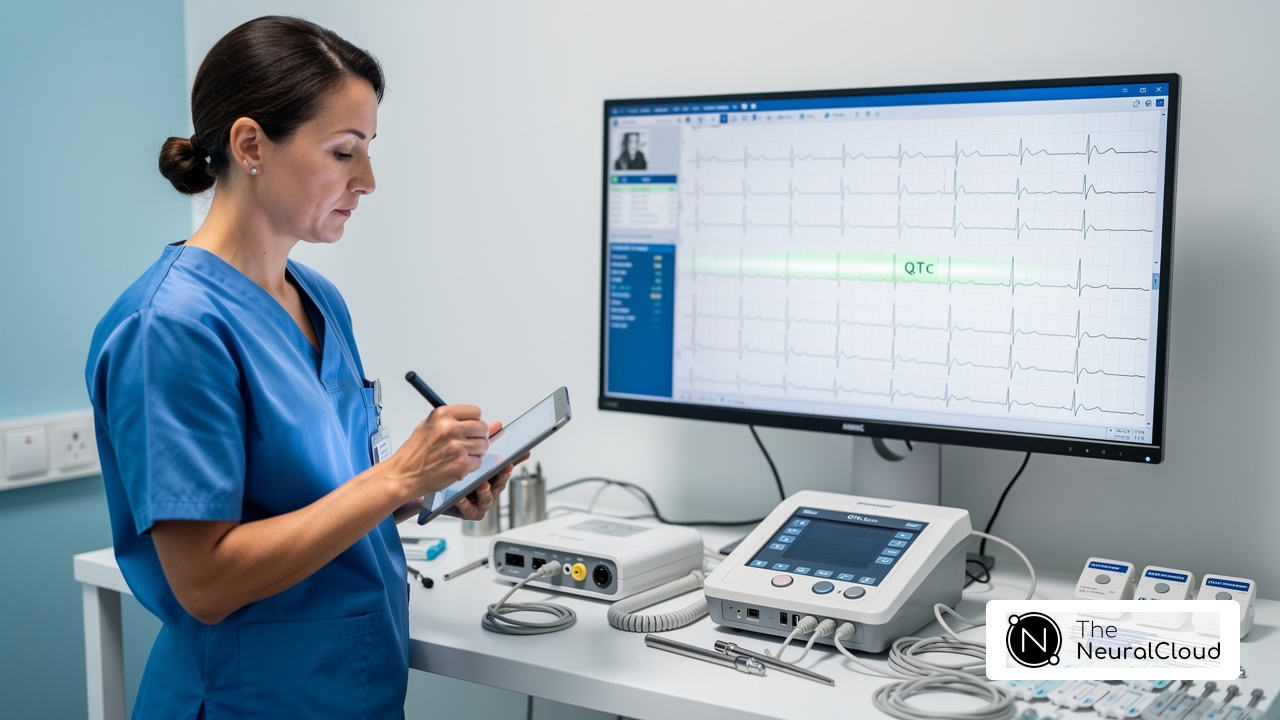
The Home 12 Lead ECG signifies a significant advancement over the traditional 12-lead electrocardiogram, specifically designed for non-clinical settings. This innovative technology empowers patients to take control of their health by using devices that capture and transmit data directly to healthcare providers. In contrast, the traditional ECG necessitates a visit to a healthcare facility, where electrodes are affixed to the skin to gather the heart's electrical signals from multiple angles, offering a thorough assessment of cardiac health.
Both methods aim to monitor heart activity; however, the Home 12 Lead ECG focuses on convenience and accessibility, making it particularly beneficial for patients with chronic conditions. For example, patients with a history of atrial fibrillation (AFib) can conduct regular assessments without the need for frequent clinic visits. Recent statistics reveal that around 2.7 million Americans are living with AFib, underscoring the increasing demand for effective home monitoring solutions.
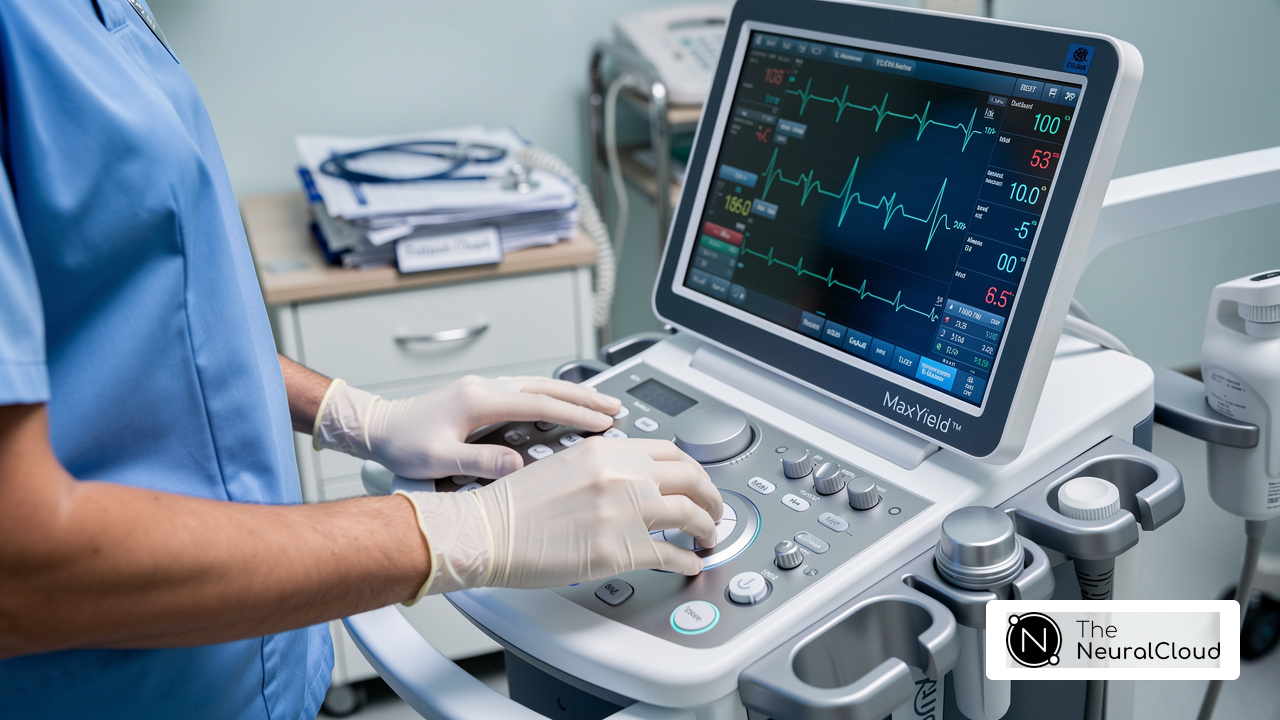
The Neural Cloud Solutions enhances this landscape by providing advanced noise filtering and distinct wave recognition. This enables the Home 12 Lead ECG to deliver accurate results, even in recordings affected by high levels of noise and artifact. Its device-agnostic capabilities facilitate seamless integration with various monitoring systems, ensuring efficient data capture. Additionally, MaxYield™ can recover previously obscured sections of recordings, significantly boosting the efficiency of ECG analysis while being scalable and cost-effective.
Cardiologists have recognized the potential of Home 12 Lead ECG technology, particularly when used alongside solutions like MaxYield™, to improve outcomes for patients. The ability to continuously monitor cardiac rhythms allows for timely interventions. Moreover, the simplicity of at-home monitoring alleviates the anxiety often associated with clinical processes, enabling individuals to focus on their daily activities while ensuring their cardiovascular health is consistently monitored. As the healthcare landscape evolves, the Home 12 Lead ECG, enhanced by innovative technologies like MaxYield™, is set to play a vital role in proactive cardiac care.

Explore Innovations in Home 12 Lead ECG Technology
Recent innovations in home ECG technology have led to significant advancements, particularly with the integration of AI algorithms that enhance signal processing and interpretation. These developments address common challenges in patient monitoring, such as the need for accurate data. Devices like the home 12 lead ECG utilize advanced machine learning techniques to provide real-time analysis, allowing patients to receive immediate insights into their heart health.
The platform from Neural Cloud Solutions exemplifies these advancements by offering comprehensive ECG analysis. This platform accurately maps the heart's electrical activity and adapts to physiological variability, which is crucial for personalized care. Additionally, it incorporates advanced algorithms, ensuring clear interpretation of ECG data. These features not only enhance clarity and efficiency but also alleviate the need for manual input, saving time and resources for healthcare professionals.
Key Features of the home 12 lead ECG:
- Automated labeling of ECG signals
- Accurate mapping of heart activity
The benefits of these features are substantial. By automating the labeling process, the home 12 lead ECG improves the accuracy of ECG interpretations, allowing healthcare providers to make informed decisions more quickly. The portability of these devices, combined with improvements in battery life and electrode technology, has made them more dependable and simpler to use. This encourages greater user compliance and engagement, ultimately leading to better patient outcomes.

Examine the Traditional ECG Methodology and Limitations
involves placing electrodes on an individual's body to capture electrical signals from the heart. While this method is considered the standard, it presents several challenges. Firstly, it necessitates visits to healthcare facilities, which can delay diagnosis and treatment. Additionally, traditional ECGs are often time-consuming, requiring trained personnel to set up the equipment and interpret the results. This reliance on physical infrastructure can lead to increased costs and reduced accessibility for patients in remote areas.
Moreover, conventional ECGs may not effectively capture transient events, as they typically record information for a limited duration. This limitation makes it challenging to detect episodic heart conditions. Neural Cloud Solutions addresses these challenges through its innovative platform, which evolves with each use to maximize diagnostic accuracy over time.
Features of MaxYield™:
- Continuous Learning Model: Adapts with each use to enhance diagnostic capabilities.
- Automation of Manual Tasks: Reduces workload for healthcare providers.
- Advanced Algorithms: Improves identification and interpretation of heart conditions.
As noted by Nikita Rafie, "Despite these advances in data collection, there remain barriers as to how to ideally transmit, interpret, and use this ECG data clinically." The growing number of almost 200 million ECGs documented each year globally highlights the pressing necessity for more effective and accessible solutions. Neural Cloud Solutions provides these solutions, improving care and outcomes for patients.
Compare Advantages and Disadvantages of Home vs. Traditional ECG
When comparing home ECG and traditional ECG, distinct advantages and disadvantages emerge. Home ECGs provide remarkable convenience, allowing individuals to monitor their heart health from home. This accessibility can lead to improved health outcomes, ultimately resulting in better patient engagement. For example, studies show that home ECGs can save healthcare systems significant amounts by reducing unnecessary hospital visits and facilitating timely interventions. A recent analysis indicated that the incremental cost-effectiveness ratio (ICER) for home ECG screening interventions is approximately 31.07 USD per life-year saved, highlighting their financial viability in high-risk populations.
However, the accuracy of the home ECG can vary, influenced by user technique and device quality. In contrast, traditional ECGs are conducted in clinical settings, providing comprehensive data interpreted by trained professionals, ensuring high accuracy. Despite their reliability, traditional ECGs are less accessible, often requiring more time and incurring higher costs due to specialized equipment and personnel.
It is important to note that while home ECGs empower individuals, they may not always achieve the accuracy of conventional methods. The decision between these two approaches ultimately hinges on individual needs, preferences, and the specific clinical context, underscoring the importance of tailored healthcare solutions.

Assess Implications for Patient Monitoring Choices
The choice between home 12 lead ECG and traditional ECG for monitoring individuals carries significant implications for patient care. Home ECG technology empowers individuals to take an active role in their health, enabling self-monitoring. This shift towards remote monitoring enhances adherence to treatment plans, leading to improved health outcomes. For example, studies show that patients using remote monitoring tools manage chronic conditions more effectively, with better control of symptoms.
The technology from Neural Cloud Solutions integrates AI and machine learning to enhance ECG interpretation precision and efficiency. Key features include:
- Advanced noise filtering
- Distinct wave recognition
These features allow for the identification and labeling of critical data, even in recordings with high noise levels. This capability alleviates some pressures on healthcare systems, as AI can detect hard-to-identify anomalies in seconds, significantly improving diagnostic capabilities. Additionally, the Continuous Learning Model in MaxYield™ ensures that the algorithm evolves with each use, continuously enhancing its accuracy and efficiency over time.
To fully leverage these advancements, thorough education on the effective use of these devices is essential. This education enables individuals to maximize the benefits of home monitoring, which is becoming increasingly vital as healthcare evolves towards more remote and personalized care models.
As cardiovascular monitoring continues to evolve, the role of home ECG technology is set to expand, providing new avenues for early detection and management of heart conditions. This shift ultimately leads to better patient outcomes. Furthermore, the global market for remote monitoring is projected to grow at a compound annual growth rate of about 20% from 2023 to 2028, underscoring the increasing relevance of telehealth solutions in the healthcare landscape.
Conclusion
The exploration of home 12 lead ECG technology highlights a significant shift in cardiac monitoring, contrasting sharply with traditional ECG methods. This advancement enhances patient convenience and accessibility, empowering individuals to actively engage in their health management. Monitoring heart activity from home represents a leap towards personalized healthcare, ensuring timely interventions and potentially better health outcomes.
Key insights reveal that while home 12 lead ECGs offer numerous advantages - such as continuous monitoring and reduced healthcare costs - they also present challenges, including variability in accuracy depending on user technique. In contrast, traditional ECGs provide high diagnostic precision but are less accessible and can delay treatment due to the need for clinical visits. The integration of innovative platforms like Neural Cloud Solutions' MaxYield™ further underscores the potential of home monitoring technologies, enhancing data interpretation and diagnostic capabilities.
As the landscape of patient monitoring evolves, embracing home 12 lead ECG technology can lead to significant improvements in heart health management. Individuals are encouraged to stay informed about these advancements, as they pave the way for a future where proactive cardiac care is not just an option but a standard. The growing relevance of remote monitoring solutions indicates a promising direction for healthcare, ultimately fostering a system that prioritizes patient engagement and early detection of cardiovascular issues.
Frequently Asked Questions
What is the home 12 lead ECG and how does it differ from a traditional ECG?
The home 12 lead ECG is an advanced technology that allows patients to monitor their cardiac electrical activity from home using portable devices. Unlike traditional ECGs, which require a visit to a healthcare facility for electrode placement, the home version offers convenience and accessibility for continuous monitoring.
What are the advantages of using a home 12 lead ECG?
The home 12 lead ECG provides benefits such as convenience for patients, the ability for continuous monitoring, and early detection of cardiac issues. It is particularly useful for patients with conditions like atrial fibrillation (AFib), allowing them to conduct regular assessments without frequent clinic visits.
How does the MaxYield™ platform enhance home 12 lead ECG technology?
The MaxYield™ platform improves home 12 lead ECG technology by offering advanced noise filtering, distinct wave recognition, and automated labeling of critical information. It is device-agnostic, allowing integration with various ECG devices and recovering previously obscured sections of recordings for efficient ECG analysis.
What role does AI play in the advancements of home 12 lead ECG technology?
AI algorithms enhance signal processing and interpretation in home 12 lead ECG technology, addressing challenges in ECG analysis. Devices like the Kardia 12L use machine learning to provide real-time analysis and feedback, offering immediate insights into heart health.
What are some key features of the MaxYield™ platform?
Key features of the MaxYield™ platform include automated labeling of ECG signals, accurate mapping of PQRST waveforms, and advanced noise reduction and artifact handling.
How do innovations in home 12 lead ECG technology improve patient outcomes?
Innovations such as the MaxYield™ platform improve the accuracy of ECG interpretations, allowing healthcare providers to make quicker informed decisions. The portability and improved battery life of these devices encourage greater user compliance and engagement, ultimately leading to better patient outcomes.
Why is continuous monitoring of cardiac rhythms important?
Continuous monitoring of cardiac rhythms is crucial for timely interventions, which can prevent serious health complications. It alleviates anxiety associated with traditional ECG processes and allows individuals to maintain focus on their daily activities while ensuring their cardiovascular health is monitored.
List of Sources
- Understand Home 12 Lead ECG and Traditional ECG
- zacks.com (https://zacks.com/stock/news/2802712/beat-secures-fda-nod-for-first-cable-free-at-home-12-lead-ecg-system)
- mclaren.org (https://mclaren.org/main/news/should-you-trust-your-heart-to-a-home-ecg-test-4351)
- Top 5 Benefits of Using a Continuous Portable ECG Monitor for Heart Health - Biotricity (https://biotricity.com/2024/10/29/top-5-benefits-of-using-a-continuous-portable-ecg-monitor-for-heart-health)
- HeartBeam Receives FDA Clearance for First-Ever, Cable-Free Synthesized 12-Lead ECG for At-Home Arrhythmia Assessment (https://ir.heartbeam.com/news-events/press-releases/detail/107/heartbeam-receives-fda-clearance-for-first-ever-cable-free)
- Explore Innovations in Home 12 Lead ECG Technology
- linkedin.com (https://linkedin.com/pulse/detailed-analysis-12-lead-ecg-monitor-mhvjc)
- 20 hospital execs' most thought-provoking quotes on health IT in 2021 - Becker's Hospital Review | Healthcare News & Analysis (https://beckershospitalreview.com/healthcare-information-technology/innovation/20-hospital-execs-most-thought-provoking-quotes-on-health-it-in-2021)
- 10 Insights from Healthcare Innovators: The Best Quotes from the ‘Leader to Leader’ Podcast in 2024 - Healthcare IT Leaders (https://healthcareitleaders.com/blog/insights-from-healthcare-innovators)
- Top 10 Quotes From Harvard's First Forum On Healthcare Innovation (https://forbes.com/sites/danmunro/2013/07/09/top-10-quotes-from-harvards-first-forum-on-healthcare-innovation)
- Examine the Traditional ECG Methodology and Limitations
- mdpi.com (https://mdpi.com/2673-3846/2/4/39)
- researchgate.net (https://researchgate.net/publication/5826582_Pulling_It_All_Together_Case_Studies_on_ECG_Monitoring)
- pubmed.ncbi.nlm.nih.gov (https://pubmed.ncbi.nlm.nih.gov/18019521)
- quotefancy.com (https://quotefancy.com/quote/1771400/Debra-Evans-Life-is-like-an-EKG-Without-the-ups-and-downs-you-re-not-living)
- Compare Advantages and Disadvantages of Home vs. Traditional ECG
- Study Shows Promising Results for ECG Technology (https://dicardiology.com/content/study-shows-promising-results-ecg-technology)
- pmc.ncbi.nlm.nih.gov (https://pmc.ncbi.nlm.nih.gov/articles/PMC8678108)
- 12-Lead ECG vs Holter vs Handheld Devices (https://powerfulmedical.com/blog/12-lead-ecg-ambulatory-ecg-holter-and-handheld-devices-which-is-right-for-your-patients)
- Assess Implications for Patient Monitoring Choices
- 27 Remote Patient Monitoring Statistics Every Practice Should Know (https://blog.prevounce.com/27-remote-patient-monitoring-statistics-every-practice-should-know)
- FDA clears 12-lead, cable-free home ECG monitoring system (https://cardiovascularbusiness.com/topics/cardiac-imaging/electrocardiography-ecg/fda-clears-12-lead-cable-free-home-ecg-monitoring-system)
- Key Remote Patient Monitoring Statistics You Should Know (https://healtharc.io/blogs/key-remote-patient-monitoring-statistics-every-practice-should-know)
- medicalnewstoday.com (https://medicalnewstoday.com/articles/ecg-monitor)
- coachcare.com (https://coachcare.com/2023/04/27/14-surprising-statistics-about-remote-patient-monitoring.html)