Introduction
The electrocardiogram (EKG) is a fundamental tool in cardiovascular diagnostics, providing critical insights into the heart's electrical activity and overall health. As healthcare professionals increasingly depend on this technology, grasping the intricacies of EKG accuracy is essential. Various factors can distort these readings, and advanced technologies have the potential to enhance their reliability.
This article explores the key components of EKGs, the challenges they encounter, and innovative solutions that aim to improve diagnostic precision. By examining these elements, we can better understand the true accuracy of an EKG.
Understand the Basics of EKGs: Definition and Purpose
An electrocardiogram (EKG or ECG) is a vital diagnostic tool that records the heart's electrical activity over time. It plays a crucial role in evaluating cardiovascular health, diagnosing arrhythmias, and identifying various cardiac conditions. This test provides a visual representation of the heart's electrical impulses, which can be analyzed to assess the heart's rhythm and overall function.
Understanding the key components of an EKG - specifically the P wave, QRS complex, and T wave - is essential for accurate interpretation. The P wave reflects atrial depolarization, the QRS complex indicates ventricular depolarization, and the T wave represents ventricular repolarization. Recognizing these patterns is critical in evaluating how accurate is an EKG for diagnosing potential cardiac issues.
Cardiologists highlight the importance of EKGs in clinical practice, noting their indispensable role in diagnosing arrhythmias and other heart-related conditions. A significant percentage of healthcare professionals incorporate EKGs into routine heart health assessments, underscoring their value in preventive care. Real-world examples show that EKGs are effective not only in emergency settings but also in routine screenings, helping to identify conditions before they develop into serious health issues.
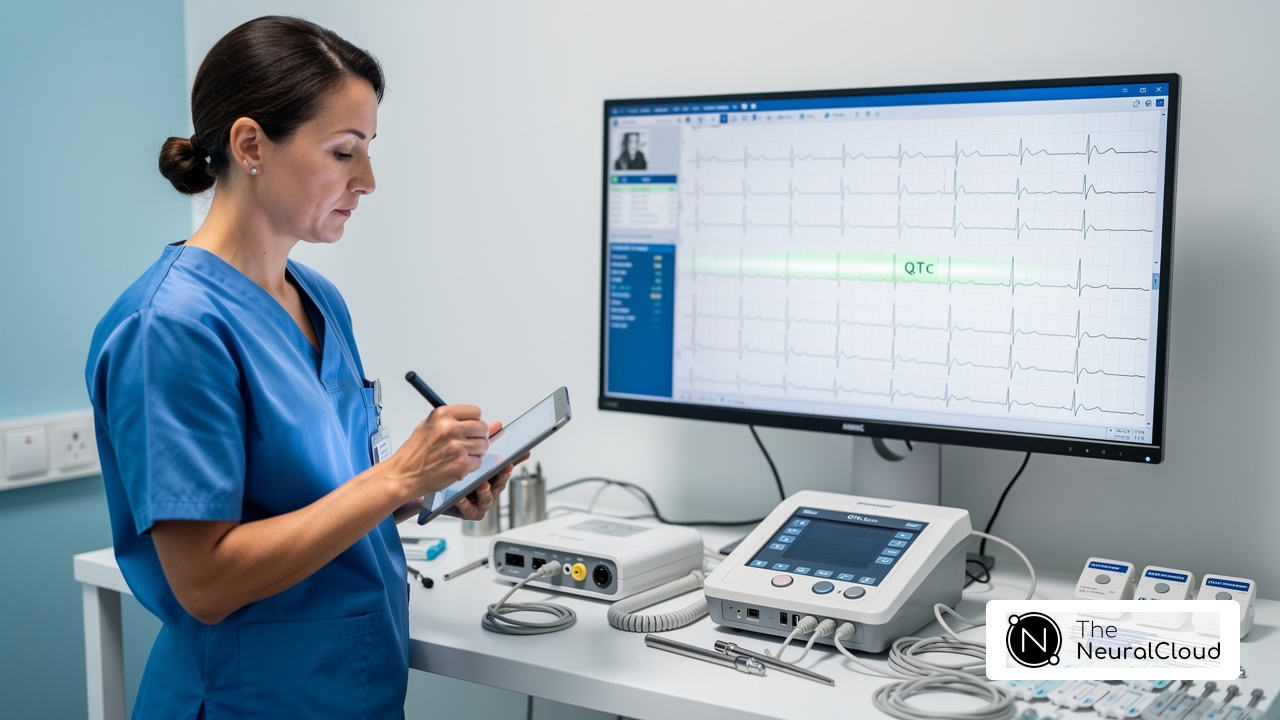
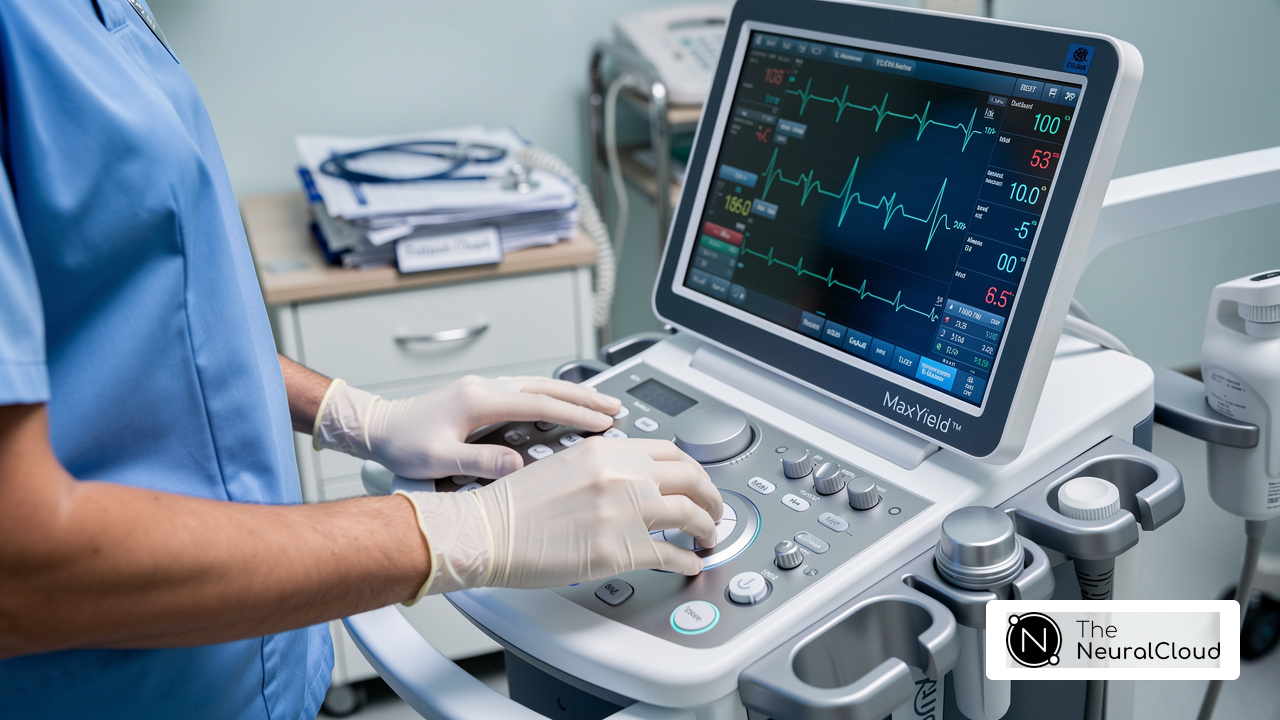
However, ECG analysis faces challenges, including physiological variability and signal artifacts. The integration of advanced technologies, such as AI-enhanced EKG analysis through platforms like MaxYield™, addresses these issues effectively. MaxYield™ maps ECG signals through noise, isolating and labeling key features in every heartbeat. This allows for beat-by-beat analysis and the rapid output of 200,000 heartbeats in under 5 minutes. Such capabilities enable the detection of subtle abnormalities that may be missed in traditional evaluations.
Features of MaxYield™:
- AI-enhanced analysis for improved accuracy
- Rapid processing of large volumes of data
- Isolation of key features in ECG signals
Advantages for Healthcare Professionals:
- Enhanced diagnostic precision
- Early detection of potential cardiac issues
- Improved patient outcomes through timely interventions
As Jocelyn Jeras, a Practice Administrator, states, "Understanding the benefits of EKG testing helps patients make informed decisions about their cardiovascular health and potentially life-saving medical care." Consequently, EKGs remain one of the most efficient diagnostic tools for evaluating cardiac health, prompting inquiries about how accurate is an EKG, especially when enhanced by innovative solutions like MaxYield™.

Identify Factors Affecting EKG Accuracy: Patient and Equipment Considerations
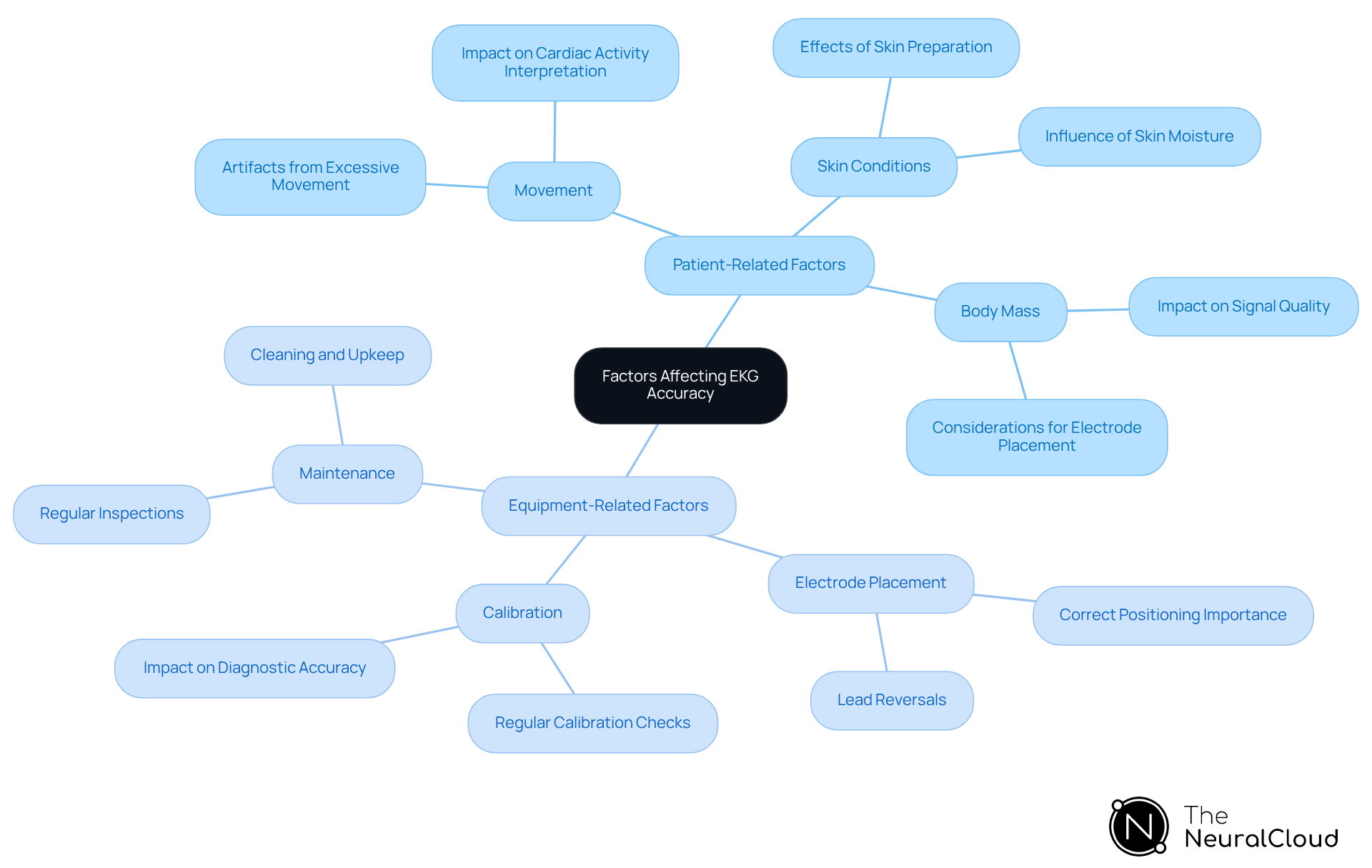
Various factors, particularly those related to the patient and the equipment used, can significantly influence how accurate is an EKG reading. Patient-related factors, such as movement, skin conditions, and body mass, can introduce noise and distort the electrical signals captured during the test. For instance, excessive movement can create artifacts that obscure true cardiac activity, leading to misinterpretations. A systematic review has shown that up to 30% of clinically significant arrhythmias may be missed when patients are monitored for only 24-48 hours, highlighting the importance of minimizing movement during EKG acquisition.
Equipment-related factors are equally critical. Proper electrode placement is essential; incorrect positioning can lead to significant misinterpretations of the heart's electrical activity. Studies indicate that 5% of all ECGs performed may have lead reversals, complicating diagnosis. Additionally, ensuring that the EKG machine is well-calibrated and functioning correctly is vital for obtaining reliable results. Regular inspections and maintenance of EKG machines, including checking cables and electrodes, can prevent performance issues and enhance diagnostic accuracy.
Neural Cloud Solutions' proprietary technology addresses these challenges by rapidly labeling P, QRS, and T Wave onsets, offsets, and time-series intervals. This provides a beat-by-beat tabulation in CSV format for easy ingestion into current workflows. This automation allows healthcare professionals to analyze more data in less time, enabling clearer data sets and cleaner signals. Furthermore, the sensitivity for atrial flutter can increase from 27.3% to 72.7% by repositioning the electrode, illustrating the critical role of proper electrode placement in achieving accurate readings.
As Mohammed Abuzahra, M.D., emphasizes, "Considering the patient’s complete clinical history and utilizing advanced technologies can significantly enhance diagnostic accuracy and treatment decisions." This underscores the necessity for clinicians to be vigilant about both patient and equipment-related factors to minimize errors in interpreting how accurate is an EKG and improve patient outcomes.
Analyze EKG Results: Step-by-Step Interpretation Techniques
To effectively analyze EKG results, healthcare professionals can follow these systematic steps:
- Assess the Heart Rate: Count the number of QRS complexes in a 6-second strip and multiply by 10 to estimate the beats per minute. Normal heart rates range from 60 to 100 bpm, with tachycardia defined as rates over 100 bpm. This automated counting process ensures accuracy and efficiency.
- Evaluate the Rhythm: Determine if the rhythm is regular or irregular by measuring the intervals between R peaks. Regular rhythms exhibit consistent R-R intervals, while irregular rhythms may be regularly or irregularly irregular. MaxYield™ provides real-time analysis to quickly identify rhythm irregularities.
- Examine the P Oscillations: Check for the presence and shape of P oscillations before each QRS complex to assess atrial activity. An upright P deflection in leads II, III, and aVF indicates a normal sinus rhythm. The MaxYield™ system enhances this examination by automating P signal detection and analysis.
- Measure the PR Interval: Calculate the duration from the beginning of the P wave to the start of the QRS complex; a normal PR interval is between 120-200 ms. Prolonged intervals may indicate first-degree AV block. This system streamlines the measurement process, reducing manual errors.
- Analyze the QRS Complex: Measure the width and morphology of the QRS complex; a normal duration is less than 120 ms. Abnormalities in the QRS can indicate underlying heart disease or conduction issues. MaxYield™ aids in identifying these abnormalities through advanced algorithms.
- Review the T Forms: Evaluate the T forms for their shape and direction, which can indicate repolarization issues. Abnormal T patterns may suggest ischemia or electrolyte imbalances. This technology automates T wave analysis, prompting inquiries about how accurate is an EKG.
By systematically following these steps, healthcare professionals can improve their interpretation skills, leading to enhanced diagnostic accuracy and better patient outcomes. The integration of Neural Cloud Solutions' platform can further streamline this process through automated ECG labeling and data extraction, cutting operational costs and enhancing accuracy. Regular analysis of EKGs raises the question of how accurate is an EKG in significantly improving the detection of irregular rhythms, which are crucial for timely interventions in cardiac care. As noted by the Cleveland Clinic, "Abnormal EKG results can help a provider know which part of your heart has an issue." This underscores how accurate is an EKG in guiding patient care.

Leverage Technology for Enhanced EKG Accuracy: The Role of Advanced Solutions
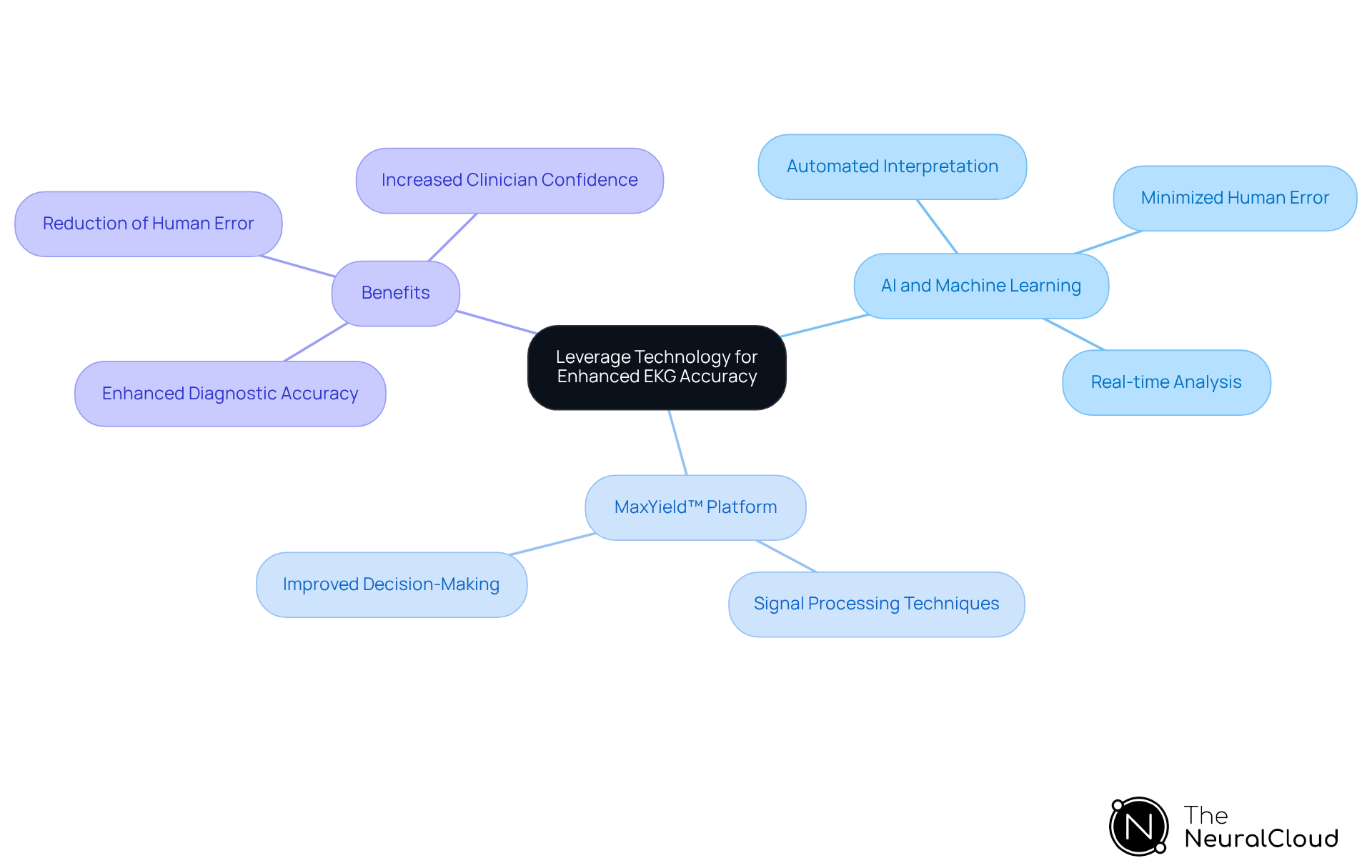
Advanced technologies, particularly AI and machine learning, are reshaping EKG analysis by automating interpretation processes. This innovation minimizes human error and enhances diagnostic accuracy, which leads to discussions about how accurate is an EKG, addressing longstanding challenges in the field. AI algorithms can analyze EKG data in real-time, effectively identifying patterns and anomalies that may elude human interpreters.
The MaxYield™ platform from Neural Cloud Solutions exemplifies this advancement. It employs sophisticated signal processing techniques to enhance the clarity of EKG signals. This feature allows clinicians to make informed decisions with greater confidence. For instance, studies have shown how accurate is an EKG, with AI-based ECG interpretation achieving an impressive 84% accuracy in detecting obstructive myocardial infarction (MI), significantly outperforming traditional methods that only identified occlusive MI in 42% of cases.
By integrating such technologies into clinical practice, healthcare providers can streamline workflows and improve patient outcomes. The benefits of the MaxYield™ platform include:
- Enhanced diagnostic accuracy through real-time analysis.
- Reduction of human error in EKG interpretation.
- Increased confidence for clinicians in decision-making.
The ongoing evolution of AI in this field is crucial for understanding how accurate is an EKG, as it promises to further refine diagnostic processes and become an invaluable asset in modern healthcare. As these technologies continue to develop, they will play a crucial role in ensuring that EKG interpretations are both accurate and reliable.
Conclusion
In the realm of cardiovascular health, the accuracy of an EKG is crucial for effective diagnosis and monitoring. It serves as an essential tool for healthcare professionals, enabling them to make informed decisions. By grasping the fundamentals of EKGs, understanding the factors that influence their accuracy, and keeping up with technological advancements, clinicians can significantly enhance their diagnostic capabilities. The integration of AI-driven platforms like MaxYield™ not only boosts the precision of EKG readings but also simplifies the interpretation process, ultimately leading to improved patient outcomes.
Key insights emphasize the importance of recognizing various patient and equipment-related factors that can impact EKG accuracy:
- Proper electrode placement
- Minimizing patient movement
- Other critical aspects that play a vital role in ensuring reliable results
Additionally, systematic analysis techniques and the adoption of advanced technologies can further refine EKG interpretations, addressing challenges that have historically hindered accurate diagnoses.
As EKG analysis continues to evolve, embracing innovations like MaxYield™ is essential for healthcare providers. This platform enhances accuracy and reduces human error, allowing clinicians to make more informed decisions that improve patient care. The ongoing commitment to understanding EKG accuracy empowers healthcare professionals and fosters trust in the diagnostic process, paving the way for a healthier future.
Frequently Asked Questions
What is an electrocardiogram (EKG or ECG)?
An electrocardiogram (EKG or ECG) is a diagnostic tool that records the heart's electrical activity over time, helping to evaluate cardiovascular health, diagnose arrhythmias, and identify various cardiac conditions.
What are the key components of an EKG?
The key components of an EKG include the P wave, QRS complex, and T wave. The P wave reflects atrial depolarization, the QRS complex indicates ventricular depolarization, and the T wave represents ventricular repolarization.
How do EKGs contribute to clinical practice?
EKGs play an indispensable role in diagnosing arrhythmias and other heart-related conditions, and a significant percentage of healthcare professionals incorporate them into routine heart health assessments, highlighting their value in preventive care.
What challenges are associated with ECG analysis?
ECG analysis faces challenges such as physiological variability and signal artifacts, which can affect the accuracy of interpretations.
How does MaxYield™ enhance EKG analysis?
MaxYield™ enhances EKG analysis through AI technology, which maps ECG signals through noise, isolates and labels key features in every heartbeat, allowing for beat-by-beat analysis and rapid processing of large volumes of data.
What are the advantages of using MaxYield™ for healthcare professionals?
The advantages include enhanced diagnostic precision, early detection of potential cardiac issues, and improved patient outcomes through timely interventions.
Why are EKGs considered efficient diagnostic tools?
EKGs are considered efficient because they provide a visual representation of the heart's electrical impulses, enabling the detection of subtle abnormalities and promoting informed decisions regarding cardiovascular health.
List of Sources
- Understand the Basics of EKGs: Definition and Purpose
- wynantskillfamilymed.com (https://wynantskillfamilymed.com/post/what-an-ekg-can-reveal-about-your-heart-health)
- sommedicalpractice.com (https://sommedicalpractice.com/patient-resources/benefits-of-ekg-testing)
- Electrocardiogram (ECG or EKG) - Mayo Clinic (https://mayoclinic.org/tests-procedures/ekg/about/pac-20384983)
- Three New Studies Show Viz.ai’s Cardio Suite Speeds Detection of Cardiac Disease and Improves Patient Follow-Up (https://viz.ai/news/three-new-studies-show-viz-ais-cardio-suite-speeds-detection-of-cardiac-disease-and-improves-patient-follow-up)
- 1st synthesized 12-lead ECG to launch in 2026 (https://beckershospitalreview.com/supply-chain/1st-synthesized-12-lead-ecg-to-launch-in-2026)
- Identify Factors Affecting EKG Accuracy: Patient and Equipment Considerations
- aimcardio.com (https://aimcardio.com/blog/ekg-machine-failure-causes-solutions?srsltid=AfmBOop7_ZYAfzgvU0ggVEYarVceOUkc_7lPIHBgRfGYUVZAABEBHNJc)
- cardio.jmir.org (https://cardio.jmir.org/2025/1/e62719)
- dicardiology.com (https://dicardiology.com/article/double-edged-sword-how-over-counter-ecg-devices-are-impacting-cardiac-care)
- hillrom.com (https://hillrom.com/en/knowledge/article/three-factors-that-could-be-impacting-your-ecg-interpretation)
- Analyze EKG Results: Step-by-Step Interpretation Techniques
- Mastering EKG interpretation: 10 steps for accurate rhythm identification (https://ems1.com/ems-products/medical-monitoring/articles/ecg-interpretation-10-steps-for-rhythm-identification-HlbOvohuSltPKAL2)
- emra.org (https://emra.org/students/newsletter-articles/guide-for-reading-ekgs)
- How to Read an Electrocardiogram (EKG/ECG) (https://nurse.org/articles/how-to-read-an-ECG-or-EKG-electrocardiogram)
- What’s an EKG? (https://my.clevelandclinic.org/health/diagnostics/16953-electrocardiogram-ekg)
- Electrocardiogram (ECG or EKG) - Mayo Clinic (https://mayoclinic.org/tests-procedures/ekg/about/pac-20384983)
- Leverage Technology for Enhanced EKG Accuracy: The Role of Advanced Solutions
- AI-based ECG interpretation outperforms standard diagnosis of occlusive myocardial infarction (https://news-medical.net/news/20260323/AI-based-ECG-interpretation-outperforms-standard-diagnosis-of-occlusive-myocardial-infarction.aspx)
- AI outperforms conventional diagnosis for certain types of heart attacks (https://escardio.org/news/press/press-releases/acvc-press)
- AI-Powered ECG Analysis Offers Promising Path for Early Detection of Chronic Obstructive Pulmonary Disease, Say Mount Sinai Researchers (https://mountsinai.org/about/newsroom/2026/ai-powered-ecg-analysis-offers-promising-path-for-early-detection-of-chronic-obstructive-pulmonary-disease-say-mount-sinai-researchers)
- AI-powered ECG analysis shows promise for early COPD detection (https://medicalxpress.com/news/2026-01-ai-powered-ecg-analysis-early.html)