Introduction
Understanding the details of an electrocardiogram (EKG) is crucial for anyone looking to prioritize their heart health. This non-invasive procedure offers vital insights into cardiac function and requires careful preparation to ensure accurate results. Many individuals often ask: how long do EKGs take, and what steps can enhance the experience? By examining the necessary preparation steps and the efficient timeline of an EKG, readers can better navigate potential challenges and deepen their understanding of this essential diagnostic tool.
Understand the Purpose of an EKG
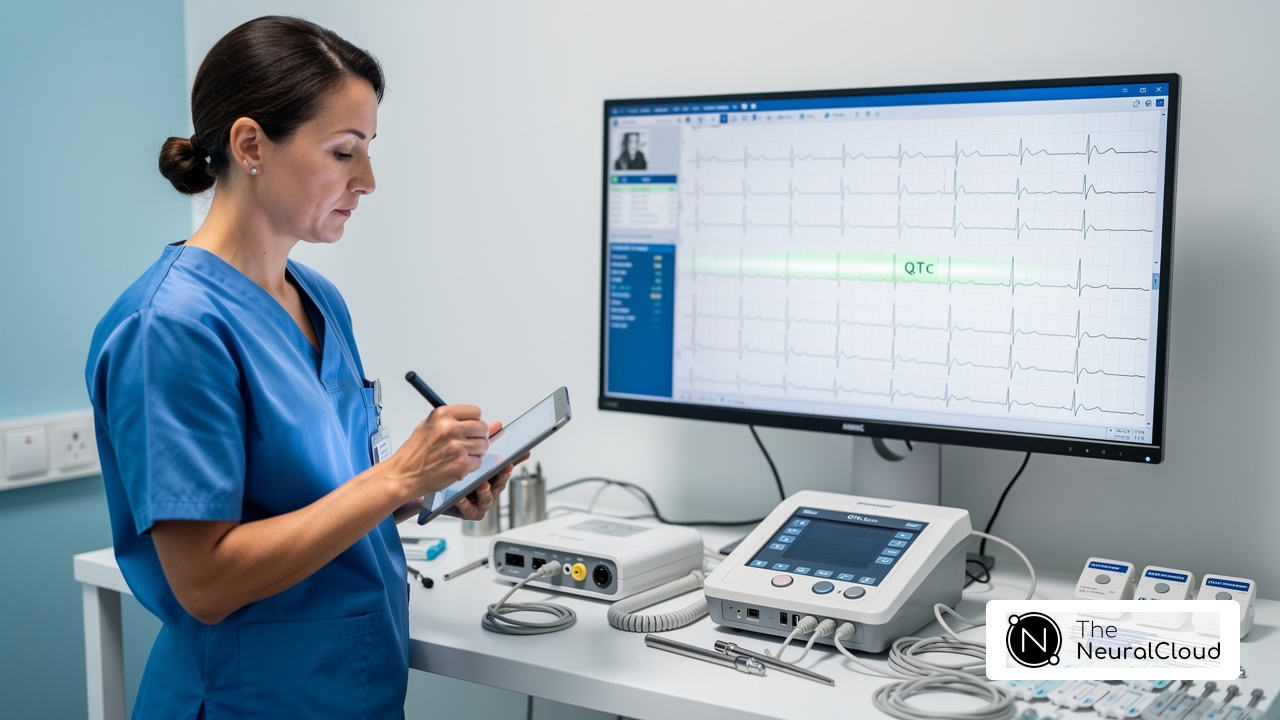
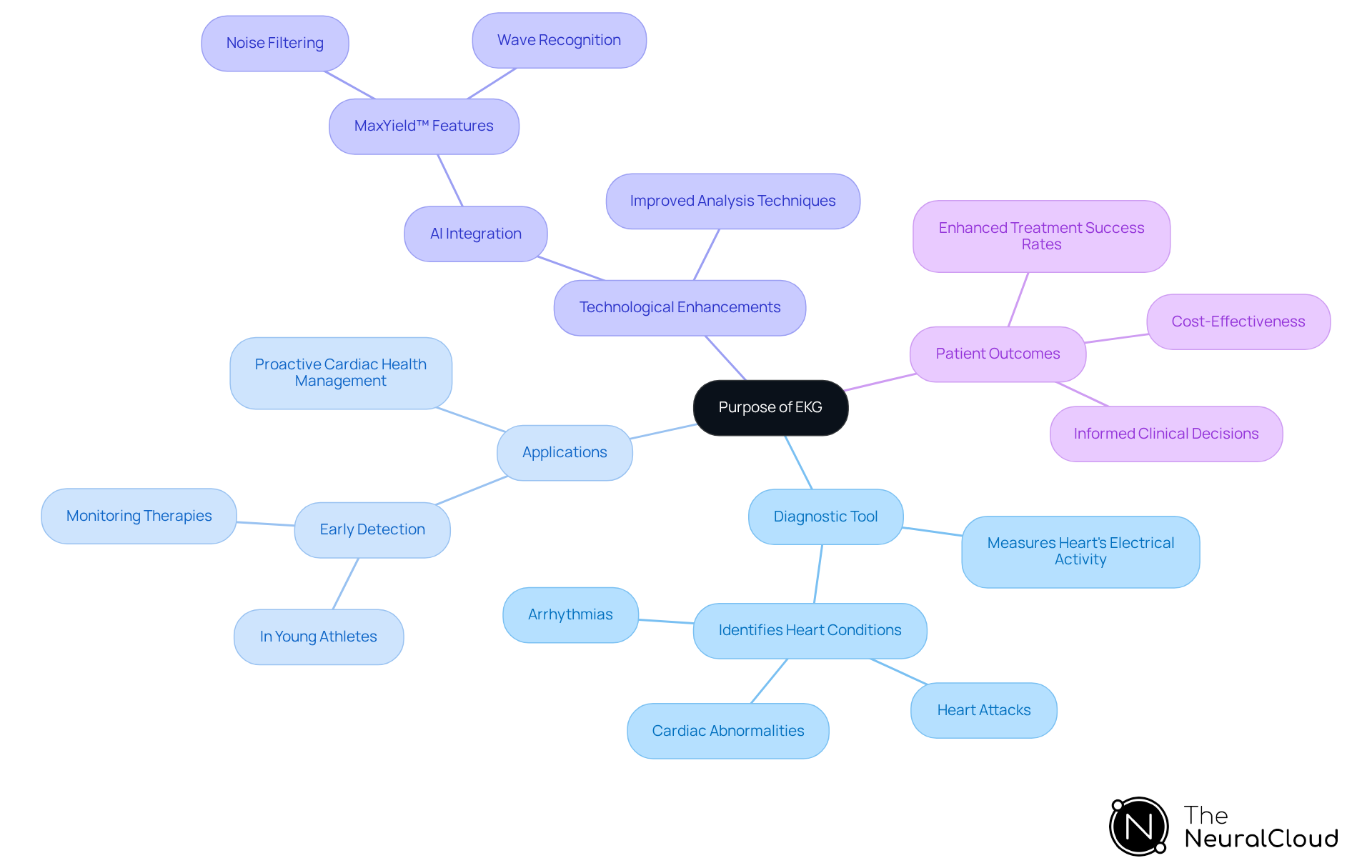
An electrocardiogram (EKG or ECG) is a vital diagnostic tool that measures the heart's electrical activity. This allows medical providers to identify various heart conditions, including arrhythmias, heart attacks, and other cardiac abnormalities. As a diagnostic procedure, it alleviates patient anxiety while providing insights and monitors the effectiveness of ongoing therapies. Approximately 90% of medical providers in cardiac care settings utilize EKGs, underscoring their integral role in clinical practice.
Real-world applications of EKGs highlight their effectiveness in the early detection and management of heart conditions. For example, a study found that using a screening method in young athletes, with an odds ratio of 60 compared to traditional history and physical examinations. This emphasizes the importance of EKGs in proactive healthcare.
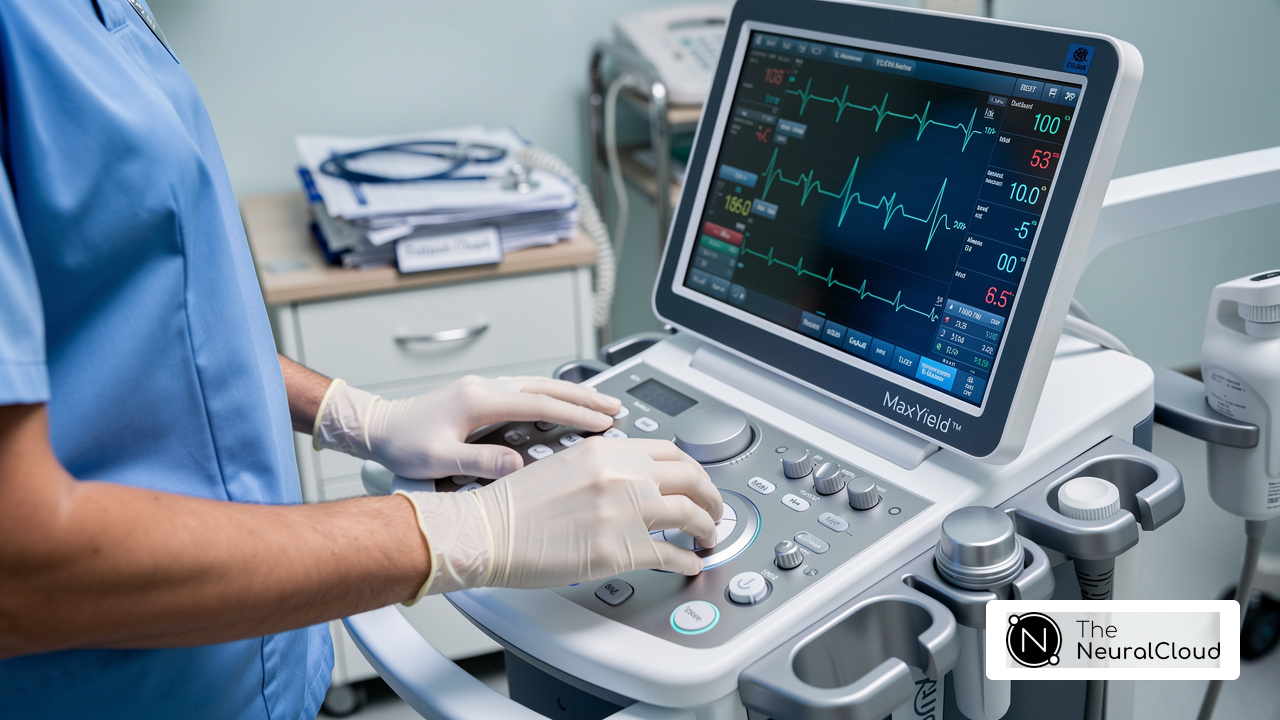
With advanced technologies like Neural Cloud Solutions' platform, the diagnostic process is further enhanced. The system features sophisticated noise filtering and distinct wave recognition capabilities, enabling healthcare providers to salvage previously obscured sections of lengthy recordings, 1-Lead, and patch monitor recordings. This innovative approach addresses common challenges in cardiology, such as physiological variability and signal artifacts, ensuring that critical data is accurately identified and labeled, even in recordings with high levels of noise.
Cardiologists stress the necessity of EKGs in patient care. Experts note, "The information obtained can make a significant difference in preventing and managing cardiac conditions." This sentiment resonates throughout the medical community, reinforcing the EKG's role as an essential component of cardiac care. By providing timely insights into heart health, EKGs facilitate informed clinical decisions, ultimately enhancing patient outcomes. Moreover, with tools like AI algorithms, medical providers can leverage cutting-edge AI technology for clarity and speed in ambulatory ECG waveform analysis, revolutionizing the interpretation and utilization of ECGs in clinical practice. Testimonials from users of the technology underscore its effectiveness in improving patient care, further supporting its adoption in clinical settings. Additionally, understanding how long EKGs take and their pricing is crucial for healthcare providers and patients alike, enabling informed decisions regarding treatment options.
Prepare for Your EKG: Essential Steps
To prepare for your EKG, follow these steps:
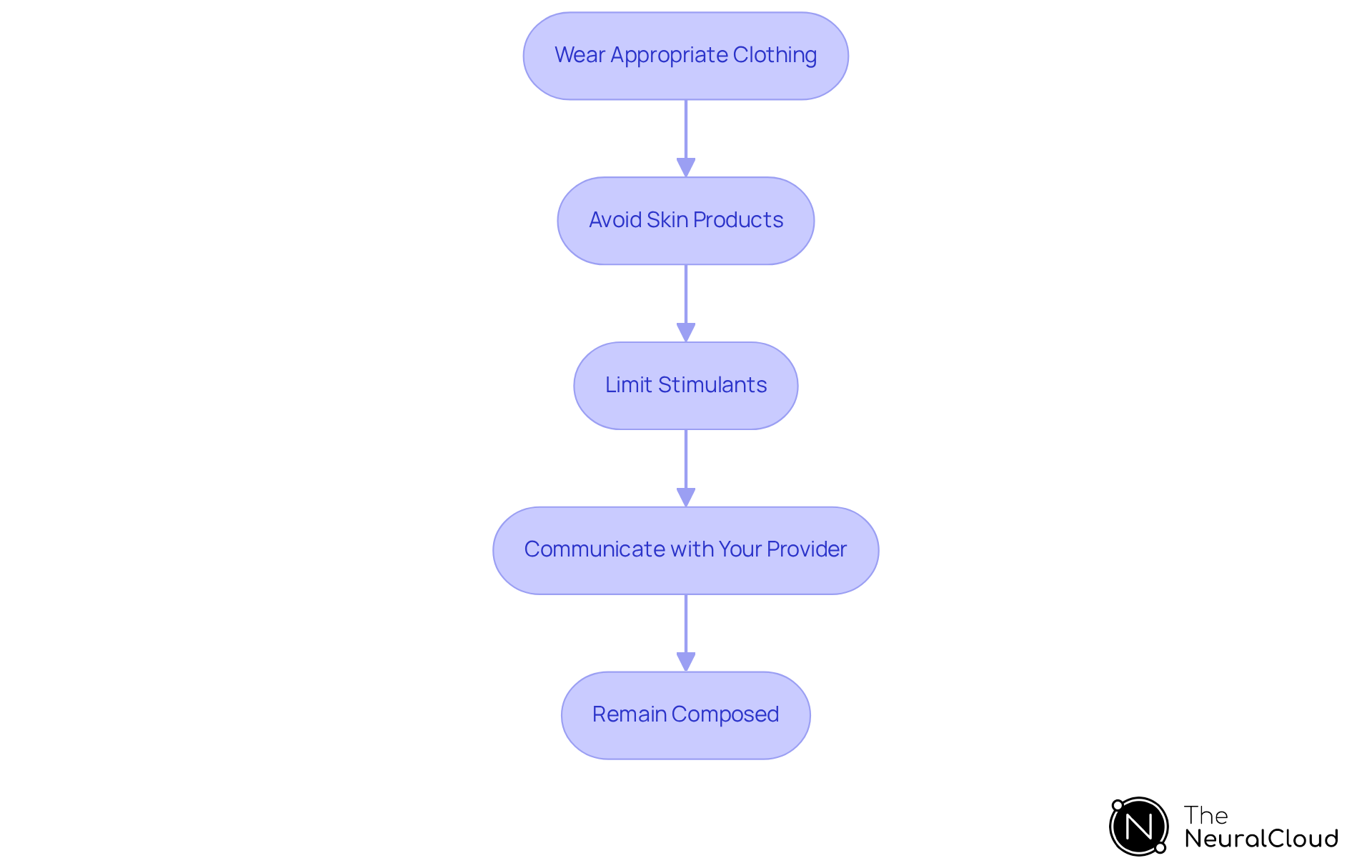
- Choose loose-fitting clothing that allows easy access to your chest. Avoid one-piece outfits that may require complete removal, as this can complicate the process.
- Avoid Skin Products: Do not apply lotions, oils, or powders to your chest area before the examination, as these can interfere with the electrodes, potentially compromising the accuracy of the results.
- Avoid Stimulants: Refrain from consuming caffeine or nicotine for at least 24 hours before the assessment, as these can affect your heart rate and potentially skew results. Remember, if you're asking how long do EKGs take, the procedure is typically quick, and you must remain very still throughout this duration.
- Inform Your Provider: Inform your healthcare provider about any medications you are taking, as some may influence the EKG results. Discuss any recent symptoms or health changes that may be pertinent to the examination.
- Remain Composed: Stay calm. As Thomas S. Metkus, MD, notes, "It is important to be relaxed and warm during an ECG recording because any movement, including shivering, can alter the results." Practice relaxation techniques, such as deep breathing, before the examination to help maintain a steady heart rhythm.
By following these guidelines, patients can enhance the reliability of their EKG results, facilitating accurate diagnosis. A case study on the importance of preparation illustrates that proper preparation is crucial for accurate results, reinforcing the need to adhere to these steps.
Know How Long an EKG Takes
The EKG process is designed to be quick and efficient, which raises the question of time while ensuring minimal disruption for patients. Here’s a detailed breakdown of the time involved:
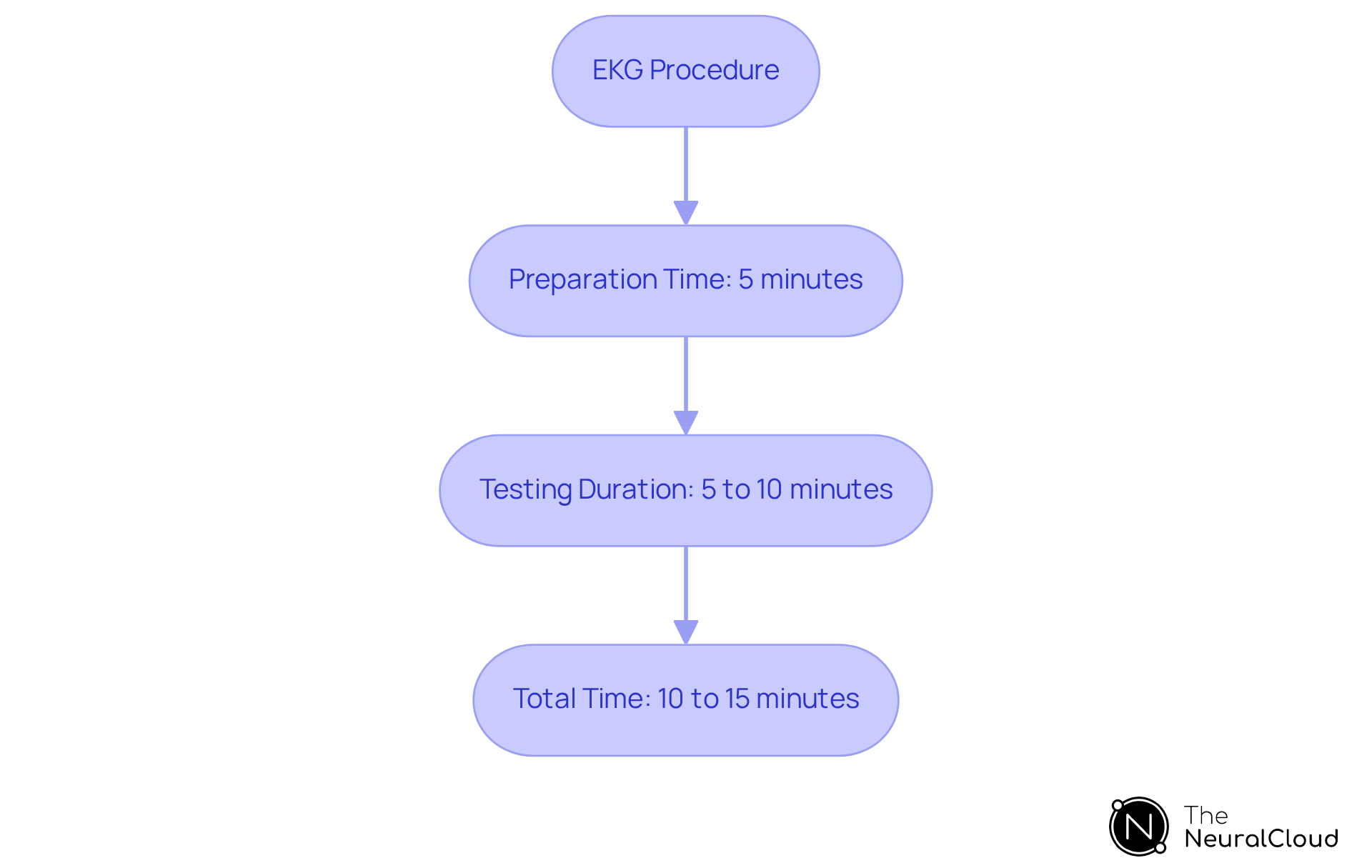
- Preparation Time: The initial phase, which includes changing into a gown and positioning the patient, typically takes about 5 minutes. This step is crucial for ensuring comfort and accuracy during the test.
- Testing Duration: The actual EKG recording lasts approximately 5 to 10 minutes. During this period, electrodes are positioned on the chest, arms, and legs to effectively capture the electrical signals of the heart.
- Total Time: Overall, from preparation to completion, the entire process usually takes around 10 to 15 minutes. This efficiency makes EKGs a convenient option for heart health evaluations, and it raises the question of time for medical professionals to swiftly collect vital information for diagnosis and monitoring.
Patients often appreciate the quick process, which can be completed quickly without compromising quality. For instance, a typical resting EKG can be performed in about 10 minutes, which raises the question of time for results, available within 48 to 72 hours if not conducted during a clinic visit. This rapid turnaround is vital for diagnosis, especially in urgent care scenarios. Additionally, EKGs are recorded at a standard speed of 25mm/sec and a gain of 10mm/mV, ensuring accurate readings. Following facility protocols for EKG preparation is essential to maintain high standards of quality and reliability in testing.
By leveraging technology, medical providers can enhance the clarity and efficiency of EKGs. This platform improves the accuracy of readings, ultimately supporting confident clinical decisions. The features of EKG systems include advanced analytics, user-friendly interfaces for data interpretation, and integration capabilities with existing healthcare systems. These advantages lead to improved patient care and streamlined workflows for healthcare professionals.
Address Common EKG Preparation Challenges
When patients prepare for an EKG, they often face several challenges, including concerns about nervousness, which can affect both their experience and the accuracy of the results. Understanding these common issues and implementing strategies can significantly improve the process.
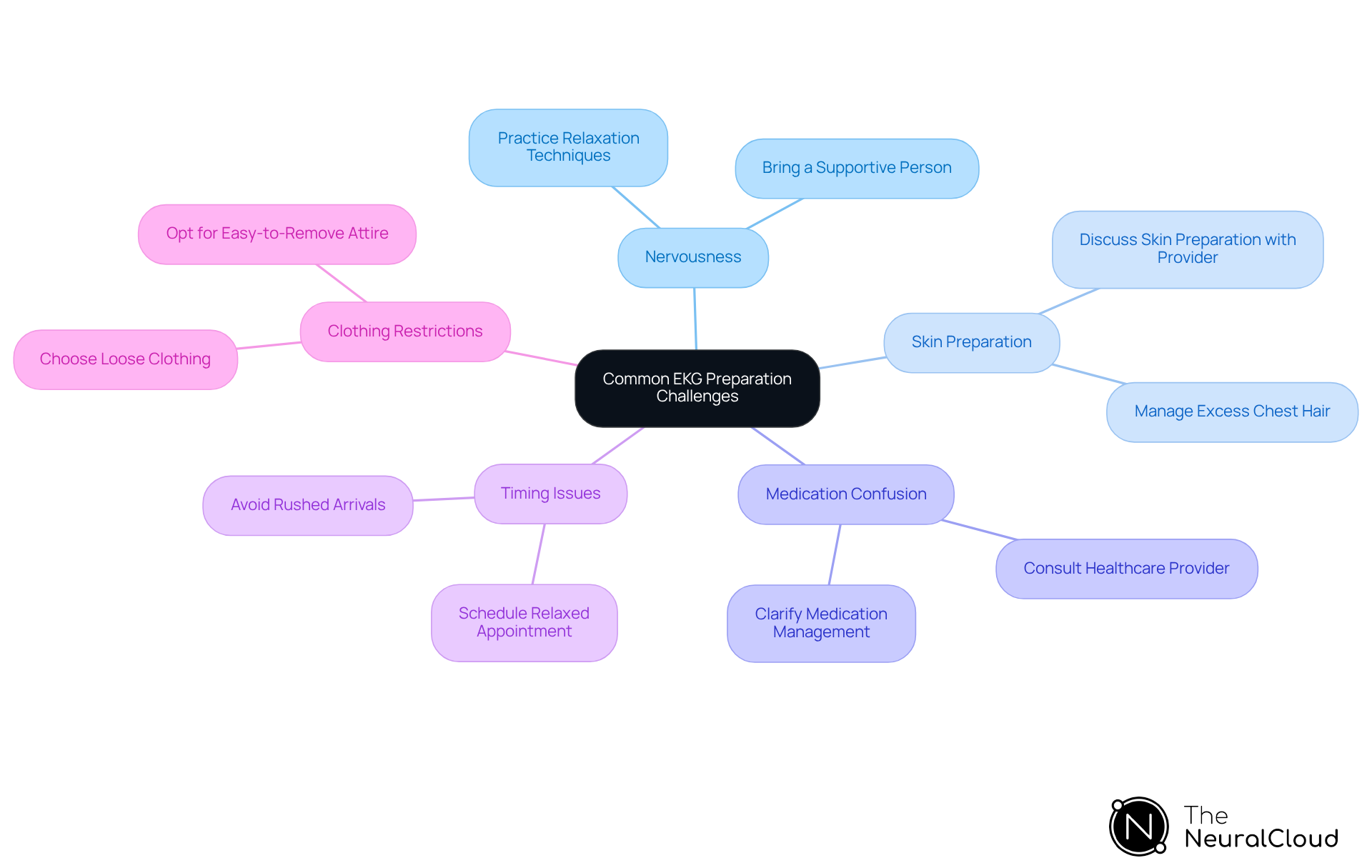
- Nervousness is a prevalent concern, impacting about 24.9% of the population at some point in their lives. To alleviate such feelings, practices like deep breathing or mindfulness exercises before the examination can be helpful. Additionally, bringing a support person can help ease feelings of nervousness.
- Body hair is another important factor. Excessive chest hair may hinder electrode contact, potentially compromising the quality of the EKG. It’s advisable to discuss any necessary grooming with your medical provider ahead of time to ensure optimal electrode placement.
- Medication Confusion can also lead to unnecessary stress. Patients often feel uncertain about which medications to take or avoid prior to the test. Consulting your healthcare provider for clear guidance on medications before the EKG is crucial for a smooth experience.
- Timing should not be overlooked. Scheduling your appointment at a time that allows for a relaxed arrival can enhance the overall experience. To avoid feeling rushed and potentially skewing results due to anxiety, aim to book your EKG during a less hectic part of your day, especially considering your personal schedule.
- Clothing choices should not be overlooked. Choosing the right attire can simplify the process. Opt for a button-up shirt or a loose top that can be easily removed, and avoid tight-fitting clothing that may complicate the procedure and cause discomfort.
By addressing these common challenges, patients can enjoy a smoother EKG experience, ultimately leading to more accurate readings and a better overall assessment of cardiac health.
Conclusion
Understanding the complexities of EKG procedures is crucial for anyone looking to prioritize their heart health. This guide highlights the importance of electrocardiograms, focusing on their role in diagnosing and managing heart conditions. The preparation steps outlined are essential for ensuring accurate results, and the efficiency of the EKG process—typically taking only 10 to 15 minutes—underscores its convenience for patients.
Key insights include:
- The necessity of wearing appropriate attire
- Avoiding skin products
- Maintaining open communication with healthcare providers
Additionally, addressing common challenges such as anxiety and medication confusion can significantly improve the EKG experience. By adhering to these guidelines, patients can enhance the reliability of their test results, ultimately leading to better-informed clinical decisions.
Given this information, it’s evident that proactive engagement in health management is vital. Embracing the preparation steps and understanding the EKG process empowers individuals to take control of their cardiac health. The significance of EKG testing cannot be overstated; it serves as a critical tool for early detection and ongoing monitoring of heart conditions. Therefore, taking the time to prepare adequately for an EKG not only ensures a smoother experience but also plays a key role in achieving optimal health outcomes.
Frequently Asked Questions
What is the purpose of an EKG?
An electrocardiogram (EKG or ECG) measures the heart's electrical activity, allowing medical providers to identify various heart conditions, including arrhythmias, heart attacks, and other cardiac abnormalities.
How is an EKG conducted?
An EKG is a non-invasive and painless test, which helps alleviate patient anxiety while providing critical data for treatment decisions and monitoring ongoing therapies.
How commonly are EKGs used in medical practice?
Approximately 90% of medical providers in cardiac care settings utilize EKGs, highlighting their integral role in clinical practice.
What are the benefits of using EKGs in early detection of heart conditions?
EKGs significantly improve the odds of detecting cardiac disease, particularly in young athletes, with a study showing an odds ratio of 60 compared to traditional history and physical examinations.
What advancements have been made in EKG technology?
Technologies like Neural Cloud Solutions' MaxYield™ enhance the efficiency of ECG analysis through sophisticated noise filtering and distinct wave recognition, addressing common challenges in ECG analysis.
Why do cardiologists emphasize the necessity of EKGs?
Cardiologists stress that early detection and proactive care through EKG tests can make a significant difference in preventing and managing cardiac conditions.
How does MaxYield™ improve EKG analysis?
MaxYield™ allows healthcare providers to salvage obscured sections of lengthy Holter, 1-Lead, and patch monitor recordings, ensuring accurate identification and labeling of critical data even in noisy recordings.
What impact do EKGs have on patient outcomes?
By providing timely insights into heart health, EKGs facilitate informed clinical decisions, ultimately enhancing patient outcomes.
How do healthcare providers and patients benefit from understanding EKG duration and pricing?
Knowing how long EKGs take and their pricing enables informed decisions regarding cardiac health management for both healthcare providers and patients.
List of Sources
- Understand the Purpose of an EKG
- sciencedirect.com (https://sciencedirect.com/science/article/pii/S1059131121001333)
- nyp.org (https://nyp.org/advances/article/cardiology/study-shows-ai-screening-tool-developed-at-newyork-presbyterian-and-columbia-can-detect-structural-heart-disease-using-electrocardiogram-data)
- pmc.ncbi.nlm.nih.gov (https://pmc.ncbi.nlm.nih.gov/articles/PMC10478328)
- franhealth.org (https://franhealth.org/news-events/news.html/article/2023/05/30/what-is-an-ekg-test-)
- businesswire.com (https://businesswire.com/news/home/20251105011694/en/Anumana-to-Share-Latest-Advances-in-ECG-AI-at-AHA-Scientific-Sessions-2025)
- Prepare for Your EKG: Essential Steps
- Electrocardiogram (https://hopkinsmedicine.org/health/treatment-tests-and-therapies/electrocardiogram)
- centralgaheart.com (https://centralgaheart.com/need-electrocardiogram-ekg)
- advocatehealth.com (https://advocatehealth.com/health-services/advocate-heart-institute/programs-and-treatments/testing-and-diagnosis/electrocardiogram)
- nhs.uk (https://nhs.uk/tests-and-treatments/electrocardiogram)
- ufhealth.org (https://ufhealth.org/conditions-and-treatments/electrocardiogram)
- Know How Long an EKG Takes
- seattlechildrens.org (https://seattlechildrens.org/clinics/heart/what-to-expect/electrocardiogram)
- advancedoccmed.com (https://advancedoccmed.com/ekg-testing-at-advanced-occmed)
- Heart Disease and Electrocardiograms (https://webmd.com/heart-disease/electrocardiogram-ekgs)
- unitekcollege.edu (https://unitekcollege.edu/blog/a-step-by-step-guide-to-electrocardiograms)
- palmprimarycare.com (https://palmprimarycare.com/who-needs-to-get-an-ekg)
- Address Common EKG Preparation Challenges
- Can Anxiety Affect EKG Results? (https://cardio-consultants.com/can-anxiety-affect-ekg-results)
- Can Anxiety Cause an Abnormal EKG? | Baptist Health (https://baptisthealth.com/blog/behavioral-health/can-anxiety-cause-abnormal-ekg)
- Anxiety Quotes: The Ten Best Quotes About Overcoming Anxiety (https://psychologytoday.com/us/blog/in-practice/201301/anxiety-quotes-the-ten-best-quotes-about-overcoming-anxiety)
- 100+ Powerful Anxiety Quotes for Calm and Inner Strength (https://rickhanson.com/anxiety-quotes)
- pmc.ncbi.nlm.nih.gov (https://pmc.ncbi.nlm.nih.gov/articles/PMC3150179)