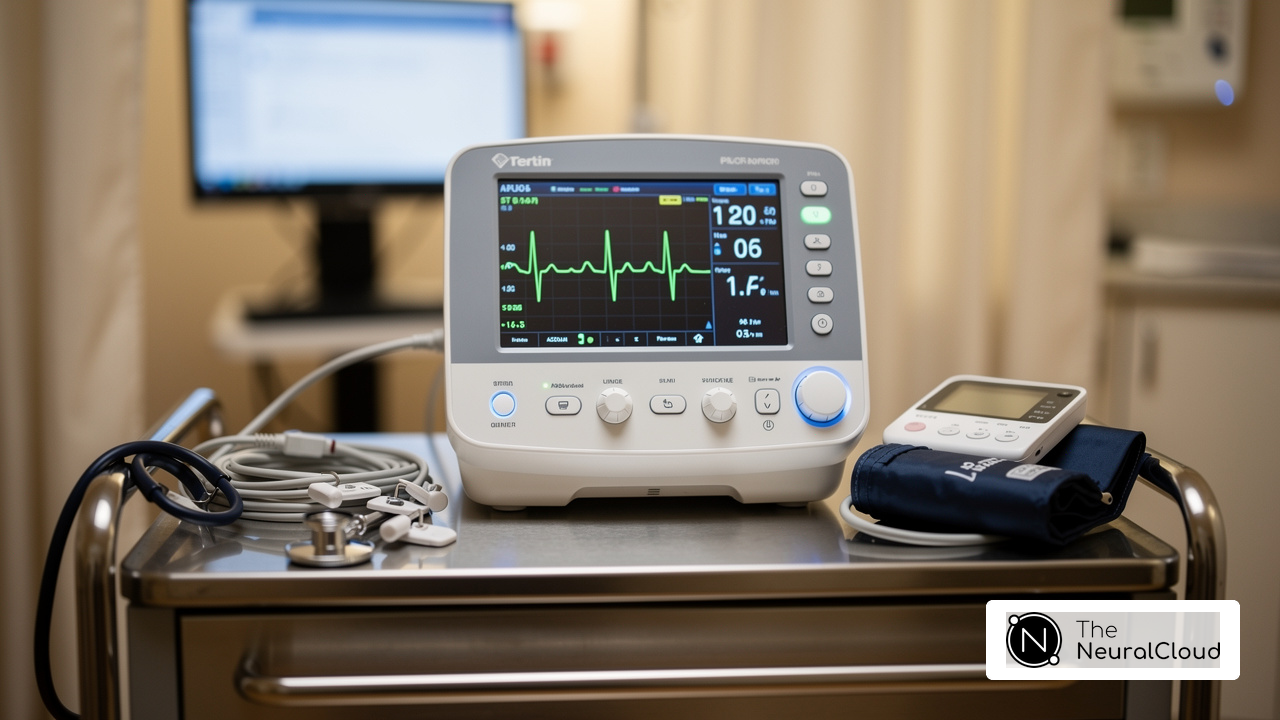
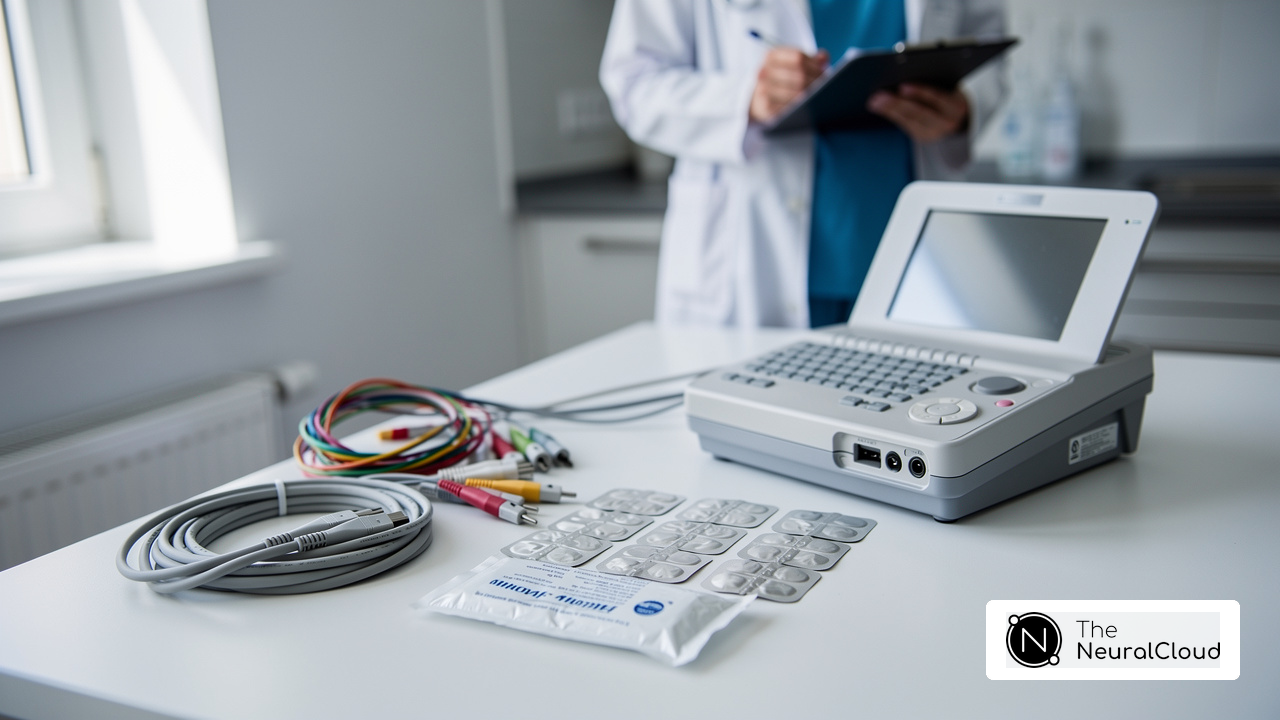
Introduction
As ECG technology evolves, practitioners face mounting challenges in lead placement and troubleshooting. Clinicians and healthcare providers need to grasp the intricacies of ECG lead placement to deliver precise cardiac assessments. This guide delves into the various types of ECG leads, their specific functions, and the critical steps required for optimal setup. By understanding these elements, healthcare professionals can enhance diagnostic accuracy and patient care. Successfully addressing these challenges can significantly enhance diagnostic accuracy and patient care.
Understand ECG Lead Types and Their Functions
Understanding how many leads in ECG is crucial for accurate cardiac assessment and diagnosis. ECG leads are categorized into three main types, each serving a distinct function in cardiac assessment:
- Bipolar Leads: This category includes Leads I, II, and III, which measure the electrical activity between two points on the body. For instance, Lead I assesses the potential difference between the left arm and right arm, providing critical information about the heart's electrical activity.
- Augmented Unipolar Electrodes: Comprising aVR, aVL, and aVF, these electrodes provide additional perspectives on the heart's electrical activity. They utilize a single positive electrode along with a combination of other electrodes as references, enhancing the diagnostic capabilities of the ECG.
- Precordial (Chest) Leads: Leads V1 to V6 are positioned on the chest and provide a horizontal view of the heart's electrical activity. Each lead offers a unique viewpoint, enabling a thorough evaluation of cardiac function.
Comprehending these electrode types is crucial for precise ECG interpretation and diagnosis, especially in light of recent advancements in Canada. The 12-lead ECG, which is the gold standard for diagnosing various cardiac conditions, raises the question of how many leads in ECG are essential for identifying issues like ischemia and arrhythmias. Current statistics indicate that the use of 12-lead ECGs has increased significantly in clinical settings across Canada, reflecting their importance in timely and effective care for individuals.
Neural Cloud Solutions Inc.'s MaxYield™ platform automates ECG signal labeling, accurately mapping PQRST waveforms and pinpointing their start and end points. This automation alleviates the need for manual input, saving time and resources while improving diagnostic accuracy. Furthermore, MaxYield™ employs advanced noise filtering techniques to identify and label critical data, even in recordings with high levels of noise and artifacts. This capability is crucial for health tech developers aiming to innovate in cardiovascular diagnostics, as it addresses challenges related to physiological variability and signal artifacts.
Canadian case studies emphasize the effectiveness of these types in enhancing diagnostic accuracy. For instance, standardized placement methods have been demonstrated to improve the reliability of ECG readings, resulting in better outcomes for individuals. Expert opinions from Dr. Alan Rabinowitz, Dr. Brett Heilbron, and Dr. Marc W. Deyell emphasize that MaxYield™'s precision rivals human interpretation, particularly in its ability to reduce noise and enhance clarity in ECG analysis. Understanding these connector types and focusing on sensor placement and patient positioning are vital for health tech developers looking to maximize MaxYield™'s potential. Additionally, it is important to note that MaxYield™ is currently pending FDA Class II SaMD clearance, ensuring compliance with regulatory standards. As MaxYield™ approaches FDA clearance, its potential to revolutionize ECG analysis becomes increasingly evident, promising enhanced patient outcomes.

Evaluate Your Clinical Needs and Device Compatibility
Before setting up an ECG, it’s crucial to navigate several key considerations that can significantly impact diagnostic accuracy and patient care:
- Identify Clinical Requirements: Assess the specific diagnostic needs, such as monitoring arrhythmias or evaluating heart function. This assessment will guide the selection of primary configurations, whether it be 3-wire, 5-wire, or 12-wire systems, tailored to the clinical scenario.
- Check Device Compatibility: Confirm that the ECG machine and electrodes are compatible. Examine the manufacturer's specifications to ensure that the chosen connectors can be effectively utilized with your ECG device, which is essential for precise data collection.
- Assess Population: Evaluate the demographics of the individuals being monitored. For example, pediatric patients may require different electrode placements compared to adults, emphasizing the significance of tailoring setups according to patient needs.
- Review Workflow Integration: Ensure that the ECG setup can be seamlessly integrated into existing clinical workflows. This integration minimizes disruptions and enhances efficiency, which is vital in fast-paced healthcare environments.
As the demand for ECG monitoring rises, many healthcare facilities may struggle to keep pace with the necessary technological advancements. The diagnostic ECG market in Canada is projected to grow significantly, reflecting a compound annual growth rate (CAGR) of 6.4%. This growth underscores the necessity for healthcare facilities to evaluate their ECG setups critically.
Healthcare providers should consider the following recommendations when evaluating clinical needs for ECG setups:
- Engage with clinical staff to understand specific monitoring requirements.
- Ensure technology aligns with the latest healthcare initiatives, such as remote monitoring and electronic medical records (EMRs).
Across Canada, healthcare systems are making significant investments to modernize diagnostic capabilities, especially in cardiac monitoring, to keep up with national guidelines for timely diagnoses and interventions. These investments are expected to enhance the quality of cardiovascular monitoring technologies available in both public and private healthcare networks. By proactively addressing these factors, healthcare providers can ensure their ECG setups meet the evolving demands of patient care and technological advancements.

Implement Proper Lead Placement Techniques
Achieving accurate lead placement in ECG setups is crucial for determining how many leads in ECG are needed to obtain reliable diagnostic information. Follow these essential steps to ensure optimal results:
- Prepare the Skin: Ensure the skin is clean and dry before applying electrodes. Use an alcohol wipe to eliminate oils and dirt, which can interfere with signal quality. Proper skin preparation is crucial for reducing impedance and enhancing adhesion.
- Identify Primary Positions: Accurately mark the locations for each primary according to established clinical guidelines. In a standard 12-channel ECG, it is essential to understand how many leads in ECG are needed, with limb electrodes positioned on the arms and legs, and precordial electrodes placed on the chest. Familiarity with anatomical landmarks is vital for correct placement.
- Apply Sensors: Firmly attach the sensors to the skin, ensuring they lie flat and secure. Avoid placing them over bony areas or heavy muscle to minimize interference. Incorrect placements, especially in positions V1 and V2, often arise from vertical displacement errors, emphasizing the significance of accurate application.
- To understand how many leads in ECG, connect the lead wires to the terminals, ensuring that the colors correspond to the designated positions. Double-check all connections to prevent errors, as misplacement of one component can influence the accuracy of others.
- Verify Signal Quality: After setting up the ECG, monitor the display for clear waveforms. If the signal appears poor, reposition the electrodes as necessary. Consistent protocols and attention to detail can significantly enhance the reliability of ECG data, reducing the need for repeat tests and improving outcomes for individuals.
By following these steps, healthcare professionals can significantly improve the reliability of ECG data. Ultimately, precise lead placement not only enhances diagnostic accuracy but also supports timely and effective patient care.

Troubleshoot Common ECG Setup Issues
Troubleshooting ECG setup issues is crucial for ensuring accurate cardiac monitoring and effective patient care. If connections are loose, you might get incorrect readings, so make sure all devices are securely attached to the skin. Proper skin preparation, like cleaning with alcohol, can enhance adhesion and minimize artifacts. According to the Mayo Clinic, ensuring the individual is relaxed can also help reduce respiratory-induced drift.
Next, verify how many leads in ECG are properly connected to both the electrodes and the ECG machine. Look for any signs of damage or wear, as faulty connections can disrupt signal quality. Regular inspection of cables is essential for maintaining functionality. For instance, inspecting snap or clip connectors can help resolve intermittent 'lead-off' warnings.
If the ECG display shows erratic waveforms, check for artifacts caused by muscle movement or electrical interference. Adjust the individual's position or ensure that the ECG machine is placed away from large electronic devices to enhance trace quality. For instance, a technician once fixed an artifact caused by a nearby cell phone, which cleared up the diagnostic traces. Additionally, signal noise is often identified as a frequent cause of unreadable ECG traces. Here, Neural Cloud Solutions Inc.'s MaxYield™ platform can be invaluable, as it employs advanced noise filtering and distinct wave recognition to salvage previously obscured sections of lengthy Holter, 1-Lead, and patch monitor recordings, ensuring maximum diagnostic yield. Expert endorsements from Dr. Alan Rabinowitz, Dr. Brett Heilbron, and Dr. Marc W. Deyell emphasize MaxYield’s precision rivaling human interpretation and its noise reduction benefits.
Ensure that the ECG machine is set to the correct mode for the individual type (e.g., adult or pediatric). Review the settings to confirm they match clinical requirements, as improper settings can lead to misdiagnoses. Advanced 12-lead ECG machines can automatically correct for baseline wandering if the 'Baseline Filter' is set to the correct frequency, illustrating how many leads in ECG contribute to this capability.
If problems persist, refer to the ECG machine's user manual for specific troubleshooting guidance tailored to your device. Familiarity with the manual can expedite the resolution of common issues, such as lead-off warnings or calibration errors. Regular software updates and routine calibration are essential for maintaining accuracy, as emphasized by the National Institutes of Health (NIH). Additionally, ensure that the ECG system complies with regulatory standards, including FDA Class II SaMD clearance-pending status, to support audit-ready documentation for GxP inspections.
By following these steps, healthcare professionals can troubleshoot common ECG setup issues effectively. This ensures accurate cardiac monitoring and leverages MaxYield™ to enhance the analysis process. For those in Canada, these practices align with local standards and expectations, ensuring optimal patient care.

Conclusion
Achieving accurate cardiac assessments hinges on a thorough understanding of ECG lead setup intricacies. This knowledge is vital for improving patient outcomes. The article highlights the importance of recognizing the different types of ECG leads - bipolar, augmented unipolar, and precordial - and their specific functions in diagnosing various cardiac conditions. By mastering these concepts, healthcare professionals can significantly enhance their diagnostic capabilities, leading to improved patient outcomes.
Key insights discussed include:
- Evaluating clinical needs before ECG setup.
- Ensuring device compatibility with the ECG machine and electrodes.
- Tailoring setups to the patient population.
Additionally, proper lead placement techniques and troubleshooting common setup issues are crucial for maintaining signal quality and accuracy in readings. The integration of advanced technologies, such as Neural Cloud Solutions Inc.'s MaxYield™, further supports these efforts by automating processes and enhancing diagnostic precision.
Ultimately, mastering ECG lead setup is crucial for effective cardiac monitoring. As the demand for accurate cardiac monitoring continues to rise in Canada, healthcare providers must prioritize effective training and adherence to best practices. By doing so, they can not only improve diagnostic accuracy but also contribute to better patient care and outcomes in the ever-evolving landscape of cardiovascular health.
Frequently Asked Questions
What are the main types of ECG leads and their functions?
The main types of ECG leads are Bipolar Leads (Leads I, II, and III), Augmented Unipolar Electrodes (aVR, aVL, and aVF), and Precordial (Chest) Leads (Leads V1 to V6). Bipolar Leads measure electrical activity between two points on the body, Augmented Unipolar Electrodes provide additional perspectives using a single positive electrode, and Precordial Leads offer a horizontal view of the heart's electrical activity.
Why is understanding ECG lead types important?
Understanding ECG lead types is crucial for precise ECG interpretation and diagnosis, especially for identifying cardiac conditions such as ischemia and arrhythmias. Accurate lead placement and understanding their functions enhance diagnostic capabilities.
How has the use of 12-lead ECGs changed in Canada?
The use of 12-lead ECGs has significantly increased in clinical settings across Canada, reflecting their importance in timely and effective cardiac care.
What is the role of Neural Cloud Solutions Inc.'s MaxYield™ platform in ECG analysis?
MaxYield™ automates ECG signal labeling, accurately mapping PQRST waveforms and identifying their start and end points. This automation saves time and resources while improving diagnostic accuracy, particularly in recordings with high levels of noise and artifacts.
What advancements does MaxYield™ offer for health tech developers?
MaxYield™ employs advanced noise filtering techniques to enhance the clarity of ECG analysis, addressing challenges related to physiological variability and signal artifacts, which is crucial for health tech developers innovating in cardiovascular diagnostics.
What do Canadian case studies indicate about ECG lead types?
Canadian case studies emphasize that standardized placement methods for ECG leads improve the reliability of readings, leading to better patient outcomes.
What expert opinions support the effectiveness of MaxYield™?
Experts such as Dr. Alan Rabinowitz, Dr. Brett Heilbron, and Dr. Marc W. Deyell have noted that MaxYield™'s precision in ECG analysis rivals human interpretation, particularly in reducing noise and enhancing clarity.
What is the regulatory status of MaxYield™?
MaxYield™ is currently pending FDA Class II SaMD clearance, ensuring compliance with regulatory standards, which highlights its potential to revolutionize ECG analysis and improve patient outcomes.
List of Sources
- Understand ECG Lead Types and Their Functions
- 12-Lead ECG Placement: The Ultimate Guide | Cables and Sensors (https://cablesandsensors.com/pages/12-lead-ecg-placement-guide-with-illustrations?srsltid=AU7gw4Vw6KvA2fhY_03EI62kPzwItnMZfEZb9szdkNtwOk43hZpKoxX2)
- The ECG leads: Electrodes, limb leads, chest (precordial) leads and the 12-Lead ECG (https://ecgwaves.com/articles/ekg-ecg-leads-electrodes-systems-limb-chest-precordial)
- 12 Lead ECG vs Single Lead ECG: The Superior Choice (https://tricog.com/12-lead-ecg-vs-single-lead-ecg?srsltid=AU7gw4WGsptRmwEVDAs4aQzLx0LHk4hkzUu6fTtHtstmrOXPhDxl0LGQ)
- Evaluate Your Clinical Needs and Device Compatibility
- Canada Diagnostic Electrocardiograph/ECG Market Size, Share,Trends, Growth Analysis Report, 2030 (https://marketsandmarkets.com/Market-Reports/geography/diagnostic-ecg-global-market/canada)
- New Trends in the ECG Monitoring (https://dicardiology.com/article/new-trends-ecg-monitoring)
- Implement Proper Lead Placement Techniques
- Accuracy of ECG chest electrode placements by paramedics: an observational study - PMC (https://pmc.ncbi.nlm.nih.gov/articles/PMC8312365)
- Best Practices for ECG Lead Placement and Patient Preparation (https://nasiff.com/best-practices-for-ecg-lead-placement-and-patient-preparation)
- 12-Lead ECG Placement: The Complete Guide for Clinicians & EMS Providers (https://cboothinnovations.com/blog/12-lead-ecg-placement-guide)
- Troubleshoot Common ECG Setup Issues
- Guide to Understanding ECG Artifact | ACLS Training Blog (https://aclsmedicaltraining.com/blog/guide-to-understanding-ecg-artifact)
- Troubleshooting Interpretive ECG Machines: Chronic Cardiac Care 2026 (https://selfimed.com/pt/blogs/news/troubleshooting-interpretive-ecg-machines-chronic-cardiac-care?srsltid=AU7gw4UTzflRcGKy_9iqNr_1j4O_5RokDmnNJAFfXcqKzD1ckW-wI9FZ)
- How To Troubleshoot Common ECG Machine Failures (https://allstatesmed.com/blogs/news/how-to-troubleshoot-common-ecg-machine-failures?srsltid=AU7gw4Vu7G6vuNUQfmQ_EEYGFzFvt3NO0ARZxq724d6BbJV8U18SbM0H)
- ECG Artifact Troubleshooting: Fix 6 Common Problems in 60 Seconds (https://med-linket-corp.com/blogs/news/ecg-artifact-troubleshooting?srsltid=AU7gw4XsJBj1fCXeUceQzcN140HoCalXQhAaqmzQVccI78_ZIoEfK5eM)