Introduction
Understanding arrhythmias - irregular heartbeats that can lead to serious health complications - has never been more critical in healthcare. The rise in heart-related disorders underscores the need for quick and accurate detection of these abnormalities. This article explores the capabilities of MaxYield™ ECG technology, emphasizing how its advanced features can streamline arrhythmia detection and enhance patient care. However, as healthcare professionals adopt these innovations, a key question arises: how can they effectively integrate and utilize this technology to address common challenges in ECG analysis?
Understand Arrhythmia and Its Detection through ECG Technology
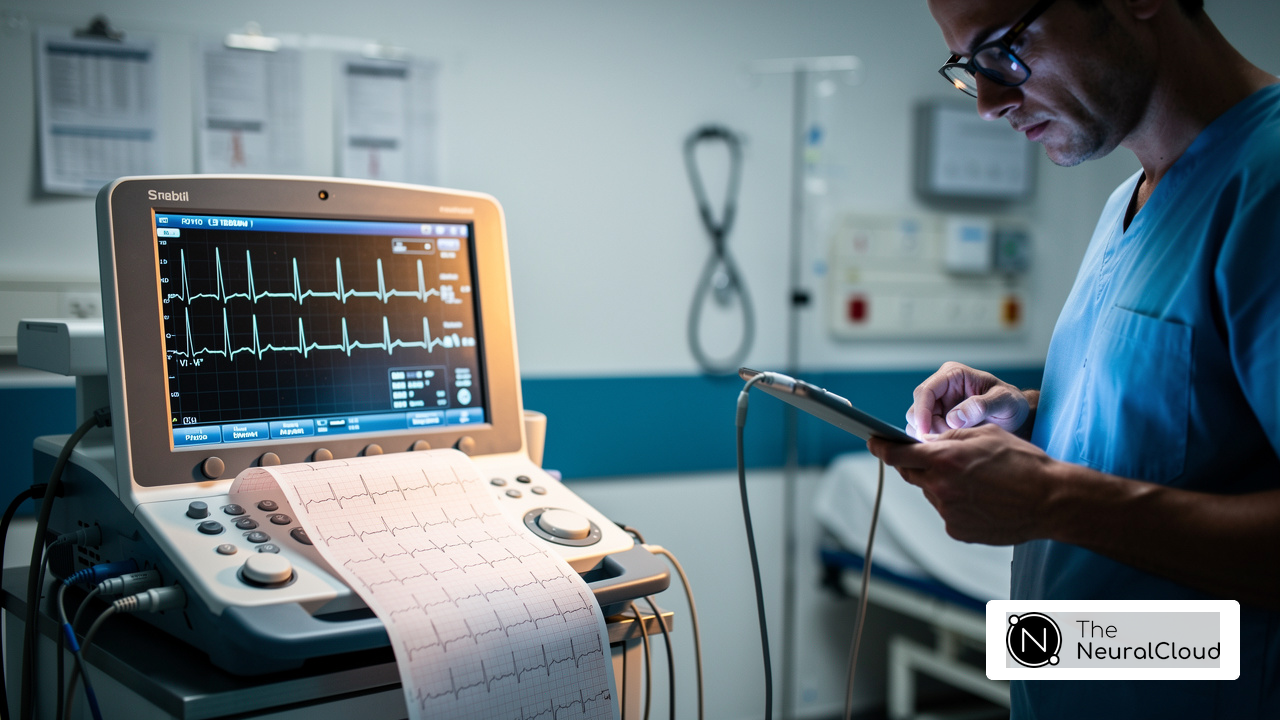
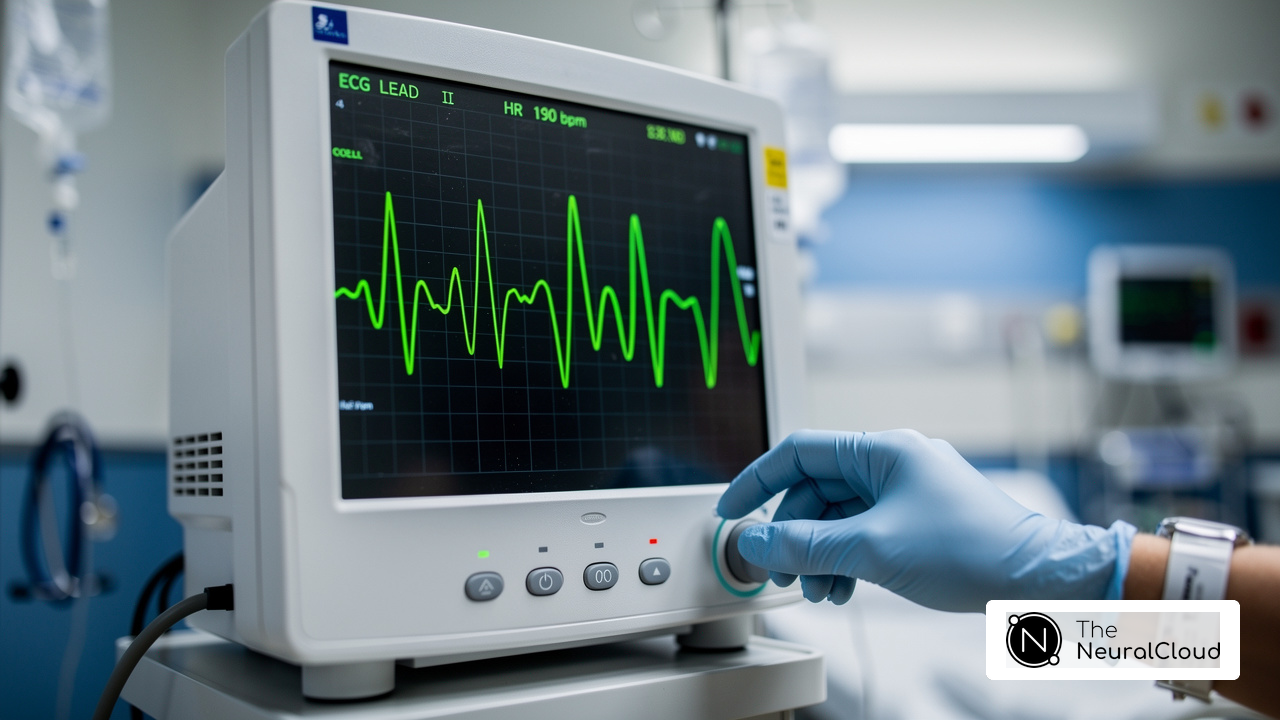
Arrhythmias, which are whether too fast (tachycardia), too slow (bradycardia), or erratic, pose significant risks, including stroke and heart failure. Understanding these conditions is crucial for healthcare professionals. ECG technology plays a vital role in detecting these abnormalities by accurately measuring the heart's electrical activity. It provides a detailed visual representation of heart rhythms, enabling clinicians to effectively identify deviations from normal patterns. Familiarity with common arrhythmias, such as atrial fibrillation (AFib) and ventricular tachycardia, is essential for timely diagnosis and treatment.
Recent statistics highlight the urgency of addressing arrhythmias: AFib alone accounts for about 1 in 7 strokes and contributes to roughly 158,000 fatalities each year in the U.S. Additionally, over 454,000 hospitalizations each year list AFib as the primary diagnosis, underscoring the need for effective monitoring and intervention. By employing advanced ECG technology, healthcare providers can continuously monitor patients and understand how to manage arrhythmias in real-time, significantly improving patient outcomes.
The latest advancements in ECG technology, such as Neural Cloud Solutions' platform, automate the examination of ECG signals, allowing for quick detection of arrhythmias. Key features of the platform include:
- Noise Mapping: It maps ECG signals through noise, isolating and labeling key features in every heartbeat.
- Detailed Insights: This transforms noisy recordings into clear, actionable insights.
- Ongoing Learning Model: The platform's algorithms improve over time, enhancing accuracy and efficiency in diagnosing arrhythmias.
These features streamline clinical workflows and enable healthcare professionals to focus on high-level decision-making. Practical applications of ECG technology have demonstrated its effectiveness in diagnosing arrhythmias, with significant improvements in patient care. As technology continues to evolve, its impact on arrhythmia diagnosis will only grow, making it an indispensable tool in modern healthcare.

Explore MaxYield™ Features for Enhanced ECG Analysis
presents several challenges, including time-consuming manual processes and the need for accurate data interpretation. MaxYield™ addresses these issues with a suite of features.
- Automated Signal Processing: MaxYield™ utilizes sophisticated AI algorithms to enhance signal clarity. This significantly reduces the time healthcare professionals spend on manual analysis, allowing them to concentrate on critical decision-making instead of tedious tasks.
- Rapid Processing: The platform is capable of processing over 200,000 heartbeats in under five minutes. This rapid data processing delivers crucial insights into cardiac health, enabling timely interventions that can make a difference in patient outcomes.
- Noise Reduction: With advanced filtering techniques, MaxYield™ effectively isolates genuine ECG signals from noise and artifacts. This ensures high-quality data, which is vital for accurate diagnoses, especially in environments where signal contamination is common.
- Feature Identification: The system meticulously identifies and labels key features such as P-waves, QRS complexes, and T-wave intervals. This thorough analysis facilitates detailed assessments, including arrhythmias and other cardiac conditions, improving diagnostic accuracy.
- Integration Capabilities: MaxYield™ seamlessly integrates with various ECG devices, making it a versatile solution adaptable to diverse clinical settings. This flexibility not only enhances workflow efficiency but also improves diagnostic yield, positioning MaxYield™ as a leading choice in ECG technology.
In summary, MaxYield™ offers healthcare professionals a powerful tool that streamlines ECG analysis, improves diagnostic accuracy, and ultimately enhances patient care.

Set Up and Integrate MaxYield™ for Optimal Performance
To effectively set up and integrate the MaxYield™ system, follow these essential steps:
- Installation: Begin by installing the software on your clinical workstation. Ensure that your system meets the specified hardware and software requirements outlined in the installation guide.
- Device Connection: Connect ECG devices, such as monitors and sensors, to the platform. Verify that all connections are secure and that the devices are powered on.
- Configuration: Adjust the settings within the software to align with the specifications of the connected ECG devices, including the sampling rate and input parameters.
- Calibration: Conduct a test to confirm that the system accurately captures ECG signals. Follow the calibration procedures detailed in the user manual to ensure precision.
- Integration with Clinical Systems: If applicable, integrate the system with your electronic health record system to facilitate seamless data transfer and enhance workflow efficiency.
- Training: Provide comprehensive instruction for healthcare staff on the effective use of the system, covering result interpretation and troubleshooting common issues. Proper setup and integration will maximize the system's potential, providing insights on how to improve diagnostics and enhancing patient outcomes.
Additionally, ensure proper electrode placement and thorough skin preparation to mitigate baseline drifting, which is crucial for achieving accurate ECG readings. The capabilities and functions of this system significantly improve by addressing issues caused by signal artifacts and physiological variability. As highlighted by Neural Cloud Solutions, AI-enhanced analysis can achieve a positive predictive value of 86.77% and a sensitivity of 97.19%, underscoring the system's effectiveness in clinical settings.

Conduct ECG Analysis Using MaxYield™ for Arrhythmia Detection
To conduct ECG analysis using MaxYield™ for arrhythmia detection, follow these steps:
- Data Import: Import the ECG data from connected devices into the platform, ensuring the data is correctly formatted and devoid of errors.
- Signal Cleaning: MaxYield™ automatically cleans the ECG signals by filtering out noise and artifacts, resulting in a clear representation of the heart's electrical activity. This automated signal cleaning is crucial, as studies indicate that it can significantly improve the accuracy of ECG interpretations by reducing false positives.
- Waveform Analysis: Utilize the tools to identify key components of the ECG waveform, including P-waves, QRS complexes, and T-waves. Examine the labeled data for accuracy, as precise labeling is essential for effective diagnosis.
- Irregularity Detection: Utilize the integrated algorithms to examine the ECG data for abnormalities. The system flags any irregularities, providing insights into potential heart rhythm abnormalities detected. Recent advancements show that AI algorithms achieve detection accuracy rates of 96-97% for irregular heart rhythms, enhancing diagnostic confidence.
- Review Results: Examine the analysis results, focusing on any flagged abnormalities. Utilize the visualization tools within the platform to assess the ECG waveforms in detail, allowing for a comprehensive understanding of the patient's cardiac status.
- Documentation: Document findings, including any recommendations for further action or monitoring. Ensure that documentation is clear and concise to facilitate effective communication among healthcare professionals. By following these steps, healthcare professionals can effectively leverage MaxYield™ to identify arrhythmias, ultimately enhancing patient care and outcomes.

Interpret ECG Results to Identify Arrhythmia
Interpreting ECG results is crucial for healthcare professionals who need to accurately assess heart conditions. However, interpretation can be challenging due to various factors, including noise and artifacts in recordings. To enhance your analysis, follow these steps:
- Assess Heart Rate: Calculate the heart rate by measuring the distance between R-R intervals on the ECG. A normal resting heart rate typically ranges from 60 to 100 beats per minute.
- Rhythm Assessment: Determine if the rhythm is regular or irregular. Consistent R-R intervals indicate regularity, while irregular intervals may imply a heart rhythm disorder.
- Identify Waveform Patterns: Examine the P-waves, QRS complexes, and T-waves for abnormalities. For instance, absent P-waves may indicate atrial fibrillation, while abnormal QRS complexes could suggest ventricular tachycardia.
- Look for ST Segment Changes: ST segment deviations, which can signal ischemia or other cardiac conditions.
To further improve your interpretation skills, consider utilizing advanced software. This advanced platform offers features that significantly enhance interpretation:
- Noise Reduction: employs advanced techniques to isolate ECG waves, even in recordings with substantial noise and artifacts.
- Distinct Wave Recognition: The platform quickly identifies and highlights potential irregular heartbeats, providing valuable context for your findings.
By leveraging these features, healthcare professionals can enhance their ability to detect arrhythmia, leading to improved patient outcomes. Consulting established guidelines will also inform your decisions based on ECG interpretation. Accurate interpretation is crucial for timely and effective patient care.

Troubleshoot Common Issues in ECG Analysis
In ECG analysis, users often face several challenges that can compromise the quality of results. Here are some common issues along with effective solutions:
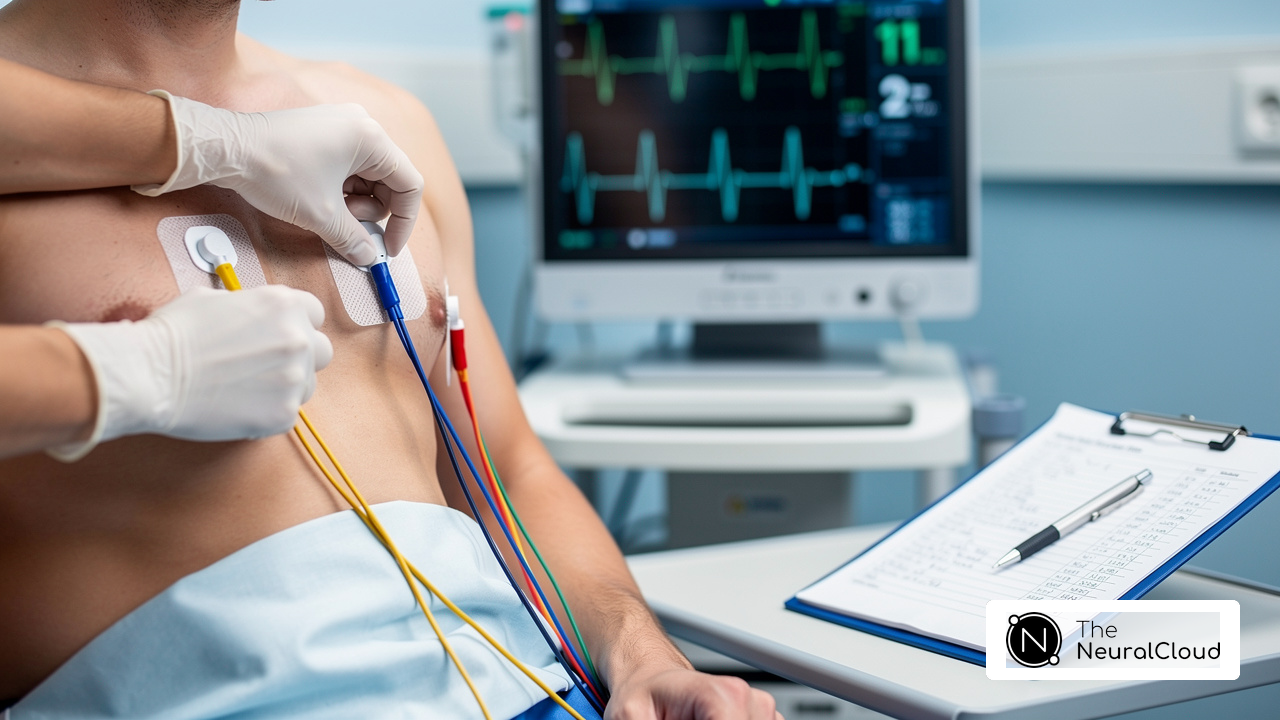
- Poor Signal Quality: Noisy or distorted ECG signals can significantly hinder analysis. To improve signal quality, ensure proper electrode placement and secure attachment to the patient. If necessary, reapply the electrodes to enhance contact. Maintaining stable conditions during recording is crucial to prevent baseline drifting, which can affect accuracy.
- Electrical Interference: Electrical interference often introduces artifacts into ECG readings. To minimize interference, position the ECG machine away from other electronic devices and ensure the patient remains stable during the recording process. Regularly inspect lead connections to identify and rectify potential issues.
- Data Import Errors: If data is not correctly imported into the platform, check the file format for compatibility. Re-export the data from the original device if needed to ensure seamless integration with the advanced software of the company.
- Calibration Issues: Inaccurate ECG readings may indicate calibration issues. Recalibrate the system according to the user manual, ensuring all settings are properly configured to maintain accuracy and reliability in analysis.
- Software Glitches: Should the system experience software glitches, a simple restart of the application may resolve the problem. Additionally, checking for updates can prevent glitches. If issues persist, contacting technical support is advisable to ensure optimal performance of the automated and scalable features.
- User Training: Sufficient instruction on the yield enhancement system is essential for all users. Offering continuous education can bridge knowledge gaps that may impact analysis quality, ensuring that users are well-prepared to utilize the system effectively and leverage its advanced features.
By proactively addressing these common issues, users can significantly enhance the reliability and accuracy of their ECG analysis, ultimately leading to better patient outcomes. Additionally, the system can attain a sensitivity of 97.19% and a positive predictive value of 86.77%, highlighting the effectiveness of the MaxYield™ system in addressing these challenges. As one cardiologist noted, "More confidence in my diagnosis with MaxYield," underscoring the platform's impact on clinical decision-making.

Conclusion
MaxYield™ ECG technology marks a significant leap forward in detecting and analyzing arrhythmias, fundamentally changing how healthcare professionals tackle heart rhythm disorders. This innovative platform empowers clinicians to enhance their diagnostic capabilities, ensuring they can identify irregular heartbeats that pose serious health risks in a timely and accurate manner.
The article emphasizes several key points, including:
- The necessity of understanding arrhythmia
- The standout features of the MaxYield™ platform
- Practical steps for effective ECG analysis
With automated signal processing, real-time data handling, and advanced noise reduction techniques, MaxYield™ not only streamlines clinical workflows but also boosts diagnostic accuracy. This ultimately leads to improved patient care.
The implications of these advancements are significant. As the healthcare landscape evolves, adopting technologies like MaxYield™ becomes essential for enhancing patient outcomes and increasing the efficiency of cardiac care. Healthcare professionals are encouraged to explore these tools and integrate them into their practice, maximizing their potential to detect arrhythmias and deliver high-quality care. By embracing this technology, the future of arrhythmia detection can be much brighter, paving the way for healthier hearts and lives.
Frequently Asked Questions
What are arrhythmias and why are they significant?
Arrhythmias are irregular heartbeats that can be too fast (tachycardia), too slow (bradycardia), or erratic. They pose significant risks, including stroke and heart failure, making it crucial for healthcare professionals to understand these conditions.
How does ECG technology help in detecting arrhythmias?
ECG technology plays a vital role in detecting arrhythmias by accurately measuring the heart's electrical activity and providing a visual representation of heart rhythms, which helps clinicians identify deviations from normal patterns.
What are some common heart rhythm disorders?
Common heart rhythm disorders include atrial fibrillation (AFib) and ventricular tachycardia, which are essential for timely diagnosis and treatment.
What are the statistics related to atrial fibrillation (AFib)?
AFib accounts for about 1 in 7 strokes and contributes to roughly 158,000 fatalities each year in the U.S. Additionally, over 454,000 hospitalizations each year list AFib as the primary diagnosis.
What advancements does the MaxYield™ platform offer in ECG technology?
The MaxYield™ platform automates the examination of ECG signals, allowing for quick detection of irregular heartbeats through features like noise mapping, detailed insights, and an ongoing learning model that enhances accuracy and efficiency.
What is noise mapping in the context of MaxYield™?
Noise mapping is a feature that isolates and labels key features in every heartbeat by mapping ECG signals through noise, transforming noisy recordings into clear, actionable insights.
How does MaxYield™ improve the efficiency of ECG analysis?
MaxYield™ utilizes AI algorithms for automated signal processing, reducing manual analysis time, and processes over 200,000 heartbeats in under five minutes, enabling timely interventions.
What does comprehensive waveform analysis entail in MaxYield™?
Comprehensive waveform analysis involves meticulously identifying and labeling key features such as P-waves, QRS complexes, and T-wave intervals, facilitating detailed assessments and enhancing diagnostic accuracy.
How does MaxYield™ integrate with existing ECG devices?
MaxYield™ seamlessly integrates with various ECG devices, making it a versatile solution adaptable to diverse clinical settings, which enhances workflow efficiency and improves diagnostic yield.
What is the overall impact of ECG technology on patient care?
As ECG technology continues to evolve, its impact on arrhythmia diagnosis will grow, making it an indispensable tool in modern healthcare that enhances patient care and outcomes.
List of Sources
- Understand Arrhythmia and Its Detection through ECG Technology
- About Atrial Fibrillation (https://cdc.gov/heart-disease/about/atrial-fibrillation.html)
- Explore MaxYield™ Features for Enhanced ECG Analysis
- How is AI transforming ECG interpretation? | AI ECG (https://powerfulmedical.com/blog/how-is-ai-transforming-ecg-interpretation)
- ECG Noise Filtering Improves Clinical Accuracy (https://emjreviews.com/interventional-cardiology/news/ecg-noise-filtering-improves-clinical-accuracy)
- Checking your browser - reCAPTCHA (https://pmc.ncbi.nlm.nih.gov/articles/PMC10145690)
- ahajournals.org (https://ahajournals.org/doi/10.1161/JAHA.121.024067)
- Set Up and Integrate MaxYield™ for Optimal Performance
- HeartBeam Receives FDA Clearance for First-Ever, Cable-Free Synthesized 12-Lead ECG for At-Home Arrhythmia Assessment (https://ir.heartbeam.com/news-events/press-releases/detail/107/heartbeam-receives-fda-clearance-for-first-ever-cable-free)
- theneuralcloud.com (https://theneuralcloud.com/post/10-key-artefact-ecg-issues-and-their-solutions)
- AccurKardia wins FDA clearance for next-generation ECG analysis system | Medical Economics (https://medicaleconomics.com/view/accurkardia-wins-fda-clearance-for-next-generation-ecg-analysis-system)
- AI-ECG Momentum and Rising Competition Reshape Diagnostic Cardiology in 2026 (https://signifyresearch.net/insights/diagnostic-cardiology-market-bouncing-into-2026)
- Conduct ECG Analysis Using MaxYield™ for Arrhythmia Detection
- dig.watch (https://dig.watch/updates/new-radar-technology-advances-heart-rhythm-detection)
- Checking your browser - reCAPTCHA (https://pmc.ncbi.nlm.nih.gov/articles/PMC10800643)
- ECG Case Studies | Interpretation & Answers | Geeky Medics (https://geekymedics.com/ecg-case-studies)
- FDA clears HeartBeam’s at-home arrhythmia assessment tool (https://medicaldevice-network.com/news/fda-clears-heartbeam-at-home-arrhythmia-assessment-tool)
- Checking your browser - reCAPTCHA (https://pmc.ncbi.nlm.nih.gov/articles/PMC12419789)
- Interpret ECG Results to Identify Arrhythmia
- Memorable Cardiology Quotes | TheKnowHow Blog (https://theknowhow.ae/memorable-cardiology-quotes-heart)
- parade.com (https://parade.com/1187612/michelle-parkerton/quotes-about-heart-disease)
- ajconline.org (https://ajconline.org/article/S0002-9149(08)01715-3/fulltext)
- cboothinnovations.com (https://cboothinnovations.com/compliance)
- Artificial Intelligence–Assisted ECG Interpretation versus Conventional Reporting in Predicting Arrhythmias in Acute Coronary Syndrome: A Diagnostic Accuracy Study (https://healthcare-bulletin.co.uk/article/artificial-intelligence-assisted-ecg-interpretation-versus-conventional-reporting-in-predicting-arrhythmias-in-acute-coronary-syndrome-a-diagnostic-accuracy-study-4252)
- Troubleshoot Common Issues in ECG Analysis
- theneuralcloud.com (https://theneuralcloud.com/post/10-key-artefact-ecg-issues-and-their-solutions)
- heartkey.io (https://heartkey.io/resources/case-study-enhancing-the-efficiency-and-accuracy-of-ecg-interpretation-through-digital-denoising-with-heartkey)
- paramedicpractice.com (https://paramedicpractice.com/content/clinical-practice/5-recent-ecg-case-studies)
- goodreads.com (https://goodreads.com/work/quotes/53244318)