Introduction
Diagnosing Non-ST-Elevation Myocardial Infarction (NSTEMI) presents unique challenges that demand innovative solutions. NSTEMI accounts for approximately 60% of all myocardial infarctions in Canada, highlighting the urgent need for accurate diagnostic tools. This guide will outline key steps for diagnosing NSTEMI, including:
- How to recognize symptoms
- The necessary diagnostic tests
- Effective management strategies
How can innovative health tech solutions improve the accuracy and speed of NSTEMI diagnosis, ensuring timely interventions that enhance patient outcomes?
Understand NSTEMI: Definition and Importance
Non-ST-Elevation Myocardial Infarction presents unique challenges in how to diagnose NSTEMI and treatment, making it a critical focus for healthcare innovation. This serious form of heart attack is characterized by a partial obstruction of blood flow to the heart muscle, resulting in myocardial injury without the typical ST-segment elevation seen in other heart attack types. In Canada, non-ST elevation myocardial infarction accounts for about 60% of all myocardial infarctions, emphasizing the urgent need for accurate diagnostic tools that explain how to diagnose NSTEMI and differentiate it from other acute coronary syndromes (ACS).
If not diagnosed and treated quickly, non-ST elevation myocardial infarction can lead to serious complications like heart failure and arrhythmias, highlighting the importance of knowing how to diagnose NSTEMI. Timely identification and intervention are crucial for improving patient outcomes, particularly in learning how to diagnose NSTEMI. A recent study found that individuals with NSTEMI who understood how to diagnose NSTEMI and received early treatment had a significantly lower risk of adverse outcomes compared to those diagnosed later.
Health tech developers must understand how to diagnose NSTEMI, as this knowledge creates a demand for innovative technologies that improve diagnostic accuracy and speed. By focusing on advanced diagnostic solutions, developers can enhance care and outcomes in cardiovascular health. Case studies from Canadian cardiovascular care illustrate the successful application of such technologies, demonstrating their impact on improving diagnostic accuracy and patient management.

Identify NSTEMI Symptoms: Key Indicators to Recognize
Prompt diagnosis and intervention hinge on accurately understanding how to diagnose nstemi. Key indicators include:
- Chest Pain or Discomfort: Often described as pressure, squeezing, or fullness in the chest, this symptom may persist for several minutes or fluctuate in intensity.
- Radiating Pain: Pain may extend to the shoulders, neck, arms, back, teeth, or jaw, indicating potential cardiac distress.
- Shortness of Breath: This can occur with or without chest discomfort and is a significant indicator of cardiac issues.
- Other Symptoms: Additional signs may include nausea, vomiting, cold sweat, fatigue, and lightheadedness.
It's essential for health tech developers to focus on integrating features that recognize these symptoms in their diagnostic tools. This enables healthcare providers to act swiftly when these symptoms are present, ultimately improving patient outcomes. Research highlights how to diagnose nstemi early by identifying its symptoms, which is vital. Prompt intervention can significantly enhance survival rates. Furthermore, the prevalence of ischemic heart disease in Canada underscores the importance of these recognition tools, as approximately 2.4 million Canadian adults live with this condition. By focusing on these key symptoms and utilizing technologies like MaxYield, which converts noisy ECG recordings into clear signals, developers can lead to more effective healthcare solutions. Expert endorsements from Dr. Alan Rabinowitz, Dr. Brett Heilbron, and Dr. Marc W. Deyell emphasize that MaxYield’s precision rivals human interpretation, making it an invaluable tool in the diagnostic process. Additionally, it is important to note that men are about twice as likely as women to experience a first acute myocardial infarction, highlighting the need for gender-specific considerations in symptom recognition. Moreover, it is essential to consider regulatory compliance details, such as FDA Class II SaMD clearance-pending status, and to mention Insight360 as a customizable visualization tool that complements MaxYield, providing a more comprehensive view of the offerings. This focus on symptom recognition not only aids in timely diagnosis but also plays a crucial role in improving survival rates for patients.

Conduct Diagnostic Tests: Essential Procedures for NSTEMI Confirmation
Understanding how to diagnose NSTEMI can be challenging due to the overlapping symptoms with other heart conditions. To confirm a diagnosis of NSTEMI, several essential diagnostic tests should be conducted:
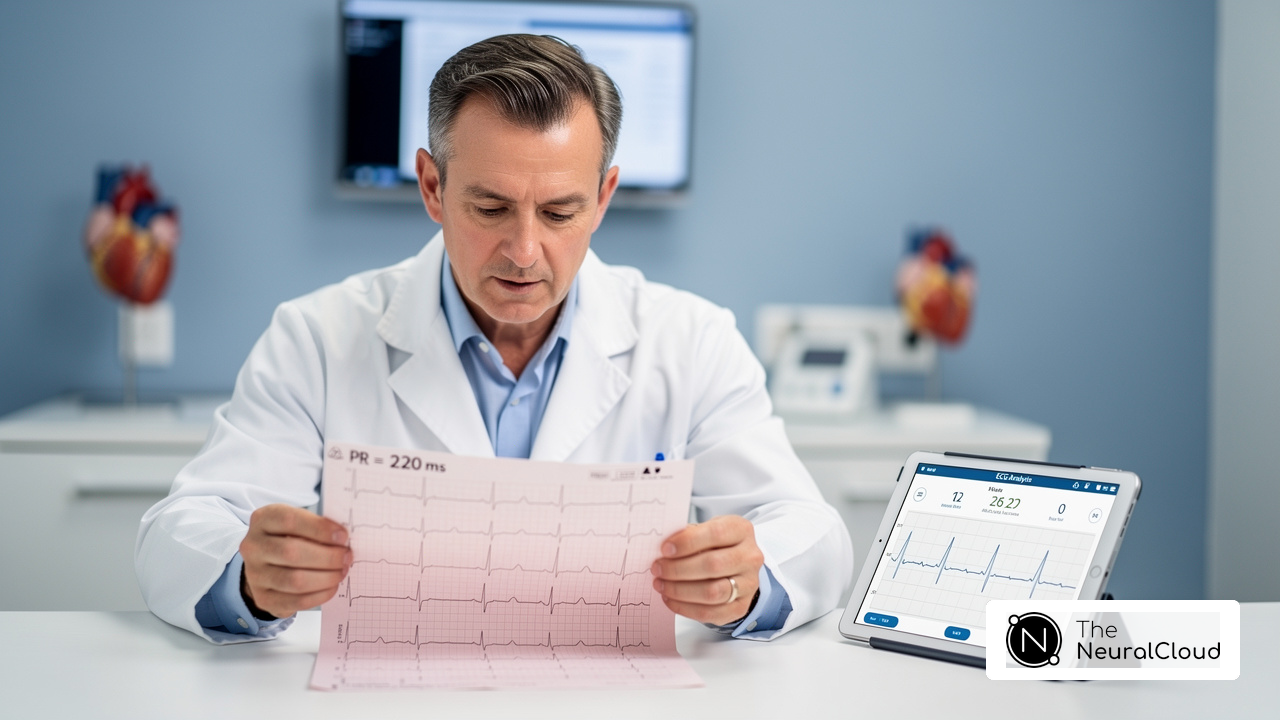
- Electrocardiogram (ECG): This is the primary test for non-ST elevation myocardial infarction diagnosis. Look for ST-segment depression or T-wave inversion, which indicates myocardial ischemia. An ECG is essential for understanding how to diagnose NSTEMI, as it helps distinguish non-ST elevation myocardial infarction from other forms of heart attacks by showing unique patterns linked to each condition.
- Cardiac Biomarkers: Blood tests measuring cardiac troponin levels are critical. Increased troponin I or T levels suggest myocardial damage and are crucial for learning how to diagnose NSTEMI. Research indicates that increased troponin levels without ST segment elevation can assist in understanding how to diagnose NSTEMI as distinct from unstable angina, rendering this test essential for precise diagnosis.
- Chest X-ray: This test helps to rule out other potential causes of chest discomfort while also checking the heart's size and any fluid buildup in the lungs. It is particularly useful in identifying complications that may arise from NSTEMI, such as pulmonary edema.
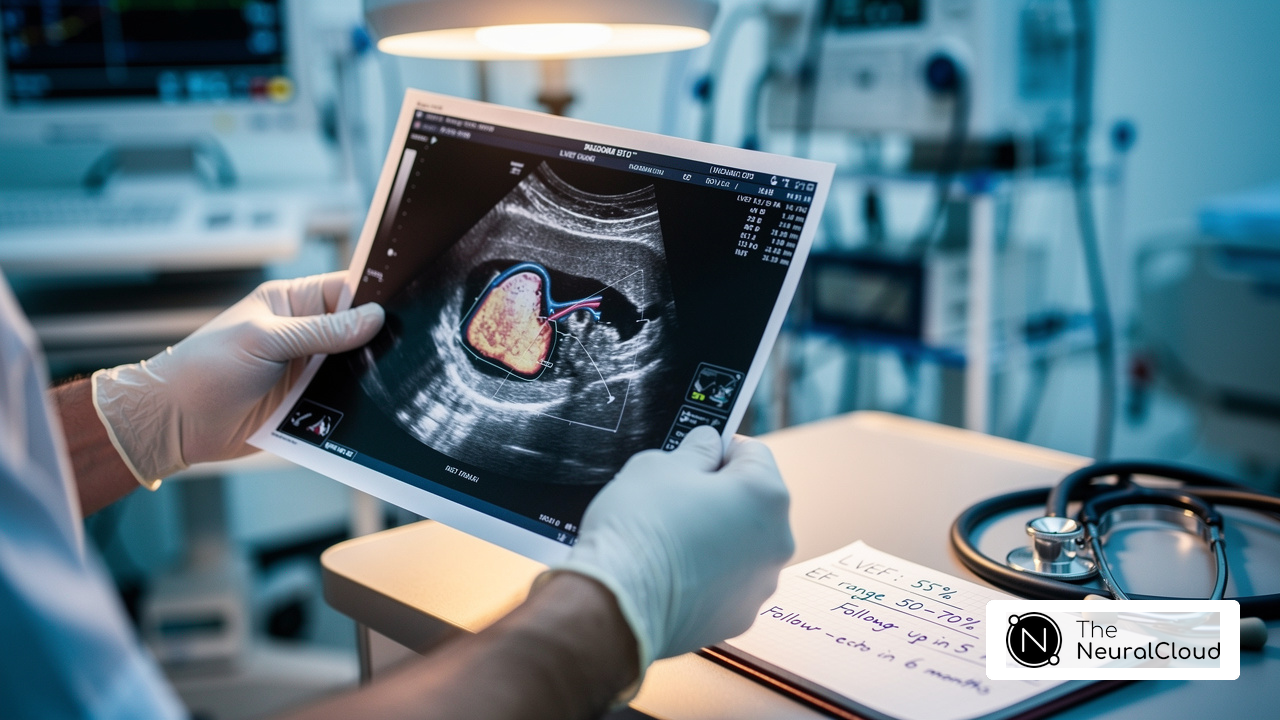
- Echocardiogram: This imaging test evaluates heart function and can identify areas of the heart that are not contracting well due to ischemia. It provides valuable insights into the extent of damage and helps guide treatment decisions.
It's essential for developers to create diagnostic tools that integrate these tests smoothly, providing healthcare professionals with the comprehensive data they need on how to diagnose NSTEMI accurately. For example, case studies in Canada have shown that using a combination of these diagnostic tests greatly enhances how to diagnose NSTEMI, ultimately resulting in improved patient outcomes. By integrating expert insights and the most recent diagnostic data, health tech solutions can improve the efficiency and effectiveness of non-ST elevation myocardial infarction management. This comprehensive approach not only aids in precise diagnosis but also plays a crucial role in enhancing patient care and outcomes.

Interpret Test Results: Analyzing Data for Accurate Diagnosis
Understanding the nuances of ECG analysis is essential for knowing how to diagnose nstemi accurately. Key considerations include:
- ECG Analysis: Focus on identifying specific changes such as ST-segment depression and T-wave inversion. Many individuals with non-ST elevation myocardial infarction show subtle changes in their ECG, which means a careful examination is crucial. When correlated with clinical symptoms, these alterations can provide insight into how to diagnose nstemi.
- Troponin Levels: When looking at elevated troponin levels, it's important to consider the individual's clinical context as well. An increase and decrease in troponin levels over time suggests myocardial injury, which is important for learning how to diagnose nstemi. Significantly, studies indicate that 26% of individuals with non-ST elevation myocardial infarction may not satisfy the >20% delta criteria for identification, which emphasizes how to diagnose nstemi through thorough assessment.
- Risk Stratification: Utilize scoring systems such as TIMI or GRACE to assess risk and guide treatment strategies. These tools consider factors like age, previous coronary artery disease, and clinical presentation to help determine the best interventions.
Health tech developers should prioritize creating tools that streamline the integration and analysis of these critical data points. By doing so, they can empower healthcare providers to make swift, informed decisions on how to diagnose nstemi and manage non-ST elevation myocardial infarction, ultimately enhancing diagnostic accuracy and patient outcomes.

Explore Treatment Options: Effective Strategies for NSTEMI Management
Effectively managing NSTEMI can be complex, particularly when considering how to diagnose NSTEMI and the need for personalized treatment strategies. Effective management requires a multifaceted approach that combines pharmacological and non-pharmacological strategies tailored to individual patient needs:
- Medications: Initiate dual antiplatelet therapy, typically with aspirin and clopidogrel, to inhibit further clot formation. Anticoagulants may also be utilized to reduce thrombus risk, particularly in individuals at high risk, in accordance with the 2025 American College of Cardiology and American Heart Association guidelines for managing acute coronary syndromes.
- Beta-Blockers: These agents are crucial for reducing myocardial oxygen demand, thereby improving outcomes in individuals with NSTEMI.
- Statins: High-intensity statin therapy is recommended to stabilize atherosclerotic plaques and lower cardiovascular risk, aligning with the latest guidelines.
- Revascularization: Depending on the individual's risk profile, consider percutaneous coronary intervention (PCI) or coronary artery bypass grafting (CABG) for those with significant coronary artery disease, as supported by recent studies highlighting the importance of timely intervention.
- Lifestyle Modifications: Encourage heart-healthy lifestyle changes, including a balanced diet, regular exercise, and smoking cessation, which are essential for long-term management and recovery.
Recent case studies in Canada demonstrate how these strategies effectively enhance outcomes for patients. For example, a cohort study showed that adherence to secondary prevention medications significantly lowered all-cause mortality among individuals with non-ST elevation myocardial infarction (HR 0.71, 95% CI 0.59-0.86). Experts emphasize the importance of understanding how to diagnose NSTEMI and integrating these treatment strategies into clinical practice for better care management. Anastasios Mavridis noted that higher income and physical activity were associated with adherence, while atrial fibrillation was linked to non-adherence.
It's essential for health tech developers to focus on creating tools that help implement these evidence-based strategies, ensuring that healthcare providers can deliver efficient and effective care for NSTEMI patients.

Conclusion
Accurate diagnosis of Non-ST-Elevation Myocardial Infarction (NSTEMI) is essential for advancing patient care in cardiovascular health. This guide highlights the importance of accurate diagnosis and key symptoms to recognize. It also covers essential diagnostic tests and effective treatment strategies. By focusing on these elements, developers can create innovative solutions that improve diagnostic accuracy and ultimately lead to better patient outcomes.
Key insights discussed include the significance of recognizing NSTEMI symptoms such as:
- Chest pain
- Radiating discomfort
- Shortness of breath
These symptoms are vital for timely intervention. Conducting comprehensive diagnostic tests, including:
- ECGs
- Cardiac biomarker assessments
is crucial to confirm NSTEMI. Furthermore, effective management strategies, including:
- Medication
- Lifestyle modifications
are essential components of patient care.
The implications of this knowledge extend beyond individual patient care; they underscore the urgent need for health tech innovations that can streamline the diagnostic process and enhance treatment efficacy. By innovating diagnostic tools, developers can significantly enhance patient care and outcomes. Embracing this challenge not only benefits healthcare providers but also transforms cardiovascular care and improves the lives of countless patients with NSTEMI.
Frequently Asked Questions
What is NSTEMI and why is it important?
Non-ST-Elevation Myocardial Infarction (NSTEMI) is a serious type of heart attack characterized by partial obstruction of blood flow to the heart muscle, leading to myocardial injury without the typical ST-segment elevation. In Canada, NSTEMI accounts for about 60% of all myocardial infarctions, highlighting the need for accurate diagnostic tools to differentiate it from other acute coronary syndromes.
What are the potential complications of untreated NSTEMI?
If not diagnosed and treated quickly, NSTEMI can lead to serious complications such as heart failure and arrhythmias, making timely identification and intervention crucial for improving patient outcomes.
How does early treatment impact outcomes for NSTEMI patients?
A recent study found that individuals with NSTEMI who received early treatment had a significantly lower risk of adverse outcomes compared to those diagnosed later, emphasizing the importance of prompt diagnosis and intervention.
What are the key symptoms of NSTEMI to recognize?
Key symptoms of NSTEMI include:
- Chest pain or discomfort, often described as pressure or squeezing.
- Radiating pain to the shoulders, neck, arms, back, teeth, or jaw.
- Shortness of breath, which may occur with or without chest discomfort.
- Other symptoms such as nausea, vomiting, cold sweat, fatigue, and lightheadedness.
Why is it important for health tech developers to focus on NSTEMI symptoms?
Integrating features that recognize NSTEMI symptoms in diagnostic tools enables healthcare providers to act swiftly, ultimately improving patient outcomes. Early identification of symptoms is vital for timely intervention and enhancing survival rates.
What role does MaxYield play in diagnosing NSTEMI?
MaxYield is a technology that converts noisy ECG recordings into clear signals, aiding in the accurate diagnosis of NSTEMI. Its precision rivals human interpretation, making it an invaluable tool in the diagnostic process.
Are there gender-specific considerations in NSTEMI symptom recognition?
Yes, men are about twice as likely as women to experience a first acute myocardial infarction, highlighting the need for gender-specific considerations in recognizing symptoms of NSTEMI.
What regulatory compliance details should be considered in NSTEMI diagnostic tools?
It is important to consider regulatory compliance details such as FDA Class II SaMD clearance-pending status when developing diagnostic tools for NSTEMI.
How does Insight360 complement MaxYield in the diagnostic process?
Insight360 is a customizable visualization tool that complements MaxYield by providing a more comprehensive view of the diagnostic offerings, enhancing the overall effectiveness of patient management.
List of Sources
- Understand NSTEMI: Definition and Importance
- Machine Learning Diagnostic Model for Early Stage NSTEMI: Using hs-cTnI 1/2h Changes and Multiple Cardiovascular Biomarkers - PMC (https://pmc.ncbi.nlm.nih.gov/articles/PMC11506866)
- AI model shows high accuracy in heart attack detection (https://eurekalert.org/news-releases/1078726)
- AI Shows Promise for Rapid NSTEMI Diagnosis (https://medscape.com/viewarticle/ai-shows-promise-rapid-nstemi-diagnosis-2025a10009pw)
- NSTEMI: Non-ST-Segment Elevation Myocardial Infarction - The Cardiology Advisor (https://thecardiologyadvisor.com/ddi/nstemi)
- Artificial intelligence may speed heart attack diagnosis and treatment (https://newsroom.heart.org/news/artificial-intelligence-may-speed-heart-attack-diagnosis-and-treatment)
- Identify NSTEMI Symptoms: Key Indicators to Recognize
- Early Treatment for NSTEMI Patients Shows Greater Rate of Survival | SCAI (https://scai.org/media-center/news-and-articles/early-treatment-nstemi-patients-shows-greater-rate-survival)
- Heart disease in Canada: Highlights from the Canadian Chronic Disease Surveillance System, 2017 - Canada.ca (https://canada.ca/en/public-health/services/publications/diseases-conditions/heart-disease-canada-fact-sheet.html)
- What is NSTEMI? (non-ST Elevation Myocardial Infarction) (https://lonestarneurology.net/blog/what-is-nstemi-symptoms-causes-treatment)
- Understanding Non-STEMI Heart Attacks: The Silent Threat (https://oakbendmedcenter.org/2024/04/01/understanding-non-stemi-heart-attacks-the-silent-threat)
- Conduct Diagnostic Tests: Essential Procedures for NSTEMI Confirmation
- Study suggests MRI should be standard practice for NSTEMI diagnosis, treatment (https://cardiovascularbusiness.com/topics/cardiac-imaging/mri-standard-practice-nstemi-diagnosis)
- ACC/AHA Issue Update to UA/NSTEMI Guidelines - Cardiac Interventions Today (https://citoday.com/news/accaha-issue-update-to-uanstemi-guidelines)
- NSTEMI: Treatment, symptoms, and diagnosis (https://medicalnewstoday.com/articles/321059)
- NSTEMI: Non-ST-Segment Elevation Myocardial Infarction - The Cardiology Advisor (https://thecardiologyadvisor.com/ddi/nstemi)
- Interpret Test Results: Analyzing Data for Accurate Diagnosis
- Troponin criteria missed 26% of NSTEMIs | 2 Minute Medicine (https://2minutemedicine.com/troponin-criteria-missed-26-of-nstemis)
- Machine learning for ECG diagnosis and risk stratification of occlusion myocardial infarction - Nature Medicine (https://nature.com/articles/s41591-023-02396-3)
- AI-based ECG interpretation outperforms standard diagnosis of occlusive myocardial infarction (https://news-medical.net/news/20260323/AI-based-ECG-interpretation-outperforms-standard-diagnosis-of-occlusive-myocardial-infarction.aspx)
- Avoiding STEMI and NSTEMI Misdiagnoses with Fast, Accurate ECG Interpretation (https://gehealthcare.com/content/gehealthcare/language-masters/en/insights/article/avoiding-stemi-and-nstemi-misdiagnoses-with-fast-accurate-ecg-interpretation.html?srsltid=AU7gw4Uib3iTOobiB90JP6TPUWNpt6KzdycvgehHyWOfnJuArVpCX7Nb)
- Troponins: Reference Range, Interpretation, Collection and Panels (https://emedicine.medscape.com/article/2073935-overview)
- Explore Treatment Options: Effective Strategies for NSTEMI Management
- Early Treatment for NSTEMI Patients Shows Greater Rate of Survival | SCAI (https://scai.org/media-center/news-and-articles/early-treatment-nstemi-patients-shows-greater-rate-survival)
- New Guideline on Acute Coronary Syndromes: Key Takeaways (https://consultqd.clevelandclinic.org/new-guideline-on-acute-coronary-syndromes-key-takeaways-for-cardiologists)
- Medication adherence after myocardial infarction: Predictors, mortality and cardiovascular outcomes (https://portal.research.lu.se/en/publications/medication-adherence-after-myocardial-infarction-predictors-morta)