Introduction
Wide QRS complexes, often exceeding 120 milliseconds, can indicate serious cardiac conditions, prompting the essential question of whether they signify an emergency. As healthcare providers face the complexities of ECG interpretation, grasping the implications of these patterns is crucial for effective patient management. The challenge, however, lies in distinguishing between benign variations and life-threatening arrhythmias.
What steps can clinicians take to ensure accurate assessments and timely interventions in the face of potentially dire outcomes? Understanding these complexities is vital for improving patient care and outcomes.
Understand Wide QRS Complexes and Their Clinical Implications
The question of whether wide QRS complexes are an emergency arises, as wide QRS patterns defined by durations exceeding 120 milliseconds serve as critical indicators of various cardiac conditions, such as ventricular tachycardia and arrhythmias. Their presence can indicate serious underlying issues, including delayed ventricular depolarization, leading to concerns about whether these conditions may compromise heart function and reduce cardiac output. For instance, a clinical case involving a 62-year-old man showed a QRS duration of 180 milliseconds with a heart rate of 222 bpm, raising the question of whether this situation requires immediate assessment in these scenarios.
The clinical implications of wide QRS complexes are significant, as they can arise from both structural heart conditions and functional irregularities. A study involving 421 individuals highlighted the necessity of accurately diagnosing wide QRS complexes for effective management. Automated algorithms demonstrated promising diagnostic performance, with 192 heart rhythm diagnoses established through corroborating recordings, emphasizing the importance of thorough evaluation.
Healthcare providers must remain vigilant, as the question of whether wide QRS complexes can indicate serious conditions. The swift downstroke of the S wave in leads V1-V3, measured at less than 70 milliseconds, can support the diagnosis of supraventricular tachycardia with aberrancy. This further emphasizes the need for precise interpretation of wide QRS complexes. When evaluating wide QRS complexes, clinicians should consider the individual's history and symptoms, along with the potential for serious cardiac events, to determine if immediate intervention is necessary.
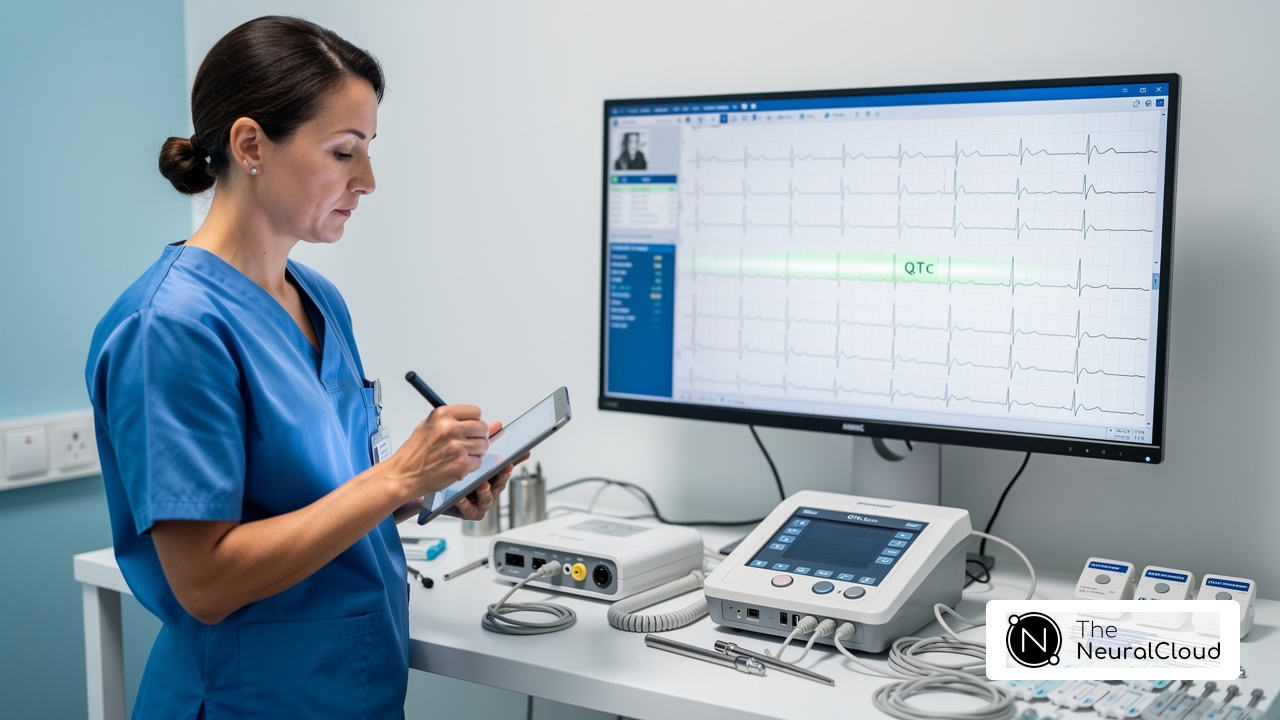
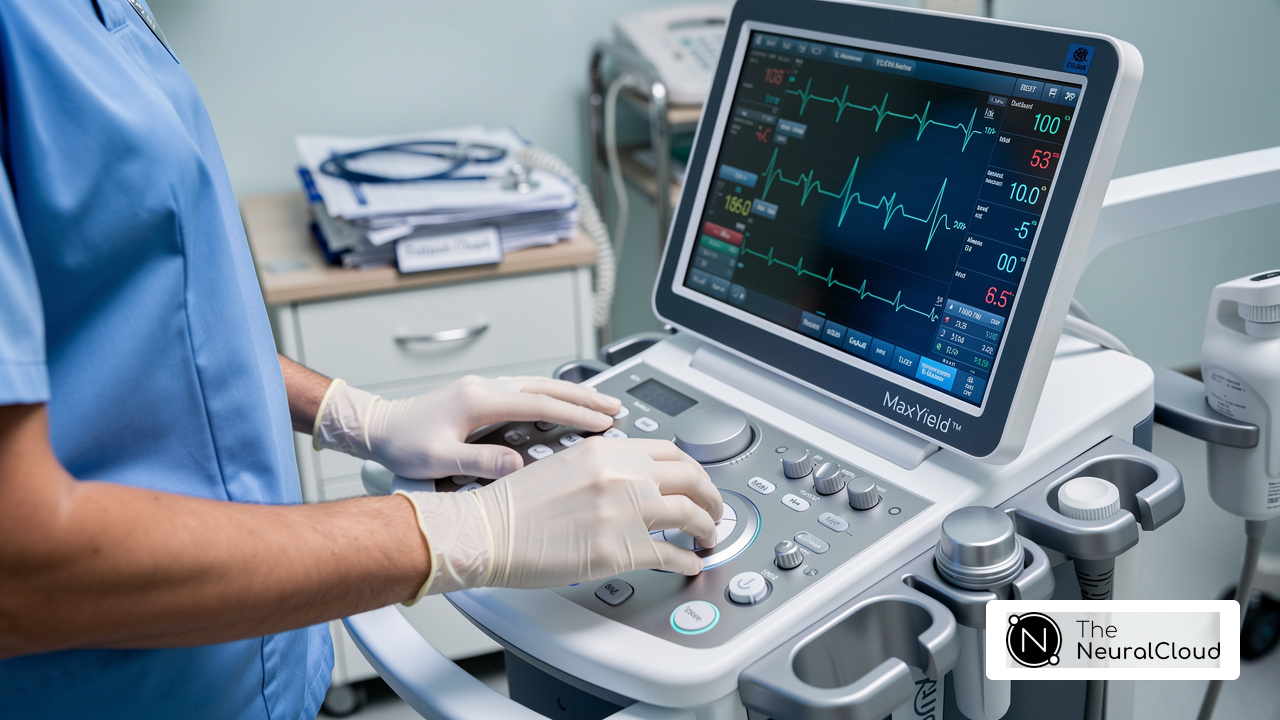
Incorporating Neural Cloud Solutions' technology can significantly enhance the analysis of wide QRS complexes. This platform features advanced noise filtering, real-time monitoring, and beat-by-beat analysis capabilities. These features enable clinicians to isolate and identify critical data even in recordings with high levels of noise and artifact. The advantages of using MaxYield™ include a streamlined analysis process and support for confident clinical decision-making by providing clear, actionable insights. By leveraging this technology, healthcare professionals can improve their evaluations of wide QRS complexes, ultimately benefiting patient care.

Identify Emergency Indicators for Wide QRS Complexes
When evaluating an individual with an extensive QRS pattern, clinicians must consider if it is an emergency sign that may indicate a life-threatening situation. Key indicators include:
- Confusion: Confusion or decreased responsiveness can signal inadequate cerebral perfusion. This is critical, as studies show that hypotension is prevalent in 68% of patients experiencing cardiac events.
- Hypotension: Hypotension, often seen in unstable individuals with complex tachycardia (WCT).
- Chest pain: This symptom may suggest myocardial ischemia, necessitating immediate evaluation.
- Shortness of breath: Difficulty breathing can indicate heart failure or pulmonary edema, conditions that require urgent intervention.
- Palpitations: Rapid or irregular heartbeats may suggest an underlying arrhythmia, which can escalate quickly if not addressed.
Recognizing these indicators allows healthcare providers to prioritize interventions and initiate appropriate emergency protocols. For instance, prompt cardioversion or defibrillation is essential for unstable individuals, as timely action can significantly decrease morbidity and mortality. Emergency medicine specialists emphasize that any EKG showing WCT raises the question of whether it is an emergency and should be treated as ventricular tachycardia (VT) until proven otherwise, given the serious implications of mismanagement. By understanding these critical signs, clinicians can enhance patient outcomes in emergency settings.

Utilize Technology for Real-Time Assessment of Wide QRS Complexes
Integrating technology into the evaluation of wide QRS complexes significantly enhances diagnostic precision. The challenges in ECG analysis often stem from the complexity of interpreting these patterns. By leveraging advanced technology, healthcare providers can improve diagnosis and patient outcomes. Here are effective steps to utilize technology in this context:
- Implement monitoring systems: Advanced tools allow for continuous monitoring, enabling real-time detection of wide QRS complexes. This capability is crucial for timely intervention, particularly when the situation is critical.
- Utilize AI algorithms: AI-driven algorithms are designed to differentiate between various types of wide QRS patterns, such as those with aberrancy. These algorithms provide immediate alerts for abnormal findings, enhancing both the speed and accuracy of diagnosis.
- Integrate Telemedicine Solutions: Telemedicine platforms facilitate remote consultations with cardiology specialists. This collaborative approach supports informed decision-making in complex cases, ensuring individuals receive expert guidance without delay.
- Utilize mobile applications: Mobile apps empower individuals to monitor their ECG data and receive alerts for concerning changes. This engagement allows individuals to take an active role in their health management, promoting awareness of potential issues.
By adopting these technologies, healthcare providers can significantly enhance their evaluation abilities and respond more efficiently to patients with wide QRS complexes, ultimately leading to improved patient outcomes.

Troubleshoot Common Challenges in Assessing Wide QRS Complexes
Evaluating broad complexes can significantly impact diagnostic accuracy. Below are common issues along with solutions:
- Artifact Interference: Proper lead placement and equipment functionality are essential to minimize noise and artifacts that can distort the QRS pattern. Research indicates that misinterpretations occur frequently, with about 39% of ECGs analyzed showing incorrect interpretations due to such distortions. Neural Cloud Solutions' technology improves accuracy by employing advanced noise filtering, ensuring optimal conditions for ECG recording and accurate readings.
- Misinterpretation of QRS Duration: Understanding the normal QRS duration and the criteria for identifying an extended QRS pattern is crucial. Accurate measurement using calipers or digital tools can help prevent errors. Data reveals that precision is critical for false-negative interpretations, highlighting the importance of precision in assessing QRS duration. Advanced tools significantly reduce the likelihood of misinterpretation by providing clear, distinct waveforms.
- Differentiating Between Arrhythmias: When there's uncertainty about the type of arrhythmia, utilizing advanced algorithms or consulting with a cardiologist is recommended. Additional tests, such as echocardiograms or electrophysiological studies, may be necessary to clarify the diagnosis. The complexity of arrhythmias requires careful evaluation to determine if a condition is an emergency in order to avoid misdiagnosis. MaxYield™'s adaptability and features boost diagnostic confidence through precise data analysis.
- Patient Variability: Individual factors can influence ECG readings. Regularly reviewing the individual's medical history and current medications is vital to identify potential impacts on the ECG. For example, studies have shown that certain medications can alter QRS duration, leading to diagnostic challenges. By leveraging the capabilities of MaxYield™, healthcare providers can better account for these variabilities, ensuring a more accurate assessment.
By proactively addressing these challenges with the support of Neural Cloud Solutions' MaxYield™ platform, healthcare providers can enhance assessment accuracy and improve patient care outcomes.

Conclusion
Wide QRS complexes are critical markers for various cardiac conditions, often indicating potentially life-threatening situations. For healthcare providers, understanding the implications of wide QRS patterns and the urgency of their assessment is essential. The complexity of these patterns necessitates immediate attention and accurate interpretation to ensure optimal patient outcomes.
Recognizing emergency indicators is vital. Signs such as altered mental status, hypotension, chest pain, shortness of breath, and palpitations require prompt evaluation and intervention to prevent severe complications. Additionally, integrating advanced technology, like AI algorithms and ECG monitoring systems, enhances diagnostic accuracy. These tools enable real-time assessment, allowing clinicians to respond effectively to wide QRS scenarios.
The question of whether wide QRS is an emergency highlights the importance of vigilance and preparedness in clinical practice. By leveraging technological advancements and adhering to established assessment guidelines, healthcare professionals can significantly improve their response to wide QRS complexes. This proactive approach not only enhances diagnostic precision but also plays a crucial role in safeguarding patient health during critical situations.
Frequently Asked Questions
What defines a wide QRS complex?
A wide QRS complex is defined by a duration exceeding 120 milliseconds.
Why is the presence of a wide QRS complex significant?
The presence of a wide QRS complex serves as a critical indicator of various cardiac conditions, including bundle branch blocks and ventricular tachycardia (VT), and may indicate serious underlying issues such as delayed ventricular depolarization.
Is wide QRS considered an emergency?
Yes, wide QRS can be considered an emergency as it may compromise heart function and reduce cardiac output, necessitating immediate assessment in certain situations.
What clinical case illustrates the need to assess wide QRS?
A clinical case involving a 62-year-old man with a QRS duration of 180 milliseconds and a heart rate of 222 bpm highlights the urgency of evaluating wide QRS.
What are the clinical implications of broad QRS patterns?
Broad QRS patterns can arise from both structural heart conditions and functional irregularities, indicating the need for accurate differentiation between VT and supraventricular broad tachycardia (SWCT) for effective management.
How can automated algorithms assist in diagnosing wide QRS?
Automated algorithms can demonstrate promising diagnostic performance, as shown in a study where 192 heart rhythm diagnoses were established through corroborating recordings.
What serious complications can wide QRS indicate?
Wide QRS can indicate serious complications such as heart attack and sudden cardiac death.
What specific ECG finding supports the diagnosis of supraventricular tachycardia with aberrancy?
A swift downstroke of the S wave in leads V1-V3, measured at less than 70 milliseconds, can support this diagnosis.
What factors should clinicians consider when evaluating broad QRS patterns?
Clinicians should consider the individual's history, symptoms, and the potential for serious cardiac events to determine if wide QRS is an emergency.
How can Neural Cloud Solutions' MaxYield™ platform enhance the analysis of broad QRS patterns?
The MaxYield™ platform offers advanced noise filtering, automated ECG labeling, and beat-by-beat analysis capabilities, enabling clinicians to isolate critical data even in noisy recordings, which improves patient care.
List of Sources
- Understand Wide QRS Complexes and Their Clinical Implications
- Differential Diagnosis of Wide QRS Complex Tachycardias (https://cancertherapyadvisor.com/home/decision-support-in-medicine/cardiology/differential-diagnosis-of-wide-qrs-complex-tachycardias)
- nature.com (https://nature.com/articles/s43856-024-00725-2)
- my.clevelandclinic.org (https://my.clevelandclinic.org/health/diseases/wide-complex-tachycardia)
- Identify Emergency Indicators for Wide QRS Complexes
- pubmed.ncbi.nlm.nih.gov (https://pubmed.ncbi.nlm.nih.gov/41861344?utm_source=SimplePie&utm_medium=rss&utm_campaign=pubmed-2&utm_content=1pq-4TZ0w1pIimA2HHLJZYTkSjaU335U-aRSFRxJ31Blahz9sN&fc=20220524061305&ff=20260320221929&v=2.19.0.post6+133c1fe)
- ahajournals.org (https://ahajournals.org/doi/10.1161/CIRCULATIONAHA.120.049324)
- Checking your browser - reCAPTCHA (https://ncbi.nlm.nih.gov/books/NBK559054)
- pubmed.ncbi.nlm.nih.gov (https://pubmed.ncbi.nlm.nih.gov/28403620)
- Utilize Technology for Real-Time Assessment of Wide QRS Complexes
- mountsinai.org (https://mountsinai.org/about/newsroom/2026/ai-powered-ecg-could-help-guide-lifelong-heart-monitoring-for-patients-with-repaired-tetralogy-of-fallot)
- ECG market keeps evolving thanks to AI, home monitoring and Epic integration (https://cardiovascularbusiness.com/topics/cardiac-imaging/electrocardiography-ecg/ecg-market-keeps-evolving-thanks-ai-home-monitoring-and-epic-integration)
- Investigating the Efficacy of AI-Powered Innovations in ECG Analysis and Continuous Heart Monitoring: A Comprehensive Narrative Review - PMC (https://pmc.ncbi.nlm.nih.gov/articles/PMC12419789)
- Troubleshoot Common Challenges in Assessing Wide QRS Complexes
- pubmed.ncbi.nlm.nih.gov (https://pubmed.ncbi.nlm.nih.gov/39663836)
- ahajournals.org (https://ahajournals.org/doi/10.1161/circulationaha.118.033936?rss=1&ssource=mfr)
- mdpi.com (https://mdpi.com/2673-3846/2/4/39)
- Frontiers | The most common errors in automatic ECG interpretation (https://frontiersin.org/journals/physiology/articles/10.3389/fphys.2025.1590170/full)
- thecardiologyadvisor.com (https://thecardiologyadvisor.com/ddi/wide-complex-tachycardia)