Introduction
Accurate placement of electrodes in a 12-lead ECG is not merely a technical requirement; it plays a crucial role in influencing patient outcomes. Misplacement can result in significant diagnostic errors, potentially misidentifying life-threatening conditions. This article explores best practices for achieving precise electrode placement, emphasizing essential techniques and common pitfalls that healthcare professionals must navigate.
Clinicians can enhance the reliability and informativeness of their ECG readings by adhering to these best practices. Understanding the critical nature of electrode placement can ultimately improve the quality of cardiac care, ensuring that patients receive the most accurate assessments possible.
Understand the Importance of Accurate 12-Lead ECG Placement
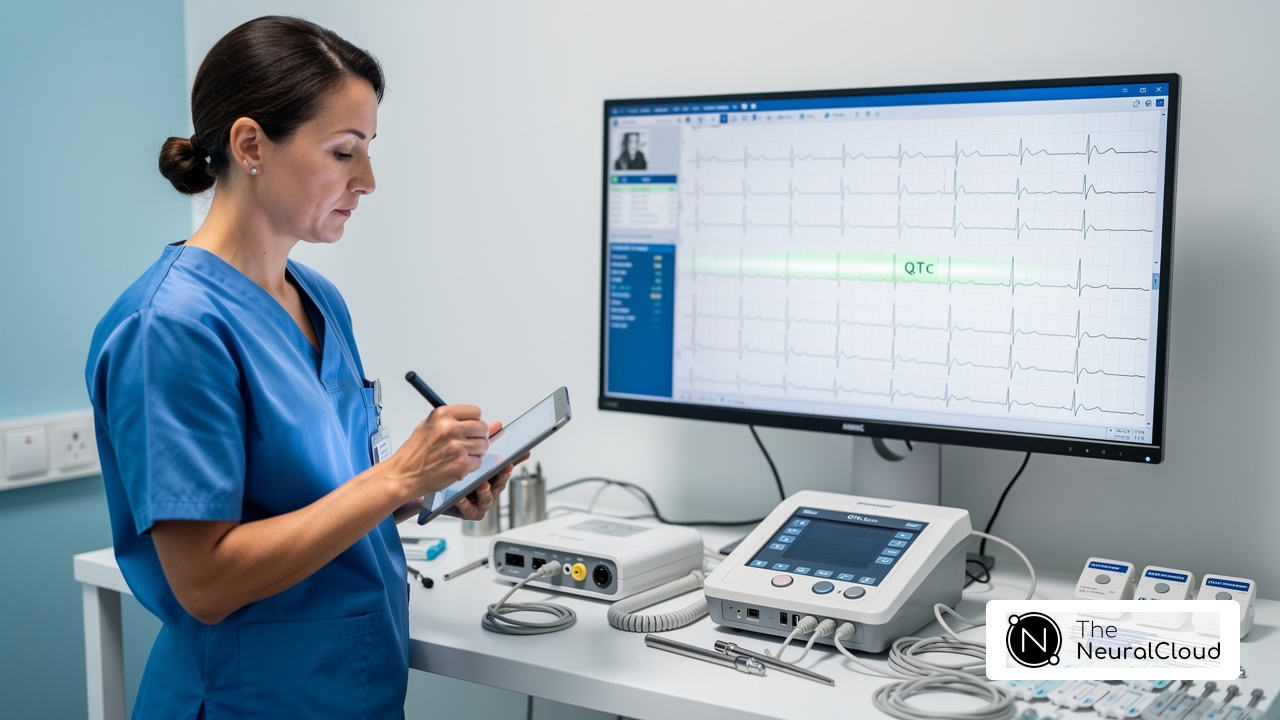
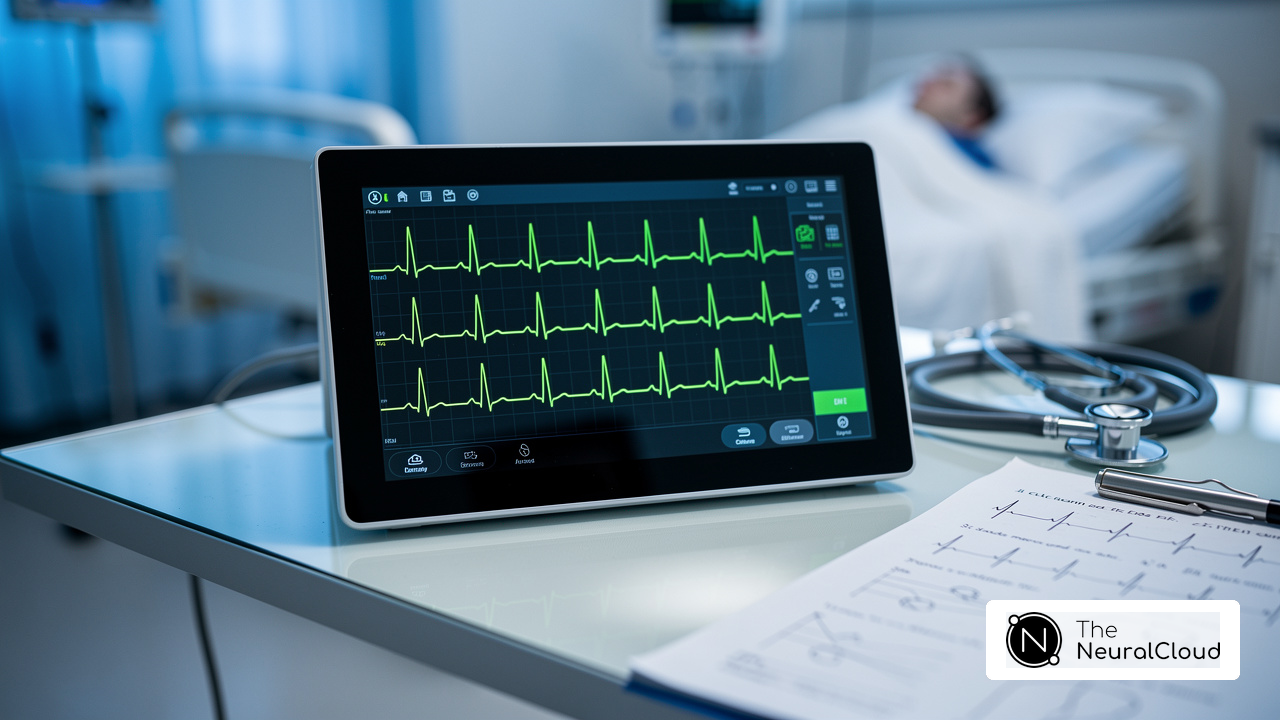
Accurate placement of electrodes is crucial for obtaining a reliable 12 lead ECG picture of cardiac data. Misplacement can lead to significant diagnostic errors, including false positives for conditions like myocardial infarction or arrhythmias. Research shows that improper electrode placement can result in misdiagnosis rates ranging from 17% to 24%. Each lead in the 12 lead ECG picture offers a unique view of the heart's electrical activity, and deviations from standard placement protocols can obscure vital information, potentially affecting patient care. Therefore, clinicians must prioritize adherence to established guidelines to ensure high-quality ECG readings and improve diagnostic accuracy.
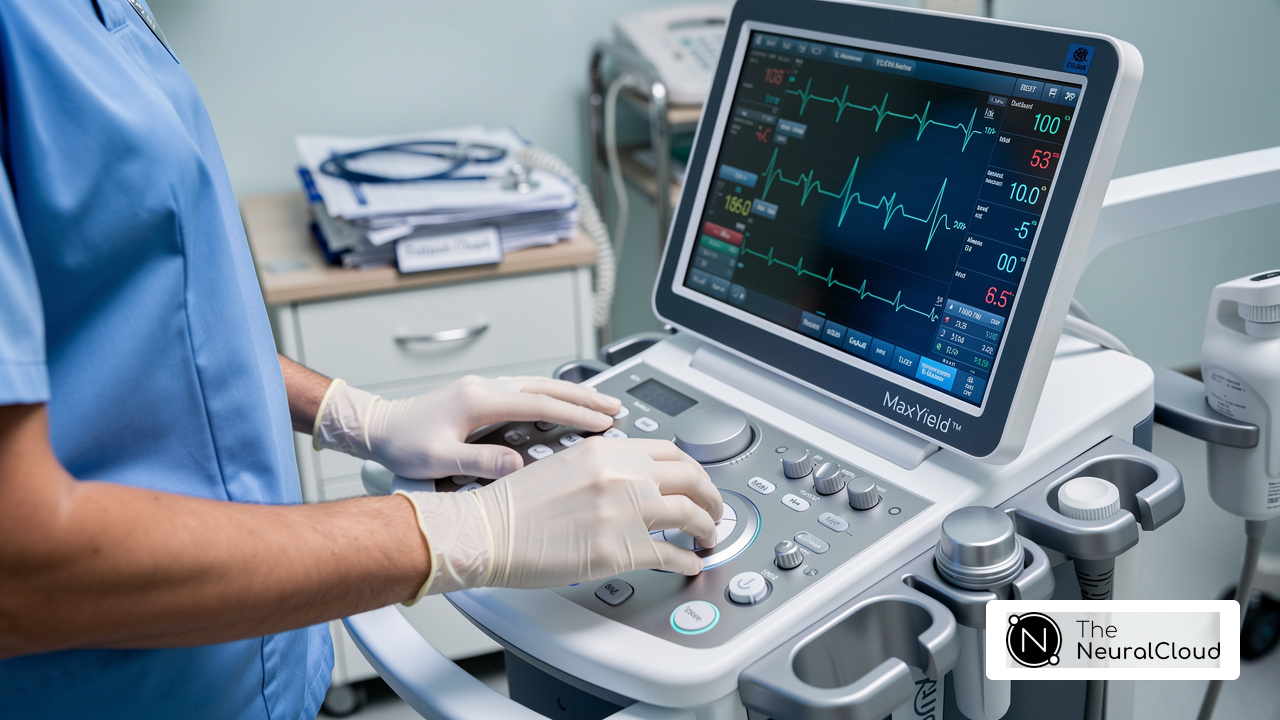
The MaxYield™ platform by Neural Cloud Solutions addresses these challenges in ECG analysis. It automates the labeling and data extraction processes, significantly reducing operational costs while enhancing the efficiency of ECG analysis. Key features of MaxYield™ include:
- Automated Data Processing: Streamlines the workflow, allowing for quicker analysis.
- Integration with Wearable Technology: Facilitates real-time data collection and monitoring.
- Enhanced Accuracy: Reduces the impact of physiological variability and signal artifacts.
These features translate into substantial advantages for healthcare professionals. By automating routine tasks, clinicians can focus on critical decision-making, ultimately leading to better patient outcomes. The integration of MaxYield™ not only improves the accuracy of ECG readings but also enhances the overall efficiency of cardiac care, ensuring that healthcare providers can deliver timely and effective treatment.

Implement Correct Techniques for Lead Placement
To achieve a precise 12 lead ECG picture, it is crucial to implement best practices. Here’s a breakdown of essential techniques:
- Prepare the Skin: Thoroughly clean the electrode sites to eliminate oils and debris that can hinder electrode contact. If necessary, shave any hair to enhance adhesion and signal quality.
- Identify Anatomical Landmarks: Use anatomical landmarks for precise electrode positioning. For example, position electrode V1 in the fourth intercostal space at the right sternal border and electrode V2 at the left sternal border to ensure correct placement.
- Symmetrical Placement: Position limb electrodes symmetrically to prevent discrepancies in readings. The right arm connector should be placed on the right shoulder, while the left arm connector goes on the left shoulder.
- Minimize Movement: Instruct the individual to remain still during the ECG acquisition process to reduce artifacts that could distort the readings.
- Double-Check Placement: Before starting the ECG, ensure that all electrodes are correctly positioned according to established protocols. This step is vital for ensuring the reliability of the ECG results.
By following these techniques, healthcare professionals can significantly improve the accuracy of their 12 lead ECG picture readings, ultimately enhancing patient care and diagnostic outcomes.

Identify and Overcome Common Placement Errors
Common errors in the placement of the 12 lead ECG picture can significantly impact the accuracy of diagnostics. Key issues include:
- Misplacement of V1 and V2: These electrodes are often positioned too high on the chest, leading to misinterpretation of ST-segment changes and potentially resulting in false diagnoses. Research indicates that fewer than 20% of cardiologists accurately position these electrodes, highlighting the need for careful attention to the 4th intercostal space during insertion. The MaxYield™ platform offers automated labeling, ensuring precise placement of contacts.
- Limb Lead Reversal: Accidental swapping of limb connections, such as placing the right arm wire on the left side, can produce inverted waveforms and abnormal axis deviations. This common error occurs in about 20% of cases and can drastically alter ECG interpretation. Clinicians should verify lead colors and positions to prevent such mistakes. The advanced algorithms of the MaxYield™ platform assist in recognizing and rectifying these errors during analysis.
- Electrodes on Muscle Tissue: Placing electrodes over large muscle groups can introduce noise and artifacts, compromising the quality of the ECG signal. The MaxYield™ platform addresses this challenge by employing advanced noise filtering techniques, ensuring that the ECG signals are clean and reliable. It's essential to choose flat areas of skin for electrode placement to minimize interference, especially in individuals with significant muscle mass or those who are obese.
- Disregarding Patient Anatomy: Variations in patient anatomy, such as breast tissue in women, can complicate electrode positioning. For instance, improper placement of electrodes V3-V6 in a 12 lead ECG picture can result in misleading outcomes. Clinicians should adjust electrode positioning based on individual anatomical factors to ensure precise readings. The MaxYield™ platform provides guidance on optimal lead placement based on anatomical data.
- Documenting Position: Failing to record the position of the individual can result in a 60% error rate in ECG interpretation. It's crucial to note the individual's position during the procedure to enhance the accuracy of serial comparisons and interpretations. The MaxYield™ platform simplifies this process by incorporating individual position data into the analysis.
By recognizing these common errors and implementing corrective strategies, including systematic training methods such as observation and mannequin practice, healthcare professionals can significantly enhance the reliability of their ECG interpretations. Additionally, utilizing the MaxYield™ platform can further improve diagnostic accuracy by automating the labeling process and reducing the influence of physiological variability and signal artifacts, ultimately enhancing patient outcomes.

Leverage Technology for Enhanced ECG Signal Clarity
To enhance the clarity of ECG signals, healthcare professionals face several challenges that can be addressed through technological advancements.
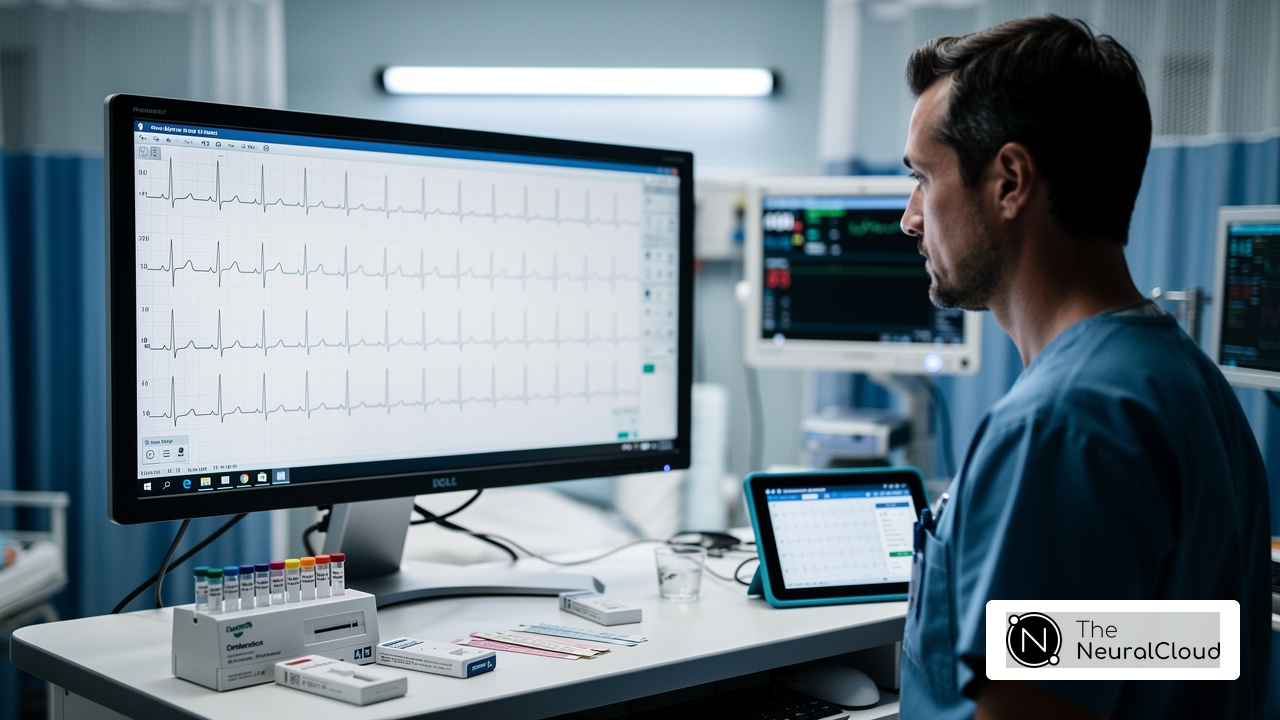
- AI-Driven Analysis: Platforms like MaxYield™ leverage advanced AI algorithms to automate ECG data analysis. This significantly reduces human error and enhances diagnostic accuracy. The system provides beat-by-beat analysis, isolating key features of the ECG waveform, which is crucial for timely and accurate cardiac assessments. With the capability to analyze 200,000 heartbeats in under 5 minutes, this technology transforms noisy recordings into detailed insights, supporting confident clinical decisions.
- Noise Reduction Techniques: Implementing modern noise filtering technologies is essential to minimize artifacts caused by individual movement or electrical interference. MaxYield™ employs advanced noise filtering paired with P, QRS, and T wave highlighting. This ensures that readings accurately reflect true cardiac activity, which is vital for reliable diagnostics, allowing healthcare providers to identify cardiac events effectively.
- Wearable ECG Devices: The adoption of wearable ECG monitors facilitates continuous data collection and real-time analysis, enabling comprehensive cardiac monitoring. The wearable ECG monitors market is projected to grow from $4.78 billion in 2025 to $5.9 billion in 2026, at a compound annual growth rate (CAGR) of 23.4%. These devices are especially advantageous for individuals in remote or underserved regions, as they supply essential data that can lead to early identification of cardiac events. However, it is important to note that older adults, those with lower socioeconomic status, racial minorities, and residents of rural or digitally underserved areas are significantly less likely to engage with wearable devices, presenting a challenge for widespread adoption.
- Integration with Electronic Health Records (EHR): Seamless integration of ECG data into EHR systems enhances the tracking and analysis of medical histories. This interoperability not only streamlines clinical workflows but also supports better decision-making by providing healthcare professionals with a comprehensive view of individual health.
By utilizing these technologies, including the advanced features of MaxYield™, healthcare providers can significantly enhance the quality of ECG readings. This leads to more precise diagnoses and improved outcomes for individuals. As Robert A. Harrington, MD, noted, "The ability for patients to collect clinically meaningful ECG data at that exact moment can allow physicians to gain a much clearer understanding of a patient’s condition and take more timely action.

Conclusion
Accurate placement of electrodes in a 12 lead ECG is essential for obtaining reliable cardiac data. Misplacement can lead to significant diagnostic errors, which underscores the necessity for healthcare professionals to strictly follow established guidelines. By understanding the critical role that each lead plays in depicting the heart's electrical activity, clinicians can ensure the integrity of their ECG readings and enhance patient care.
Key practices for achieving precise electrode placement include:
- Preparing the skin
- Identifying anatomical landmarks
- Minimizing movement during the procedure
Common errors, such as misplacement of V1 and V2 or limb lead reversal, have been discussed, along with corrective strategies. Advanced technology, like the MaxYield™ platform, plays a crucial role in automating processes and improving accuracy. These insights collectively highlight the importance of meticulous attention to detail in ECG procedures.
Integrating best practices with innovative technology is vital for enhancing the accuracy of 12 lead ECG readings. The MaxYield™ platform offers features that streamline the electrode placement process, reducing the likelihood of errors. By automating certain tasks, it not only improves diagnostic outcomes but also empowers healthcare providers to deliver timely and effective treatment. Prioritizing proper lead placement and leveraging modern tools ultimately leads to better patient outcomes, reinforcing the importance of precision in cardiac diagnostics.
Frequently Asked Questions
Why is accurate placement of electrodes important for a 12-lead ECG?
Accurate placement of electrodes is crucial for obtaining a reliable 12-lead ECG, as misplacement can lead to significant diagnostic errors, including false positives for conditions like myocardial infarction or arrhythmias.
What are the potential consequences of improper electrode placement?
Improper electrode placement can result in misdiagnosis rates ranging from 17% to 24%, obscuring vital information and potentially affecting patient care.
How does each lead in a 12-lead ECG contribute to the analysis?
Each lead in the 12-lead ECG provides a unique view of the heart's electrical activity, which is essential for accurate diagnosis.
What guidelines should clinicians follow for electrode placement?
Clinicians must prioritize adherence to established guidelines for electrode placement to ensure high-quality ECG readings and improve diagnostic accuracy.
What is the MaxYield™ platform, and how does it assist in ECG analysis?
The MaxYield™ platform by Neural Cloud Solutions automates the labeling and data extraction processes in ECG analysis, significantly reducing operational costs and enhancing efficiency.
What are the key features of the MaxYield™ platform?
Key features of MaxYield™ include automated data processing, integration with wearable technology for real-time data collection, and enhanced accuracy that reduces the impact of physiological variability and signal artifacts.
How does MaxYield™ improve patient outcomes for healthcare professionals?
By automating routine tasks, MaxYield™ allows clinicians to focus on critical decision-making, leading to better patient outcomes and more timely and effective treatment.
List of Sources
- Understand the Importance of Accurate 12-Lead ECG Placement
- jems.com (https://jems.com/patient-care/12-lead-ecgs-room-for-improvement)
- 1st synthesized 12-lead ECG to launch in 2026 (https://beckershospitalreview.com/supply-chain/1st-synthesized-12-lead-ecg-to-launch-in-2026)
- globenewswire.com (https://globenewswire.com/news-release/2026/04/20/3277242/0/en/electrocardiograph-market-insights-and-growth-outlook-2026-2034-rising-adoption-of-wearable-ecgs-spurs-market-growth-in-medical-tech.html)
- gehealthcare.com (https://gehealthcare.com/en-sg/insights/article/ecg-lead-misplacement-looking-at-common-issues?srsltid=AfmBOorKIs_q12ukUmLjvYCQCnGIMnUC5iywhcM4Gxx1D-Qd8oaWn6h2)
- FDA clears 12-lead, cable-free home ECG monitoring system (https://cardiovascularbusiness.com/topics/cardiac-imaging/electrocardiography-ecg/fda-clears-12-lead-cable-free-home-ecg-monitoring-system)
- Implement Correct Techniques for Lead Placement
- ems1.com (https://ems1.com/medical-monitoring/location-location-location-electrode-placement-matters)
- numed.co.uk (https://numed.co.uk/news/12-lead-ecg-lead-placement-guide)
- 12-Lead ECG Electrode Placement: Best Practices- (https://intcomedical.com/news/info/12-lead-ecg-electrode-placement-best-practices-for-clinical-accuracy-in-healthcare.html)
- gehealthcare.com (https://gehealthcare.com/en-us/insights/article/the-power-of-correct-placement-for-ecg-leadwires?srsltid=AfmBOopWj39XzmeHKX0ICS0AWbl23_G4s1mMJk0if0v5tJzY-UoTGSnc)
- Identify and Overcome Common Placement Errors
- tentabs.in (https://tentabs.in/blogs/news/common-ecg-lead-placement-mistakes-that-affects-diagnosis?srsltid=AfmBOoo2x_seQ-4mXpXSf5tz_2XkefIoT3KkakljAGnkFLfEPhmcBNjS)
- myheartsisters.org (https://myheartsisters.org/2023/01/29/misplaced-ecg-electrodes)
- gehealthcare.com (https://gehealthcare.com/en-ph/insights/article/ecg-lead-misplacement-looking-at-common-issues?srsltid=AfmBOoqSGhNrC4zbqTLebIRQFo76uLza9qE68xWW7OGE01k5P3sXik2Z)
- med-linket-corp.com (https://med-linket-corp.com/blogs/news/ecg-lead-placement-mistakes?srsltid=AfmBOoq5I2izFQYtzzxqGcWtFLNMoRSTgm7d2wjqILPdIBpOcvoXfBDQ)
- Leverage Technology for Enhanced ECG Signal Clarity
- FDA clears 12-lead, cable-free home ECG monitoring system (https://cardiovascularbusiness.com/topics/cardiac-imaging/electrocardiography-ecg/fda-clears-12-lead-cable-free-home-ecg-monitoring-system)
- AI-Powered ECG Analysis Offers Promising Path for Early Detection of Chronic Obstructive Pulmonary Disease, Say Mount Sinai Researchers (https://mountsinai.org/about/newsroom/2026/ai-powered-ecg-analysis-offers-promising-path-for-early-detection-of-chronic-obstructive-pulmonary-disease-say-mount-sinai-researchers)
- Artificial Intelligence and ECG: A New Frontier in Cardiac Diagnostics and Prevention - PMC (https://pmc.ncbi.nlm.nih.gov/articles/PMC12292989)
- globenewswire.com (https://globenewswire.com/news-release/2026/04/13/3272639/0/en/Wearable-ECG-Monitors-Industry-to-More-Than-Double-During-2026-2030-Exceeding-13-6-Billion-Total-Revenue-Rising-Demand-for-AI-Driven-Diagnostics-and-Home-Based-Cardiac-Monitoring.html)