Introduction
Atrial fibrillation with slow ventricular response presents significant challenges for clinicians, particularly due to its complex symptoms and diagnostic intricacies. This condition features a chaotic heart rhythm and a ventricular rate below 60 beats per minute, which can result in serious complications without proper management. With the increasing prevalence of atrial fibrillation in Canada, it is crucial for healthcare providers to understand the nuances of this specific type.
What innovative strategies and treatment options can be employed to effectively address the unique needs of patients experiencing this condition?
Define Atrial Fibrillation with Slow Ventricular Response
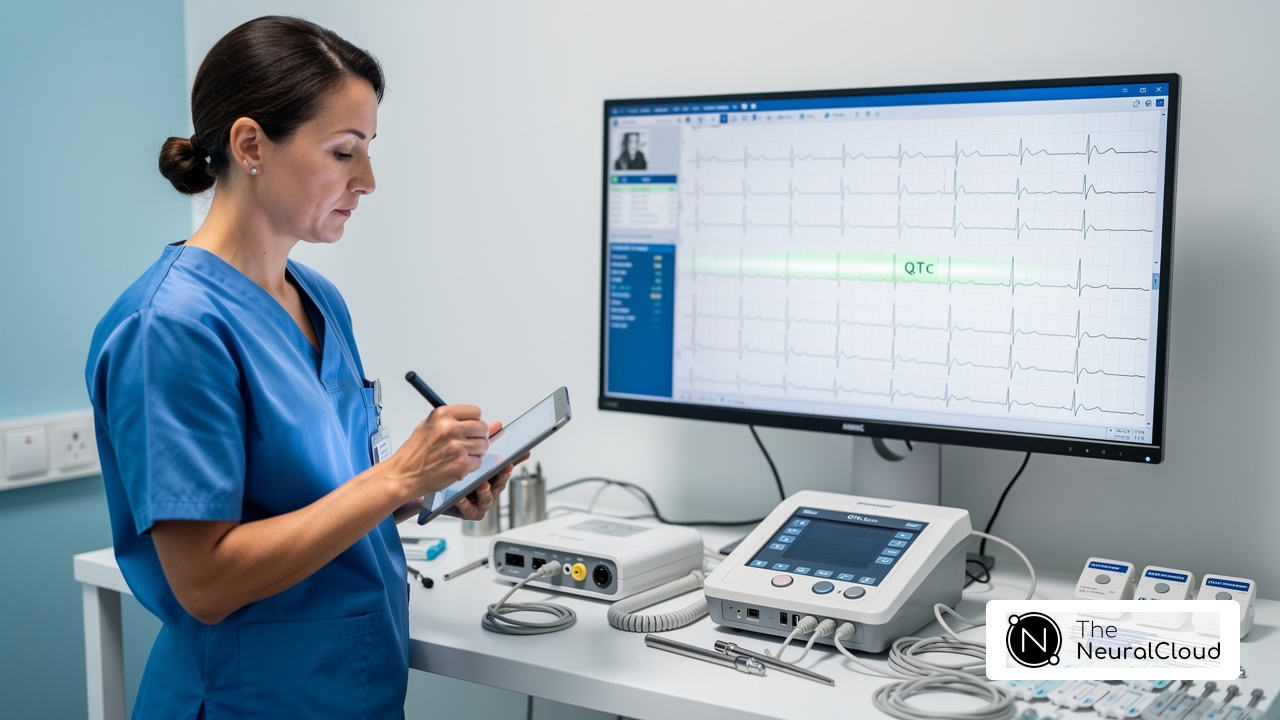
A fib with slow ventricular response presents unique challenges in ECG analysis due to its irregular heart rhythm and potential for serious complications. This condition is characterized by chaotic electrical activity in the atria, which leads to a fib with slow ventricular response, resulting in a ventricular rate of less than 60 beats per minute. It can occur even without medications that usually lower heart rates, like beta-blockers or digoxin. Clinically, it often resembles a fib with slow ventricular response, as patients experience symptoms such as fatigue, dizziness, and syncope. Understanding this condition, particularly when it manifests as a fib with slow ventricular response, is crucial, as it can lead to significant hemodynamic instability, complicating treatment and raising the risk of serious complications like stroke or heart failure. Diagnostic ECG findings typically show the absence of P waves and irregularly timed QRS complexes, which are essential for accurate identification of a fib with slow ventricular response.
In Canada, while the occurrence of atrial fibrillation-related conditions is not well established, atrial fibrillation (AF) itself affects over 500,000 individuals. Estimates suggest this number could rise to nearly 1 million when considering paroxysmal and silent forms of AF. The incidence of AF remains stable at about 28 per 1,000 person-years, yet the overall prevalence is increasing due to demographic shifts. Recent studies indicate that a fib with slow ventricular response, though less examined, presents unique management challenges, particularly in recognizing reversible causes and ensuring effective treatment strategies.
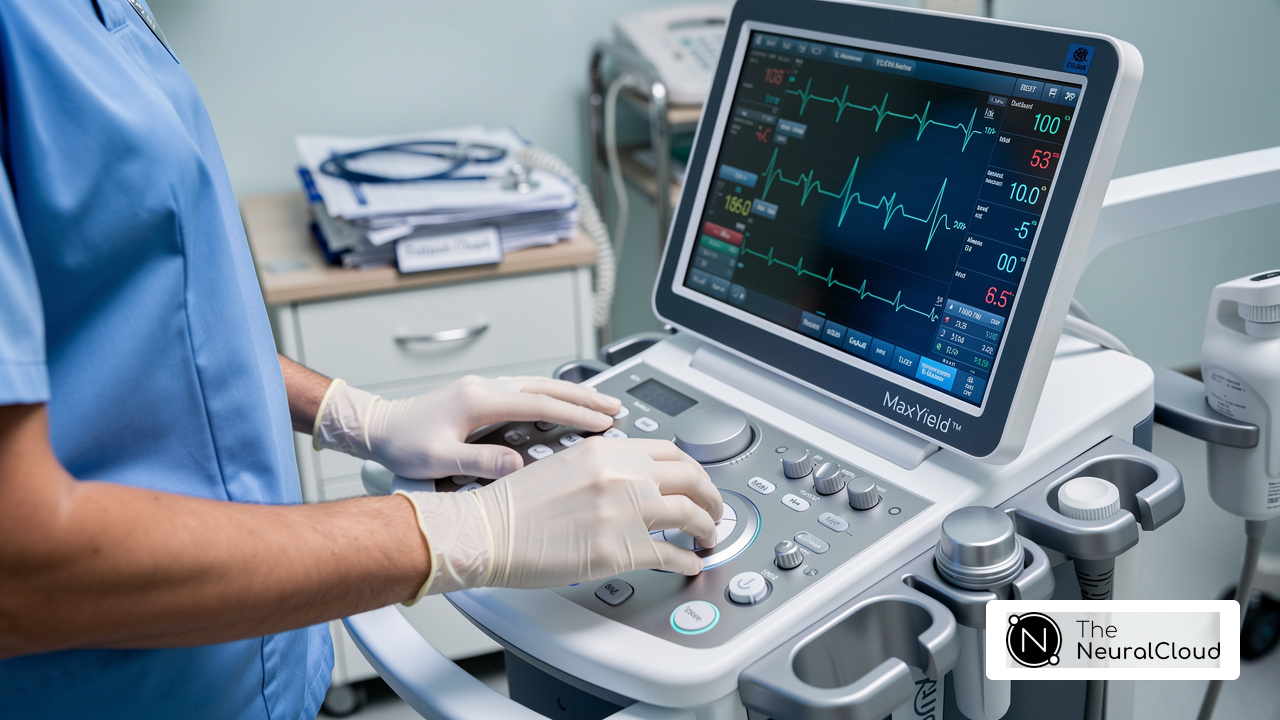
Neural Cloud Solutions Inc.'s MaxYield platform plays a crucial role in enhancing the efficiency of ECG analysis for atrial fibrillation and structural valve repair. By integrating wearable technology, MaxYield automates the labeling and data extraction processes, significantly reducing operational costs and improving productivity. The platform's advanced noise filtering capabilities allow for the identification and labeling of critical data, even in recordings with high levels of noise and artifact. This guarantees that previously hidden parts of extensive Holter, 1-Lead, and patch monitor recordings can be recovered, offering clinicians clearer insights into individual conditions.
Experts emphasize the importance of early intervention when managing atrial fibrillation, especially with surgical valve replacement. Research led by Dr. Jason Andrade has transformed treatment protocols, advocating for catheter ablation as a first-line therapy, even in advanced cases of AF. This approach has shown substantial benefits, including improved disease control and reduced complications, such as thromboembolic risk. Additionally, endorsements from experts like Dr. Alan Rabinowitz, Dr. Brett Heilbron, and Dr. Marc W. Deyell highlight MaxYield’s precision in rivaling human interpretation and its noise reduction benefits. As understanding of the condition evolves, continuous research is crucial to create evidence-based guidelines that improve outcomes for individuals and enhance the quality of care for those impacted. With MaxYield's advanced capabilities, healthcare providers can enhance ECG analysis, leading to better management of atrial fibrillation and improved patient outcomes. Furthermore, it is important to note that MaxYield is currently pending FDA Class II SaMD clearance, ensuring compliance with regulatory standards and audit-ready documentation supporting GxP inspections.

Identify Symptoms and Causes of AFib with SVR
The symptoms of a fib with slow ventricular response present unique challenges for accurate diagnosis and effective treatment. Common symptoms include:
- Fatigue: Often due to reduced cardiac output, leading to decreased energy levels.
- Dizziness or Light-headedness: Resulting from inadequate blood flow to the brain, which can be particularly concerning during physical activity.
- Shortness of Breath: This symptom frequently worsens with exertion, making daily activities challenging for individuals.
- Syncope: In severe cases, individuals may experience fainting spells, which can pose significant risks.
The causes of AF-SVR are multifactorial and may include:
- Medication Effects: Over-medication with rate control drugs, such as beta-blockers or digoxin, can lead to a slow ventricular response, complicating patient management.
- Electrolyte Imbalances: Conditions such as hyperkalemia can interfere with cardiac conduction, leading to atrial fibrillation with rapid ventricular response.
- Structural Heart Disease: Diseases such as mitral valve disease or cardiomyopathy can predispose individuals to this condition, necessitating careful monitoring.
- Autonomic Nervous System Imbalances: Elevated vagal tone may also contribute to the development of AF-SVR, emphasizing the necessity for a comprehensive approach to assessment.
Recognizing these symptoms and understanding their causes is vital for effective treatment planning, particularly with the latest research and clinical practices in Canada. Notably, atrial fibrillation affects approximately one-third of people over the age of 55, and it accounts for 2-3% of healthcare costs in Europe and North America. Awareness of personal risk factors for stroke is crucial for individuals diagnosed with atrial fibrillation, as they have a 3 to 5 times higher risk for ischemic stroke. As Glikson M. emphasizes, timely diagnosis is critical, which is why an ECG is essential if there is a fib with slow ventricular response, if the heart rate slows or becomes fixed at a low level, or if any new symptoms develop.
Neural Cloud Solutions Inc.'s MaxYield™ platform significantly enhances the ECG analysis process, addressing the challenges posed by noise and artifacts. By utilizing advanced noise filtering and distinct wave recognition, MaxYield™ can isolate critical ECG waves even in recordings with high levels of interference. This feature boosts diagnostic accuracy and makes analysis easier, allowing healthcare professionals to focus more on patient care rather than getting lost in data. Specialists such as Dr. Alan Rabinowitz and Dr. Brett Heilbron have observed that MaxYield™ competes with human analysis in accuracy, rendering it an essential resource in the management of atrial fibrillation with structural valve repair.

Outline Diagnostic Approaches for AFib with SVR
Diagnosing a fib with slow ventricular response presents unique challenges that require a comprehensive approach to clinical evaluation and diagnostic testing.
- Electrocardiogram (ECG): This is the cornerstone of diagnosis, typically showing an irregular rhythm characterized by a ventricular rate of less than 60 bpm and the absence of P waves. MaxYield™ enhances ECG accuracy through advanced noise filtering and distinct wave recognition, even in challenging conditions.
- Holter Monitoring: Continuous ECG observation for 24 to 48 hours is crucial for detecting sporadic atrial fibrillation episodes, which may not be apparent during a standard ECG. MaxYield™ can salvage previously obscured sections of lengthy Holter recordings, providing critical data for diagnosis.
- Event Monitors: These devices are particularly beneficial for patients experiencing infrequent symptoms, allowing for ECG recordings during symptomatic episodes. The adaptability of MaxYield™ ensures that these recordings are analyzed with precision, rivaling human interpretation.
- Echocardiography: This imaging method evaluates structural heart disease that may contribute to atrial fibrillation with preserved ventricular function, assisting in recognizing underlying conditions that need management.
- Blood Tests: Assessing electrolyte levels and thyroid function is essential for recognizing reversible factors of atrial fibrillation with sustained ventricular response, ensuring a thorough diagnostic strategy.
A multifaceted approach is essential for verifying atrial fibrillation and excluding other arrhythmias or underlying health concerns. Diagnosing a fib with slow ventricular response can be complicated due to the irregularities in ECG readings and the need for precise interpretation. Case studies highlight the complexities involved in diagnosing atrial fibrillation with severe valvular regurgitation, emphasizing the need for thorough assessments to guide effective treatment decisions. As Dr. Alan Rabinowitz observes, "MaxYield™'s precision in noise reduction significantly improves the diagnostic process, enabling more accurate evaluations of individuals." Additionally, it is important to note that MaxYield™ is pending FDA Class II SaMD clearance, ensuring compliance with regulatory standards. Insight360 serves as a customizable visualization and reporting tool, transforming MaxYield™ data into interactive dashboards and clinical-ready reports to enhance the diagnostic process.

Explore Treatment Strategies for AFib with SVR
Managing Atrial Fibrillation with Slow Ventricular Response (AF-SVR) requires a multifaceted approach to effectively alleviate symptoms and address underlying issues:
-
- Rate Control: Beta-blockers, such as metoprolol, and calcium channel blockers, like diltiazem, are frequently prescribed to effectively manage heart rate in AF-SVR patients.
- Anticoagulation Therapy: This is crucial for reducing the risk of thromboembolic events, particularly in individuals with additional stroke risk factors.
-
Addressing Reversible Causes:
Identifying and correcting electrolyte imbalances or adjusting medications that may contribute to AF-SVR is essential for optimal treatment outcomes. -
Ablation Therapy:
In cases where medication fails to provide adequate control, catheter ablation may be considered to restore normal cardiac rhythm. When medications fail to control heart rhythm effectively, patients may face ongoing symptoms and complications. Recent studies show that catheter ablation now has success rates exceeding 70% for paroxysmal AF and over 50% for persistent AF. The HRS Expert Consensus Statement defines success for catheter ablation as freedom from AF or atrial flutter greater than 30 seconds and discontinuation of antiarrhythmic medication. This advancement in ablation techniques offers hope for patients seeking long-term solutions. -
Lifestyle Modifications:
It's important to promote heart-healthy habits like regular exercise, a balanced diet, and cutting back on alcohol and caffeine. A comprehensive treatment plan customized to the individual’s needs is essential for effective management of AF with slow ventricular response.
It is also important to note that there is a three-month 'blanking period' post-ablation during which AF episodes may occur due to inflammation. This timeline is crucial for monitoring and managing patient outcomes effectively.

Conclusion
Atrial fibrillation with slow ventricular response poses significant challenges that demand a thorough understanding of its symptoms and treatment options. This condition, characterized by an irregular heart rhythm and a ventricular rate of less than 60 beats per minute, can lead to serious complications if not properly managed. Recognizing symptoms such as fatigue, dizziness, and syncope is crucial for timely intervention, as these indicators can significantly impact patient quality of life and overall health outcomes.
The article emphasizes the importance of a comprehensive diagnostic strategy, utilizing tools like ECG, Holter monitoring, and echocardiography to accurately identify AF-SVR. The integration of Neural Cloud Solutions Inc.'s MaxYield platform enhances the diagnostic process by improving ECG analysis through advanced noise filtering and data extraction capabilities. This technology not only aids in accurate diagnosis but also supports clinicians in making informed treatment decisions.
Furthermore, the exploration of treatment options, including:
- Medication management
- Ablation therapy
- Lifestyle modifications
underscores the need for a tailored approach to each patient's unique circumstances. Managing AF-SVR requires collaboration among healthcare providers and researchers. Technology innovators also play a crucial role in this process.
As our understanding of AF-SVR evolves, ongoing research and the use of advanced diagnostic tools like MaxYield are vital for enhancing patient outcomes. Staying updated on advancements in AF-SVR management is crucial for healthcare providers to deliver optimal patient care.
Frequently Asked Questions
What is atrial fibrillation with slow ventricular response?
Atrial fibrillation with slow ventricular response is characterized by chaotic electrical activity in the atria, leading to a ventricular rate of less than 60 beats per minute. It presents unique challenges in ECG analysis due to its irregular heart rhythm and potential for serious complications.
What are the symptoms of atrial fibrillation with slow ventricular response?
Patients may experience symptoms such as fatigue, dizziness, and syncope.
Why is understanding atrial fibrillation with slow ventricular response important?
Understanding this condition is crucial as it can lead to significant hemodynamic instability, complicating treatment and increasing the risk of serious complications like stroke or heart failure.
What are the diagnostic ECG findings for atrial fibrillation with slow ventricular response?
Diagnostic ECG findings typically show the absence of P waves and irregularly timed QRS complexes, which are essential for accurate identification of the condition.
How prevalent is atrial fibrillation in Canada?
Atrial fibrillation affects over 500,000 individuals in Canada, with estimates suggesting this number could rise to nearly 1 million when considering paroxysmal and silent forms of AF.
What challenges are associated with managing atrial fibrillation with slow ventricular response?
Unique management challenges include recognizing reversible causes and ensuring effective treatment strategies, particularly as the condition is less examined compared to other forms of atrial fibrillation.
How does Neural Cloud Solutions Inc.'s MaxYield platform assist in ECG analysis?
MaxYield enhances the efficiency of ECG analysis for atrial fibrillation by automating labeling and data extraction processes, reducing operational costs, and improving productivity. Its advanced noise filtering capabilities help identify critical data even in noisy recordings.
What is the significance of early intervention in managing atrial fibrillation?
Early intervention is crucial, especially with surgical valve replacement, as it can lead to improved disease control and reduced complications, such as thromboembolic risk.
What advancements have been made in treatment protocols for atrial fibrillation?
Research led by Dr. Jason Andrade advocates for catheter ablation as a first-line therapy, even in advanced cases of AF, showing substantial benefits in treatment outcomes.
What is the current status of MaxYield regarding regulatory compliance?
MaxYield is currently pending FDA Class II SaMD clearance, ensuring compliance with regulatory standards and audit-ready documentation supporting GxP inspections.
List of Sources
- Define Atrial Fibrillation with Slow Ventricular Response
- New study reveals a better way to get the heart back on beat - UBC Faculty of Medicine (https://med.ubc.ca/news/new-study-reveals-a-better-way-to-get-the-heart-back-on-beat)
- Atrial Fibrillation - Cardio Guide (https://cardioguide.ca/atrial-fibrillation)
- One moment, please... (https://ccs.ca/guideline/2020-atrial-fibrillation/chapter-2-epidemiology)
- Atrial fibrillation with slow-ventricular response (AF-SVR): A literature review - PMC (https://pmc.ncbi.nlm.nih.gov/articles/PMC12214310)
- Atrial fibrillation: epidemiology, screening and digital health (https://thelancet.com/journals/lanepe/article/PIIS2666-7762(23)00205-3/fulltext)
- Identify Symptoms and Causes of AFib with SVR
- Better measurement, better care for atrial fibrillation - News - PHRI (https://phri.ca/better-measurement-better-care-for-atrial-fibrillation)
- Slow Atrial Fibrillation (https://bartsaf.com/sl)
- Atrial fibrillation (https://heartandstroke.ca/heart-disease/conditions/atrial-fibrillation)
- Atrial fibrillation with slow-ventricular response (AF-SVR): A literature review - PMC (https://pmc.ncbi.nlm.nih.gov/articles/PMC12214310)
- Outline Diagnostic Approaches for AFib with SVR
- Better measurement, better care for atrial fibrillation - News - PHRI (https://phri.ca/better-measurement-better-care-for-atrial-fibrillation)
- Atrial fibrillation with slow-ventricular response (AF-SVR): A literature review - PMC (https://pmc.ncbi.nlm.nih.gov/articles/PMC12214310)
- Monitoring Atrial Fibrillation in Clinical Research: The Case for Continuous Wearable Assessment (https://blog.ametris.com/atrial-fibrillation-in-clinical-research-continuous-wearable)
- Holter Monitoring and Loop Recorders: From Research to Clinical Practice (https://aerjournal.com/articles/holter-monitoring-and-loop-recorders-research-clinical-practice?language_content_entity=en)
- Explore Treatment Strategies for AFib with SVR
- Landmark Canadian-led trial finds many atrial fibrillation patients can stop taking blood thinners | McGill University Health Centre (https://muhc.ca/news-and-patient-stories/news/landmark-canadian-led-trial-finds-many-atrial-fibrillation-patients)
- Reduction of mortality by catheter ablation in real-world atrial fibrillation patients with heart failure - Scientific Reports (https://nature.com/articles/s41598-021-84256-z)
- Atrial Fibrillation (AF) Catheter Ablation Success Rates (https://stopafib.org/procedures-for-afib/catheter-ablation/success-rates)
- Ablation for atrial fibrillation - Harvard Health (https://health.harvard.edu/heart-health/ablation-for-atrial-fibrillation)
- New study reveals a better way to get the heart back on beat - UBC Faculty of Medicine (https://med.ubc.ca/news/new-study-reveals-a-better-way-to-get-the-heart-back-on-beat)