Introduction
Acute coronary occlusion (ACO) is a critical emergency that requires immediate recognition and intervention to avert severe complications like myocardial infarction. Healthcare professionals face significant challenges in accurately diagnosing and managing ACO. The integration of advanced technologies emerges as a beacon of hope in this context. Clinicians can employ various innovative strategies to enhance diagnostic accuracy and improve patient outcomes in this urgent medical challenge.
Define Acute Coronary Occlusion: Medical Insights and Implications
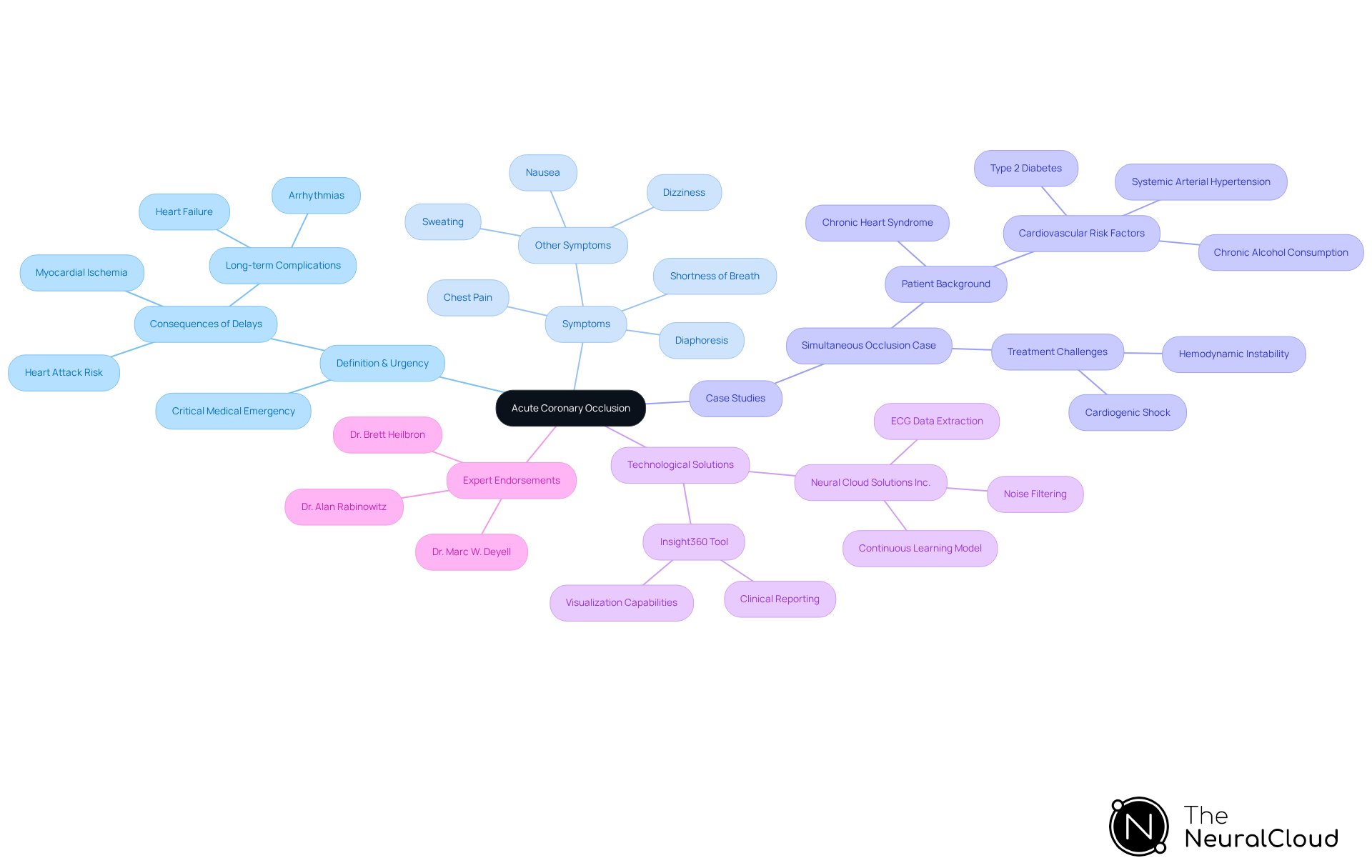
Acute coronary occlusion (ACO) poses a critical challenge in emergency medicine, requiring immediate recognition and intervention. This condition is a critical medical emergency. It can lead to myocardial ischemia and, if not addressed swiftly, result in a heart attack. The urgency of recognizing acute coronary occlusion cannot be overstated; delays in recognizing acute coronary occlusion can result in dire consequences for patients. Timely intervention is essential to mitigate severe consequences, including long-term cardiac complications such as heart failure and arrhythmias.
It's crucial for clinicians to stay alert for the signs and symptoms of acute coronary occlusion, which include chest pain, shortness of breath, and diaphoresis. These symptoms often present suddenly and can escalate quickly, necessitating immediate medical attention. Current statistics indicate that acute myocardial infarction remains one of the leading causes of morbidity and mortality worldwide, underscoring the importance of effective diagnosis and management strategies.
Recent case studies highlight the complexities involved in diagnosing ACO. For example, a male patient with a history of chronic heart syndrome experienced an acute myocardial infarction due to simultaneous blockage of two heart arteries. Despite undergoing primary percutaneous cardiac intervention (PCI), the patient faced significant challenges, including hemodynamic instability and cardiogenic shock, illustrating the critical nature of timely and effective treatment.
In Canada, the pressing concern of acute coronary occlusion has healthcare professionals continuously seeking innovative solutions to enhance diagnosis and treatment. The integration of advanced technologies, such as Neural Cloud Solutions Inc.'s offerings, is pivotal in improving the accuracy of detecting acute coronary occlusion and facilitating rapid response. The advanced noise filtering and wave recognition capabilities of the system enable the extraction of clear, actionable ECG data, which is crucial for prompt diagnosis and intervention. Furthermore, the continuous learning model of the company enhances ECG analysis accuracy and efficiency, adapting to the complexities of real-world data and physiological variability.
Expert endorsements from Dr. Alan Rabinowitz, Dr. Brett Heilbron, and Dr. Marc W. Deyell highlight the precision of this solution rivaling human interpretation and its noise reduction advantages, reinforcing the credibility of this innovative approach. Additionally, regulatory compliance details, including FDA Class II SaMD clearance-pending status, support the reliability of the product in clinical settings. The reference to Insight360, a customizable visualization and reporting tool, further enhances the capabilities of the company in transforming ECG data into interactive dashboards and clinical-ready reports.
As the landscape of cardiovascular care evolves, failure to act promptly can result in irreversible heart damage and increased mortality risk. Embracing advanced technologies like MaxYield could be the key to significantly improving patient outcomes in cases of acute coronary occlusion.
Diagnose Acute Coronary Occlusion: Techniques and Technologies
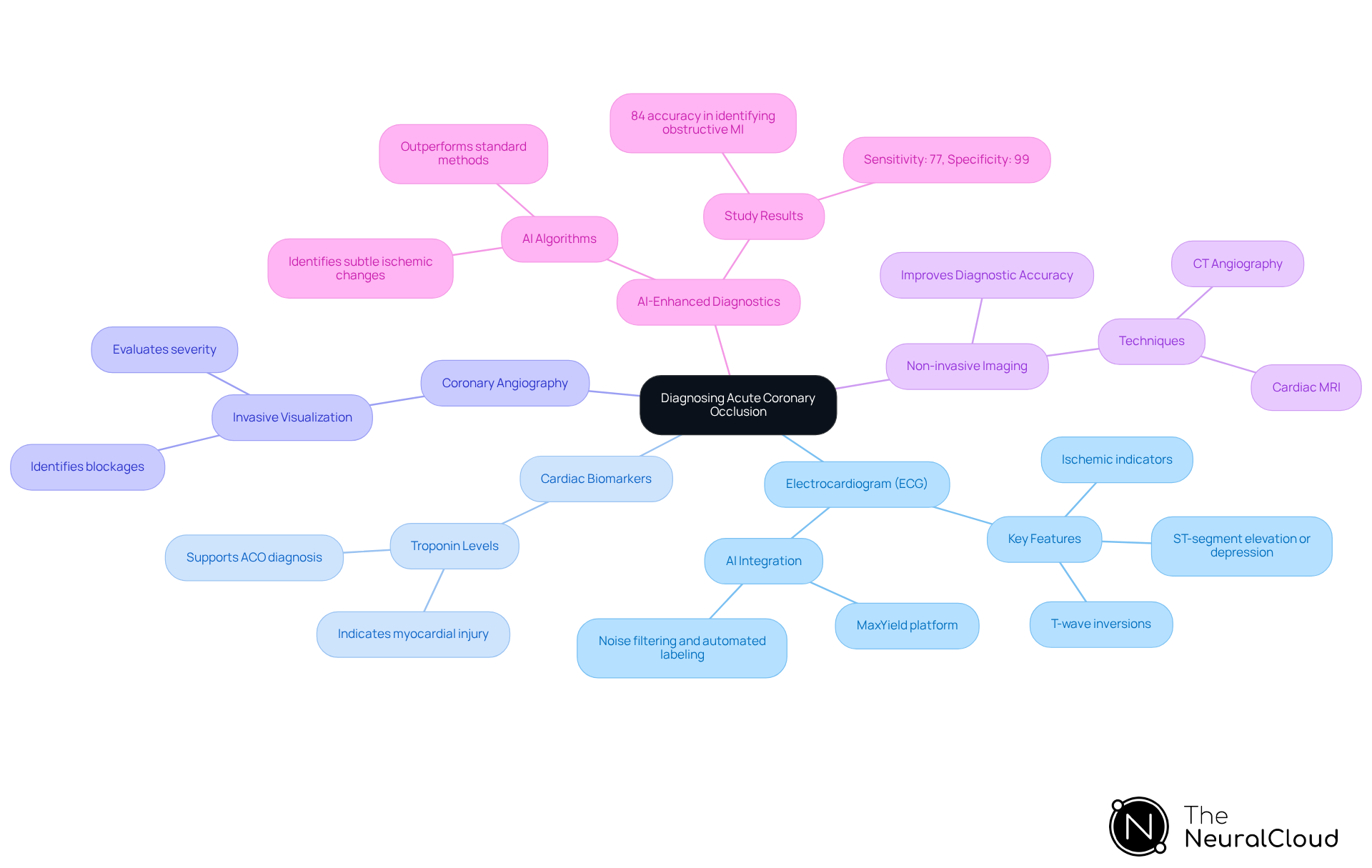
Diagnosing acute vascular occlusion (ACO) presents significant challenges that require a comprehensive approach to ensure accurate results. The primary methods include:
- Electrocardiogram (ECG): The ECG remains a cornerstone in ACO diagnosis, capable of identifying critical changes such as ST-segment elevation or depression, T-wave inversions, and other ischemic indicators that suggest blockage of the heart vessels. With the integration of Neural Cloud Solutions Inc.'s MaxYield platform, ECG analysis is enhanced through advanced noise filtering and automated signal labeling, allowing for clearer interpretation even in challenging recordings.
- Cardiac Biomarkers: Blood tests that measure troponin levels are essential for assessing myocardial injury. Elevated troponin levels are indicative of heart muscle damage, reinforcing the diagnosis of acute coronary occlusion (ACO).
- Coronary Angiography: This invasive method offers direct visualization of heart arteries, enabling the identification and evaluation of blockages and their severity.
- Non-invasive Imaging: Advanced imaging techniques, including cardiac MRI and CT angiography, provide further insights into artery conditions and myocardial perfusion, improving diagnostic accuracy.
- AI-Enhanced Diagnostics: Artificial intelligence is changing the game in ECG analysis for ACO diagnosis. AI algorithms can identify subtle ischemic changes that indicate acute coronary occlusion, which conventional methods might miss, greatly enhancing diagnostic precision and accelerating treatment. Recent studies have shown that AI-based ECG interpretation achieved an impressive 84% accuracy in identifying obstructive myocardial infarction (MI), outperforming standard diagnostic pathways, which only identified occlusive MI in 42% of cases. The study involved 1,490 patients with symptoms indicative of acute heart syndrome but without ST elevation on the initial ECG. Notably, the AI method demonstrated a sensitivity of 77%, specificity of 99%, and a negative predictive value of 98%. Doctor Federico Nani concluded that AI ECG interpretation is a valuable addition to existing decision-making tools for improving early recognition and treatment of occlusive MI. This shows how AI can help spot acute coronary occlusion earlier and improve treatment, leading to better outcomes for patients. The research was funded by the Netherlands Organisation for Health Research and Development (ZonMW) and the Dutch Heart Foundation, adding credibility to these findings. Furthermore, experts like Dr. Alan Rabinowitz and Dr. Brett Heilbron emphasize that MaxYield’s precision rivals human interpretation, particularly in its ability to handle noise reduction effectively, making it an invaluable tool for healthcare professionals. The integration of AI in ECG analysis not only enhances diagnostic accuracy but also paves the way for improved patient care in the management of acute coronary occlusion.
Manage Acute Coronary Occlusion: Treatment Protocols and Best Practices
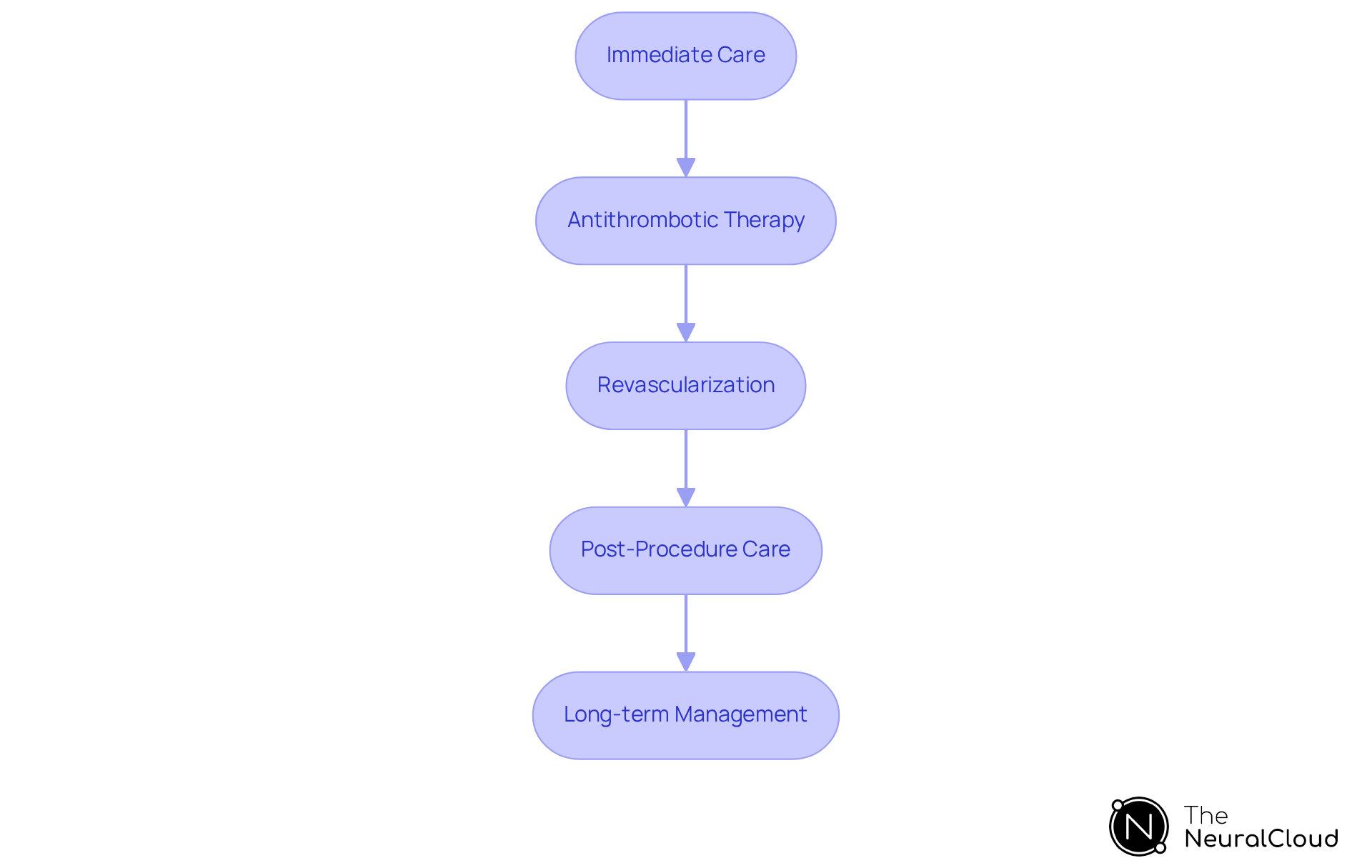
Acute coronary occlusion presents significant challenges in restoring blood flow and preventing complications. Key treatment protocols include:
- Immediate Care: When patients arrive with acute coronary occlusion, it's vital to quickly assess and stabilize them. This includes administering oxygen therapy, nitroglycerin for chest pain, and aspirin for antiplatelet therapy.
- Antithrombotic therapy: To prevent thrombus formation, healthcare providers recommend dual antiplatelet therapy (DAPT) for patients with acute coronary occlusion. Common regimens include aspirin and a P2Y12 inhibitor, such as clopidogrel or ticagrelor.
- Revascularization: The go-to method for restoring blood flow in acute coronary occlusion cases is percutaneous cardiac intervention (PCI). In some situations, thrombolytic therapy may be indicated, especially if PCI isn't immediately available.
- Post-Procedure Care: Once revascularization is complete, it's crucial to monitor patients for any complications and provide the right medications, like statins and beta-blockers, to manage risk factors.
- Long-term Management: Long-term management involves making lifestyle changes, keeping up with regular follow-ups, and sticking to prescribed medications to lower the risk of future cardiovascular events.
By prioritizing comprehensive management strategies, healthcare professionals can greatly improve patient outcomes and reduce the likelihood of future cardiac events.
Leverage Technology in Acute Coronary Occlusion: Innovations in ECG Analysis
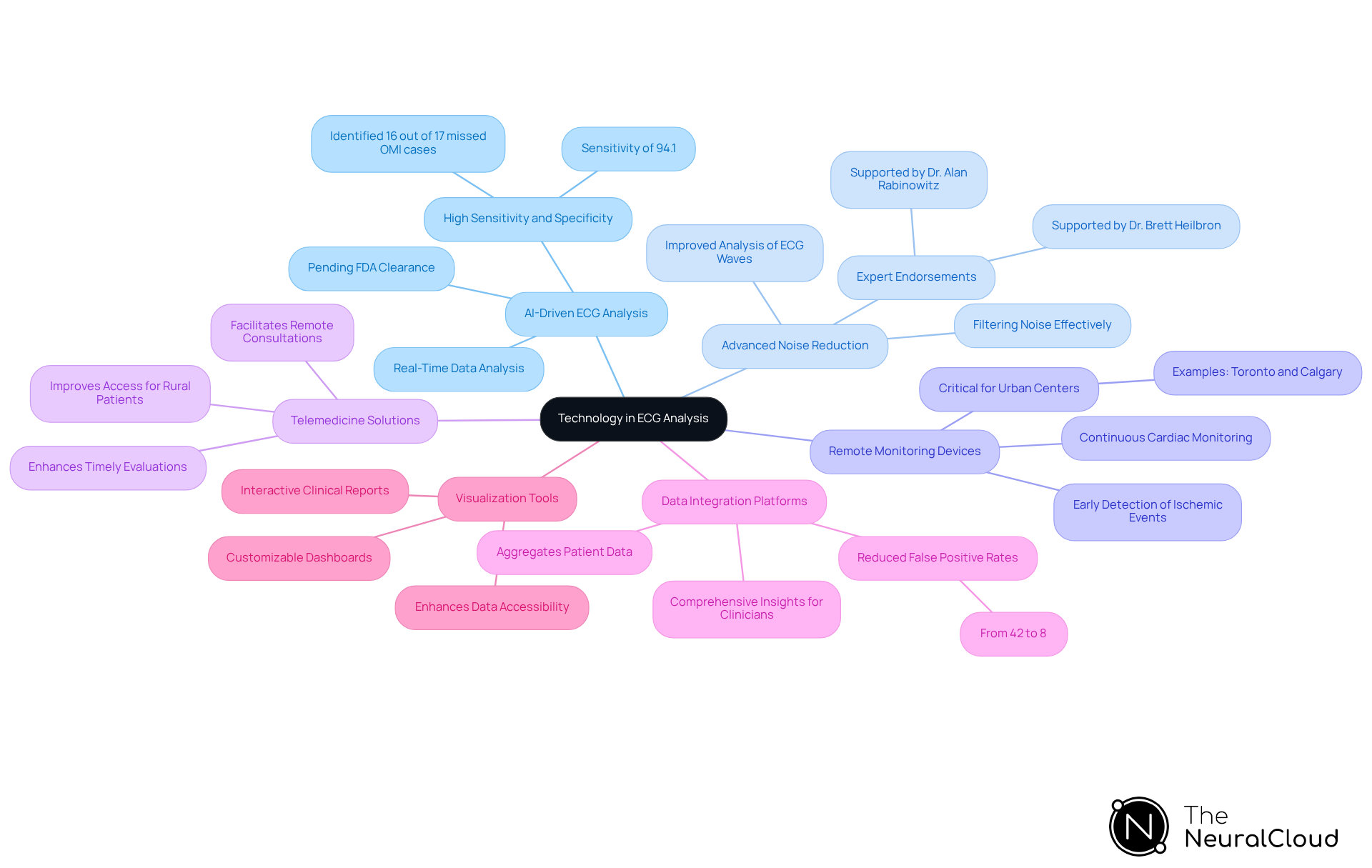
Traditional ECG analysis methods often fall short, leading to missed diagnoses and delayed patient care. Technological advancements are transforming the diagnosis and management of acute coronary occlusion. Key innovations include:
- AI-Driven ECG Analysis: Neural Cloud Solutions Inc.'s platform utilizes advanced AI algorithms to analyze ECG data in real-time, identifying patterns indicative of ACO with remarkable sensitivity and specificity. Recent studies have shown that the AI algorithm successfully identified 16 out of 17 missed occlusive myocardial infarction (OMI) cases, demonstrating a sensitivity of 94.1%. This performance significantly outperforms traditional diagnostic criteria, which is crucial for improving diagnostic accuracy. Notably, the company is pending FDA Class II SaMD clearance, ensuring compliance with regulatory standards.
- Advanced Noise Reduction: The system excels in filtering noise and recognizing distinct ECG waves, even in recordings with high levels of artifact. This means that even previously hidden parts of long Holter, 1-Lead, and patch monitor recordings can now be clearly analyzed, improving cardiac assessments. Experts such as Dr. Alan Rabinowitz and Dr. Brett Heilbron support this product for its accuracy, competing with human analysis in noise reduction advantages.
- Remote Monitoring Devices: Wearable ECG monitors integrated with advanced technology enable continuous cardiac monitoring, allowing for early detection of ischemic events and timely intervention. This proactive approach is particularly beneficial in urban centers like Toronto and Calgary, where access to immediate care can be critical.
- Telemedicine Solutions: Telehealth platforms facilitate remote consultations and monitoring, improving access to care for patients in rural or underserved areas. This integration ensures that patients receive timely evaluations and treatment recommendations, enhancing overall healthcare delivery.
- Data Integration Platforms: Advanced data analytics tools, including Insight360, can aggregate and analyze patient data from various sources, providing clinicians with comprehensive insights to guide treatment decisions. Notably, the AI algorithm has reduced false positive activation rates from 42% to 8%, enhancing the reliability of diagnoses.
- Visualization Tools: Technologies like Insight360 enhance the visualization of ECG data, allowing for customizable dashboards and reports that aid in clinical decision-making and patient education. This tool transforms MaxYield’s clean ECG data into interactive dashboards and clinical-ready reports, making complex data accessible to healthcare professionals.
With these advancements, healthcare professionals can expect not only improved diagnostic accuracy but also a transformative impact on patient outcomes.
Conclusion
Recognizing acute coronary occlusion swiftly is essential, yet many healthcare professionals face challenges in doing so. This critical medical emergency demands immediate recognition and intervention to prevent severe consequences such as myocardial ischemia and heart attacks. Addressing this condition urgently is crucial. Timely diagnosis and management are key to improving patient outcomes and minimizing long-term complications.
Throughout the article, we have explored key insights into the diagnosis and management of acute coronary occlusion. The importance of recognizing symptoms, utilizing advanced diagnostic techniques such as ECG and AI-enhanced analysis, and implementing effective treatment protocols has been emphasized. Innovations from Neural Cloud Solutions Inc., including the MaxYield platform and Insight360, showcase how technology can significantly enhance diagnostic accuracy and streamline patient care, ultimately leading to better health outcomes.
As the landscape of cardiovascular care continues to evolve, embracing these technological advancements is crucial for healthcare professionals. By integrating innovative solutions into clinical practice, clinicians can improve the early detection and management of acute coronary occlusion, ensuring that patients receive the timely care they need. By committing to technology in this field, we can enhance diagnostic precision and create a future where managing acute coronary occlusion is more effective, saving lives and improving care in Canada.
Frequently Asked Questions
What is acute coronary occlusion (ACO)?
Acute coronary occlusion is a critical medical emergency that requires immediate recognition and intervention, as it can lead to myocardial ischemia and potentially result in a heart attack if not addressed swiftly.
Why is timely intervention important in cases of acute coronary occlusion?
Timely intervention is essential to mitigate severe consequences, including long-term cardiac complications such as heart failure and arrhythmias, which can arise from delays in recognizing and treating ACO.
What are the common signs and symptoms of acute coronary occlusion?
Common signs and symptoms of acute coronary occlusion include chest pain, shortness of breath, and diaphoresis, which often present suddenly and escalate quickly, necessitating immediate medical attention.
What are the implications of delays in recognizing acute coronary occlusion?
Delays in recognizing acute coronary occlusion can lead to dire consequences for patients, including irreversible heart damage and increased mortality risk.
How prevalent is acute myocardial infarction globally?
Acute myocardial infarction remains one of the leading causes of morbidity and mortality worldwide, highlighting the importance of effective diagnosis and management strategies.
Can you provide an example of a case involving acute coronary occlusion?
A case study involved a male patient with chronic heart syndrome who experienced an acute myocardial infarction due to simultaneous blockage of two heart arteries. Despite undergoing primary percutaneous cardiac intervention (PCI), he faced significant challenges, including hemodynamic instability and cardiogenic shock.
What role do advanced technologies play in diagnosing acute coronary occlusion in Canada?
Advanced technologies, such as those offered by Neural Cloud Solutions Inc., enhance the accuracy of detecting acute coronary occlusion and facilitate rapid response through advanced noise filtering and wave recognition capabilities, allowing for clear, actionable ECG data.
What is the significance of expert endorsements for the technologies used in acute coronary occlusion diagnosis?
Expert endorsements from professionals like Dr. Alan Rabinowitz, Dr. Brett Heilbron, and Dr. Marc W. Deyell highlight the precision of these solutions, which rival human interpretation and offer noise reduction advantages, reinforcing their credibility in clinical settings.
What is Insight360 and how does it contribute to ECG data analysis?
Insight360 is a customizable visualization and reporting tool that enhances the capabilities of Neural Cloud Solutions Inc. by transforming ECG data into interactive dashboards and clinical-ready reports.
How can embracing advanced technologies improve patient outcomes in acute coronary occlusion cases?
Embracing advanced technologies like MaxYield could significantly improve patient outcomes in cases of acute coronary occlusion by enabling timely and accurate diagnosis and intervention.
List of Sources
- Define Acute Coronary Occlusion: Medical Insights and Implications
- Acute Myocardial Infarction Due to Simultaneous Occlusion of Two Coronary Arteries | Fellow's Corner (https://solaci.org/en/2026/07/08/fellows-corner-case-2-acute-myocardial-infarction-due-to-simultaneous-occlusion-of-two-coronary-arteries)
- Novel AI ECG model outperforms standard triage for acute coronary occlusion (https://news-medical.net/news/20251029/Novel-AI-ECG-model-outperforms-standard-triage-for-acute-coronary-occlusion.aspx)
- Acute Coronary Syndrome (https://heart.org/en/health-topics/heart-attack/about-heart-attacks/acute-coronary-syndrome)
- Cover Story | Acute Coronary Syndromes: New Perspectives, New Data - American College of Cardiology (https://acc.org/latest-in-cardiology/articles/2024/06/01/01/42/cover-story-acute-coronary-syndromes-new-perspectives-new-data)
- Diagnose Acute Coronary Occlusion: Techniques and Technologies
- AI outperforms conventional diagnosis for certain types of heart attacks (https://escardio.org/news/press/press-releases/acvc-press)
- Detection of acute coronary occlusion with a novel mobile electrocardiogram device: a pilot study (https://academic.oup.com/ehjdh/article/5/2/183/7571325)
- AI-based ECG interpretation outperforms standard diagnosis of occlusive myocardial infarction (https://news-medical.net/news/20260323/AI-based-ECG-interpretation-outperforms-standard-diagnosis-of-occlusive-myocardial-infarction.aspx)
- Novel AI ECG model outperforms standard triage for acute coronary occlusion (https://news-medical.net/news/20251029/Novel-AI-ECG-model-outperforms-standard-triage-for-acute-coronary-occlusion.aspx)
- Manage Acute Coronary Occlusion: Treatment Protocols and Best Practices
- AHA, ACC Update Guidelines for Acute Coronary Syndrome Management | AJMC (https://ajmc.com/view/aha-acc-update-guidelines-for-acute-coronary-syndrome-management)
- New Guideline on Acute Coronary Syndromes: Key Takeaways (https://consultqd.clevelandclinic.org/new-guideline-on-acute-coronary-syndromes-key-takeaways-for-cardiologists)
- New Guidelines for the Management of Acute Coronary Syndromes - NYU Langone Health Physician Focus (https://physicianfocus.nyulangone.org/new-guidelines-for-the-management-of-acute-coronary-syndromes)
- Dual Antiplatelet Therapy: A Concise Review for Clinicians - PMC (https://pmc.ncbi.nlm.nih.gov/articles/PMC10381391)
- ACC, AHA Issue New Acute Coronary Syndromes Guideline (https://newsroom.heart.org/news/acc-aha-issue-new-acute-coronary-syndromes-guideline)
- Leverage Technology in Acute Coronary Occlusion: Innovations in ECG Analysis
- AI Catches OMI in Canceled Cath Activations (https://powerfulmedical.com/research/can-an-artificial-intelligence-electrocardiogram-algorithm-improve-diagnostic-accuracy-for-acute-coronary-occlusion-in-the-difficult-subset-of-canceled-catheterization-lab-activations)
- AI-based ECG interpretation outperforms standard diagnosis of occlusive myocardial infarction (https://news-medical.net/news/20260323/AI-based-ECG-interpretation-outperforms-standard-diagnosis-of-occlusive-myocardial-infarction.aspx)
- AI-Based ECG Analysis Significantly Improves STEMI Detection, Reduces False Activations - American College of Cardiology (https://acc.org/latest-in-cardiology/articles/2025/10/24/16/56/tues-554pm-ai-tct-2025)
- AI ECG analysis improves acute coronary syndrome care | Powerful Medical posted on the topic | LinkedIn (https://linkedin.com/posts/powerful-medical_march-2026-queen-of-hearts-new-peer-reviewed-activity-7447915120308989953-UoSt)