Introduction
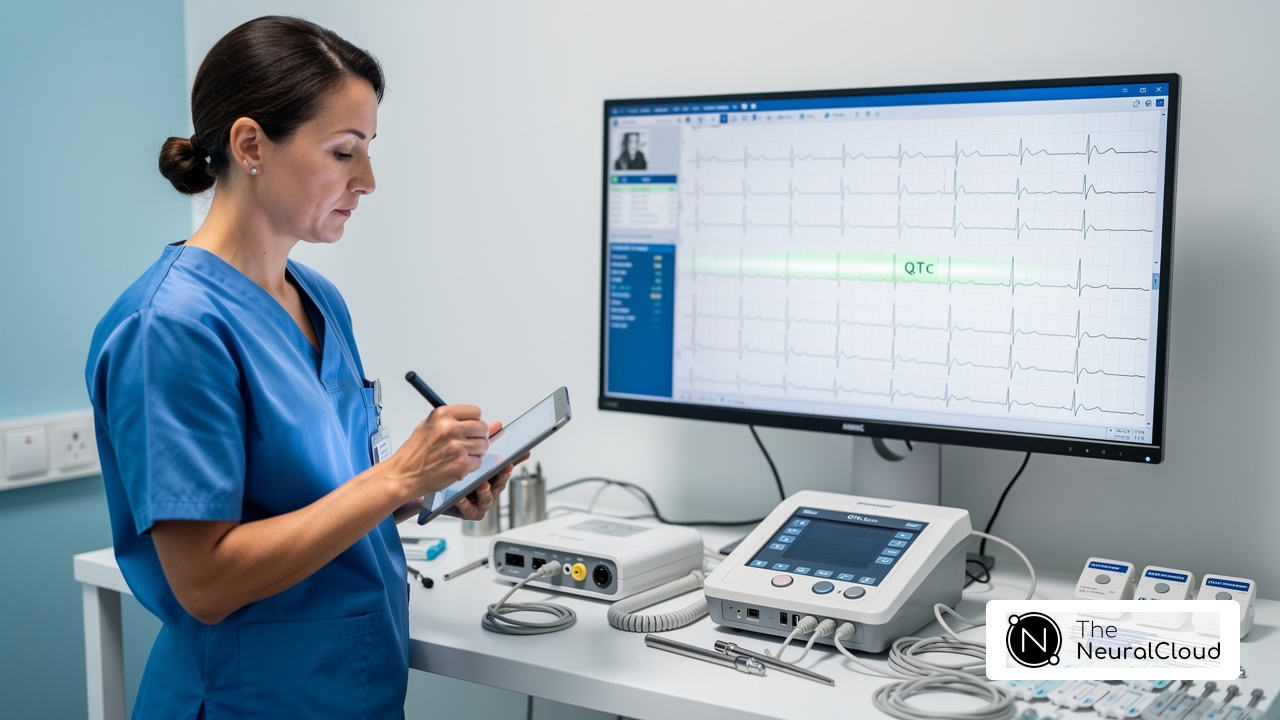
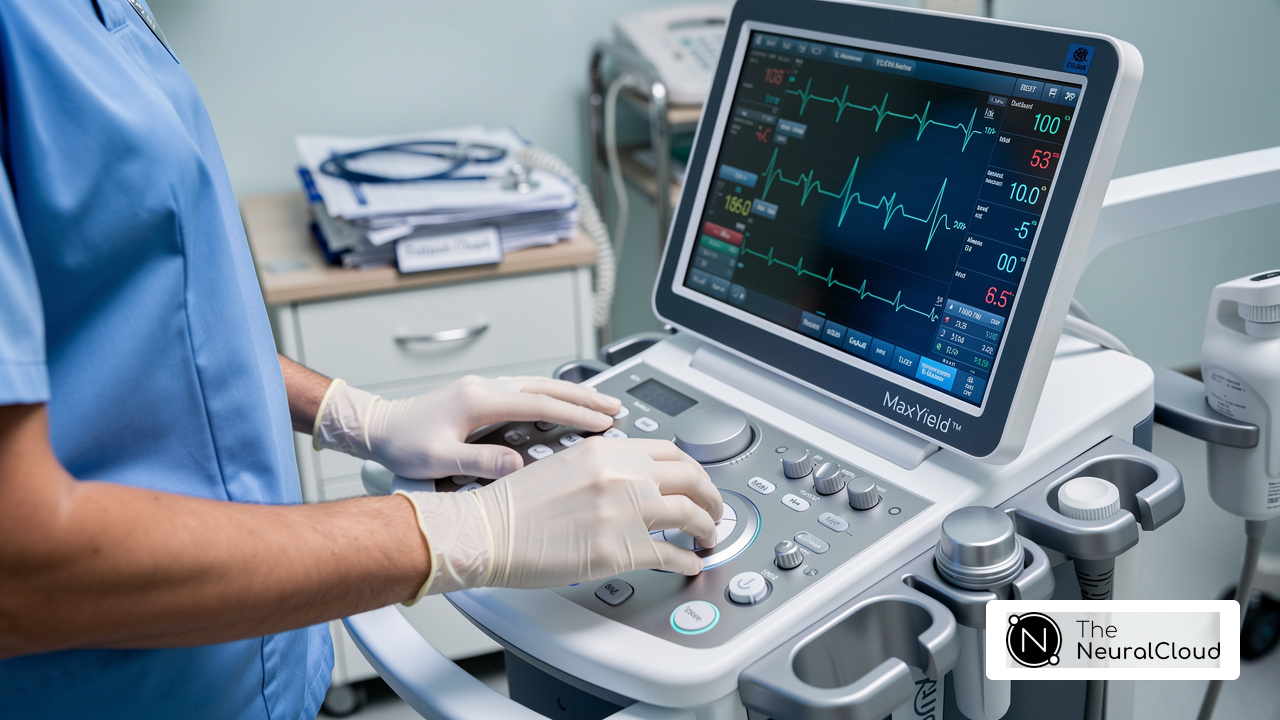
Atrial fibrillation (AF) is a prevalent cardiac condition that poses significant health risks, including stroke and heart failure. The demand for precise and efficient EKG analysis has grown, prompting healthcare providers to seek innovative solutions like the MaxYield™ platform. This platform enhances the clarity and accuracy of EKG readings, addressing the complexities of AF interpretation.
Despite technological advancements, a critical challenge persists: how can clinicians effectively interpret the intricate patterns of AF on EKGs to ensure timely and accurate diagnosis?
This article explores mastering atrial fibrillation EKG analysis using MaxYield™ techniques, equipping healthcare professionals with essential tools for navigating this vital aspect of patient care.
Define Atrial Fibrillation and Its Clinical Importance
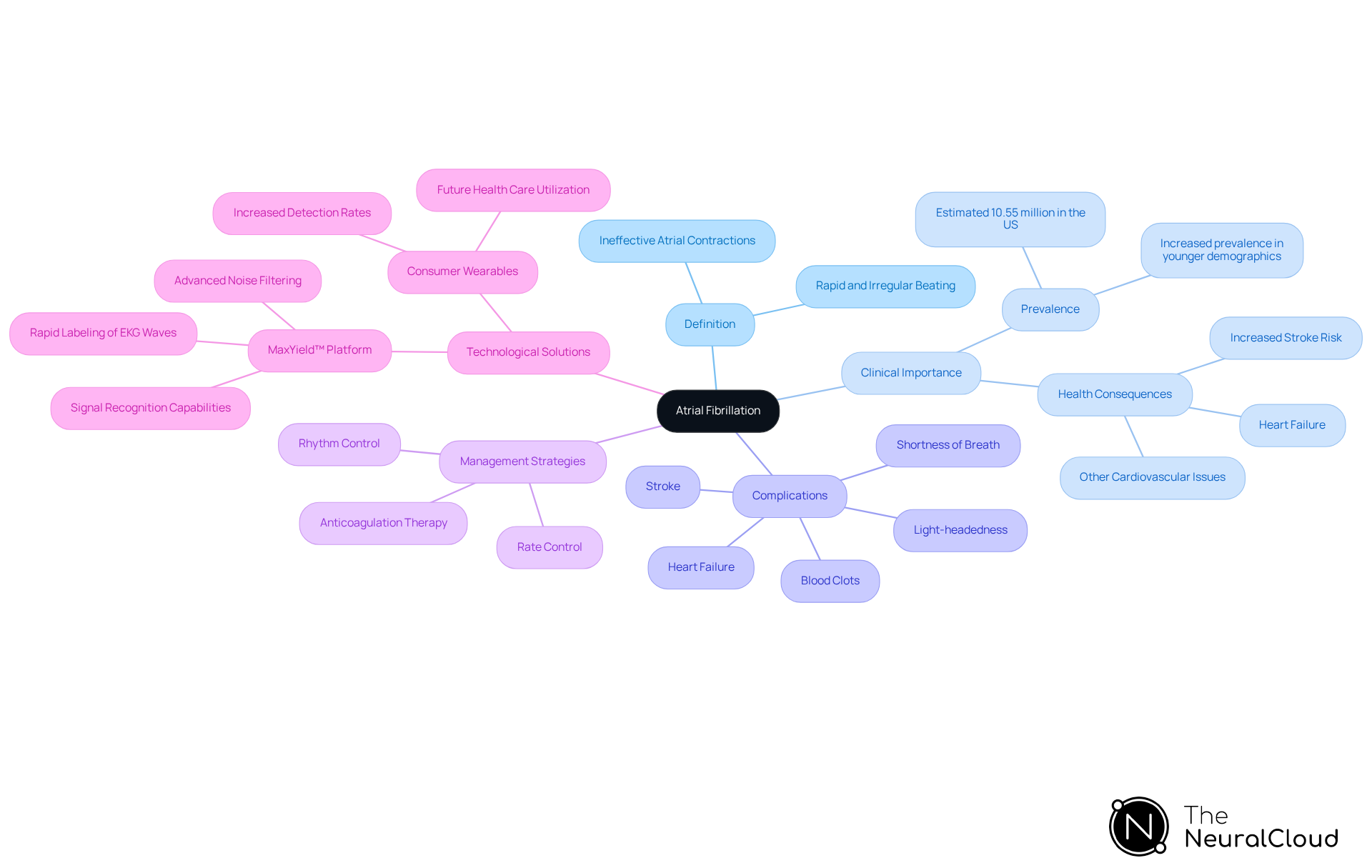
Atrial fibrillation (AF), as seen in an EKG, is characterized by rapid and irregular beating of the atria, which leads to ineffective atrial contractions. This condition can result in various complications and other cardiovascular issues. Clinically, AF holds significant importance due to its prevalence and the potential for serious health consequences. Education by healthcare providers is essential to implement appropriate management strategies, which may include anticoagulation therapy to reduce stroke risk and rate or rhythm control to manage symptoms.
The system addresses the challenges in EKG analysis by enhancing efficiency through advanced algorithms and signal recognition capabilities. This innovative system rapidly labels P, QRS, and T wave onsets and offsets, resulting in clearer data sets and clean signals. Such clarity is crucial for accurate detection of AF, allowing healthcare professionals to make informed decisions based on reliable data.
By utilizing advanced techniques, healthcare providers can significantly improve their processes. The features of the system not only streamline the workflow but also enhance the overall quality of patient care. The ability to deliver precise readings directly translates to better patient outcomes, ultimately benefiting both healthcare providers and patients alike.
Understanding the clinical importance of atrial fibrillation, along with the innovative solutions offered by MaxYield™, sets the stage for effective diagnosis and patient care strategies. The combination of advanced technology and clinical expertise empowers healthcare professionals to tackle the complexities of AF with confidence.
Interpret EKG Signals: Recognizing Atrial Fibrillation Patterns
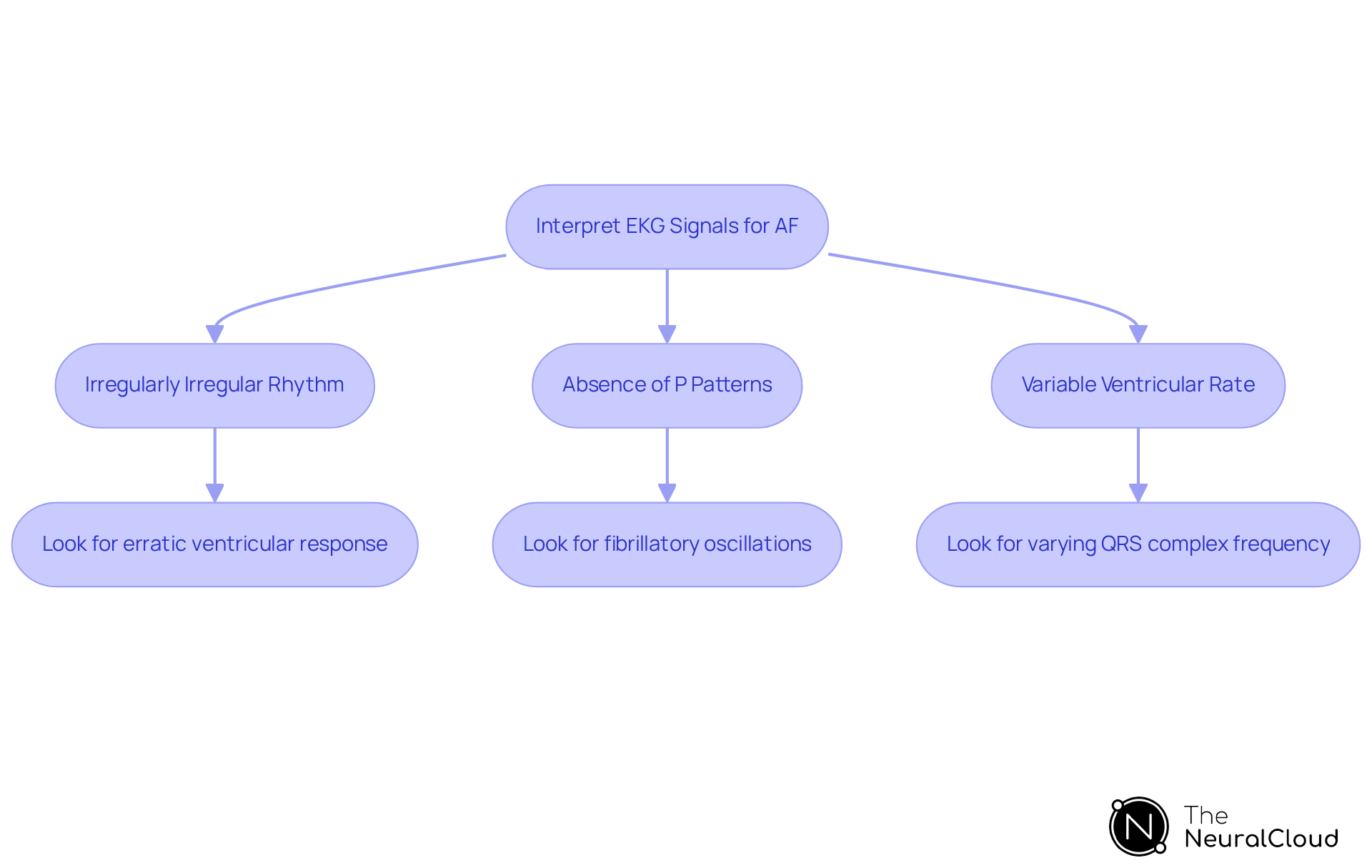
Interpreting EKG signals for atrial fibrillation (AF) requires clinicians to identify specific patterns that differentiate AF from other arrhythmias. Key characteristics include:
- The ventricular response is typically erratic, lacking a discernible pattern.
- Instead of clear P wave patterns, fibrillatory oscillations may be observed, indicating disordered activity in the upper chambers of the heart.
- Variable Ventricular Rate: The frequency of QRS complexes can vary, reflecting irregular conduction through the AV node.
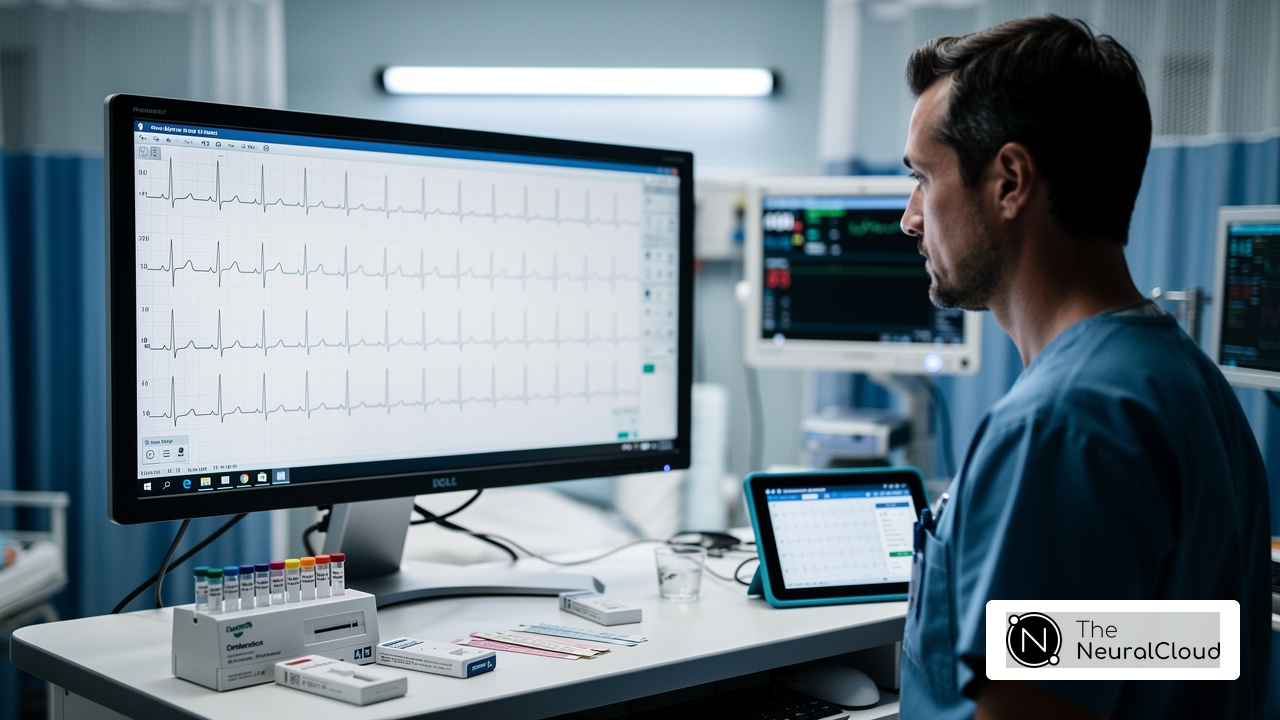
In a typical EKG, one might observe a rapid heart rate accompanied by the absence of visible P waves, while the QRS complexes appear normal yet are irregularly spaced. This unique pattern is critical for diagnosing AF and distinguishing it from conditions such as flutter or sinus tachycardia. The analysis utilizes the X-Factor Signal Mapping Algorithm to enhance this analysis by providing advanced signal and wave recognition features. This guarantees precise identification of AF, even in challenging recordings. Understanding these nuances is vital for effective diagnosis and patient management. Furthermore, the API key can be employed in your application to automate analysis, further streamlining the diagnostic process.
Utilize Advanced EKG Analysis Techniques for Accurate Diagnosis
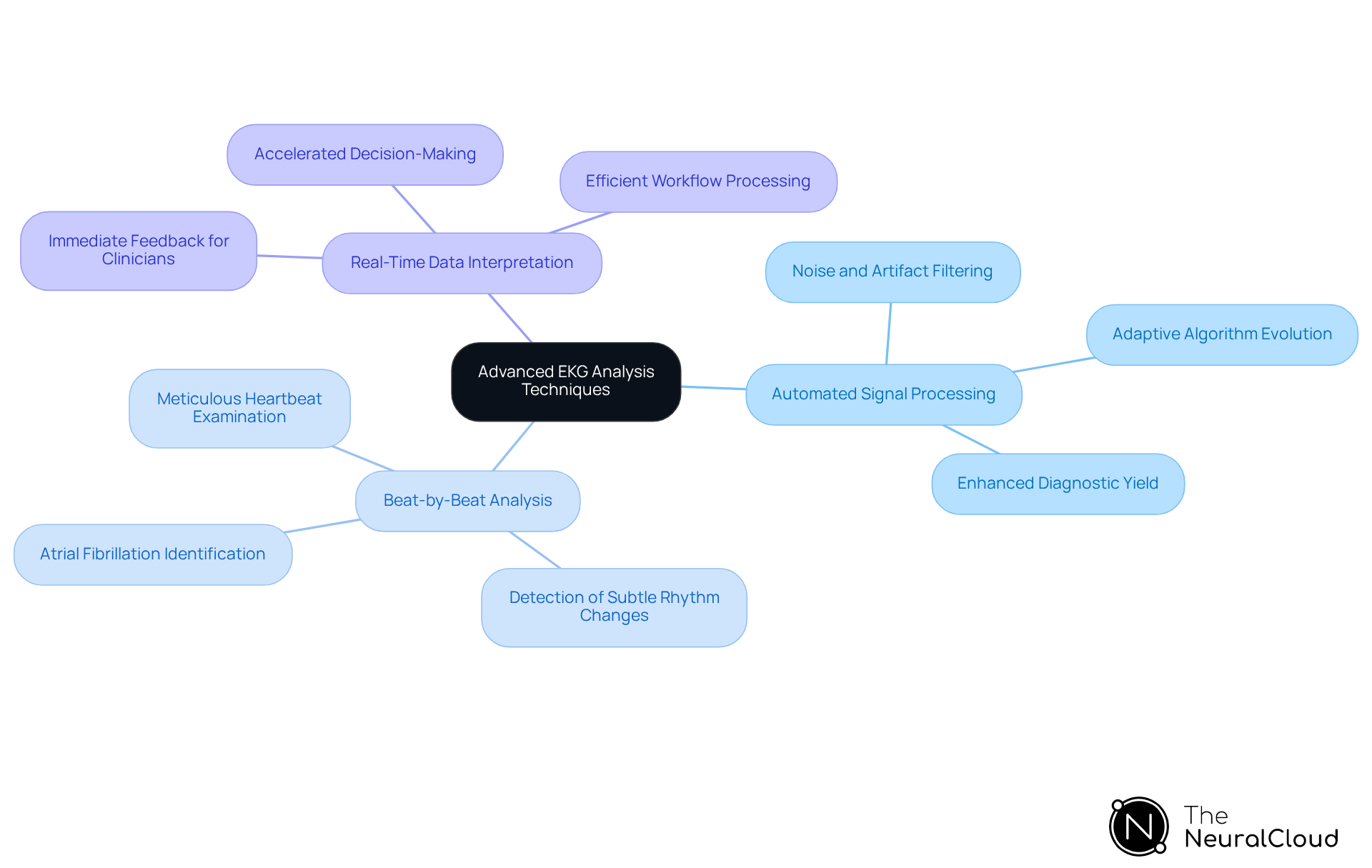
To enhance the diagnosis for heart rhythm disorders, clinicians can leverage the advanced features of the EKG analysis system. The key techniques include:
- Noise Reduction: The system employs sophisticated AI algorithms that effectively filter out noise and artifacts. This ensures that EKG signals remain consistently clear and reliable. Furthermore, this adaptive algorithm evolves with each use, enhancing accuracy over time.
- Beat-by-Beat Analysis: This feature allows for a meticulous examination of each heartbeat, facilitating the detection of subtle rhythm changes that may indicate atrial fibrillation.
- Real-Time Feedback: Clinicians receive immediate feedback on EKG readings, which accelerates decision-making and intervention processes. This system streamlines workflow by processing over 200,000 heartbeats in under five minutes, significantly enhancing efficiency and patient management.
By incorporating these advanced techniques into their clinical practice, healthcare professionals can markedly improve their diagnostic capabilities. The system not only enhances the quality of ECG analysis but also automates repetitive tasks, enabling healthcare professionals to concentrate on critical decision-making.
Conclusion
Understanding atrial fibrillation (AF) and its implications is crucial for effective patient care. The article highlights the significance of mastering EKG analysis techniques, particularly through the innovative MaxYield™ platform. This technology enhances the clarity and reliability of EKG readings, empowering healthcare providers to make informed decisions that can significantly impact patient outcomes.
Key insights underscore the importance of recognizing specific EKG patterns associated with AF. The irregular rhythm, absence of P waves, and variable ventricular rates are critical indicators that clinicians must identify for accurate diagnosis. By leveraging advanced techniques such as automated signal processing and real-time data interpretation, healthcare professionals can dramatically improve their diagnostic capabilities, ensuring timely and appropriate interventions for patients suffering from atrial fibrillation.
Ultimately, the integration of advanced EKG analysis methods is not just about enhancing diagnostic accuracy; it is about transforming patient care. As healthcare providers embrace these innovative solutions, they will be better equipped to manage the complexities of atrial fibrillation, reducing the risks associated with this prevalent condition. The call to action is clear: adopting these advanced techniques can lead to improved patient outcomes and a more efficient healthcare system.
Frequently Asked Questions
What is atrial fibrillation (AF)?
Atrial fibrillation (AF) is a condition characterized by rapid and irregular beating of the atria, leading to ineffective atrial contractions.
Why is atrial fibrillation clinically important?
AF is clinically important due to its prevalence and the potential for serious complications, including stroke, heart failure, and other cardiovascular issues.
How can healthcare providers manage atrial fibrillation?
Management strategies for AF may include anticoagulation therapy to reduce stroke risk and rate or rhythm control to manage symptoms.
What challenges does the MaxYield™ platform address in ECG analysis?
The MaxYield™ platform addresses challenges in ECG analysis by enhancing efficiency through advanced noise filtering and signal recognition capabilities.
How does the MaxYield™ platform improve ECG data clarity?
The platform rapidly labels P, QRS, and T wave onsets and offsets, resulting in clearer data sets and clean signals, which are crucial for accurate detection of atrial fibrillation EKG.
What benefits does the MaxYield™ platform provide to healthcare providers?
The MaxYield™ platform streamlines workflow and enhances the overall quality of patient care by delivering precise readings, which aids in better management of atrial fibrillation.
How does advanced technology and clinical expertise contribute to managing atrial fibrillation?
The combination of advanced technology, like the MaxYield™ platform, and clinical expertise empowers healthcare professionals to effectively tackle the complexities of atrial fibrillation with confidence.
List of Sources
- Define Atrial Fibrillation and Its Clinical Importance
- ucsf.edu (https://ucsf.edu/news/2024/09/428416/how-many-people-have-fib-three-times-more-we-thought)
- New Estimates Suggest Atrial Fibrillation 3 Times More Common Than Thought | AJMC (https://ajmc.com/view/new-estimates-suggest-atrial-fibrillation-3-times-more-common-than-thought)
- Atrial fibrillation estimated to affect about 1 in 22 Americans (https://nhlbi.nih.gov/news/2024/atrial-fibrillation-estimated-affect-about-1-22-americans)
- Interpret EKG Signals: Recognizing Atrial Fibrillation Patterns
- medicaldevice-network.com (https://medicaldevice-network.com/news/mayo-clinic-ai-atrial-fibrillation-study)
- patientsafetysolutions.com (https://patientsafetysolutions.com/tip_of_the_week_archive_apr-jun_2020)
- coursehero.com (https://coursehero.com/sitemap/schools/3214-Nashville-State-Community-College/courses/1366276-BIOL2020)
- medaxiom.com (https://medaxiom.com/?src=news&submenu=About&srctype=lister&category=Partner%20News&pos=300,10,321)
- Utilize Advanced EKG Analysis Techniques for Accurate Diagnosis
- ajhcs.org (https://ajhcs.org/article/ai-driven-remote-ecg-monitoring-and-predictive-analytics-transforming-cardiac-care-from-arrhythmia-detection-to-perioperative-optimization)
- patientsafetysolutions.com (https://patientsafetysolutions.com/tip_of_the_week_archive_apr-jun_2020)
- News - Cardiac Rhythm News (https://cardiacrhythmnews.com/news)
- ahajournals.org (https://ahajournals.org/doi/10.1161/CIRCRESAHA.119.316342)
- mdpi.com (https://mdpi.com/2571-5577/6/5/95)