Introduction
Understanding cardiac health relies heavily on the accuracy of electrocardiograms (ECGs). Contiguous leads are essential in providing vital insights for effective diagnosis. Health tech developers have a significant opportunity to improve patient outcomes by effectively implementing these strategically placed sensors. This can lead to better detection of conditions such as myocardial infarction.
However, developers face challenges in overcoming technical issues like noise, signal artifacts, and the necessity for precise interpretation. Addressing these hurdles is crucial to fully leverage the potential of contiguous leads in ECG analysis. By focusing on these aspects, developers can enhance the reliability and effectiveness of ECG readings, ultimately benefiting healthcare professionals and their patients.
Define Contiguous Leads and Their Clinical Importance
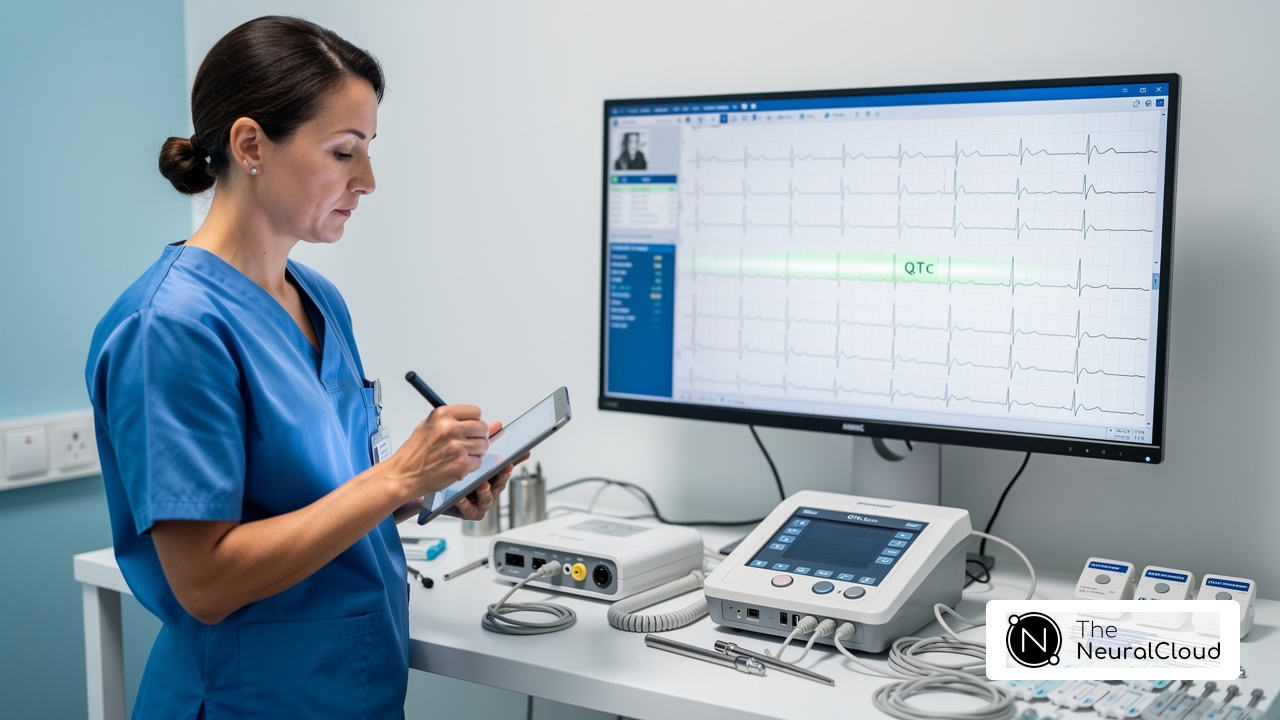
are strategically positioned sensors that provide a comprehensive view of specific heart regions, which is essential for diagnosing conditions like myocardial infarction and ischemia. For example, electrodes V2 and V3 monitor the anteroseptal wall, while electrodes II, III, and aVF assess the inferior wall. Their importance lies in detecting abnormalities that indicate cardiac events, thereby enhancing diagnostic accuracy. In cases of ST elevation, it is crucial that changes appear in at least two adjacent recordings to confirm genuine regional ischemia, helping to distinguish important findings from artifacts or normal variations.
This understanding is vital for health technology creators focused on designing systems that prioritize precise signal interpretation, ultimately improving patient outcomes. Real-world applications show that the use of contiguous leads can significantly enhance the detection of myocardial ischemia. Studies indicate that ST-segment elevation in contiguous leads correlates strongly with acute coronary occlusion. Furthermore, one-third of patients with STEMI experience right ventricular infarction, underscoring the need for comprehensive monitoring.
Obtaining serial ECGs at 15-30 minute intervals for isolated ST changes when clinical suspicion is high is essential for timely intervention. By focusing on these electrode configurations, creators can contribute to more efficient diagnoses. Additionally, integrating technology with ECG systems enhances analysis by automating labeling and addressing challenges such as physiological variability and signal artifacts.
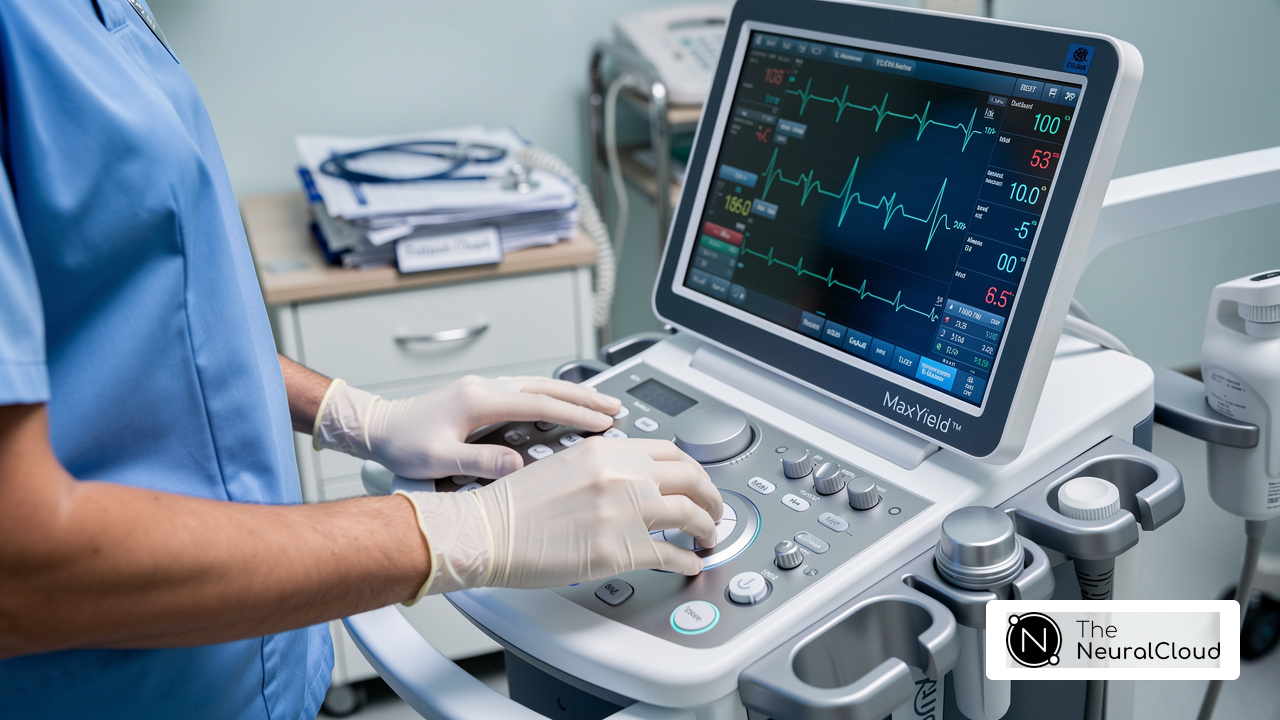
The advanced noise filtering and wave recognition capabilities of MaxYield™ ensure that critical data is accurately identified, even in recordings with high levels of noise. This leads to improved diagnostic outcomes, making the platform a valuable tool for healthcare professionals.

Implement Contiguous Leads for Enhanced ECG Interpretation
To effectively implement contiguous leads, developers face challenges in designing ECG systems that accurately capture and display these connections in alignment with anatomical relationships. This is crucial for enabling clinicians to swiftly recognize patterns suggestive of cardiac conditions.
Features
The system employs algorithms that emphasize the sequential presentation of data, which is vital during examinations such as ST-segment elevation. The system highlights adjacent electrodes showing substantial changes, facilitating quicker diagnoses. Additionally, integrating training modules that educate on the importance of contiguous leads can enhance interpretation accuracy.
Advantages for
By utilizing advanced technology, which charts ECG signals through interference and provides beat-by-beat evaluation, creators can develop tools that significantly improve diagnostic capabilities. The system can quickly identify arrhythmias, leading to timely interventions and improved patient outcomes. This platform not only enhances the accuracy of ECG readings but also supports better decision-making in clinical settings.

Leverage Advanced Technology for Optimal ECG Analysis
Health tech creators face significant challenges in ECG analysis, particularly in the timely detection of abnormalities. Advanced technologies like machine learning can address these issues effectively. By employing AI algorithms, developers can automate the detection of abnormalities in ECG signals, significantly reducing the time required for interpretation.
One standout solution is Neural Cloud Solutions' MaxYield™. This innovative platform converts noisy recordings into clear signals, providing beat-by-beat evaluations of 200,000 heartbeats in under 5 minutes. Its features enhance workflows, allowing machine learning models to be trained on large datasets. This capability helps identify patterns linked to various cardiac conditions, facilitating real-time evaluations and alerts.
The integration of cloud-based solutions further enhances the platform's functionality. It facilitates seamless data sharing among healthcare providers, ensuring that clinicians have access to comprehensive patient information. By adopting these technologies, programmers can build robust applications that enhance diagnostic precision and streamline clinical processes.
Key Features of MaxYield™:
- Real-time ECG analysis.
- Automated abnormality detection.
- User-friendly interface.
- Machine learning models trained on extensive datasets.
- Comprehensive reporting tools.
Advantages for Healthcare Professionals:
- Reduced interpretation time, allowing for quicker clinical decisions.
- Enhanced diagnostic accuracy.
- Improved collaboration among healthcare providers via data sharing.
By leveraging the MaxYield™ platform, healthcare professionals can significantly improve ECG assessment, leading to better patient outcomes and more efficient clinical workflows.

Address Challenges in ECG Analysis with Contiguous Leads
Developers face notable challenges in ECG evaluation, especially when it comes to artifacts that can obscure true ECG signals. To effectively address these issues, advanced technologies are essential for accurate analysis. For example, filters can remove low-frequency noise, while algorithms can adjust dynamically to changing signal conditions.
Moreover, it is crucial for developers to create systems that can recognize and compensate for interferences, such as patient movement or electrode misplacement. By proactively tackling these challenges, developers can significantly enhance the reliability of their systems. This improvement ultimately leads to better patient care, as healthcare professionals can rely on accurate ECG readings.

Conclusion
Mastering the use of contiguous leads in electrocardiography is essential for health tech developers who want to improve diagnostic accuracy and patient outcomes. By grasping the strategic placement and clinical significance of these leads, developers can design ECG systems that enable timely and precise interpretations, ultimately enhancing care for patients with cardiac conditions.
This article has examined the importance of contiguous leads in diagnosing myocardial infarctions and other heart issues, stressing the need to monitor adjacent electrodes for reliable results. It has highlighted how advanced technologies, particularly the MaxYield™ platform, can automate and optimize ECG analysis, allowing healthcare professionals to swiftly and accurately detect abnormalities. Additionally, addressing challenges such as noise and signal artifacts is crucial for creating robust ECG assessment tools that clinicians can rely on.
Integrating innovative solutions in ECG analysis not only streamlines clinical workflows but also fosters collaboration among healthcare providers. As technology continues to advance, adopting best practices for contiguous leads will be vital for health tech developers. By focusing on these strategies, they can significantly enhance cardiac monitoring and ensure better outcomes for patients requiring timely interventions.
Frequently Asked Questions
What are contiguous leads in ECG and why are they important?
Contiguous leads in ECG are strategically positioned sensors that provide a comprehensive view of specific heart regions, crucial for diagnosing conditions like myocardial infarction (MI) and ischemia.
Which electrodes monitor specific heart regions in contiguous leads ECG?
Electrodes V2 and V3 monitor the anteroseptal wall, while electrodes II, III, and aVF assess the inferior wall.
How do contiguous leads enhance diagnostic accuracy?
They help detect ST-segment changes that indicate cardiac events, with changes appearing in at least two adjacent recordings confirming genuine regional ischemia, thus distinguishing significant findings from artifacts or normal variations.
What is the significance of ST-segment elevation in contiguous leads ECG?
ST-segment elevation in contiguous leads ECG correlates strongly with acute coronary occlusion, which is vital for diagnosing conditions like myocardial infarction.
Why is it important to monitor patients with STEMI for right ventricular infarction?
One-third of patients with STEMI experience right ventricular infarction, highlighting the need for comprehensive monitoring to ensure timely intervention.
What is the recommended practice for obtaining ECGs in cases of isolated ST changes?
It is essential to obtain serial ECGs at 15-30 minute intervals when clinical suspicion is high to facilitate timely intervention.
How can technology improve ECG analysis?
Integrating wearable technology with platforms like Neural Cloud Solutions' MaxYield™ enhances ECG analysis efficiency by automating labeling and addressing challenges such as physiological variability and signal artifacts.
What features of the MaxYield™ platform improve diagnostic outcomes?
The platform's advanced noise filtering and wave recognition capabilities ensure that critical data is accurately identified, even in recordings with high levels of noise, leading to improved diagnostic outcomes.
List of Sources
- Define Contiguous Leads and Their Clinical Importance
- Contiguous Leads on ECG: A Comprehensive Guide (https://cme4life.com/contiguous-leads-on-ecg-a-comprehensive-guide)
- STEMI: ST-segment Elevation Myocardial Infarction - The Cardiology Advisor (https://thecardiologyadvisor.com/ddi/stemi-st-elevation-myocardial-infarction)
- cme4life.com (https://cme4life.com/contiguous-leads-understanding-ekg-patterns)
- AI-Based ECG Analysis Significantly Improves STEMI Detection, Reduces False Activations - American College of Cardiology (https://acc.org/latest-in-cardiology/articles/2025/10/24/16/56/tues-554pm-ai-tct-2025)
- droracle.ai (https://droracle.ai/articles/614778/what-is-the-significance-of-contiguous-lead-involvement-on)
- Implement Contiguous Leads for Enhanced ECG Interpretation
- FDA clears 12-lead, cable-free home ECG monitoring system (https://cardiovascularbusiness.com/topics/cardiac-imaging/electrocardiography-ecg/fda-clears-12-lead-cable-free-home-ecg-monitoring-system)
- Contiguous Leads on ECG: A Comprehensive Guide (https://cme4life.com/contiguous-leads-on-ecg-a-comprehensive-guide)
- Leverage Advanced Technology for Optimal ECG Analysis
- Platform Advances AI-Driven ECG Analysis (https://healthmanagement.org/c/digital-transformation/News/platform-advances-ai-driven-ecg-analysis)
- AI-Powered ECG Analysis Offers Promising Path for Early Detection of Chronic Obstructive Pulmonary Disease, Say Mount Sinai Researchers (https://mountsinai.org/about/newsroom/2026/ai-powered-ecg-analysis-offers-promising-path-for-early-detection-of-chronic-obstructive-pulmonary-disease-say-mount-sinai-researchers)
- Three New Studies Show Viz.ai’s Cardio Suite Speeds Detection of Cardiac Disease and Improves Patient Follow-Up (https://viz.ai/news/three-new-studies-show-viz-ais-cardio-suite-speeds-detection-of-cardiac-disease-and-improves-patient-follow-up)
- openthemagazine.com (https://openthemagazine.com/india/new-study-shows-artificial-intelligence-can-identify-heart-attacks-missed-by-ecg)
- ECG market keeps evolving thanks to AI, home monitoring and Epic integration (https://signifyresearch.net/2026/02/13/ecg-market-keeps-evolving-thanks-to-ai-home-monitoring-and-epic-integration)
- Address Challenges in ECG Analysis with Contiguous Leads
- ECG Noise Filtering Improves Clinical Accuracy (https://emjreviews.com/interventional-cardiology/news/ecg-noise-filtering-improves-clinical-accuracy)
- pmc.ncbi.nlm.nih.gov (https://pmc.ncbi.nlm.nih.gov/articles/PMC7067057)