Introduction
Understanding the complexities of ST-Elevation Myocardial Infarction (STEMI) is essential for health tech developers focused on enhancing diagnostic tools. This critical heart condition, characterized by specific ECG changes, requires prompt recognition to prevent significant myocardial damage. The integration of AI-driven solutions, such as Neural Cloud Solutions' MaxYield™, is transforming ECG analysis. This raises an important question: how can developers effectively leverage these technologies to improve accuracy and patient outcomes while addressing the challenges of interpreting contiguous leads?
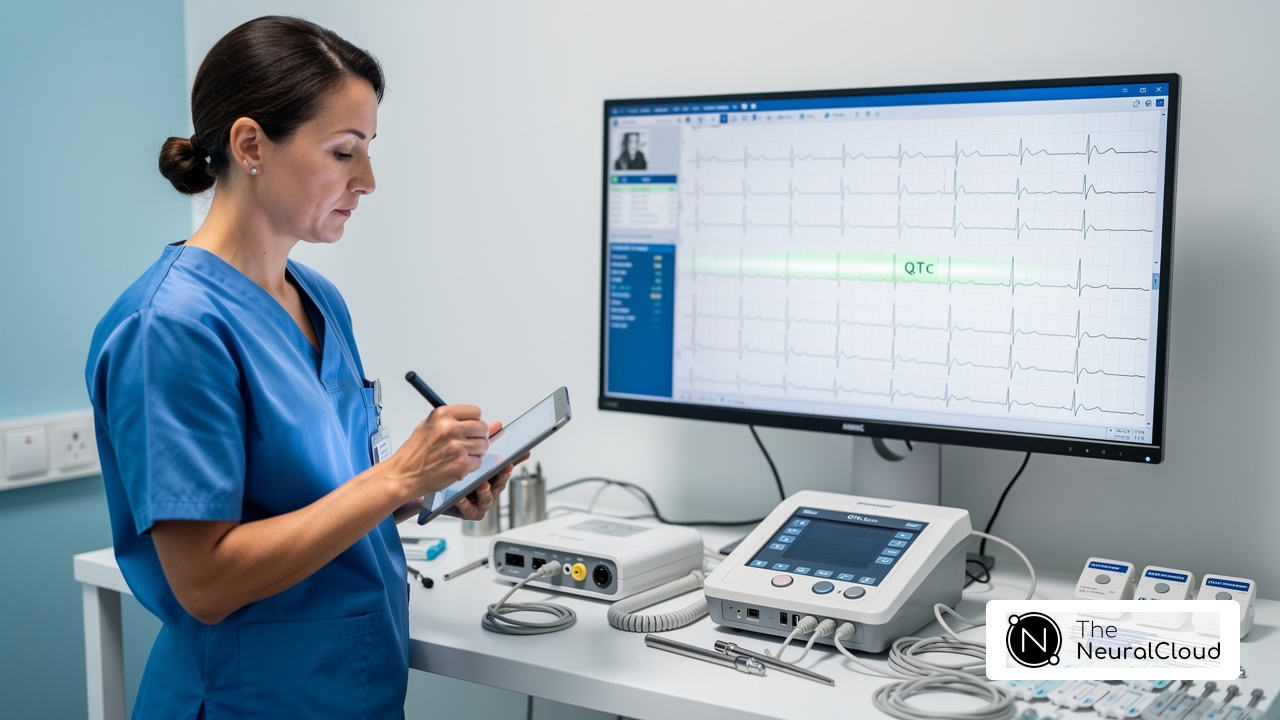
ECG analysis presents several challenges, including the need for rapid and accurate interpretation of data. The MaxYield™ platform offers advanced features that streamline this process. By utilizing sophisticated algorithms, it enhances the accuracy of ECG readings, allowing healthcare professionals to make informed decisions quickly. This not only improves diagnostic precision but also contributes to better patient care.
The advantages of the MaxYield™ platform extend beyond mere accuracy. With its user-friendly interface, healthcare professionals can easily navigate the system, reducing the learning curve associated with new technologies. Additionally, the platform's ability to analyze contiguous leads efficiently means that clinicians can focus on patient care rather than getting bogged down in complex data interpretation.
In summary, the MaxYield™ platform stands out as a vital tool for healthcare professionals. By addressing the challenges of ECG analysis and providing clear benefits, it enhances diagnostic capabilities and ultimately improves patient outcomes.
Define STEMI and Its Clinical Importance in ECG Interpretation
ST-Elevation Myocardial Infarction (STEMI) is a critical type of heart attack caused by a complete blockage of a coronary artery, leading to significant myocardial ischemia. Recognizing this condition is urgent, as it can result in irreversible heart damage if not addressed swiftly. In ECG interpretation, contiguous leads STEMI is identified through specific changes in the ST segment, particularly ST elevation in two or more adjacent leads. This recognition is essential for health tech developers, as it informs the design and functionality of ECG analysis tools that aid clinicians in making rapid and accurate diagnoses.
Prompt identification of STEMI can significantly improve patient outcomes. Studies show that while 60% of patients with true STEMIs meet conventional criteria, 40% present as STEMI equivalents, complicating initial assessments. The integration of AI-driven ECG evaluation, such as Neural Cloud Solutions' MaxYield™, has demonstrated promise in enhancing diagnostic accuracy. AI-ECG has shown a sensitivity of 92% and specificity of 81%, greatly exceeding standard procedures. This advancement is crucial, as false-positive catheter lab activations dropped from 41.8% with traditional methods to just 7.9% when using AI-ECG, optimizing resource allocation in emergency settings.
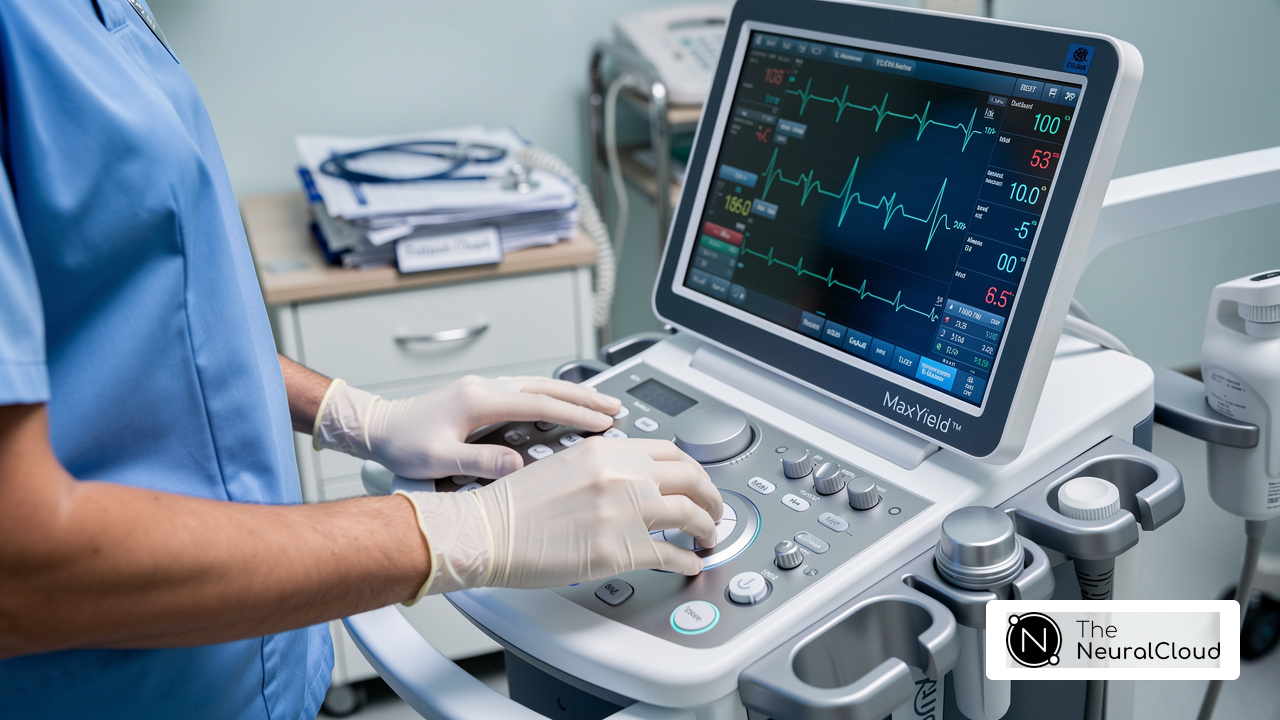
MaxYield™ effectively maps ECG signals through noise, isolating and labeling key features in every heartbeat. It delivers beat-by-beat analysis of 200,000 heartbeats in under 5 minutes. This capability not only clarifies ECG data but also supports workflow automation, allowing for more efficient processing of patient information. Case studies underscore the clinical implications of these advancements. For instance, the MaxYield™ platform has been validated through various studies, confirming its ability to facilitate prompt treatment for heart attack patients. Experts emphasize the importance of minimizing false activations, which can lead to unnecessary procedures and strain on healthcare resources. As AI technology evolves, its role in refining heart attack diagnosis and enhancing clinical workflows becomes increasingly vital, ultimately benefiting patient care.

Explain the Role of Contiguous Leads in STEMI Diagnosis
Contiguous connections refer to ECG sensors that are anatomically adjacent, providing overlapping views of the heart's electrical activity. In diagnosing ST-Elevation Myocardial Infarction (STEMI), the presence of contiguous leads STEMI in two or more adjacent electrodes is crucial. Specifically, ST-segment shifts of ≥0.1 mV (1 mm) in standard electrodes confirm acute myocardial infarction. This overlap is essential for detecting regional myocardial ischemia, as changes in adjacent electrodes can indicate the specific area of the heart affected by a blockage. For instance, V1 to V6 electrodes monitor the anterior wall, while II, III, and aVF evaluate the inferior wall.
Recent studies underscore that identifying ST-segment alterations in contiguous leads STEMI enhances diagnostic specificity for acute coronary occlusion. This ensures that genuine regional ischemia is distinguished from artifacts or normal variations. As noted by the Medical Advisory Board, to diagnose acute myocardial infarction, ST-segment elevation or depression must appear in at least two contiguous leads STEMI. This understanding is vital for health tech developers aiming to create algorithms that accurately detect and analyze these critical ECG patterns, ultimately improving clinical decision-making and patient outcomes.
The MaxYield™ platform from Neural Cloud Solutions addresses these challenges by automating ECG analysis and employing sophisticated noise filtering. This technology significantly enhances the clarity of ECG signals. For example, MaxYield™ can swiftly extract and tag essential information from noisy recordings, enabling prompt identification of contiguous leads STEMI, which is crucial for diagnosing ST-elevation myocardial infarction. Delays in this process can lead to serious complications, making timely analysis imperative.
Features of MaxYield™:
- Automated ECG analysis
- Advanced noise filtering
- Swift extraction and tagging of information
Advantages for Healthcare Professionals:
- Improved clarity of ECG signals
- Faster identification of critical ST-segment changes
- Enhanced clinical decision-making capabilities
By leveraging the MaxYield™ platform, healthcare professionals can ensure more accurate diagnoses and better patient outcomes.

Guide Through the ECG Interpretation Process for Contiguous Leads in STEMI
To effectively interpret ECGs for STEMI using contiguous leads, follow these essential practices:
- Acquire a 12-channel ECG: Proper electrode placement is vital for accurately capturing heart signals, which is crucial for reliable analysis.
- Identify ST Segment Changes: Look for ST segment elevation of at least 1 mm in two or more adjacent recordings, a definitive indicator of ST elevation myocardial infarction.
- Assess the J Point: Pay close attention to the J point, where the ST segment meets the QRS complex. Elevation at this junction is critical for confirming the diagnosis.
- Evaluate Reciprocal Changes: Check for reciprocal ST segment depression in positions opposite those showing elevation, providing additional confirmation of the STEMI diagnosis.
- Document Findings: Clearly record the participants involved and the degree of elevation, as this information is vital for guiding treatment decisions.
By adhering to these steps, health tech developers can create tools that empower clinicians to make accurate and timely diagnoses. The MaxYield™ platform automates ECG evaluation, enhancing diagnostic yield through advanced noise reduction. It offers clinicians clear, actionable insights from ECG data, ultimately supporting confident clinical decision-making.
Features of MaxYield™:
- Automated ECG Evaluation: Streamlines the analysis process, reducing the potential for human error.
- Advanced Noise Reduction: Improves the clarity of ECG signals, allowing for more accurate interpretations.
- Actionable Insights: Provides clinicians with clear data to inform their decisions, enhancing patient care.
Advantages for Healthcare Professionals:
- Increased Efficiency: Saves time in ECG analysis, allowing clinicians to focus on patient care.
- Enhanced Accuracy: Reduces misinterpretations, leading to better patient outcomes.
- Support for Clinical Decisions: Empowers clinicians with reliable data, fostering confidence in their diagnostic capabilities.

Identify Common Challenges in Contiguous Leads Interpretation and Solutions
Interpreting contiguous leads STEMI in ECGs poses several challenges that can significantly affect the accuracy of STEMI diagnosis. These challenges include:
- Artifact and Noise: External interference can obscure true ECG signals, leading to misdiagnosis. Advanced filtering techniques in ECG analysis software enhance signal clarity, allowing for more accurate interpretations.
- Component Misplacement: Incorrect placement of the components is a common issue that can result in false readings. Developers must incorporate checks within their tools to ensure lead placement accuracy, thereby reducing the risk of diagnostic errors.
- Physiological Variability: Individual differences in heart anatomy can affect ECG readings. Implementing machine learning algorithms that adapt to patient-specific data can significantly improve interpretation accuracy, accommodating variations in heart structure and function.
- Misinterpretation of ST Changes: Clinicians may misinterpret ST segment changes due to other underlying conditions. Providing comprehensive training modules within the software can help mitigate this issue, equipping healthcare professionals with the knowledge to distinguish between true STEMI indicators and contiguous leads STEMI.
By addressing these challenges, health tech developers can create more reliable ECG analysis tools that enhance diagnostic accuracy and ultimately improve patient outcomes.

Conclusion
Mastering the interpretation of contiguous leads in ST-Elevation Myocardial Infarction (STEMI) is essential for health tech developers who aim to enhance diagnostic tools that improve patient outcomes. Recognizing STEMI through specific ECG changes in contiguous leads is crucial, as it significantly impacts timely and accurate clinical decisions. The MaxYield™ platform offers advanced technologies that streamline the diagnostic process, ensuring healthcare professionals have access to reliable and actionable insights.
Key arguments highlight the critical role of contiguous leads in accurately diagnosing STEMI, the challenges faced in ECG interpretation, and the solutions technology can provide. The integration of AI-driven tools improves diagnostic accuracy, reduces false positives, and enhances the efficiency of clinical workflows. Proper lead placement and the identification of ST-segment changes are vital, as these factors are essential for effective diagnosis and treatment.
Reflecting on advancements in ECG technology, health tech developers play a pivotal role in shaping the future of cardiac care. By focusing on robust ECG analysis tools, the healthcare community can ensure that STEMI is diagnosed swiftly and accurately, ultimately saving lives. Embracing these innovations enhances clinical decision-making and fosters a healthcare environment that prioritizes patient safety and effective treatment protocols.
Frequently Asked Questions
What is STEMI and why is it clinically important?
ST-Elevation Myocardial Infarction (STEMI) is a critical type of heart attack caused by a complete blockage of a coronary artery, leading to significant myocardial ischemia. Recognizing STEMI is urgent because it can result in irreversible heart damage if not treated swiftly.
How is STEMI identified in ECG interpretation?
STEMI is identified through specific changes in the ST segment of the ECG, particularly ST elevation in two or more contiguous leads.
What challenges are associated with identifying STEMI in patients?
While 60% of patients with true STEMIs meet conventional criteria, 40% present as STEMI equivalents, complicating initial assessments and making prompt identification challenging.
How does AI-driven ECG evaluation improve diagnostic accuracy for STEMI?
AI-driven ECG evaluation, such as Neural Cloud Solutions' MaxYield™, has shown a sensitivity of 92% and specificity of 81%, significantly improving diagnostic accuracy compared to standard procedures.
What impact does the use of AI-ECG have on false-positive catheter lab activations?
The use of AI-ECG has reduced false-positive catheter lab activations from 41.8% with traditional methods to just 7.9%, optimizing resource allocation in emergency settings.
What capabilities does the MaxYield™ platform offer for ECG analysis?
MaxYield™ effectively maps ECG signals through noise, isolating and labeling key features in every heartbeat, and delivers beat-by-beat analysis of 200,000 heartbeats in under 5 minutes.
How does MaxYield™ contribute to clinical workflows?
MaxYield™ clarifies ECG data and supports workflow automation, allowing for more efficient processing of patient information, which is crucial for timely treatment.
What are the clinical implications of advancements like MaxYield™ in heart attack diagnosis?
Advancements like MaxYield™ facilitate prompt treatment for heart attack patients, minimize false activations, and reduce unnecessary procedures, ultimately benefiting patient care and optimizing healthcare resources.
List of Sources
- Define STEMI and Its Clinical Importance in ECG Interpretation
- Queen of Hearts AI Hits 92% STEMI Accuracy (https://powerfulmedical.com/blog/pmcardio-reports-positive-rct-results-and-late-breaking-clinical-science-for-stemi-detection)
- AI-ECG Finds STEMI Faster, Cuts False-Positive Cath Lab Activations (https://tctmd.com/news/ai-ecg-finds-stemi-faster-cuts-false-positive-cath-lab-activations)
- AI-Based ECG Analysis Significantly Improves STEMI Detection, Reduces False Activations - American College of Cardiology (https://acc.org/latest-in-cardiology/articles/2025/10/24/16/56/tues-554pm-ai-tct-2025)
- Memorable Cardiology Quotes | TheKnowHow Blog (https://theknowhow.ae/memorable-cardiology-quotes-heart)
- AI improves detection of hard-to-diagnose heart attacks | ICT&health (https://icthealth.org/news/ai-improves-detection-of-hard-to-diagnose-heart-attacks)
- Explain the Role of Contiguous Leads in STEMI Diagnosis
- droracle.ai (https://droracle.ai/articles/614778/what-is-the-significance-of-contiguous-lead-involvement-on)
- STEMI ECG Criteria: ST-Elevation Thresholds (https://powerfulmedical.com/blog/stemi-ecg-criteria)
- In-Hospital STEMI Patients Face Reperfusion Delays and Worse Outcomes (https://tctmd.com/news/hospital-stemi-patients-face-reperfusion-delays-and-worse-outcomes)
- STEMI: ST-segment Elevation Myocardial Infarction - The Cardiology Advisor (https://thecardiologyadvisor.com/ddi/stemi-st-elevation-myocardial-infarction)
- Guide Through the ECG Interpretation Process for Contiguous Leads in STEMI
- AI outperforms conventional diagnosis for certain types of heart attacks (https://escardio.org/news/press/press-releases/acvc-press)
- Trends and Outcomes of ST‐Segment–Elevation Myocardial Infarction Among Young Women in the United States | Journal of the American Heart Association (https://ahajournals.org/doi/10.1161/JAHA.122.026811)
- Checking your browser - reCAPTCHA (https://pmc.ncbi.nlm.nih.gov/articles/PMC5613667)
- STEMI: ST-segment Elevation Myocardial Infarction - The Cardiology Advisor (https://thecardiologyadvisor.com/ddi/stemi-st-elevation-myocardial-infarction)
- sciencedirect.com (https://sciencedirect.com/science/article/pii/S0196064424012502)
- Identify Common Challenges in Contiguous Leads Interpretation and Solutions
- Queen of Hearts AI Hits 92% STEMI Accuracy (https://powerfulmedical.com/blog/pmcardio-reports-positive-rct-results-and-late-breaking-clinical-science-for-stemi-detection)
- AI-ECG Finds STEMI Faster, Cuts False-Positive Cath Lab Activations (https://tctmd.com/news/ai-ecg-finds-stemi-faster-cuts-false-positive-cath-lab-activations)
- AI-Based ECG Analysis Significantly Improves STEMI Detection, Reduces False Activations - American College of Cardiology (https://acc.org/latest-in-cardiology/articles/2025/10/24/16/56/tues-554pm-ai-tct-2025)
- tricog.com (https://tricog.com/improving-stemi-outcomes-with-ai?srsltid=AfmBOorLCaWTWyX57c3rinTF3ubWIa-mVHavuoZ9I7A05lCap7Dvc3WF)
- barchart.com (https://barchart.com/story/news/1039537/data-presented-at-acc-26-further-demonstrate-the-benefits-of-irhythms-zio-ambulatory-ecg-portfolio-across-multiple-patient-populations-as-company-launches-new-digital-education-platform)