Introduction
Developers face a daunting challenge in mastering the complexities of electrocardiography (ECG).
With the growing demand for accurate and efficient ECG analysis, integrating advanced technologies is crucial. This integration enhances diagnostic capabilities and improves patient outcomes.
As ECG technology rapidly evolves, developers must ensure their solutions meet clinical needs and regulatory standards. They also need to engage users effectively.
Let’s explore the fundamental practices and strategies that can help developers master ECG interpretation and drive innovation in cardiac care.
Understand ECG Fundamentals and Interpretation
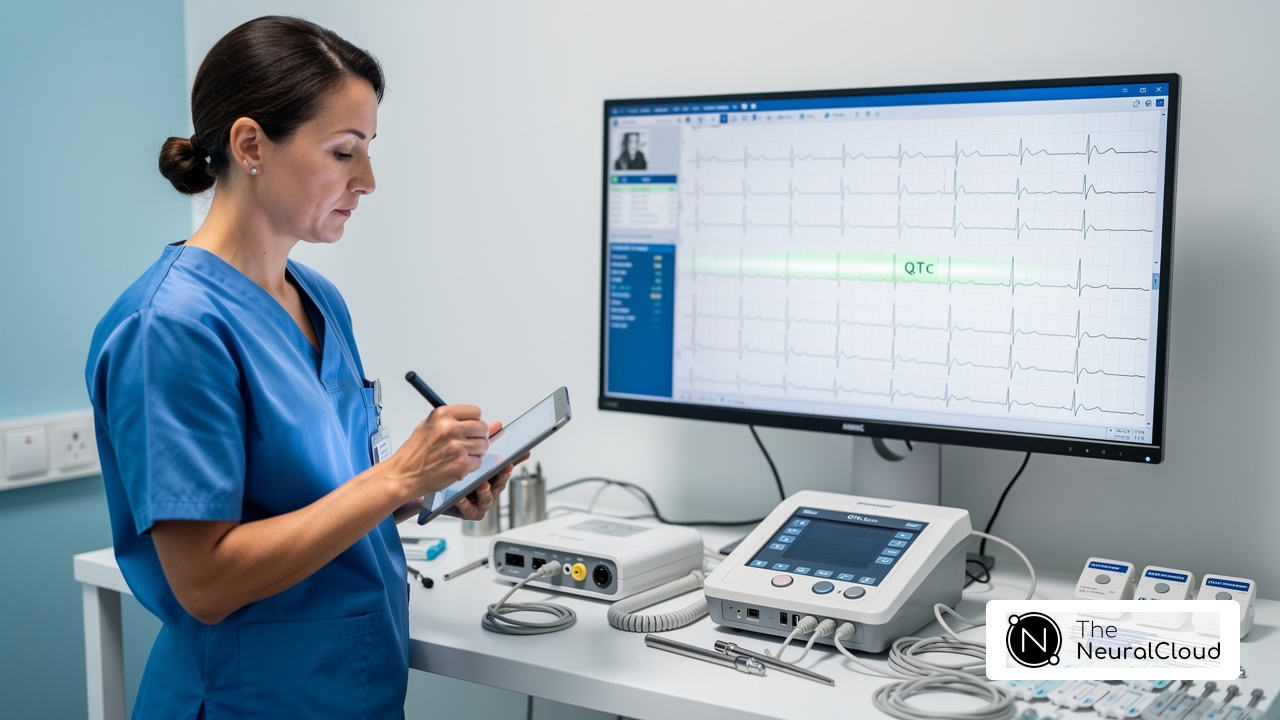
To create effective ECG solutions, health tech creators must understand the ECG explanation of the fundamentals of electrocardiography, which is crucial for accurate cardiac assessments. This means understanding the heart's electrical activity and the significance of waveforms like P, QRS, and T. Each of these relates directly to cardiac health. Developers should familiarize themselves with the standard 12-lead ECG setup, as well as the common arrhythmias and conditions that can be understood through an ECG explanation.
The solution by Neural Cloud Solutions is essential in this process by tackling typical issues like motion noise and ensuring clear PPG information. By utilizing advanced noise filtering and distinct wave recognition, the product enhances ECG accuracy, enabling developers to achieve hospital-grade results from consumer-grade devices.
Key Practices:
- Study Basic Waveforms: Learn the characteristics of P waves, QRS complexes, and T waves. Each component provides critical information about heart function. For instance, abnormal R wave patterns can indicate serious conditions like myocardial infarction or arrhythmias, emphasizing the need for precise evaluation. This tool aids in isolating these essential information points, even in recordings with high levels of noise.
- Familiarize with Arrhythmias: Understand common arrhythmias such as atrial fibrillation and ventricular tachycardia, which can be identified through specific ECG patterns. Notably, nearly 85% of hypertrophic cardiomyopathy (HCM) patients remain undiagnosed, which underscores the importance of an ECG explanation for accurate interpretation and identification of such conditions. The system aids in this by providing consistent, clean data across all connected devices, enhancing diagnostic capabilities.
- Utilize Resources: Leverage educational materials, such as online courses and textbooks, to deepen your understanding of ECG interpretation. Engaging with clinical studies that include an ECG explanation of the effectiveness of AI in detecting HCM can provide valuable context. The platform exemplifies how AI can enhance diagnostic yield and precision over time.
- Engage with Clinical Experts: Collaborate with cardiologists to gain insights into practical ECG applications and interpretation nuances. This collaboration can enhance the reliability of cardiac assessments, as expert evaluation is crucial for accurate diagnostics. With this technology, creators can ensure that their ECG solutions are not only innovative but also clinically relevant.
Tim Showalter, MD, emphasizes that "Time is muscle," reminding us of the critical need for timely and accurate ECG diagnostics. By mastering these fundamentals and leveraging advanced technology, developers can significantly improve patient outcomes in cardiac care.

Integrate AI-Driven Solutions for Enhanced ECG Analysis
Traditional ECG analysis often misses critical patterns, leading to potential misdiagnoses, but integrating AI-driven solutions can change that. It's essential for developers to focus on implementing machine learning algorithms that can analyze ECG information in real-time, identifying patterns and anomalies that traditional methods might overlook.
- Utilize Deep Learning Models: Employ deep learning algorithms trained on extensive ECG datasets to improve pattern recognition and anomaly detection.
- Automate Signal Processing: Use Neural Cloud Solutions' platform to automate the cleaning and preprocessing of ECG signals, effectively reducing noise and enhancing signal quality. This system recognizes and tags essential information, even in recordings with significant noise and artifacts, enabling swift separation of ECG waves from difficult recordings.
- Continuous Learning Systems: Establish systems that continuously learn from incoming information, improving their accuracy over time and adapting to emerging patterns in ECG readings. The system evolves with each use, enhancing its diagnostic yield and efficiency.
- Collaborate with Specialists in Data Science: Partner with experts to fine-tune algorithms, ensuring they meet the specific requirements of cardiology.
AI is proving to be a game-changer by enhancing the ECG explanation in diagnostics. For instance, AI can instantly screen incoming ECGs for critical issues like heart attacks, providing ECG explanation alerts faster than human review, which can save crucial time in emergency situations. Furthermore, the expansion of reimbursement for AI-ECG analysis in 2025 has facilitated broader adoption of these technologies and is expected to continue influencing the evolution of the AI in ECG market into 2026. By harnessing AI, especially through innovative solutions, developers can create ECG solutions that not only enhance diagnostic capabilities but also transform workflows, paving the way for improved patient outcomes in the healthcare sector.

Utilize Visualization Tools to Improve User Engagement
Current methods for ECG explanation often struggle with effective visualization, leading to challenges in user engagement and clinical decision-making. Developers should focus on building intuitive dashboards and reporting tools that enable healthcare professionals to analyze ECG information effortlessly, utilizing the features of Neural Cloud Solutions' technology.
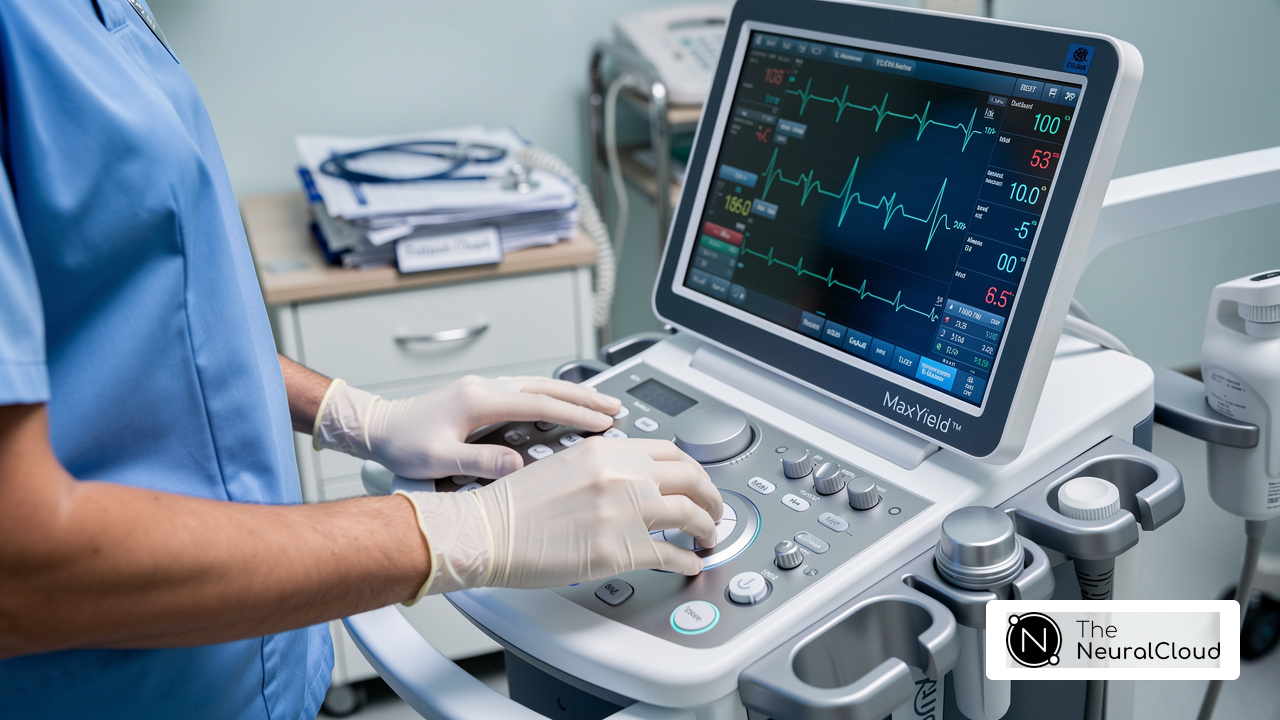
- Design Interactive Dashboards: Create dashboards that enable users to engage with ECG information, allowing them to zoom in on specific segments and access detailed analyses. This interactivity enhances understanding and aids in identifying critical patterns, particularly when utilizing MaxYield™ for advanced noise filtering and wave recognition.
- Incorporate Customizable Reports: Facilitate the generation of customizable reports that emphasize key metrics and trends in ECG information. Users should be able to switch formulas and apply filters to tailor reports to their specific needs. This feature simplifies the communication of findings to patients and colleagues, ensuring clarity and precision in reporting.
- Use Graphical Representations: Utilize graphs and charts to visually depict ECG information, enabling users to quickly spot abnormalities and trends. Visual aids are crucial for successful information interpretation and can greatly improve diagnostic precision, particularly when integrated with the advanced AI technology that converts noisy recordings into clear waveforms.
- Gather User Feedback: Regularly collect feedback from end-users to refine visualization tools, ensuring they align with clinical needs and preferences. Continuous improvement based on user insights is vital for developing effective ECG solutions, as evidenced by testimonials highlighting the precision and efficiency of Neural Cloud Solutions' offerings.
Focusing on these visualization techniques and integrating innovative product features can greatly enhance ECG usability, providing a comprehensive ECG explanation that ultimately leads to improved patient care and satisfaction. Additionally, incorporating insights from successful case studies can illuminate the real-world impact of these visualization strategies on clinical outcomes.

Ensure Compliance with Healthcare Regulations
Navigating the complexities of ECG technology compliance can be daunting for developers, yet an ECG explanation is essential for ensuring patient safety and trust. Adherence to healthcare regulations is crucial as it protects sensitive information and fosters trust among healthcare providers and patients. The MaxYield™ platform from Neural Cloud Solutions streamlines operations and automates labor-intensive processing of ECG information, ultimately enhancing the ECG explanation so developers can focus on interpreting results instead of managing them.
Key Practices:
- Understand Regulatory Frameworks: Developers should familiarize themselves with key regulations, including HIPAA, FDA guidelines, and ISO standards that govern ECG devices. HIPAA classifies ECG artifacts as electronic protected health information (ePHI), necessitating strict compliance with administrative, physical, and technical safeguards.
- Implement Data Security Measures: It is essential to ensure that all ECG information is encrypted, utilizing standards such as AES-256 for information at rest and TLS 1.2 or 1.3 for information in motion. Access controls must be implemented to limit access to information to authorized personnel only, thereby improving overall security.
- Conduct Regular Audits: Regular compliance audits are vital for identifying gaps in ECG products and providing an ECG explanation to address potential regulatory issues. Organizations should establish a cadence of continuous monitoring and periodic audits to validate the effectiveness of their security controls and ensure ongoing compliance with HIPAA.
- Engage with Regulatory Experts: Working with regulatory experts can really help developers tackle those tricky compliance issues. Their expertise is invaluable in ensuring that ECG products meet all necessary standards, including those outlined in the FDA's General Wellness Policy, which clarifies that low-risk products marketed for general wellness may not require the typical medical device regulatory process.
By prioritizing compliance, developers can leverage the MaxYield™ platform's capabilities, including its API, SDK, and CDK for seamless integration. This approach ensures that ECG solutions are effective and legally sound. Ultimately, embracing compliance not only safeguards patient data but also enhances the ECG explanation that positions developers as trusted leaders in ECG innovation.

Conclusion
Navigating the complexities of ECG technology is crucial for health tech developers striving to enhance cardiac care. A deep understanding of electrocardiography fundamentals, combined with innovative AI-driven solutions and effective visualization techniques, empowers developers to create tools that significantly improve diagnostic accuracy and patient outcomes. When developers bring these elements together, they can make sure their ECG solutions are both innovative and relevant in clinical settings.
The article highlights several key practices that are vital for success in ECG development:
- Understanding basic waveforms and common arrhythmias is crucial for accurate interpretation.
- Leveraging AI can enhance pattern recognition and reduce the likelihood of misdiagnoses.
- Utilizing advanced visualization tools allows for better user engagement and clearer communication of findings, ultimately leading to more informed clinical decisions.
- Compliance with healthcare regulations further underscores the importance of safeguarding patient data and fostering trust in ECG solutions.
As ECG technology evolves, it’s vital for developers to embrace these best practices. Failing to adopt these practices may result in outdated solutions that compromise patient outcomes. By prioritizing education, collaboration, and innovation, the potential to transform cardiac diagnostics is immense. Engaging with the latest trends and advancements will not only enhance individual ECG solutions but also contribute to the broader goal of improving patient health outcomes in the healthcare sector.
Frequently Asked Questions
What is the importance of understanding ECG fundamentals for health tech creators?
Understanding ECG fundamentals is crucial for accurate cardiac assessments, as it involves knowledge of the heart's electrical activity and the significance of waveforms like P, QRS, and T, which relate directly to cardiac health.
What are the key components of a standard ECG that developers should familiarize themselves with?
Developers should familiarize themselves with the standard 12-lead ECG setup and the common arrhythmias and conditions that can be identified through ECG interpretation.
How does Neural Cloud Solutions enhance ECG accuracy?
Neural Cloud Solutions enhances ECG accuracy by addressing issues like motion noise and ensuring clear PPG information through advanced noise filtering and distinct wave recognition, enabling hospital-grade results from consumer-grade devices.
What are the basic waveforms that need to be studied for ECG interpretation?
The basic waveforms to study include P waves, QRS complexes, and T waves, as each component provides critical information about heart function and can indicate serious conditions if abnormal patterns are present.
Why is it important to familiarize oneself with common arrhythmias?
Familiarizing oneself with common arrhythmias, such as atrial fibrillation and ventricular tachycardia, is important because specific ECG patterns can indicate these conditions, and many patients with conditions like hypertrophic cardiomyopathy (HCM) may remain undiagnosed.
What resources can be utilized to improve understanding of ECG interpretation?
Educational materials such as online courses, textbooks, and clinical studies that include ECG explanations and the effectiveness of AI in detecting conditions like HCM can be leveraged to deepen understanding of ECG interpretation.
How can collaboration with clinical experts benefit ECG solution developers?
Collaborating with cardiologists can provide insights into practical ECG applications and interpretation nuances, enhancing the reliability of cardiac assessments and ensuring that ECG solutions are clinically relevant.
What is the significance of timely and accurate ECG diagnostics according to Tim Showalter, MD?
Tim Showalter, MD, emphasizes that "Time is muscle," highlighting the critical need for timely and accurate ECG diagnostics to improve patient outcomes in cardiac care.
List of Sources
- Understand ECG Fundamentals and Interpretation
- Three New Studies Show Viz.ai’s Cardio Suite Speeds Detection of Cardiac Disease and Improves Patient Follow-Up (https://viz.ai/news/three-new-studies-show-viz-ais-cardio-suite-speeds-detection-of-cardiac-disease-and-improves-patient-follow-up)
- Breakthrough in heart health: A new approach to interpreting ECG data using large language models (https://eurekalert.org/news-releases/1073406)
- How is AI transforming ECG interpretation? | AI ECG (https://powerfulmedical.com/blog/how-is-ai-transforming-ecg-interpretation)
- theneuralcloud.com (https://theneuralcloud.com/post/master-r-waves-in-ecg-key-insights-for-health-tech-developers)
- Integrate AI-Driven Solutions for Enhanced ECG Analysis
- ECG market keeps evolving thanks to AI, home monitoring and Epic integration (https://signifyresearch.net/2026/02/13/ecg-market-keeps-evolving-thanks-to-ai-home-monitoring-and-epic-integration)
- AI outperforms conventional diagnosis for certain types of heart attacks (https://escardio.org/news/press/press-releases/acvc-press)
- doralhw.org (https://doralhw.org/the-ai-cardiologist-how-machine-learning-is-revolutionizing-ecg-and-imaging-diagnostics)
- Movesense and NeuralCloud to Pilot AI-Powered ECG and Holter Reporting — Movesense (https://movesense.com/news/2026/02/movesense-and-neuralcloud-to-pilot-ai-powered-ecg-and-holter-reporting)
- Utilize Visualization Tools to Improve User Engagement
- New AI approach set to revolutionize ECG data interpretation in heart disease diagnosis (https://news-medical.net/news/20250219/New-AI-approach-set-to-revolutionize-ECG-data-interpretation-in-heart-disease-diagnosis.aspx)
- syncfusion.com (https://syncfusion.com/blogs/post/build-real-time-ecg-monitoring-dashboard-wpf-charts)
- From data to display, Pitt is giving the EKG an upgrade (https://pittwire.pitt.edu/features-articles/2025/11/04/machine-learning-heart-attack-diagnosis)
- levelup.gitconnected.com (https://levelup.gitconnected.com/python-powered-visualizations-crafting-interactive-dashboards-for-physionets-12-leads-ecg-data-3fba5130e75d)
- m3globalresearch.blog (https://m3globalresearch.blog/2026/02/11/healthcare-innovations-changing-medical-practice-2026)
- Ensure Compliance with Healthcare Regulations
- accountablehq.com (https://accountablehq.com/post/securing-ecg-data-in-healthcare-hipaa-compliance-encryption-and-best-practices)
- natlawreview.com (https://natlawreview.com/article/fdas-2026-general-wellness-policy-and-what-it-means-manufacturers-wearable-devices)
- hipaajournal.com (https://hipaajournal.com/hipaa-compliance-for-cardiology-practices)
- How Will FDA's New Rules Impact Your Health Gadgets? (https://spectrum.ieee.org/fda-medical-device-rules)
- FDA Digital Health Guidance: 2026 Requirements Overview | IntuitionLabs (https://intuitionlabs.ai/articles/fda-digital-health-technology-guidance-requirements)