Introduction
Interpreting ECG data presents significant challenges for healthcare professionals. As technology advances, particularly through AI innovations, the potential to enhance the accuracy and efficiency of ECG analysis becomes increasingly clear. Clinicians must explore how to use AI tools to enhance diagnostic accuracy and improve patient care despite the challenges of abnormal ECG results.
Define ECG Imaging and Its Importance in Cardiac Diagnostics
While ECG imaging is vital for diagnosing cardiac conditions, the complexity of data interpretation often poses challenges for healthcare professionals. Electrocardiography (ECG) imaging records the heart's electrical activity over time through electrodes placed on the skin. This technique is crucial for identifying various cardiac conditions, including arrhythmias and myocardial infarctions. ECG imaging's significance lies in its ability to provide real-time data on heart function. This empowers healthcare professionals to make informed decisions about patient care.
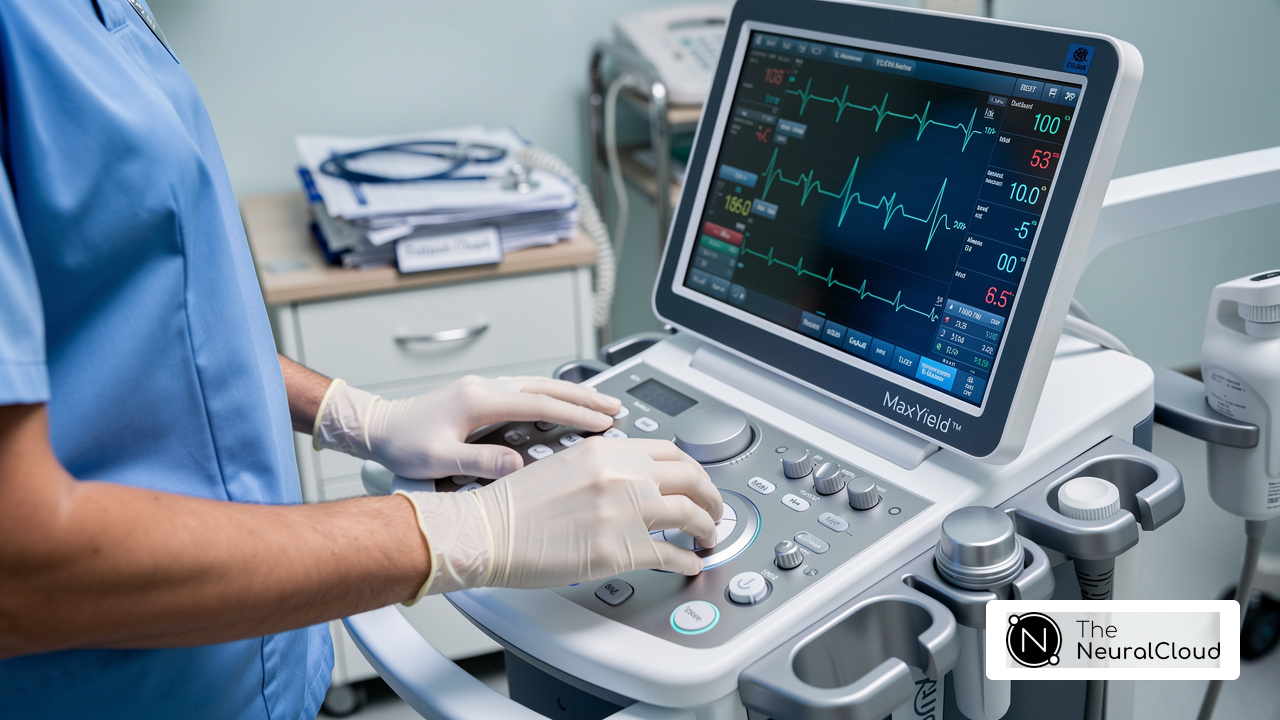
By analyzing ECG images abnormal generated during an ECG, clinicians can detect abnormalities that may signal underlying health issues. For instance, ECGs are instrumental in diagnosing conditions such as atrial fibrillation, which can lead to serious complications like blood clots. Recent advancements in ECG technology, particularly through Neural Cloud Solutions Inc.'s platform, have improved the accuracy and efficiency of these assessments. MaxYield's automated, device-agnostic ECG analysis captures recordings from any 1-lead or 3-lead device, ensuring clean data and hospital-grade accuracy from consumer-grade patches. Research shows that AI-driven ECG analysis can greatly enhance the detection rates of heart diseases, with models achieving accuracy levels of up to 99.29% in predicting cardiovascular conditions, as developed by Hasan MN et al.
Current statistics show that ECG imaging effectively identifies risks for sudden cardiac arrest and ventricular fibrillation, especially in cases where ECG images are abnormal, making it a cornerstone of cardiovascular diagnostics; moreover, integrating AI tools in ECG imaging is paving the way for more precise evaluations, with ongoing research focused on refining these technologies for broader clinical applications. Real-world examples demonstrate that improved ECG imaging techniques have led to better patient outcomes, highlighting the transformative potential of this diagnostic approach in modern healthcare. Furthermore, adherence to critical quality criteria for AI-based prediction models, including FDA Class II SaMD clearance-pending status, is essential for ensuring the reliability and effectiveness of these advancements. Expert endorsements from Dr. Alan Rabinowitz, Dr. Brett Heilbron, and Dr. Marc W. Deyell highlight MaxYield’s accuracy comparable to human interpretation and its noise reduction advantages, further reinforcing its role in improving heart diagnostics. As technology continues to evolve, the potential for AI-driven ECG analysis to enhance patient care becomes increasingly evident.

Identify Common Causes of Abnormal ECG Results
Diagnosing abnormal ECG images presents significant challenges due to the diverse factors influencing cardiac health. Key causes include:
- Arrhythmias: Irregular pulsations, such as atrial fibrillation (AF), can lead to abnormal waveforms on an ECG, indicating potential rhythm disorders. The prevalence of AF among older adults in Canada is significant, with studies showing a cumulative incidence of 4.1% over six years, translating to 6.9 cases per 1,000 person-years.
- Myocardial Ischemia: Decreased blood flow to the cardiac muscle can manifest as ST-segment changes on the ECG, often indicating underlying coronary artery disease or acute myocardial infarction.
- Electrolyte Imbalances: Abnormal levels of potassium, calcium, or magnesium can disrupt rhythm and conduction, resulting in unusual readings. Recognizing these imbalances is crucial, as they can often be treated with fluids or electrolyte medications.
- Structural Cardiac Changes: Conditions such as hypertrophy or dilation of cardiac chambers can modify the ECG pattern, suggesting that the organ is overworking due to factors like hypertension or valvular cardiac disease. Recognizing the abnormal ECG images can lead to further examination and management of underlying cardiovascular conditions.
- Medications: Certain drugs, including beta-blockers and sodium channel blockers, can affect pulse rate and rhythm, leading to abnormal findings. Physicians often review current medications to identify potential impacts on ECG results.
- Lifestyle Factors: Stress, diet, and physical activity levels can also impact ECG results. For instance, high blood pressure is associated with a higher likelihood of abnormal readings, emphasizing the need for lifestyle management in cardiovascular health.
By understanding these causes, healthcare professionals can enhance diagnostic accuracy and improve treatment strategies, ultimately leading to better patient care and outcomes.

Analyze and Interpret Abnormal ECG Images
Interpreting ECG images abnormal presents significant challenges for healthcare professionals, necessitating a systematic approach to ensure accuracy. To analyze and interpret these images effectively, follow these steps:
- Familiarize with the ECG Waveform: Understand the components of the ECG waveform, including P waves, QRS complexes, and T waves. Each part represents different phases of the heart cycle.
- Assess Heart Rate and Rhythm: Calculate the heart rate by measuring the distance between R-R intervals. Determine if the rhythm is regular or irregular.
- Identify Abnormalities: Look for deviations from the normal waveform. Common abnormalities include:
- ST Elevation/Depression: Indicates ischemia or infarction.
- Prolonged QT Interval: May suggest a risk for arrhythmias.
- Inverted T Waves: Can indicate myocardial ischemia or other cardiac issues.
- Correlate with Clinical Context: Always interpret ECG findings in conjunction with the patient's clinical history and symptoms to ensure accurate diagnosis.
- Utilize AI Tools: Leverage AI-driven technologies, like those from Neural Cloud Solutions Inc., to enhance the accuracy of your analysis and reduce interpretation time. The company is awaiting FDA Class II SaMD clearance, which will ensure it meets regulatory standards. More than 100,000 clinicians rely on this platform for ECG interpretation, indicating the increasing acceptance of AI tools in clinical practice. Expert endorsements from Dr. Alan Rabinowitz, Dr. Brett Heilbron, and Dr. Marc W. Deyell highlight the precision of the product rivaling human interpretation and its noise reduction advantages.
By mastering these steps and using AI tools, healthcare professionals can improve their diagnostic skills and enhance patient care. Ultimately, embracing AI technology in ECG analysis not only enhances diagnostic accuracy but also transforms patient care practices in the healthcare landscape.

Leverage Advanced Technologies for Enhanced ECG Analysis
Despite advancements in technology, noisy signals in ECG data continue to challenge accurate diagnostics. Advanced technologies, particularly artificial intelligence (AI) and machine learning, are revolutionizing ECG analysis. Here’s how to effectively leverage these tools:
- Implement AI-Driven Solutions: Utilize platforms like MaxYield, which enhance ECG data processing by isolating and cleaning noisy signals. This results in high-fidelity cardiac data that is crucial for accurate diagnostics.
- Integrate with Existing Workflows: Ensure that AI tools can seamlessly integrate with current ECG systems. This minimizes disruptions in clinical practice and enhances workflow efficiency.
- Utilize Visualization Tools: Employ visualization software, such as Insight360, to create customizable dashboards and reports. These tools facilitate better interpretation of ECG data, allowing for quick identification of abnormalities in ECG images.
- Train Staff on New Technologies: Provide comprehensive training for healthcare professionals on utilizing AI tools and interpreting their outputs. This maximizes the benefits of these advanced technologies in clinical settings.
- Stay Updated on Innovations: Regularly review the latest research and advancements in AI applications in cardiology. This helps maintain a competitive edge and ensures your practice is at the forefront of technology.
By adopting these strategies, healthcare providers can not only enhance ECG analysis but also elevate the standard of patient care.

Conclusion
The integration of AI into ECG imaging presents both challenges and opportunities for healthcare professionals in cardiac diagnostics. This article emphasizes how ECG imaging plays a crucial role in spotting different heart conditions, and getting those interpretations right is vital. By leveraging AI tools, clinicians can enhance diagnostic precision, ultimately leading to improved patient outcomes.
The discussion outlines key factors contributing to abnormal ECG results, such as:
- Arrhythmias
- Myocardial ischemia
- Lifestyle influences
It also provides a systematic approach for analyzing ECG images, underscoring the necessity of understanding the ECG waveform and utilizing AI-driven solutions for effective diagnosis. The advancements showcased, particularly through platforms like MaxYield and Neural Cloud Solutions Inc., illustrate how technology can streamline workflows and elevate the quality of patient care in clinical settings.
Embracing AI in ECG analysis is essential for improving diagnostic accuracy and ensuring patient safety. Clinicians are encouraged to stay informed about the latest innovations and to implement these advanced tools in their practices. This can lead to quicker diagnoses and better treatment plans for patients with heart conditions. The future of cardiac care hinges on the adoption of these technologies, which promise to redefine patient treatment pathways.
Frequently Asked Questions
What is ECG imaging?
ECG imaging is a technique that records the heart's electrical activity over time using electrodes placed on the skin. It is essential for diagnosing various cardiac conditions, such as arrhythmias and myocardial infarctions.
Why is ECG imaging important in cardiac diagnostics?
ECG imaging provides real-time data on heart function, enabling healthcare professionals to make informed decisions about patient care. It helps detect abnormalities that may indicate underlying health issues, such as atrial fibrillation, which can lead to serious complications.
How have advancements in ECG technology improved diagnostics?
Recent advancements, particularly through Neural Cloud Solutions Inc.'s platform, have enhanced the accuracy and efficiency of ECG assessments. MaxYield's automated, device-agnostic ECG analysis captures recordings from various devices, ensuring high-quality data and accuracy.
What role does AI play in ECG analysis?
AI-driven ECG analysis significantly enhances the detection rates of heart diseases, achieving accuracy levels of up to 99.29% in predicting cardiovascular conditions. This technology is being integrated into ECG imaging to improve evaluations and patient outcomes.
What are the current statistics regarding ECG imaging's effectiveness?
ECG imaging effectively identifies risks for sudden cardiac arrest and ventricular fibrillation, particularly in cases where ECG images are abnormal, making it a cornerstone of cardiovascular diagnostics.
What are the quality criteria for AI-based prediction models in ECG imaging?
Adherence to critical quality criteria, including FDA Class II SaMD clearance-pending status, is essential to ensure the reliability and effectiveness of AI advancements in ECG imaging.
Who endorses the accuracy of MaxYield's ECG analysis?
Experts such as Dr. Alan Rabinowitz, Dr. Brett Heilbron, and Dr. Marc W. Deyell endorse MaxYield’s accuracy, noting its comparability to human interpretation and its advantages in noise reduction.
What is the future potential of AI-driven ECG analysis?
As technology evolves, the potential for AI-driven ECG analysis to enhance patient care is increasingly evident, with ongoing research focused on refining these technologies for broader clinical applications.
List of Sources
- Define ECG Imaging and Its Importance in Cardiac Diagnostics
- Electrocardiogram (ECG or EKG) - Mayo Clinic (https://mayoclinic.org/tests-procedures/ekg/about/pac-20384983)
- escardio.org (https://escardio.org/communities/working-groups/e-cardiology/scientific-documents-and-publications/commented-articles/ecg-analysis-to-predict-cardiovascular-diseases-a-critical-appraisal-of-dataset-quality-and-the-need-for-external-validation)
- cardiovascularbusiness.com (https://cardiovascularbusiness.com/topics/clinical/heart-failure/new-ai-model-uses-ecg-images-evaluate-heart-failure-risk)
- Study Shows AI-Powered ECG Could Help Patients Requiring Lifelong Heart Monitoring (https://dicardiology.com/content/study-shows-ai-powered-ecg-could-help-patients-requiring-lifelong-heart-monitoring)
- Artificial intelligence in ECG diagnostics - where are we now? (https://escardio.org/communities/councils/cardiology-practice/education/cardiopractice/artificial-intelligence-in-ecg-diagnostics-where-are-we-now)
- Identify Common Causes of Abnormal ECG Results
- Abnormal EKG: Results, causes, and next steps (https://medicalnewstoday.com/articles/324922)
- pmc.ncbi.nlm.nih.gov (https://pmc.ncbi.nlm.nih.gov/articles/PMC6598326)
- New Clinical Trial Finds Human Oversight ECG Monitors Outperform AI-Dependent Monitoring - HRS (https://hrsonline.org/news/human-oversight-ecg-monitors-outperform-ai-dependent-monitoring)
- smmgmd.com (https://smmgmd.com/from-testing-to-treatment-what-happens-after-an-abnormal-ecg)
- Analyze and Interpret Abnormal ECG Images
- ECG Case Studies | Interpretation & Answers | Geeky Medics (https://geekymedics.com/ecg-case-studies)
- nyit.edu (https://nyit.edu/news/articles/using-ai-to-detect-ecg-abnormalities)
- PMcardio: AI ECG & Cardiac Care Platform (https://powerfulmedical.com)
- nature.com (https://nature.com/articles/s41598-026-41824-5)
- Leverage Advanced Technologies for Enhanced ECG Analysis
- NISS–CANSSI Webinar Highlights AI-Driven ECG Analysis for ICU Atrial Fibrillation Detection (https://niss.org/news/niss–canssi-webinar-highlights-ai-driven-ecg-analysis-icu-atrial-fibrillation-detection)
- Artificial intelligence in ECG diagnostics - where are we now? (https://escardio.org/communities/councils/cardiology-practice/education/cardiopractice/artificial-intelligence-in-ecg-diagnostics-where-are-we-now)
- Study Shows AI-Powered ECG Could Help Patients Requiring Lifelong Heart Monitoring (https://dicardiology.com/content/study-shows-ai-powered-ecg-could-help-patients-requiring-lifelong-heart-monitoring)
- Three New Studies Show Viz.ai’s Cardio Suite Speeds Detection of Cardiac Disease and Improves Patient Follow-Up (https://viz.ai/news/three-new-studies-show-viz-ais-cardio-suite-speeds-detection-of-cardiac-disease-and-improves-patient-follow-up)