Introduction
The complexities of electrocardiogram (ECG) reporting are crucial for health tech developers who aim to improve patient care through precise diagnostics. By understanding the foundational elements of ECG reports, developers can enhance the clarity and effectiveness of these vital documents. However, with technology evolving rapidly and the demand for accuracy increasing, how can developers ensure their ECG reporting formats not only comply with clinical standards but also utilize advanced technologies for the best possible outcomes?
Clarify Key Concepts in ECG Reporting
To effectively report on ECGs, developers must grasp several fundamental concepts:
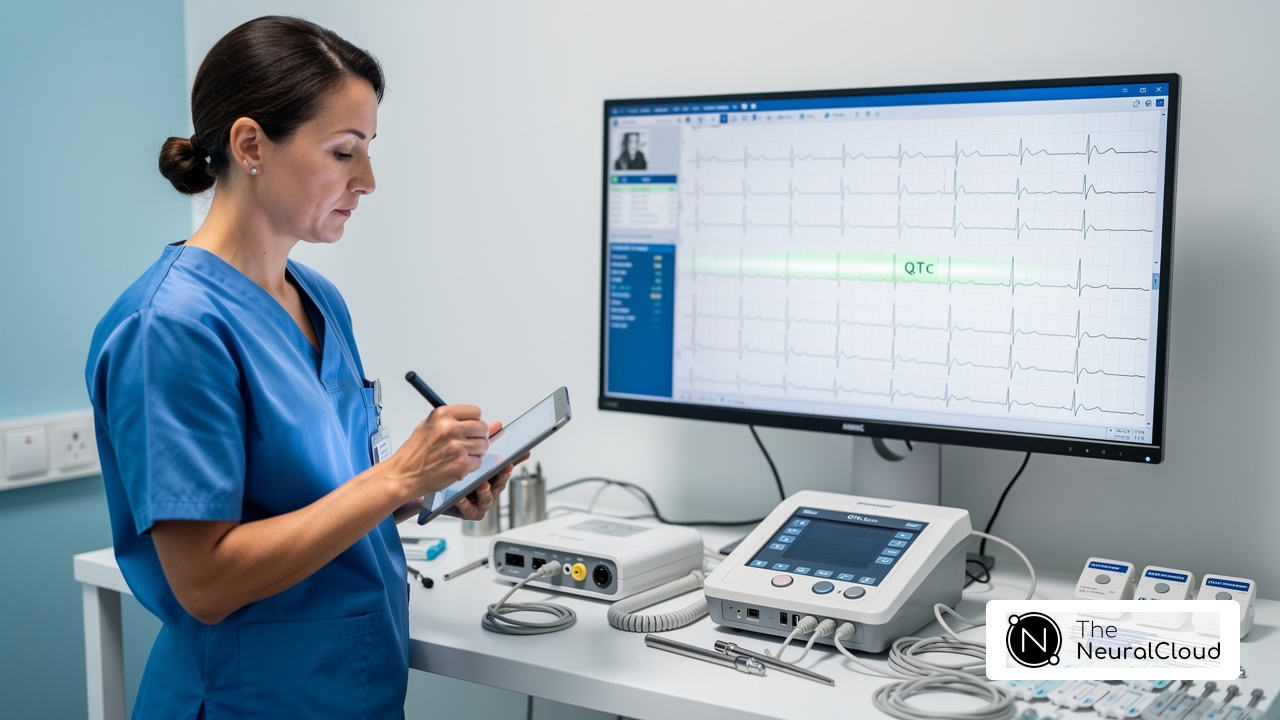
- ECG Basics: An electrocardiogram (ECG) captures the heart's electrical activity over time, presenting this data as waves on a graph. The primary components include the P wave, QRS complex, and T wave, each signifying distinct phases of the heart's electrical cycle. Understanding these elements is crucial for accurate analysis and interpretation.
- Patient Information: Including essential details such as the patient's name, hospital number, and date of birth is vital for proper identification and context in ECG analysis. This information guarantees that the document is connected to the correct individual, facilitating accurate clinical decisions.
- Timing and Date: Recording the exact time and date of the ECG is essential, as discrepancies between the documentation and generation can affect clinical outcomes. Precise timing assists medical providers in evaluating the significance of the ECG concerning the patient's condition.
- Interpretation Standards: Familiarity with established guidelines for ECG interpretation, such as those from the American Heart Association (AHA), is essential. Following these standards guarantees that documents are clinically pertinent and beneficial for medical practitioners, improving the overall quality of patient care.
Integrating these components into the ECG report format enhances the clarity and usefulness of the reports and aligns with the growing trend of medical providers using standardized ECG reporting formats, currently at 58%. This standardization is crucial for effective communication among healthcare professionals and for improving patient outcomes. As Dr. Jonathan H. Kim, MD, MSc, FACC, emphasizes, "Current health systems in the U.S. could not handle the increased demand for ECG screening and interpretation," highlighting the importance of clear and standardized reporting practices.
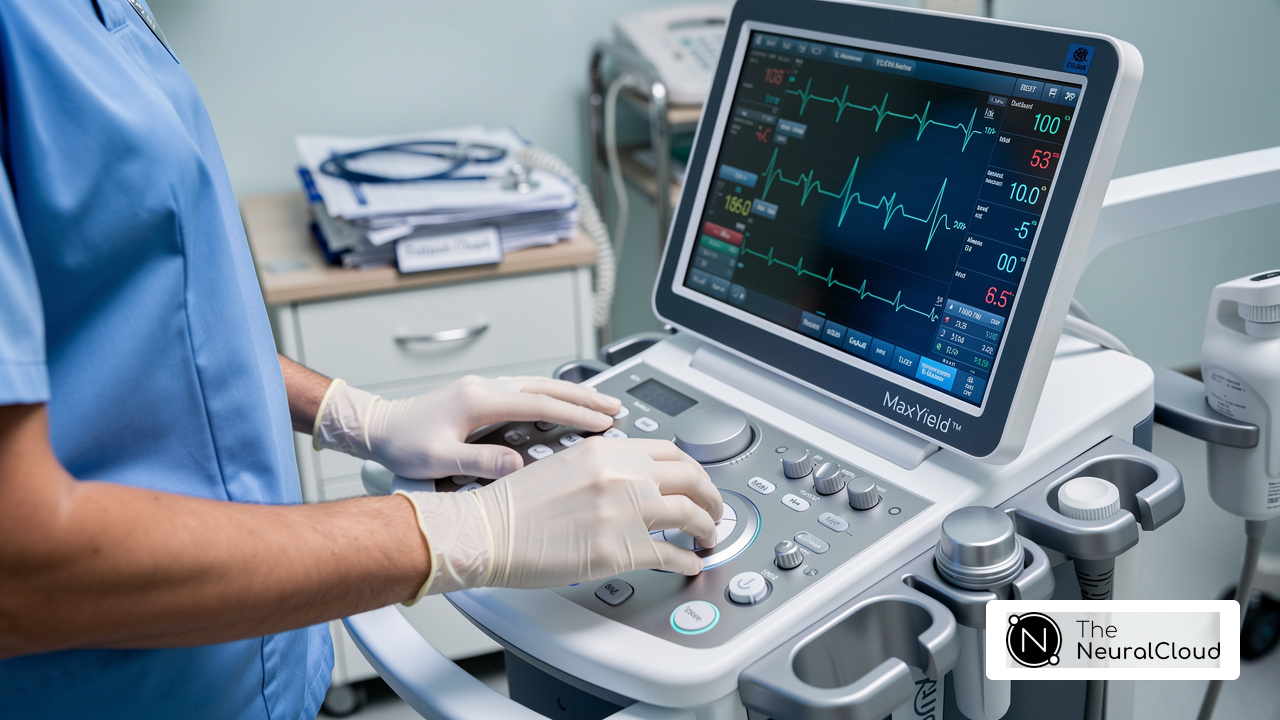
MaxYield™ Platform Features: 'Neural Cloud Solutions' technology enhances this process by automating the labeling of ECG waves and filtering out noise, allowing for a more streamlined workflow. By rapidly isolating ECG waves from recordings with high levels of noise and artifact, MaxYield™ salvages previously obscured sections of lengthy Holter and patch monitor recordings. This capability not only improves the accuracy of ECG analysis but also supports the growing need for efficient reporting in clinical settings.
Advantages for Healthcare Professionals: Real-world examples, such as the implementation of AI-based ECG platforms, demonstrate how effective reporting can enhance clinical workflows and patient care. The MaxYield™ platform not only simplifies the ECG analysis process but also ensures that healthcare professionals can make informed decisions quickly and accurately.

Explore the Structure of ECG Report Formats
An effective ECG report format is organized to ensure clarity and usefulness for medical providers. Key components include:
- Header: This section contains vital patient identification details, the date and time of the ECG, and the name of the healthcare provider, ensuring proper documentation and traceability.
- Waveform Display: A visual representation of the ECG tracing is crucial, showcasing the P wave, QRS complex, and T wave. This display allows for immediate identification of any abnormalities, which is essential for accurate diagnosis. The technology enhances this aspect by transforming noisy recordings into detailed insights, facilitating quicker identification of cardiac events through beat-by-beat analysis of 200,000 heartbeats in less than 5 minutes.
- Alphanumeric Data: Important measurements such as heart rate, rhythm, and intervals (e.g., PR interval, QT interval) should be clearly listed. For instance, a normal PR interval ranges from 120 to 200 milliseconds, while the normal P wave duration is approximately 80 milliseconds. The system automates the extraction of these critical metrics, ensuring accuracy and reducing the potential for human error.
In the ECG report format, the Interpretation Section offers a concise summary of findings, including detected arrhythmias or other significant observations that guide clinical decision-making. This section is critical for ensuring that healthcare providers can quickly assess the patient's condition. With MaxYield™, the interpretation process is streamlined, allowing for rapid and reliable insights that support confident clinical decisions. - Recommendations: Suggestions for further testing or follow-up based on the ECG findings enhance the document's utility, allowing for timely interventions.
In clinical environments, the average time required to produce ECG analyses can significantly influence patient care. Streamlining this process through automated systems can lead to faster diagnosis and treatment, ultimately improving patient outcomes. By addressing inefficiencies in ECG analysis, such as semi-manual input and physiological variability, MaxYield™ significantly reduces the time needed for document generation, enhancing overall efficiency.

Implement ECG Report Formats in Health Tech Solutions
To implement ECG report formats effectively, developers should follow these steps:
- Define Data Inputs: Ensure that the system captures all necessary patient and ECG data, including waveform data and patient demographics. This foundational step is crucial for generating detailed documents.
- Design Report Templates: Create templates that align with structured formats, ensuring that all essential components are included. This helps maintain consistency and clarity in reporting.
- Integrate AI Algorithms: Utilize AI, particularly the MaxYield™ platform, to automate the analysis and interpretation of ECG data. MaxYield™ excels in noise filtering and distinct wave recognition, significantly enhancing the accuracy and speed of document generation. Its continuous learning model ensures that the algorithm evolves with each use, improving diagnostic efficiency, reducing costs, and identifying cardiac conditions that may be missed by traditional methods.
- Test for Compliance: Confirm that the produced documents adhere to clinical standards and guidelines, such as those from the American Heart Association (AHA). This ensures they are appropriate for use in medical environments. Adherence to the ECG report format is essential, as it enhances the dependability of the documents.
- User Feedback: Implement a feedback loop with healthcare professionals to refine report formats based on real-world usability and clinical relevance. Engaging with end-users can lead to improvements that enhance the overall effectiveness of the reporting system.

Leverage Advanced Technologies for Enhanced ECG Analysis
To enhance ECG analysis through advanced technologies, developers should consider several key approaches:
- AI-Powered Interpretation: Machine learning algorithms can analyze ECG data in real-time, identifying patterns and anomalies that traditional methods might miss. The 'Neural Cloud Solutions' platform exemplifies this by utilizing advanced AI and a patent-pending Signal Mapping Algorithm, which delivers precise beat-by-beat PQRST labeling. This significantly boosts diagnostic accuracy.
- Data Integration: Cloud-based platforms can aggregate ECG data from various sources, facilitating comprehensive analysis and reporting across different devices and clinical settings. This approach streamlines workflows and improves the quality of insights obtained from ECG data. The system automates repetitive tasks and processes data more efficiently, enhancing overall productivity.
- Continuous Learning Models: Systems that evolve with new data inputs can improve accuracy and efficiency over time. This technology adjusts to physiological variability in ECG waveforms, ensuring that medical professionals benefit from the latest advancements in ECG interpretation.
User-friendly interfaces in the ECG report format enable medical professionals to easily access and interpret reports, promoting quicker clinical decision-making. A seamless user experience is crucial for fostering adoption among clinicians. The system aims to provide clarity through automated labeling and noise reduction capabilities.
- Interoperability Standards: ECG analysis tools must comply with interoperability standards to ensure seamless integration with electronic health records (EHRs) and other health tech solutions. This compliance enhances data flow and usability across healthcare systems, further supported by the advanced features of Neural Cloud Solutions' MaxYield™.

Conclusion
Effective ECG reporting is crucial for health tech developers who want to enhance patient care and streamline clinical workflows. By mastering key components of ECG report formats - such as understanding ECG basics, ensuring accurate patient information, and adhering to interpretation standards - developers can create comprehensive reports that support better clinical decisions. The integration of advanced technologies, like AI-driven analysis and automated systems such as MaxYield™, significantly boosts the accuracy and efficiency of ECG reporting.
This article shared critical insights, including:
- The importance of structured report formats
- The role of automation in minimizing human error
- The necessity for compliance with established guidelines
Emphasizing user-friendly interfaces and interoperability standards illustrates how these elements foster effective communication among healthcare professionals, ultimately leading to improved patient outcomes. Real-world examples demonstrate the positive impact of these practices on clinical workflows and decision-making.
By incorporating these essential steps and leveraging advanced technologies, health tech developers not only enhance ECG analysis but also position themselves to meet the increasing demands of modern healthcare. As the medical technology landscape evolves, prioritizing clear, standardized, and efficient ECG reporting becomes vital for supporting healthcare providers in delivering timely and accurate patient care. Embracing these practices can significantly elevate the quality of ECG reporting, ensuring that health tech solutions are both innovative and effective in addressing the needs of patients and clinicians alike.
Frequently Asked Questions
What is an electrocardiogram (ECG)?
An electrocardiogram (ECG) captures the heart's electrical activity over time and presents this data as waves on a graph. The primary components of an ECG include the P wave, QRS complex, and T wave, which signify distinct phases of the heart's electrical cycle.
Why is patient information important in ECG reporting?
Including essential details such as the patient's name, hospital number, and date of birth is vital for proper identification and context in ECG analysis. This information ensures that the document is connected to the correct individual, facilitating accurate clinical decisions.
What role does timing and date play in ECG documentation?
Recording the exact time and date of the ECG is essential, as discrepancies between the documentation and generation can affect clinical outcomes. Precise timing helps medical providers evaluate the significance of the ECG concerning the patient's condition.
What are interpretation standards in ECG reporting?
Familiarity with established guidelines for ECG interpretation, such as those from the American Heart Association (AHA), is essential. Following these standards ensures that documents are clinically pertinent and beneficial for medical practitioners, improving the overall quality of patient care.
How does standardization of ECG reporting benefit healthcare providers?
Standardizing ECG reporting enhances the clarity and usefulness of reports, facilitating effective communication among healthcare professionals and improving patient outcomes. Currently, 58% of medical providers use standardized ECG reporting formats.
What technology does the MaxYield™ platform utilize for ECG reporting?
The MaxYield™ platform employs 'Neural Cloud Solutions' technology to automate the labeling of ECG waves and filter out noise, streamlining the workflow. This technology allows for rapid isolation of ECG waves from recordings with high levels of noise and artifact.
What advantages does the MaxYield™ platform offer to healthcare professionals?
The MaxYield™ platform simplifies the ECG analysis process, enabling healthcare professionals to make informed decisions quickly and accurately. Real-world examples show that AI-based ECG platforms can enhance clinical workflows and patient care.
List of Sources
- Clarify Key Concepts in ECG Reporting
- acc.org (https://acc.org/latest-in-cardiology/journal-scans/2026/02/13/12/47/acc-statement-opposes-legislative-mandates-for-universal-ecg-screening-in-competitive-athletes)
- AI-based ECG interpretation outperforms standard diagnosis of occlusive myocardial infarction (https://news-medical.net/news/20260323/AI-based-ECG-interpretation-outperforms-standard-diagnosis-of-occlusive-myocardial-infarction.aspx)
- AI-ECG Momentum and Rising Competition Reshape Diagnostic Cardiology in 2026 (https://signifyresearch.net/insights/diagnostic-cardiology-market-bouncing-into-2026)
- New study finds AI model improves heart attack detection (https://health.ucdavis.edu/news/headlines/new-study-finds-ai-model-improves-heart-attack-detection/2025/11)
- Explore the Structure of ECG Report Formats
- cureus.com (https://cureus.com/articles/456496-automated-ecg-report-as-a-factor-in-the-clinical-decision-pathway-for-acute-chest-pain-in-the-emergency-department)
- Normal Electrocardiography (ECG) Intervals: Normal Electrocardiography Intervals (https://emedicine.medscape.com/article/2172196-overview)
- AI-Powered ECG Analysis Offers Promising Path for Early Detection of Chronic Obstructive Pulmonary Disease, Say Mount Sinai Researchers (https://mountsinai.org/about/newsroom/2026/ai-powered-ecg-analysis-offers-promising-path-for-early-detection-of-chronic-obstructive-pulmonary-disease-say-mount-sinai-researchers)
- goodreads.com (https://goodreads.com/work/quotes/13307584)
- Implement ECG Report Formats in Health Tech Solutions
- Artificial intelligence in ECG diagnostics - where are we now? (https://escardio.org/communities/councils/cardiology-practice/education/cardiopractice/artificial-intelligence-in-ecg-diagnostics-where-are-we-now)
- AI-ECG Momentum and Rising Competition Reshape Diagnostic Cardiology in 2026 (https://signifyresearch.net/insights/diagnostic-cardiology-market-bouncing-into-2026)
- gehealthcare.com (https://gehealthcare.com/en-us/insights/article/ai-and-ecg-interpretation-insights-and-trends-for-todays-cardiologists?srsltid=AfmBOooQV1DjC4cZ14S59EGOTythustJFo97ss_8SLSgpbiwlaFV7zS4)
- New AI approach set to revolutionize ECG data interpretation in heart disease diagnosis (https://news-medical.net/news/20250219/New-AI-approach-set-to-revolutionize-ECG-data-interpretation-in-heart-disease-diagnosis.aspx)
- ECG market keeps evolving thanks to AI, home monitoring and Epic integration (https://cardiovascularbusiness.com/topics/cardiac-imaging/electrocardiography-ecg/ecg-market-keeps-evolving-thanks-ai-home-monitoring-and-epic-integration)
- Leverage Advanced Technologies for Enhanced ECG Analysis
- AI-Powered ECG Analysis Offers Promising Path for Early Detection of Chronic Obstructive Pulmonary Disease, Say Mount Sinai Researchers (https://mountsinai.org/about/newsroom/2026/ai-powered-ecg-analysis-offers-promising-path-for-early-detection-of-chronic-obstructive-pulmonary-disease-say-mount-sinai-researchers)
- Remote heart monitoring gets cleaner ECG data under Europe deal (https://stocktitan.net/news/AIMLF/neural-cloud-signs-reseller-agreement-with-european-digital-cardiac-odr4kyyg9lzi.html)
- AI-powered ECG analysis shows promise for early COPD detection (https://medicalxpress.com/news/2026-01-ai-powered-ecg-analysis-early.html)
- ECG market keeps evolving thanks to AI, home monitoring and Epic integration (https://signifyresearch.net/2026/02/13/ecg-market-keeps-evolving-thanks-to-ai-home-monitoring-and-epic-integration)
- ahajournals.org (https://ahajournals.org/doi/10.1161/CIRCHEARTFAILURE.125.013927)